
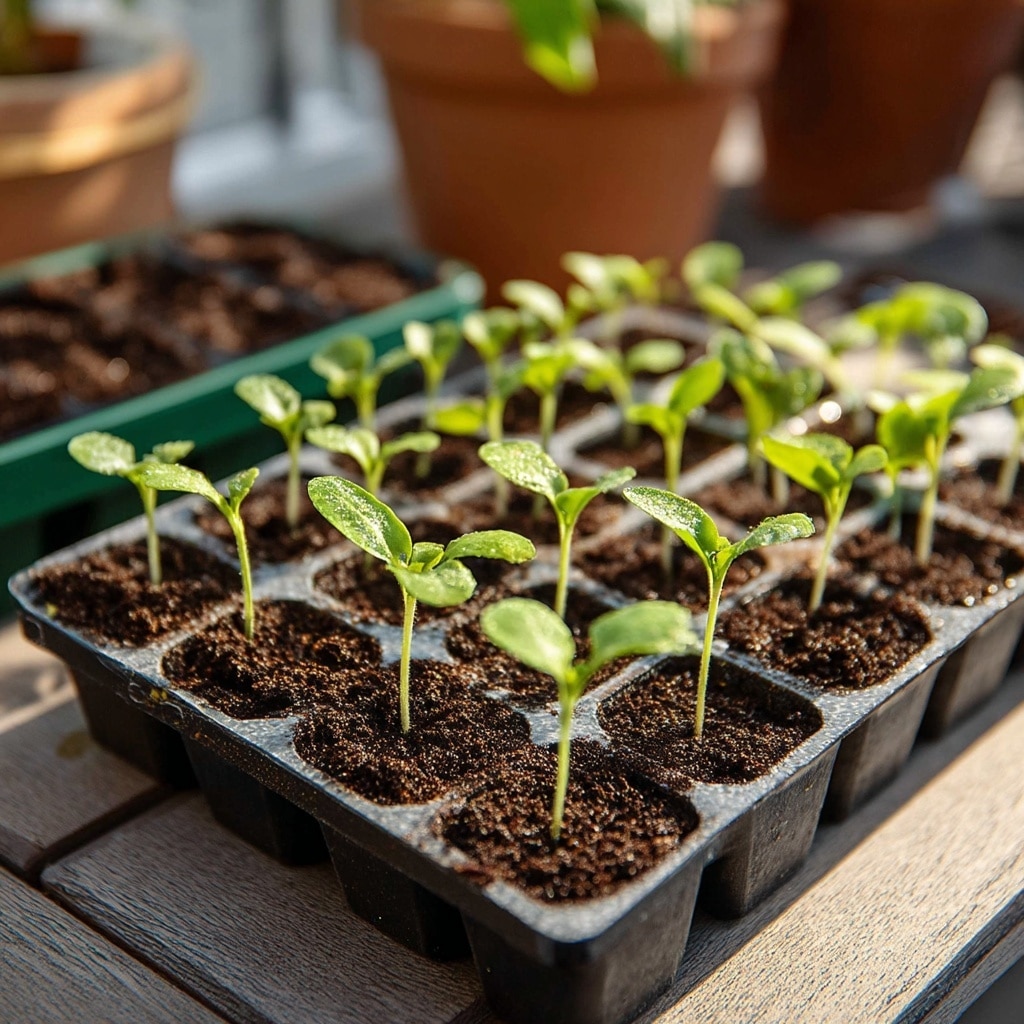
Seed starting is one of the most rewarding gardening practices—watching a tiny seed grow into a strong plant never gets old. But getting it right from the start makes all the difference. Whether you’re sowing tomatoes for your backyard veggie patch or starting a tray of annuals for your flower beds, following a few proven techniques can drastically improve your success. This guide shares the best seed starting tips for beginners and seasoned gardeners alike, ensuring healthy germination, strong roots, and smooth transplanting when the time comes. From choosing containers to managing airflow and moisture, each step is simple yet essential for giving your seedlings the strongest start possible.
Table of Contents
1. Keep Track of What You Sow

One of the most overlooked steps in seed starting is record-keeping. It might not seem exciting, but a simple logbook or spreadsheet can become your most powerful tool over time. Write down what seeds you sow, where they came from, and the date you planted them. Later, note when they sprouted, how well they germinated, and how they performed once transplanted.
Keeping track of these details helps you plan better each season. You’ll know which seed varieties thrive in your setup and which ones struggled. It also gives you insight into timing—like whether you started tomatoes too early or waited too long on your zinnias.
This habit turns casual planting into thoughtful, successful gardening.
2. Store Seeds the Right Way
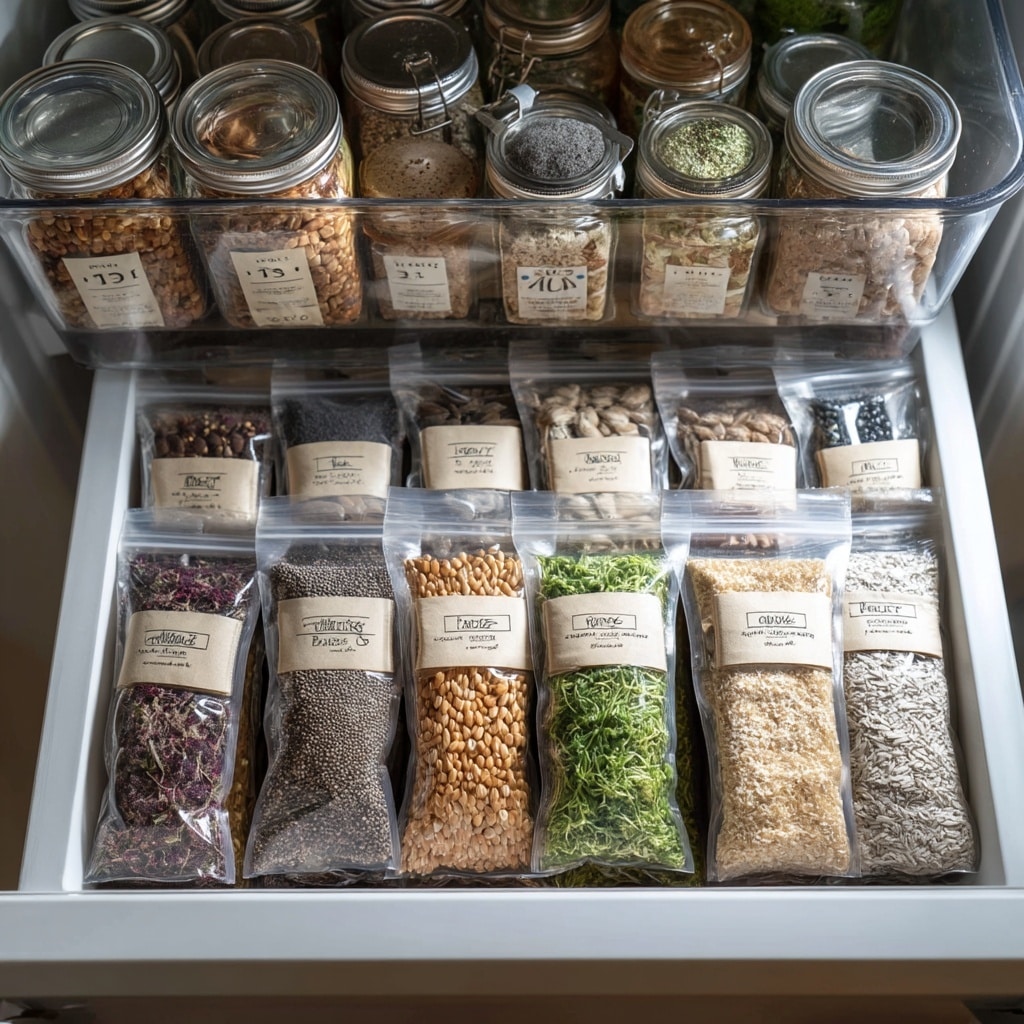
Proper storage is key to successful seed starting, especially if you’re reusing leftover packets from previous seasons. Seeds may look dry and tough, but they’re surprisingly sensitive to heat, humidity, and light. If they’re not stored correctly, their ability to germinate can drop fast.
Keep your seeds in a cool, dark place with low moisture—think of a labeled container in the back of your fridge. Store them in resealable bags or small jars, and always mark the variety, source, and year. This small effort can save you the disappointment of poor sprouting.
Before planting, test older seeds for viability by soaking a few in water. Viable seeds tend to sink, while dead ones float.
3. Choose the Right Containers for Seed Starting
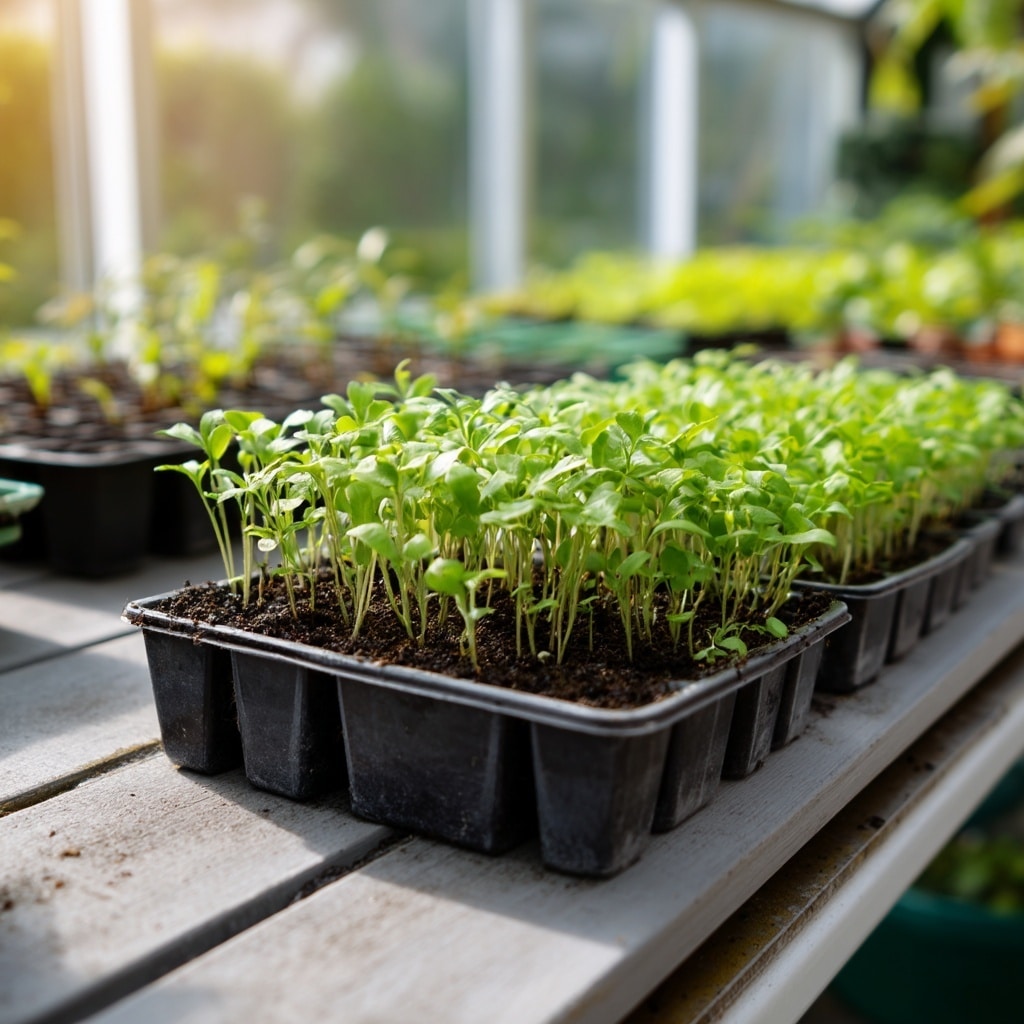
The container you choose plays a bigger role in seed starting than you might think. Small seedlings need space to breathe, drain well, and grow roots without getting tangled or waterlogged. Shallow, wide containers work best for most seeds—they prevent overcrowding and keep moisture levels manageable.
Plastic trays, cell packs, or even upcycled containers like yogurt cups can all work. Just make sure they have drainage holes. Avoid clay pots at this stage—they dry out too quickly for delicate seedlings.
And cleanliness matters. To prevent disease, sanitize all containers with a 10% bleach solution before planting. It’s a simple step that helps protect young plants from fungal issues right from the start.
4. Help Seeds Make Good Contact with the Soil
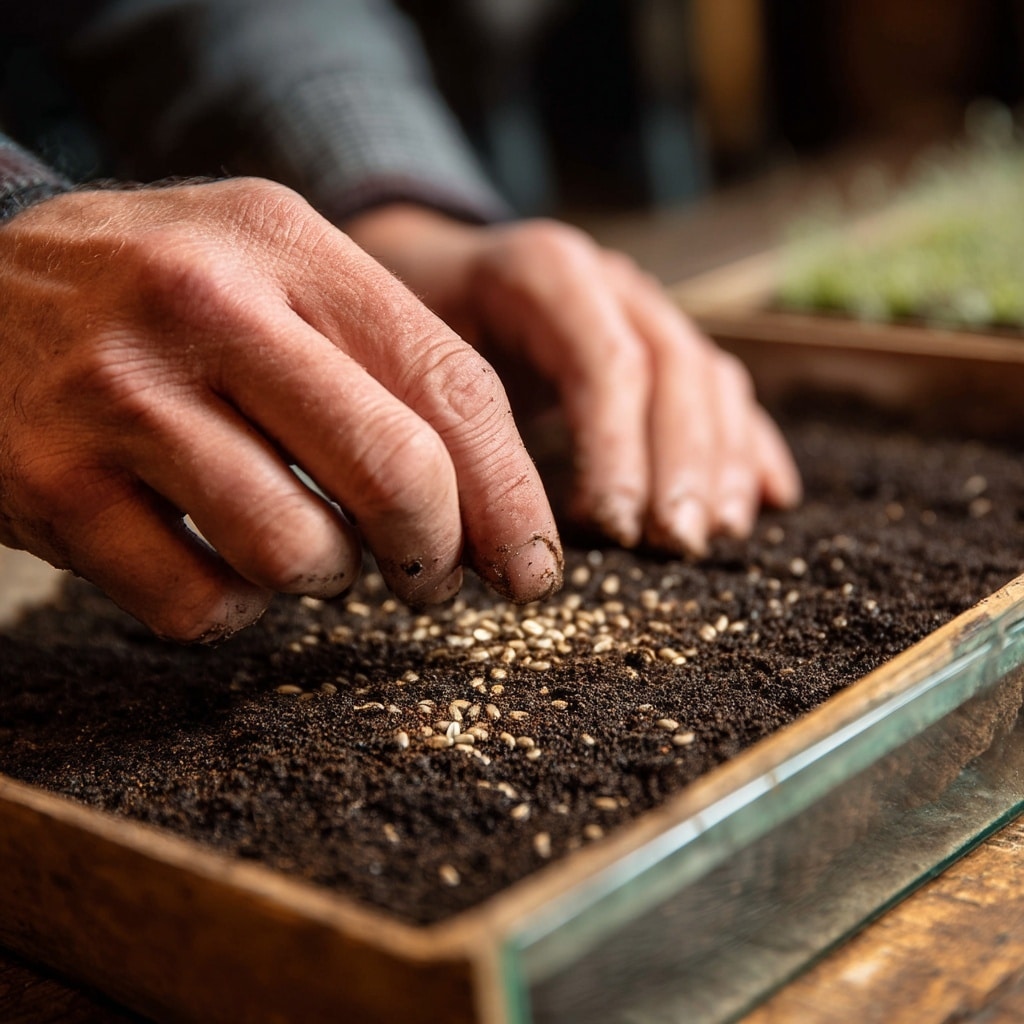
In seed starting, seed-to-soil contact is essential for triggering germination. If seeds just sit loosely on the surface, they may dry out or fail to absorb moisture evenly. Once you sow your seeds, gently press them into the soil to ensure they’re firmly touching the moist surface.
Use a small flat object—like the bottom of a glass or a spoon—to lightly tamp down the soil after planting. This step helps seeds stay put and encourages better sprouting.
For tiny seeds that need light to germinate, skip the covering and just press them onto the surface. For others, add a thin layer of seed-starting mix—about twice the seed’s diameter—and tamp it down gently.
5. Improve Airflow to Prevent Disease
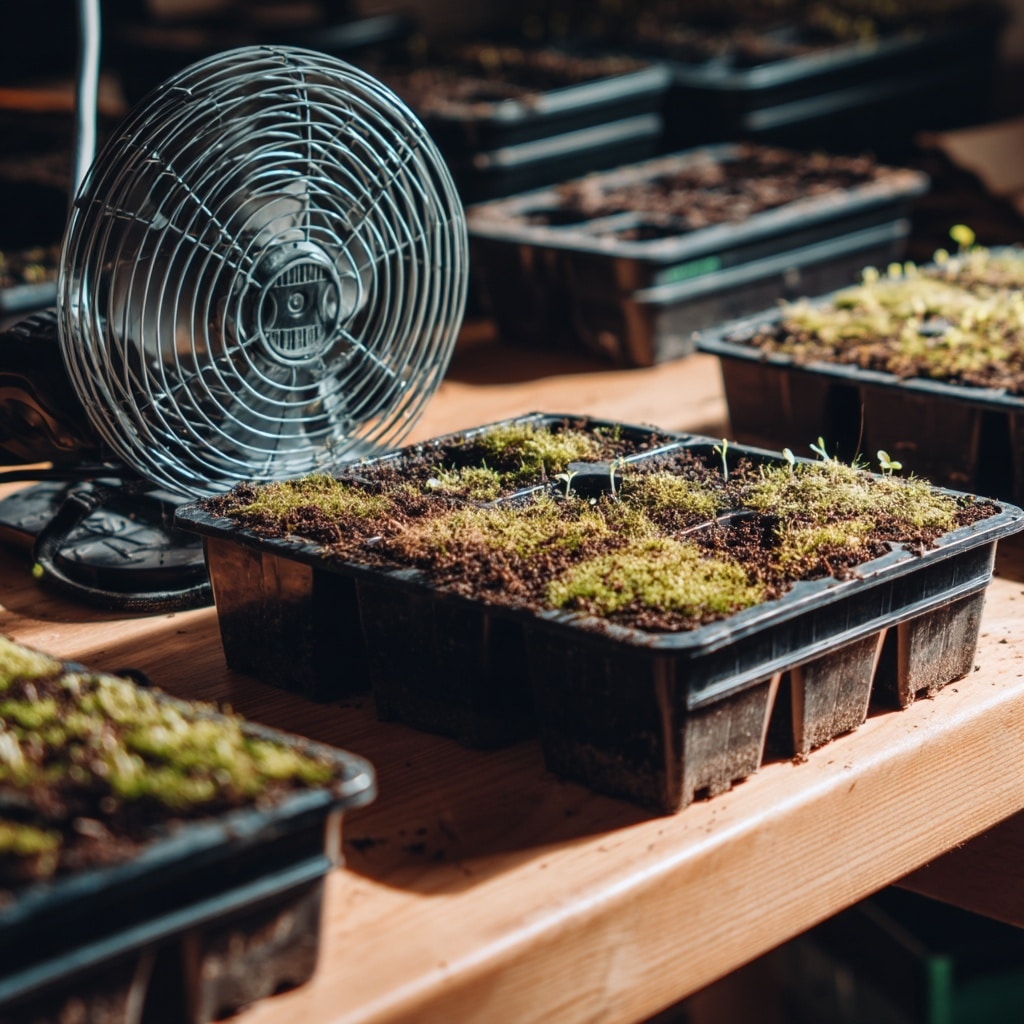
Poor air circulation and excess moisture are a recipe for fungal problems, especially damping-off — a common killer of young seedlings during seed starting. Fortunately, a few simple adjustments can make a big difference in keeping your seedlings healthy.
First, make sure your containers drain well and aren’t sitting in stagnant water. Next, after sowing and covering your seeds, add a light top layer of finely milled sphagnum moss mixed with chicken grit or perlite. This keeps the surface drier and less welcoming to pathogens.
Also, place a small fan nearby to gently circulate air across the soil surface. It doesn’t need to be strong—just enough to keep humidity in check and air moving, which helps your seedlings stay dry and disease-free.
6. Maintain Consistent Moisture with Plastic Wrap

Seeds need steady moisture to germinate, but not too much. Striking that balance is one of the trickiest parts of seed starting. A simple way to keep moisture levels consistent during germination is to loosely cover your seed trays or pots with plastic wrap.
This creates a mini greenhouse effect, trapping humidity without drowning the seeds. Just be sure to check daily. If the surface looks dry, gently mist it with a spray bottle. If the whole mix seems dry, let the container soak in a shallow tray of warm water until moist.
As soon as you see sprouts breaking through the soil, remove the plastic. Leaving it on too long can trap too much moisture and lead to fungal problems.
7. Keep Seeds Warm for Faster Germination

Temperature plays a major role in seed starting success. Most seeds germinate best in soil that stays between 65°F and 75°F. If your home runs cooler in early spring, it may slow down or even stop germination altogether.
To give your seeds a warm boost, place seed trays near a heat source like a radiator or on top of the fridge. For more control, consider using a seedling heat mat. These mats gently warm the soil from below, encouraging quicker and more uniform sprouting.
If you’re using added heat, monitor moisture more often. Warm soil dries out faster, so check daily and water gently if needed. Warmth and moisture together are the keys to waking seeds up.
8. Rotate and Brush Seedlings to Build Strength
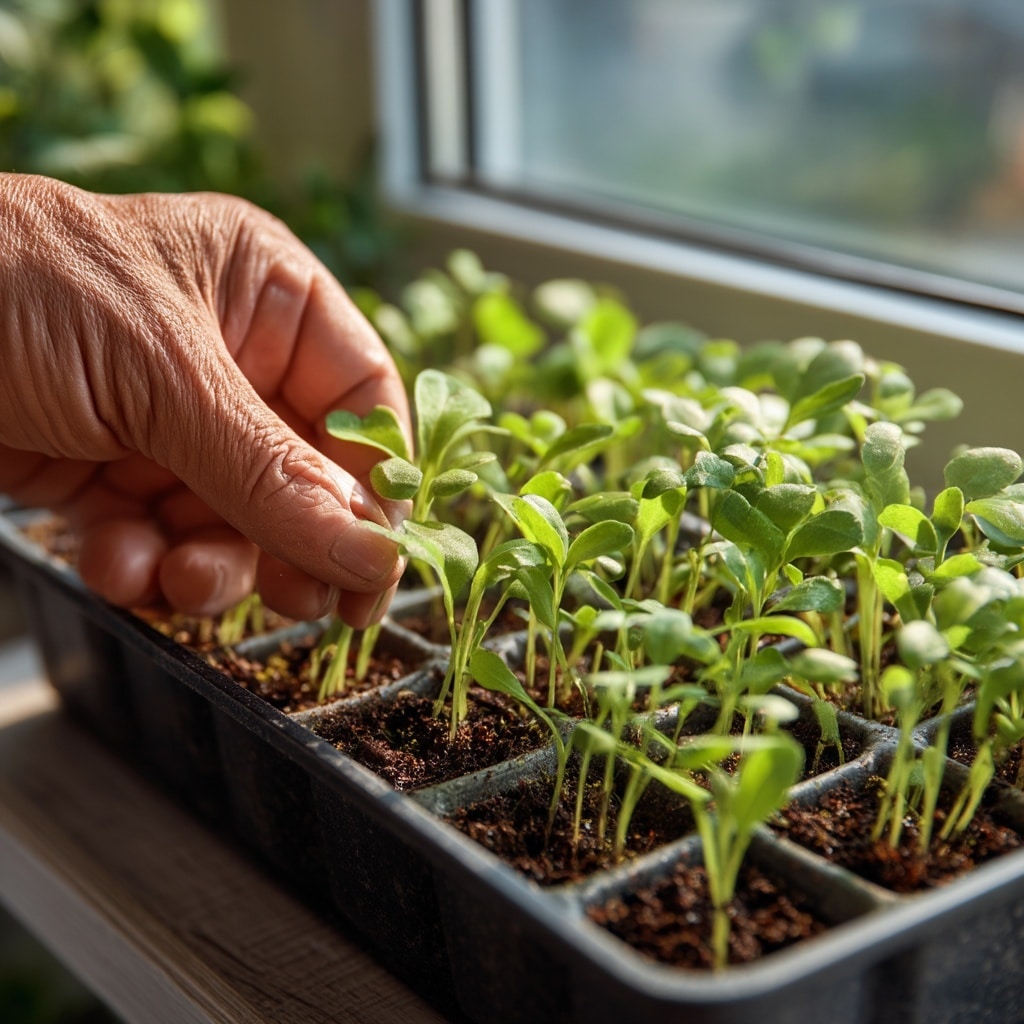
Once seeds have sprouted, they need light—lots of it. Without enough, seedlings will stretch toward the nearest source, becoming tall, leggy, and weak. In seed starting, strong stems are just as important as healthy roots.
Place seedlings in a bright, south-facing window or under grow lights for 12–16 hours a day. Rotate the trays a quarter turn daily so the stems grow straight rather than leaning toward the light.
Want an extra boost? Lightly brush your hand across the tops of the seedlings once or twice a day. This gentle motion mimics outdoor wind and helps trigger sturdier stem development. It’s a small trick that can make a big difference come transplant time.
9. Feed Seedlings Once True Leaves Appear
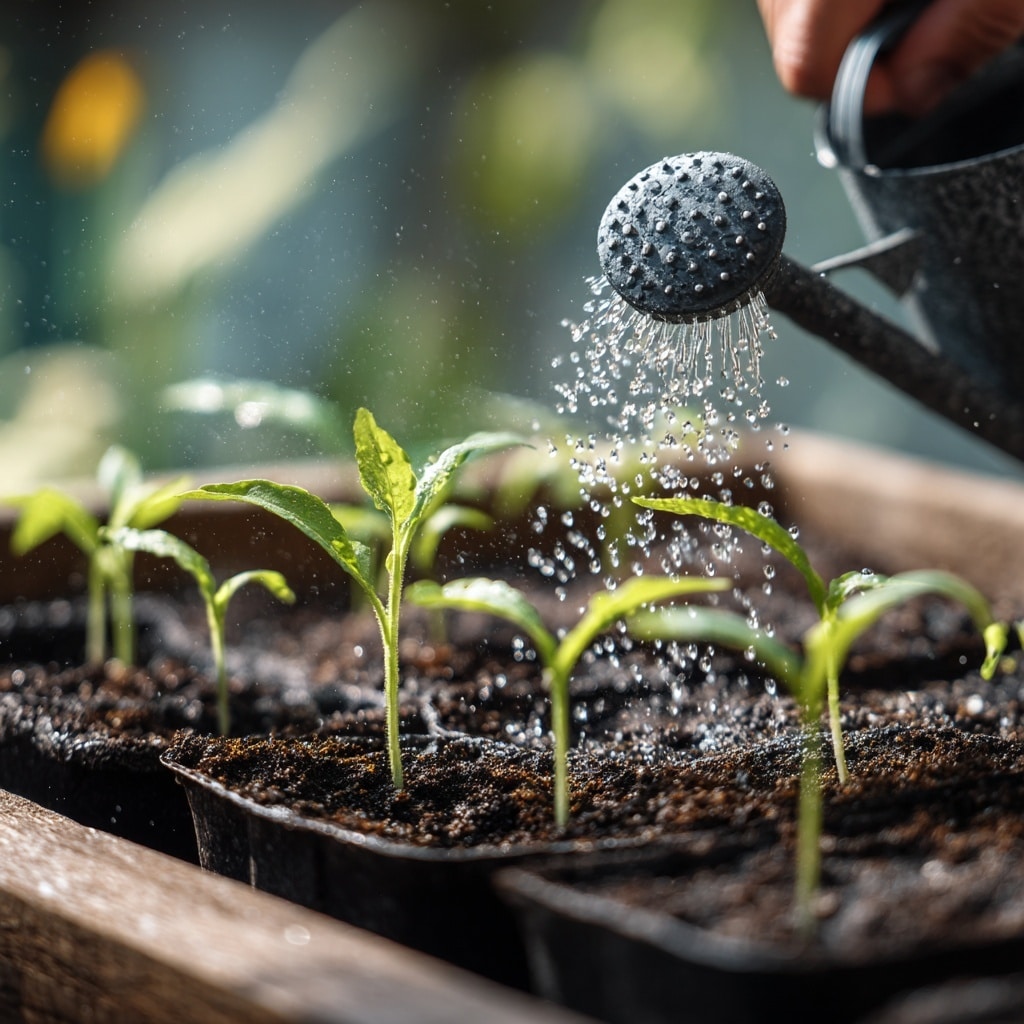
During early seed starting, your seedlings rely on stored energy from the seed itself. But once the first set of true leaves appears—those that look like the adult plant—it’s time to start feeding.
Use a gentle, half-strength liquid fertilizer once a week to support steady growth without overwhelming the young roots. Avoid fertilizing too early or with a heavy hand, as too much can burn tender seedlings.
Most seed-starting mixes come with little to no nutrients, so feeding at the right stage helps bridge the gap between germination and transplanting. Stick with balanced or organic formulas designed for young plants, and always water before and after feeding to prevent root shock.
10. Harden Off Seedlings Before Planting Outdoors

Even the strongest seedlings from your seed starting setup can suffer if they’re suddenly exposed to outdoor sun, wind, and temperature swings. That’s why hardening off is a crucial final step before transplanting.
Start by placing your trays outside in a sheltered, shady spot for a few hours on day one. Gradually increase their time outdoors each day, slowly introducing more sunlight and breeze over 5–7 days. Bring them inside if temperatures dip too low or conditions are harsh.
This gradual exposure helps seedlings adjust to real-world conditions and reduces transplant shock. Skipping this step can undo weeks of careful care—so it’s always worth the time.
Conclusion: Start Smart, Grow Strong
Seed starting may seem like a small part of gardening, but it sets the tone for everything that follows. By planning ahead, creating the right conditions, and caring for your seedlings daily, you’ll build a strong foundation for healthy plants. Whether you’re growing vegetables, flowers, or herbs, these simple steps can turn tiny seeds into thriving garden stars.
Stick with it, keep learning from each season, and soon, seed starting will feel second nature.