
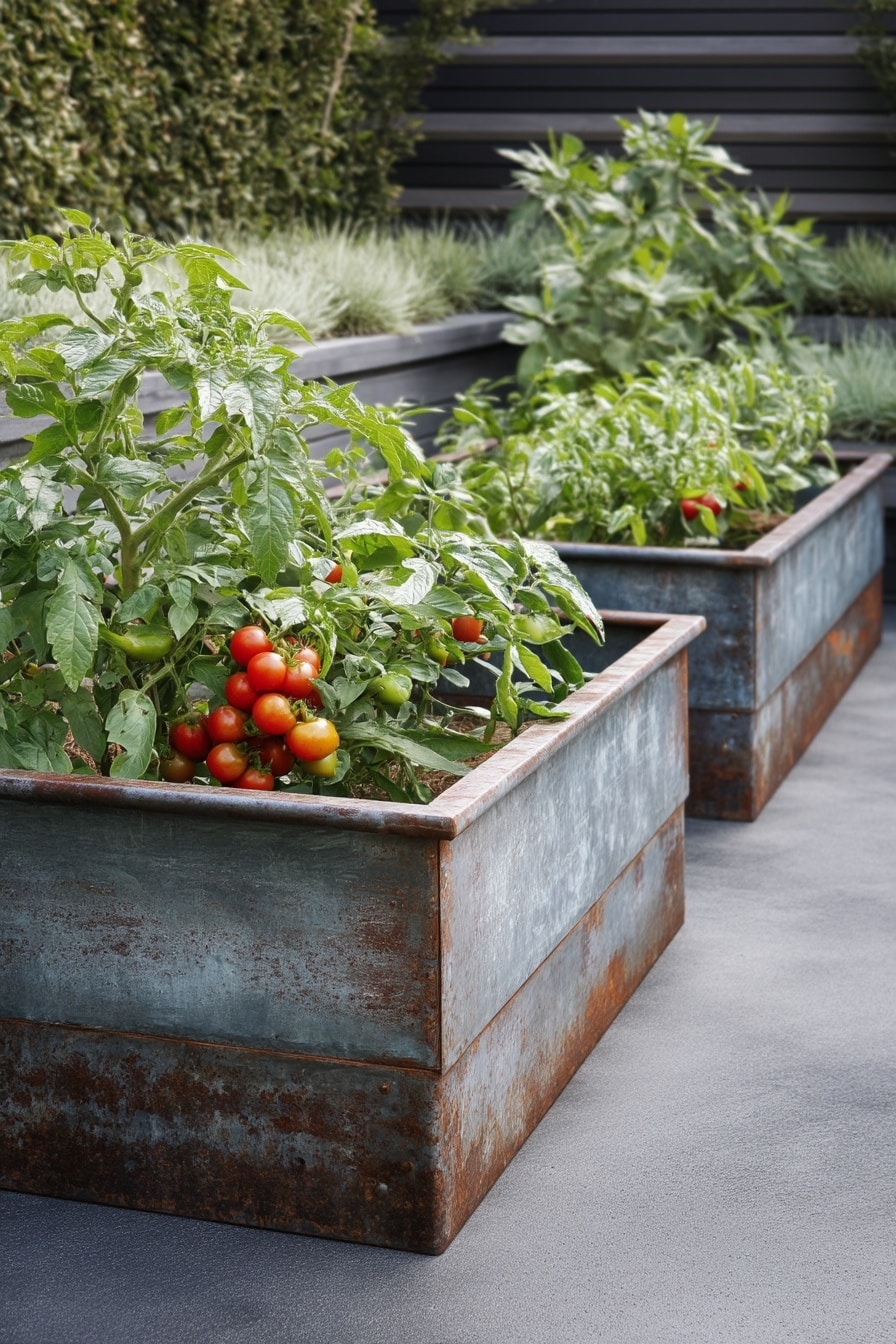

A raised beds garden offers a practical and effective way to grow a variety of plants while maintaining a neat and accessible gardening space. Whether you’re new to gardening or a seasoned pro, the design of your raised garden bed plays a significant role in the success of your crops. In this article, we’ll explore five creative raised garden bed ideas and designs that will help you maximize your space, improve your soil quality, and boost your garden’s productivity.
Table of Contents
1. Square Foot Garden Grids

One of the most efficient designs for raised garden beds is using square foot grids. This layout is ideal for gardeners with limited space, as it allows you to maximize the number of plants per square foot. Each square within the grid can be used to plant different vegetables, herbs, or companion plants, which improves soil use and boosts productivity.
- Pros: Space-efficient, easy to manage, great for beginners.
- Best for: Small spaces, urban gardening, or intensive gardening.
2. Hoop House Raised Bed

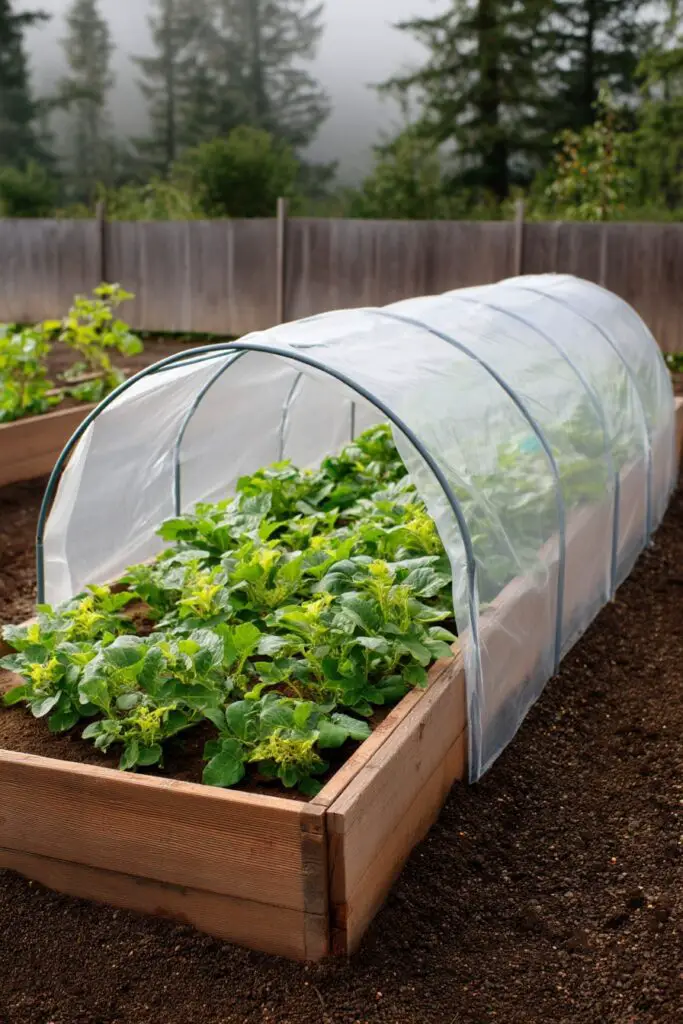
Extend your growing season with a hoop house over your raised garden bed. A hoop house is a simple structure made with flexible piping that covers the bed, providing a protective barrier against frost, extreme temperatures, and pests. This design is perfect for gardeners who want to grow early spring or late fall crops.
- Pros: Extends the growing season, protects plants from pests, improves plant growth.
- Best for: Year-round gardening, gardeners in cooler climates.
3. Metal Troughs

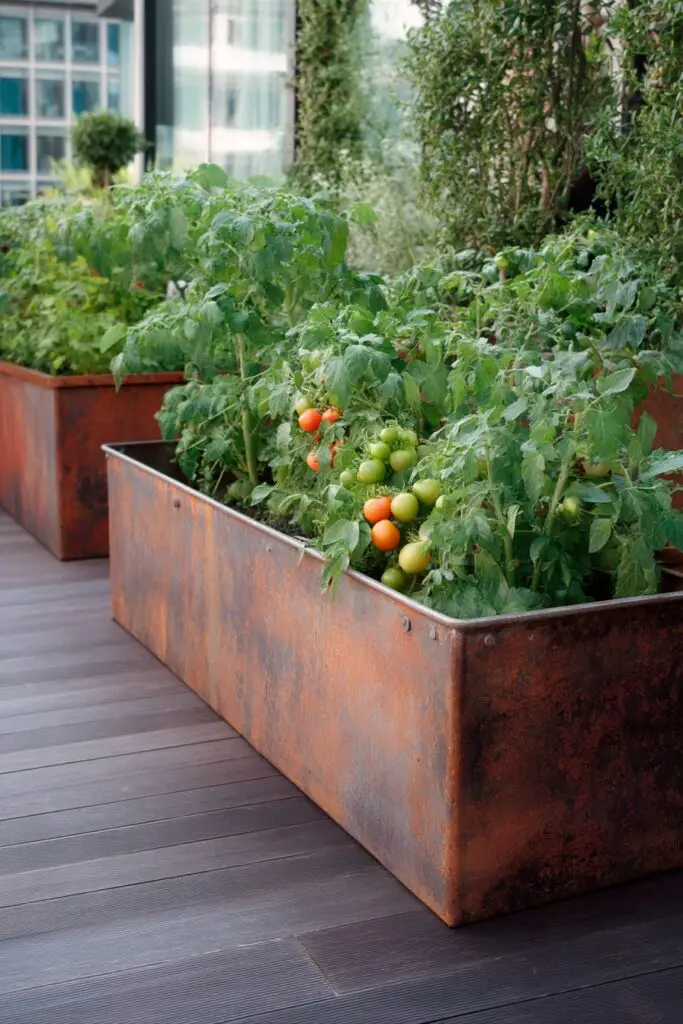
Metal troughs are a simple and stylish solution for raised garden beds. By repurposing animal troughs, you can create instant raised beds with an industrial look. Metal troughs retain heat, which can be beneficial for growing certain plants like tomatoes and peppers. These beds are easy to install and maintain.
- Pros: Low-maintenance, stylish, retains heat for faster plant growth.
- Best for: Modern gardens, small spaces, or gardeners who need instant solutions.
4. Trellised Garden Beds
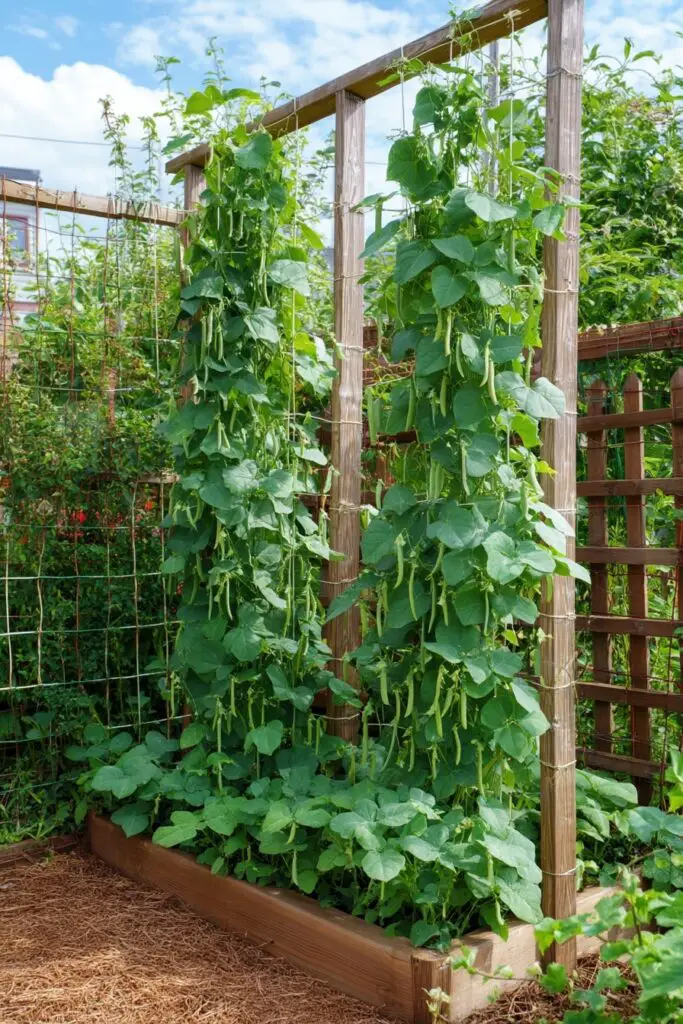
Adding a trellis to your raised garden bed is an excellent way to maximize vertical space. This design allows climbing plants like peas, beans, and cucumbers to grow upwards, leaving more space on the ground for other crops. Trellises also improve air circulation around your plants, reducing the risk of disease.
- Pros: Maximizes vertical space, reduces plant diseases, perfect for climbing plants.
- Best for: Vertical gardening, gardeners with limited space.
5. Brick and Stone Raised Beds

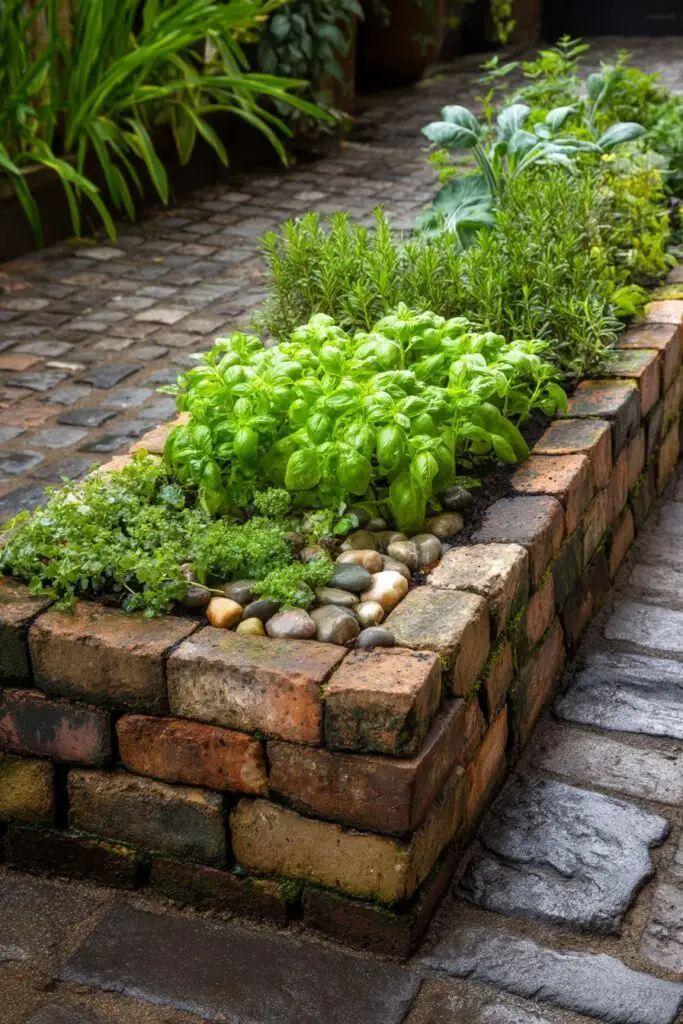
For a more permanent and sturdy raised bed option, consider using bricks or stone to construct your garden borders. This design offers a rustic, natural look and is very durable. These materials help to retain heat and provide excellent drainage for your plants.
- Pros: Long-lasting, retains heat, adds an aesthetic element to the garden.
- Best for: Long-term gardening, formal garden designs, or areas with heavy winds.
Conclusion
Whether you’re growing vegetables, herbs, or flowers, the right raised garden bed design can significantly enhance your garden’s health and productivity. By choosing the appropriate layout—such as square foot grids, hoop houses, or trellised designs—you can maximize your gardening space and create an environment where your plants will thrive. Experiment with different materials and designs to find the best fit for your space and gardening goals.