
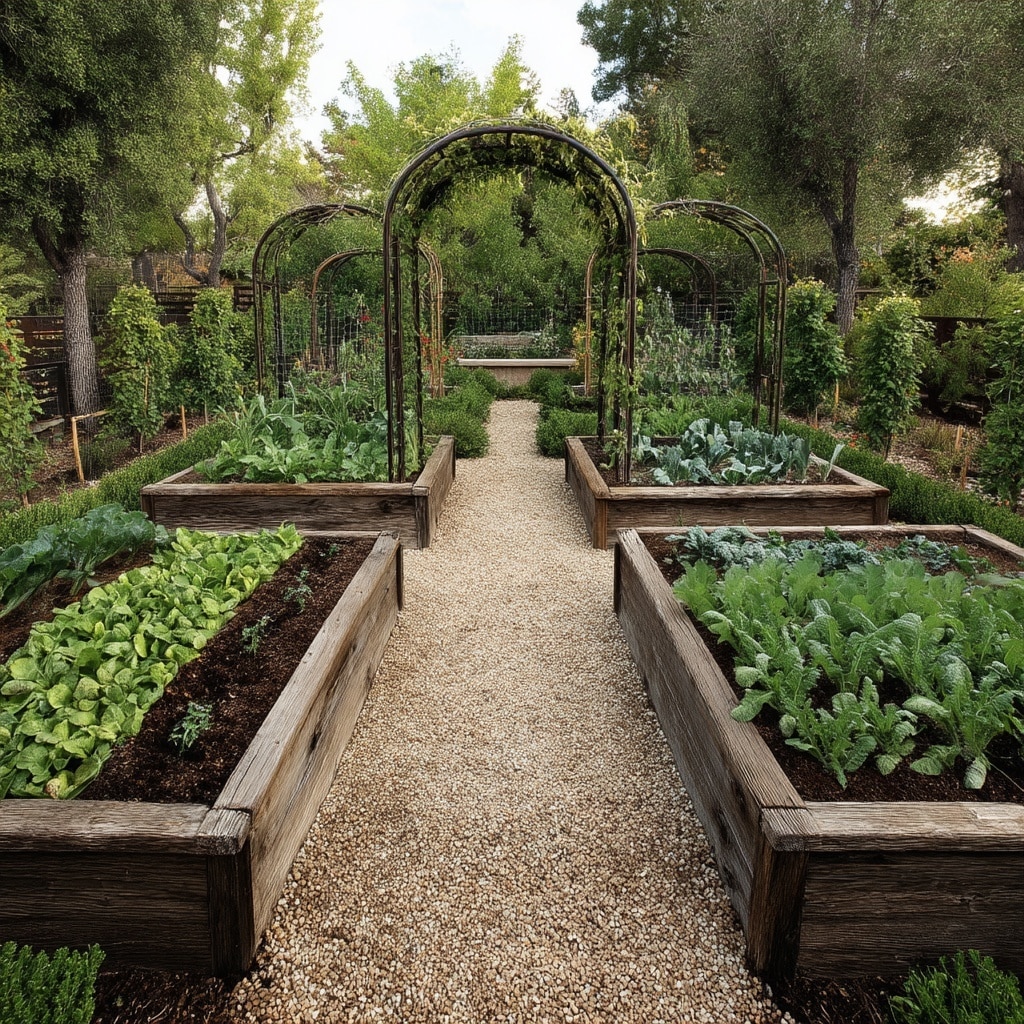
Raised garden beds DIY projects are one of the most rewarding ways to grow your own vegetables, herbs, or flowers—especially if you’re working with limited space or tricky soil. But before you start hammering wood or filling frames with soil, choosing the right layout is just as important as building the beds themselves.
Whether you’re gardening in a narrow side yard or planning a full backyard transformation, your raised bed layout should balance beauty, accessibility, and functionality. The right configuration can improve sunlight exposure, streamline maintenance, and even boost your harvest.
This guide walks you through five of the best raised bed garden layouts used by professional designers, along with practical tips to help you pick the one that works best for your space, goals, and growing style.
Table of Contents
1. All in a Row: Perfect for Tight Spaces

If you’re working with a narrow yard, a long driveway edge, or any slim outdoor area, the all-in-a-row layout is a smart and stylish raised garden beds DIY option. By placing the beds side-by-side along a straight line, you can make the most of limited space without sacrificing growing potential.
This layout works especially well in side yards, where sunlight often runs along the full length of the space. Beds can be built at a comfortable working height—around 24 inches—with wide edges for sitting or resting tools, which makes planting and harvesting easier on your back and knees.
To boost flow and functionality, leave space between beds where walkways or transitions are needed. For example, if your row runs alongside a home entrance or patio, plan for a central break in the layout that naturally connects garden access with your daily movement through the yard.
Pro Tips:
- Use raised beds that are at least 2 feet deep to avoid crouching.
- Add a gravel or mulch path alongside for drainage and clean access.
- This layout is great for first-timers or gardeners with minimal time.
2. Two of a Kind: A Balanced, Beginner-Friendly Pair
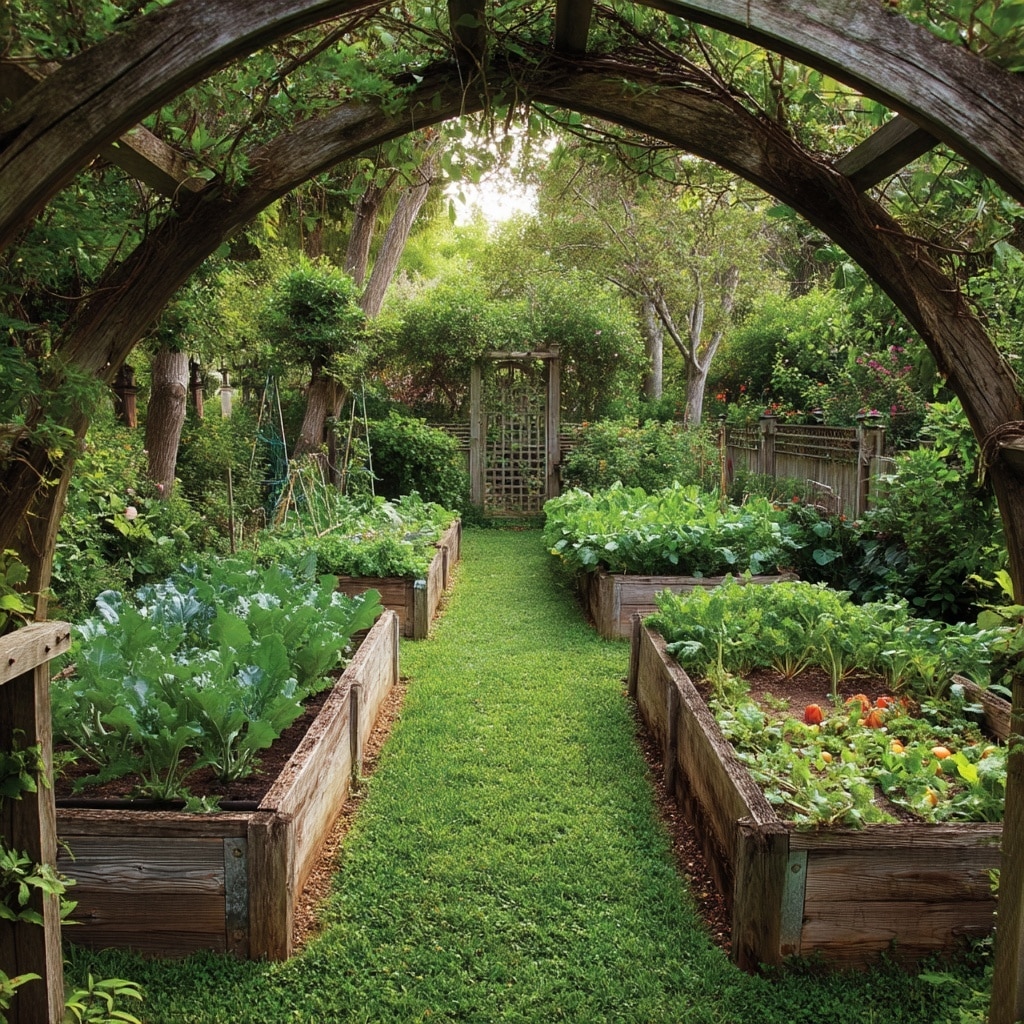
For gardeners who want symmetry, simplicity, and a touch of charm, this raised garden beds DIY layout—often called the “twin bed” setup—is a top choice. It features two identical raised beds with a pathway in between, making it both functional and visually pleasing.
This layout is especially useful in medium-sized spaces where you can leave at least three feet between the beds for walking, kneeling, or wheeling a cart. To enhance both beauty and structure, many gardeners connect the two beds with a trellis arch. This adds vertical growing space and creates a natural garden entrance.
Symmetrical planting is a popular approach here. Try mirroring crops in both beds—for example, tomatoes on the left and right with herbs in the center of each. This not only looks tidy, but can also help reduce disease by avoiding monoculture in a single spot.
Why It Works:
- Simple design ideal for beginners or DIY weekend projects
- Offers balance and structure without overwhelming your space
- Easy to expand in the future—just add another twin set nearby
3. Trio of Beds: Ideal for Curved or Circular Spaces
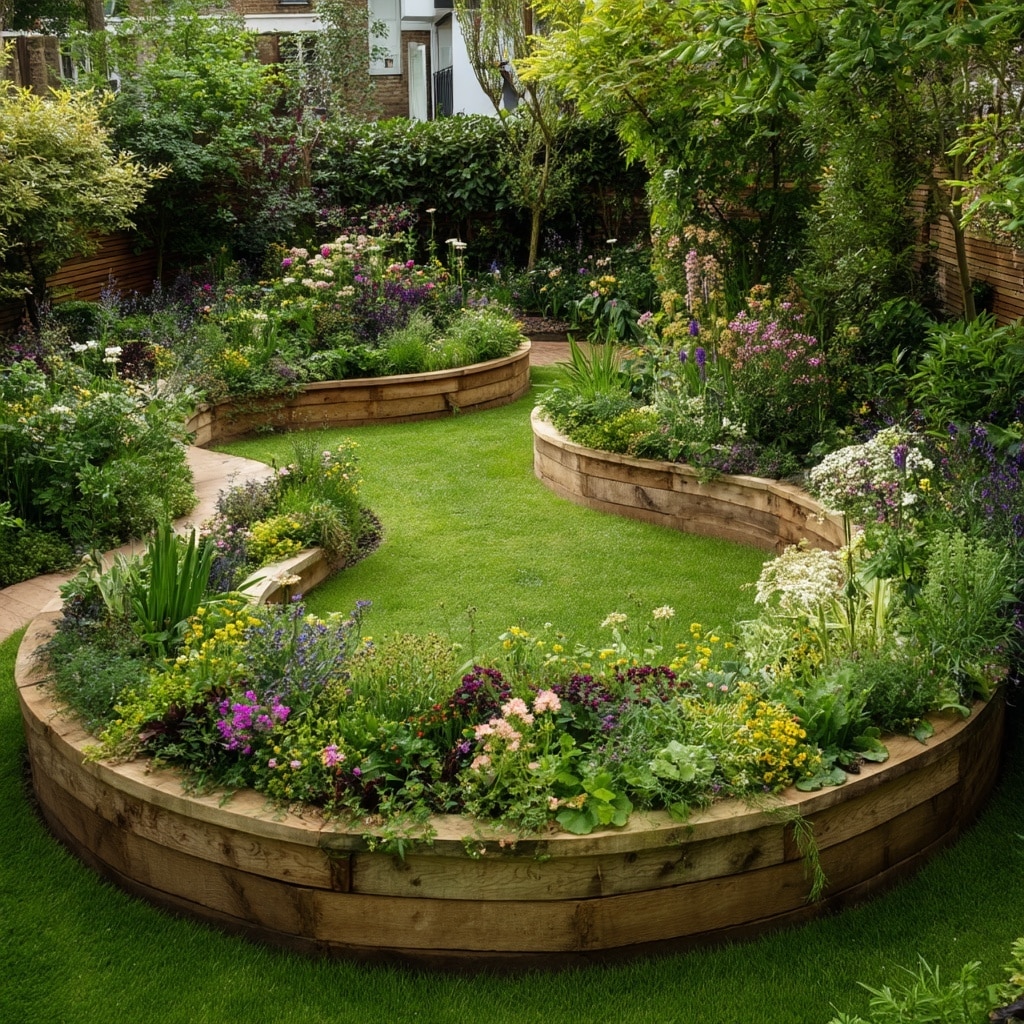
When your yard has curves or circular zones—like a rounded patio or corner nook—a three-bed setup offers both style and flexibility. This raised garden beds DIY layout forms a soft triangle or semi-circle, making it visually balanced and easy to move through.
The outer two beds are often planted with matching crops or similar heights to maintain symmetry. The center bed can be your star: try using it for perennials, a cutting garden, or taller veggies that need more sunlight.
Adding small trellises or garden arches to each bed helps create visual anchors and can support vining plants like cucumbers, peas, or sweet peas. Plus, vertical elements give your garden structure without taking up valuable ground space.
Benefits of the Trio Layout:
- Great for unusual or non-linear spaces
- Adds dimension and creativity to garden design
- Encourages crop rotation and companion planting
Whether you’re working in a backyard corner or trying to soften hard lines in a modern space, the trio layout delivers versatility with a clean, polished look.
4. Courtyard Setup: Surround a Social Space with Greenery
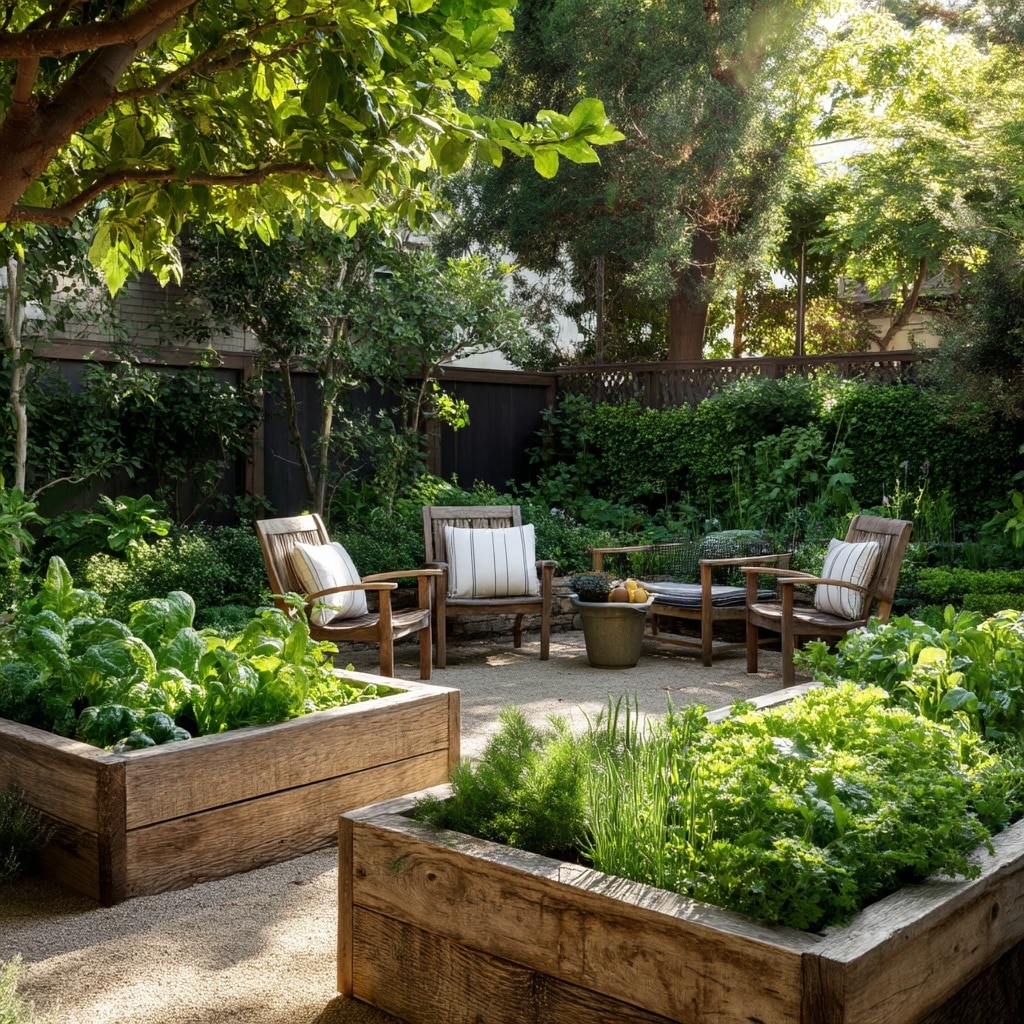
If your garden goals go beyond just growing food—like creating a cozy, communal space—the courtyard layout might be your ideal raised garden beds DIY plan. This design places raised beds around a central feature, such as a patio, fire pit, or water fountain, blending form and function beautifully.
This approach invites people into the garden while keeping plants within easy reach. Since the beds are accessible from both sides, you can build them slightly wider—up to 4 or even 5 feet—without sacrificing convenience. This increases your growing area without adding more beds.
By shaping the space around an existing patio or seating area, the layout feels intentional and immersive. You’re not just growing vegetables—you’re building an outdoor room filled with life and color.
Why It Stands Out:
- Creates a gathering space surrounded by edible plants and flowers
- Works well in medium to large yards
- Great for families or gardeners who love entertaining
Add string lights, a bistro set, or garden benches, and your courtyard garden becomes a true backyard retreat—functional and full of personality.
5. Four-Square: A Classic Layout for Serious Gardeners
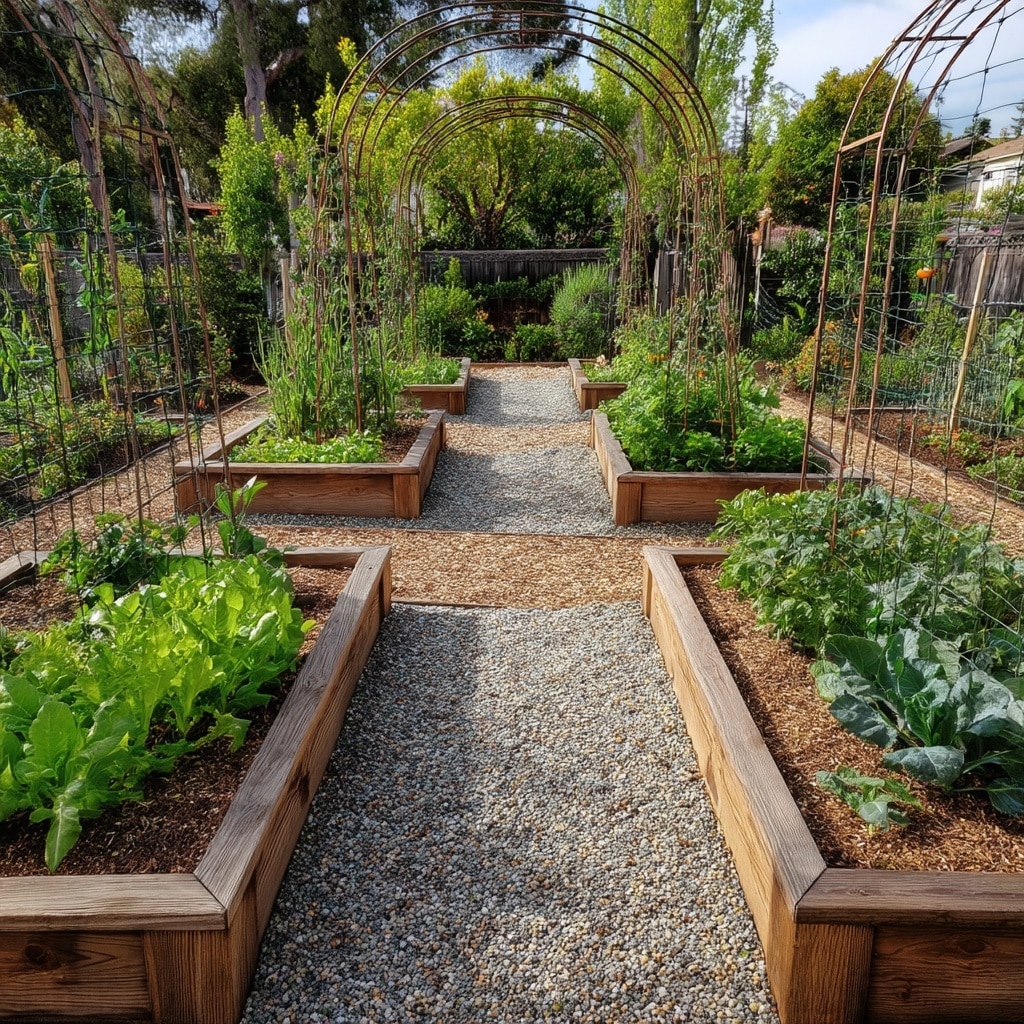
When you want your garden to feel like a destination—and not just a few beds tucked in the corner—the four-square layout is a standout choice. This raised garden beds DIY setup uses four equally sized beds arranged in a square or grid, creating balance, structure, and plenty of growing space.
Paths between the beds form a cross, giving you full access from all sides and making maintenance easier. For an elegant upgrade, consider adding arched trellises that connect the beds across from each other. These can frame your entryway, support climbing plants, and elevate the entire design.
This layout isn’t just beautiful—it’s practical too. You can rotate crops each season to reduce soil depletion, assign different beds to specific plant types, or use one for composting or flowers.
Perfect for Gardeners Who:
- Want a more permanent or formal garden space
- Have room to grow a wide variety of crops
- Enjoy symmetrical, organized designs
The four-square layout offers a big return on investment. Once built, it becomes the heart of your yard—a space where gardening feels intuitive and satisfying every season.
How to Choose the Right Location for Your Raised Garden Beds
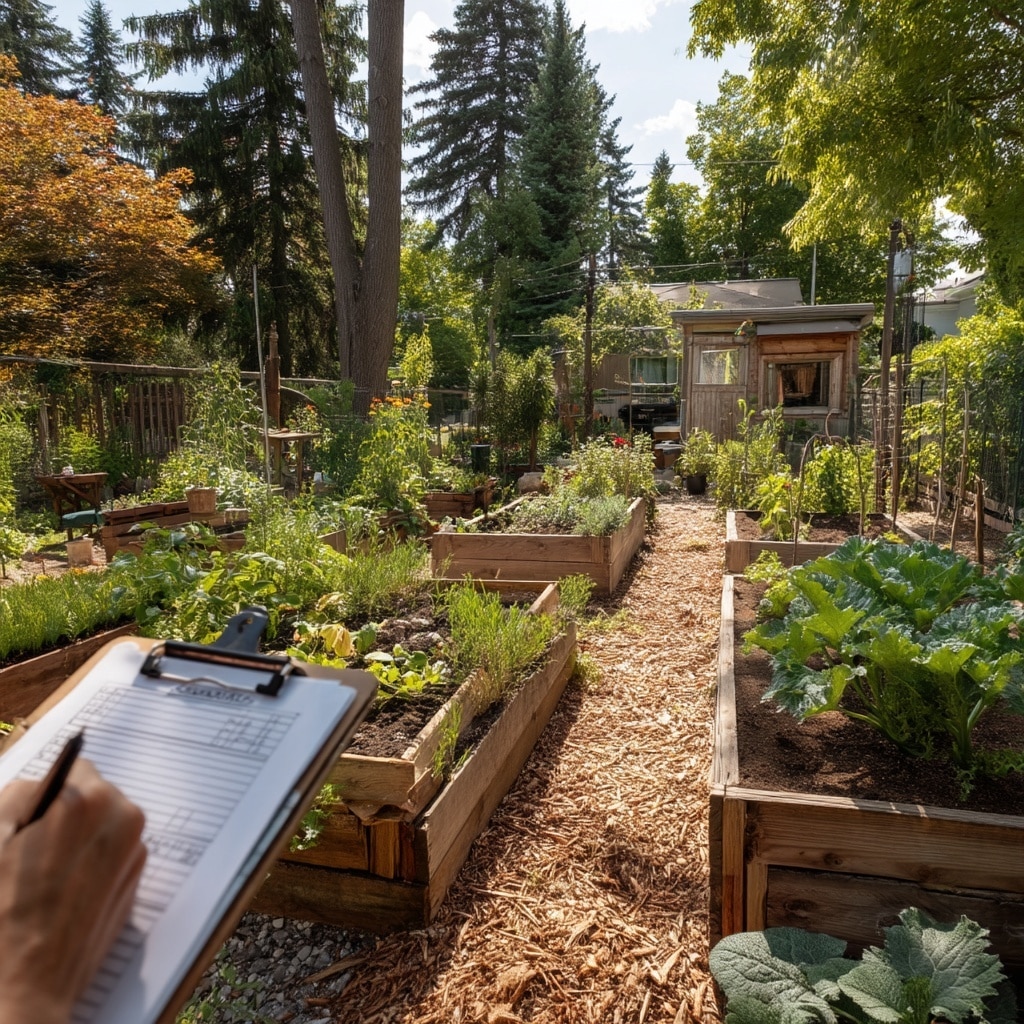
Before you start building, it’s essential to pick the best possible spot for your raised garden beds DIY setup. The location affects everything—from how well your plants grow to how often you tend them. Get this right, and your garden will thrive with less effort.
☀️ Sunlight Matters Most
Most vegetables and herbs need at least 6 to 8 hours of direct sunlight per day. If you’re planting edibles, prioritize a space that gets full sun. If part of your yard is shaded, that area can still be useful—plant shade-tolerant crops like kale, spinach, or lettuce.
Pro tip: Observe your yard at different times of day before you build. Even partial shade from a fence or tree can change your garden’s performance.
🌱 Don’t Ignore the Soil (Even in Raised Beds)
One big advantage of raised beds is control over soil quality. Still, the ground beneath matters too. If your native soil is heavy clay or holds water, you may need deeper beds (12–24 inches) to improve drainage.
Choose well-draining soil blends rich in compost and organic matter for the best results. Even in a DIY setup, soil quality is just as important as sunlight.
🚶♂️ Plan for Access and Pathways
Spacing around your beds is just as important as the beds themselves. Paths should be at least 3 feet wide so you can easily move through with tools or a wheelbarrow. If space is tight, 18–30 inches on the back sides is the minimum.
Also, make sure you can reach all parts of the bed without stepping into it. Beds wider than 4 feet are harder to work unless they’re accessible from all sides.
How to Mock Up Your Raised Garden Bed Layout Before You Build
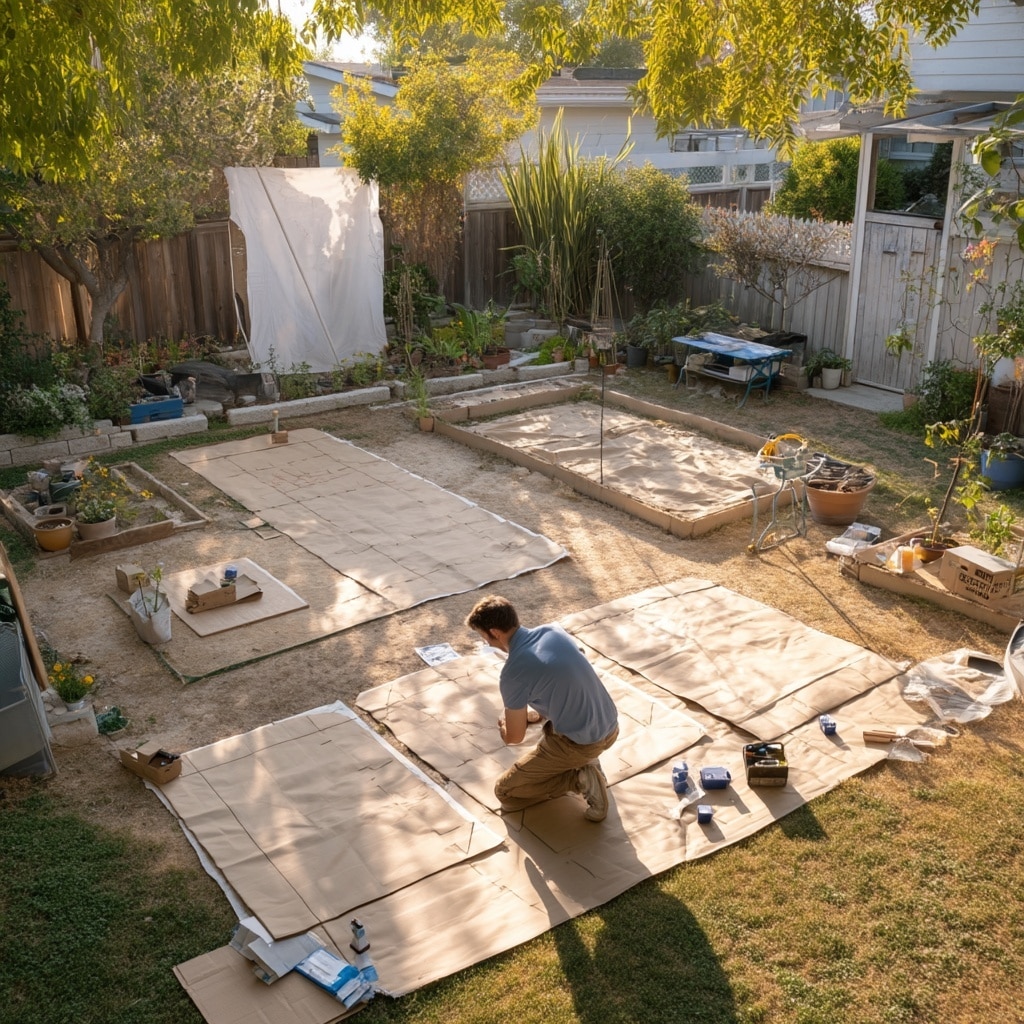
Once you’ve chosen your ideal layout and the perfect location, it’s time to mock it up—a crucial step in any raised garden beds DIY project. Taking a little extra time to visualize your layout can prevent mistakes and ensure your garden works well with your space.
📐 Start With a Simple Sketch
Begin with a rough drawing of your yard, noting existing structures, sun patterns, and the direction of slopes or drains. Use graph paper if you want a scaled version, or pull up your property on Google Maps for a satellite view you can print and draw on.
Mark out where you plan to place each raised bed, including the walking paths between them.
🪵 Use Physical Markers Outdoors
Next, head outside and bring your plan to life using real objects. Lay down stakes and string, or use folded bed sheets, cardboard, or even empty garden containers to mimic the footprint of each bed. These visual cues make it easier to understand how the space will feel once your beds are built and filled.
This step also helps identify small problems before they become big ones—like beds crowding walkways, getting too much shade, or being too close to a fence.
✏️ Refine Before You Commit
Don’t rush this part. Spend a few days walking the layout, adjusting as needed. If something feels awkward now, it’ll be frustrating later when the beds are full and the tomatoes are climbing.
Mock-up checklist:
- Can you access all sides of each bed?
- Are the beds aligned for optimal sunlight?
- Is there enough room to move comfortably?
- Will this layout still work a few years from now if your garden expands?
Taking this hands-on approach turns your planning from theory into reality—and makes your DIY raised garden beds feel custom-built for you.
✅ Conclusion
Building a thriving garden starts with smart planning—and your layout is the foundation. Whether you’re working with a tight side yard or designing a backyard retreat, these raised garden beds DIY ideas offer flexible options to match your space and goals.
From twin beds to full courtyard gardens, each layout brings something unique to the table. Remember to choose a sunny spot, leave room for pathways, and mock up your plan before you build. A little prep now means more harvest—and joy—later.
Happy growing!