
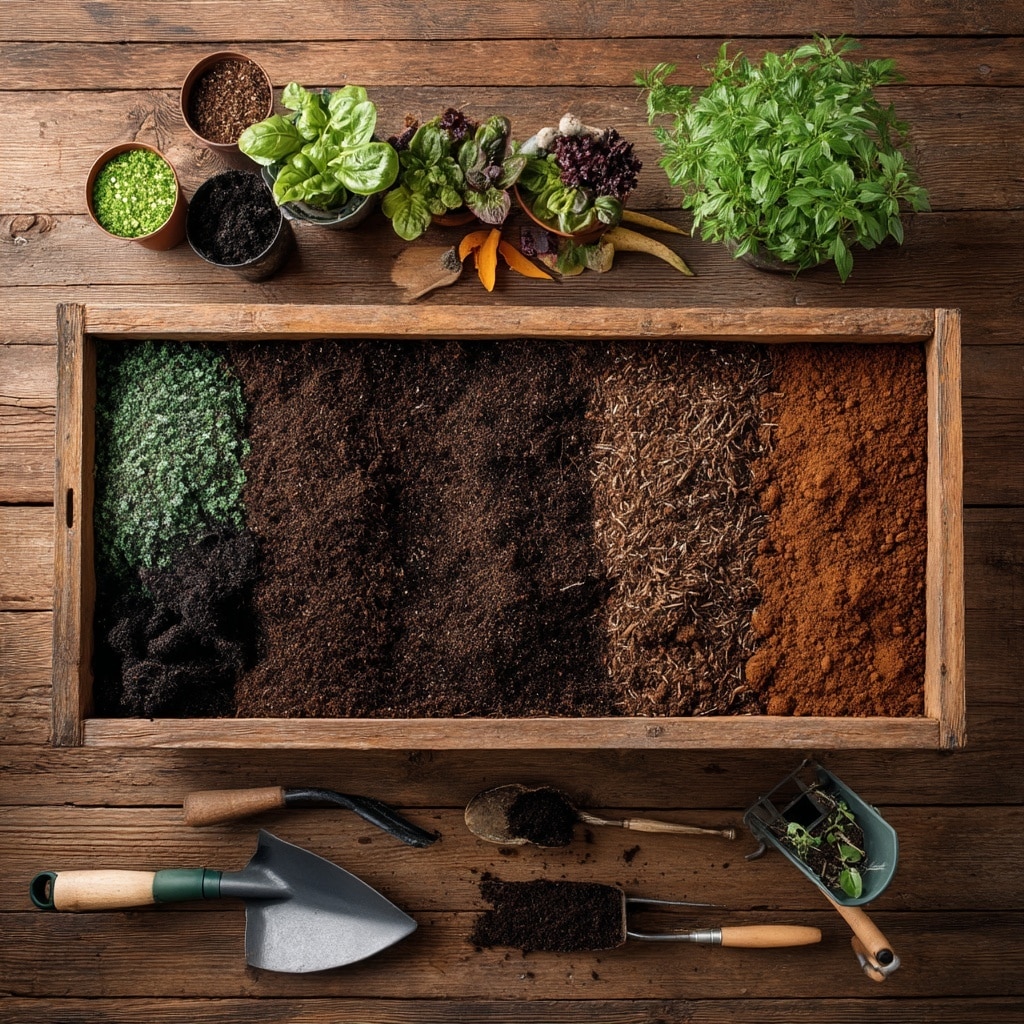
Raised garden beds are a game-changer for anyone who loves gardening but hates the aches and pains that come with bending over garden rows. Whether you’re growing vegetables, herbs, or flowers, building a raised bed gives your plants a healthier start and saves your back in the long run. If you’re tired of wrestling with stubborn soil or battling weeds at ground level, it might be time to lift your garden — literally. In this guide, we’ll walk you through five simple steps to build a sturdy, long-lasting raised bed that looks great and performs even better.
Table of Contents
🛠️ Choose the Right Materials & Plan Your Bed

Before you pick up a saw or drill, it’s important to understand why raised garden beds are worth the effort — and how to build them the right way from the ground up.
Why Material Choice Matters
While you can build raised garden beds from various types of wood, cedar is by far the best option if you’re growing vegetables. Unlike pressure-treated pine, which contains chemicals that could leach into the soil, cedar is naturally rot-resistant and safe for edible plants. It’s also durable and weathers beautifully over time.
If you’re aiming for a standard 4′ x 8′ raised bed that’s about 16 inches tall, you’ll need about nine 8-foot cedar boards per bed. It might be a bit more expensive upfront, but you’ll get years of use — and far fewer repairs — out of it.
💡 Pro Tip: Avoid buying pre-made raised beds from big box stores. They’re often flimsy, too short, and made from thin wood that won’t last more than a couple seasons. Building your own saves money in the long run and lets you customize the size and height.
Tools & Supplies Checklist
Here’s what you’ll need before starting construction:
- Circular saw (or miter saw)
- Power drill
- Pocket hole jig
- Exterior deck screws
- Measuring tape
- Level
- Cedar boards (1-inch thick)
- Wooden stakes (4+ per bed)
✅ Step 1: Cut the Boards to Size

Once you’ve gathered your materials, it’s time to cut your boards. For a 4′ x 8′ raised bed, you’ll need:
- 3 boards cut in half (to make six 4-foot sides)
- 6 full-length 8-foot boards (for the long sides and middle tier)
Cutting the boards before assembly makes the process smoother. Use a circular saw for quick, clean cuts and label each piece as you go to avoid confusion later.
💡 Optional Upgrade: If you want your raised garden beds to be taller than 16 inches, just stack an extra layer of boards. This is especially helpful for root vegetables or for reducing strain on your back and knees.
🔩 Step 2: Drill Pocket Holes
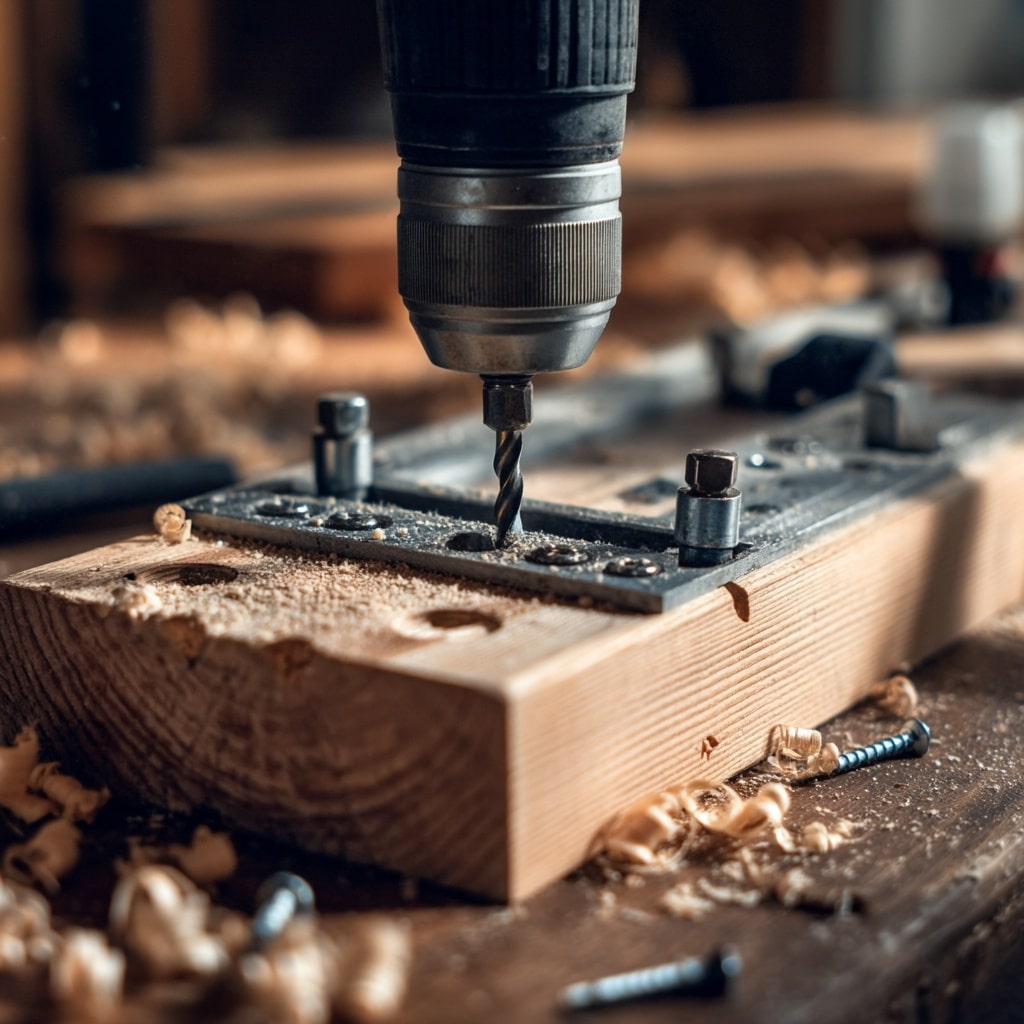
With your cedar boards cut to size, it’s time to prep them for assembly. Pocket holes are essential for creating strong, invisible joints that hold your raised garden beds together without metal brackets.
Use a pocket hole jig (like a Kreg Jig) to drill three evenly spaced holes on each end of the shorter 4-foot boards. These holes will allow you to attach the boards to the longer side panels at a clean 90-degree angle.
This step might feel a bit tedious, but it ensures your frame stays tight and square — especially important as the bed expands and contracts with weather changes.
💡 Tip: Drill slowly to avoid splintering, and always use a clamp to hold your board steady while drilling.
🧰 Step 3: Assemble the Raised Garden Bed Frame
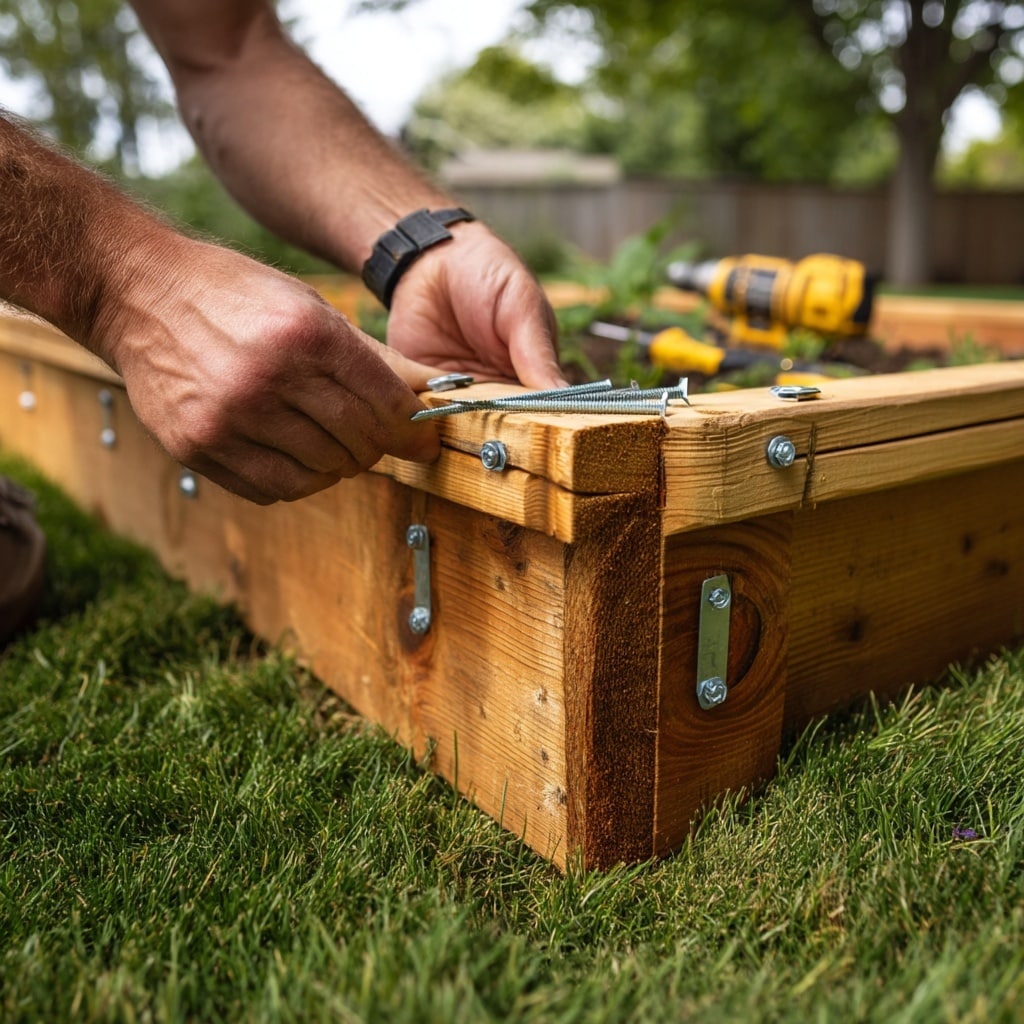
Now comes the most satisfying part — putting the frame together.
Use Sawhorses or a Raised Surface
If working on the ground is hard on your knees or back, place your boards on sawhorses or a sturdy table during assembly. This makes alignment easier and reduces strain.
Assembly Instructions:
- Position one short board (4 feet) perpendicular to a long board (8 feet), forming a corner.
- Align the ends carefully and clamp them to hold steady.
- Insert exterior deck screws into the pocket holes and drive them in with your drill.
- Repeat the process for each corner until your base frame is complete.
- For taller beds, stack and attach a second and third layer of boards using the same method.
Raised garden beds built with three tiers (16 inches tall) are ideal for most vegetables, especially root crops like carrots and beets. They also reduce the need for bending and make weeding and watering easier.
💡 Pro Tip: For extra stability, especially in longer beds, add a middle support board on each long side to prevent bowing over time.
🔨 Step 4: Hammer in the Corner Stakes
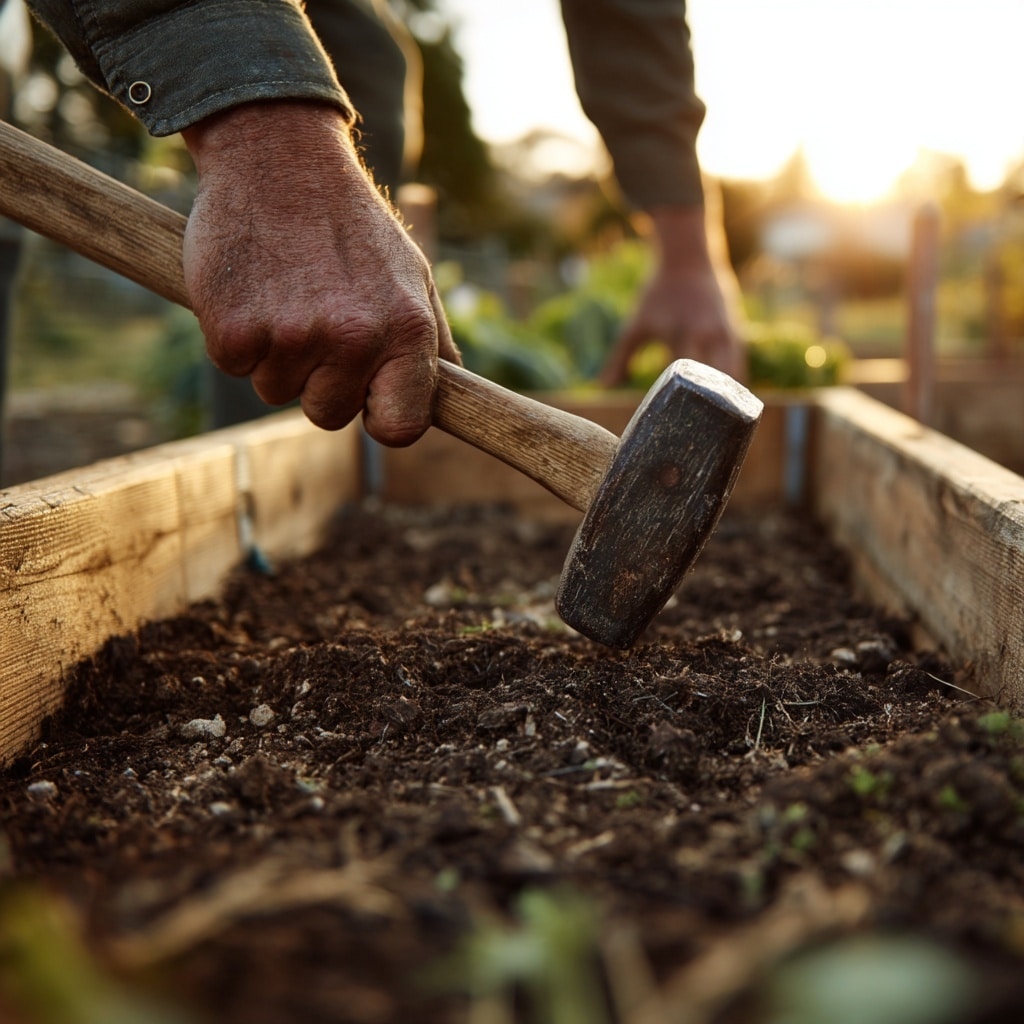
Now that your raised garden bed frame is assembled, it’s time to anchor it in place with wooden stakes. These stakes help hold the bed securely to the ground and prevent any shifting, especially as the soil settles or during heavy rain.
Here’s how to do it:
- Use 1.5″ to 2″ thick hardwood or treated wood stakes (about 18–24 inches long).
- Position one stake inside each corner of the raised bed.
- For added strength on longer beds, drive a stake into the middle of each long side as well.
Use a mallet or small sledgehammer to drive the stakes deep into the soil — ideally, about 12–16 inches into the ground, leaving enough above the surface to secure the boards.
💡 Tip: If your soil is hard or rocky, pre-soaking the ground or digging a starter hole with a crowbar can make this much easier.
Once the stakes are in place, you’re ready for final leveling and attachment.
🧱 Step 5: Level and Secure the Raised Bed
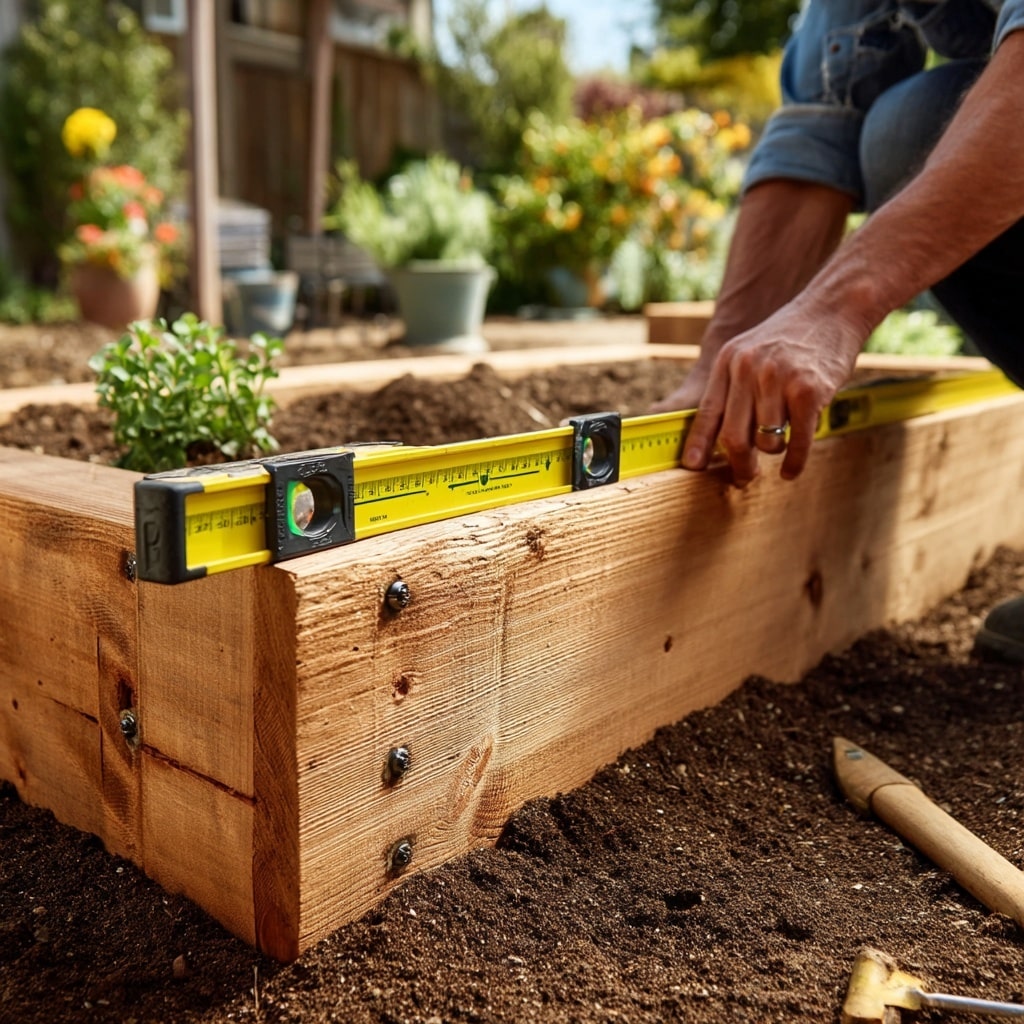
Even the best-built raised garden beds can become unstable if they’re sitting on uneven ground. This step ensures your bed is level, secure, and long-lasting.
Steps to level and anchor:
- Start at the back (or highest side of a slope).
- Place a level across the top of the bed frame. Adjust the frame by lifting or pressing down on the corners until it’s straight.
- Once level side-to-side, use pilot holes and deck screws to attach the boards to the stakes. Secure with two screws per board per stake.
- Move to the front and repeat the leveling and screwing process.
- Secure any middle stakes last.
A level bed not only looks better — it helps water distribute evenly and reduces erosion.
🌱 How to Fill Your Raised Garden Bed for Healthy Growth
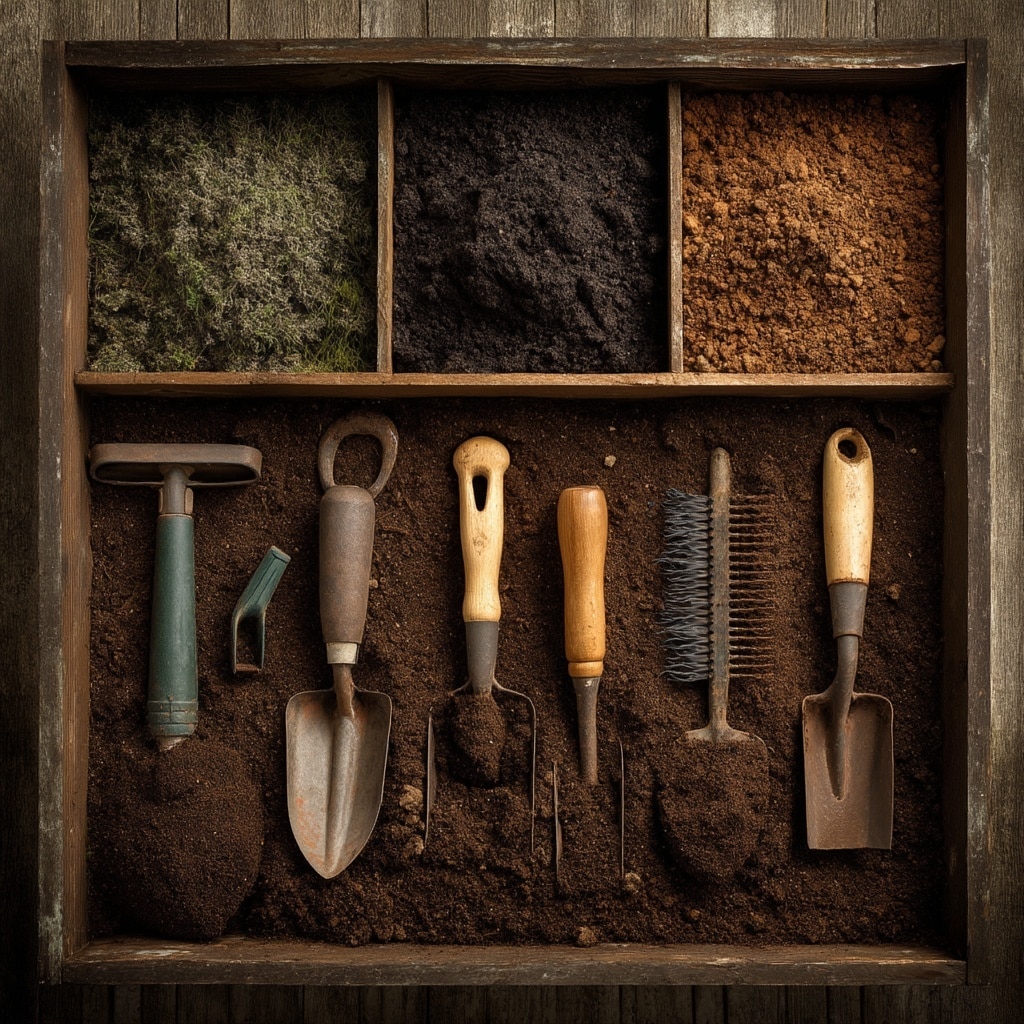
Once your raised garden beds are assembled and anchored, it’s time to fill them with soil that sets your plants up for success. The right soil mix can mean the difference between a thriving garden and one that struggles all season.
Don’t Just Use Dirt from Your Yard
Filling a raised bed with plain topsoil from your yard may seem like a quick fix, but it often leads to poor drainage and compaction. Instead, aim for a nutrient-rich, well-draining blend that promotes healthy root development.
Recommended Raised Bed Soil Mix (by volume):
- 40% topsoil (screened and free from large clumps or debris)
- 40% compost (organic compost, mushroom compost, or composted manure)
- 20% aeration material (peat moss, coconut coir, or vermiculite)
This balanced mix retains moisture while providing the drainage and nutrients your plants need to thrive. You can layer it or mix it thoroughly before planting.
💡 Budget Tip: If you’re filling multiple beds, buy in bulk from a local landscape supplier — it’s usually much cheaper than buying bagged soil.
Optional Additions
- Worm castings: Add 1–2 inches to the top for a natural nutrient boost.
- Slow-release organic fertilizer: Mix into the top 6 inches of soil.
- Composted cow manure: Great for enriching soil with extra nutrients — just make sure it’s well-aged.
💡 Pro Tip: If your raised garden beds are very deep, save money by filling the bottom 6–8 inches with yard waste like sticks, branches, and leaves (Hügelkultur method). Top with your soil mix for a smart, eco-friendly solution.
🌿 Final Thoughts on Raised Garden Beds
Building your own raised garden beds might take a bit of planning and effort up front, but the rewards are absolutely worth it. With a sturdy structure, healthy soil, and the right location, you’ll enjoy easier gardening, fewer weeds, better drainage, and a longer growing season. Plus, it just feels good to grow your own food in something you built with your own two hands.
Whether you’re new to gardening or upgrading from in-ground plots, raised beds are one of the best investments you can make for your garden’s long-term success.