
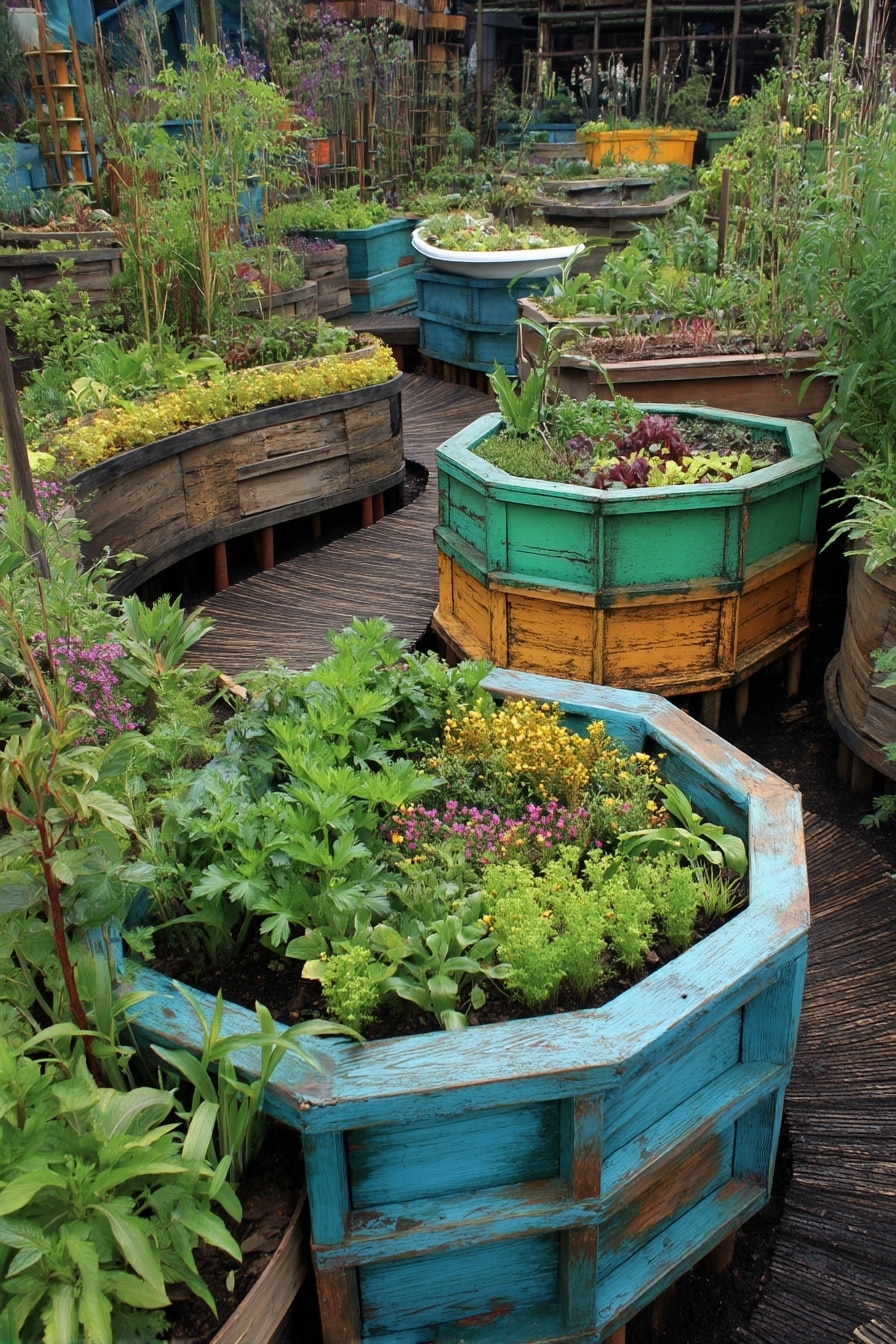
Raised garden bed ideas are a smart way to transform your outdoor space into a thriving, low-maintenance garden. Whether you’re a seasoned green thumb or just starting out, raised beds offer flexibility, improved soil quality, and better control over weeds and pests. With countless design options—from simple wooden boxes to creative structures using stone, metal, or repurposed materials—there’s something to suit every yard and gardener. In this guide, we’ll explore practical and inspiring raised garden bed ideas to help you build a garden that’s not just productive, but also beautiful and efficient.
Table of Contents
6 Benefits of Raised Garden Beds

Raised garden beds aren’t just stylish—they’re also incredibly practical. Here are six key benefits that make them a favorite among gardeners:
1. Better Soil Control
When you build raised beds, you choose the soil. This means you can create a nutrient-rich environment tailored to your plants, free from poor native soil or contamination.
2. Improved Drainage
Raised beds drain more efficiently than traditional garden plots. This prevents water from pooling, reducing root rot and promoting healthier plant growth.
3. Fewer Weeds
With clearly defined borders and fresh soil, raised beds naturally reduce weed invasion. Adding a weed barrier at the base can enhance this even further.
4. Easier Maintenance
No more bending over as much—raised garden beds can be built at a height that’s easy on your back and knees, making planting, weeding, and harvesting more comfortable.
5. Extended Growing Season
The soil in raised beds warms up faster in spring and drains better in fall, giving you a longer growing season.
6. Enhanced Pest Control
It’s easier to add fencing or covers to raised beds to protect plants from pests. Elevated beds can also deter some ground-dwelling critters.
Choosing the Right Raised Garden Bed Design
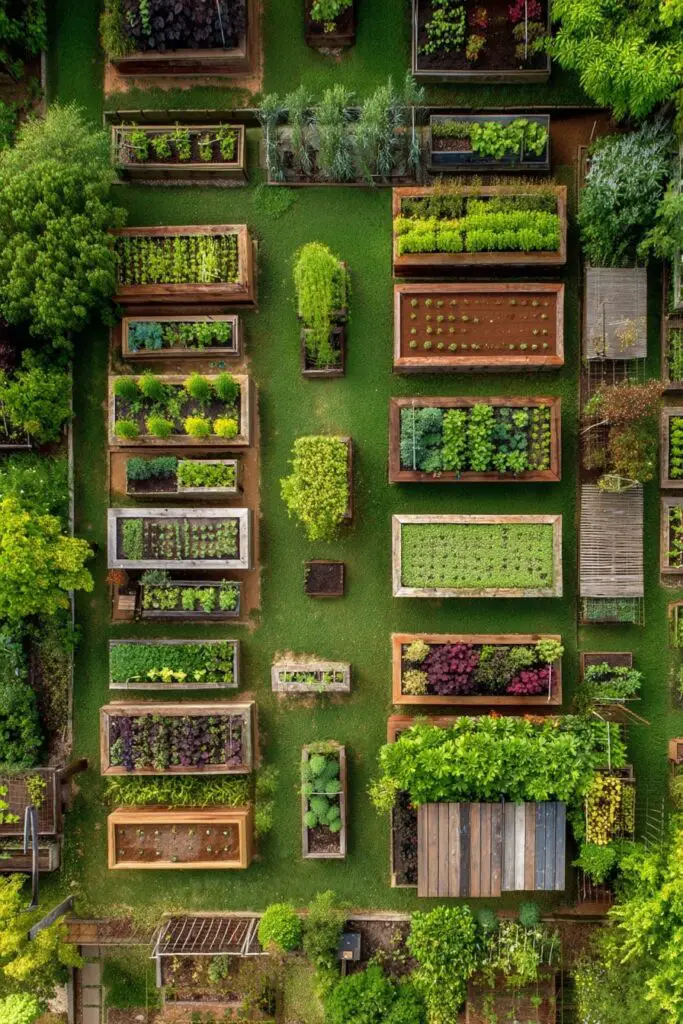
Selecting the best design depends on your garden space, goals, and personal style. Here are a few factors to consider before building your raised garden bed:
Space and Layout
Assess your available space. Small yards may benefit from vertical or tiered designs, while larger areas can accommodate sprawling beds or geometric patterns.
Materials
Popular choices include:
- Wood: Natural, affordable, and easy to work with—cedar and redwood are rot-resistant.
- Metal: Durable and sleek, metal beds are ideal for a modern look.
- Stone or Brick: Long-lasting and attractive, but heavier and more labor-intensive to install.
- Recycled Materials: Pallets, old bathtubs, and cinder blocks can add charm and sustainability to your garden.
Height and Accessibility
Taller beds are great for reducing strain and can be adapted for wheelchair users. Lower beds work well for deeper-rooted plants and traditional gardening styles.
Drainage and Soil Depth
Make sure your bed allows for good drainage and provides enough soil depth for your chosen plants—typically 12 to 18 inches is ideal.
Creative Raised Garden Bed Ideas
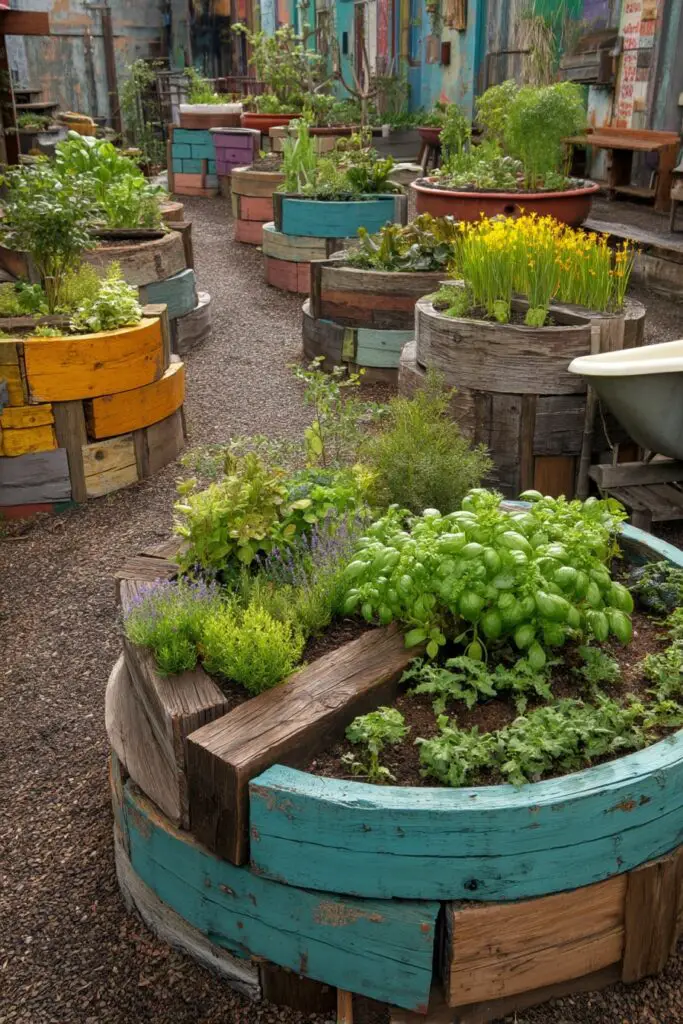
If you’re looking to personalize your garden space, these raised garden bed ideas can add both function and flair:
1. Tiered Garden Beds
Perfect for sloped yards or maximizing vertical space, tiered beds create visual interest while allowing you to plant different crops at varying soil depths.
2. U-Shaped Beds
A U-shape design gives easy access to all sides of the bed without stepping into the soil, making planting and harvesting more efficient.
3. Keyhole Gardens
Originally designed for arid climates, keyhole gardens feature a circular bed with a central composting basket that enriches soil and conserves water.
4. Elevated Table Beds
Ideal for patios and small spaces, these waist-high beds are great for herbs, greens, and those who need a more ergonomic gardening option.
5. Spiral Herb Gardens
This compact and artistic design stacks soil in a spiral, offering microclimates for different herbs in one visually striking feature.
6. Raised Beds with Trellises
Add a vertical element to your beds with trellises—perfect for vining crops like peas, beans, or cucumbers, and great for saving space.
7. Recycled or Upcycled Beds
Use old dressers, crates, barrels, or even a repurposed canoe for a whimsical touch. These sustainable designs are great for the planet and your garden’s personality.
Tips for Building and Maintaining Raised Garden Beds
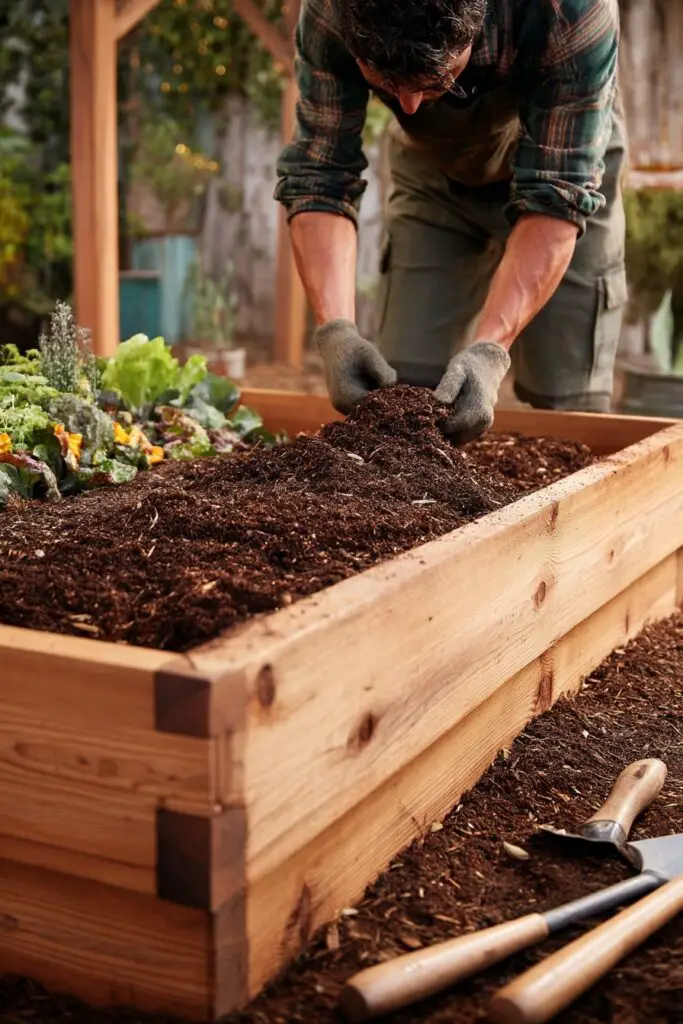
Building your own raised garden beds can be straightforward with the right preparation. Follow these practical tips to ensure your beds last and your garden thrives:
Use Rot-Resistant Materials
Opt for naturally rot-resistant wood like cedar or redwood, or durable materials like galvanized metal or stone to extend the life of your beds.
Avoid Treated Lumber
Pressure-treated wood may contain chemicals that can leach into the soil. If you must use it, line the interior with landscape fabric to create a barrier.
Ensure Proper Drainage
Add a layer of gravel or coarse sand at the bottom and avoid compacted soil to help excess water escape, especially in wetter climates.
Fill with Quality Soil Mix
Use a blend of topsoil, compost, and organic matter to give your plants the nutrients they need. Consider a 50/50 mix of topsoil and compost as a starting point.
Mulch Regularly
Adding mulch helps retain moisture, suppress weeds, and maintain soil temperature—an essential step for healthy raised garden beds.
Rotate Crops Each Season
Switching crops yearly prevents nutrient depletion and helps reduce the risk of pests and disease.
Add Supports When Needed
For tall or climbing plants, install cages, stakes, or trellises early in the season so roots aren’t disturbed later.
Conclusion
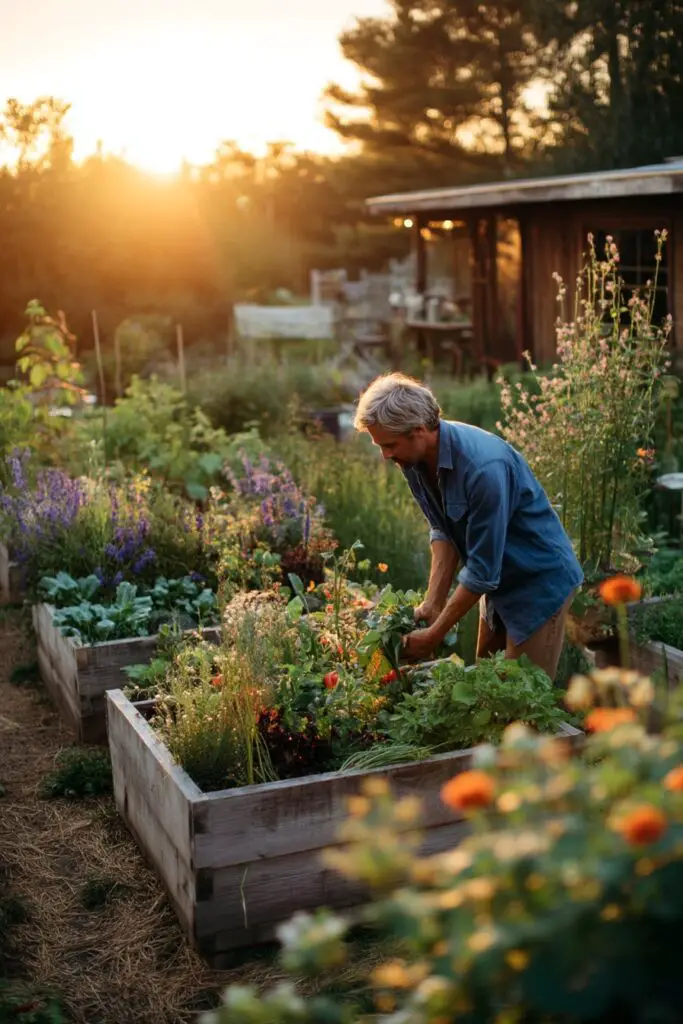
Raised garden bed ideas are more than just a trend—they’re a practical and beautiful solution for gardeners of all experience levels. From improving soil and drainage to allowing for stunning custom designs, raised beds make gardening easier, more productive, and far more enjoyable. Whether you opt for a simple wood frame or get creative with upcycled materials, there’s a design out there to fit your space, style, and needs.
Looking for more inspiration? Check out our other guides on organic vegetable gardening, companion planting, or seasonal garden planning to expand your skills and harvests.