Pinching is a go-to technique for many gardeners hoping to encourage bushier plants, more blooms, or fuller foliage. But while this method works wonders for some species, it can be harmful—even fatal—for others. Many plants rely on a single growth point, and removing it through pinching can interrupt their life cycle, delay blooming, or stunt their growth permanently. Knowing when not to pinch is just as important as knowing when to do it. To help you avoid costly mistakes, here’s a practical list of 11 plants that should never be pinched if you want them to stay healthy and thrive.
Table of Contents
1. Aloe Vera

Aloe vera grows from a central rosette, and pinching the plant can do more harm than good. Since each fleshy leaf emerges directly from the crown, removing any tip interrupts the plant’s main growth point. This can stop new leaves from forming and may even lead to permanent damage.
Unlike bushier plants, aloe vera doesn’t naturally branch out. When pinched, it might respond by producing pups, but this is a stress reaction—not healthy growth. Worse, open wounds from pinching can collect moisture and invite rot, especially in humid environments.
Instead of pinching, simply remove dead or damaged leaves at the base using clean, sharp shears.
2. Foxglove
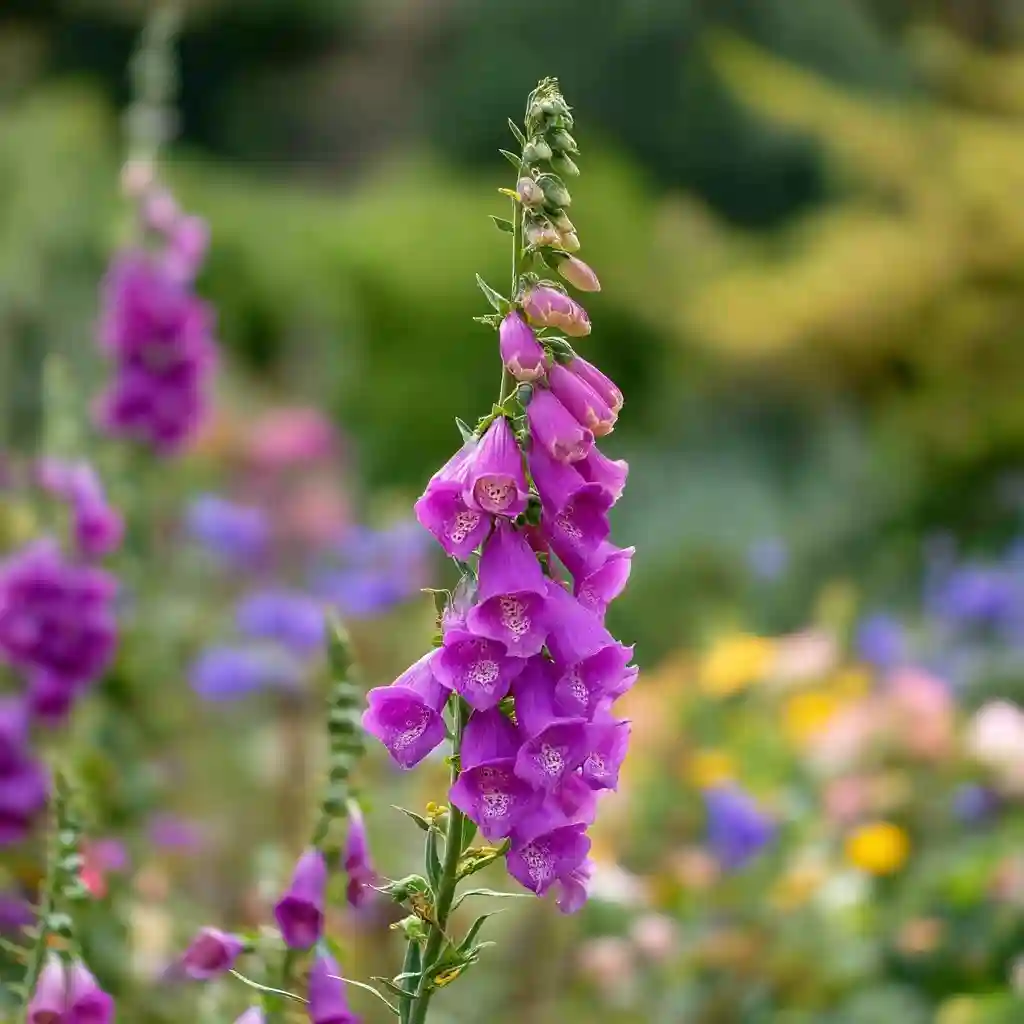
When it comes to pinching, foxglove is one plant that should be left alone. Known for its tall, single-stemmed flower spikes, foxglove channels all of its blooming energy into one central shoot. If that tip is pinched off, the plant typically won’t grow another, meaning you lose your only chance at flowers for the season.
Because most foxglove varieties are biennial, removing the flower spike in the second year can cut short the entire life cycle. The plant may survive, but without blooming, it serves little ornamental purpose.
To help it thrive, wait until the flowers have faded and remove the spent spike at the base to encourage seed formation or stronger basal growth.
3. Monopodial Orchids
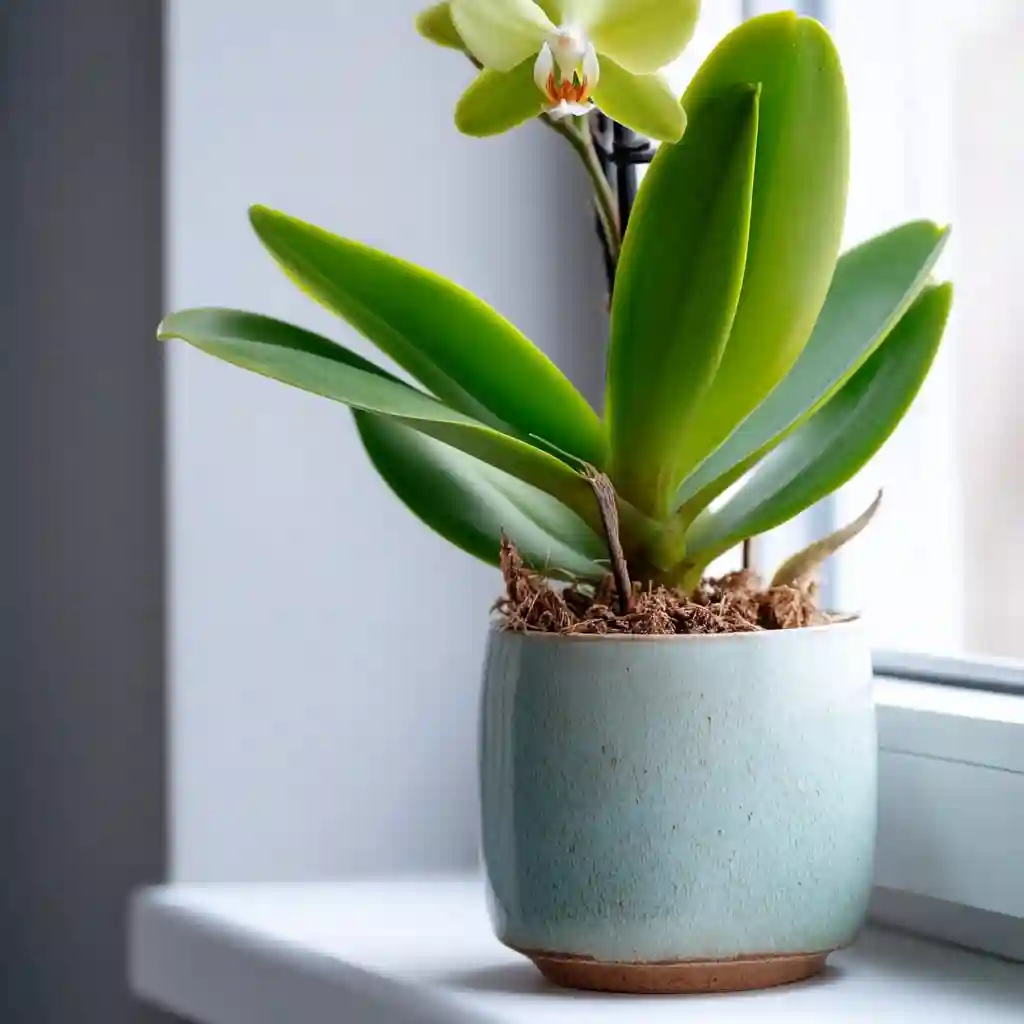
Monopodial orchids like Phalaenopsis rely on a single vertical stem for all upward growth. Pinching the top of that stem halts both new leaf and flower development permanently, effectively freezing the plant’s ability to grow.
These orchids don’t branch out like sympodial types. The central growing tip is the plant’s only path for future blooms, so damaging it severely limits its potential. Worse, any open wound left behind from pinching can become a hotspot for fungal issues, especially in high-humidity environments.
Rather than pinching, focus on maintaining stable humidity (around 50–60%) and use sterilized tools only when absolutely necessary, like when trimming dead flower spikes.
4. Hosta
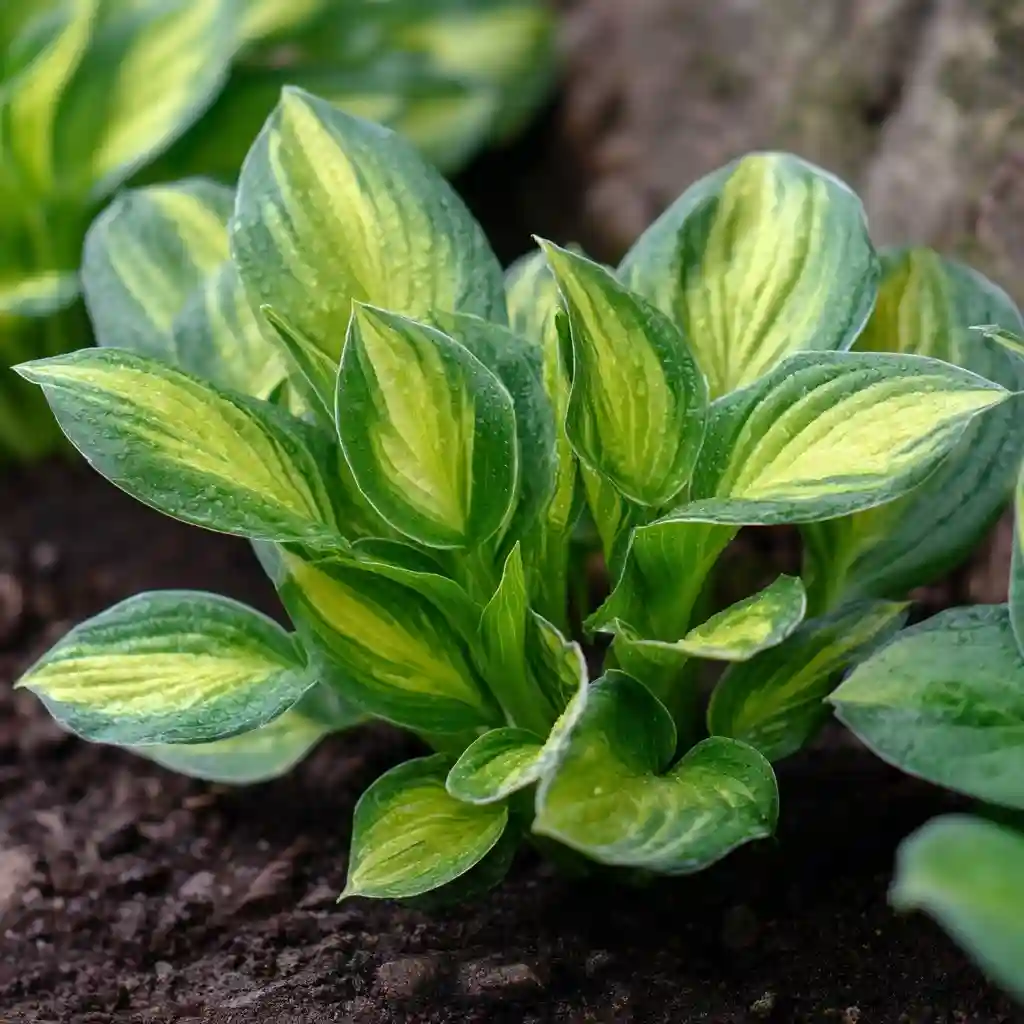
Hostas are popular for their lush foliage, but pinching them can lead to more problems than benefits. Each leaf on a hosta emerges directly from the plant’s central crown. If you pinch a new shoot, you’re not encouraging bushier growth—you’re injuring the crown itself.
This kind of damage can lead to stunted development or even rot at the base, especially in moist soil. Unlike shrubs or vining plants, hostas don’t branch or regenerate from side shoots. Once a leaf is gone, it’s gone for the season.
Instead of pinching, remove damaged or yellowing leaves by cutting them at the base with clean shears. If your hostas outgrow their space, consider dividing them in spring or fall rather than shaping them by hand.
5. Sunflower
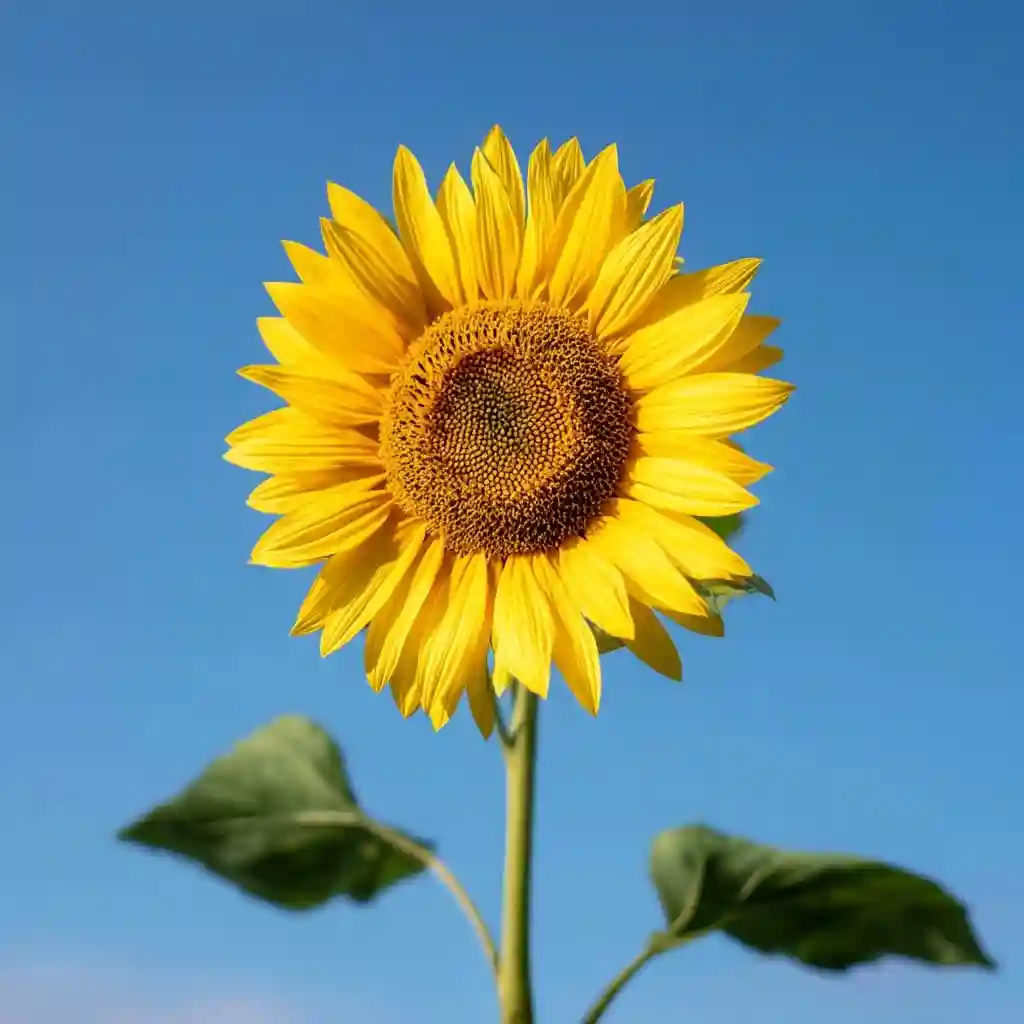
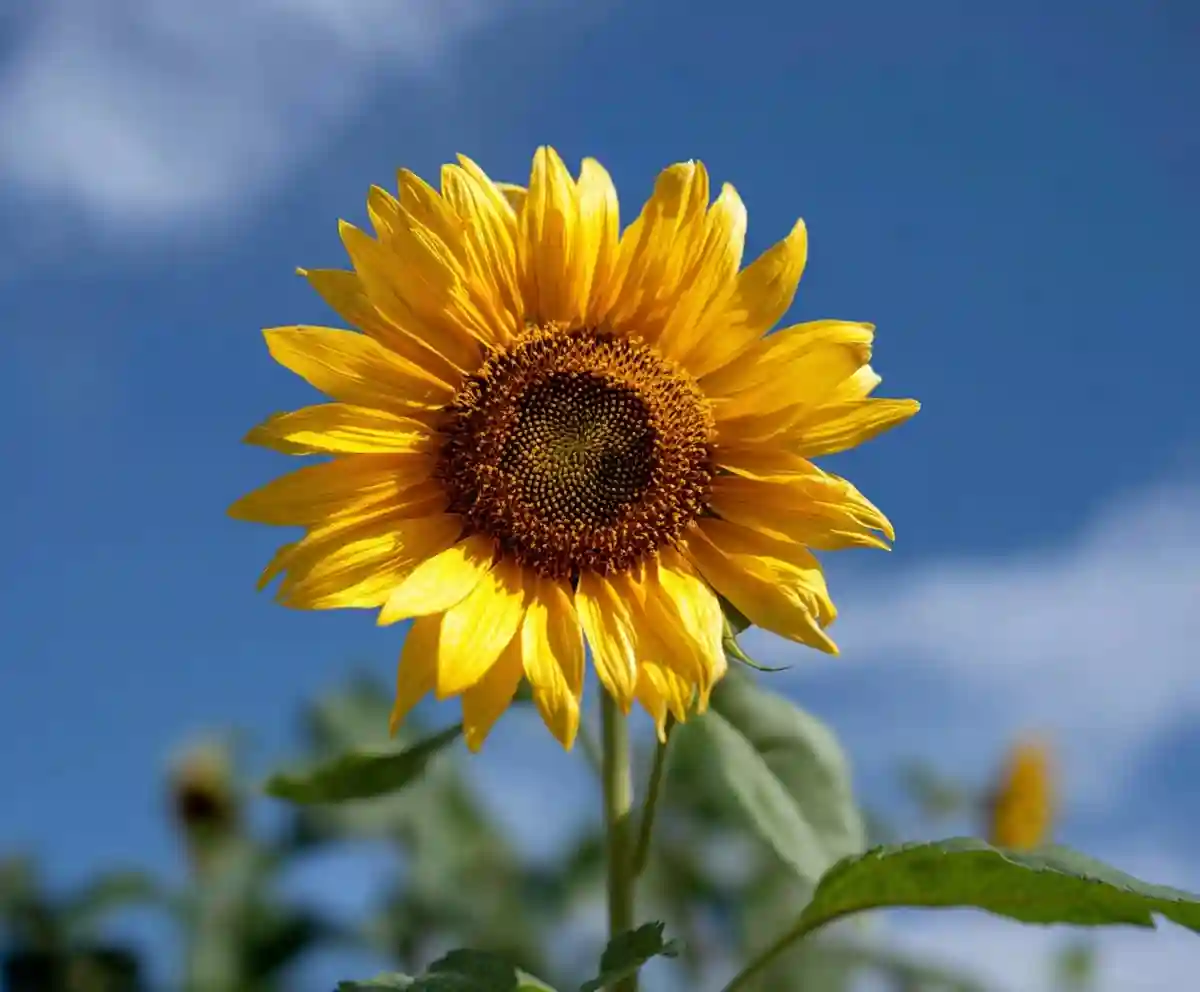
For gardeners growing classic tall sunflowers, pinching is a mistake you’ll want to avoid. These sunflowers typically produce one central stem that supports a single, large bloom. If you pinch off that top growth point, you’re eliminating the only flower the plant will produce.
While branching varieties of sunflowers can tolerate early pinching when young, single-stemmed types do not recover the same way. Pinching confuses the plant’s natural growth hormones, often resulting in stunted growth or a total lack of flowers.
To support upright growth without risking damage, stake the plant early and let it follow its natural course toward blooming.
6. Juniper
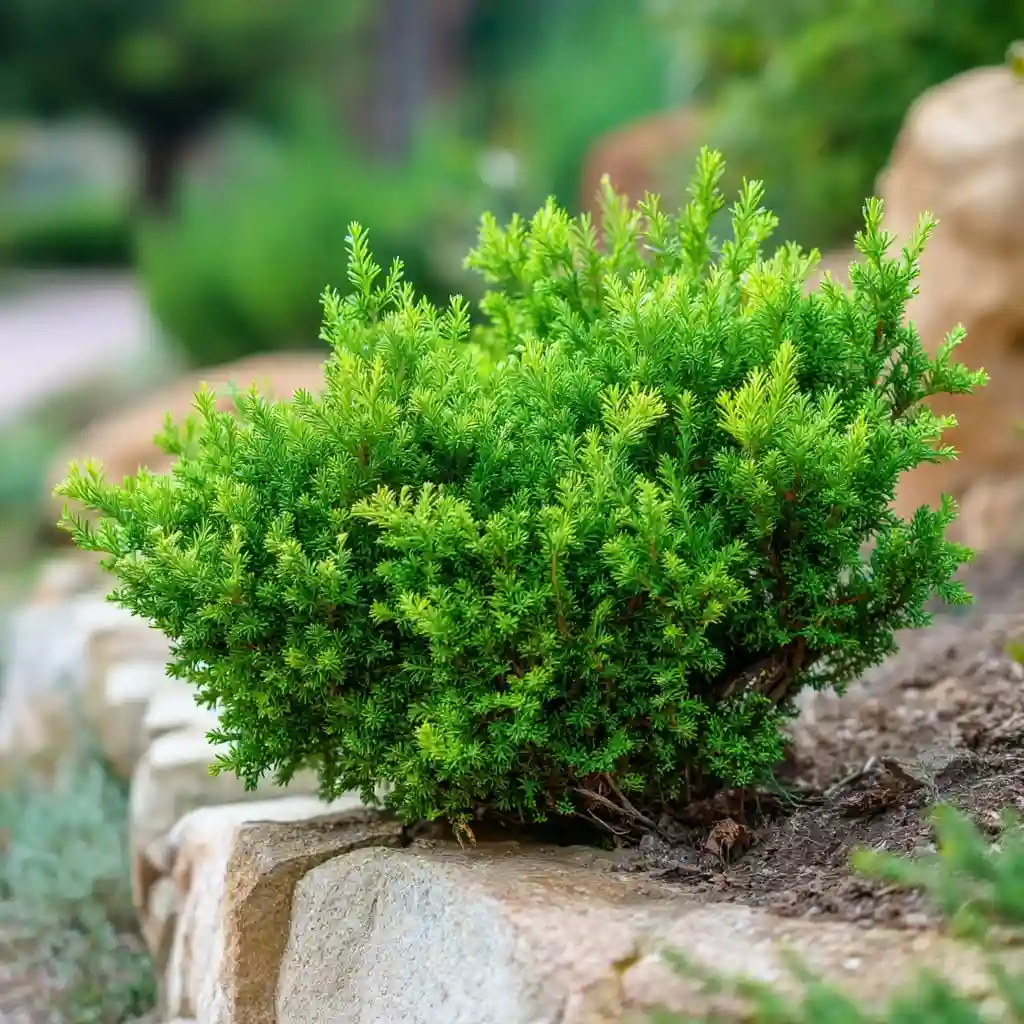
Junipers might look like they could benefit from shaping, but pinching their soft tips is not recommended. These woody evergreens don’t regenerate well from old wood, so once a tip is removed, you risk leaving behind bare patches that may never fill back in.
Unlike herbaceous plants, junipers don’t “back-bud” easily. Over-pinching leads to irregular growth, disrupts their natural symmetry, and can expose inner branches to sunburn—especially in hot, dry conditions.
Instead of pinching, shape the plant gently using clean shears. Only trim the newest, softest growth and avoid cutting into woody or brown stems to keep your juniper looking neat without long-term damage.
7. Agave
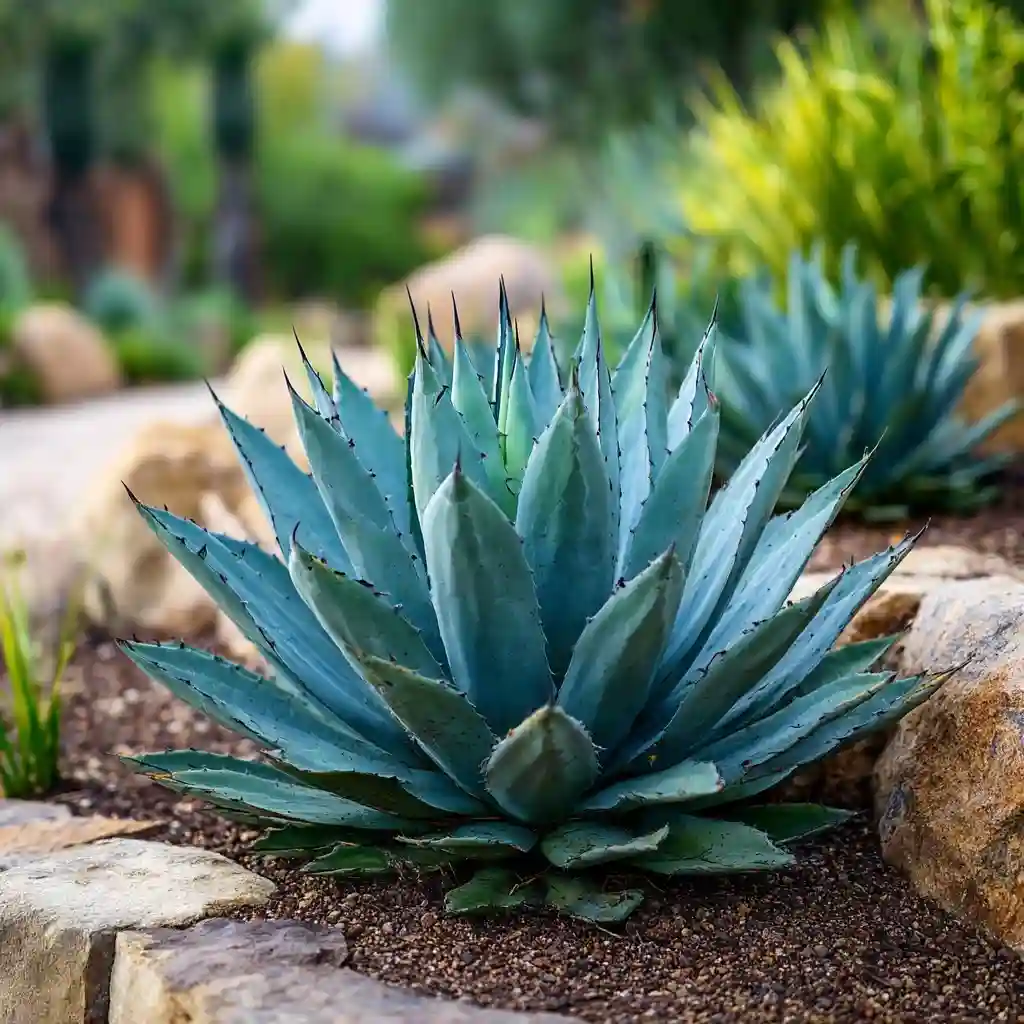
Agave plants are known for their striking, sculptural shape—but pinching is one thing they can’t tolerate. These succulents grow from a tightly packed central crown, and removing the emerging center leaves can halt growth entirely or even kill the plant.
Since agaves are slow-growing and monocarpic (they bloom once and then die), damaging the central point interferes with their long-term health and natural life cycle. The thick leaves also store water, so any injury invites pests or fungal infections.
Instead of pinching, only trim outer leaves that are fully dry or damaged. Always wear gloves when working with agave—many varieties have sharp spines along the leaf edges.
8. Delphinium
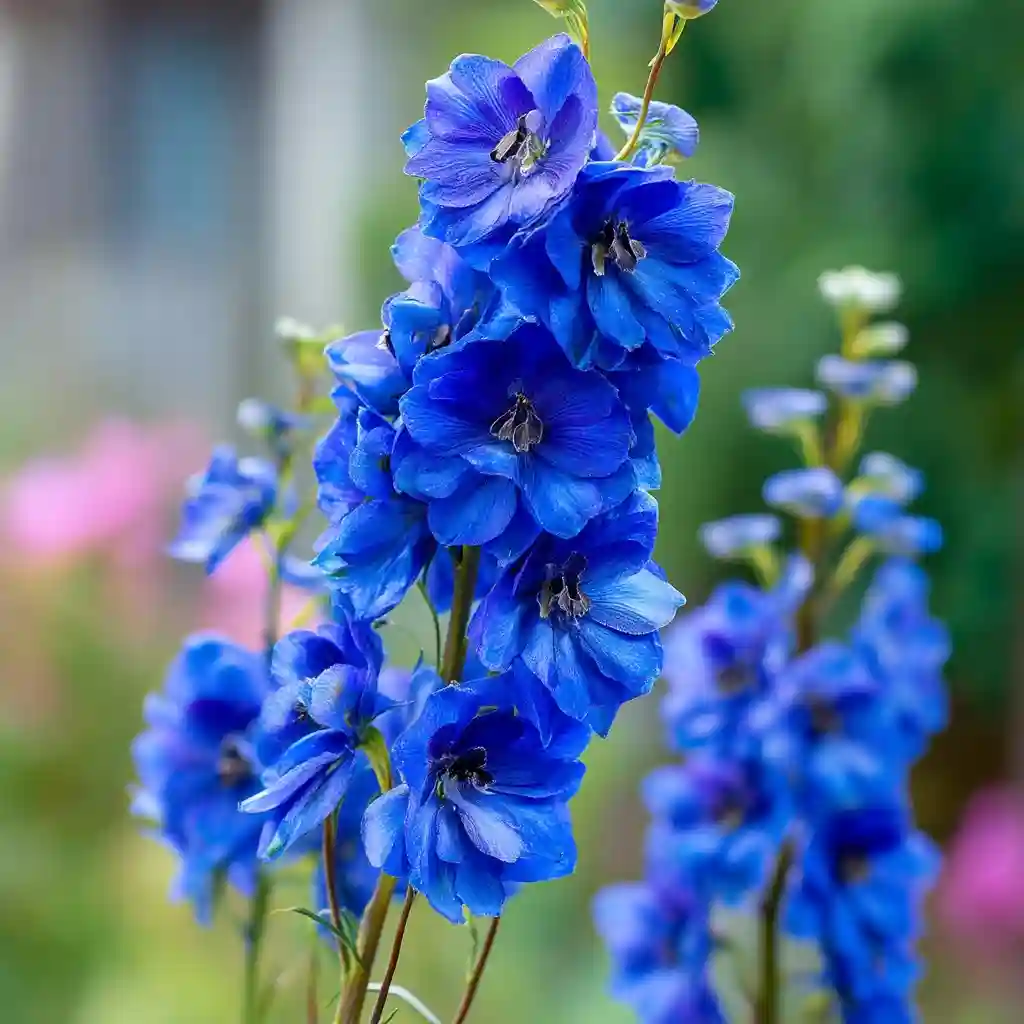
Delphiniums are prized for their tall, spiky flower clusters, but pinching them can ruin their showy display. These plants rely on a central stem for blooming, and removing the tip usually eliminates the main flower spike entirely.
Delphiniums don’t branch out well, especially early in the season. Pinching not only risks losing blooms but can also lead to a leggy, unbalanced plant. In damp or humid climates, cuts at the top of the stem are prone to rot, further weakening the plant.
To get the most from your delphiniums, avoid pinching and focus on deadheading faded flowers instead. This encourages a second flush of blooms lower down the stem without harming the plant’s structure.
9. Hollyhock
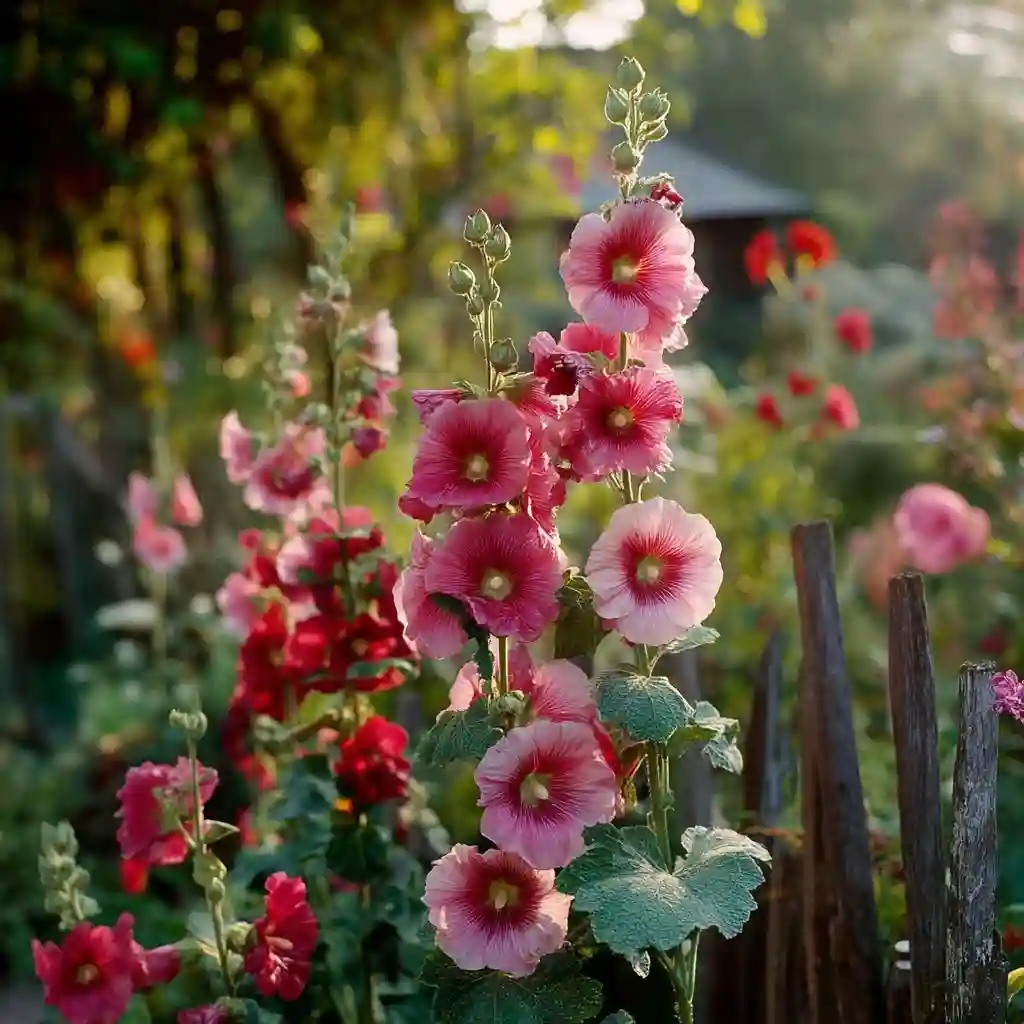
Hollyhocks are classic cottage garden favorites, but pinching them can seriously disrupt their growth and flowering. These biennial plants spend the first year forming a leafy base (rosette) and bloom only in their second year from a tall central stalk.
If you pinch the top of that stalk, you’re likely eliminating the plant’s only chance to flower. Hollyhocks don’t branch well from the base, so once the tip is gone, there’s rarely any recovery. Even worse, pinching creates wounds that increase the risk of rust—a common fungal disease in hollyhocks, especially in humid weather.
For best results, allow the plant to grow naturally and maintain proper spacing for airflow. This helps reduce disease pressure without the need for pruning.
10. Cypress
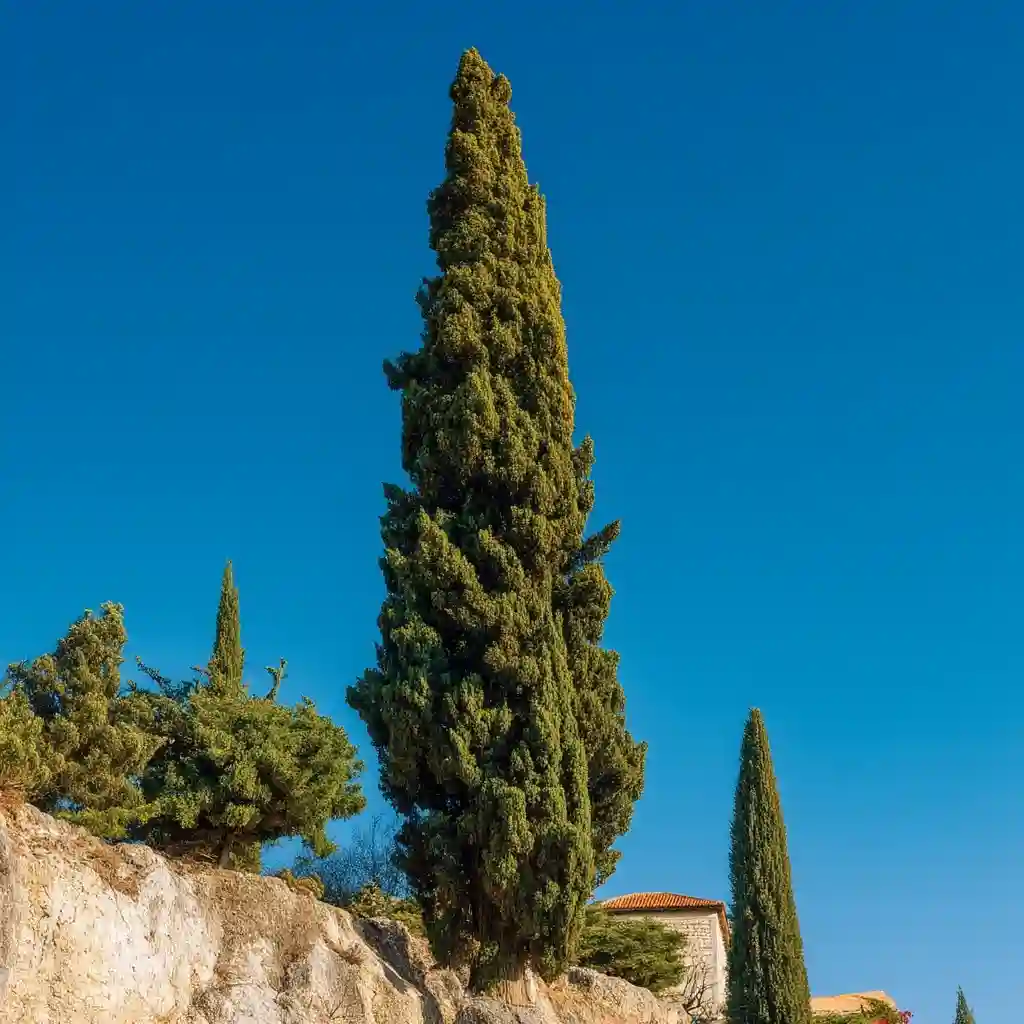
Cypress trees bring elegance to any landscape, but pinching their soft tips is not a safe way to shape them. These evergreens grow vertically with limited ability to recover from tip damage. Once the central growth point is pinched, that stem typically stops growing for good.
Cypress doesn’t regenerate from old wood, and bare spots from over-pruning or pinching may never fill back in. This not only ruins the tree’s natural symmetry but also places extra stress on the plant, especially during hot or dry seasons.
If shaping is necessary, use clean shears to lightly trim only the newest green growth in early spring. Avoid cutting into brown or woody areas to maintain the plant’s form and health.
11. Lavender
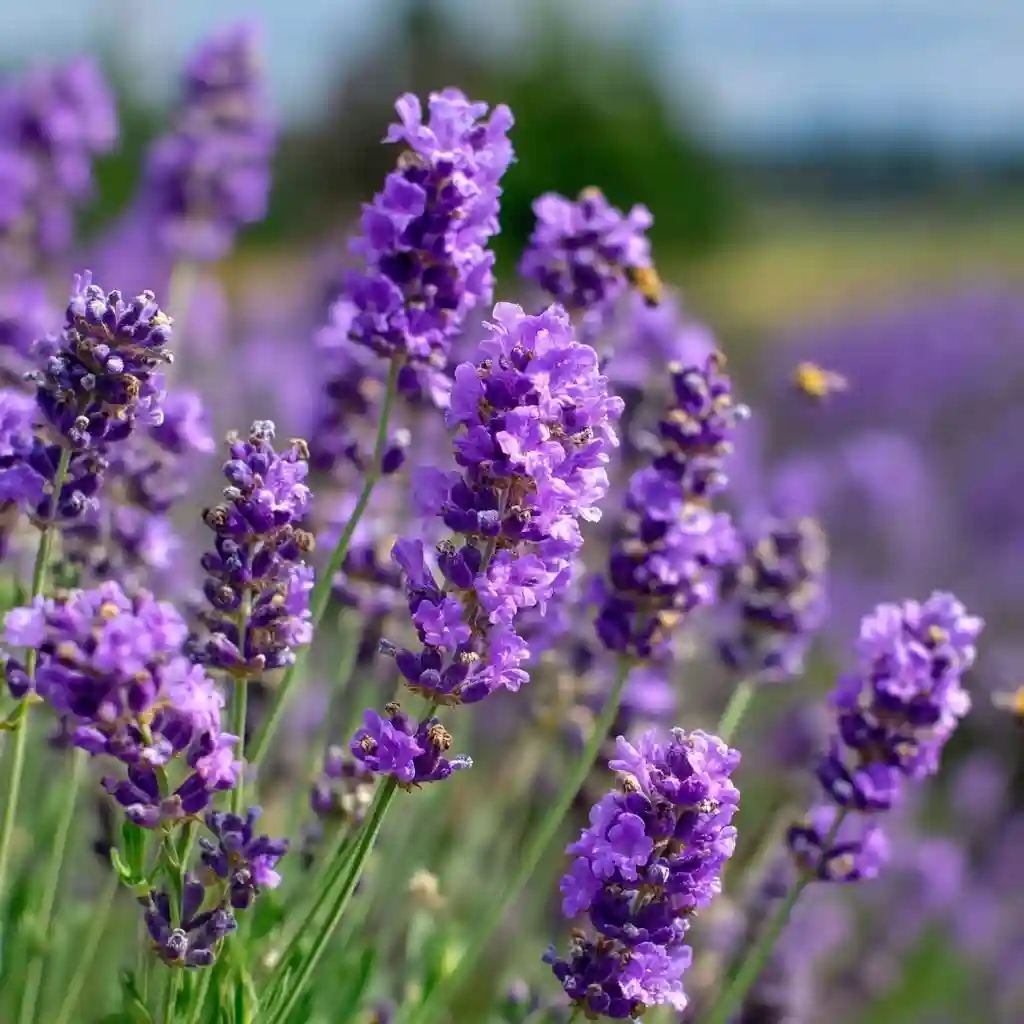
Lavender might seem like a candidate for regular pinching, but it actually prefers a gentler touch. While soft herbs like basil benefit from frequent pinching, lavender—especially the woody types like English lavender—responds poorly.
Pinching too close to the base can lead to bare, leggy stems that won’t regrow. Over time, this habit reduces flowering because most blooms form on soft, semi-hard new growth. Improper pinching can also stress the plant just before winter, making it more vulnerable to cold damage.
The better approach is to prune lightly after the flowering period. Cut back about one-third of the plant, always staying above the woody base. This encourages healthy regrowth and better blooming next season.
Written by Molly 🌿
Founder of Grow Greenery Now, Molly’s gardening journey began in her grandmother’s sunlit vegetable patch. Every bloom she plants honors that legacy of patience, love, and quiet miracles. Through heartfelt stories and practical tips, she shares how gardening can be both soulful and sustainable.
Read more about Molly →Conclusion
While pinching can be a powerful technique in the gardener’s toolkit, it’s not suitable for every plant. Knowing which species thrive with this method—and which ones suffer—can save you from disappointment, plant loss, and wasted growing seasons.
Avoid pinching plants that rely on a central crown or single growth stem, as doing so can halt blooming, stunt growth, or even kill the plant. Always research the growth habit of your plants before reaching for the pruning shears. When in doubt, gentle shaping or selective deadheading is often the safest route.
Your garden will thank you for it—with stronger plants and better blooms.
FAQ
Can pinching ever help these plants?
For most of the plants listed here, pinching is never recommended. Some exceptions, like young sunflowers or hostas during division, may benefit from specific care—not traditional pinching.
How do I know if a plant can be pinched?
Research its growth pattern. If it grows from a central point or has a single bloom stalk, avoid pinching. Bushy, vining plants are usually better candidates.
What’s the difference between pinching and pruning?
Pinching is removing the tip of a growing stem, usually with fingers. Pruning is more structured and often involves cutting tools to remove dead or overgrown parts.
🌿 Love gardening inspiration? Follow me on Pinterest for bold plant ideas, tips, and seasonal color!
More Posts