
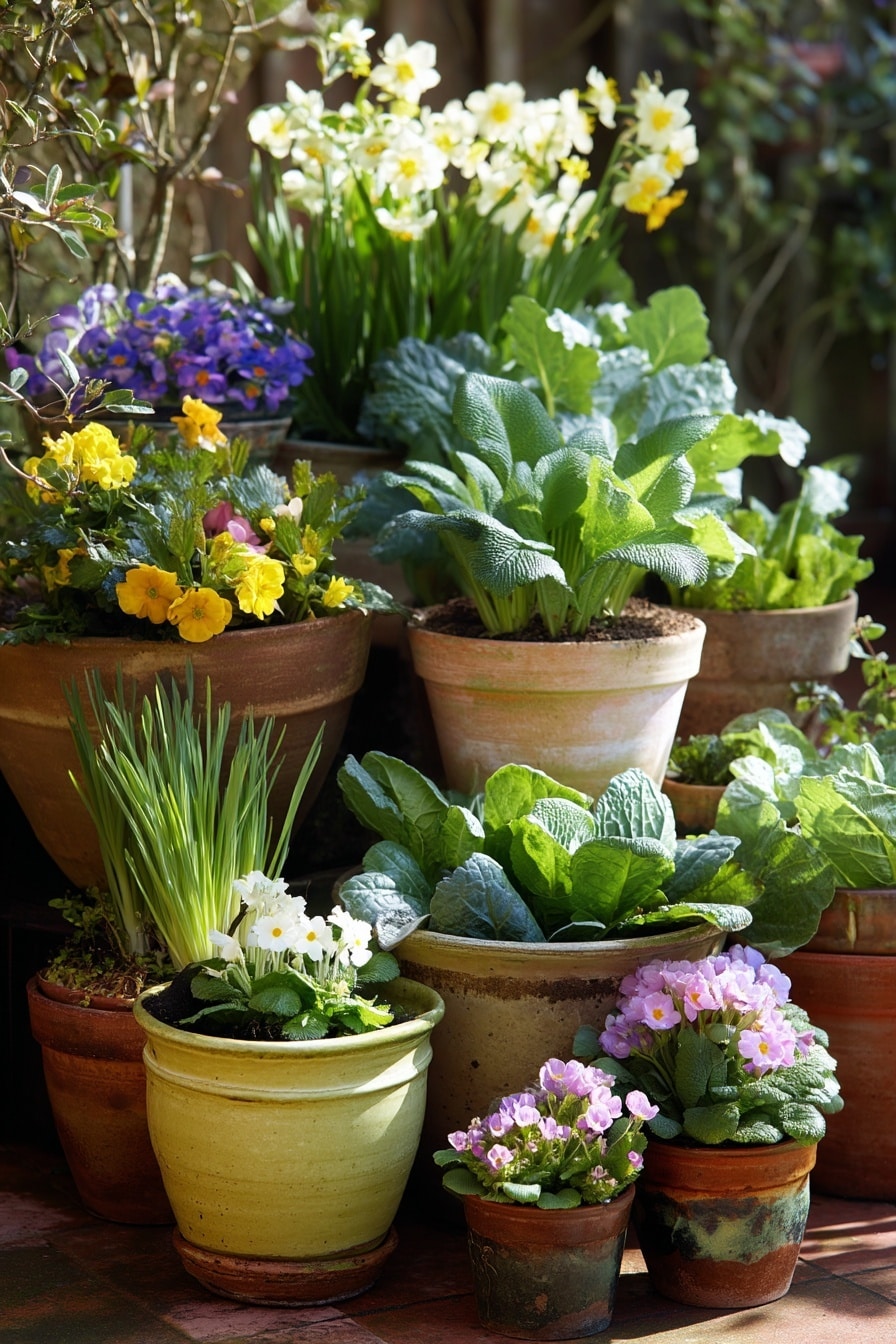
Spring garden planning is one of the most satisfying ways to shake off winter’s chill and get a head start on a colorful, productive growing season. Even while snow still covers the ground, the lengthening daylight signals it’s time to prepare for the blooms and bounty ahead.
From organizing your tools to selecting the right seeds and testing your soil, thoughtful planning now sets the foundation for a vibrant garden later. Whether you’re dreaming of fresh vegetables, cheerful flowers, or a mix of both, this guide will walk you through the key steps to designing a spring garden that’s beautiful, balanced, and ready to thrive.
Table of Contents
Check Your Garden Tools Before Spring Hits

Before you dig into your spring garden, take time to inspect your tools—nothing slows momentum faster than realizing your trowel is cracked or your pruners are rusted.
Start by pulling everything out of storage: shovels, rakes, hoes, pruners, gloves, watering cans, and wheelbarrows. Clean off dirt and debris with warm soapy water, then dry tools thoroughly to prevent rust. Sharpen blades on pruners, loppers, and spades so they’re ready to handle the season’s work. If your tools have wooden handles, give them a light sanding and rub with linseed oil to prevent splintering.
This small step ensures you’re fully equipped and avoids mid-planting frustrations. A well-prepped gardener is a happy gardener come spring.
Choosing the Best Location for Your Spring Garden
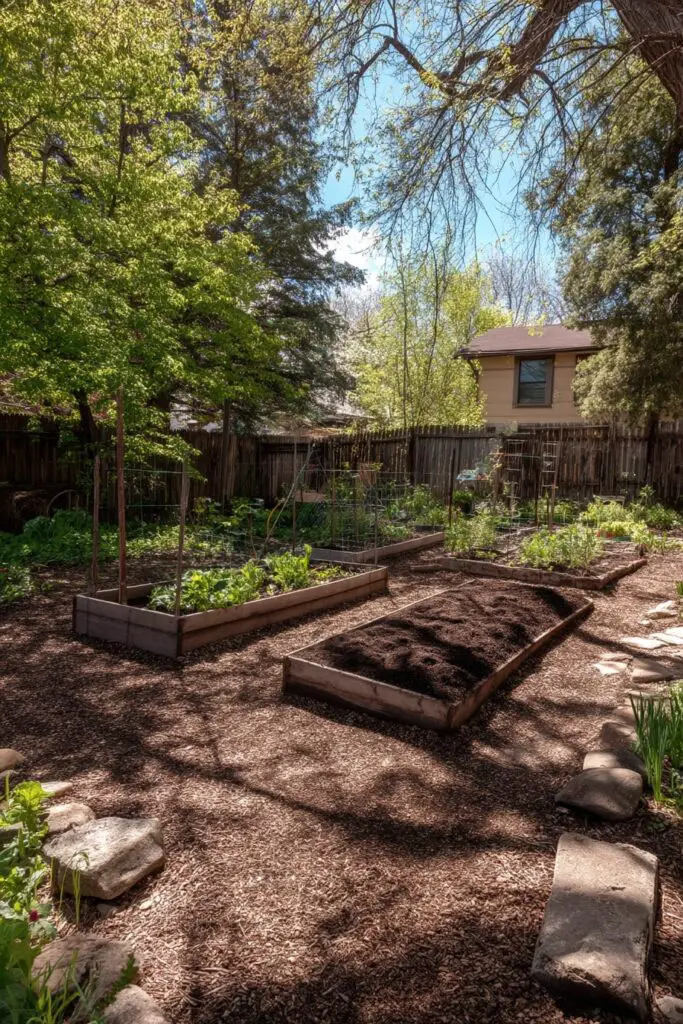
A successful spring garden starts with the right location. Plants need the right balance of sunlight, soil, drainage, and shelter from harsh elements to truly thrive.
Begin by observing how sunlight moves across your yard throughout the day. Most vegetables and flowering annuals need at least 6 hours of direct sun, so choose a spot that gets good morning or midday light. Avoid areas with deep shade or soil that stays soggy after rain.
Also consider wind exposure and accessibility. A location near your water source, compost bin, or tool shed will make gardening more efficient and enjoyable.
If your soil isn’t ideal, raised beds or container setups give you more control over growing conditions—perfect for spring planting.
Order Seeds Early and Plan Your Color Palette

One of the most exciting parts of spring garden prep is choosing what to grow—and the earlier you plan, the better your results.
Start by reviewing your local planting calendar to see which flowers, herbs, and vegetables thrive in early spring. Then, order seeds while supplies are still high. Popular varieties tend to sell out fast, especially heirlooms and organic seeds.
As you choose, think beyond function—consider your garden’s color palette. Mixing shades of green with pops of red, purple, yellow, or white creates a more visually appealing space. Group plants by height, bloom time, and color to ensure a continuous wave of texture and interest.
Seed catalogs are full of inspiration, but focus on what fits your space, zone, and goals—whether that’s bold tulips, sweet peas, salad greens, or zinnias.
Prep Your Soil for Spring Planting
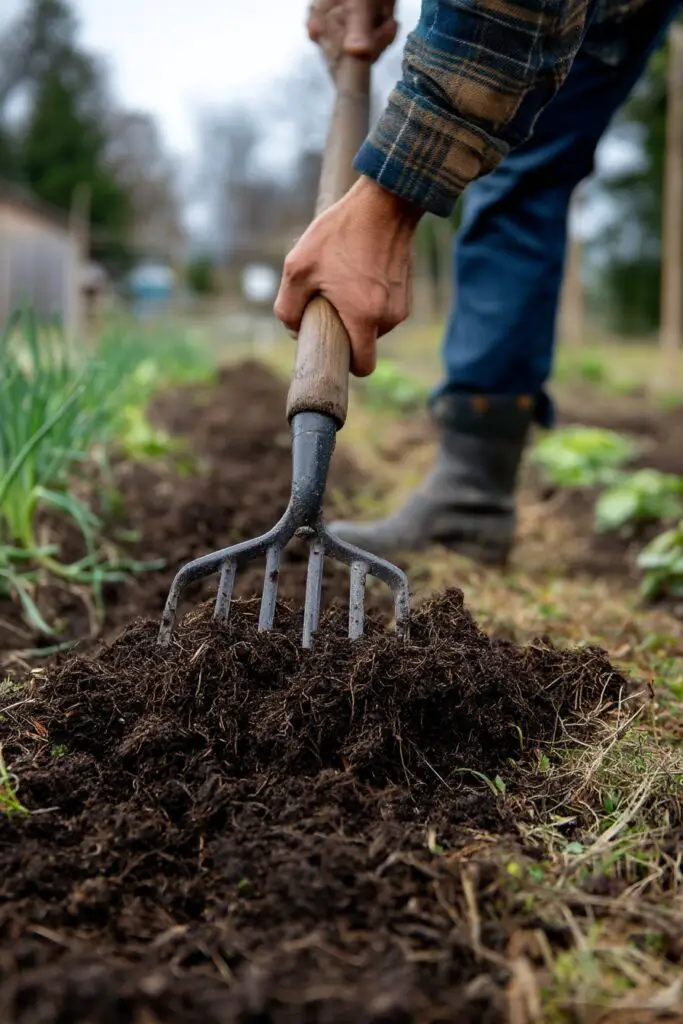
Healthy soil is the foundation of every thriving spring garden. As soon as the ground is workable—usually when it’s no longer frozen or soggy—it’s time to prepare your beds for planting.
Start with a simple soil test to understand your soil’s pH and nutrient levels. You can use a home test kit or send a sample to a local extension office. The results will guide your decisions on amendments like compost, lime, or organic fertilizer.
Next, clear away debris such as leaves, dead plants, and weeds. Then loosen the soil by tilling or turning it gently with a garden fork. This improves aeration and allows roots to spread more easily.
Finally, mix in organic matter like compost, aged manure, or leaf mold. This boosts soil structure, improves drainage, and adds vital nutrients—giving your spring seedlings a strong, healthy start.
Try Container Gardening for Early Spring Flexibility
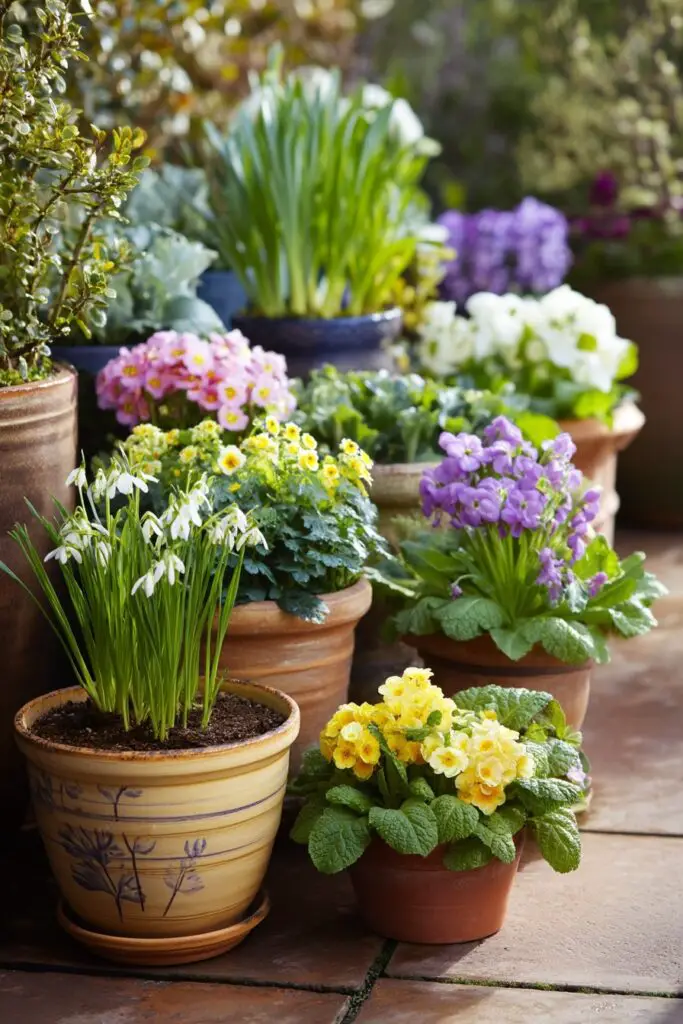
If your ground is still too cold or wet to plant, container gardening is a smart way to get a head start on your spring garden. Pots, planters, and raised beds warm up faster than ground soil and can be moved to take advantage of sun and shelter.
Start with cold-tolerant plants like pansies, kale, lettuce, and snapdragons. Use lightweight, well-draining potting mix and containers with drainage holes to prevent soggy roots. Group your containers near a sunny wall or patio for extra warmth and protection from wind.
Container gardening also gives you more control over soil quality, makes pest control easier, and is ideal for small spaces like balconies or patios. As the season progresses, you can rotate or replant containers to keep your space vibrant and productive all spring long.
Include Trees and Shrubs in Your Garden Design
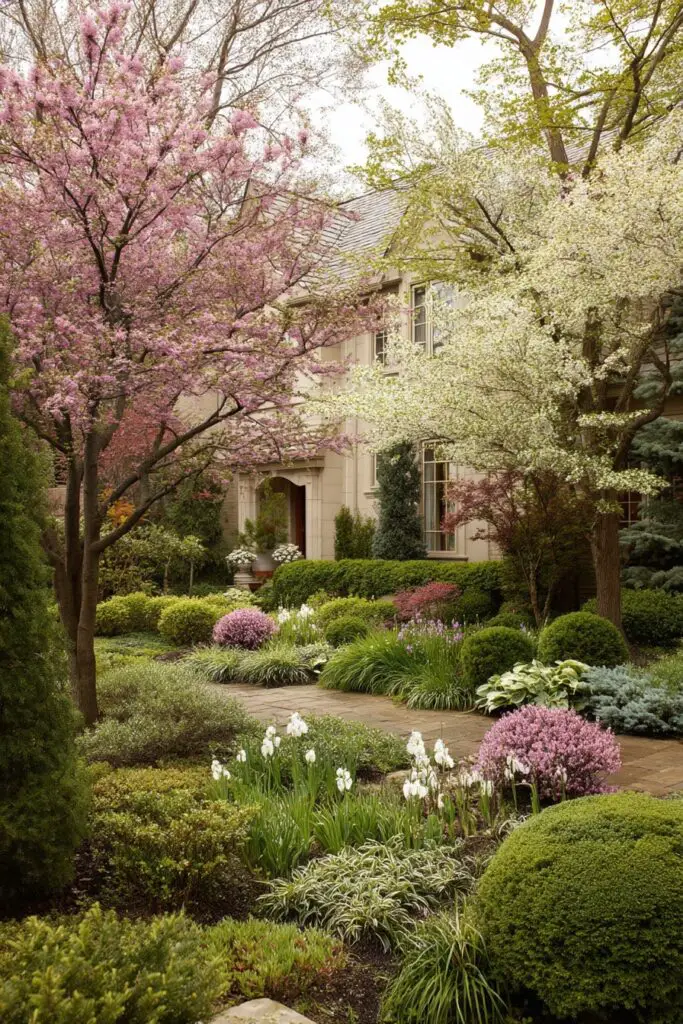
While annuals and perennials steal the show in a spring garden, trees and shrubs create the structure that ties your landscape together. They provide year-round interest, define space, and serve as living backdrops for smaller plants.
When planning your design, think about scale and placement. A flowering dogwood or lilac can frame a garden bed beautifully, while evergreen shrubs like boxwood or holly offer texture even in winter. Choose varieties that thrive in your zone and complement your existing layout.
Early spring is a great time to plant trees and shrubs, as the soil is moist and temperatures are mild. Be sure to dig wide, shallow holes and water deeply after planting. Mulching around the base helps retain moisture and suppress weeds.
Incorporating these long-lived plants adds depth and balance to your spring garden—and sets the stage for beauty that lasts beyond one season.
Conclusion
A well-planned spring garden doesn’t just happen overnight—it starts with small, thoughtful steps taken long before the first bloom. From checking your tools to choosing the right location, preparing the soil, and selecting plants that match your space and goals, early planning sets you up for a successful and stress-free growing season.
Whether you’re planting in containers, raised beds, or open soil, designing your spring garden with purpose and care brings joy, beauty, and productivity to your outdoor space. And when the first flowers begin to open, you’ll be glad you started early.