
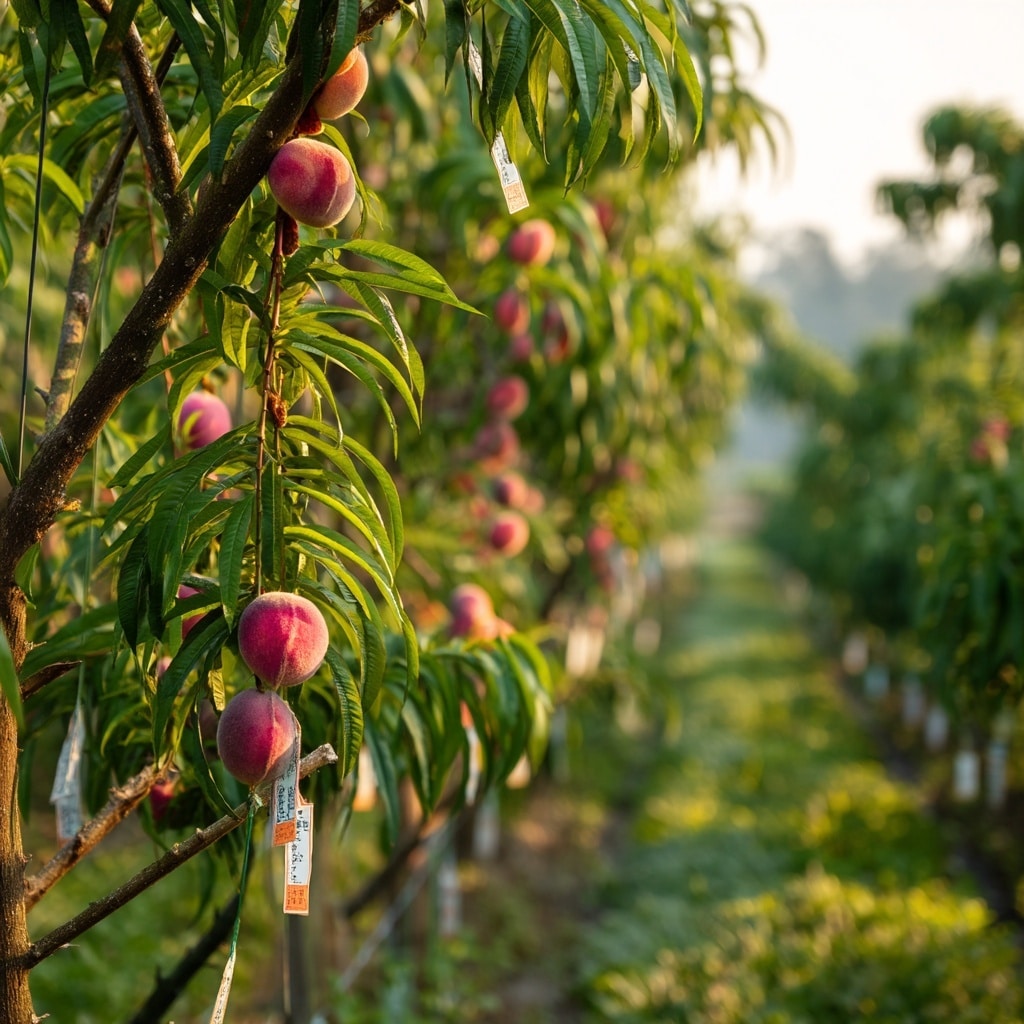
A peach tree can be one of the most rewarding additions to your garden, offering vibrant blossoms in spring and sweet, juicy fruit in summer. But growing a productive peach tree isn’t just about planting and hoping—it takes proper care, timing, and attention to detail. From choosing the right variety to managing pests, every step plays a role in how much fruit your tree will bear. Especially in climates like Victoria, BC, where conditions can vary, understanding what your peach tree truly needs can make the difference between a few peaches and a full harvest.
Table of Contents
1. Choose the Right Peach Tree Variety for Your Region

Not every peach tree is suited to every climate, so picking the right variety is the first step toward a fruitful harvest. In areas like Victoria, BC—or anywhere with mild winters and coastal influences—you’ll want a cold-hardy tree that can handle cooler temperatures while still producing well.
Tips:
- Select varieties such as Redhaven, Frost, or Reliance—all known to thrive in cooler zones.
- Self-pollinating peach trees are ideal if you’re limited to one tree, ensuring you still get fruit without a second pollinator nearby.
- Look for disease-resistant options to reduce common issues like peach leaf curl and other fungal problems that can hinder production.
The right tree sets the foundation for success—without it, even the best care won’t bring big yields.
2. Prune Your Peach Tree Regularly
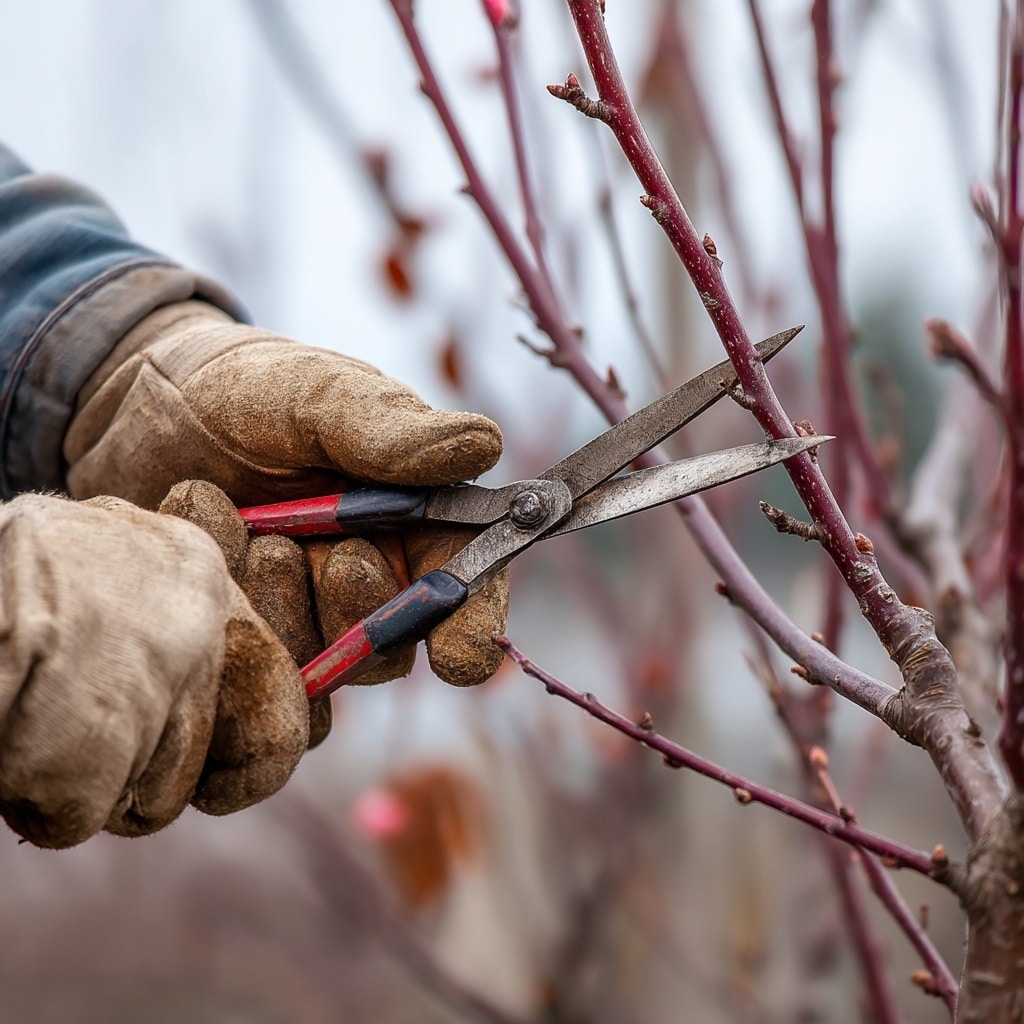
Regular pruning is one of the most effective ways to help your peach tree produce more fruit. Without it, your tree may waste energy on weak or unproductive branches, leading to fewer and smaller peaches.
Tips:
- Prune in late winter or early spring, just before new growth begins. This gives your tree a strong start to the season.
- Remove dead, damaged, or diseased branches, as well as water sprouts and suckers that drain energy.
- Shape the tree into a vase-like form with an open center to improve airflow and sunlight penetration.
- Cut back older wood to encourage new, fruit-bearing growth each year.
Consistent pruning not only boosts fruit production but also helps prevent disease and maintain a manageable size.
3. Thin the Fruit for Larger and Healthier Peaches
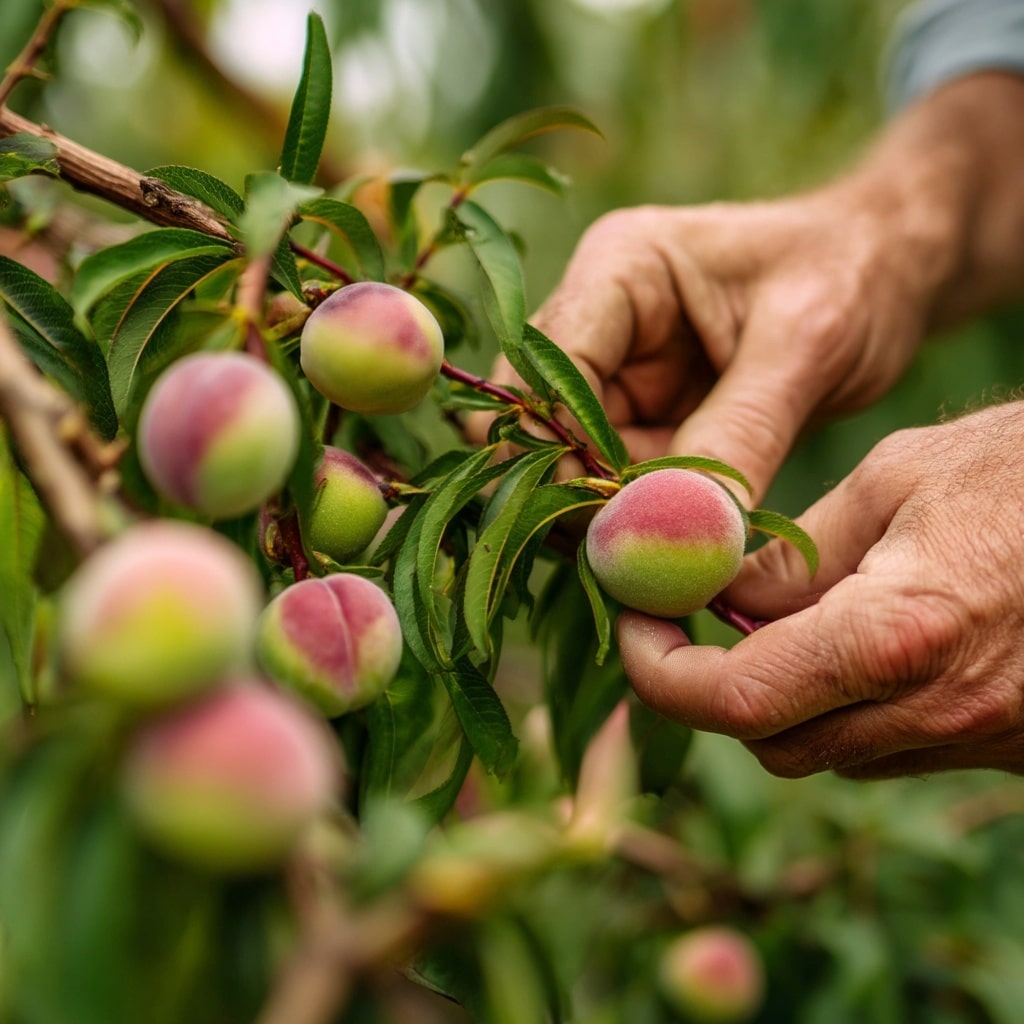
When your peach tree sets more fruit than it can support, the result is often small, underdeveloped peaches. Thinning helps your tree focus its energy on fewer fruits, leading to better size, taste, and overall quality.
Tips:
- Thin the fruit when it’s about the size of a marble—this is typically a few weeks after the petals fall.
- Leave one peach every 6 to 8 inches along the branch to give each fruit room to grow.
- Prioritize removing any damaged, misshapen, or crowded peaches first.
- Make thinning an annual routine to maintain healthy growth and long-term productivity.
This small task makes a big difference when harvest time comes around.
4. Fertilize Correctly to Promote Growth and Fruit Development
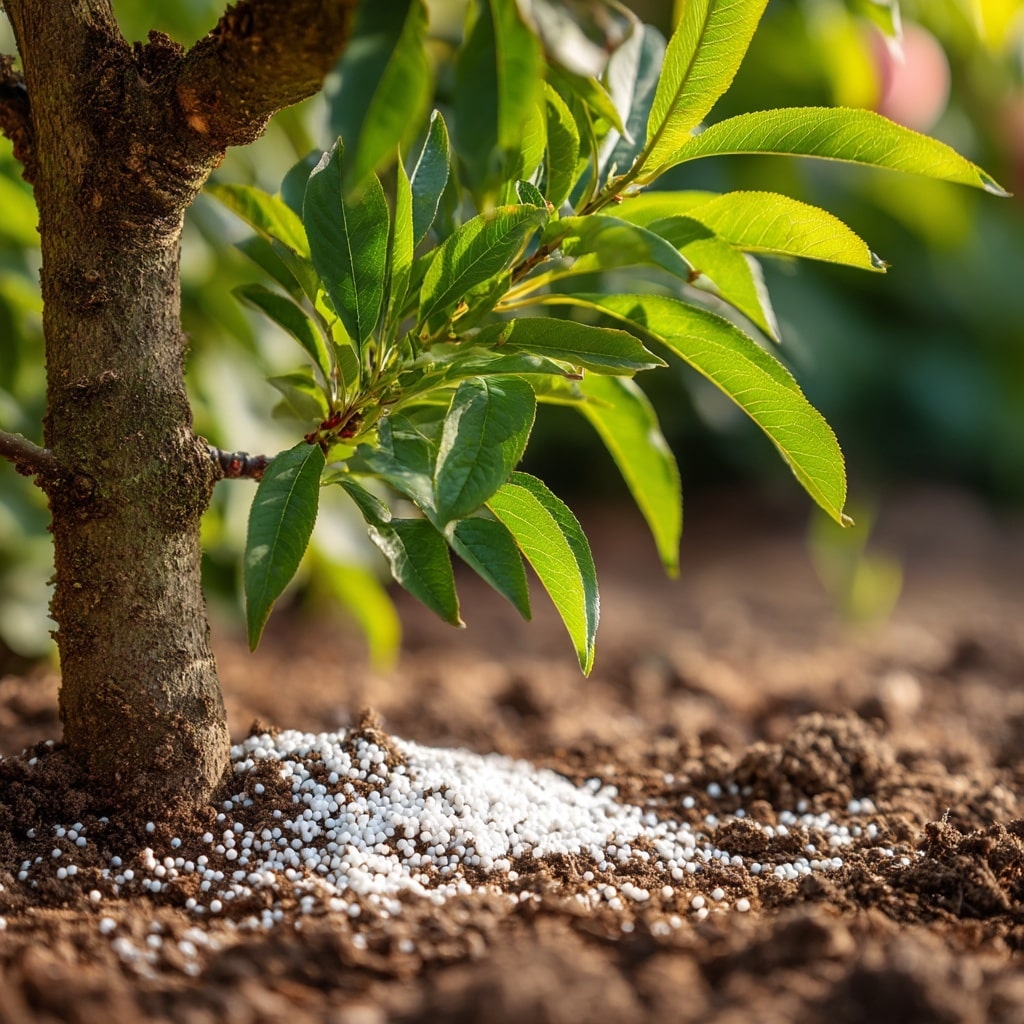
A well-fed peach tree is a productive one—but using the right fertilizer, at the right time, in the right amount, is key. Overfeeding, especially with nitrogen, can lead to lush leaves but poor fruiting.
Tips:
- Apply a balanced fertilizer such as 10-10-10 in early spring, just as growth begins.
- Feed again after the harvest to support next year’s fruit buds.
- Be cautious: too much nitrogen encourages leafy growth at the expense of fruit.
- If you’re unsure, do a soil test to check for nutrient imbalances and adjust accordingly.
Proper nutrition supports steady growth, strong branches, and plenty of juicy peaches.
5. Water Consistently, Especially During Fruit Development
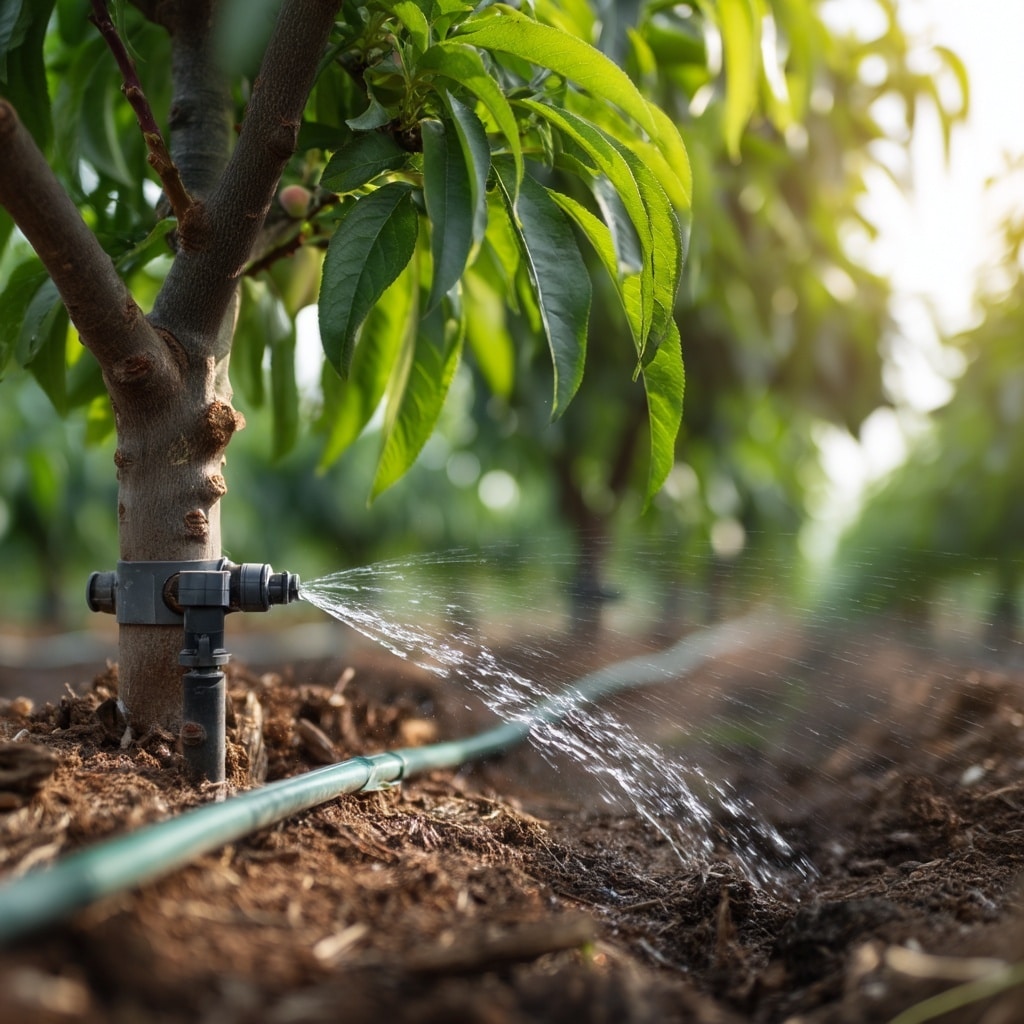
Water plays a critical role in helping your peach tree produce juicy, high-quality fruit. Inconsistent or shallow watering can lead to small, dry, or split peaches—and even stress your tree enough to reduce next year’s crop.
Tips:
- Give your peach tree a deep watering once per week during dry spells—aim for moist soil about 12 inches deep.
- Use a layer of mulch around the base to conserve moisture and keep roots cool.
- Avoid spraying water directly on leaves or fruit, which can encourage fungal diseases.
- During fruiting season, consistent moisture is especially important to ensure plump, flavorful peaches.
Well-timed watering keeps your tree healthy and your fruit delicious.
6. Protect Against Pests and Diseases
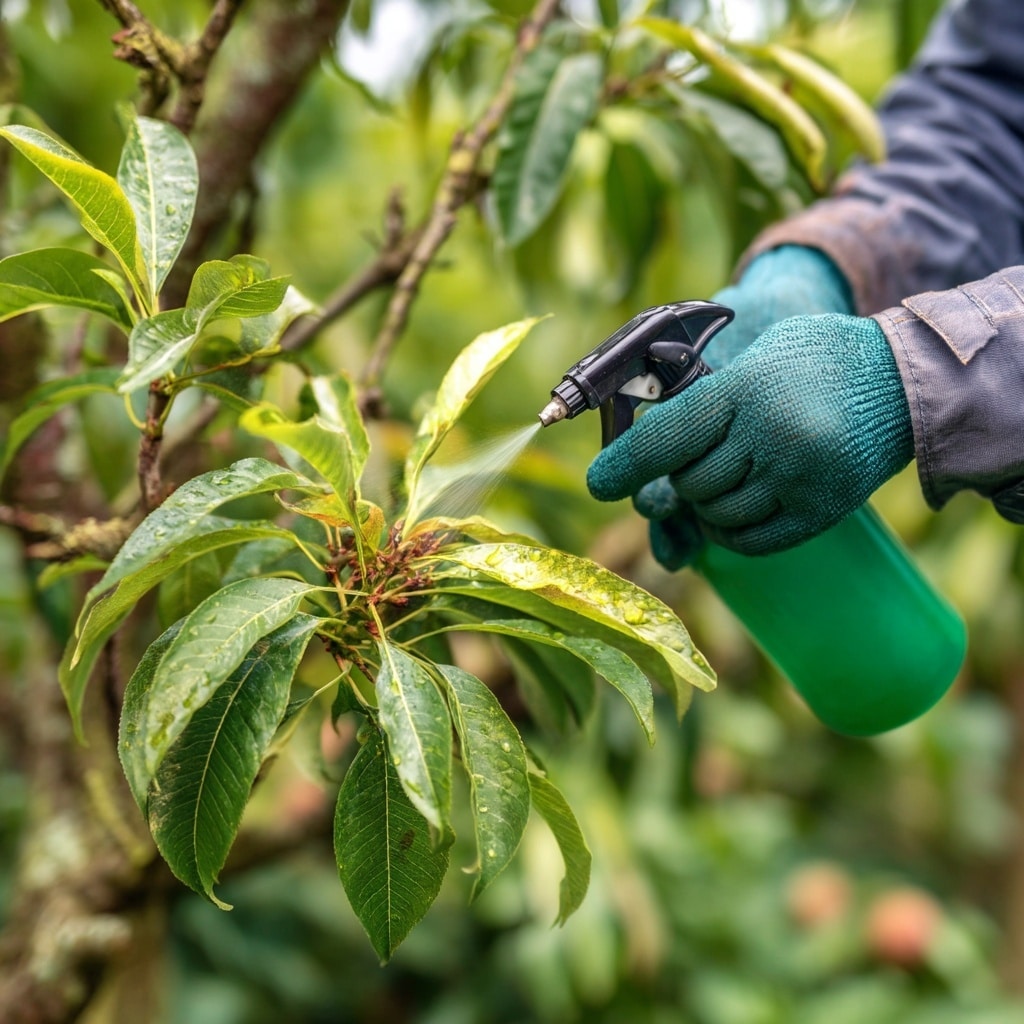
Your peach tree can quickly lose vigor if pests or diseases are left unchecked. Common issues like peach leaf curl, aphids, and borers can stunt growth and ruin your harvest. Staying proactive is the best defense.
Tips:
- Inspect your tree regularly for signs of trouble—look for curled leaves, holes in fruit, or sticky residue.
- Treat infestations early with organic options like neem oil or insecticidal soap.
- In late winter, apply a dormant oil spray to prevent fungal diseases like peach leaf curl.
- Always clean up fallen leaves and fruit to stop pests and diseases from overwintering in your garden.
Healthy trees resist stress better and channel more energy into fruit production.
7. Ensure Proper Pollination and Sunlight

Even a self-pollinating peach tree needs help from sunlight and pollinators to reach its full fruiting potential. Without enough light and good air circulation, your tree may flower but produce little fruit.
Tips:
- Plant in full sun—your peach tree needs at least 6 to 8 hours of direct sunlight daily to develop strong blossoms and fruit.
- Allow space between trees or nearby structures for airflow and light penetration.
- Encourage pollinators like bees by growing nectar-rich flowers nearby.
- Avoid using chemical sprays during blooming, as they can deter or harm pollinators.
The right growing conditions ensure your peach tree is both healthy and highly productive.
Bonus Tips for a Thriving Peach Tree
A few extra steps can go a long way in supporting your peach tree, especially if you’re growing in areas with unique challenges like coastal winds or wet winters.
Extra Tips:
- Choose a wind-protected spot – Strong gusts can damage blossoms and young fruit, lowering your overall yield.
- Improve soil drainage – Standing water can lead to root rot. Raised beds or slightly sloped ground can help.
- Be patient – A peach tree often takes 3 to 4 years to start producing a good crop. With consistent care, the results are worth the wait.
These small considerations can have a big impact on your tree’s health and future harvests.
Conclusion
With the right variety, consistent care, and attention to timing, your peach tree can reward you with a beautiful, abundant harvest year after year. From proper pruning and fertilization to protecting against pests and ensuring full sun exposure, every step makes a difference. While it may take a few seasons to see full results, the payoff—delicious, homegrown peaches—is always worth the effort.