
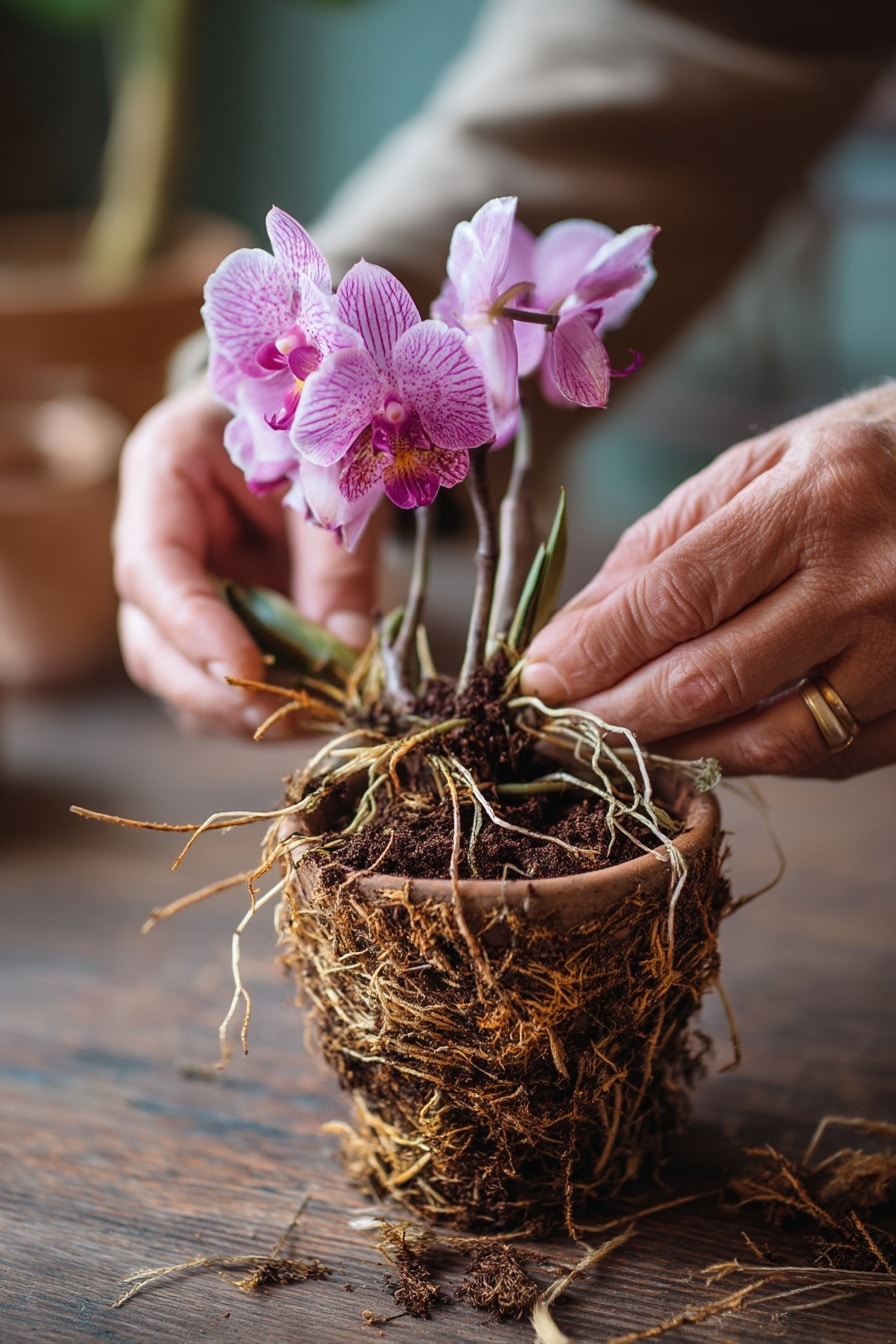
Orchid flower care can seem challenging at first, but with the right approach, these elegant plants are surprisingly manageable. The orchid flower is known for its beauty and long-lasting blooms, making it a favorite for both beginners and experienced gardeners.
Understanding how to care for an orchid flower properly can make all the difference between a struggling plant and one that thrives year after year. From watering habits to light requirements, each step plays a role in keeping your orchid flower healthy and blooming. This guide breaks down the essentials into simple, practical steps you can follow at home.
Table of Contents
1. Choose the Right Orchid Flower Variety

Not all orchids are the same, and selecting the right orchid flower variety is the first step to success. Some types are easier to grow indoors and adapt well to typical home conditions.
Beginner-friendly orchid flower varieties include:
- Phalaenopsis (moth orchid)
- Dendrobium
- Oncidium
Each orchid flower type has slightly different needs, but starting with a hardy variety increases your chances of success. Make sure to research your specific plant so you can meet its care requirements.
2. Provide Proper Light for Healthy Growth
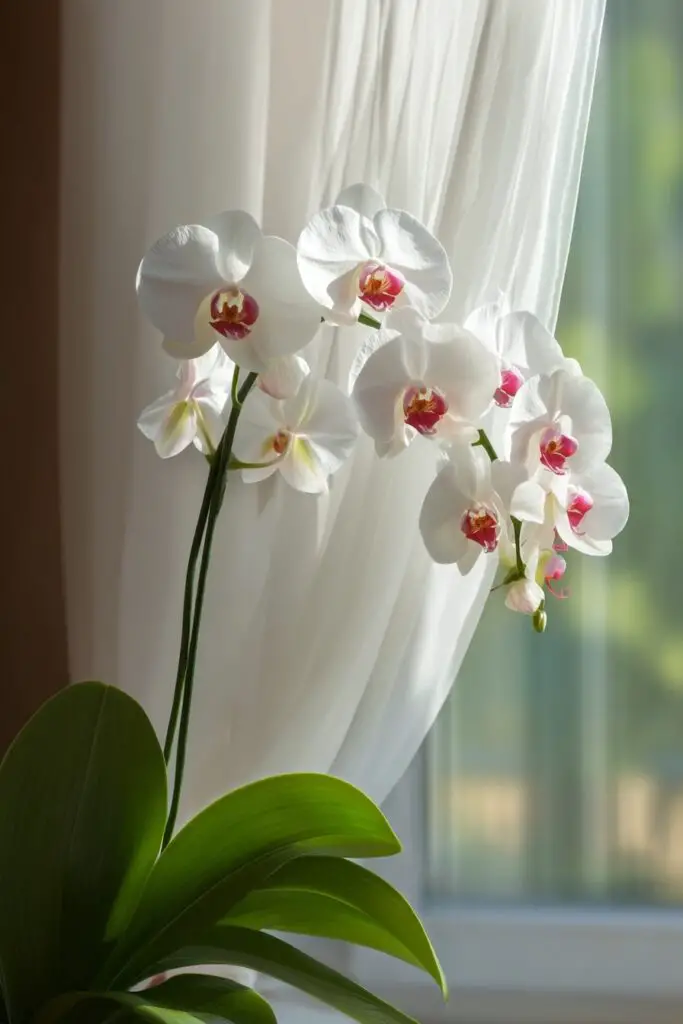
Light is one of the most important factors in orchid flower care. Orchids prefer bright but indirect sunlight, which mimics their natural environment.
Place your orchid flower:
- Near an east- or west-facing window
- Behind sheer curtains for filtered light
- Away from harsh midday sun
If the leaves turn dark green, your orchid flower may need more light. Yellow or scorched leaves may indicate too much exposure. Adjusting light conditions helps maintain steady growth and blooming.
3. Master the Watering Routine
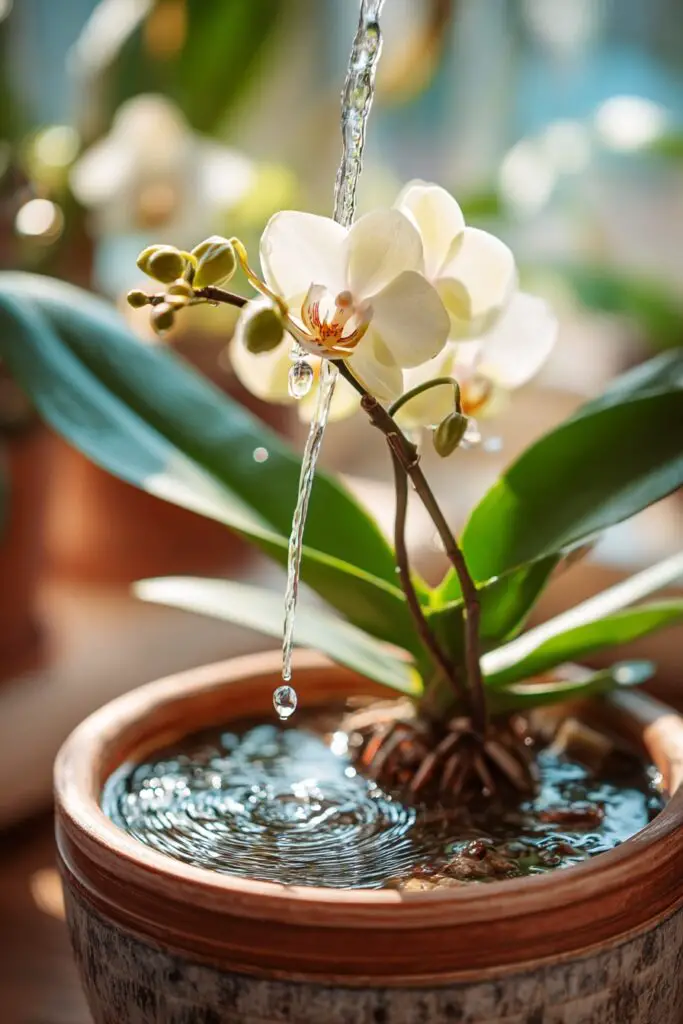
Watering correctly is essential for keeping your orchid flower healthy. Too much water can cause root rot, while too little can dry out the plant.
Follow these simple watering tips:
- Water once the potting mix feels dry
- Let excess water drain completely
- Avoid letting roots sit in water
A consistent watering routine helps your orchid flower stay hydrated without becoming waterlogged. Always check the roots and growing medium before watering again.
4. Maintain Humidity and Airflow
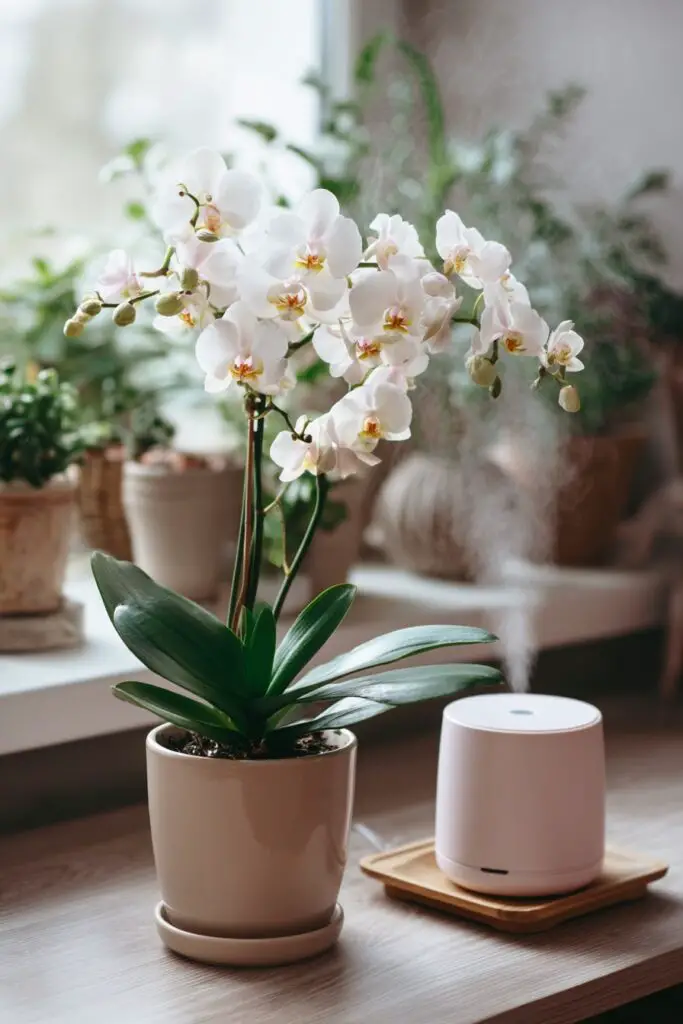
Orchids thrive in environments with moderate humidity and good air circulation. Replicating these conditions helps your orchid flower grow strong and resist disease.
You can improve humidity by:
- Using a humidity tray
- Placing plants together
- Running a small humidifier
Good airflow prevents fungal problems and keeps the orchid flower in optimal condition. A balanced environment supports healthy leaves and blooms.
5. Repot and Feed Your Orchid Flower
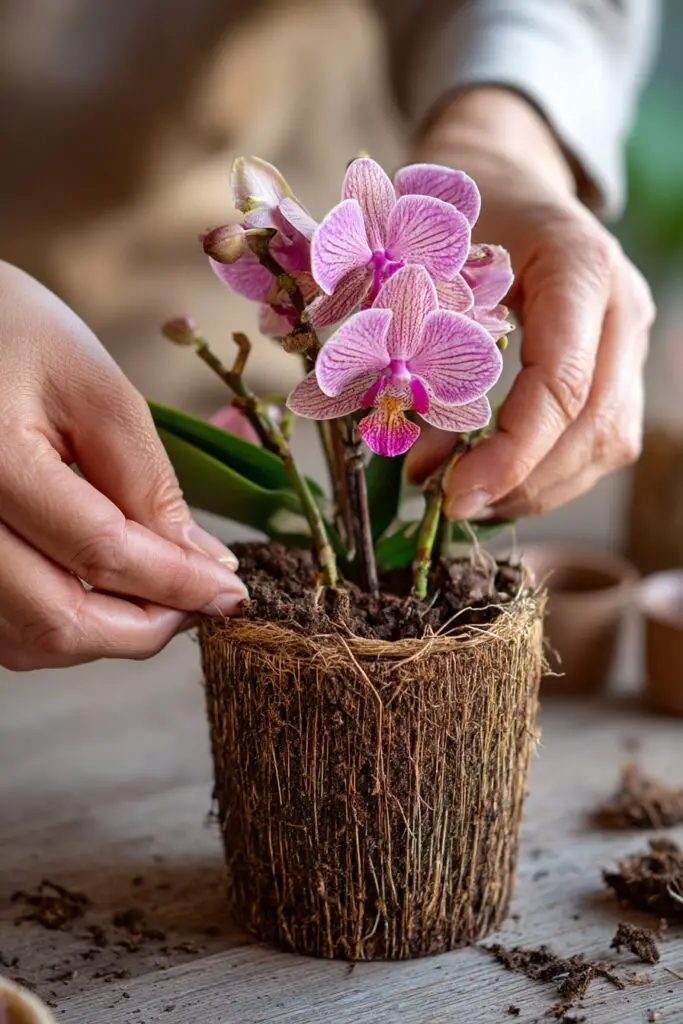
Over time, the growing medium breaks down and affects plant health. Repotting is an important part of orchid flower care and should be done every 1–2 years.
When repotting:
- Use fresh orchid bark or moss
- Choose a pot with good drainage
- Trim any dead roots
Feeding your orchid flower with a balanced fertilizer during the growing season also encourages blooming. Regular care ensures your plant continues to thrive.
Conclusion
Caring for an orchid flower doesn’t have to be complicated. With the right variety, proper light, balanced watering, and occasional repotting, you can enjoy beautiful blooms for years.
A consistent routine and attention to detail will help your orchid flower stay healthy and vibrant. With time, you’ll gain confidence and see your plant thrive.