
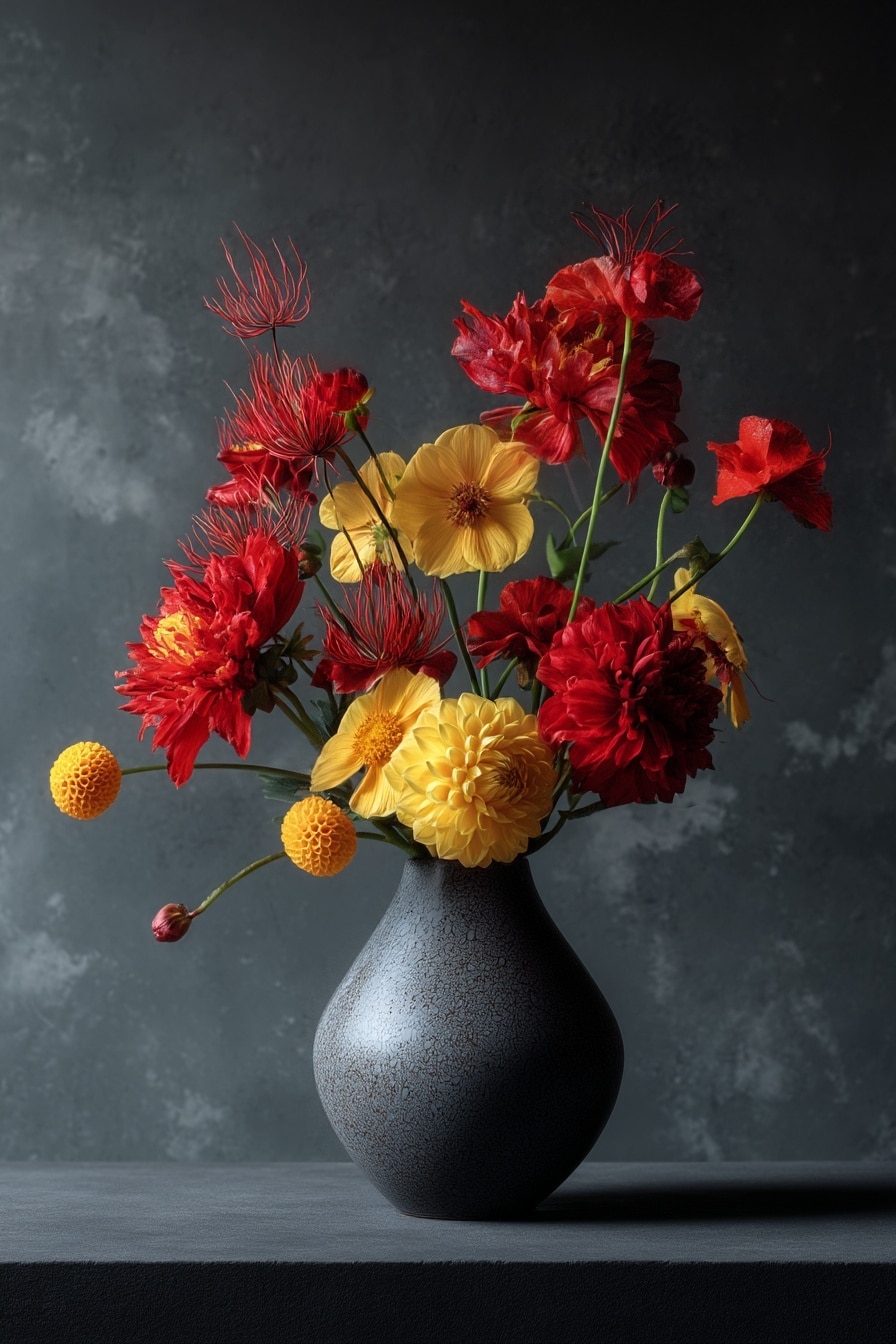
Floral design is no longer just about bouquets in vases—today, it’s an art form that combines structure, minimalism, and emotion. Whether you’re arranging blooms for an elegant centerpiece or an artistic home display, mastering modern floral design techniques can turn ordinary flowers into breathtaking statements.
In this guide, you’ll learn seven contemporary arrangement styles that are both practical and expressive. These methods balance creativity with intention, making them ideal for both beginners and seasoned floral stylists. Get ready to refine your skills, explore new methods, and bring out the beauty in every petal.
Table of Contents
🧱 1. The Basics of Modern Floral Design

Before diving into advanced techniques, it’s essential to understand the foundations of floral design. Modern arrangements rely on structure, simplicity, and visual flow—every stem has a purpose, and every line guides the eye.
🧭 Key Principles
A strong design begins with balance, harmony, and a clear focal point. Symmetry isn’t always necessary, but visual stability is. The focal flower or element should draw attention without overwhelming the composition.
Proportion and scale are equally important. An oversized bloom in a small vase can feel out of place, while delicate stems can disappear in large containers. Your flowers, vase, and space should work together cohesively.
✂️ Essential Tools
To craft clean, long-lasting arrangements, invest in basic tools:
- Sharp floral shears for clean cuts that encourage water absorption
- Floral foam or frogs to stabilize stems in sculptural designs
- Various containers, from shallow bowls to tall vases, to suit different techniques
🎨 Developing Your Style
Floral design is deeply personal. The more you experiment with colors, forms, and techniques, the more your signature style will emerge. Keep a photo journal or sketchbook to track what works—and what doesn’t.
Take inspiration from nature, architecture, and even fashion. The best modern designers think beyond the bouquet and treat every arrangement like a piece of living art.
🌿 2. Modern Techniques in Floral Arrangement
Modern floral design breaks traditional rules, encouraging freedom of form, cultural influences, and unexpected materials. These techniques emphasize shape, movement, and mood over symmetry or fullness.
🌸 Ikebana Styles
Rooted in Japanese tradition, Ikebana emphasizes line, space, and simplicity—perfect for modern floral interpretation.
▪️ Moribana
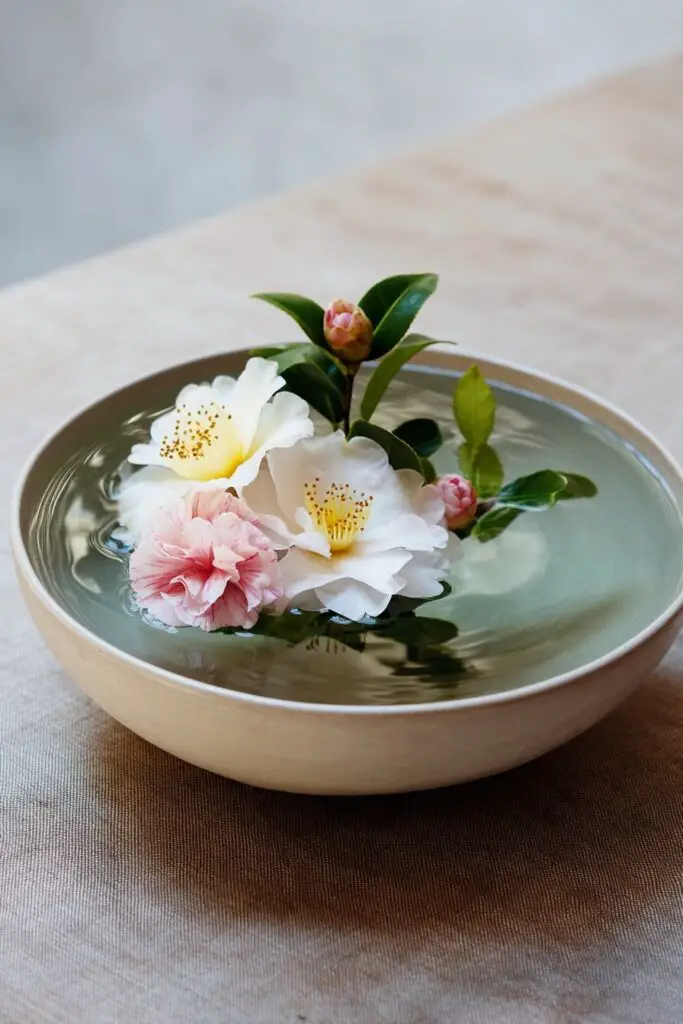
This style uses shallow, wide containers often filled with visible water. Stems are arranged in natural, flowing shapes, creating horizontal visual impact. Moribana arrangements feel calm and grounded, ideal for low-profile centerpieces.
▪️ Nageire
Nageire designs rise vertically in tall, narrow vases. The stems are placed to appear effortlessly balanced, often with intentional asymmetry. This gives a light, airy feeling while still feeling controlled and elegant.
🌍 Fusion Arrangements
Fusion floral design combines elements from different cultures, eras, and materials. You might see roses paired with tropical leaves, or ceramic vessels filled with foraged local blooms. Some designers even integrate metal, fabric, or driftwood into the mix.
The result? Bold, expressive arrangements that tell a story. Fusion allows your creativity to run free while still being grounded in thoughtful structure.
🎨 3. Using Color Effectively
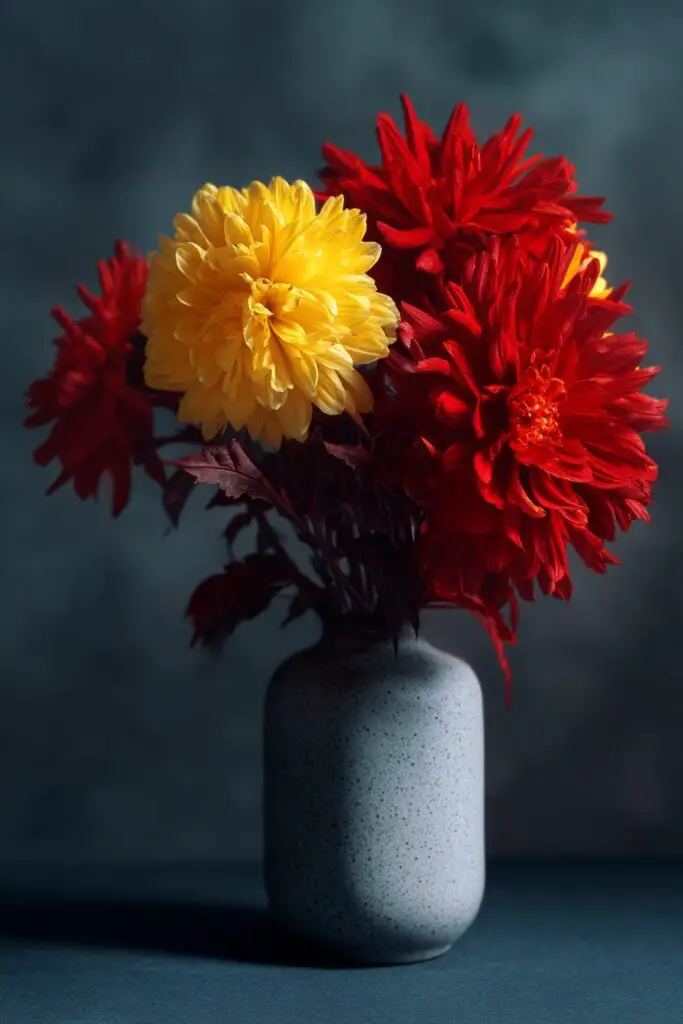
In floral design, color isn’t just visual—it’s emotional. The right color combinations can elevate a simple arrangement into something unforgettable. Whether you’re aiming for bold contrast or gentle harmony, your palette sets the tone.
🔁 Contrasting Colors for Impact
Pairing colors that sit opposite on the color wheel—like orange and blue, or purple and yellow—creates high-energy, dramatic arrangements. This approach is perfect for modern spaces or events that call for a bold statement.
🎨 Harmonious Blends for Elegance
Soft, cohesive palettes using colors from the same family (like blush pink, peach, and cream) produce a calming, refined effect. These blends work well in minimal interiors and understated décor themes.
💭 Color as Emotion
Don’t underestimate how color communicates feeling.
- White and green = calm and purity
- Red and burgundy = passion and depth
- Yellow and coral = joy and optimism
Choose your hues with intention, and your arrangement will speak before anyone says a word.
📐 4. Core Design Elements
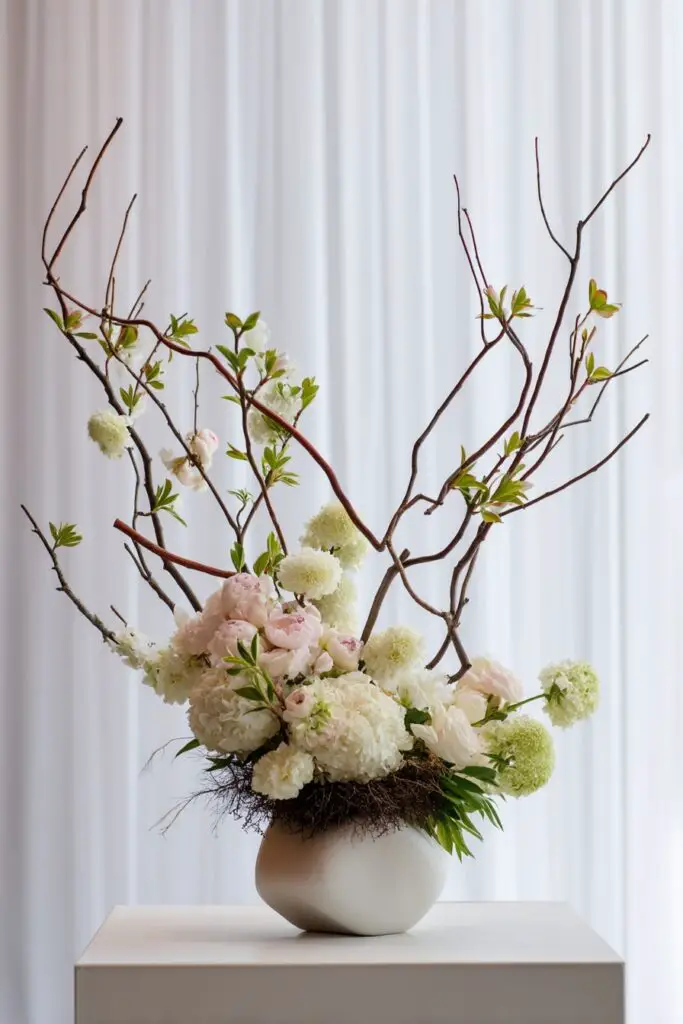
Every compelling floral design relies on more than just pretty blooms. It’s the underlying design elements—line, form, space, texture, and pattern—that give arrangements their visual strength and emotional pull.
➖ Line and Form
Lines guide the viewer’s eyes. In modern arrangements, strong verticals, diagonals, or sweeping curves bring energy and direction. A single branch or tall stem can define the entire mood of your design.
Form refers to the overall shape of the arrangement—whether it’s triangular, circular, or completely abstract. Choosing a form early helps you place each element with purpose.
🕳️ Space Utilization
Modern floral design embraces negative space. Leaving intentional gaps between blooms prevents visual clutter and emphasizes the unique shape of each flower.
Height variation also matters. Combining short, medium, and tall elements creates depth and movement, even in a small arrangement.
🌾 Texture and Pattern
Blending different textures creates intrigue. Pair velvety petals with rough foliage, or spiky blooms with smooth leaves to add tactile contrast.
You can also use patterned leaves—like calathea or variegated ivy—to break up solid color blocks and add visual complexity.
💚 5. Benefits of Floral Arranging

Modern floral design isn’t just about aesthetics—it’s also a deeply rewarding practice that nurtures your mind, creativity, and living space.
🧠 Mental Well-Being
Working with flowers naturally reduces stress. The hands-on process of arranging blooms shifts your focus to the present moment—a form of mindfulness that calms the nervous system.
Bright, vibrant flowers can lift your mood, especially in soft yellows, blush pinks, or calming greens. Even the scent of certain blooms, like lavender or eucalyptus, can help ease anxiety.
🎨 Creative Expression
Floral arranging is an art form that encourages experimentation. It pushes you to think spatially, play with color, and trust your eye. Each arrangement is a reflection of your taste and mood—and no two are ever the same.
Nature becomes your palette, and every stem offers a chance to try something new.
🏡 Home Enhancement
A thoughtfully designed arrangement adds instant life and warmth to any space. Whether placed on a dining table, shelf, or desk, flowers transform a room’s energy—bringing the outside in and making it feel more welcoming.
Modern designs, with their sculptural appeal, often double as functional decor pieces that align with minimalist or contemporary interiors.
🌼 6. Beginner’s Guide to Floral Design
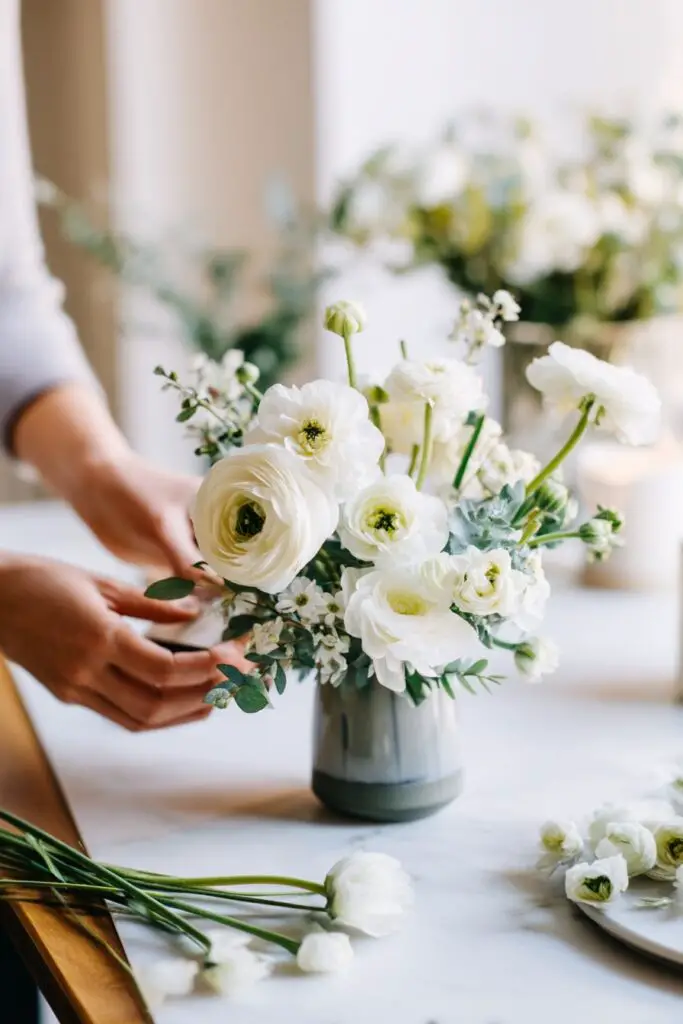
Everyone starts somewhere, and with floral design, even simple arrangements can be beautiful. This section is all about helping you start with clarity, joy, and success.
🧭 Starting Tips
Begin with basic designs using just one or two flower types. This helps you focus on proportion, color, and balance without feeling overwhelmed.
Always trim stems at an angle and remove any leaves below the waterline—this promotes longevity and keeps the water clean.
Look for inspiration in nature, architecture, or professional designs—but remember, your style doesn’t need to copy anyone else’s.
🌸 Simple Arrangements That Work
Try using:
- A small handful of tulips or ranunculus in a short vase
- A mix of greenery with one standout bloom
- One type of flower in varying shades for a monochrome effect
Compact designs are easier to manage and great for practice.
⚠️ Common Mistakes to Avoid
- Overstuffing the vase: Crowding too many blooms can ruin your design’s flow.
- Using flowers past their prime: Always start with fresh, healthy stems.
- Cutting stems too short: You can’t add length back—cut gradually as you arrange.
- Neglecting hydration: Keep your arrangement in water and check levels daily.
Mistakes are part of the process. Each one teaches you something new.
🌟 Conclusion
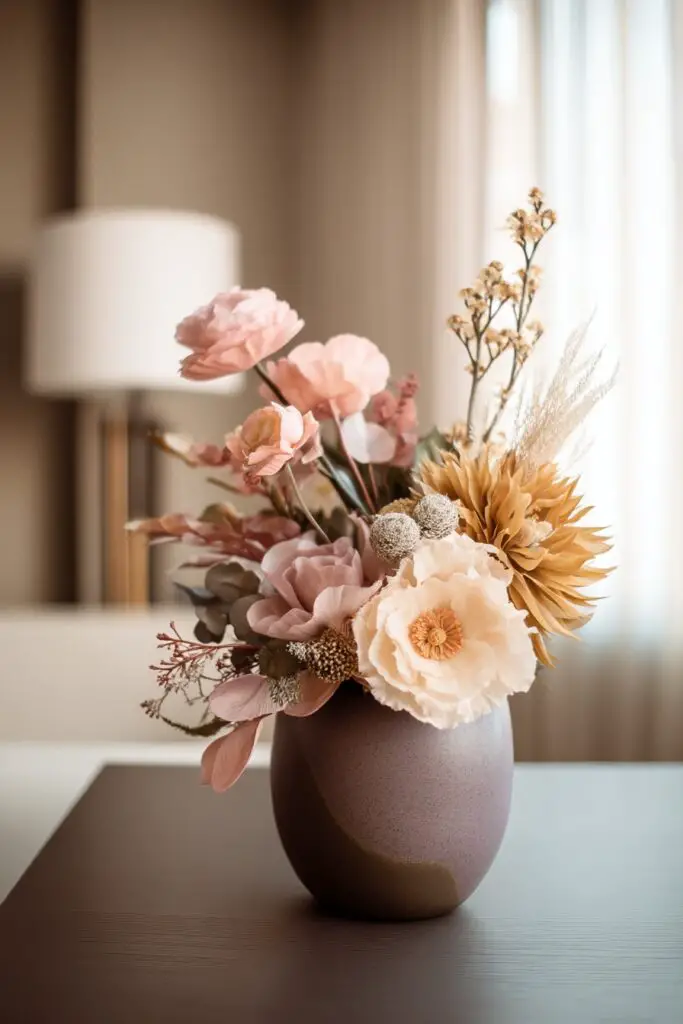
Modern floral design is a blend of structure, creativity, and emotion. Whether you’re shaping a minimal ikebana-inspired piece or experimenting with bold fusion styles, each arrangement offers a chance to express your personality and refine your craft.
By mastering these seven contemporary techniques—rooted in balance, form, and thoughtful composition—you’ll gain the skills to create meaningful, elegant designs for any space or occasion.
Keep practicing, stay curious, and most importantly, enjoy the process. Each flower you place is a step toward developing your own artistic voice.