
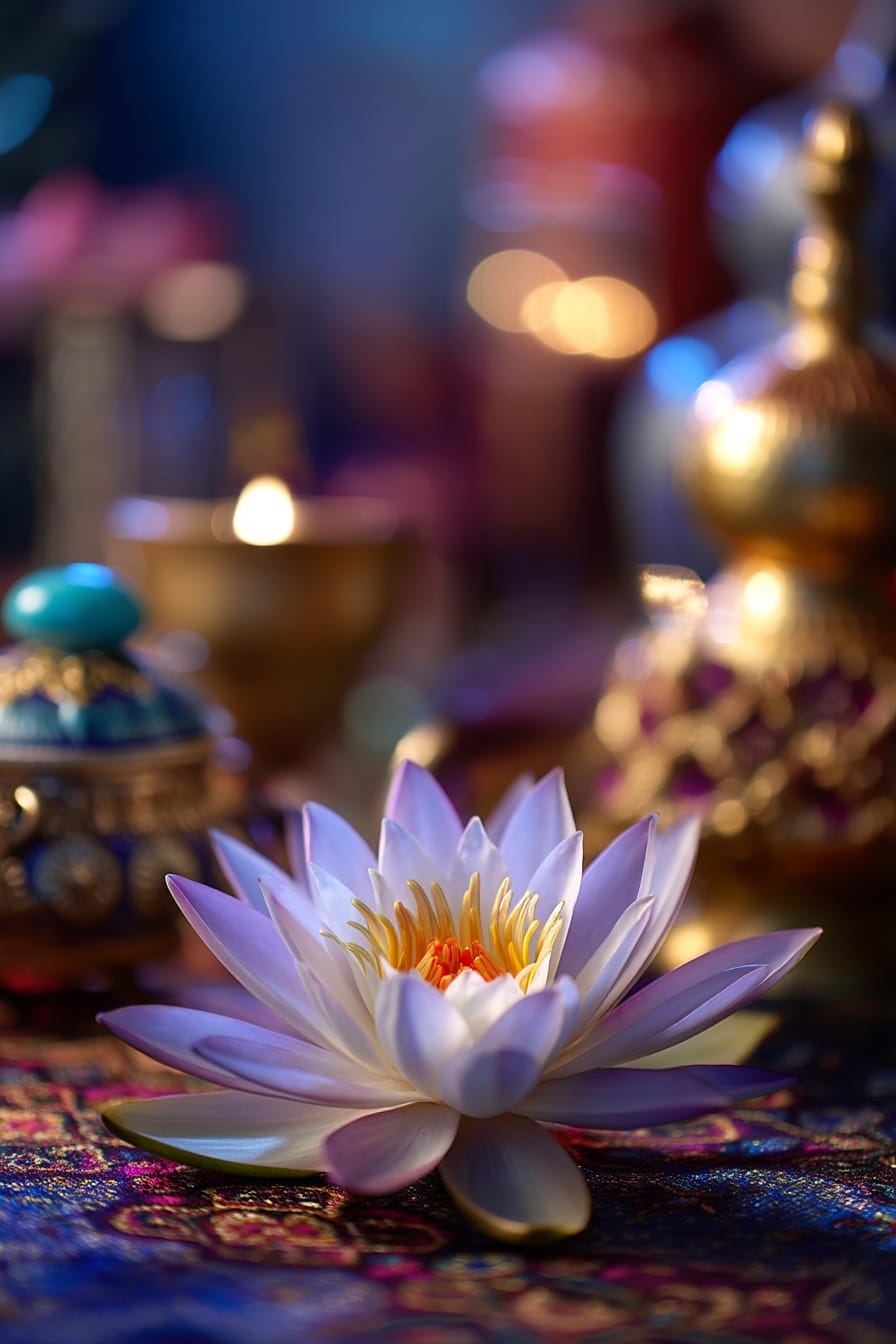
Lotus flower is one of nature’s most captivating blooms, known not only for its striking beauty but also for its deep-rooted symbolism across cultures. Rising from muddy waters to reveal pristine petals, the lotus has long represented purity, rebirth, and spiritual awakening. But beyond its cultural and spiritual significance, the lotus is also a fascinating plant to grow and observe. From garden ponds to temple art, its presence bridges both natural elegance and human meaning. In this article, we’ll explore what makes the lotus flower so special—both as a botanical wonder and a timeless symbol.
Table of Contents
Origins and Botanical Characteristics

The lotus flower belongs to the genus Nelumbo, with the most well-known species being Nelumbo nucifera, also called the sacred lotus. Native to Asia and parts of northern Australia, this aquatic perennial thrives in still, warm freshwater environments like ponds, marshes, and slow-moving rivers.
Key Botanical Traits:
- Leaves: Large, circular leaves that either float or stand above the water surface
- Flowers: Bloom in shades of pink, white, or yellow, typically opening in the morning and closing by afternoon
- Rhizomes: Thick underground stems that store nutrients and allow the plant to spread
- Resilience: Lotus seeds can remain viable for hundreds of years, germinating even after long periods of dormancy
Lotus plants require full sun, rich soil, and warm temperatures to grow successfully. They are often grown in containers or shallow ponds in home gardens, where their blooms can rise beautifully above the water.
Symbolism Across Cultures
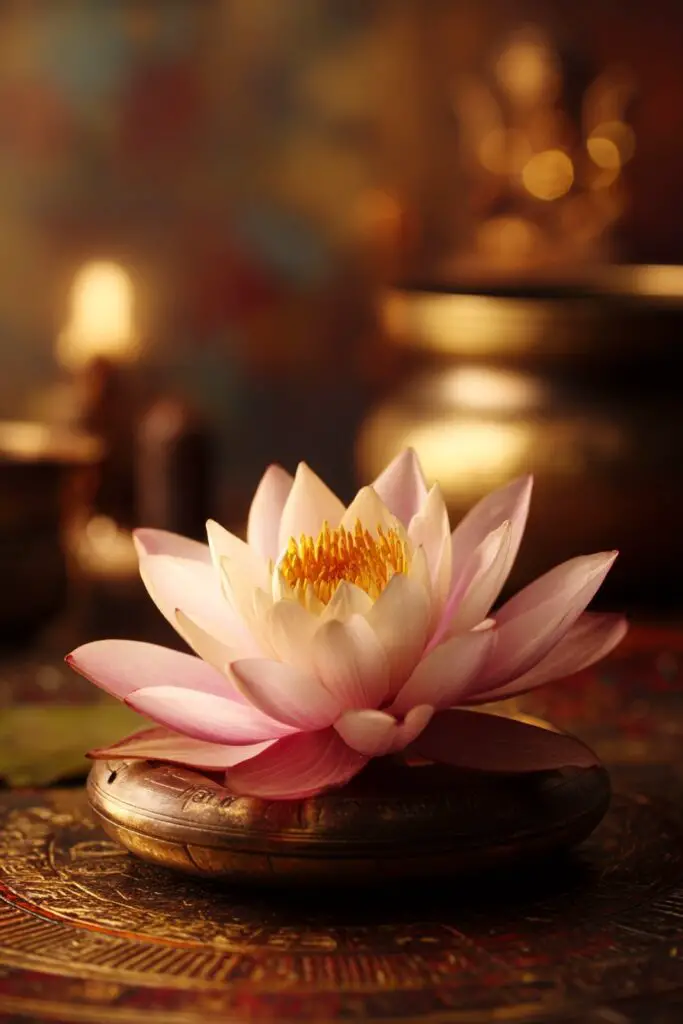
The lotus flower carries powerful symbolism in many cultures and spiritual traditions, largely due to its ability to bloom untainted from murky water. Its emergence as a clean, radiant blossom has made it a universal emblem of purity, transformation, and enlightenment.
In Eastern Religions:
- Buddhism: The lotus represents spiritual awakening, with each petal unfolding like a step toward enlightenment. Buddha is often depicted seated on a lotus.
- Hinduism: The flower symbolizes divine beauty and detachment. Deities like Lakshmi and Vishnu are commonly associated with lotus blooms, representing prosperity and spiritual power.
- Taoism: The lotus is linked to virtue, purity, and the idea of rising above worldly troubles.
In Egyptian Culture:
- The lotus was seen as a symbol of rebirth and the sun’s daily cycle. Ancient Egyptians believed the blue lotus closed at night and opened at dawn, symbolizing regeneration.
In Modern Symbolism:
- It represents personal growth, healing, and resilience—often used in art, tattoos, and wellness practices to signify rising above adversity.
The lotus flower’s symbolic richness spans both ancient tradition and contemporary meaning, making it more than just a beautiful bloom.
Lotus in Gardens and Design
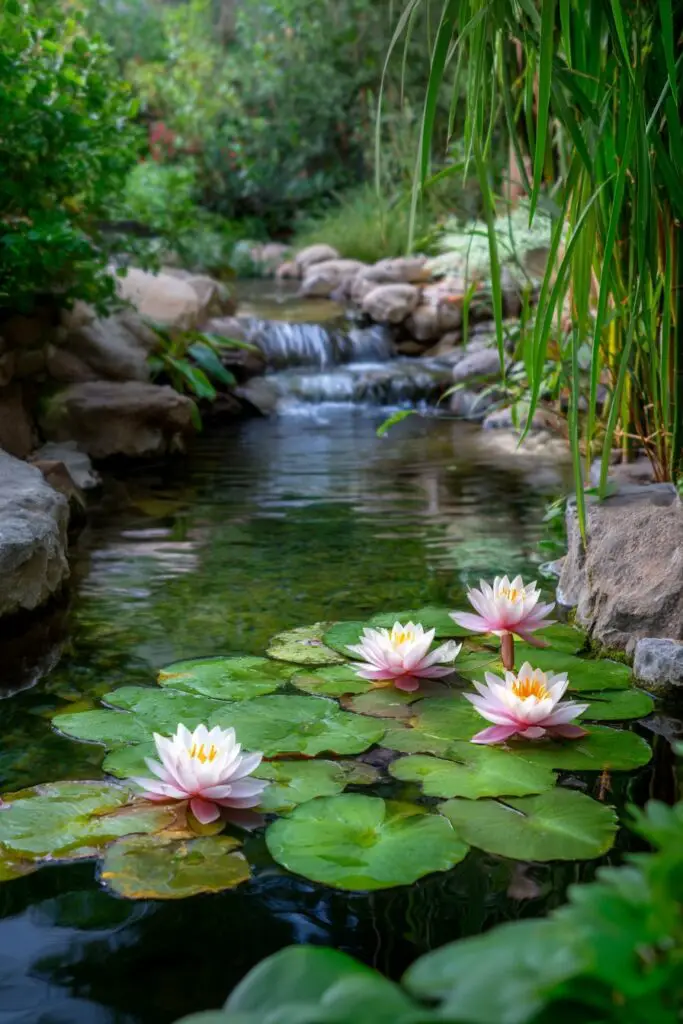
Incorporating the lotus flower into garden design adds both elegance and serenity to outdoor spaces. Its striking blooms and architectural foliage make it a standout feature in water gardens, while its cultural significance enhances the garden’s symbolic appeal.
Ideal Settings for Lotus:
- Garden Ponds: Lotus thrives in shallow, still water with full sunlight. Planting them in pots submerged in ponds helps control their spread.
- Patio Water Bowls: Dwarf varieties can be grown in wide containers, offering a compact option for small spaces.
- Zen or Meditation Gardens: The lotus serves as a natural focal point in tranquil garden layouts, complementing stones, bamboo, and soft lighting.
Design Tips:
- Combine with water lilies, reeds, and marginal plants for layered pondscapes.
- Use dark pond liners or water backgrounds to highlight the lotus bloom’s color.
- Surround the area with gravel or stepping stones to enhance accessibility and reflection.
The lotus flower not only beautifies a space but brings with it a calming energy, ideal for peaceful garden retreats.
Caring for Lotus Flowers
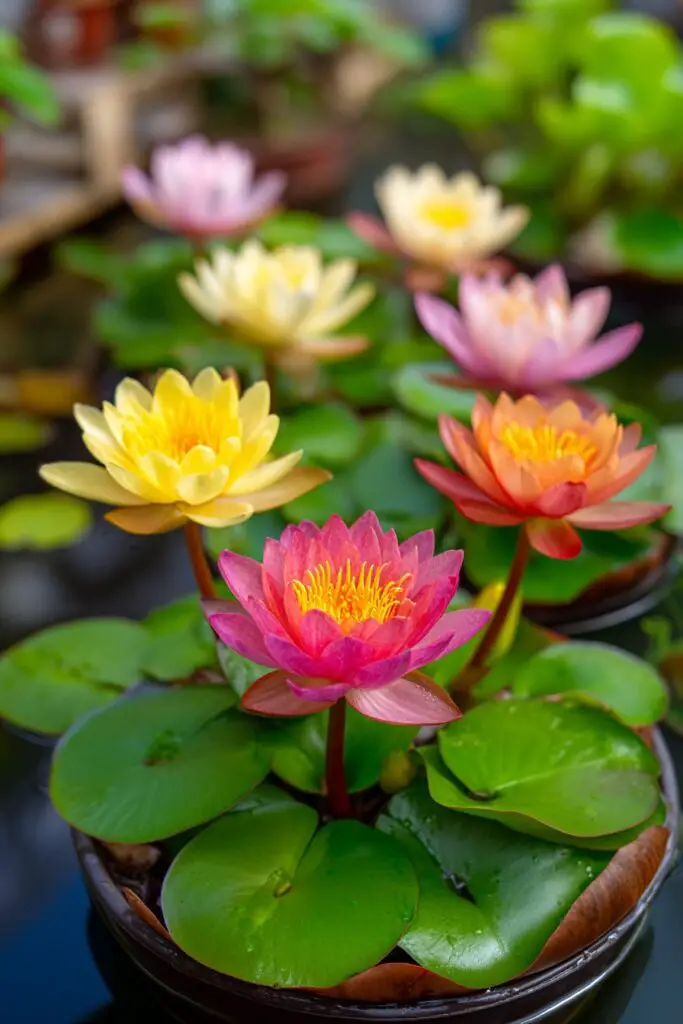
Growing the lotus flower can be surprisingly straightforward with the right setup and a little patience. While it’s a tropical plant by nature, lotus can adapt well to home gardens with proper care, especially in summer months.
Basic Care Guidelines:
- Sunlight: At least 6 hours of full sun daily is essential for healthy blooming.
- Water Depth: Plant lotus rhizomes in containers and submerge them in 6–12 inches of still water.
- Soil: Use heavy loam or aquatic planting mix—avoid potting soil, which can cloud water.
- Fertilizer: Apply aquatic plant fertilizer monthly during the growing season for vibrant blooms.
- Winter Dormancy: In colder climates, move potted lotus to deeper water or indoors to protect them from freezing.
Common Issues:
- No Blooms? Insufficient sunlight or too much water depth may be the issue.
- Leaves Yellowing? Check for overcrowded roots or lack of nutrients.
- Algae Growth? Avoid overfeeding fish or using nutrient-heavy soils.
With consistent care, lotus plants will reward you with stunning flowers year after year, becoming a graceful centerpiece in any water garden.
Conclusion
The lotus flower stands as a rare blend of natural beauty and timeless symbolism. Whether blooming in temple ponds, backyard water gardens, or symbolic art, it carries deep meaning and visual elegance. From its resilience in muddy waters to its association with purity, rebirth, and peace, the lotus continues to inspire across cultures and generations. Whether you’re growing it in your garden or simply admiring its story, the lotus remains a powerful symbol of grace and growth.