
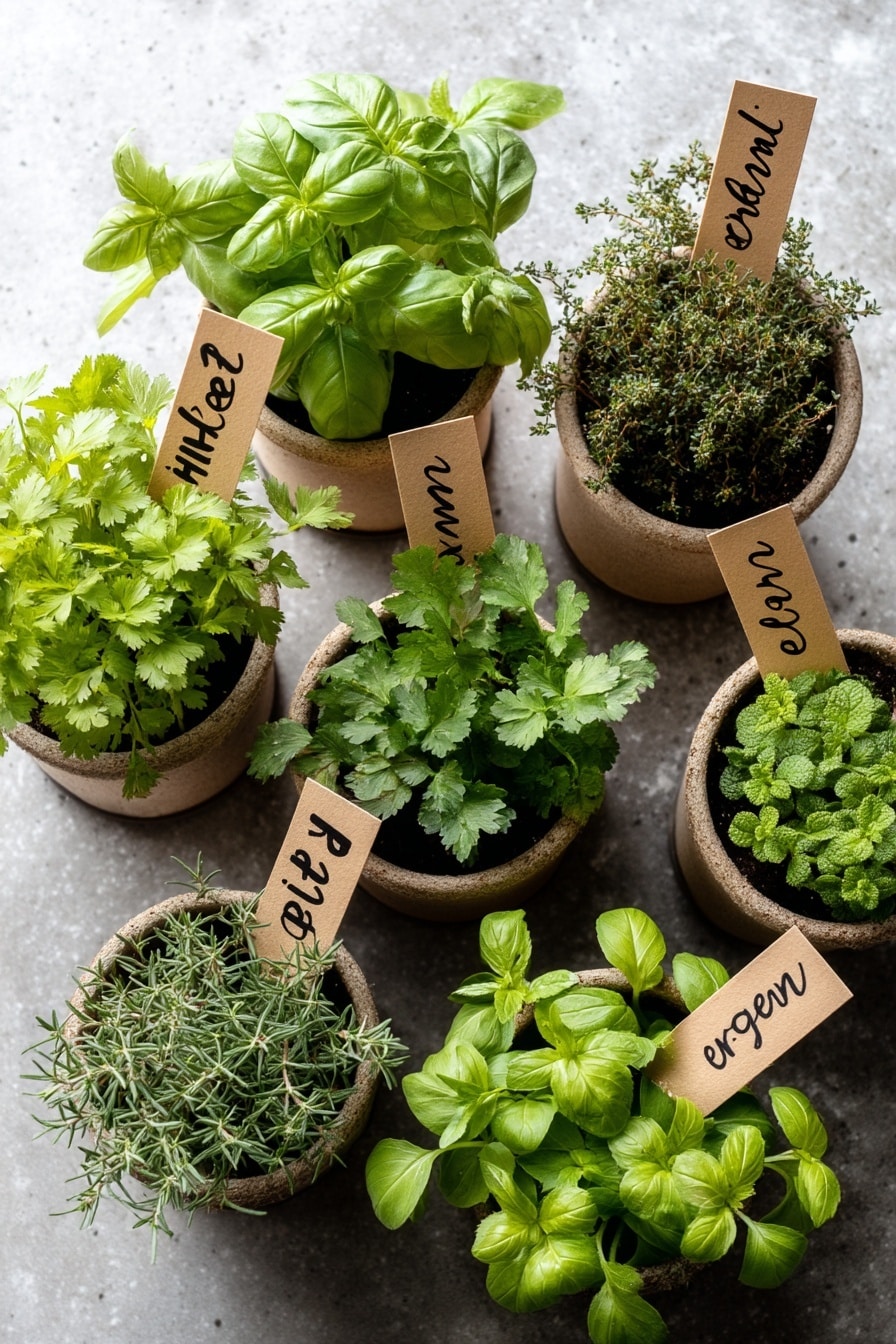
Indoor herb garden gives you a reliable source of fresh basil, mint, parsley, and other aromatic herbs all year long — even when outdoor growing seasons slow down. Growing herbs inside means you can snip freshly scented leaves for sauces, teas, and salads right from your kitchen windowsill.
Whether you’re a beginner or seasoned gardener, a well‑planned indoor herb garden adds flavor to your meals and brings calming greenery into your home. With the right location, light, and care, herbs can thrive indoors through winter and beyon
Table of Contents
Why an Indoor Herb Garden Is Worth It

An indoor herb garden is more than just a practical solution for winter—it’s a year-round joy for home cooks and plant lovers alike.
Benefits of Growing Herbs Indoors:
- Fresh flavors at your fingertips – Snip basil, thyme, or chives directly into your meals without stepping outside.
- Saves money – Growing herbs yourself cuts down grocery costs and food waste.
- Convenient year-round harvest – No need to wait for spring; indoor setups thrive even in cold months.
- Air-purifying greenery – Herbs like mint and parsley add oxygen and fragrance to indoor spaces.
- Engaging hobby – Whether you’re propagating cuttings or trying hydroponics, it’s a fun, relaxing activity for all skill levels.
For anyone who loves to cook or enjoys the look and smell of fresh plants, an indoor herb garden is a small investment with big rewards.
Best Herbs to Grow Indoors

Not all herbs perform equally well indoors, especially during winter months. Some adapt better to container life and limited light than others. To build a thriving indoor herb garden, choose herbs that are compact, hardy, and flavorful.
Top Herbs for Indoor Growing:
- Basil – Loves warmth and light; great for sauces and fresh garnishes.
- Parsley – Slow-growing but reliable; prefers bright light and moist soil.
- Thyme – Compact and aromatic; thrives in well-drained pots.
- Chives – Low-maintenance and fast-growing; excellent for eggs and salads.
- Mint – Grows vigorously indoors; best in its own pot to prevent spreading.
- Oregano – A Mediterranean herb that prefers drier conditions and good drainage.
- Cilantro – Tolerates cooler temps; grows quickly but bolts easily—succession planting helps.
Start with 2–3 herbs that match your cooking habits and lighting conditions, then expand as you gain confidence.
How to Set Up Your Indoor Herb Garden

A successful indoor herb garden starts with the right setup. These key elements help ensure your herbs grow strong, flavorful, and healthy through winter and beyond.
1. Light
Herbs need at least 6 hours of direct sunlight daily. South-facing windows are ideal.
- If natural light is limited, use LED grow lights positioned 4–6 inches above the plants.
- Rotate pots regularly for even growth.
2. Soil & Containers
- Use a well-draining potting mix, not garden soil.
- Choose containers with drainage holes to prevent root rot.
- Clay or terracotta pots help wick away excess moisture but dry out faster.
3. Watering
- Water when the top inch of soil feels dry.
- Avoid overwatering—it’s a common mistake in indoor setups.
- Use saucers under pots to catch excess water, but never let herbs sit in standing water.
Setting up your indoor herb garden properly from the start will reduce maintenance and encourage lush, flavorful growth.
Care Tips for Year-Round Success

An indoor herb garden can thrive year-round with just a little routine care. Paying attention to light, moisture, and temperature will keep your herbs healthy and productive.
Daily and Weekly Herb Care:
- Check light exposure – Make sure your herbs are still getting enough light during shorter winter days.
- Monitor soil moisture – Stick your finger into the soil before watering. Most herbs prefer it slightly dry between waterings.
- Maintain humidity – Indoor air can get dry, especially with heaters running. Mist herbs occasionally or place pots on a pebble tray with water.
- Fertilize lightly – Use a diluted organic liquid fertilizer once every 4–6 weeks. Too much feeding can reduce flavor.
- Pinch and prune regularly – Frequent harvesting encourages bushier growth. Remove any yellowing or dead leaves.
With consistent care, your indoor herb garden won’t just survive the winter—it will thrive and provide flavorful additions to your meals.
Harvesting and Using Your Herbs

One of the joys of an indoor herb garden is being able to harvest fresh leaves whenever you need them. Regular, mindful harvesting keeps plants healthy and encourages new growth.
How to Harvest Herbs Indoors:
- Use clean scissors or your fingers to snip stems just above a leaf node (where new leaves emerge).
- Harvest in the morning when oils are most concentrated, especially for culinary herbs.
- Avoid taking more than one-third of the plant at a time to avoid stressing it.
Ways to Use Your Indoor Herbs:
- Basil – Add to pasta, caprese salads, or blend into pesto.
- Mint – Perfect in teas, smoothies, or desserts.
- Parsley – Use as a garnish or mix into dressings and tabbouleh.
- Thyme & Oregano – Great for soups, roasts, and marinades.
- Chives – Sprinkle on eggs, baked potatoes, or sour cream dips.
By harvesting carefully and often, you’ll enjoy a steady supply of fresh, aromatic herbs without stepping outside.
Conclusion
An indoor herb garden brings fresh flavor and greenery into your home, even in the heart of winter. With a few pots, the right lighting, and some basic care, you can enjoy basil, mint, thyme, and more all year long. Whether you cook daily or just want to brighten up your space, growing herbs indoors is a rewarding and practical way to stay connected to nature no matter the season.