
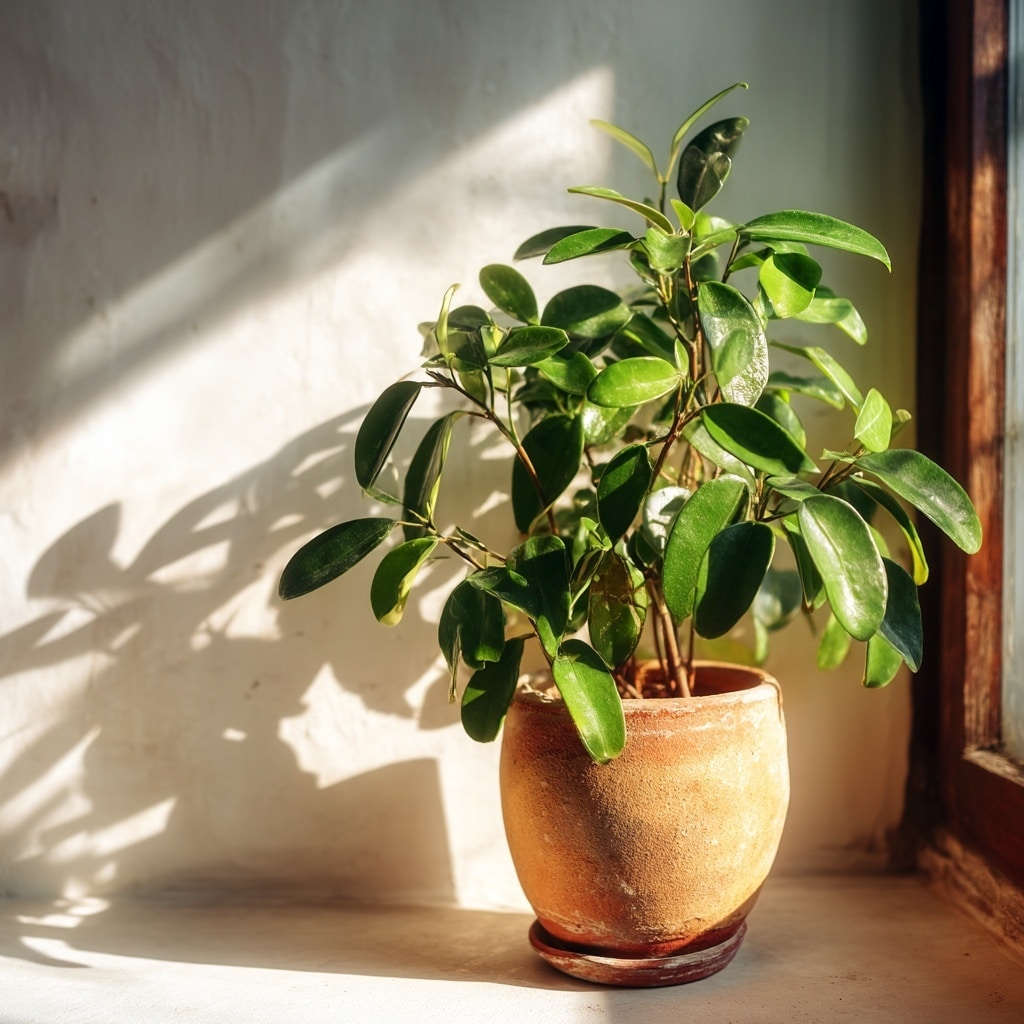
If you’re trying to keep your hoya plant healthy and happy, avoiding a few common care mistakes can make all the difference. While Hoyas are often praised for their thick, waxy leaves and star-shaped blooms, they’re not as low-maintenance as many people assume. Whether you’re a new plant parent or growing your collection, steering clear of these pitfalls will help your hoya thrive, not just survive.
Let’s break down the five most common mistakes hoya owners make—and how to fix them before they cost you your plant.
Table of Contents
1. Treating All Hoyas the Same

One of the biggest misconceptions about the hoya plant is that every variety has identical care needs. While they all belong to the same genus, hoyas come in over 500 species and hybrids, each with its own preferences.
For instance, a thick-leaved hoya like Hoya carnosa is far more drought-tolerant than a thin-leaved variety like Hoya lacunosa, which prefers more frequent watering. Some types thrive in warm, humid environments, while others can tolerate cooler, drier conditions. Lighting, watering frequency, and even blooming triggers can vary significantly.
✅ How to Correct It:
- Research your specific hoya species—don’t rely on generic advice.
- Observe leaf thickness: thicker = less water; thinner = more hydration.
- Track how your plant responds to changes in light and humidity.
- Keep a journal or notes app to monitor plant behavior.
Understanding the unique needs of your hoya plant will prevent frustration and support long-term growth.
2. Using the Wrong Potting Mix
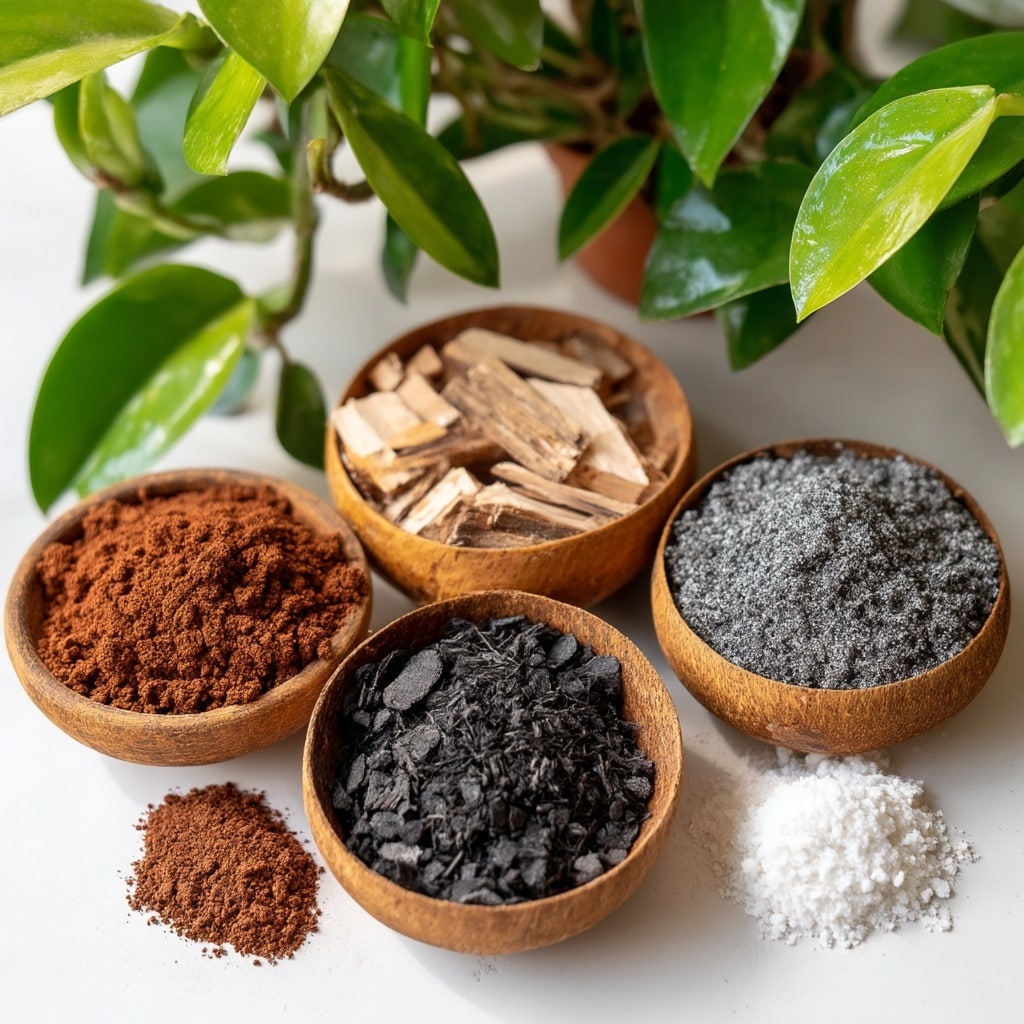
Many people underestimate how crucial the right soil mix is for a hoya plant. While they’re often grouped with succulents, hoyas don’t thrive in overly dense or moisture-retaining soils. Poor drainage is one of the fastest ways to trigger root rot, especially in indoor settings where airflow is limited.
Standard potting soil or even off-the-shelf “cactus mix” is often too compact. It retains moisture for too long, choking the roots and making it harder for oxygen to circulate.
✅ How to Correct It:
- Start with a light base like coco coir or orchid bark.
- Amend with chunky additives: perlite, pumice, pine bark, and horticultural charcoal.
- Aim for a mix that drains within 30 seconds and feels airy to the touch.
- Repot every 1–2 years to refresh nutrients and structure.
Remember, a well-draining mix doesn’t mean dry—your hoya plant still needs moisture, just not soggy roots.
3. Overwatering
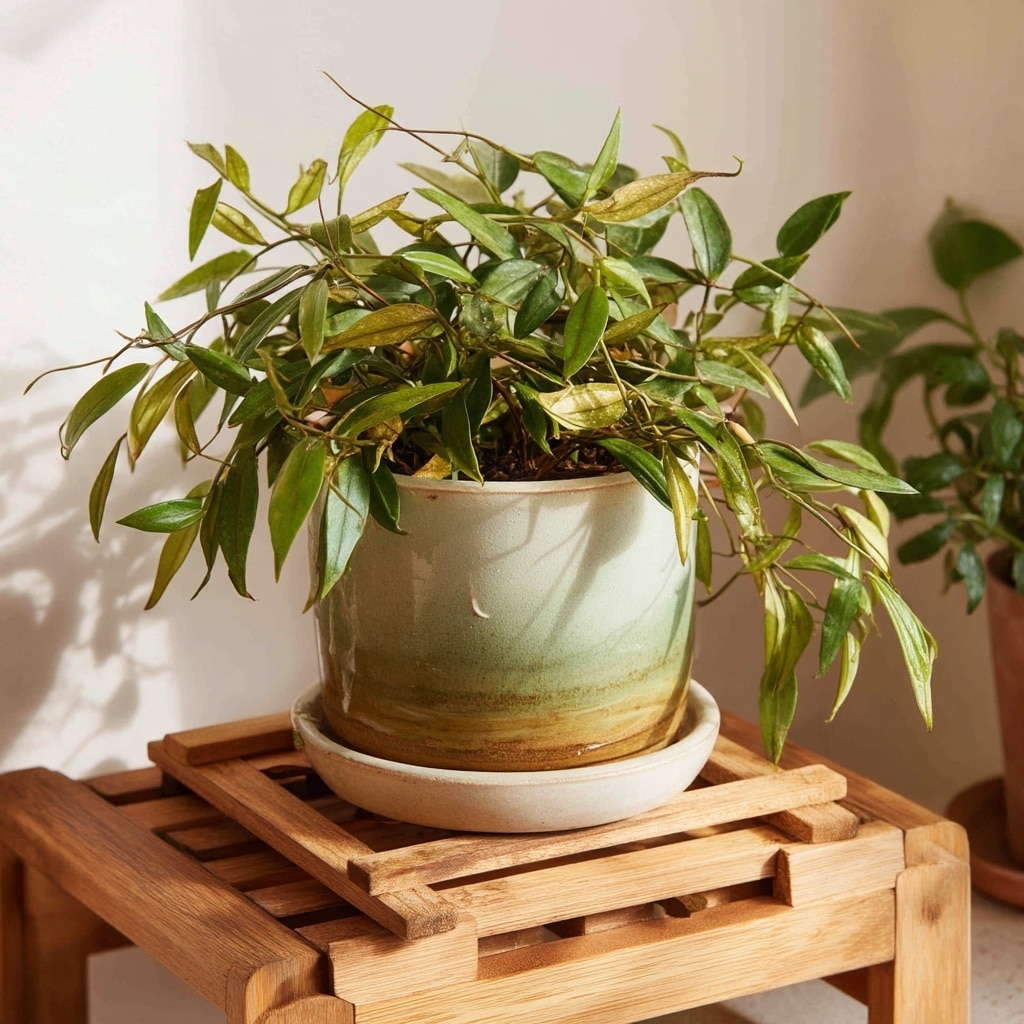
Overwatering is perhaps the most common (and most fatal) mistake hoya owners make. Even with a fast-draining potting mix, watering too frequently can suffocate roots and create the perfect environment for rot.
A hoya plant prefers to dry out between waterings, especially the thicker-leaved varieties. Many people water on a fixed schedule, not realizing that factors like humidity, pot size, and season affect how quickly the soil dries out.
✅ How to Correct It:
- Check moisture levels by feeling the top 1–2 inches of soil. If it’s dry, it’s time to water.
- Use a moisture meter if you’re unsure.
- Always use pots with drainage holes—no exceptions.
- Avoid leaving your hoya sitting in a saucer of water.
- Consider using a smaller pot. Hoyas actually do better in snug containers.
Giving your hoya plant the right amount of water—not too much, not too little—is key to keeping its roots happy and its foliage firm and lush.
4. Ignoring Humidity and Airflow
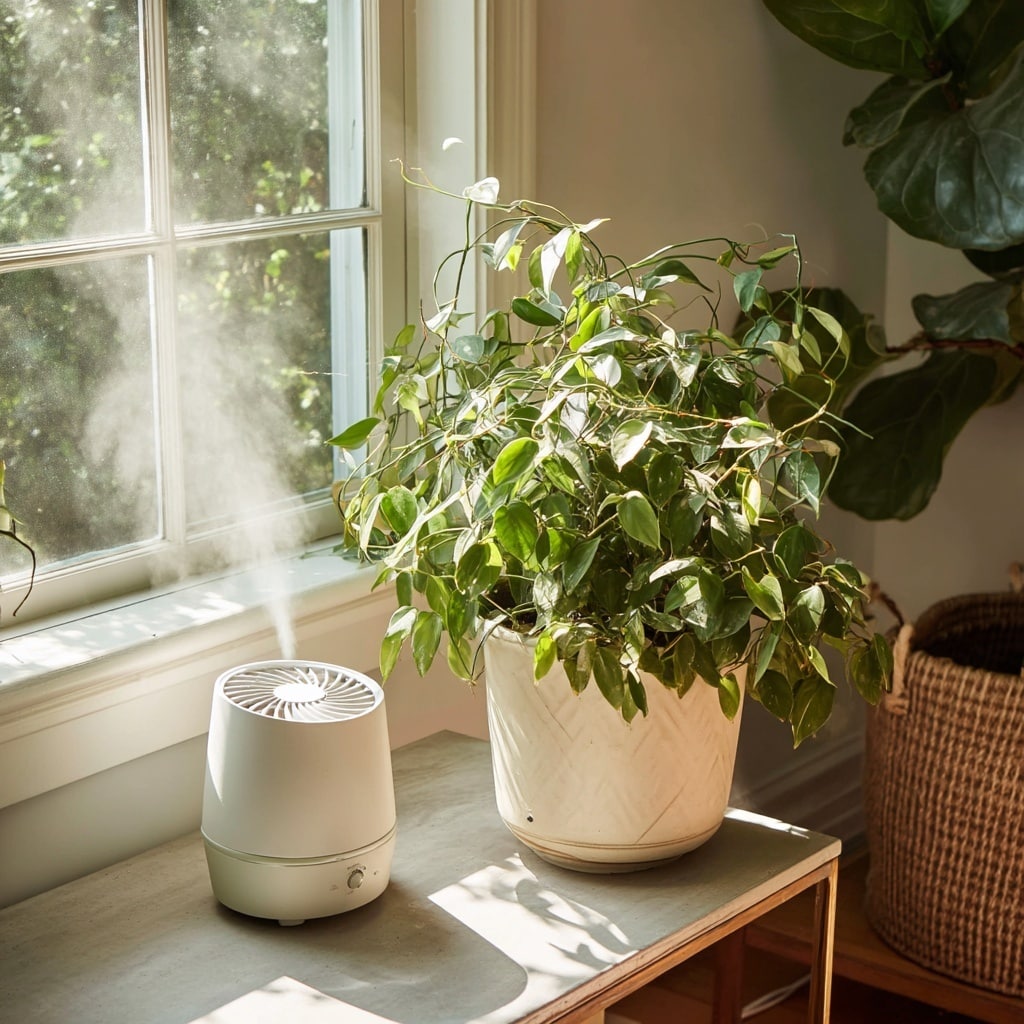
A lot of people treat their hoya plant like a desert succulent, but in reality, hoyas are tropical climbers that love humidity. Many species originate from warm, humid jungles where they grow up tree trunks and enjoy consistent moisture in the air. Low humidity can lead to slower growth, leaf curling, or failure to bloom.
But there’s a catch: stagnant humid air with poor airflow can invite mold and fungal issues.
✅ How to Correct It:
- Maintain indoor humidity around 50–70% for most hoya varieties.
- Use a humidifier, pebble tray, or group plants together to boost ambient moisture.
- Run a small fan in your plant space to circulate air and prevent fungal growth.
- Space your hoyas apart—crowding them reduces air movement and increases the risk of disease.
By mimicking their natural tropical environment, you’ll help your hoya plant grow more vigorously and stay healthy year-round.
5. Not Giving Enough Light
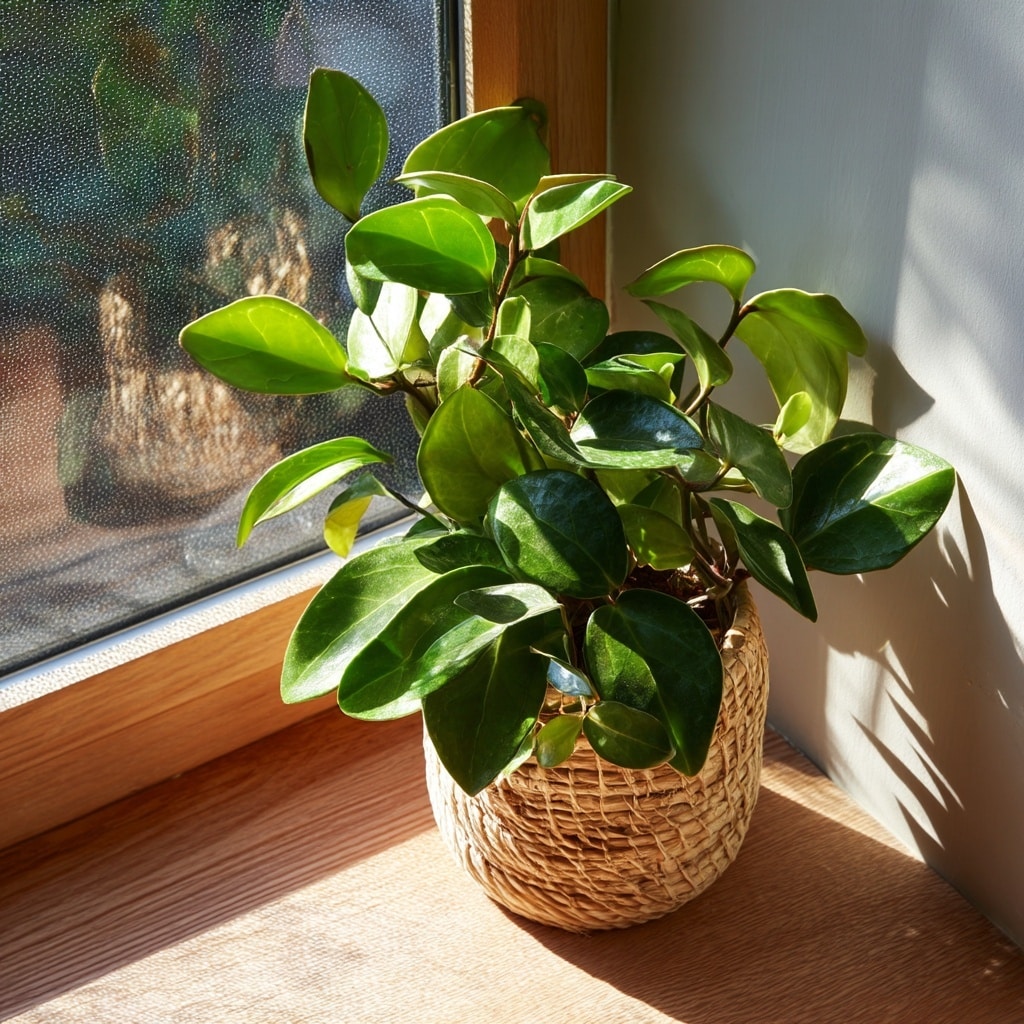
One of the most overlooked needs of a hoya plant is bright light. Many people assume hoyas are “low-light tolerant” houseplants and tuck them away on bookshelves or in dim corners. Unfortunately, that’s a recipe for leggy vines, lack of blooms, and poor overall health.
In their natural habitat, hoyas grow up trees toward the sun, basking in bright, dappled light. Indoors, they need similar intensity to truly thrive—especially if you ever hope to see those beautiful waxy blooms.
✅ How to Correct It:
- Place your hoya near a south- or west-facing window.
- If natural light is limited, use full-spectrum grow lights (T5 or LED).
- Rotate your plant every few weeks to encourage even growth.
- Watch for signs of light stress—faded leaves may signal too much direct sun; dark, stretched leaves mean too little.
Proper lighting not only boosts foliage growth but also helps regulate moisture by allowing the potting mix to dry out faster. Your hoya plant will reward you with compact vines, healthy leaves, and—if you’re lucky—clusters of fragrant, starry flowers.
Conclusion
Caring for a hoya plant can be deeply rewarding, but only if you understand what it really needs. Avoiding these five common mistakes—treating all hoyas the same, using the wrong soil, overwatering, ignoring humidity, and skimping on light—can dramatically improve your plant’s health and growth.
Whether you’re just starting out or have shelves full of vines, staying tuned into your hoya’s specific needs will help it thrive for years. And when it finally rewards you with a bloom? Totally worth the effort.