
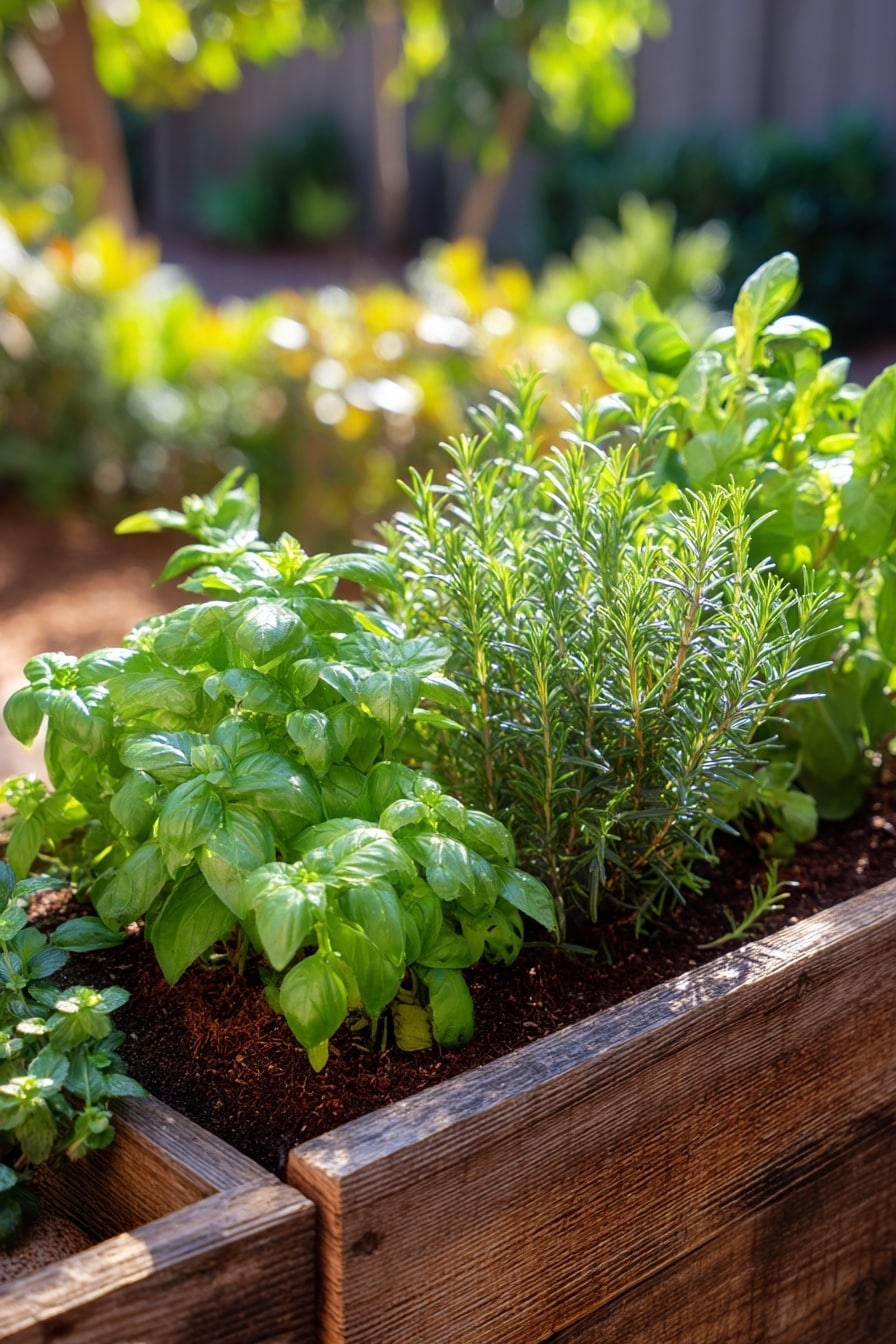
Herb garden outdoor spaces are some of the most rewarding areas you can add to your backyard, patio, or yard.
Creating an outdoor herb garden connects you to fresh flavors, boosts your garden’s usefulness, and brings vibrant greenery right to your doorstep. Whether you are new to gardening or looking for ways to grow more herbs at home, this guide will walk you through simple steps to build a thriving outdoor herb garden that fits your space and lifestyle.
Table of Contents
Choosing the Perfect Spot for Your Herb Garden

Picking the right location is the first step when you start an herb garden outdoor project.
Most herbs prefer a spot that receives at least six hours of direct sunlight each day. A sunny area near your kitchen door, patio, or along a garden border makes herbs easy to access for cooking and watering.
In addition to sunlight, good air circulation is important. Herbs growing too close together in a shaded corner may fail to thrive due to damp conditions. Ensure the area has space for growth and easy access for maintenance.
Preparing Your Soil and Ground
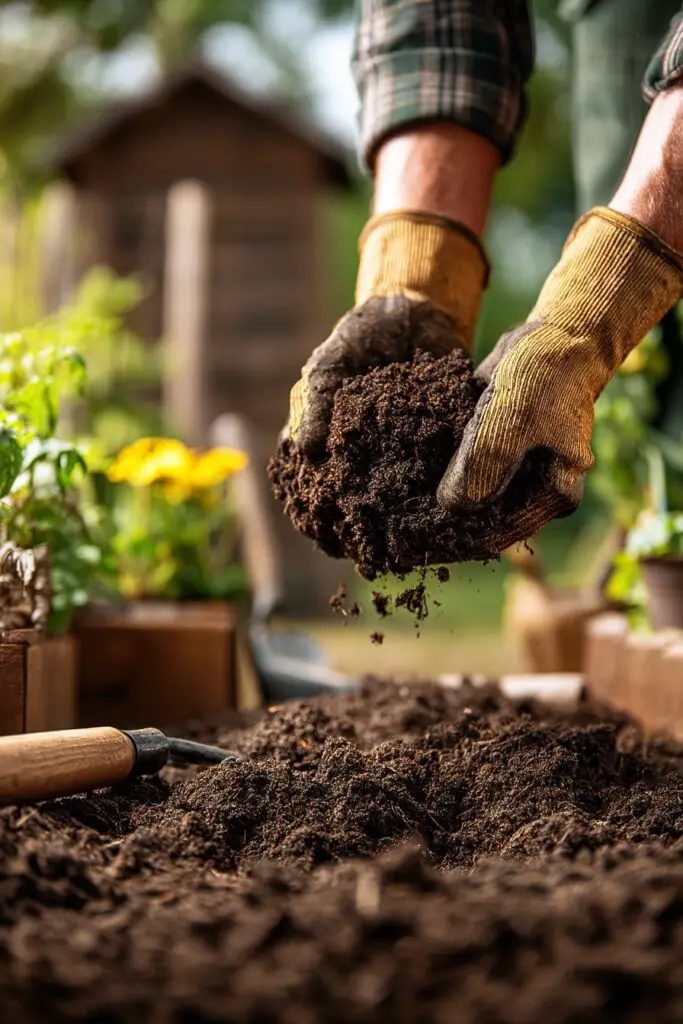
Once you have chosen your space, the next step is to prepare the soil.
If you are planting directly into garden ground, loosen the soil to improve drainage and aeration. Herbs generally prefer well-drained soil, so mixing in compost or sand can help prevent waterlogged roots.
If you are using containers or planter boxes, choose pots with drainage holes and quality potting soil that promotes good water flow. Containers give flexibility if your outdoor space is limited.
Selecting Herbs for Your Outdoor Garden
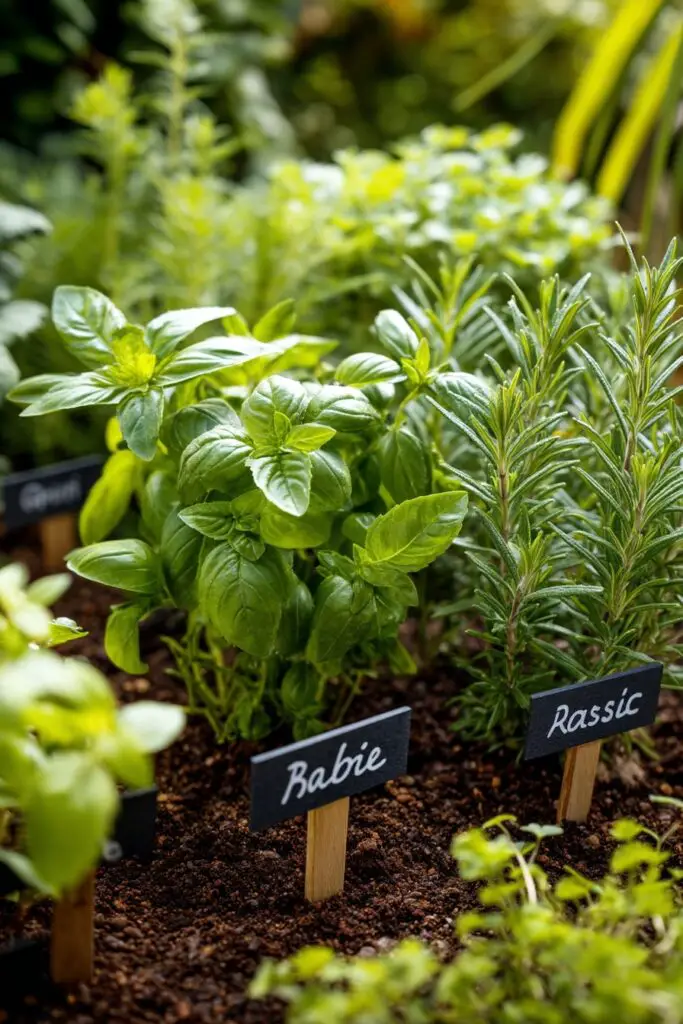
Choosing the right herbs is key to building a successful herb garden outdoor.
Start with easy-to-grow varieties that thrive in your growing conditions. Basil, rosemary, thyme, oregano, sage, and parsley are popular choices for outdoor herb gardens because they tolerate sun and moderate watering well.
If you have limited space, consider growing herbs in containers or raised beds. Herbs like mint or lemon balm can spread quickly, so containers can help contain vigorous growers.
Planting Your Herbs the Right Way
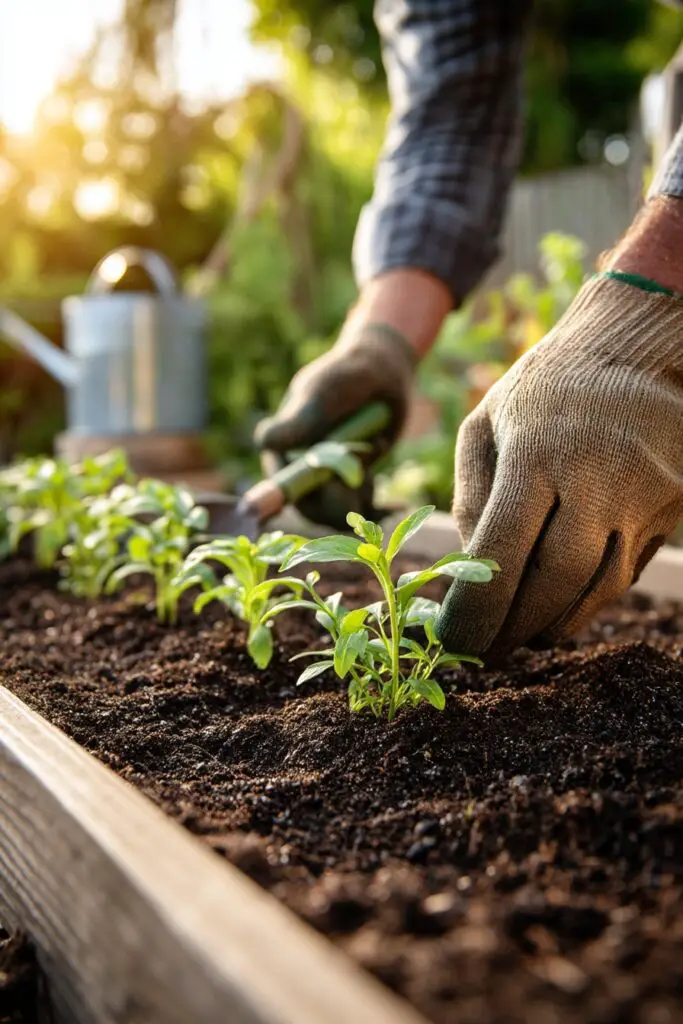
Once your soil is ready and herbs are selected, it’s time to plant.
Dig holes slightly larger than the root balls of your herb plants and space them so each plant has room to grow. Planting too close can cause overcrowding and reduce airflow between plants.
If you are starting from seed, follow seed packet instructions for depth and spacing. Transplants or seedlings often give beginners a jump start and make the process
Watering and Care Tips
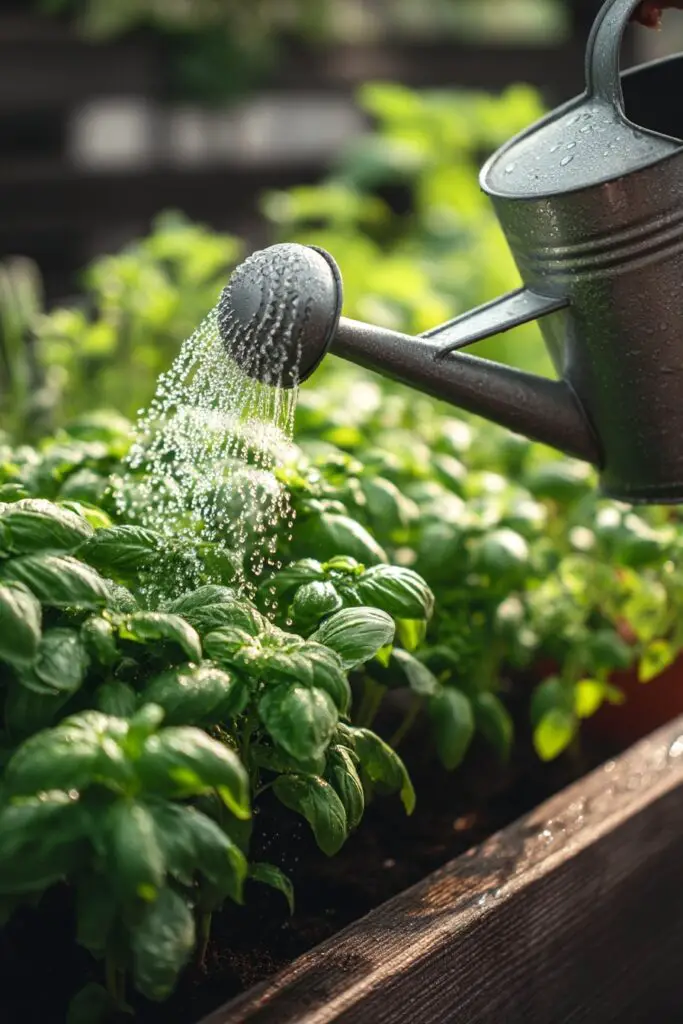
Herbs in an outdoor herb garden require consistent but balanced watering.
Most herbs enjoy evenly moist soil. During the first few weeks after planting, water regularly to help roots establish. After that, check soil moisture before watering again — many herbs dislike having constantly wet roots.
Mulching around plants can help retain moisture, suppress weeds, and keep roots cool during hotter months. As your plants grow, pruning or pinching back tips encourages fuller, bushier growth.
Harvesting Herbs and Keeping Them Healthy
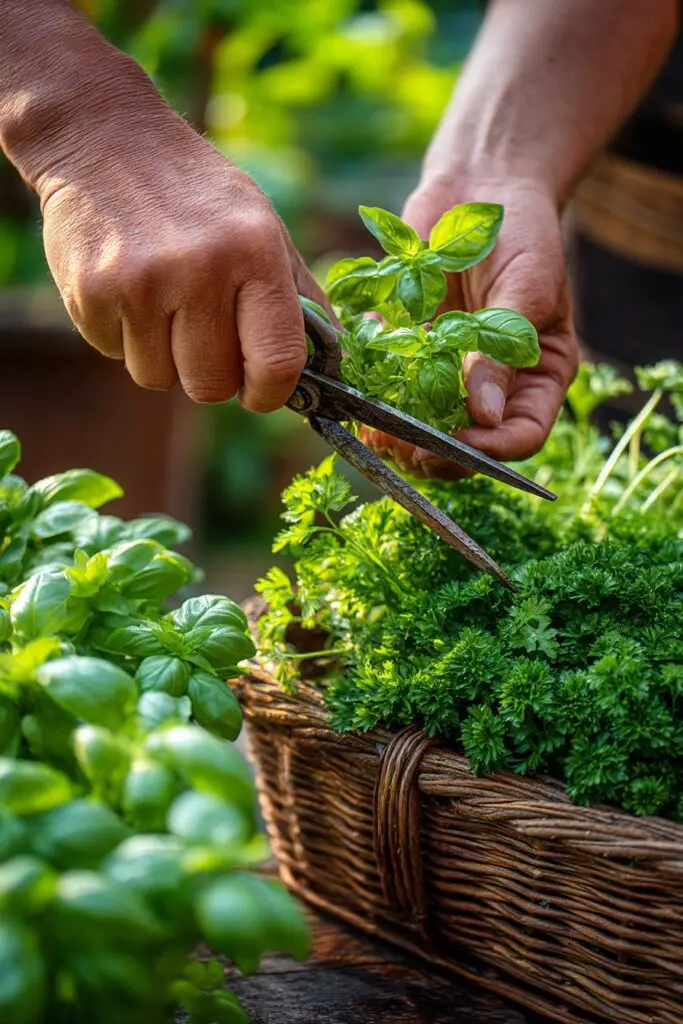
Harvesting your herbs regularly helps them stay productive.
Snipping a few leaves here and there allows herbs to keep producing new growth. Aim to harvest in the morning when essential oils are most concentrated for better flavor.
Watch for signs of stress like yellowing leaves, which can signal too much water or insufficient sunlight. Adjust care as needed to keep your garden thriving.
Conclusion
Starting an outdoor herb garden is a fulfilling way to grow fresh herbs for cooking and enjoyment.
By choosing a sunny location, preparing good soil, planting the right herbs, and tending them with proper care, your herb garden outdoor will flourish and provide delicious herbs year after year.