
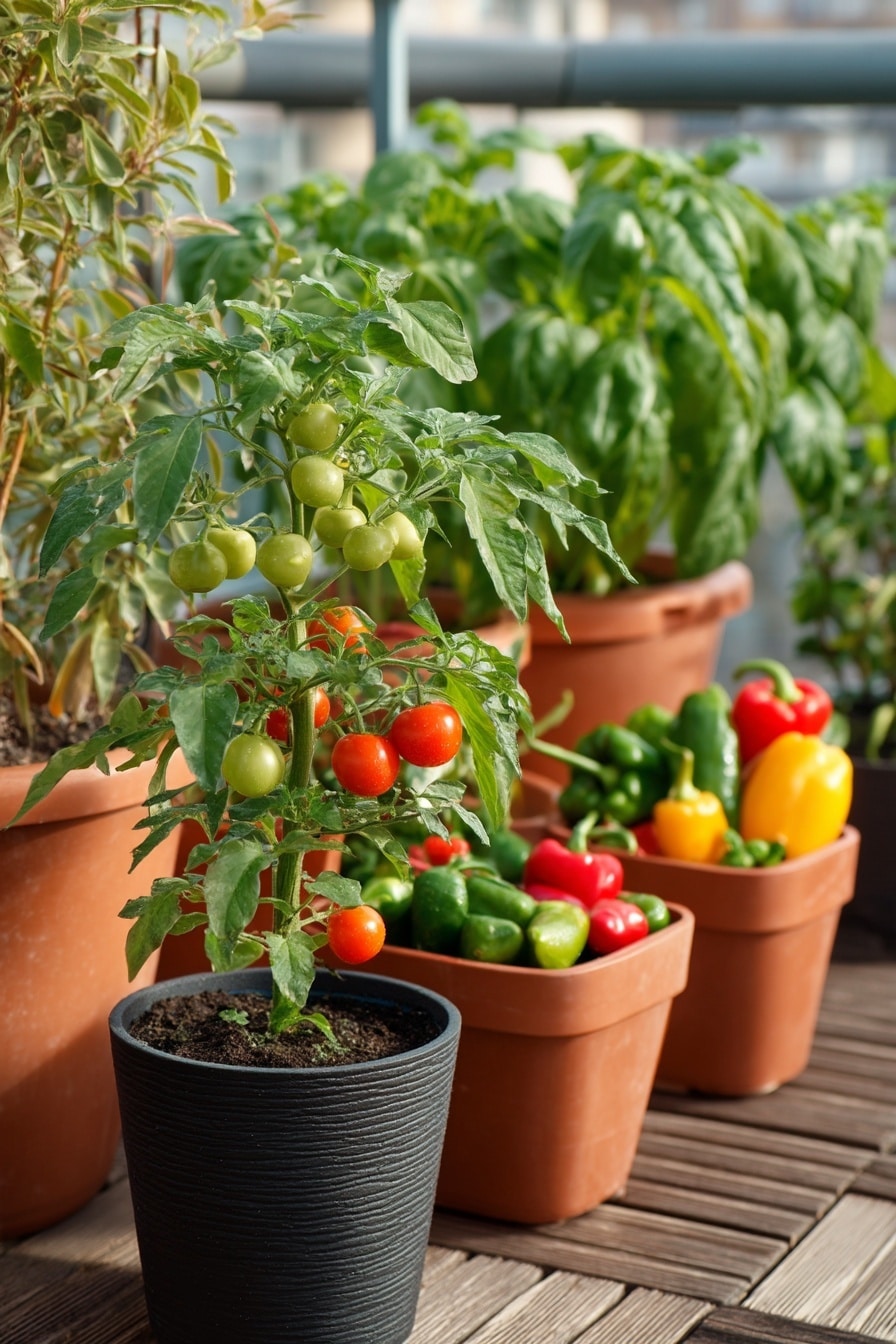
Vegetable garden success starts with thoughtful planning, a bit of effort, and the excitement of growing your own food. Whether you’re dreaming of juicy tomatoes, crisp cucumbers, or rows of leafy greens, starting a vegetable garden can be incredibly rewarding. Not only will you enjoy fresh produce from your backyard, but you’ll also gain a sense of satisfaction from nurturing plants from seed to harvest.
If you’re a beginner, don’t worry. This guide breaks it down into nine manageable steps that will help you create a thriving vegetable garden tailored to your space, time, and goals.
Table of Contents
🌞 Step 1: Pick the Right Spot for Your Vegetable Garden

Choosing the best location for your vegetable garden lays the foundation for everything that follows. Most vegetables thrive in full sunlight—aim for at least six hours of direct sun per day. Leafy greens can tolerate some shade, but fruiting crops like tomatoes and peppers demand plenty of light to flourish.
Also, convenience matters. Place your garden somewhere you’ll pass by daily. This way, you’ll be more likely to notice when plants need watering, weeding, or harvesting.
Avoid areas with heavy foot traffic or soggy ground. Good drainage is essential, as waterlogged roots can lead to disease. Ideally, look for a flat, well-drained area with loose, workable soil—you can always amend the soil later if needed.
🥬 Step 2: Choose What to Grow
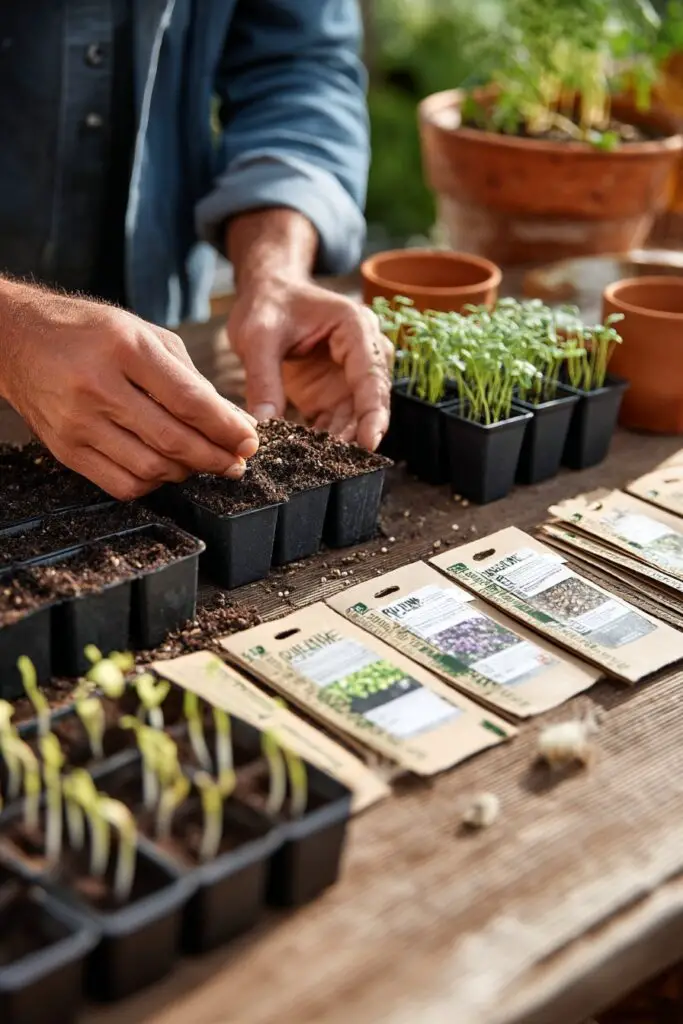
One of the most exciting parts of starting a vegetable garden is deciding what to plant. But don’t let enthusiasm take over just yet—start small and realistic. Think about what you and your family actually enjoy eating. There’s no point in growing ten eggplant plants if nobody likes eggplant!
Also, consider your local climate and growing season. Leafy greens like lettuce and spinach grow quickly and are ideal for cool weather, while warm-season crops like tomatoes, zucchini, and beans thrive in summer.
If you’re short on space or gardening in containers, opt for compact or dwarf varieties. For example, cherry tomatoes are a great choice over large heirlooms in small beds. Focus on a handful of easy-to-grow favorites for your first season—you can always expand later.
🧱 Step 3: Design Your Vegetable Garden
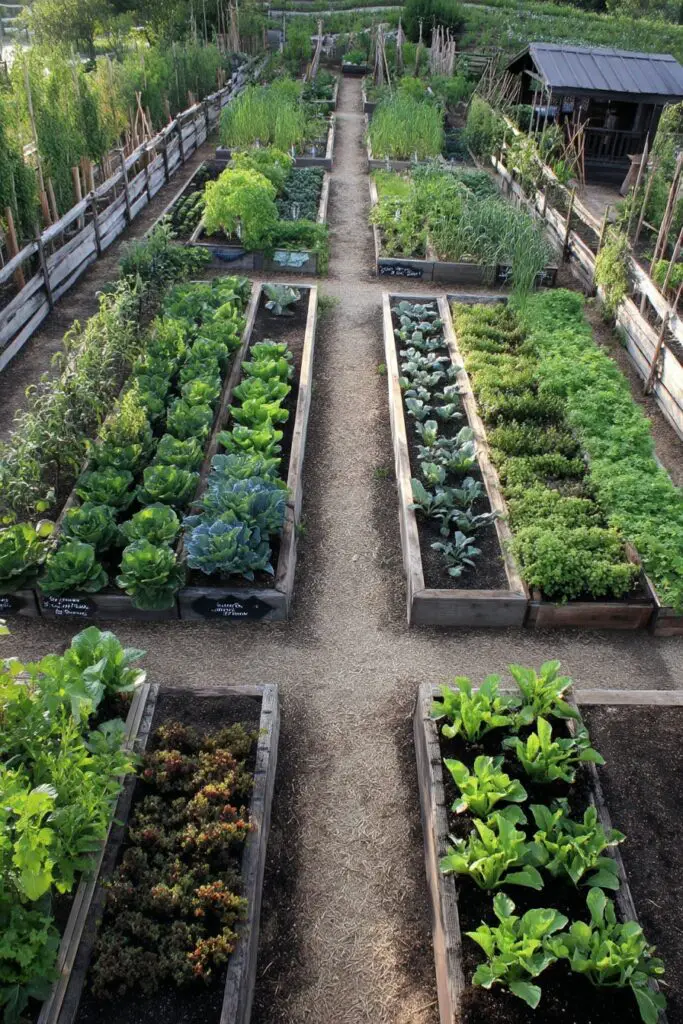
A well-planned layout makes a vegetable garden easier to maintain and more productive. Before planting, sketch a simple map of your garden space. Factor in plant spacing, sun exposure, and access paths so you can move around without stepping on soil and damaging roots.
Keep taller crops like corn or trellised beans to the north or west side, so they don’t cast shade on shorter plants. Group vegetables with similar water and sunlight needs together for more efficient care.
You don’t need straight rows—raised beds, square-foot gardening, or interplanting are great options, especially in small spaces. And while productivity comes first, don’t be afraid to give your garden some charm. Neat edges, mulch paths, and tidy beds make gardening more enjoyable.
📏 Step 4: Maximize Small Spaces
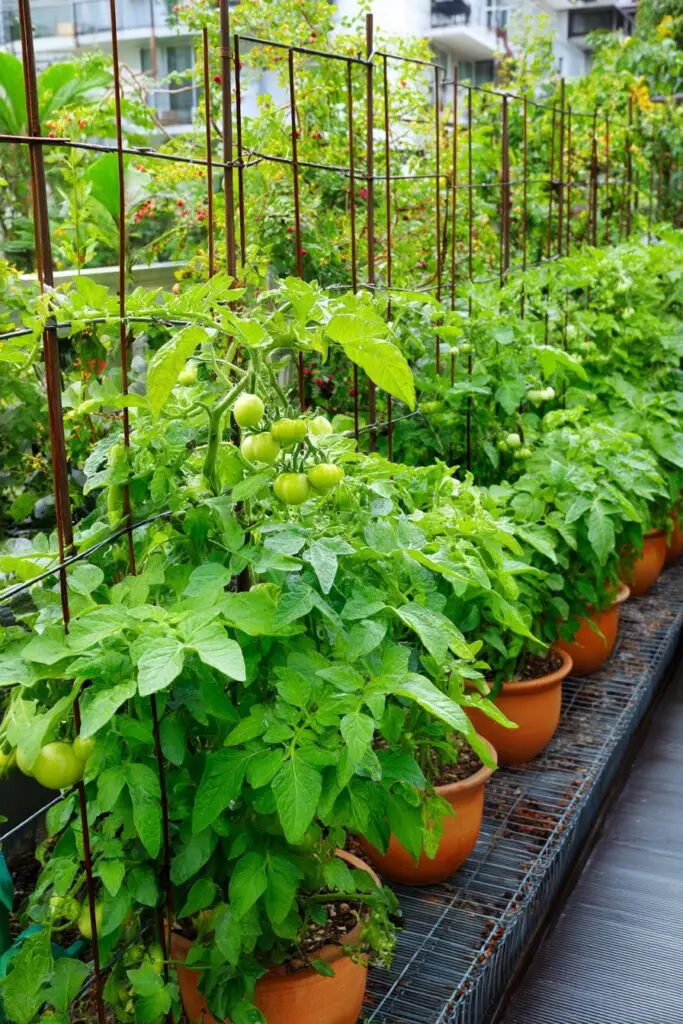
Even a modest vegetable garden can yield a surprising amount of food with the right approach. It’s all about using space efficiently. Start by choosing high-yield crops and compact varieties—bush beans, baby carrots, and patio tomatoes are perfect for tight beds or containers.
Succession planting is another smart tactic: as one crop finishes, plant another in its place. For instance, follow spring lettuce with summer basil or late-season kale.
Vertical gardening also adds valuable real estate. Use trellises, cages, or netting to grow vining plants like cucumbers or peas upward instead of outward. And don’t forget companion planting—nesting shade-loving herbs under taller crops gives you more variety without taking extra room.
🪴 Step 5: Grow Vegetables in Containers
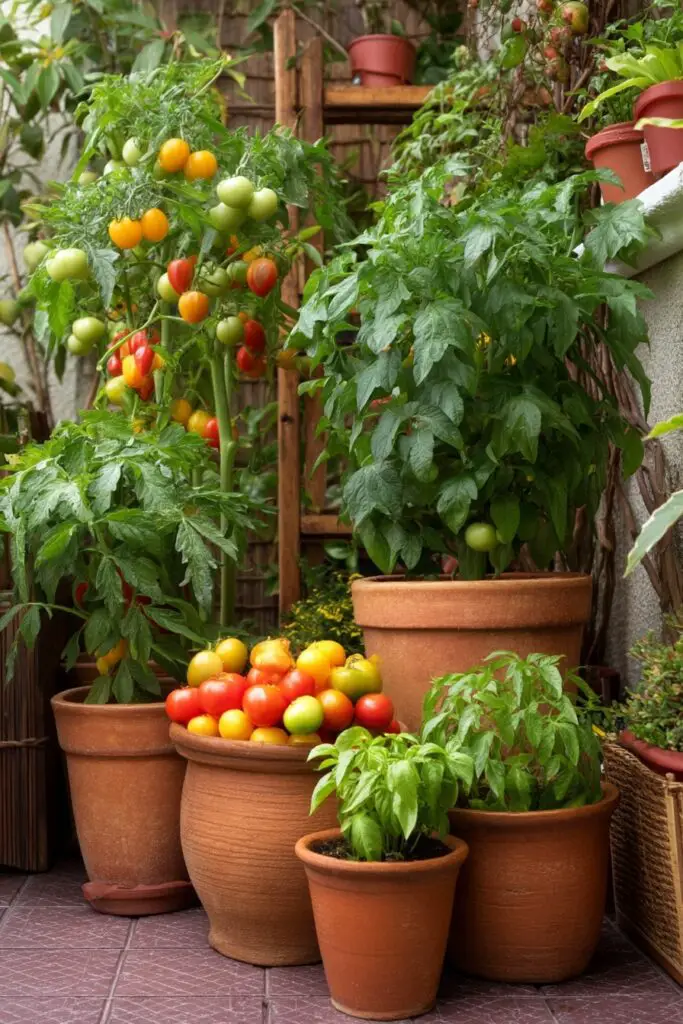
If you’re short on garden space or have poor soil, a vegetable garden in containers is a smart, flexible solution. Almost any vegetable can grow in a pot—just choose the right container size and ensure it has proper drainage.
Shallow-rooted crops like lettuce, radishes, and herbs thrive in small pots, while larger plants like tomatoes or peppers need deeper containers, ideally 5 gallons or more. Use high-quality potting mix (not garden soil) to give your plants the drainage and nutrients they need.
One major perk of containers is mobility—you can chase the sun by moving pots as the light shifts throughout the season. Just remember: container plants dry out faster than those in the ground, so regular watering is key to keeping them healthy and productive.
🧤 Step 6: Tend Your Garden
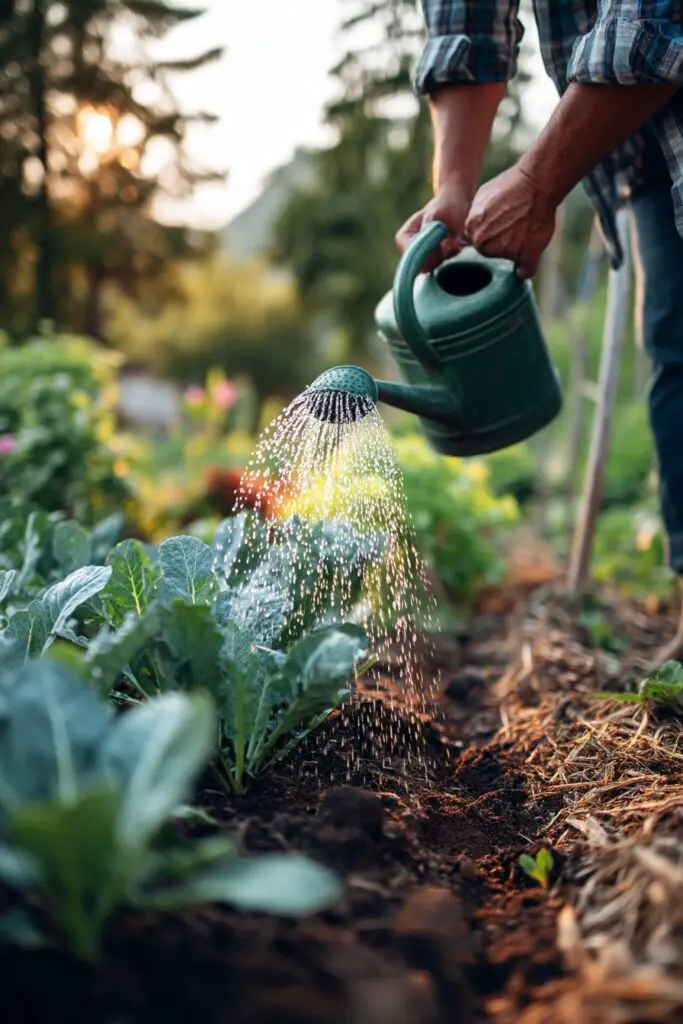
Once your vegetable garden is planted, consistent care is what keeps it thriving. Watering is a top priority—most vegetables need about an inch of water per week, more during hot or windy weather. It’s best to water early in the day and at the soil level to avoid disease.
Mulching is a smart move—it keeps moisture in, suppresses weeds, and adds nutrients as it breaks down. Use straw, shredded leaves, or untreated grass clippings around your plants.
Stay on top of tasks like weeding, pruning, and harvesting. Letting weeds grow or missing peak harvest time can reduce your yield. If you’re staking crops like tomatoes or peas, do it early so you don’t damage roots later.
Decide early on whether you’ll grow organically—this affects your choice of fertilizers, pest control methods, and soil amendments.
🐛 Step 7: Control Pests

No matter how well you care for your vegetable garden, pests will eventually find their way in. The key is to monitor regularly and act early—don’t wait until damage is severe.
Start with natural deterrents like row covers, companion planting, and healthy soil. A strong plant is more resistant to pests and disease. Encourage beneficial insects like ladybugs and lacewings, which naturally reduce pest populations.
If a problem does arise, use Integrated Pest Management (IPM): begin with the least invasive solution—hand-picking bugs, spraying with soapy water, or pruning affected leaves. Chemical treatments should be your last resort, especially if you’re growing organically.
Staying vigilant can prevent minor issues from turning into major infestations.
🧺 Step 8: Harvest and Preserve
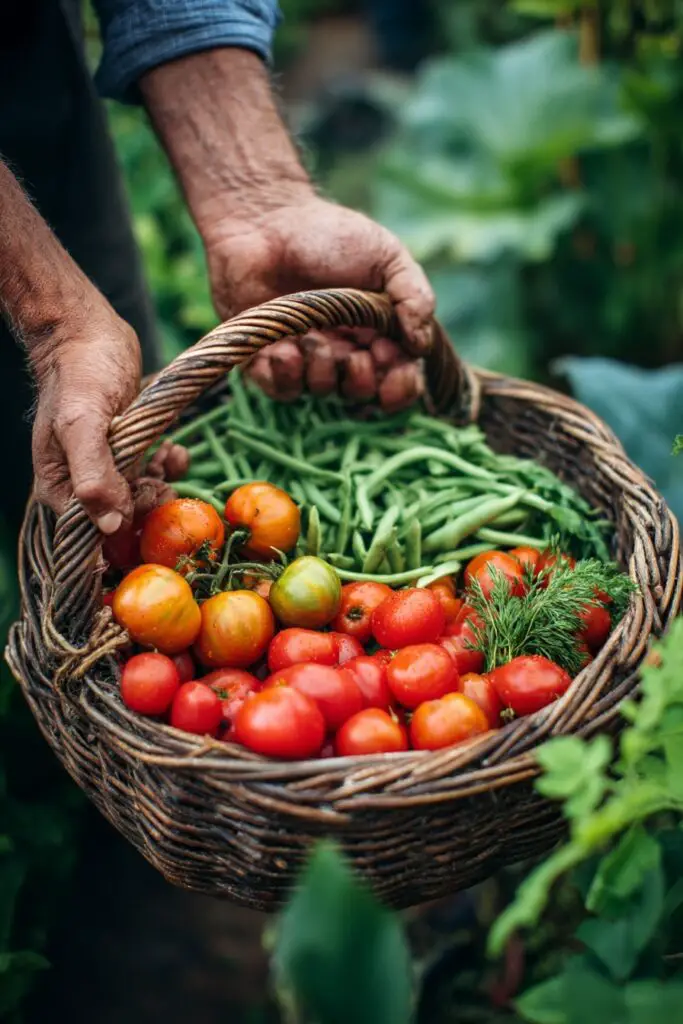
One of the biggest joys of a vegetable garden is harvesting what you’ve grown. But timing matters. Pick vegetables at their peak ripeness for the best flavor and nutrition. For example, zucchini is most tender when picked small, while tomatoes should be fully colored and slightly soft to the touch.
Some crops give clear signals—cantaloupes slip off the vine when ready, and beans are best when slender and crisp. Check your plants daily, especially during peak season, so nothing goes to waste.
Preserving your harvest is a great way to enjoy your garden well beyond summer. You can freeze herbs, can tomatoes, pickle cucumbers, or dry peppers and beans. Even a small harvest can be stored for winter meals with the right technique.
🔄 Step 9: Keep Improving Your Garden
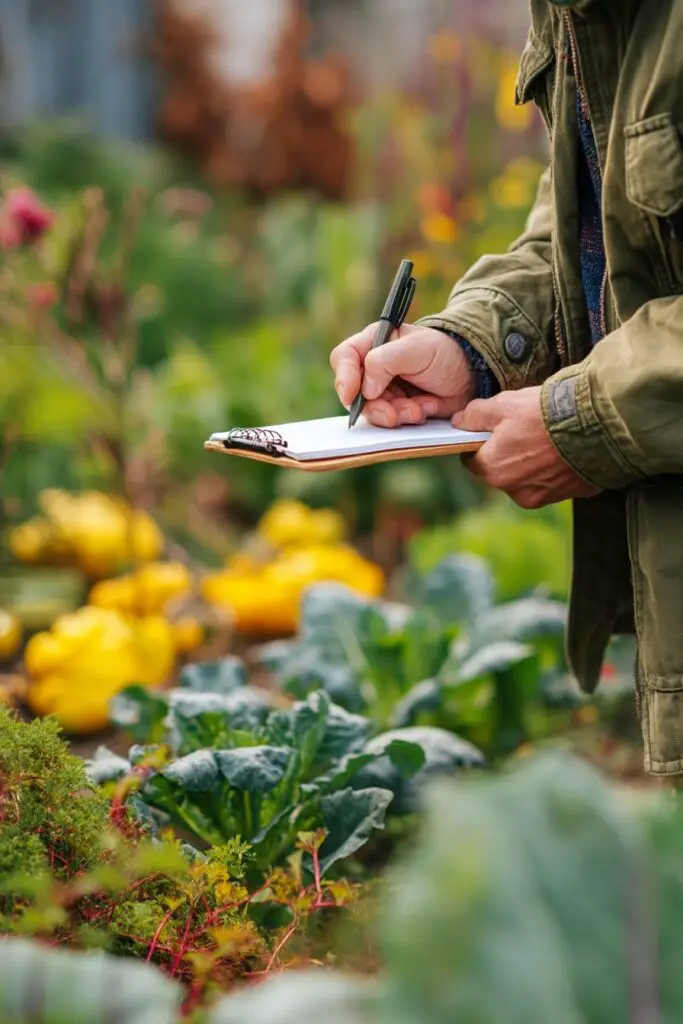
A thriving vegetable garden doesn’t just happen once — it gets better each season. Keep notes on what grew well, what struggled, and what you’d change next time. This kind of record-keeping helps you plan smarter year after year.
Rotate your crops to prevent soil nutrient depletion and reduce disease risk. For example, don’t grow tomatoes in the same spot every season—swap in beans or leafy greens instead.
Each season brings new lessons, so stay curious. Try different varieties, tweak your layout, or test new techniques like cover cropping or composting. Gardening is a cycle of learning, adjusting, and growing—not just for your plants, but for you too.
🌿 Conclusion
Starting a vegetable garden may seem like a big task at first, but breaking it down into manageable steps makes it not only achievable but deeply rewarding. From picking the perfect spot to preserving your homegrown harvest, each step brings you closer to fresher meals, healthier habits, and a deeper connection to the natural world.
Whether you’re growing in raised beds, containers, or a backyard plot, the key is consistency, observation, and a willingness to learn. Before you know it, your garden will be full of life—and your kitchen full of flavor.