
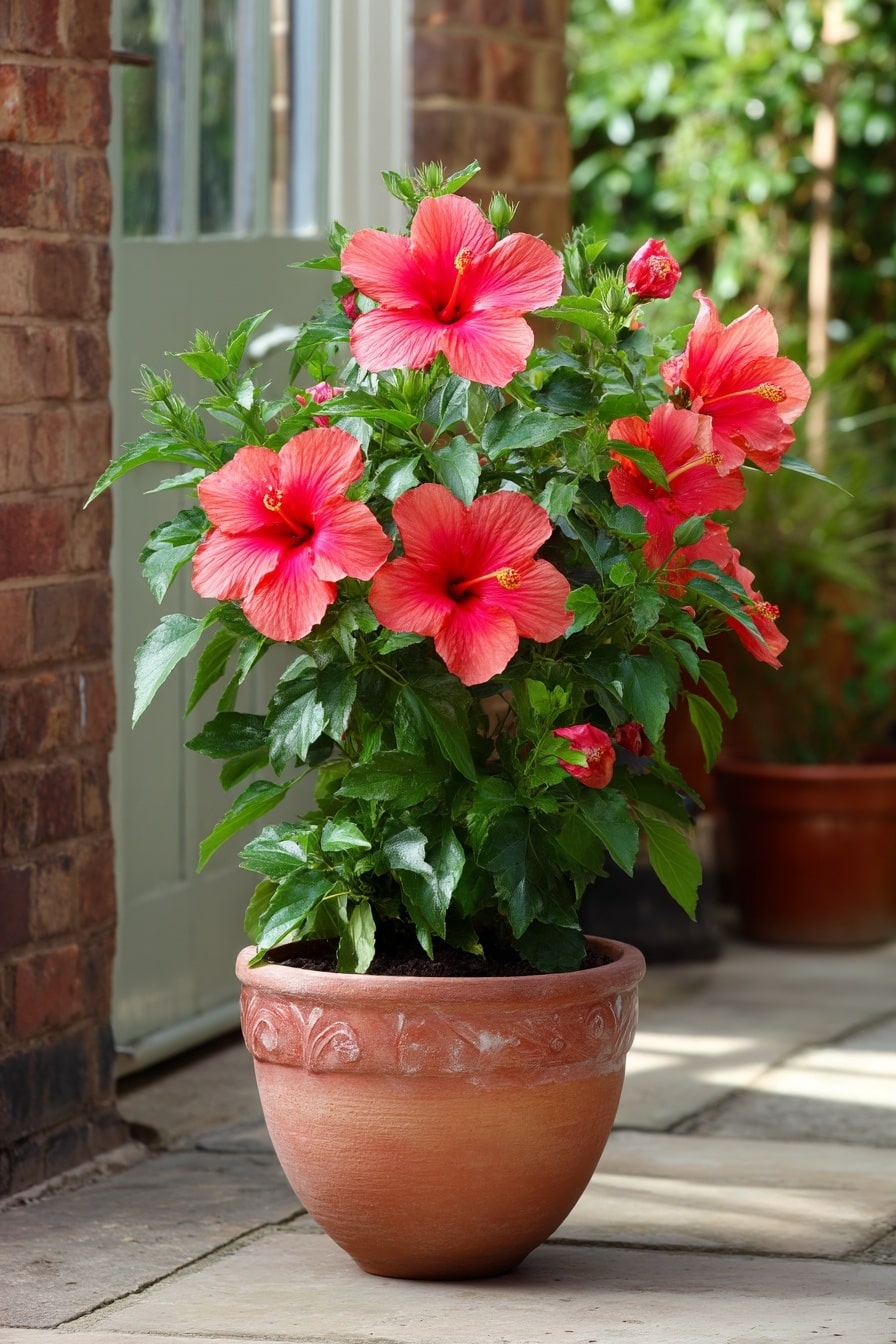
Hibiscus flower plants are one of the most eye-catching and rewarding additions to any garden. With their bold blooms, lush foliage, and ability to thrive in both tropical and temperate climates, hibiscus bring a vibrant, exotic feel to backyards, patios, and even container displays. Whether you’re starting from seed or picking up a nursery plant, learning how to plant, grow, and care for the hibiscus flower will help you enjoy months of colorful blossoms and healthy, thriving plants. In this guide, you’ll discover the essentials—from choosing the right variety to solving common issues like yellowing leaves.
Table of Contents
What Is the Hibiscus Flower?

The hibiscus flower is a tropical and subtropical plant known for its large, trumpet-shaped blooms and wide variety of vivid colors. Part of the mallow family (Malvaceae), hibiscus includes both herbaceous perennials and woody shrubs, depending on the species. While they’re often associated with warm climates, many hardy varieties can grow successfully in cooler regions as well.
Hibiscus blooms typically appear from summer into fall and can range in color from deep red and magenta to yellow, pink, or white. Their striking appearance isn’t just for show — hibiscus flowers attract hummingbirds, butterflies, and other pollinators, making them an eco-friendly addition to any garden.
There are two main types of hibiscus:
- Tropical hibiscus (Hibiscus rosa-sinensis) – suited to warmer climates or indoor growing
- Hardy hibiscus (Hibiscus moscheutos, Hibiscus syriacus) – tolerant of cooler temperatures and return year after year
Understanding the difference between these types is key when choosing the right hibiscus flower for your garden conditions.
Types of Hibiscus Flowers
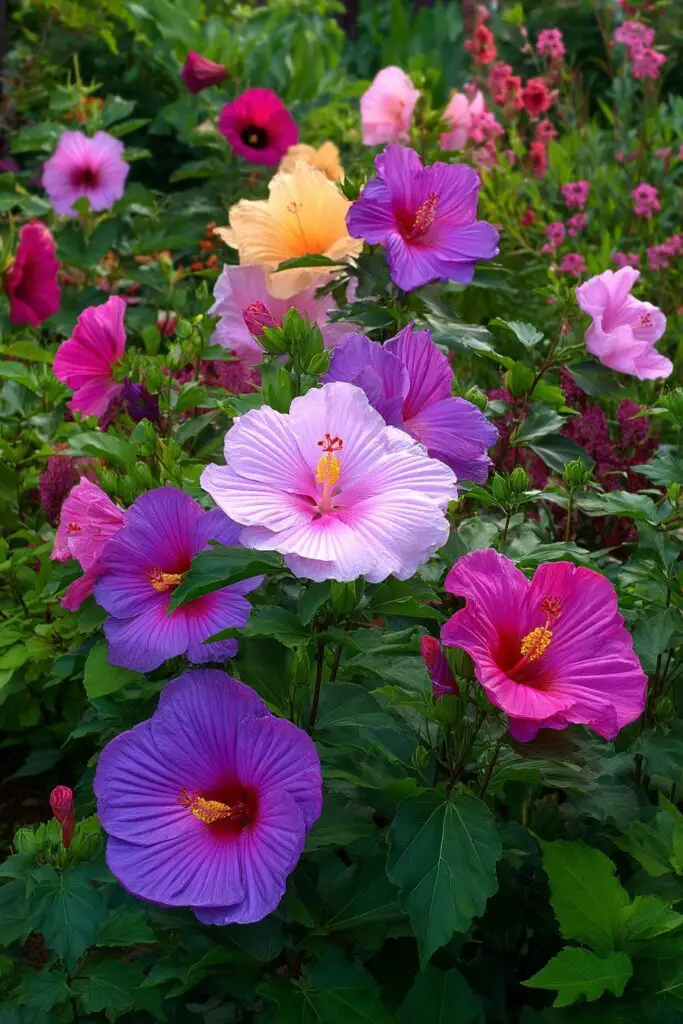
Choosing the right hibiscus flower starts with understanding the different types available. Some are perfect for tropical environments and container gardens, while others are hardy enough to survive cold winters and come back every spring.
Tropical Hibiscus
Known for their glossy green leaves and vibrant, showy blooms, tropical hibiscus (Hibiscus rosa-sinensis) are ideal for warm climates or as potted plants brought indoors during colder months. These flowers bloom almost year-round in tropical zones and come in a stunning variety of colors, including orange, coral, and multicolored varieties.
Best suited for:
- Zones 9–11 outdoors
- Bright indoor spaces or patios
- Poolside planters and decorative pots
Hardy Hibiscus
Hardy hibiscus varieties such as Hibiscus moscheutos (rose mallow) and Hibiscus syriacus (rose of Sharon) can survive freezing temperatures. These perennials die back in winter and return in spring with massive, plate-sized blooms in red, white, pink, and bi-color blends.
Best suited for:
- Zones 4–8
- Garden beds with full sun
- Moist but well-drained soil
Edible and Ornamental Varieties
Some hibiscus species, like roselle hibiscus (Hibiscus sabdariffa) and cranberry hibiscus (Hibiscus acetosella), offer both beauty and culinary value. Their calyces and leaves are used in teas, jams, and salads, making them a wonderful addition to edible gardens.
By selecting the right hibiscus flower for your region and garden goals, you’ll set the foundation for healthy growth and brilliant blooms.
How to Plant Hibiscus Flowers
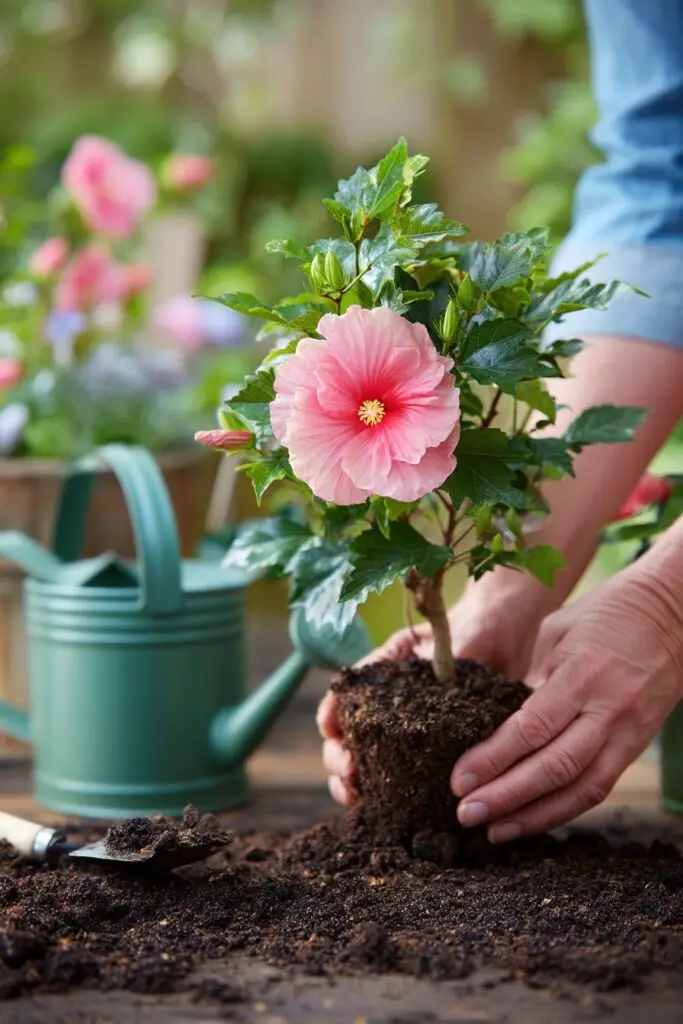
Getting your hibiscus flower off to a strong start begins with proper planting. Whether you’re working with a tropical or hardy variety, the steps are similar and will help your plant establish quickly in the garden or in a pot.
Choose the Right Spot
Hibiscus thrive in full sun, needing at least 6 hours of direct sunlight per day. Hardy varieties can tolerate a bit of shade, especially in hotter climates, but less light can mean fewer blooms.
Ideal planting locations:
- Sunny garden beds
- South- or west-facing fences or walls
- Large containers on sunny patios
Prepare the Soil
Hibiscus prefer moist, well-draining soil that’s rich in organic matter. Before planting:
- Mix in compost or aged manure to improve fertility
- Ensure drainage by loosening heavy clay or using raised beds
For containers, use a high-quality potting mix with good moisture retention and aeration.
Step-by-Step Planting
- Dig the hole: Make it twice as wide and just as deep as the root ball.
- Water the hole: Fill halfway with water and allow it to soak in.
- Place the plant: Gently loosen the roots, set the hibiscus flower into the hole.
- Backfill and firm: Fill in soil around the roots, pressing down to eliminate air pockets.
- Water deeply: Soak the base to help roots settle. Continue watering regularly until established.
Spacing depends on the variety. Large types may need 3–6 feet between plants, while compact varieties can be spaced closer together.
Caring for Your Hibiscus Flower

A healthy hibiscus flower rewards you with vibrant blooms and lush foliage throughout the growing season. While these plants are relatively low-maintenance, consistent care ensures better flowering, stronger growth, and fewer problems.
Watering
Hibiscus loves moisture but hates soggy roots. The key is balance:
- In-ground plants: Water deeply once or twice per week, depending on rainfall
- Container plants: Water more frequently, especially in hot weather
- Allow the top inch of soil to dry between waterings
Avoid letting the plant dry out completely — this can cause buds to drop before blooming.
Fertilizing
To keep your hibiscus flower blooming regularly:
- Use a low-nitrogen, high-phosphorus fertilizer (look for something like 10-20-20)
- Feed every two weeks during the active growing season (spring to early fall)
- For organic options, compost tea or liquid seaweed work well
Avoid over-fertilizing, especially with nitrogen-rich products, as this can lead to lots of leaves but few flowers.
Pruning
Pruning helps:
- Shape the plant
- Remove dead or weak stems
- Encourage more blooms
Best time to prune: late winter or early spring for hardy types, and after the last bloom cycle for tropical varieties.
Mulching
A 2–3 inch layer of organic mulch around the base of the plant:
- Helps retain moisture
- Regulates soil temperature
- Suppresses weeds
- Protects hardy hibiscus roots in winter
Just keep mulch a few inches away from the stem to prevent rot.
Common Problems and How to Fix Yellow Leaves
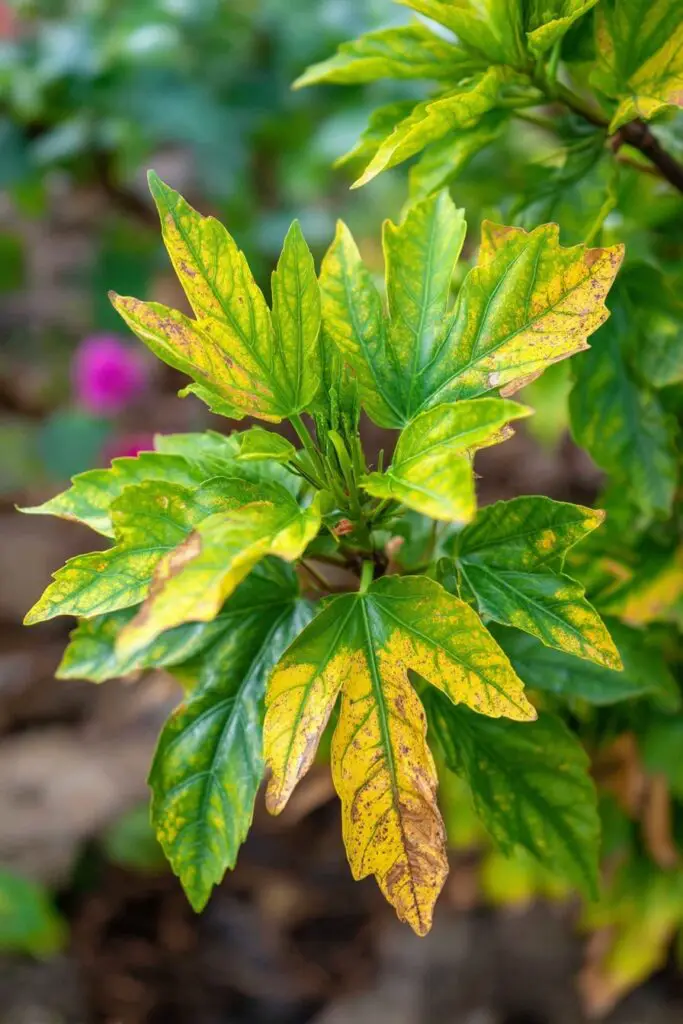
Even the healthiest hibiscus flower can occasionally show yellowing leaves — but this is often the plant’s way of communicating that something’s off. The key is to assess the situation calmly and make small, deliberate adjustments.
1. Seasonal Changes
It’s normal for hibiscus leaves to yellow and drop during transitions between seasons, especially in early spring or late fall. As long as new growth appears, there’s usually no cause for concern.
2. Overwatering or Poor Drainage
Hibiscus loves moist soil, but not soggy roots. Yellow leaves on the bottom of the plant often point to excess water.
- Fix: Check soil drainage. Let the top inch dry before watering again. For container plants, make sure pots have drainage holes.
3. Underwatering
During hot spells, hibiscus flowers may droop and drop leaves if they’re not getting enough water.
- Fix: Deep water regularly and consider using mulch to keep moisture levels steady.
4. Light Stress
Too much harsh sun can scorch leaves, while too little light can cause yellowing and leaf drop.
- Fix: Tropical hibiscus needs full sun but may benefit from light afternoon shade in extremely hot climates. Indoor plants need a bright window or grow light.
5. Nutrient Deficiencies
Pale yellowing with green veins may indicate a lack of nutrients, especially nitrogen or iron.
- Fix: Use a balanced, slow-release fertilizer and consider a soil test if the problem persists.
6. Pests
Common pests like aphids, spider mites, and whiteflies can cause yellowing, curling, or sticky leaves.
- Fix: Spray leaves with neem oil or insecticidal soap, especially on the undersides. Rinse regularly to discourage infestations.
By watching for these signs and responding early, you can keep your hibiscus flower healthy and full of color throughout the growing season.
Growing Hibiscus in Containers
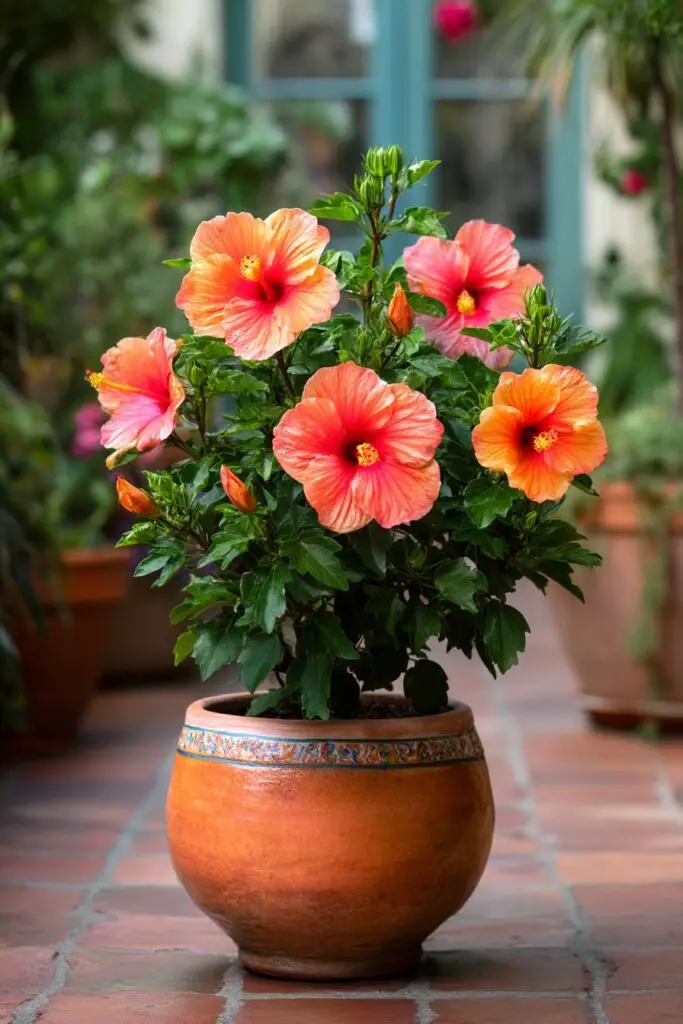
If you’re short on garden space or live in a cooler climate, growing a hibiscus flower in a container is a smart and flexible option. Many tropical and dwarf hibiscus varieties thrive in pots and can be brought indoors during colder months.
Choosing the Right Pot
- Use a container with drainage holes to prevent root rot
- Size should allow room for root growth — at least 12–14 inches deep for mature plants
- Consider a light-colored pot to reflect heat if growing in full sun
Potting Mix and Placement
- Use a rich, well-draining potting mix (avoid heavy garden soil)
- Mix in compost or slow-release organic fertilizer
- Place in a sunny location — patios, balconies, or by south-facing windows indoors
Watering and Feeding
Container-grown hibiscus dries out faster, especially in summer:
- Water when the top inch of soil feels dry
- Fertilize every 2–3 weeks with a diluted liquid feed to encourage regular blooming
- Keep humidity high with misting or by grouping with other plants
Overwintering Tips
If you’re in a zone below 9:
- Bring tropical hibiscus flowers indoors before the first frost
- Place in a bright, draft-free room
- Reduce watering and stop fertilizing during winter dormancy
With the right care, your potted hibiscus flower can bloom vigorously and brighten any space year after year.
Conclusion
The hibiscus flower is more than just a showstopper — it’s a resilient, rewarding plant that fits into a variety of garden styles and climates. Whether you’re planting hardy hibiscus in your perennial beds or keeping tropical varieties in containers, a little care goes a long way. From rich soil and regular watering to pruning and pest prevention, the steps are simple and the results are stunning.
With its bold blooms, pollinator appeal, and even culinary uses, the hibiscus flower earns its place in both ornamental and edible gardens. Follow these planting and care tips, and you’ll enjoy season after season of vibrant color and healthy growth.