
Cottage garden design is the perfect blend of charm, informality, and natural beauty. Rooted in tradition yet endlessly adaptable, this whimsical gardening style brings lush, layered planting and vintage decor together in a way that feels both timeless and personal. Whether you’re working with a sprawling backyard or a compact space, planning a cottage garden doesn’t require a massive budget—just a little creativity and a love for color and texture. In this guide, we’ll walk through five tried-and-true steps professional landscapers follow to help you build your own thriving, low-maintenance cottage garden that blooms beautifully from season to season.
Table of Contents
Step 1: Plan the Layout with Flow and Function in Mind

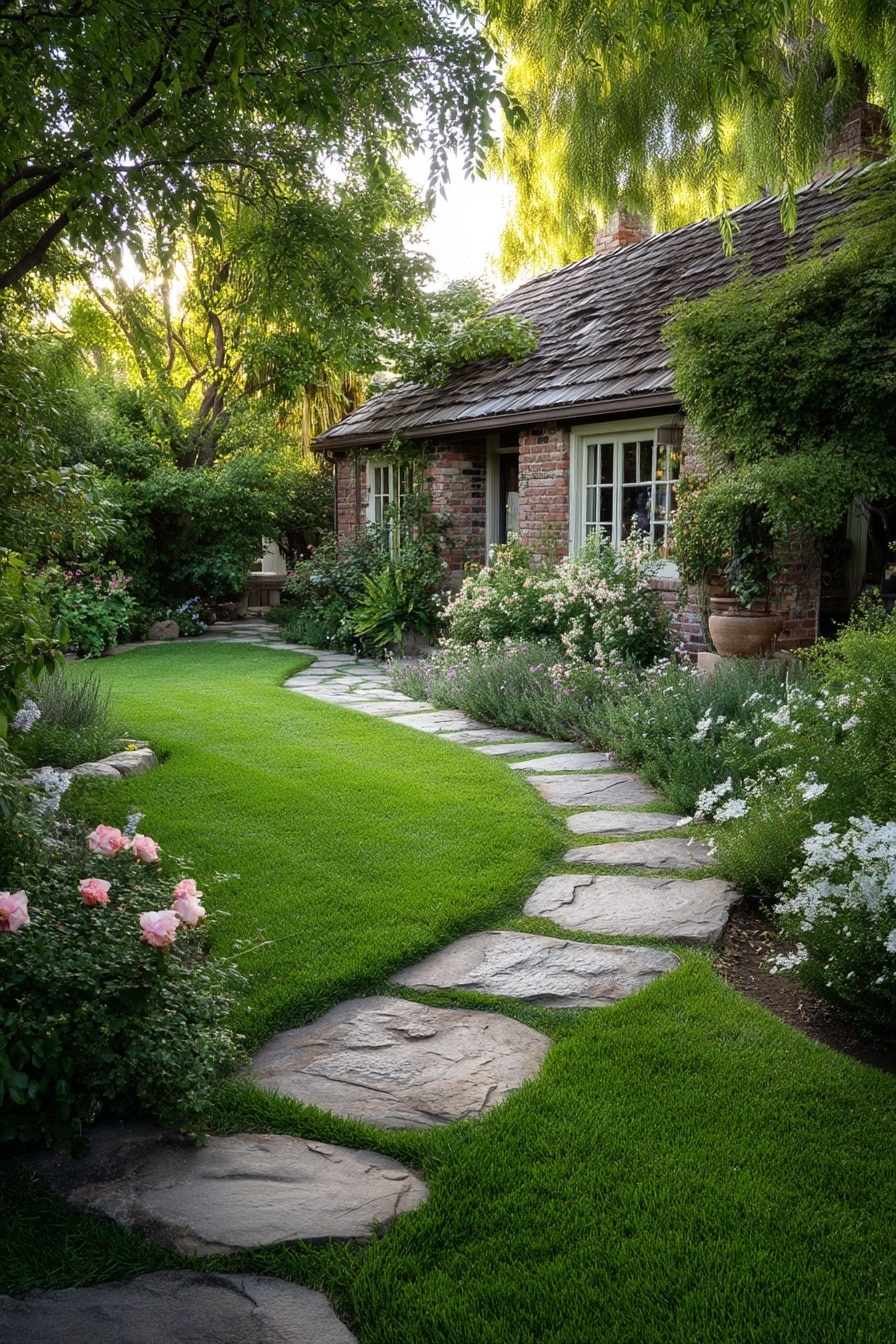
Before planting a single flower, start your cottage garden journey with a simple sketch of your outdoor space. This step is crucial for ensuring your garden feels balanced yet natural. Cottage gardens are known for their relaxed, flowing layouts—so ditch the rigid symmetry and embrace curves, meandering paths, and irregular planting beds.
Use materials that match the old-world charm of cottage gardening. Reclaimed bricks, natural stone, or gravel work beautifully for paths and walkways. Not only do they age gracefully, but they also add texture and visual interest.
When drawing out your layout, be sure to:
- Leave enough space between paths and planting beds for easy maintenance
- Include focal points like arches, benches, or a small birdbath
- Consider how sunlight moves through your space during the day
If you’re working with a smaller yard, paths can help define zones and make your garden feel larger and more intentional. This step sets the tone for your entire garden, so take the time to make it functional and charming.
Step 2: Select Your Plants Thoughtfully for a Classic Cottage Garden Look
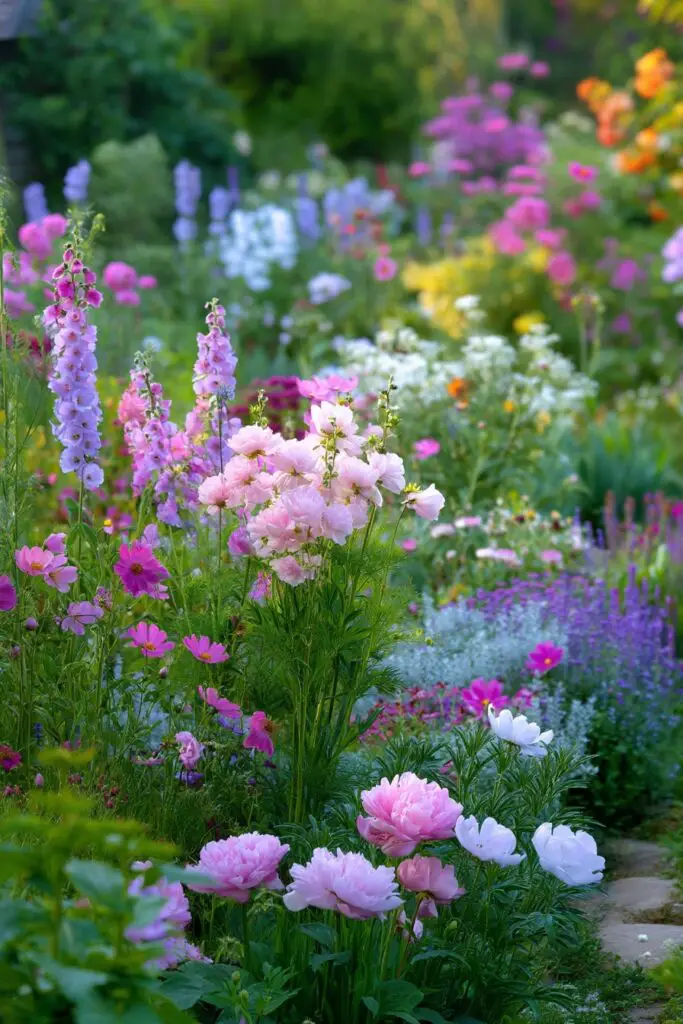
Choosing the right mix of plants is what truly brings a cottage garden to life. This style thrives on abundance, variety, and a hint of organized chaos—so think layers of color, texture, and height. The goal is to make the space feel full and blooming, without looking overly controlled.
Start with hardy perennials like:
- Lavender (for fragrance and pollinators)
- Foxgloves (for height and drama)
- Peonies (for lush, romantic blooms)
Then mix in annuals to fill gaps and add seasonal color. Favorites like cosmos, sweet peas, and zinnias are perfect for a soft, vintage vibe.
To make your planting scheme work well:
- Layer by height: tall plants in the back or center, medium in the middle, and low growers at the front
- Combine different leaf textures and bloom shapes for visual richness
- Stick to a cohesive color palette, such as pastels or jewel tones, for harmony
Don’t worry about being too precise. A true cottage garden embraces a slightly wild feel, so let some plants self-seed or spill into walkways. Just be sure to leave enough breathing room for airflow and plant health—overcrowding can lead to mildew or pests.
This thoughtful approach to plant selection ensures your garden looks full, vibrant, and ever-changing throughout the seasons.
Step 3: Create Layered Planting for Depth and Visual Flow
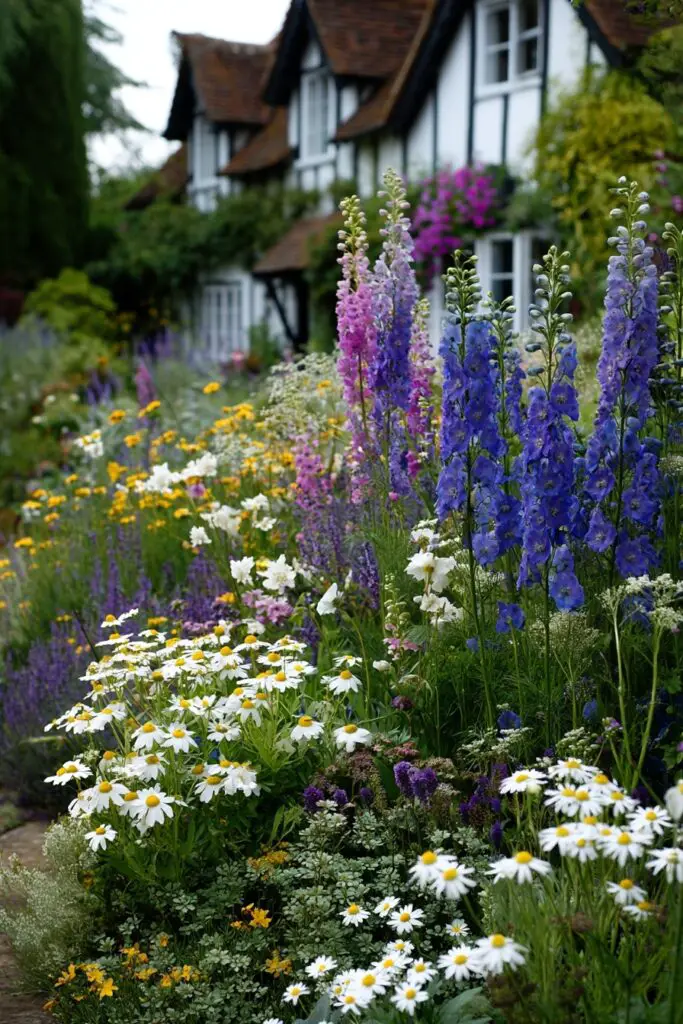
One of the defining features of a successful cottage garden is its lush, layered planting. Rather than spacing plants out evenly or planting in neat rows, think in three dimensions. Layering creates visual depth and ensures your garden feels immersive, not flat.
Use plant height strategically:
- Tall plants like hollyhocks, delphiniums, and sunflowers go in the back or center (if your garden is circular or island-style)
- Medium-height plants such as daisies, yarrow, or echinacea form the mid-layer
- Low-growing plants like alyssum, creeping thyme, or lamb’s ear soften edges and fill gaps
This technique not only creates a fuller look but also encourages natural movement and shadow play as the sun shifts throughout the day. The staggered heights mimic nature and invite the eye to wander.
To make your layers thrive:
- Group plants with similar sunlight and water needs together
- Use rich, well-draining soil with plenty of organic compost
- Mulch to retain moisture and reduce weeds
If you’re gardening in a small space, layering becomes even more essential. Vertical elements like obelisks, trellises, or climbing roses can add height without using up valuable ground space. The more visual levels you incorporate, the more dynamic your cottage garden will feel.
Step 4: Incorporate Rustic Hardscaping and Timeless Decor
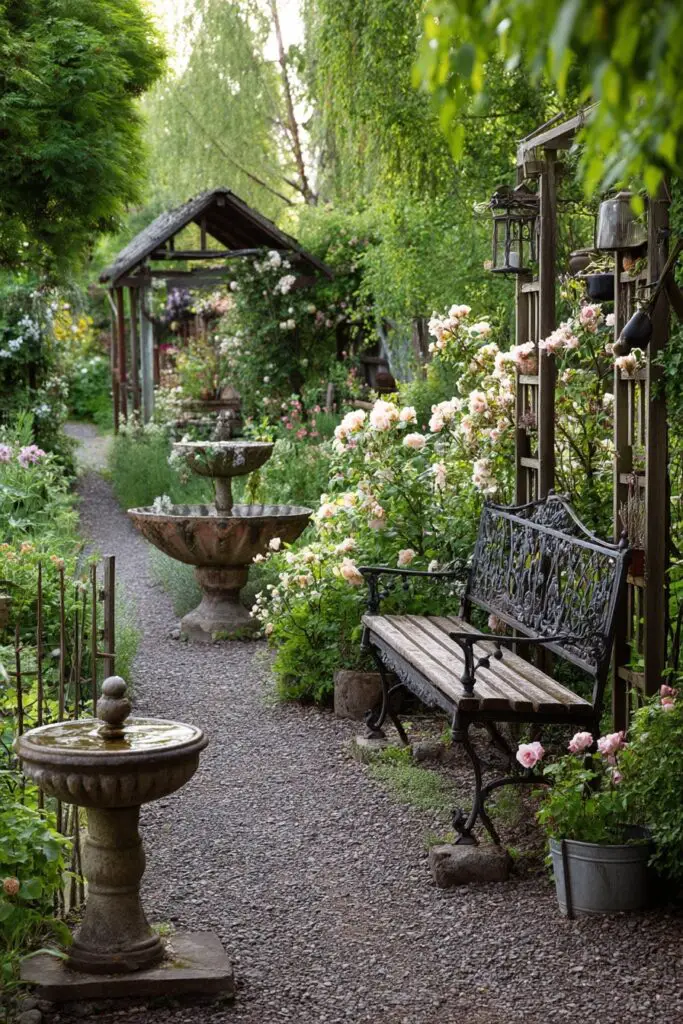
A well-designed cottage garden isn’t just about the plants — it’s the hardscaping and decor that tie everything together and give it lasting charm. These elements add structure, guide the eye, and create welcoming places to rest or reflect.
Start with paths made from natural, aged materials:
- Reclaimed brick
- Weathered flagstone
- Gravel with soft edges
These surfaces feel authentic and help reinforce the relaxed aesthetic that cottage gardens are known for.
Next, consider timeless decor pieces like:
- Wooden or iron trellises for climbing roses and clematis
- Ornamental birdbaths to attract wildlife
- Wrought iron or rustic benches tucked into shady corners
- Vintage watering cans, stone planters, or garden statues
Try to reuse or repurpose materials where possible — not only does this reduce cost and waste, but it also adds to the character of the garden.
If space allows, add a water feature such as a small fountain or bubbling urn. These create a peaceful ambiance and help attract birds and pollinators, enriching your garden’s ecosystem.
Each piece of decor should feel like it belongs, blending into the landscape rather than standing out starkly. When done right, your cottage garden becomes a storybook setting that evolves beautifully with time.
Step 5: Add Finishing Touches with Greenery and Vertical Layers
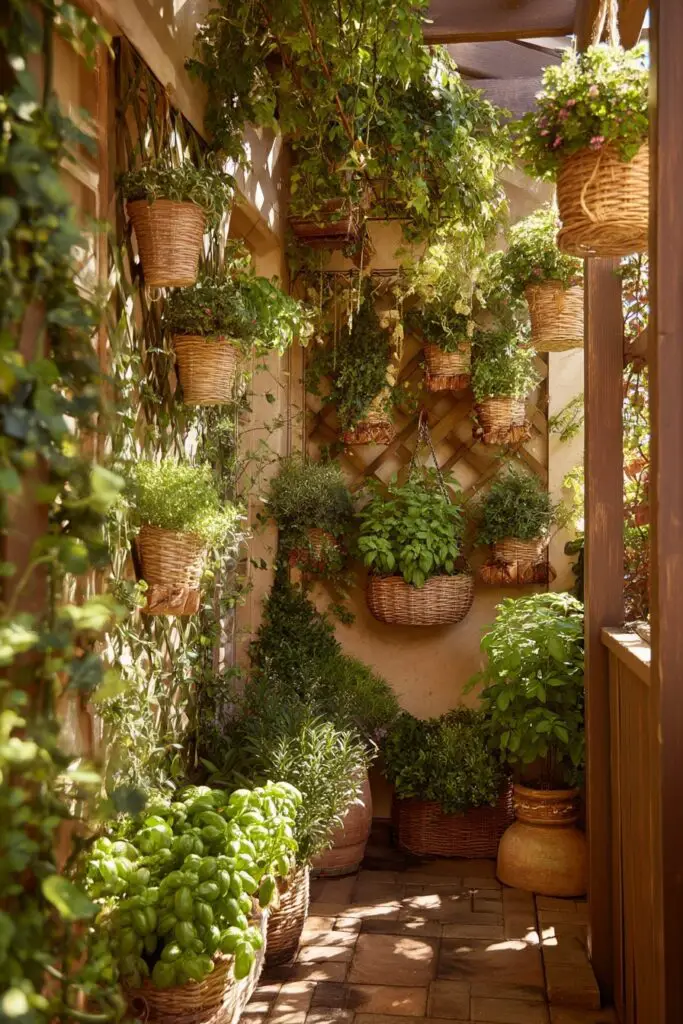
The last step in planning your cottage garden is adding soft, green touches that weave everything together and elevate the space from beautiful to breathtaking. This is where you introduce vertical interest, overflowing containers, and finishing flourishes that enrich the texture of your garden.
Incorporate vertical greenery with:
- Hanging baskets filled with trailing lobelia or petunias
- Wall-mounted planters for herbs or strawberries
- Trellised climbers like honeysuckle, clematis, or sweet peas
These additions are especially useful in small gardens where space is limited but vertical surfaces are plentiful. They draw the eye upward and help soften fences or walls.
Use potted herbs like rosemary, thyme, or mint near seating areas to bring fragrance and function together. Terra cotta pots, weathered urns, or mismatched containers contribute to the informal charm.
Final touches to consider:
- Planting along fence lines or the base of trees for a layered woodland effect
- Filling in bare corners with foliage plants like hostas or ferns
- Adding solar lights or lanterns for soft, magical evening ambiance
A good cottage garden should feel lived-in, loved, and layered—never over-designed. These finishing touches help the space feel abundant, personal, and always evolving with the seasons.
Conclusion
Creating a thriving cottage garden is less about perfection and more about personality. By focusing on five simple but essential steps — thoughtful layout, layered planting, classic flower choices, rustic decor, and soft green touches — you’ll design a space that feels welcoming, whimsical, and wonderfully yours.
Best of all, once your garden is established, it requires surprisingly low maintenance. Many perennials return year after year, and the informal structure means you don’t need to prune or control every corner. Let nature take the lead, and your cottage garden will reward you with beauty in every season.