
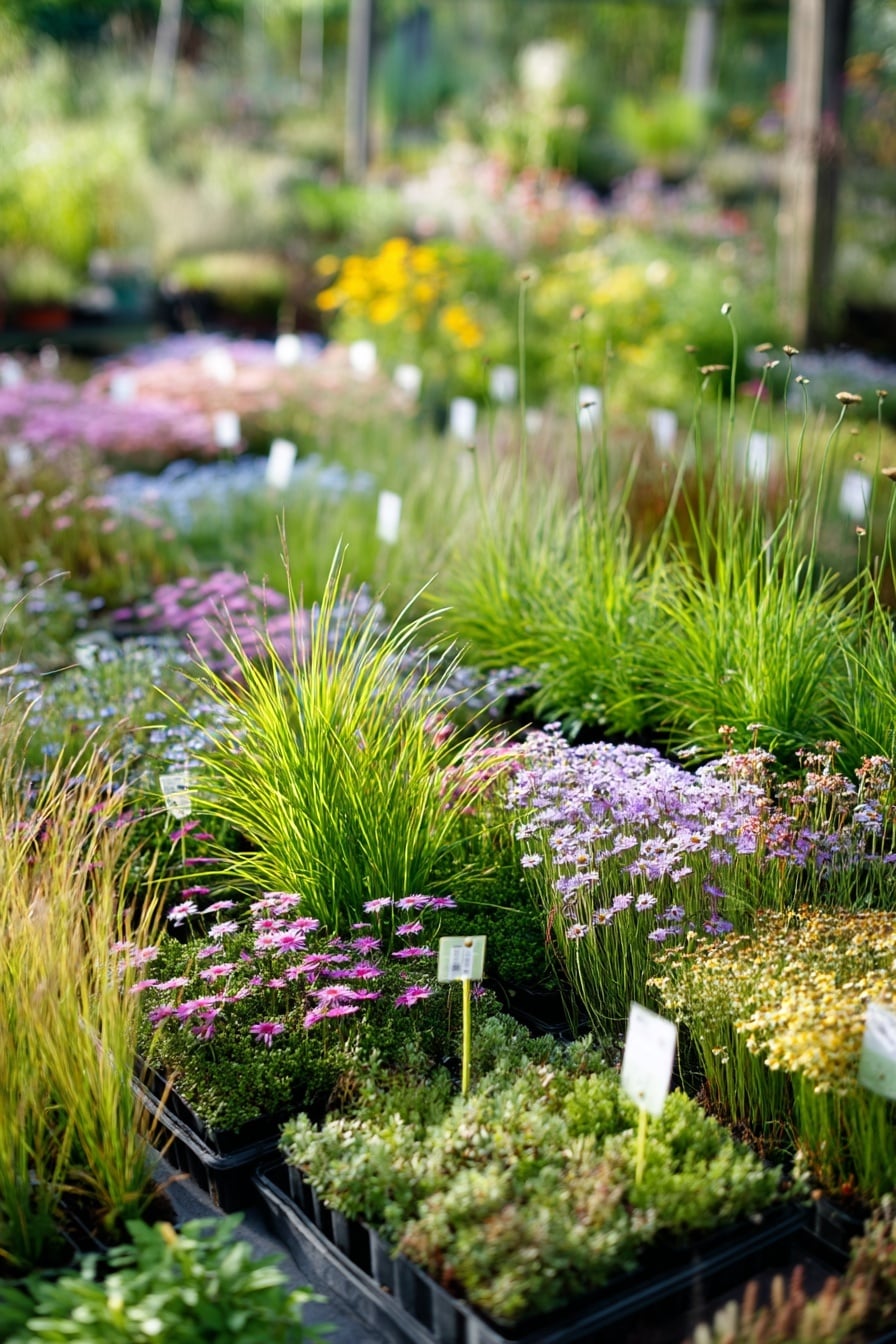
meadow gardens bring a natural, flowing beauty to your landscape, blending grasses, flowering plants, and wildlife-friendly elements into a harmonious outdoor space. Unlike formal beds or tightly clipped lawns, a meadow garden mimics the relaxed, open structure of fields found in nature, inviting movement, color, and biodiversity throughout the growing season.
Whether you have a small backyard or a larger property, with careful planning and the right plant mix, you can create a meadow that’s both visually stunning and environmentally valuable. Let’s walk through how to plan, plant, and maintain your own meadow garden.
Table of Contents
What Is a Meadow Garden?

A meadow garden is a landscape that simulates an open habitat of native grasses and flowering plants. It doesn’t imitate a manicured lawn; instead, it presents a relaxed collection of plants that sway with the wind and offer seasonal interest.
These gardens are often low-maintenance once established, rely on native species suited to local conditions, and provide essential habitat for pollinators and birds. Unlike traditional flower beds, meadow gardens can be long-lasting and resilient without frequent watering, fertilizing, or mowing.
Planning Your Meadow Garden

Before planting, thoughtful planning will set the foundation for meadow success. Consider the following:
Choose the Right Site
Look for a sunny location that receives at least six hours of direct light daily. Meadows thrive in full sun and generally perform best where light is abundant.
Research Local Conditions
Check your region’s soil type, rainfall patterns, and native plant lists. Native grasses and perennials are key to creating a meadow that feels authentic and is well-adapted to your environment.
Size and Layout
Meadows can be large or small. You might dedicate an entire backyard corner, a slope, or even a curbside strip. Mapping out the area helps you estimate plant quantities and arrange paths or focal points.
Choosing Meadow Plants
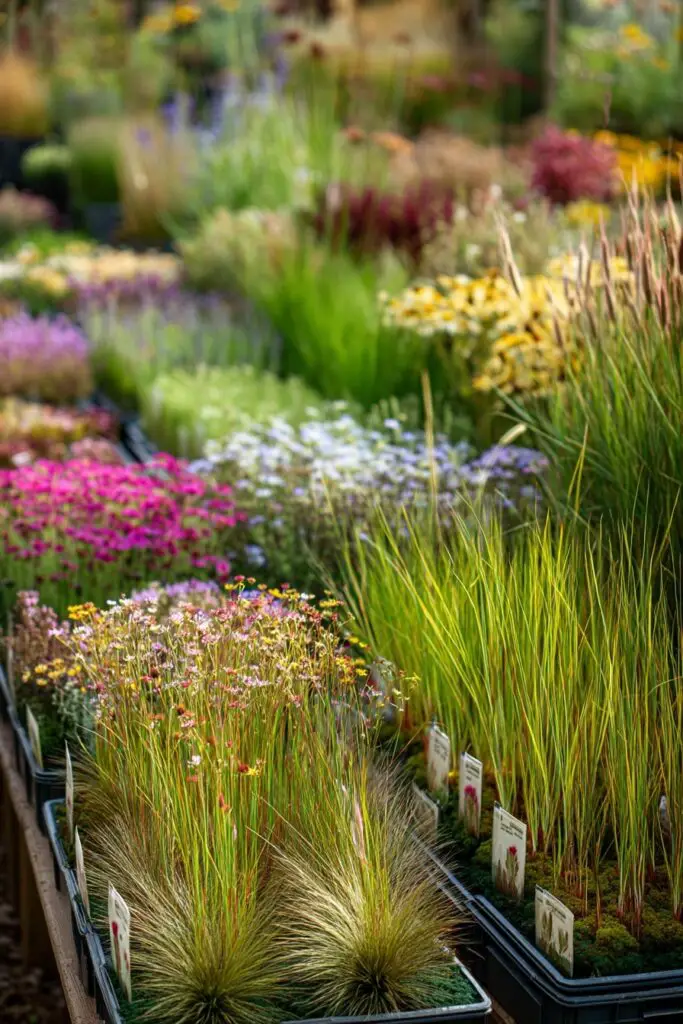
A successful meadow garden blends texture, color, and height. Aim for a balance of grasses and flowering plants:
Grasses: The Structure
Grasses form the backbone of your meadow. Most meadow makers recommend around 60% grasses to create movement and texture. These plants provide structure all year long, even in winter when other plants die back.
Popular ornamental grasses include:
- Little bluestem
- Switchgrass
- Blue fescue
- Sedges
These varieties move beautifully in the breeze and help suppress weed growth.
Flowering Perennials: The Color
Flowering plants make up about 35–40% of a meadow garden. Their blooms add seasonal bursts of color and attract beneficial insects.
Consider including:
- Black-eyed Susans
- Coneflowers
- Asters
- Blanket flowers
Plant in drifts of 3, 5, or more of the same species to create visual impact.
How to Plant a Meadow Garden
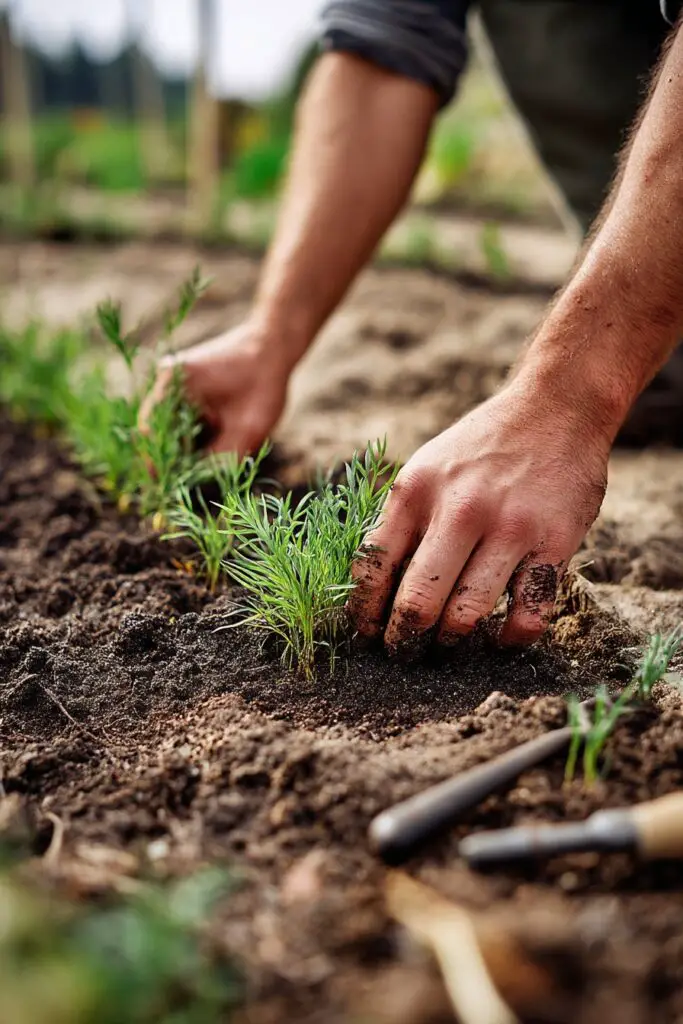
Once your site is ready and plants or seeds selected, follow these steps:
Clear the Area
Remove existing vegetation by tilling, solarizing with clear plastic, or covering with mulch. This helps prevent weeds from overtaking newly planted meadow areas.
Soil Preparation
Loosen soil and mix in a small amount of compost if needed. Avoid over-amending; many native meadow plants thrive in lean, well-drained soil.
Planting Techniques
Space plants according to their mature size so they can fill in naturally and suppress weeds. For seed mixes, sprinkle evenly or mix with sand for more uniform distribution.
Meadow Garden Maintenance
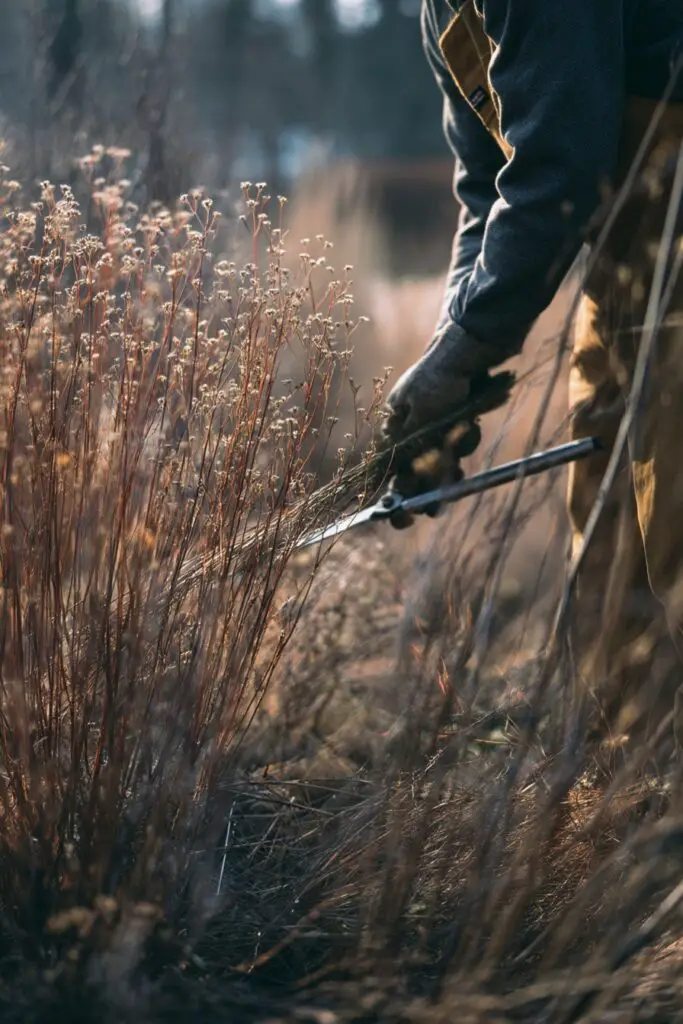
Meadows are lower maintenance than traditional flower beds, but some care is still necessary:
Watering
Keep soil moist until seedlings or transplants are established. Once roots are strong, many meadow plants are drought-tolerant.
Pruning and Deadheading
Trim back dead growth in late winter or early spring before new growth begins. Remove spent blooms if you prefer a tidier look.
Occasional Mowing
Established meadows benefit from mowing once a year or every few years to prevent shrubs and trees from encroaching and to help seed distribution.
Benefits of Meadow Gardens
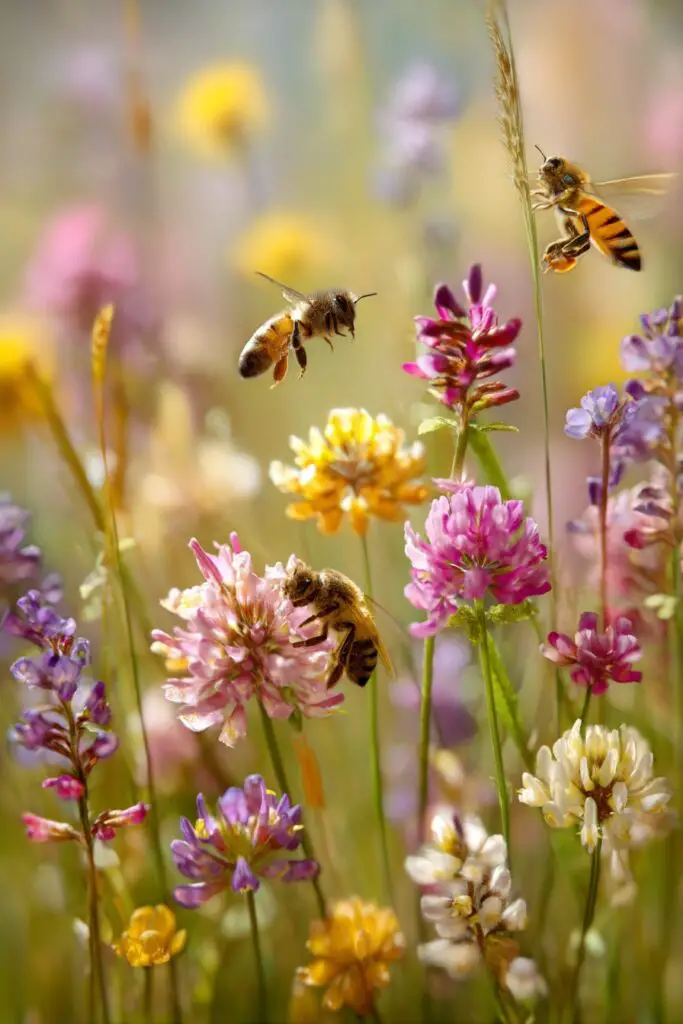
Beyond aesthetics, meadow gardens offer environmental advantages:
- Support for pollinators such as bees, butterflies, and birds
- Less frequent watering and mowing than traditional lawns
- Natural seasonal evolution of plant life
- Habitat diversity that supports local ecosystems
By mimicking natural grasslands, you create a sustainable garden space that contributes to biodiversity.
Conclusion
A meadow garden can turn any outdoor space into a lively, textured, and ecologically rich landscape. With thoughtful plant selection, planning, and gentle care, you’ll enjoy blooms, grass movement, and visits from pollinators throughout the seasons. Whether you’re replacing a traditional lawn or adding a bold new garden feature, meadow gardens offer beautiful, naturalistic appeal that evolves over time.