
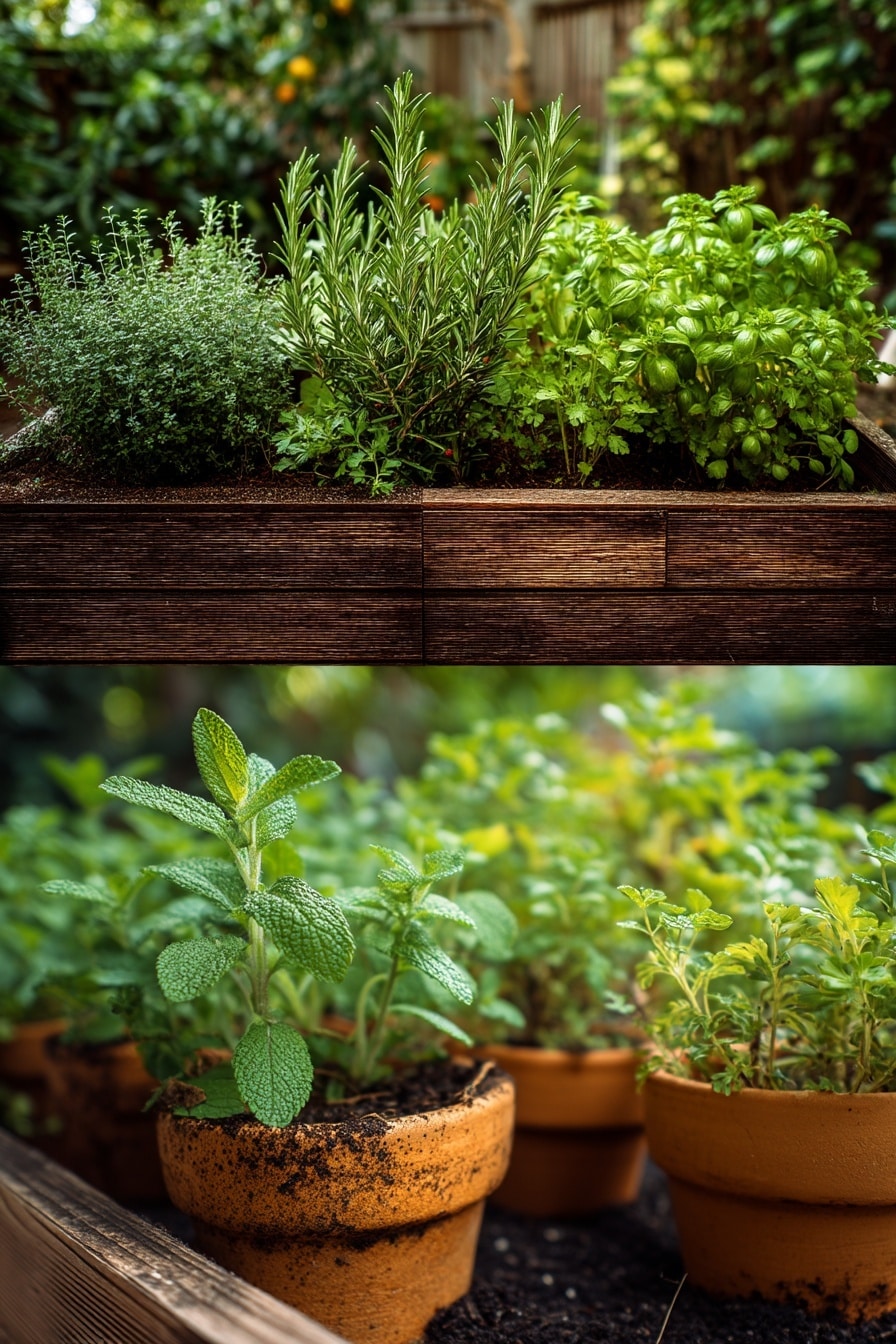
Herb garden projects are one of the easiest and most rewarding ways to begin gardening at home. Whether you live in a small apartment or have a spacious backyard, starting a herb garden allows you to grow fresh, fragrant plants you can use daily in cooking, teas, and even natural remedies.
A well-planned herb garden doesn’t require expensive tools or advanced skills. With the right herbs, proper placement, and consistent care, beginners can enjoy steady harvests within weeks. Many first-time gardeners are surprised at how simple a herb garden can be when broken down into manageable steps.
In this guide, you’ll learn how to choose the best herbs, decide between seeds or starter plants, prepare your space, and maintain a healthy herb garden that continues producing throughout the season.
Table of Contents
Choose Easy Herbs for Your Herb Garden

Starting a herb garden becomes much easier when you begin with plants that are forgiving and fast-growing. Some herbs tolerate minor mistakes in watering, soil, or sunlight, making them ideal for beginners.
Here are reliable choices for a first herb garden:
- Basil – Thrives in warm weather and grows quickly.
- Mint – Very hardy, but best grown in containers to prevent spreading.
- Parsley – Adaptable and useful in many dishes.
- Chives – Low maintenance and regrow after cutting.
- Rosemary – Prefers well-drained soil and plenty of sun.
- Thyme – Compact and drought-tolerant.
When selecting herbs, think about what you cook most often. A herb garden should match your kitchen habits. Growing herbs you actually use keeps you motivated and reduces waste.
It’s also helpful to mix annual herbs (like basil) with perennials (like rosemary and thyme). This way, part of your herb garden returns year after year, while others can be refreshed each season.
If you already grow vegetables, you might consider linking this herb garden with companion planting. Herbs such as basil and chives can help deter pests when placed near tomatoes or leafy greens.
Seeds or Starter Plants for Your Herb Garden?
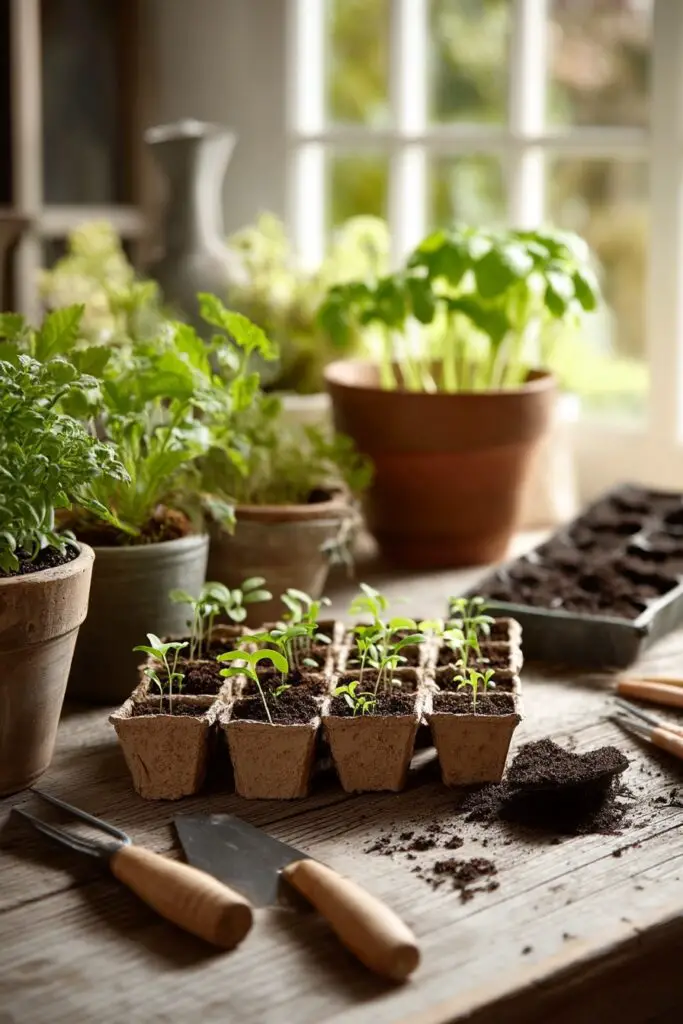
One of the first decisions you’ll make when planning a herb garden is whether to grow from seeds or purchase young starter plants. Both options work well, but each has its advantages.
Growing from Seeds
Starting a herb garden from seeds is budget-friendly and offers more variety. You can choose from dozens of herb types and experiment with different flavors.
Benefits of seeds:
- Lower cost
- Wider selection
- Satisfaction of growing from scratch
However, seeds require patience. Germination can take 7–21 days depending on the herb, and seedlings need consistent moisture and light. If this is your first herb garden, expect a small learning curve.
Buying Starter Plants
Starter plants are ideal if you want quicker results. You can transplant them directly into your garden or containers and begin harvesting sooner.
Advantages include:
- Faster harvest
- Stronger early growth
- Easier for beginners
If you want a simple start, combine both methods in your herb garden. Purchase hardy herbs like rosemary and thyme as starter plants, and grow fast herbs like basil or parsley from seed.
This balanced approach gives your herb garden a head start while still keeping costs reasonable.
Choose the Right Location for Your Herb Garden
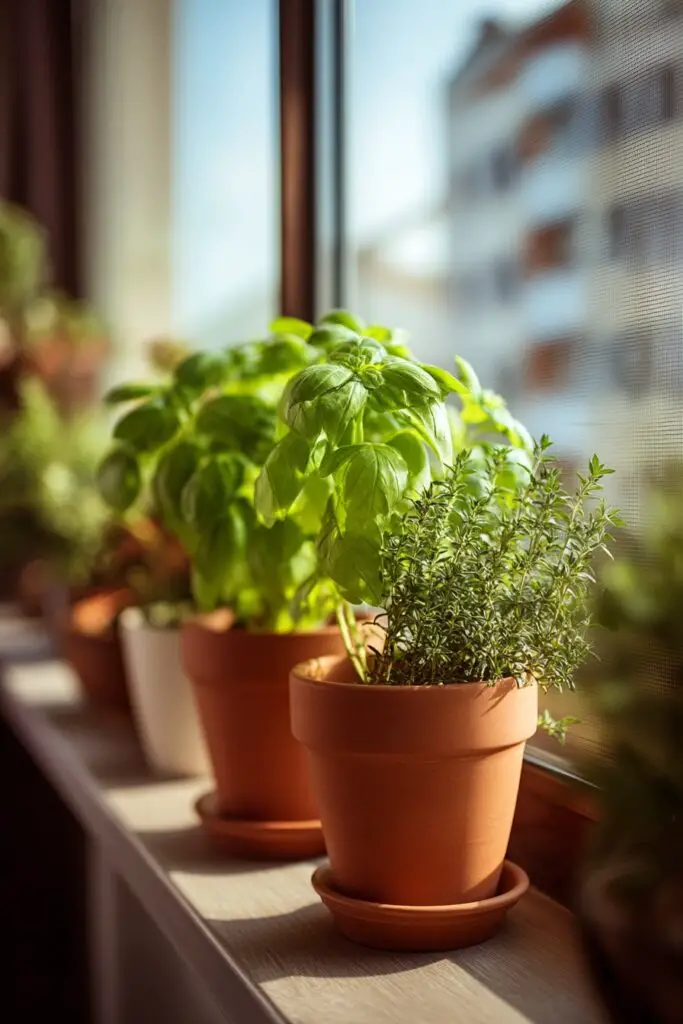
Location plays a major role in the success of a herb garden. Most culinary herbs thrive in full sun, meaning they need at least 6–8 hours of direct sunlight daily.
Before planting, observe your space for a few days. Notice where sunlight falls in the morning and afternoon. South-facing balconies, patios, and garden beds are often ideal for a productive herb garden.
If you’re growing indoors, place your herb garden near a bright window. If natural light is limited, consider using a small grow light to maintain steady growth.
Soil and Drainage Matter
Good drainage is essential for a healthy herb garden. Most herbs dislike sitting in soggy soil, which can lead to root rot.
To improve soil quality:
- Use well-draining potting mix for containers
- Add compost to garden beds
- Avoid heavy clay soil unless amended
If you’re planting outdoors, loosen the soil at least 6–8 inches deep. Removing rocks and breaking up compacted areas helps roots grow freely.
Spacing Your Herbs
Overcrowding can reduce airflow and increase the risk of disease. Even a small herb garden benefits from proper spacing.
- Basil: 12 inches apart
- Parsley: 6–10 inches apart
- Rosemary: 18–24 inches apart
Giving each plant enough room ensures stronger growth and better harvests.
If you also grow vegetables, consider grouping your herb garden nearby for convenience. Having herbs close to your kitchen door makes daily harvesting simple and encourages regular use.
Choose Containers or Plant Directly in the Ground
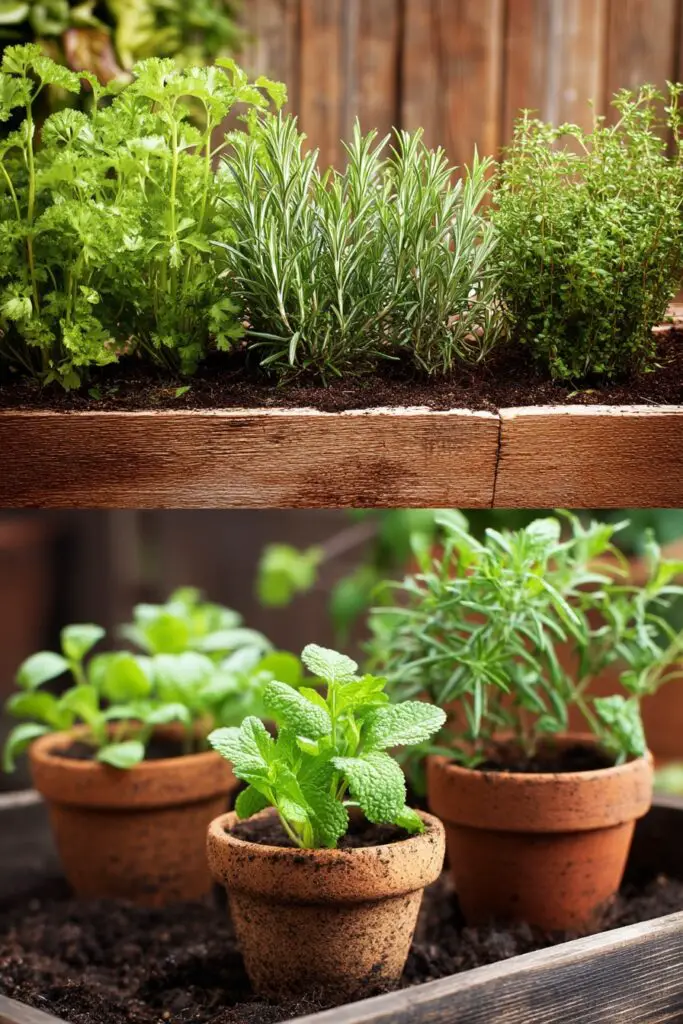
A herb garden can thrive in pots, raised beds, or directly in the ground. The right choice depends on your available space, climate, and how much flexibility you want.
Growing a Herb Garden in Containers
Containers are perfect for balconies, patios, and small spaces. They also allow you to move your herb garden to follow sunlight or protect plants during extreme weather.
Benefits of container gardening:
- Easy to control soil quality
- Better drainage
- Portable and space-efficient
- Ideal for invasive herbs like mint
Choose pots with drainage holes and at least 6–12 inches of depth, depending on the herb. Larger herbs like rosemary need deeper containers, while chives and thyme can grow well in smaller pots.
Using high-quality potting mix keeps your herb garden healthy and reduces the risk of compacted soil.
Planting a Herb Garden in the Ground
If you have yard space, planting directly in the ground allows herbs to grow larger root systems. This often results in stronger plants and higher yields.
Before planting:
- Loosen the soil
- Mix in compost
- Ensure the area drains well after rain
Raised beds are another excellent option. They combine the benefits of in-ground planting with improved drainage and soil control.
Whether you choose containers or garden beds, consistency matters more than method. A well-maintained herb garden will produce generously in either setup.
Watering and Caring for Your Herb Garden
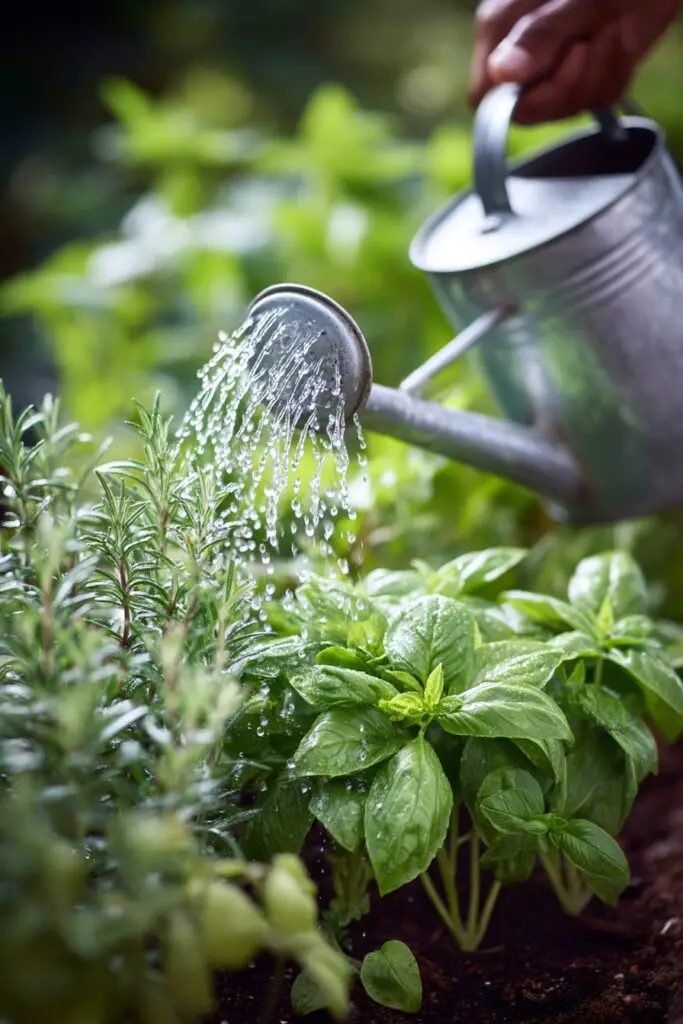
Proper care keeps your herb garden productive throughout the growing season. While herbs are generally low-maintenance, consistent watering and light pruning make a noticeable difference.
How Often Should You Water?
Most herbs prefer slightly moist soil, not soggy conditions. A good rule for a herb garden is to water when the top inch of soil feels dry.
- Container herbs usually need watering more often
- Outdoor garden beds may require less frequent watering
- Always water at the base of the plant
Overwatering is one of the most common mistakes in a herb garden. Herbs like rosemary and thyme prefer drier soil compared to basil or parsley.
Feeding Your Herb Garden
Herbs do not need heavy fertilizing. Too much fertilizer can reduce flavor intensity.
For best results:
- Add compost before planting
- Use a diluted liquid fertilizer once a month if needed
- Avoid high-nitrogen fertilizers
Healthy soil is usually enough to support a thriving herb garden.
Pruning for Better Growth
Regular trimming encourages bushier growth and prevents herbs from becoming leggy.
- Pinch basil leaves above a leaf node
- Cut chives about 1–2 inches above the soil
- Trim rosemary lightly to shape
Frequent harvesting actually benefits your herb garden by promoting new growth.
Harvesting Your Herb Garden the Right Way
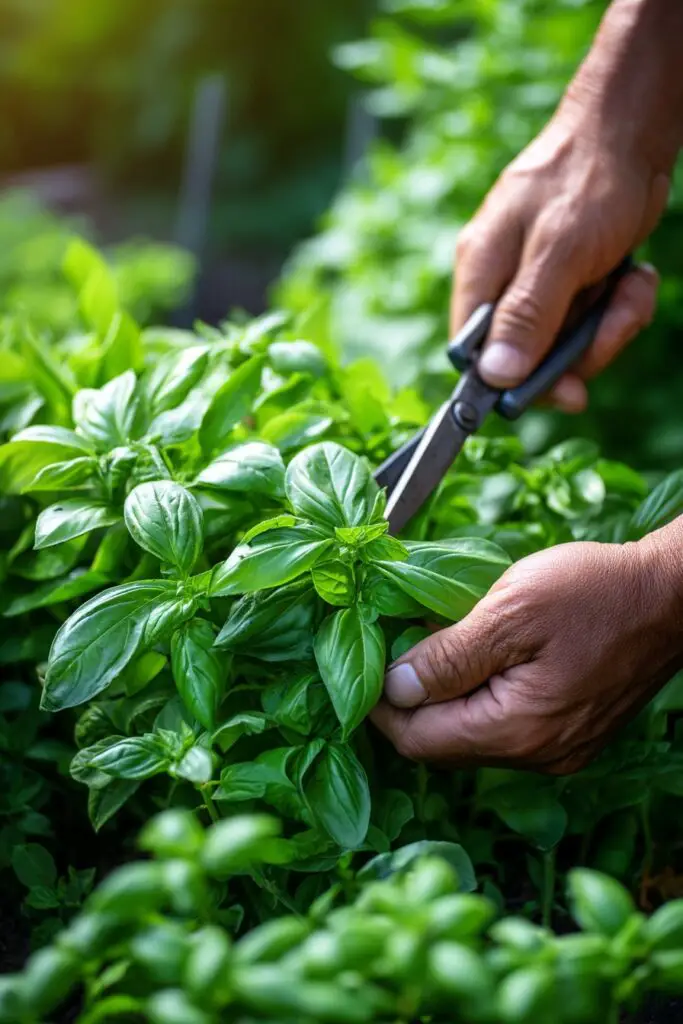
Harvesting is the most satisfying part of maintaining a herb garden. With proper timing and technique, you can encourage continuous growth while enjoying fresh herbs all season.
When to Harvest
Most herbs are ready to harvest once they have established several sets of leaves. Avoid cutting too early, as young plants need time to build strength.
For the best flavor:
- Harvest in the morning after dew dries
- Pick leaves before flowering
- Take no more than one-third of the plant at a time
Regular harvesting keeps your herb garden productive and prevents plants from becoming woody or overgrown.
How to Harvest Properly
Use clean scissors or garden snips to avoid damaging stems. Pinch or cut just above a leaf node, which encourages branching and fuller growth.
If your herb garden produces more than you can use fresh, consider:
- Air-drying herbs like rosemary and thyme
- Freezing chopped basil in olive oil
- Storing parsley in the refrigerator wrapped in a damp towel
Preserving your harvest ensures your herb garden continues adding value beyond the growing season.
Final Thoughts on Starting a Herb Garden
A successful herb garden doesn’t require complicated tools or advanced gardening skills. By choosing beginner-friendly herbs, providing adequate sunlight, using well-draining soil, and maintaining a simple care routine, you can grow a steady supply of fresh herbs at home.
Start small, stay consistent, and adjust as you learn. Over time, your herb garden will become one of the most practical and enjoyable parts of your home gardening routine.