
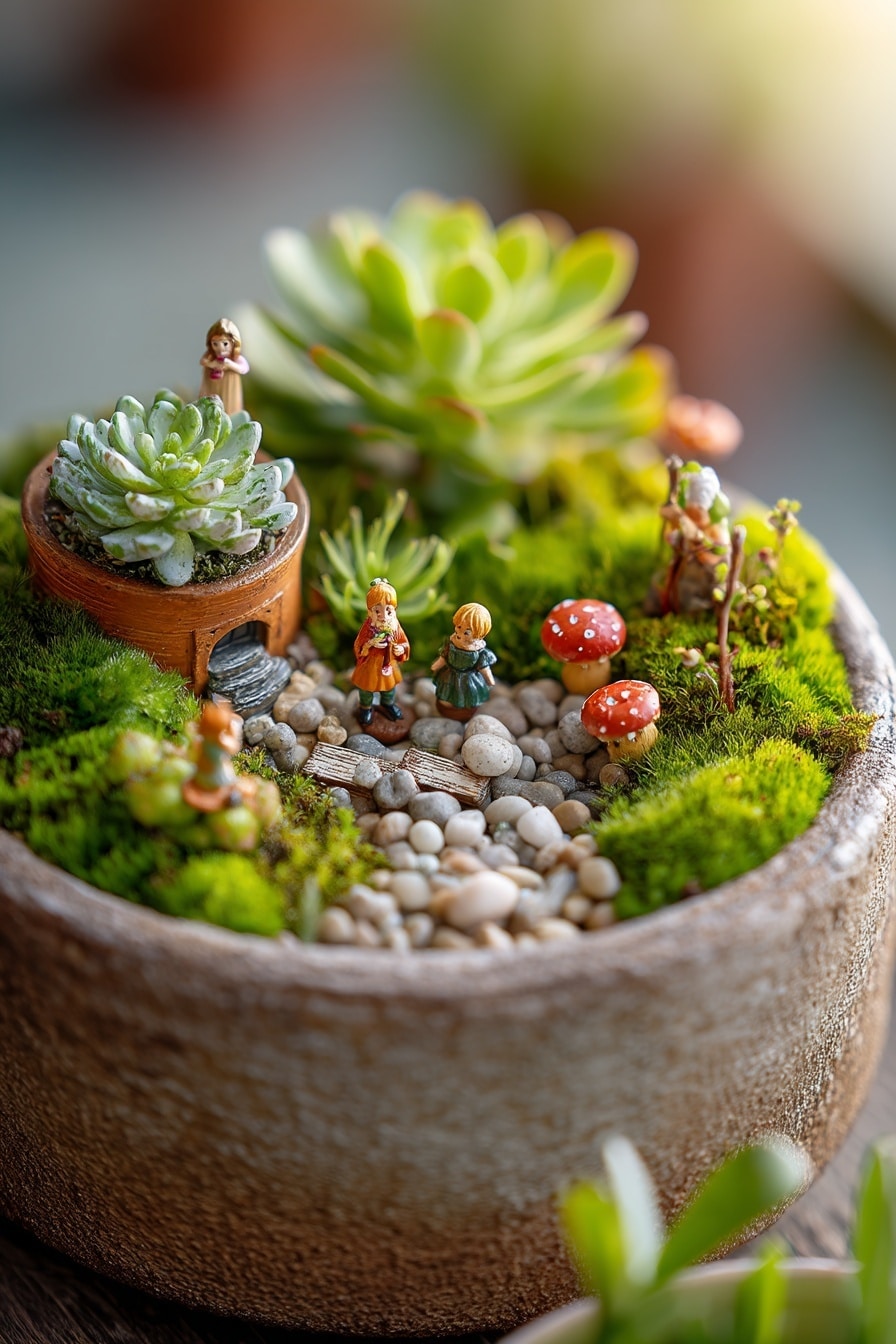

Fairy garden designs bring a sense of charm and imagination into any outdoor or indoor space. Whether placed in a small container, a shaded corner, or a backyard nook, a fairy garden blends tiny plants, soft textures, and creative elements to create a magical setting. With the right plant choices, your fairy garden can feel lush, inviting, and full of life throughout the seasons.
This guide highlights five plant types that work beautifully in a fairy garden, along with simple tips to help you build a balanced and enchanting display.
Table of Contents
1. Moss for a Soft, Magical Base

Moss is often the foundation of a fairy garden because it creates a natural, carpet-like effect.
Why Moss Works Well
- Provides a soft, green ground cover
- Retains moisture in shaded areas
- Adds an aged, woodland feel
Moss helps your fairy garden look established and cohesive, especially in miniature landscapes.
Planting Tip
Keep moss in a shaded, humid spot and mist it regularly to maintain its lush appearance.
2. Miniature Ferns for Woodland Charm

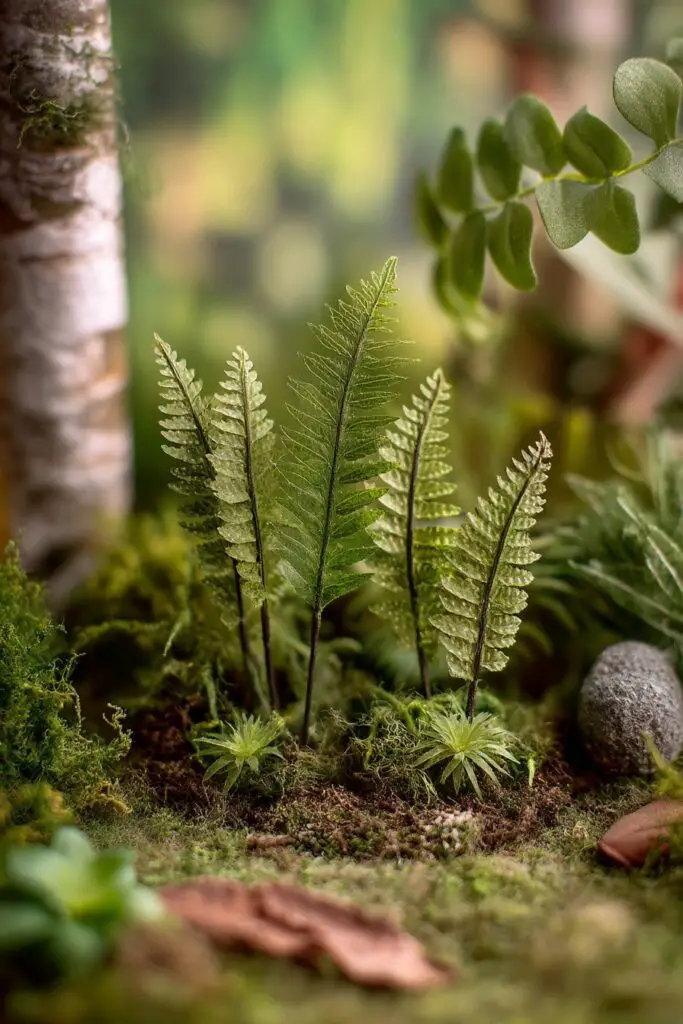
Ferns add texture and height while keeping the fairy garden feeling natural and serene.
Best Features
- Delicate, feathery leaves
- Thrive in partial to full shade
- Easy to maintain
Mini ferns fit perfectly into a fairy garden, giving it a forest-like atmosphere.
3. Creeping Thyme for Ground Cover

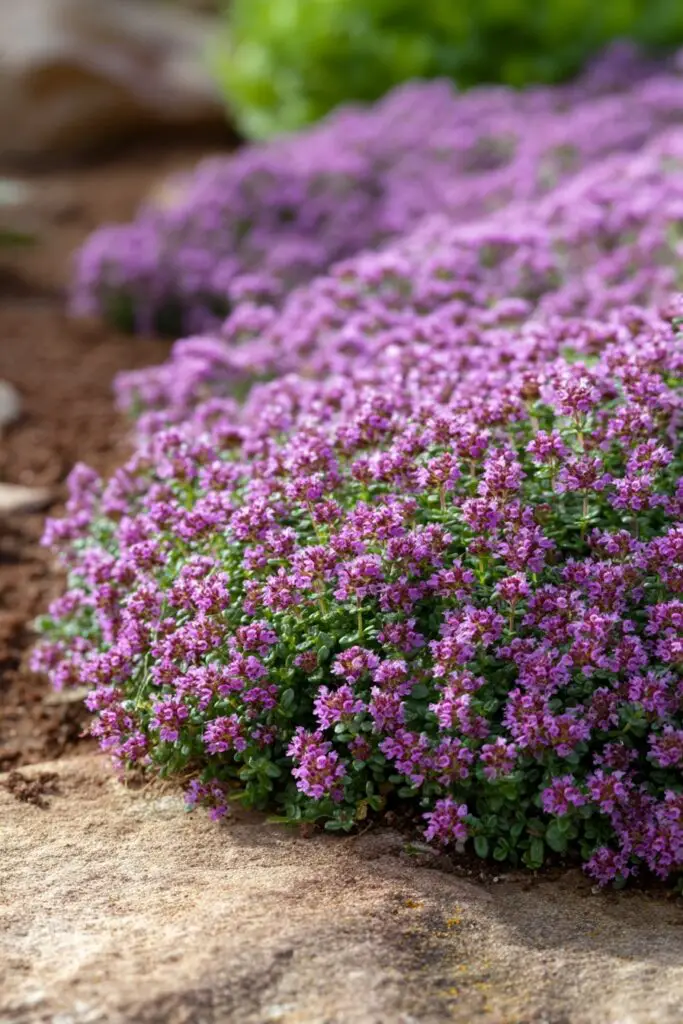
Creeping thyme is a great addition if you want both beauty and function in your fairy garden.
Benefits
- Spreads gently across the soil
- Produces tiny flowers
- Releases a light fragrance
This plant adds color and softness while enhancing the sensory appeal of your fairy garden.
4. Succulents for Sunny Fairy Gardens
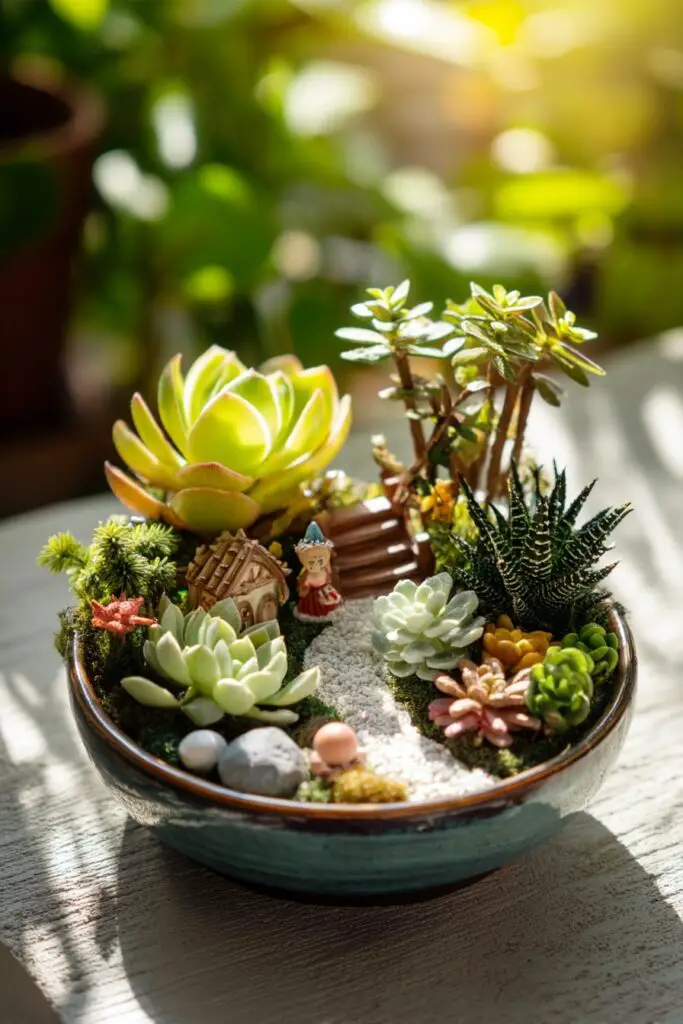
If your fairy garden receives plenty of sunlight, succulents are a practical and stylish choice.
Why Choose Succulents
- Require minimal watering
- Come in various shapes and colors
- Perfect for dry conditions
Succulents give your fairy garden a modern twist while keeping maintenance simple.
5. Baby Tears for a Lush Green Look

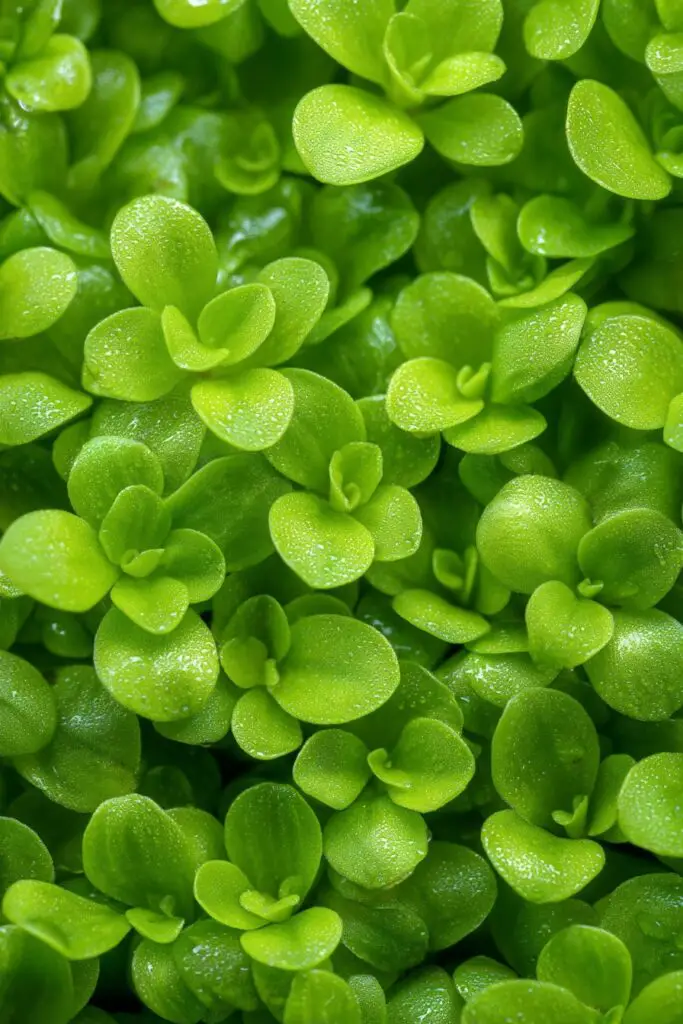
Baby tears plants create a dense, vibrant green layer that works beautifully in small spaces.
Key Advantages
- Tiny leaves for a delicate appearance
- Spreads quickly to fill gaps
- Ideal for containers
This plant enhances the fullness of your fairy garden and helps tie all elements together.
Tips for Designing a Balanced Fairy Garden
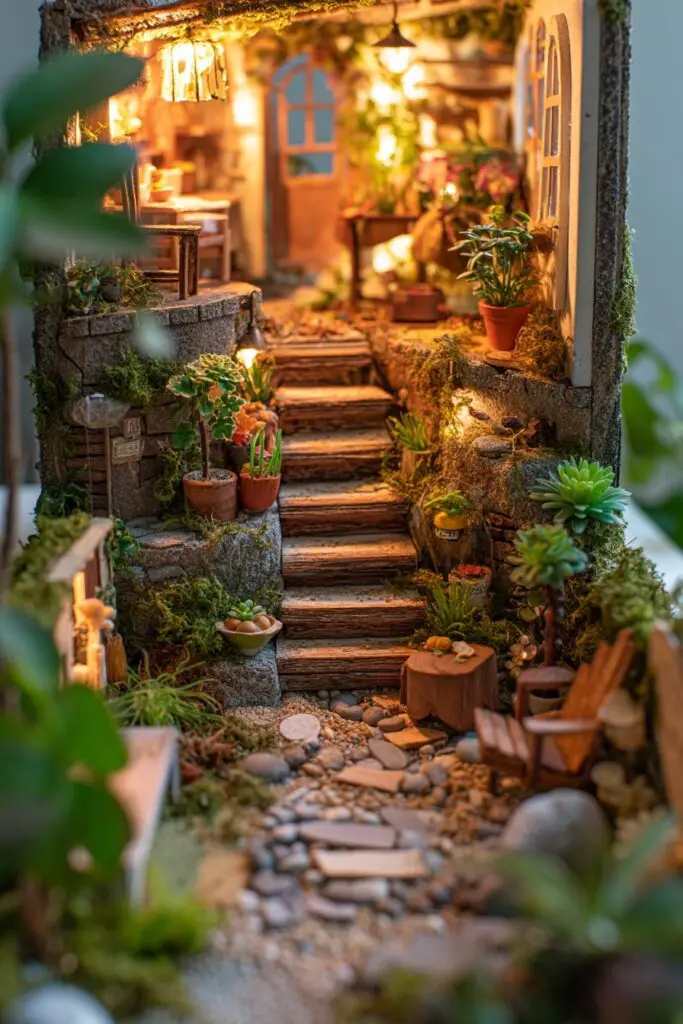
A successful fairy garden isn’t just about plants—it’s also about layout and creativity.
Simple Design Ideas
- Use small pathways made of pebbles
- Add miniature furniture or figurines
- Combine different plant heights for depth
Keeping your fairy garden balanced ensures it looks natural rather than overcrowded.
Conclusion

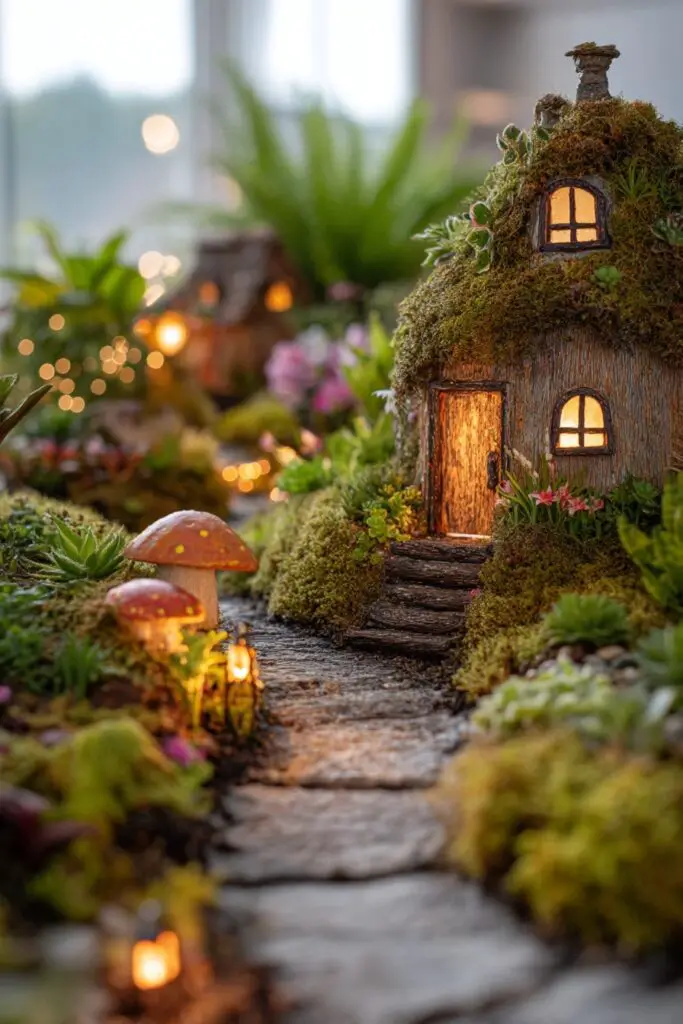
A fairy garden offers a creative way to bring greenery and imagination together in one space. By choosing plants like moss, ferns, creeping thyme, succulents, and baby tears, you can create a layered and visually appealing design. With simple care and thoughtful arrangement, your fairy garden can remain a charming focal point throughout the year.