
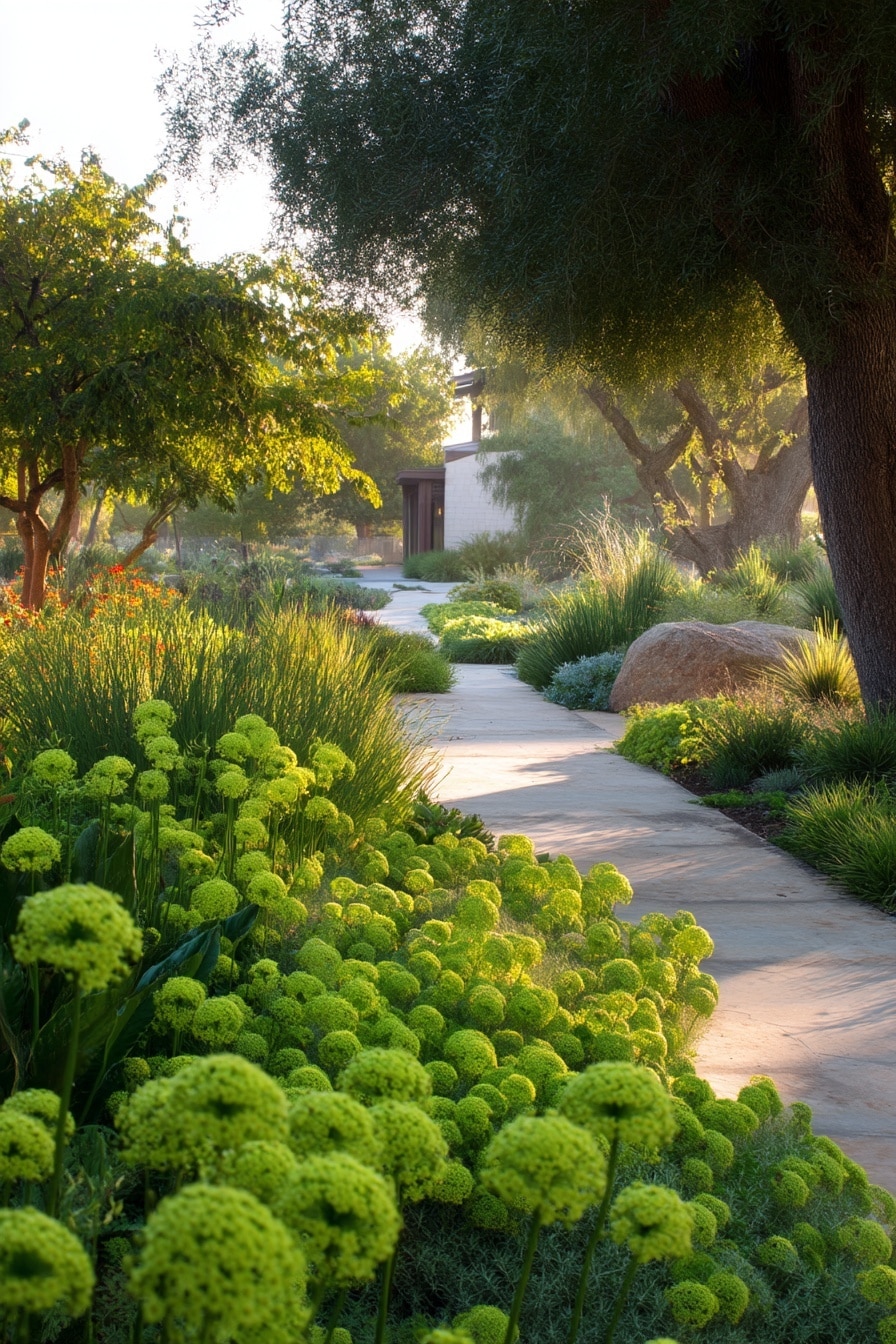
Green flowers might not be the most conventional choice, but they bring a subtle elegance and surprising charm to any garden space. Their calming tones blend effortlessly with foliage, adding depth and texture without overwhelming the senses. Whether you’re aiming for a monochromatic palette or want a refreshing contrast to bright blooms, the best green flowering plants for gardens offer beauty that’s both unexpected and unforgettable. In this guide, you’ll discover how to incorporate these understated stars into your landscape and which varieties thrive in different garden settings.
Table of Contents
Table of Contents
🌱 Why Choose Green Flowers?

While most gardeners instinctively gravitate toward vibrant reds, purples, and yellows, green flowers offer a unique appeal that’s often overlooked. Their subtle coloration provides a calming presence and creates a seamless transition between blooms and foliage. Instead of demanding attention, green flowers invite a closer look, revealing delicate details that are easy to miss among more dramatic colors.
Garden designers love green blooms for their versatility. They work beautifully in both modern and cottage-style landscapes, acting as a neutral element that can soften bold color combinations or enhance a monochromatic scheme. They’re also perfect for shady areas where bright flowers might struggle to shine, offering texture and interest without overwhelming the space.
Whether used as focal points or background support, green flowers elevate your garden’s aesthetic by offering balance, structure, and elegance. Plus, many varieties are long-blooming, low-maintenance, and pollinator-friendly, making them as practical as they are beautiful.
🌼 Top 10 Green Flowers to Grow in Your Garden
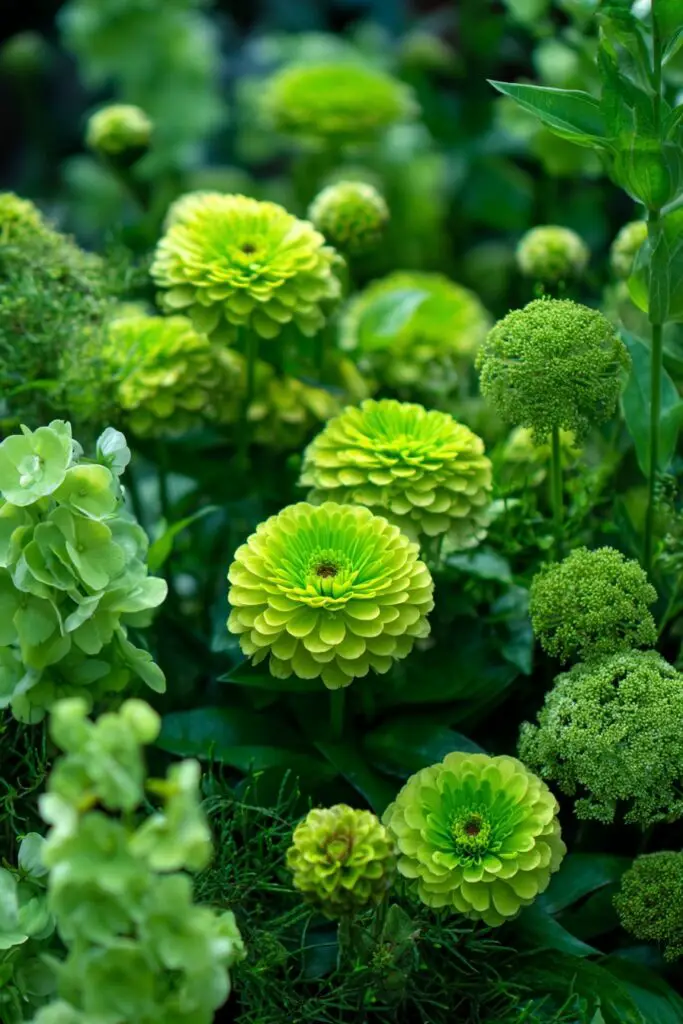
If you’re looking to add a refreshing twist to your garden, these green flowers are excellent choices. From shade-loving blooms to sun-hardy perennials, these plants bring subtle color and texture to any landscape.
1. Green Zinnia (Zinnia elegans ‘Envy’)
With its bold, chartreuse petals, this annual is a standout in sunny borders. It thrives in full sun, blooms from summer to frost, and attracts butterflies. Great for cutting gardens too.
- Height: 24–30 in.
- Zones: Grown as an annual
- Bloom Time: Summer through fall
2. Lady’s Mantle (Alchemilla mollis)
Known for its soft, frothy green flowers and scalloped foliage, this shade-loving perennial adds texture to woodland gardens and borders.
- Height: 12–18 in.
- Zones: 3–8
- Bloom Time: Late spring to early summer
3. Bells of Ireland (Moluccella laevis)
Tall, dramatic spires of bell-shaped green calyxes make this annual a favorite for vertical interest. It’s also popular in floral arrangements.
- Height: 24–36 in.
- Zones: Annual
- Bloom Time: Summer
4. Green Hellebore (Helleborus viridis)
One of the earliest blooming green flowers, hellebores offer subtle, nodding blooms that appear even when snow is still on the ground.
- Height: 12–18 in.
- Zones: 4–9
- Bloom Time: Late winter to early spring
5. Limelight Hydrangea (Hydrangea paniculata ‘Limelight’)
These lush panicle blooms start a soft lime green and gradually shift to pink as the season progresses, adding changing interest all summer.
- Height: 6–8 ft.
- Zones: 3–8
- Bloom Time: Mid to late summer
6. Green Chrysanthemum (Chrysanthemum ‘Green Mist’)
Perfect for fall gardens, this mum variety produces tight clusters of greenish-yellow flowers that hold up well in arrangements.
- Height: 18–24 in.
- Zones: 5–9
- Bloom Time: Late summer to fall
7. Green Rose (Rosa chinensis viridiflora)
This heirloom oddity lacks traditional petals, but its green sepals form a rosette that’s rich in texture and history. Best used as a conversation piece.
- Height: 2–3 ft.
- Zones: 6–9
- Bloom Time: Intermittent spring through fall
8. Green Dianthus (Dianthus barbatus ‘Green Trick’)
A unique, mossy-looking flower head gives this variety a playful, modern look. It works well in beds or containers and lasts long as a cut flower.
- Height: 10–12 in.
- Zones: 6–9
- Bloom Time: Late spring through early summer
9. Nicotiana (Nicotiana langsdorffii)
Trumpet-shaped, lime green flowers bloom at night and are pollinated by moths. This fragrant beauty adds a soft glow to twilight gardens.
- Height: 3–4 ft.
- Zones: Annual in most climates
- Bloom Time: Summer
10. Green Gladiolus (Gladiolus hortulanus ‘Green Star’)
For a dramatic vertical display, this variety sends up tall spikes of ruffled green flowers. It’s especially striking in summer borders.
- Height: 36–48 in.
- Zones: 7–10 (lift corms in colder zones)
- Bloom Time: Mid to late summer
Each of these green flowers brings its own flair to the garden—whether it’s striking structure, soft texture, or surprising color. Together, they create a harmonious, calming effect that enhances your entire landscape.
🎨 Design Tips: How to Use Green Flowers Effectively
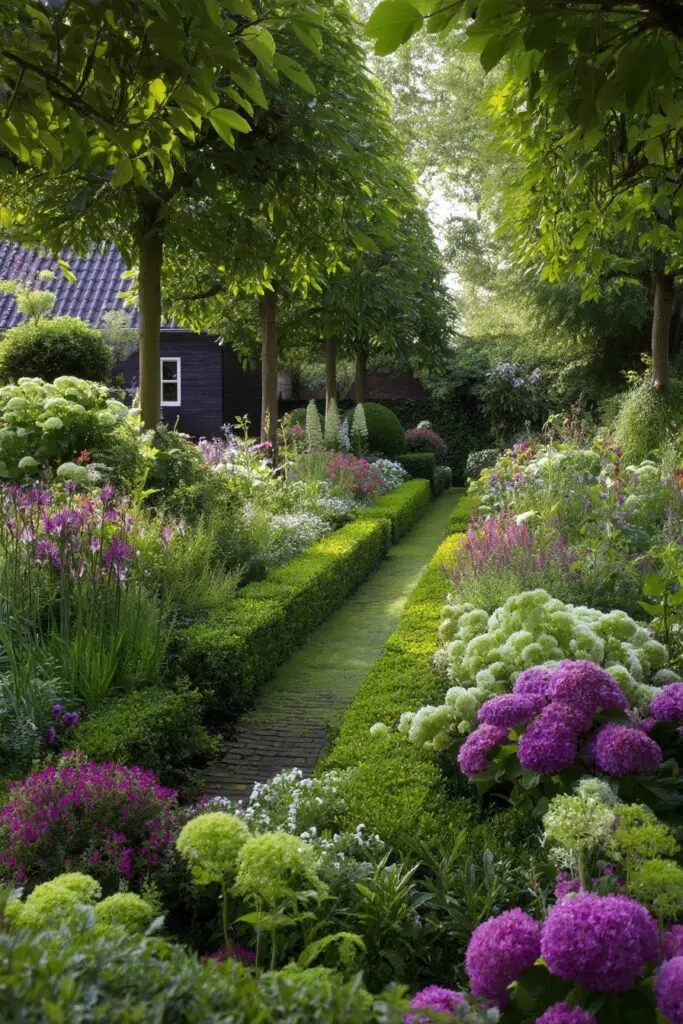
Incorporating green flowers into your landscape isn’t just about adding color — it’s about creating depth, balance, and harmony. Their neutral tones make them a powerful design tool, allowing you to soften bold plantings or build layers of interest throughout your garden.
Here are a few expert tips to make the most of green blooms:
Pair with Bright Colors for Contrast
Green flowers act as natural buffers between intense colors like red, purple, or orange. Plant them near bold blooms to tone down the palette and create smoother transitions.
Example: Lady’s Mantle looks stunning next to vibrant tulips or purple salvia.
✅ Use Green on Green for Texture
A monochromatic look doesn’t have to be boring. Mix green flowers with richly textured or variegated foliage to create depth and subtle contrast.
Tip: Try combining Bells of Ireland with hostas, ferns, or ornamental grasses for a layered woodland vibe.
✅ Highlight Architectural Shapes
Many green flowers have distinct forms — spires, globes, or rosettes — that add structure. Place them in focal areas like garden entrances, patio borders, or container arrangements.
Design Idea: Use Green Gladiolus in the center of a bed to draw the eye upward.
✅ Light Up Shady Spaces
In low-light areas, bright colors often fade. Green blooms, especially those with chartreuse or lime tones, can actually brighten shady corners and draw attention.
Best Picks: Hellebores and Nicotiana perform well in part shade and add visual interest in those tricky spots.
✅ Soften Hardscaping
Use green flowers near pathways, patios, or rock walls to soften hard edges. Their organic shapes and soothing colors blend well with stone, brick, or gravel.
Bonus: Try using low-growing green Dianthus near stepping stones for a modern, low-maintenance touch.
🌾 Conclusion
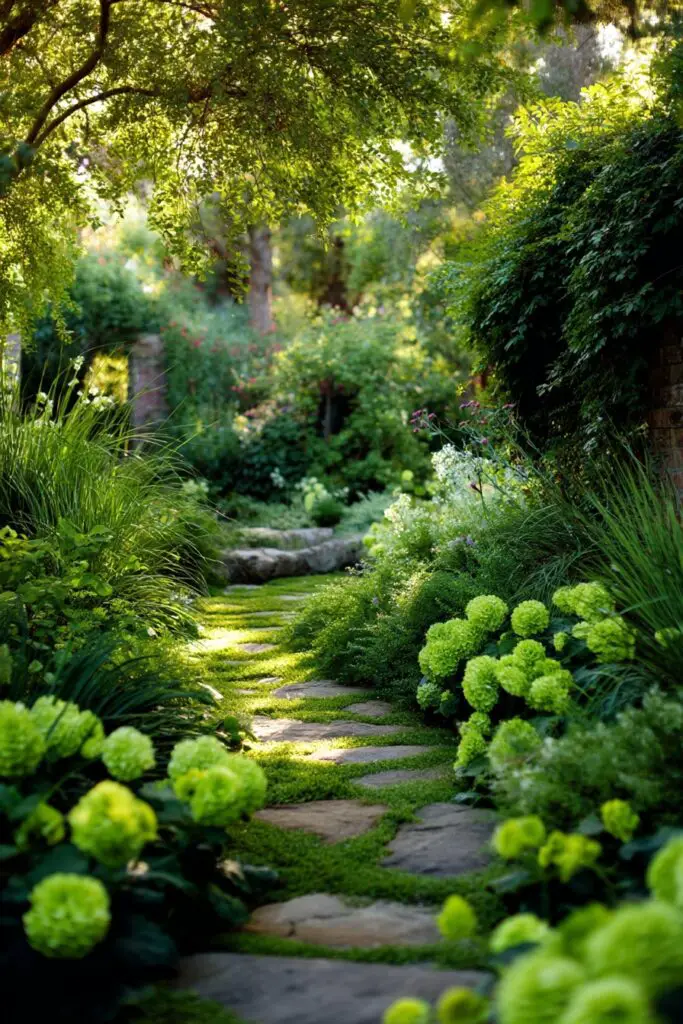
Choosing green flowers for your garden might seem unconventional at first, but their beauty lies in their subtlety. These plants offer elegance, balance, and structure while blending seamlessly with foliage or acting as a counterpoint to bolder colors. Whether you’re designing a lush shade border, refreshing a container arrangement, or experimenting with a modern garden style, the best green flowering plants for gardens can bring unexpected charm and sophistication to any space.
So next time you’re planning your planting scheme, consider adding a few of these quiet showstoppers. Your garden will thank you for the added texture, calm, and year-round appeal.