
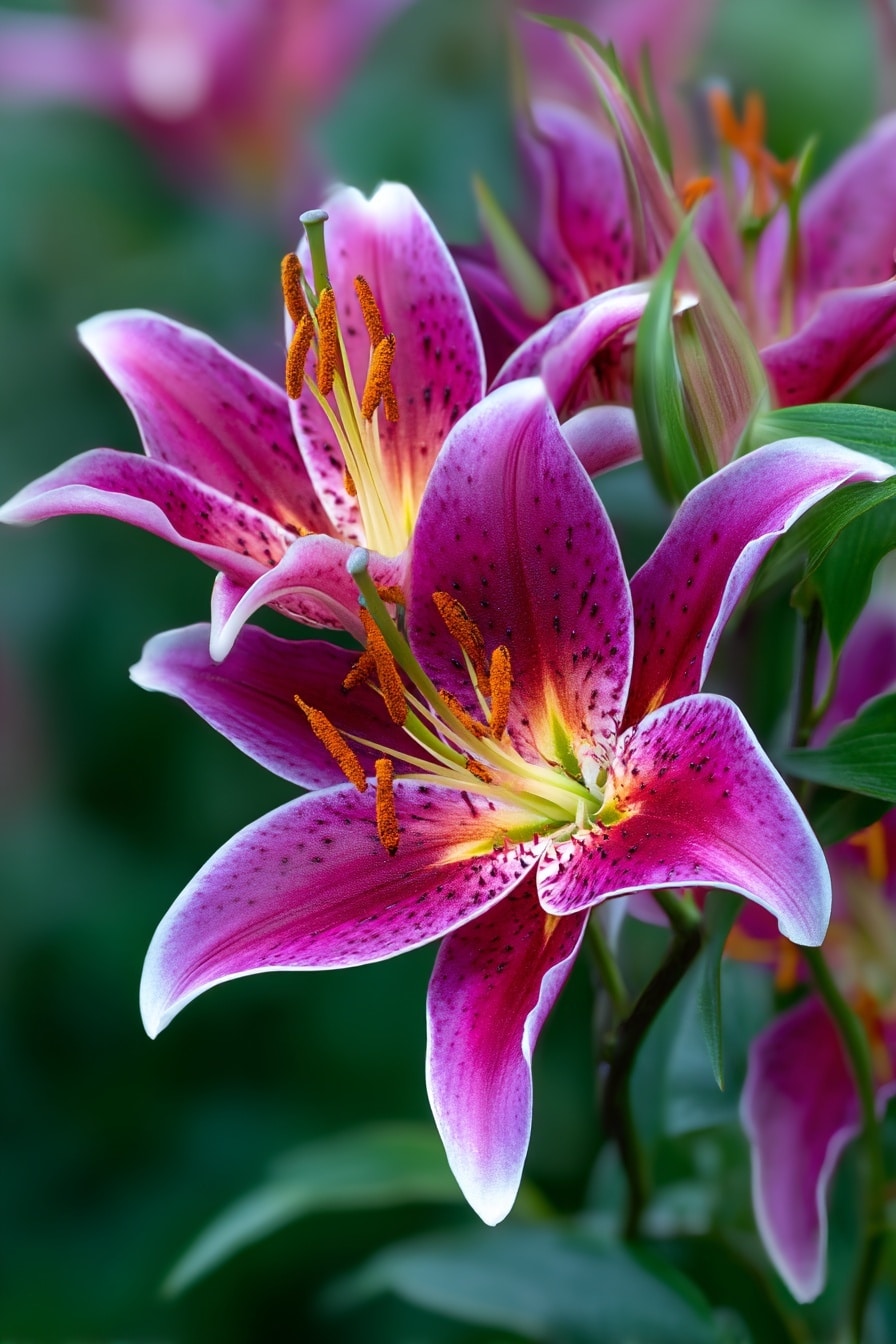
Stargazer lily is one of the most recognizable and dramatic flowers in the world. With its bold pink petals, dark speckles, and upward-facing blooms, the stargazer lily instantly draws attention in gardens and floral arrangements alike.
Known for both beauty and fragrance, the stargazer lily has become a favorite choice for bouquets, borders, and container planting. Its vibrant color and strong stems make it stand out among other lilies.
In this guide, you’ll learn five essential facts about the stargazer lily, including its history, meaning, care requirements, and important safety considerations.
Table of Contents
1. History of the Stargazer Lily

The stargazer lily is a relatively modern addition to the lily family. It was introduced in 1978 by American lily breeder Leslie Woodriff, who aimed to create a more vibrant and upward-facing Oriental lily.
Before the stargazer lily was developed, many Oriental lilies naturally drooped downward. Woodriff selectively bred varieties to produce a bloom that faced the sky, giving the stargazer lily its distinctive name.
This innovation quickly gained popularity in both home gardens and floral design. The bold coloring and strong fragrance made the stargazer lily a standout choice for arrangements.
Because of its durability and striking appearance, the stargazer lily became one of the most widely grown Oriental lilies worldwide. Today, it remains a favorite for summer gardens and special occasion bouquets.
2. Appearance and Varieties
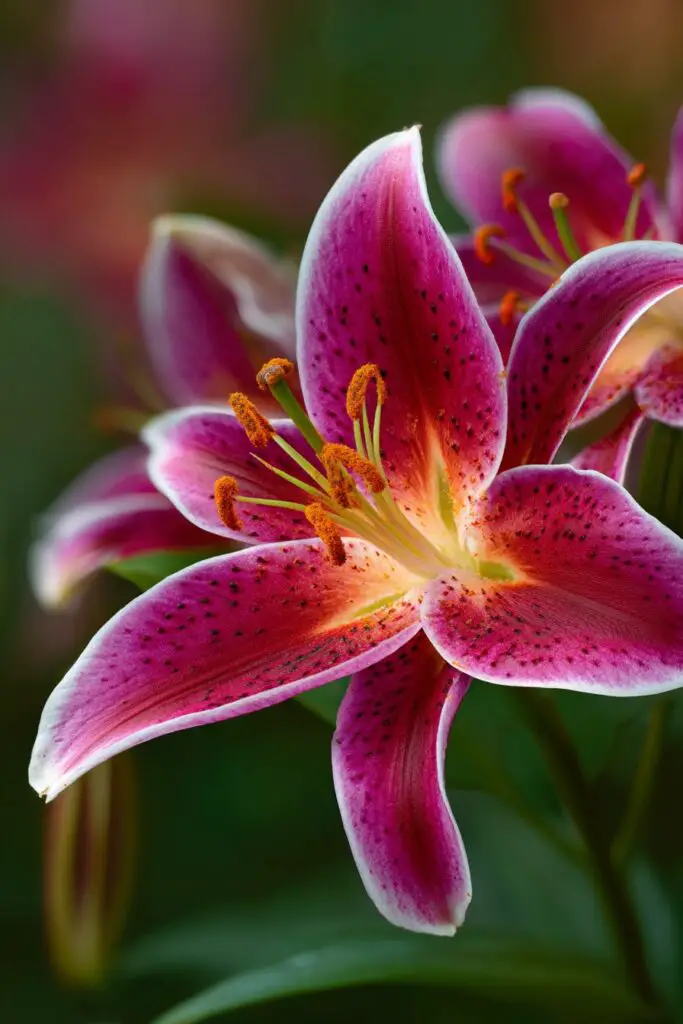
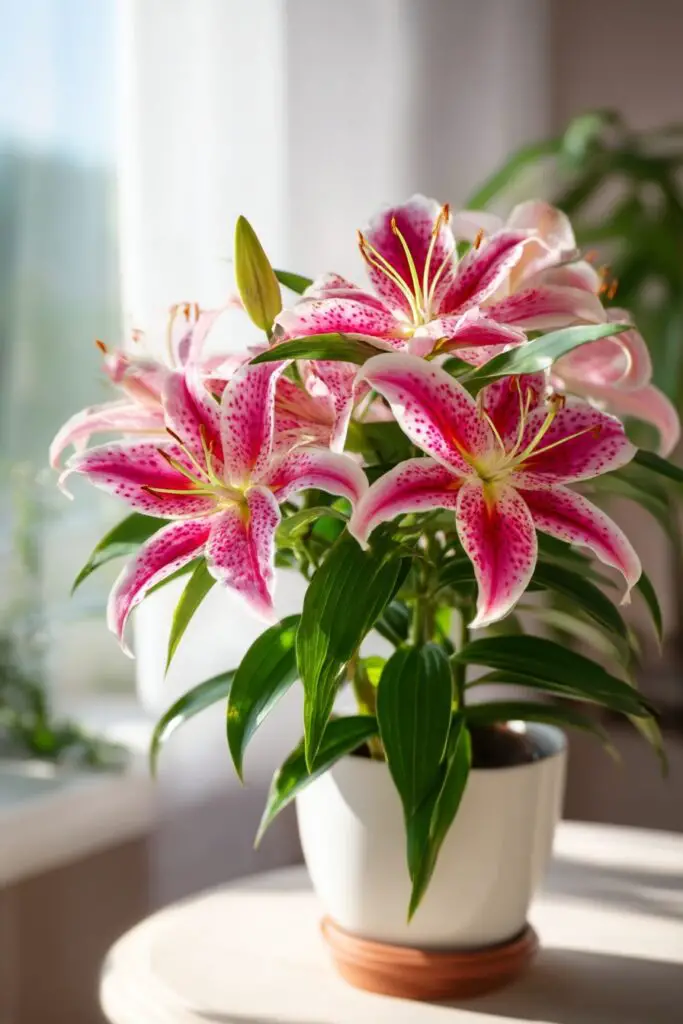
The stargazer lily is known for its dramatic, upward-facing blooms and intense coloring. Unlike many lilies that droop, the stargazer lily opens toward the sky, making it highly visible in gardens and floral displays.
Distinctive Features
A typical stargazer lily displays:
- Deep pink petals with white edges
- Dark red or burgundy speckles
- Prominent orange stamens
- A strong, sweet fragrance
Each bloom can reach 6 to 8 inches across, creating a bold focal point. The sturdy stems of the stargazer lily allow it to stand tall without excessive support.
Popular Variations
While the classic pink variety is most common, breeders have developed additional options. Some stargazer lily hybrids offer softer pink tones, while others feature lighter speckling.
There are also double-flowered types with layered petals. These variations maintain the upward bloom habit that defines the stargazer lily.
3. Symbolism and Meaning
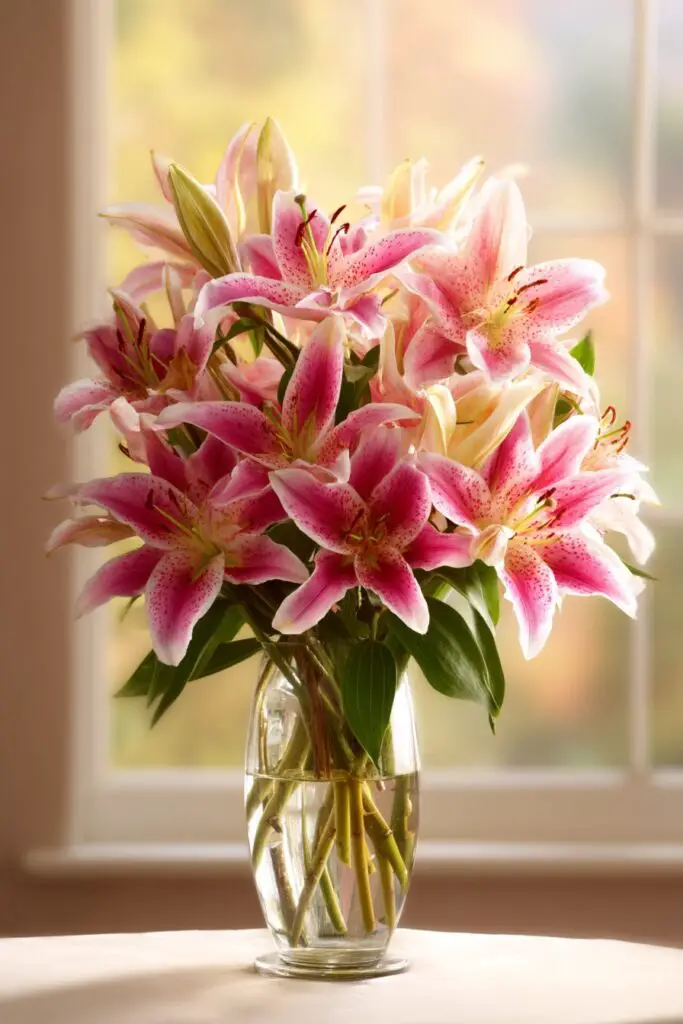
The stargazer lily carries strong symbolic value in both cultural traditions and modern floral arrangements. Its bold appearance and upward-facing bloom are often associated with ambition, positivity, and aspiration.
Because the flower looks toward the sky, the stargazer lily is frequently linked to hope and reaching for goals. It is commonly used in celebratory bouquets to express encouragement and admiration.
Common Meanings
The stargazer lily often represents:
- Prosperity and success
- Passion and romance
- Confidence and ambition
- Purity combined with boldness
Its vibrant pink tone makes it a popular choice for romantic occasions. The fragrance of the stargazer lily also adds emotional depth to arrangements.
In some cultures, lilies symbolize renewal and rebirth. The dramatic coloring of the stargazer lily gives this traditional symbolism a more modern, expressive feel.
4. How to Care for Stargazer Lily
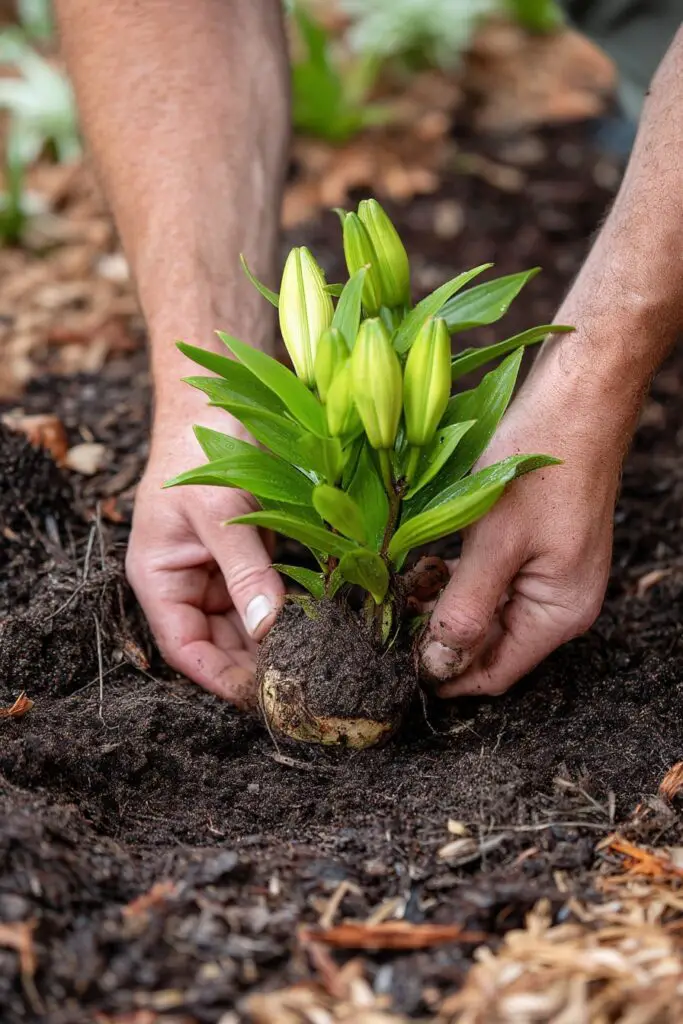
Growing a healthy stargazer lily requires proper sunlight, soil, and watering habits. While this flower is relatively easy to maintain, the right conditions ensure stronger stems and more vibrant blooms.
Sunlight Requirements
A stargazer lily performs best in:
- Full sun to partial shade
- At least 6 hours of direct light daily
In hotter climates, light afternoon shade can help protect the petals from fading.
Soil and Planting
Well-draining soil is essential for the stargazer lily. Bulbs should be planted about 6 to 8 inches deep in loose, fertile soil.
To support healthy growth:
- Mix compost into the planting area
- Avoid heavy clay soil
- Space bulbs properly for airflow
Raised beds or amended garden soil work well for stargazer lily cultivation.
Watering and Maintenance
Keep soil evenly moist but never waterlogged. Overwatering can cause bulb rot.
During the growing season:
- Water deeply when the top inch of soil feels dry
- Remove faded blooms to encourage energy return to the bulb
- Apply balanced fertilizer in early spring
After blooming, allow the foliage of the stargazer lily to die back naturally. This helps store nutrients for the next season.
5. Safety and Toxicity
While the stargazer lily is admired for its beauty and fragrance, it is important to understand its safety considerations.
All parts of the stargazer lily are highly toxic to cats. Even small amounts of pollen, petals, or leaves can cause serious kidney failure in felines. If you have cats at home, it is safest to avoid bringing a stargazer lily indoors.
For dogs and humans, the stargazer lily is generally not life-threatening but may cause mild stomach upset if ingested.
Precaution Tips
When handling a stargazer lily:
- Keep bouquets out of reach of pets
- Remove fallen pollen promptly
- Wash hands after pruning or arranging
- Trim stamens if using in floral displays to reduce pollen stains
The pollen of a stargazer lily can stain clothing and fabrics easily. Removing the anthers before display helps prevent marks.
Being aware of these risks allows you to enjoy the stargazer lily safely in your garden or home.
Conclusion
The stargazer lily stands out for its vivid color, upward-facing blooms, and strong symbolism. From its modern origins to its striking appearance and relatively simple care needs, the stargazer lily continues to be a favorite in gardens and floral arrangements.
With proper planting, balanced watering, and attention to pet safety, you can grow and enjoy the beauty of the stargazer lily season after season.