
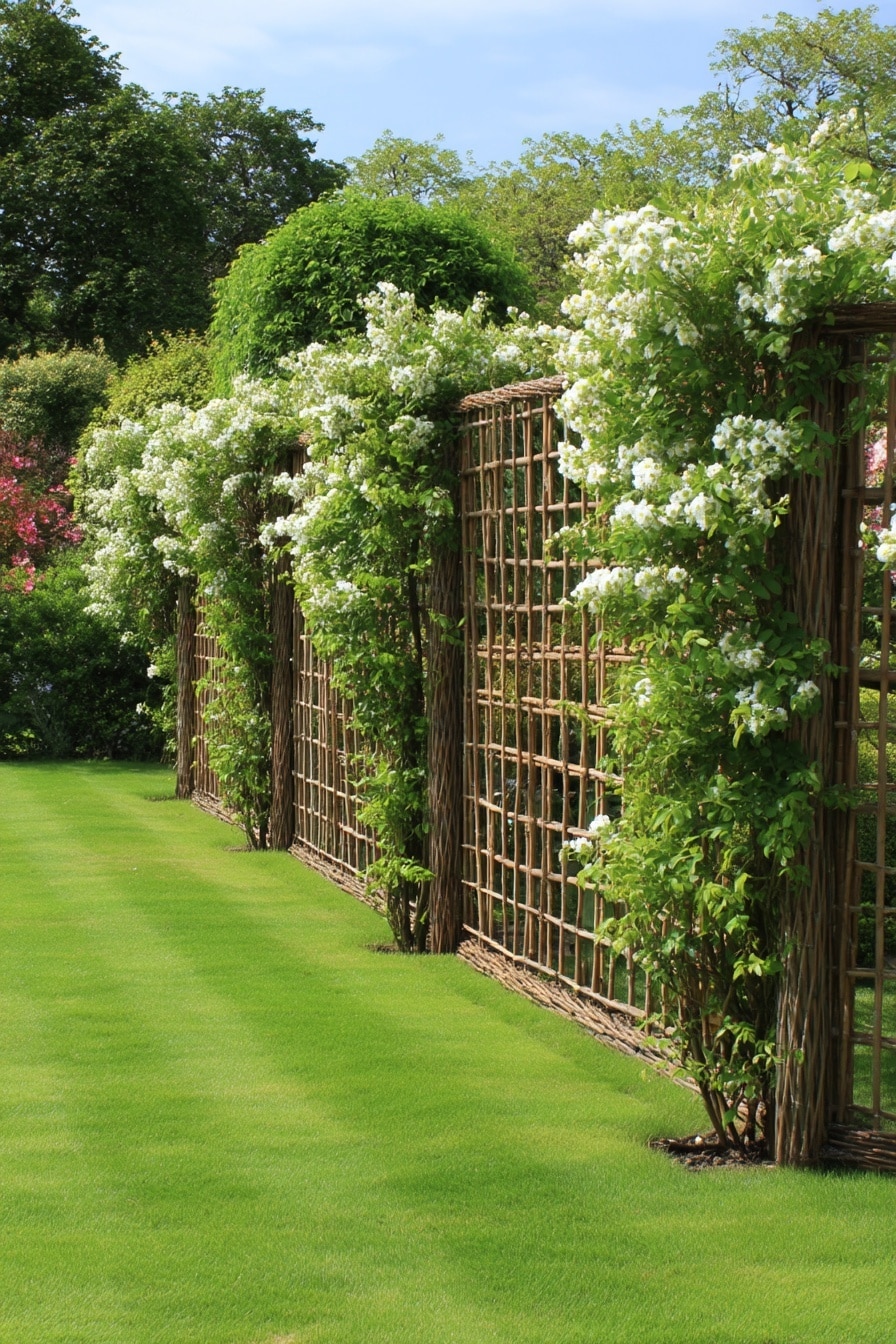
Garden trellis ideas are essential for anyone looking to maximize space, add vertical interest, or give climbing plants the structure they need to thrive. Whether you’re working with a sprawling backyard or a compact patio, the right trellis can turn any blank wall, fence, or planter into a green and blooming vertical feature.
From functional supports for vegetables to elegant frames for roses and clematis, trellises can define spaces, boost privacy, and bring beauty to otherwise overlooked areas. In this guide, we’ll explore ten creative ways to incorporate trellis structures into your garden for both practical and decorative impact.
Table of Contents
1. Add Trellis to a Container

If you’re short on space, one of the simplest garden trellis ideas is to integrate trellises directly into your plant containers. These setups are perfect for patios, balconies, or renters who need portable garden solutions.
A wooden or metal trellis attached to the back of a planter box provides sturdy support for climbing plants like jasmine, morning glory, or even compact tomatoes. For an affordable option, you can insert a small trellis into an existing pot—just make sure it’s firmly anchored in the soil or secured to the container’s rim.
This method works especially well for annual climbers and lightweight perennials. It’s an easy way to add vertical beauty to small outdoor areas without permanent installation.
2. Use Shaped Trellises for Visual Appeal
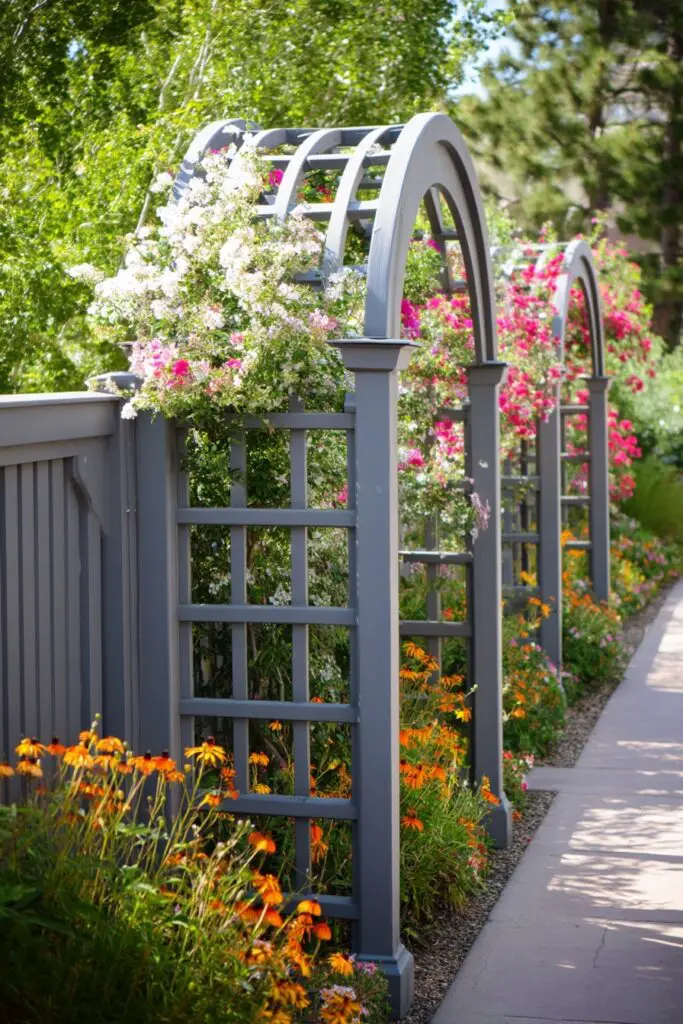
When it comes to creative garden trellis ideas, shaped trellises are both functional and decorative. Instead of sticking to standard rectangular panels, try options with curved, arched, or wavy tops to add personality and softness to your garden design.
These trellises can be mounted on fences or walls, or used as free-standing features in flower beds. The graceful lines of an arched or concave design help guide the eye upward, making small gardens feel taller and more dynamic.
Pair these trellises with flowering vines like clematis, honeysuckle, or climbing roses to highlight their structure and create a stunning focal point that evolves throughout the seasons.
3. Fix Trellis to Your Walls
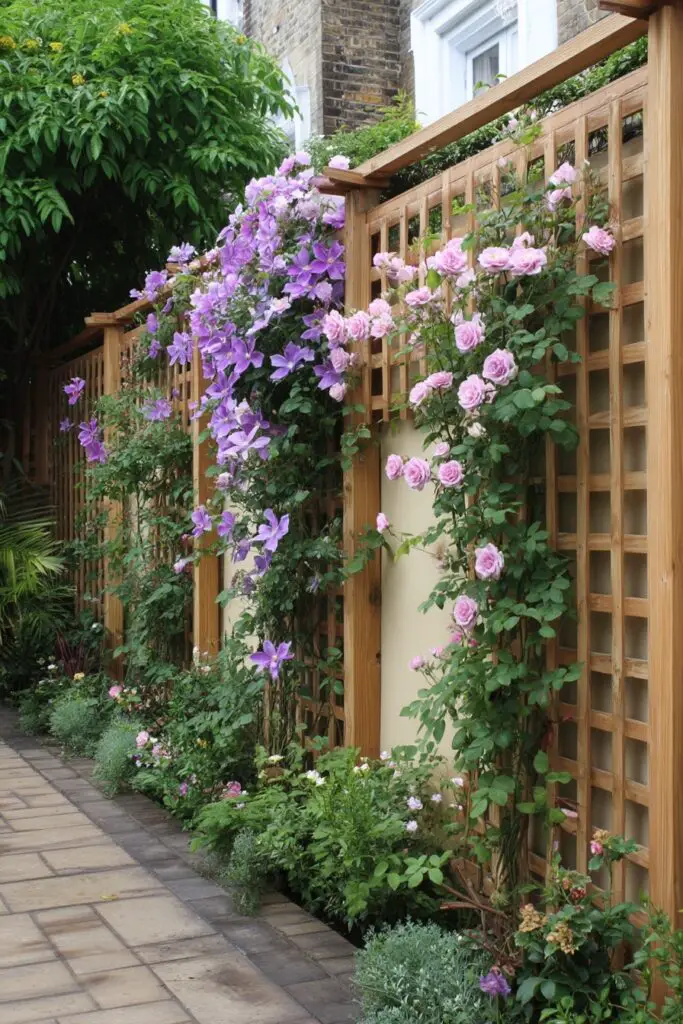
One of the most space-saving garden trellis ideas is to attach trellis panels directly to exterior walls. This technique lets you turn bare walls or fences into living vertical gardens filled with flowers, fragrance, and greenery.
Choose from square lattice, fan-shaped designs, or slim vertical panels depending on the style of your home and the type of plants you want to grow. Popular climbers like clematis, passionflower, and climbing roses thrive on wall-mounted trellises, and they help soften hard surfaces with lush, natural texture.
Make sure to leave a small gap between the wall and the trellis so vines can wrap and climb easily without getting trapped or overheated.
4. Use Trellis to Divide Your Garden
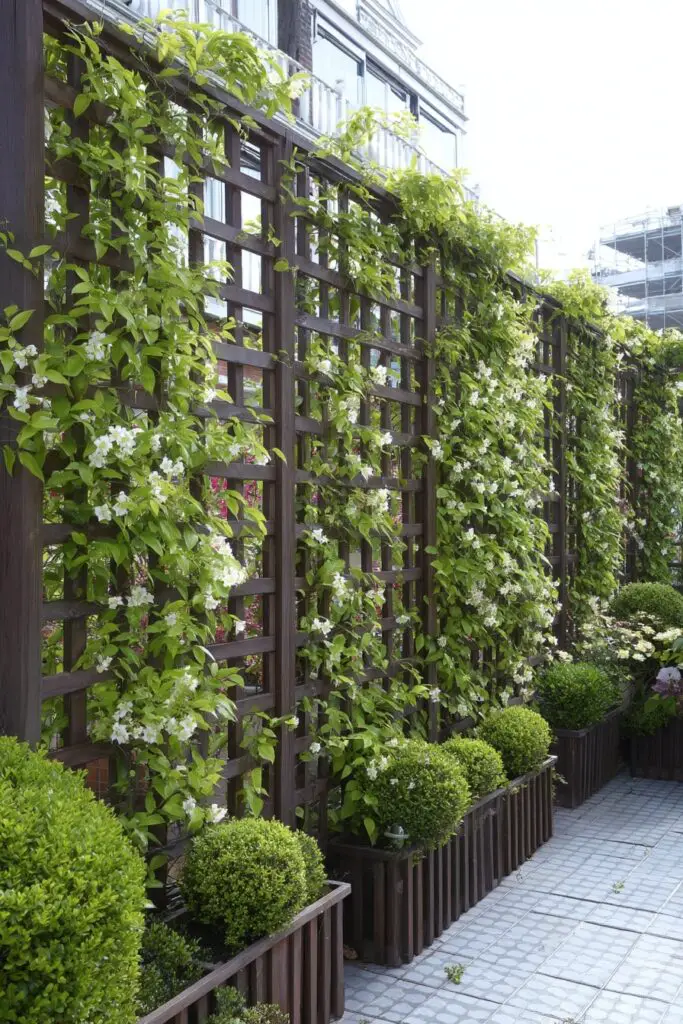
One of the most versatile garden trellis ideas is using trellises as living dividers. They can break up a large space, define different garden zones, or create a sense of mystery by partially obscuring views.
By installing a free-standing trellis panel and training climbers like clematis, star jasmine, or sweet peas, you can create a soft screen that adds privacy without blocking light. Use trellises to form “garden rooms,” separate vegetable beds from flower borders, or carve out a cozy seating nook.
This approach adds both structure and vertical greenery—ideal for creating depth and flow in gardens of any size.
5. Use Trellis to Increase Privacy
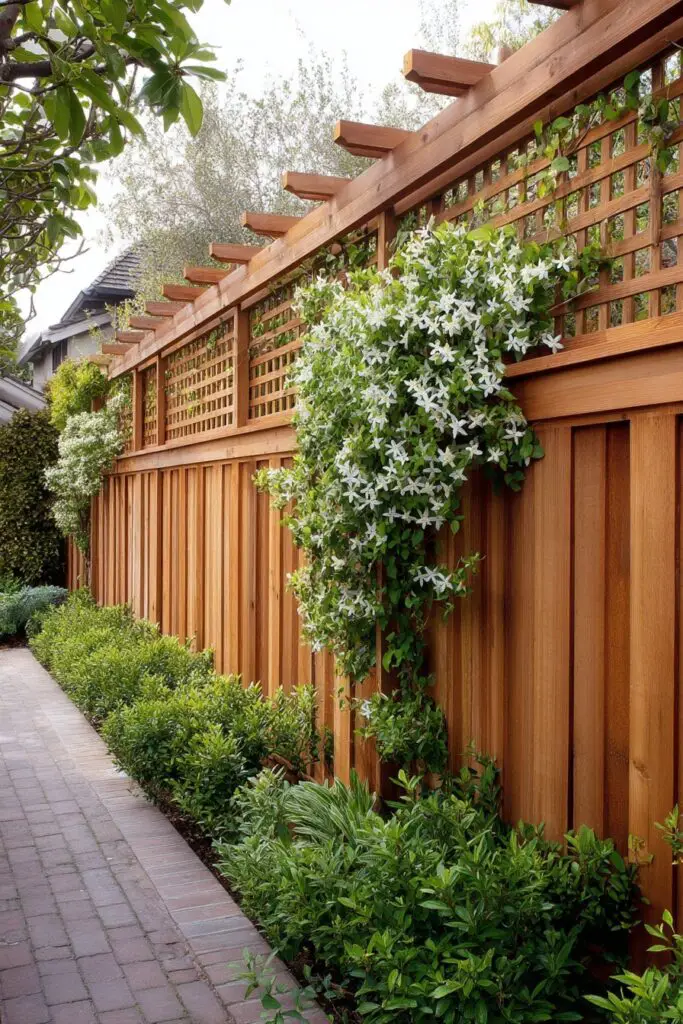
If you’re looking for garden trellis ideas that boost privacy without closing off your space, adding trellis panels to fences or boundaries is a smart solution. Trellises allow airflow and light to pass through while supporting plants that create natural screening.
Mount trellis panels along the top of an existing fence or use full-height sections to form standalone green walls. Pair them with evergreen climbers like star jasmine, ivy, or climbing hydrangea to keep your garden feeling secluded all year long.
This approach is especially helpful in urban settings where neighbors are close, and you want to create a private, peaceful retreat.
6. Grow Scented Climbers on Freestanding Trellises
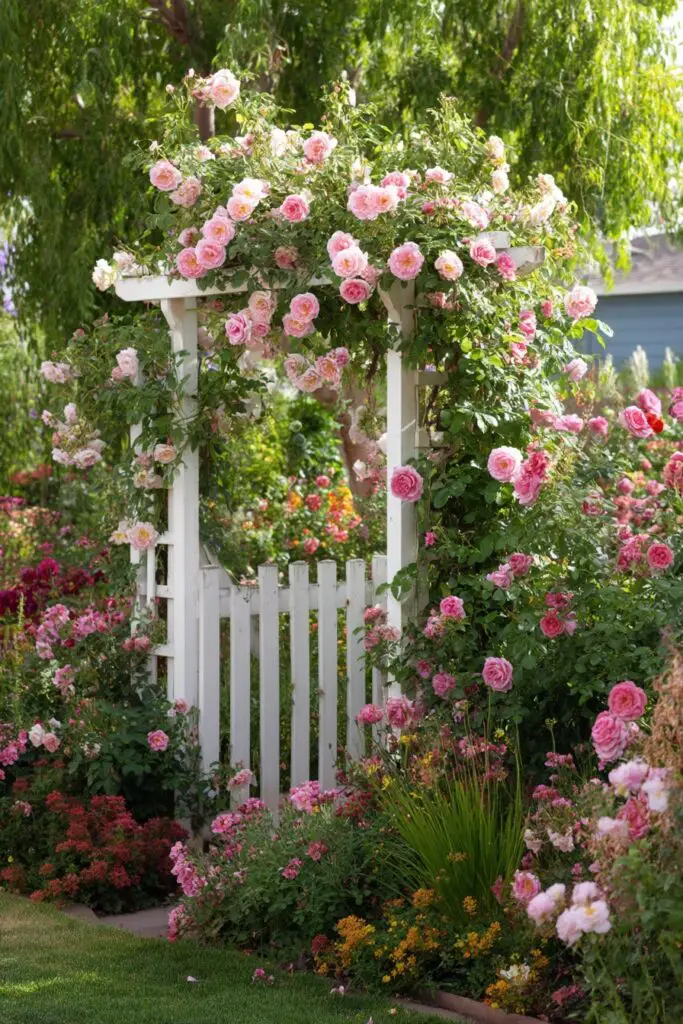
For those who love both structure and fragrance, this is one of the most rewarding garden trellis ideas. Freestanding trellises can be placed anywhere in your garden—along a path, beside a bench, or as a backdrop in a flower bed—and filled with scented climbers for a sensory boost.
Choose fragrant favorites like climbing roses, jasmine, honeysuckle, or sweet peas. These plants not only provide seasonal color but also fill the air with rich, floral scents that enhance the ambiance of your outdoor space.
Be sure to anchor freestanding trellises securely with stakes or ground spikes to handle wind and weight as your plants grow.
7. Frame an Arch with Trellis
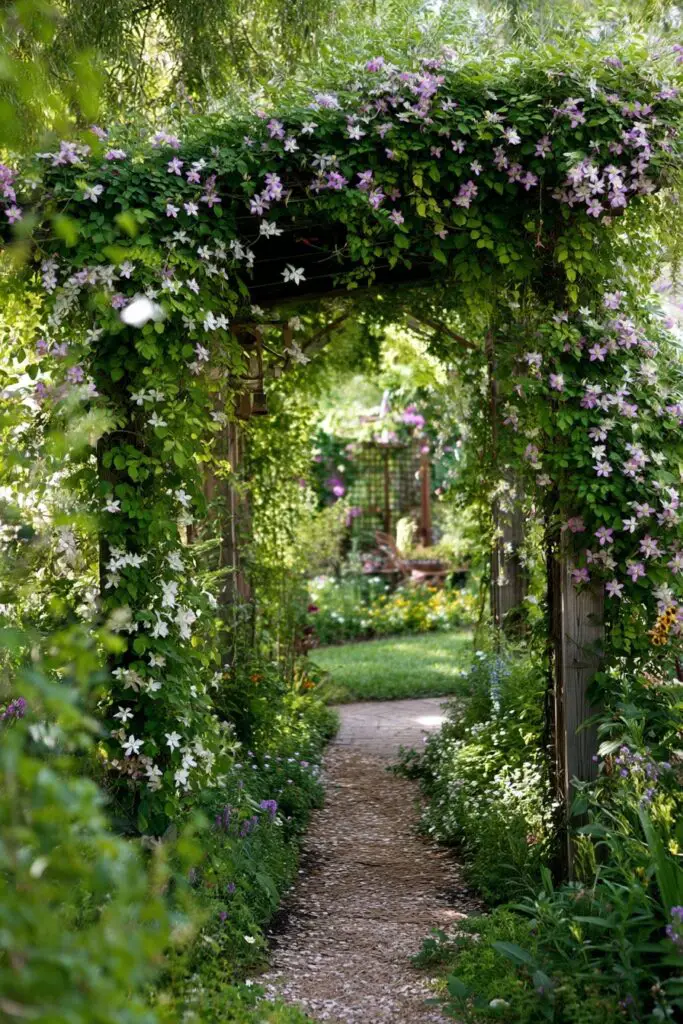
Framing an arch with trellis is one of the most dramatic garden trellis ideas for adding vertical interest and a sense of arrival to your space. Arches with trellis sides create a tunnel effect that invites you to walk through, making them ideal for pathways, garden entrances, or transitions between garden zones.
Trellis-sided arches support a wide range of climbers—think clematis, climbing roses, honeysuckle, or even exotic passionflowers. The plants will gradually wrap and spill over the top, forming a lush canopy that changes with the seasons.
This approach blends structure and softness beautifully, turning a simple path into a focal point full of texture, scent, and shade.
8. Make It Metal for a Sleek, Lasting Look
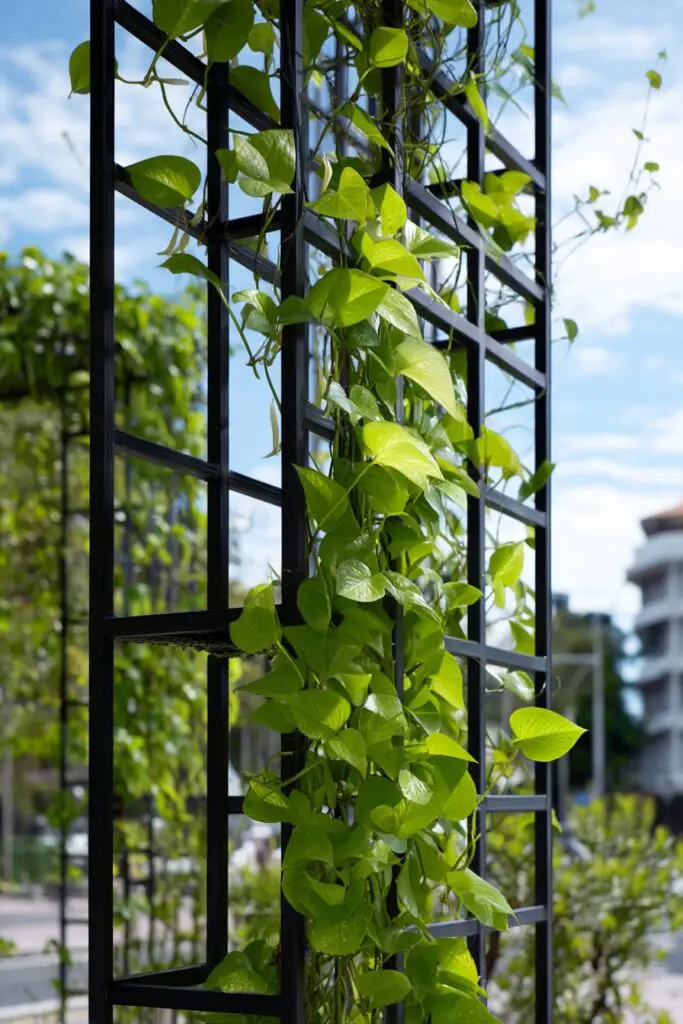
If you’re after modern, long-lasting garden trellis ideas, consider using metal instead of wood. Metal trellises offer a clean, durable alternative that stands up well to weather and heavy climbers, making them a smart choice for both form and function.
Options range from simple grids for a minimalist look to ornate scrollwork perfect for cottage-style gardens. They’re especially well-suited for roses, morning glories, or any vigorous climber that needs solid support.
Metal trellises also blend beautifully into contemporary landscapes, acting as subtle backdrops or statement pieces depending on your design goals. Powder-coated finishes help prevent rust and extend their lifespan.
9. Keep It Simple with Expandable Trellis
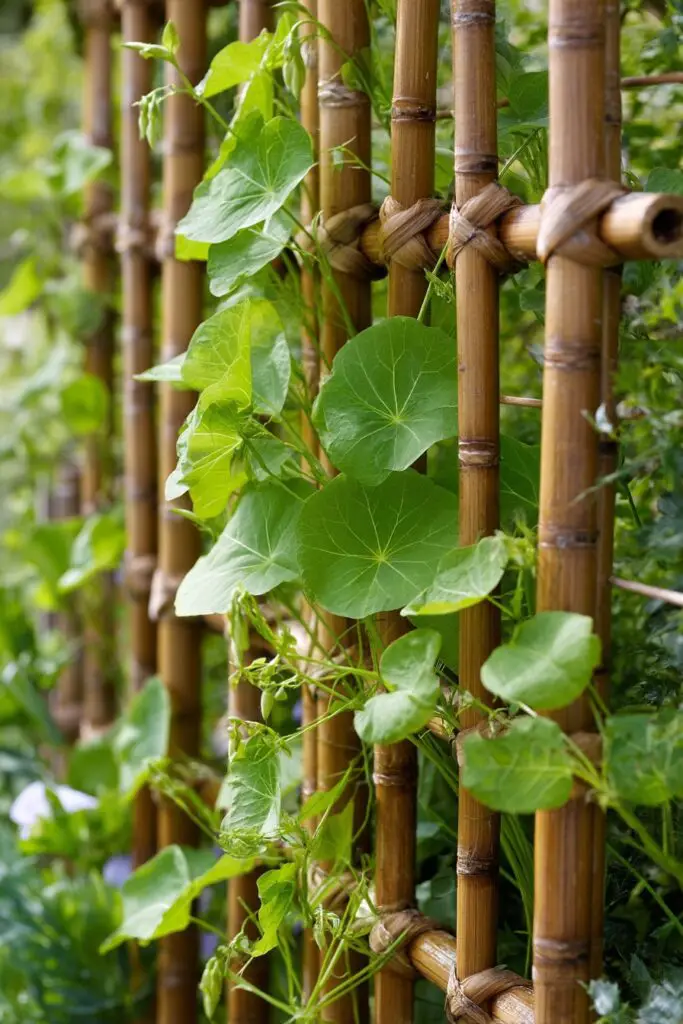
For gardeners who want flexible, no-fuss solutions, expandable panels are one of the most practical garden trellis ideas. These accordion-style trellises can stretch to fit various spaces and are ideal for renters or anyone who needs a temporary setup.
Expandable trellises are often made from willow or bamboo and are easy to attach to fences, walls, or planters using simple hooks or nails. When the growing season ends, just fold them down and store them indoors to prolong their life.
They work especially well for fast-growing annual climbers like sweet peas, nasturtiums, or morning glory—perfect for quick coverage without a permanent installation.
10. Grow Fruit with a Trellis
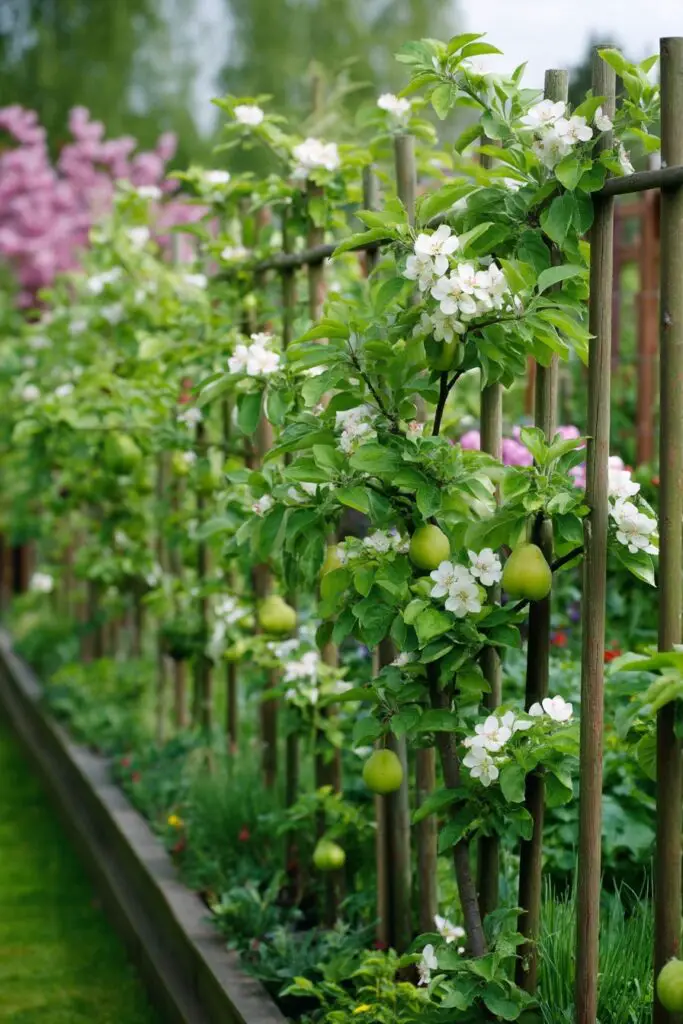
One of the most rewarding garden trellis ideas is to use it for growing fruit. Espalier techniques allow you to train fruit trees like apples, pears, peaches, or plums flat against a trellis, making them ideal for small spaces and decorative garden walls.
This approach not only produces delicious harvests but also adds beauty throughout the year—spring blossoms, lush summer foliage, and colorful autumn fruit. Trellised fruit trees can be used as living fences, privacy screens, or focal points in edible landscapes.
Be sure to choose dwarf or espalier-ready varieties and support them with a strong, well-anchored trellis to guide their shape and support the weight of the fruit.
Final Thoughts
These garden trellis ideas prove that vertical gardening can be both beautiful and practical. Whether you’re working with a compact patio or a full backyard, the right trellis can transform your space—adding height, privacy, and support for your favorite climbing plants.
From simple DIY solutions to elegant arches and fruit-bearing setups, there’s a trellis style to suit every garden goal and budget. With the right structure in place, your plants will not only grow better—they’ll help shape a more dynamic, visually rich garden environment.