
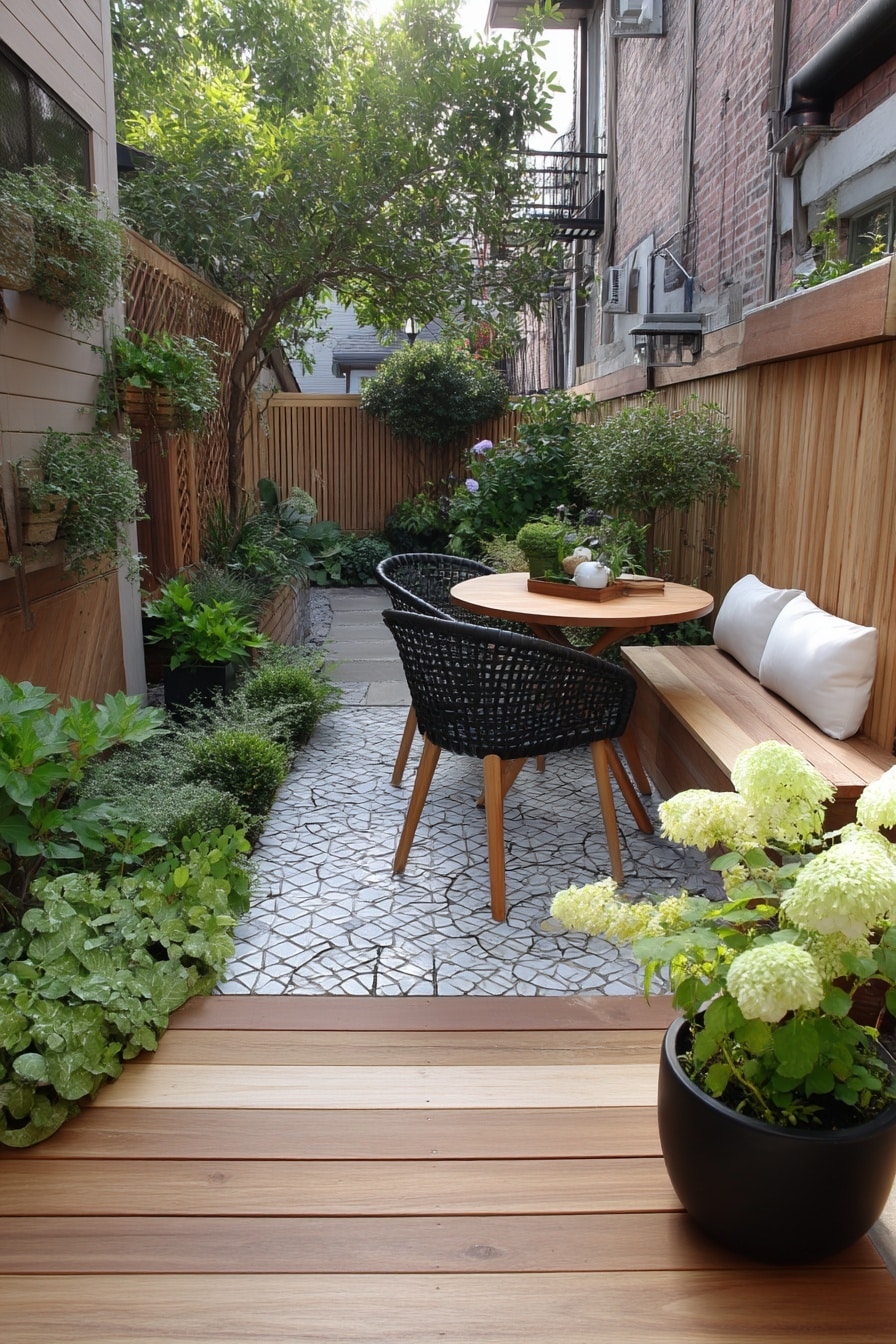
garden ideas for small spaces can make a dramatic impact even when square footage is limited. With thoughtful planning and smart design choices, you can enhance functionality, create visual depth, and build a space that feels both open and inviting. Whether your garden is a narrow courtyard, a compact backyard, or a tight city plot, these six tips from a landscape designer will help you make the most of every inch.
A well‑designed small garden doesn’t mean sacrificing beauty for function. With intentional plant choices, clever use of vertical space, and a cohesive layout, your outdoor area can feel larger, more dynamic, and more purposeful. This article will walk through practical garden ideas that balance style and space efficiency for small outdoor layouts.
Table of Contents
1. Less Is More — Prioritize Essentials

When it comes to garden ideas for smaller spaces, simplicity leads to sophistication. A cluttered garden can feel cramped, while a pared-back design creates the illusion of openness and flow.
Start by identifying your garden’s main purpose. Do you want a peaceful retreat, an entertaining area, or a productive space for herbs and vegetables? Once that’s clear, choose only the features and furniture that support that function. Avoid crowding the area with too many elements—each item should have a role, whether it’s aesthetic, functional, or both.
Instead of multiple focal points, choose one hero piece—like a striking tree, sculptural planter, or bench—to draw the eye and anchor the design. With thoughtful restraint, even the smallest garden can feel intentional and serene.
2. Choose the Right Plants
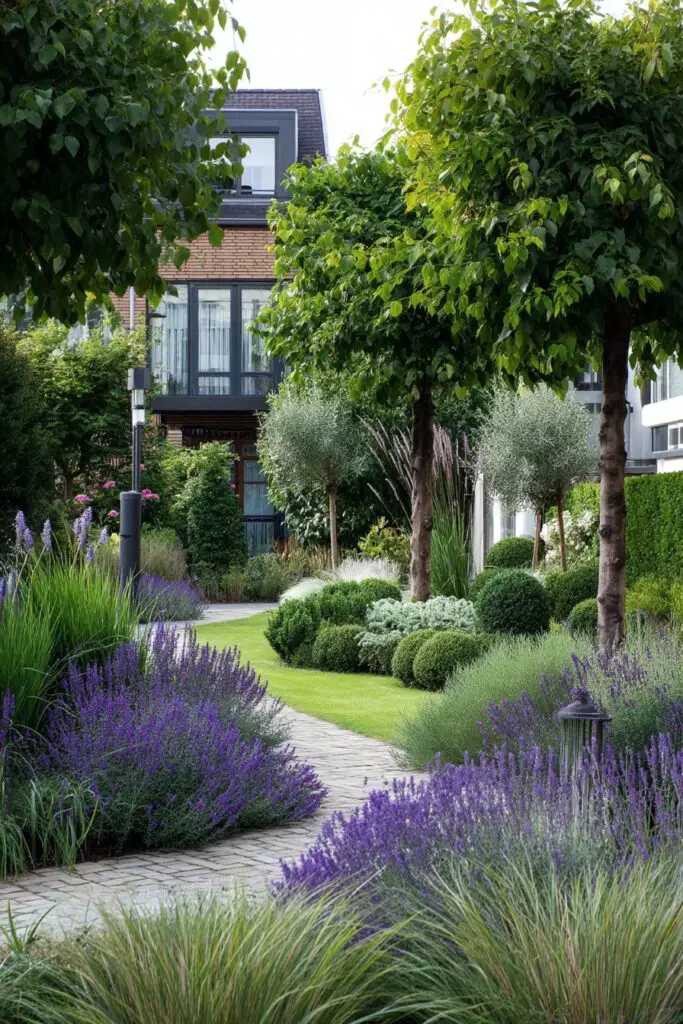
Smart plant selection is one of the most powerful garden ideas for making small spaces thrive. In compact gardens, every plant counts—so choose varieties that offer structure, texture, and seasonal interest without overwhelming the space.
Opt for plants with a vertical growth habit or those that stay compact. Dwarf shrubs, columnar trees, ornamental grasses, and slender perennials can create height and movement without spreading too wide. Evergreens provide structure year-round, while flowering plants like salvia or lavender offer color and scent without bulk.
It’s also wise to group plants by care needs to simplify watering and maintenance. Repetition in planting—using the same species in clusters or along borders—creates cohesion and helps a small garden feel more harmonious and curated.
3. Use Vertical Space & Trees
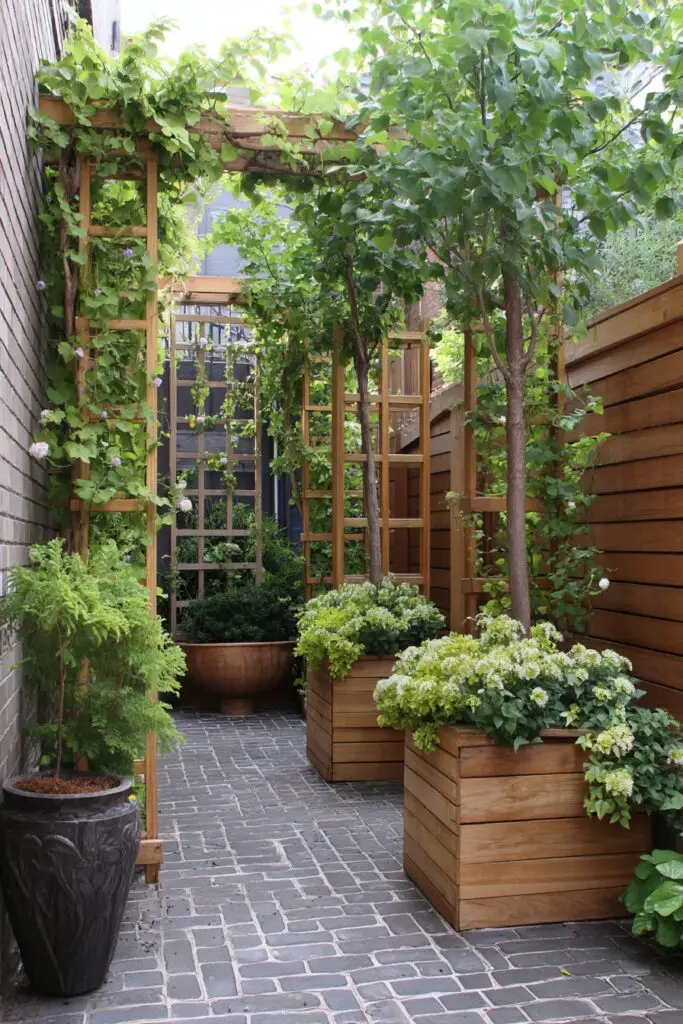
Maximizing vertical space is a core principle in effective garden ideas for small areas. When ground space is limited, the only way to go is up—and doing so can add layers, interest, and privacy without sacrificing valuable square footage.
Use walls, fences, or trellises to train climbing plants such as jasmine, star jasmine, or clematis. Vertical gardens with mounted planters or hanging pots allow you to grow herbs, flowers, or even leafy greens at eye level. This not only adds greenery but also draws the eye upward, making the garden feel taller and more expansive.
Don’t shy away from including trees. Choose slender, upright varieties like olive trees, crepe myrtles, or ornamental pears that provide height and shade without spreading too wide. Their vertical form adds elegance and structure, especially in courtyard-style spaces.
4. Create Optical Illusions
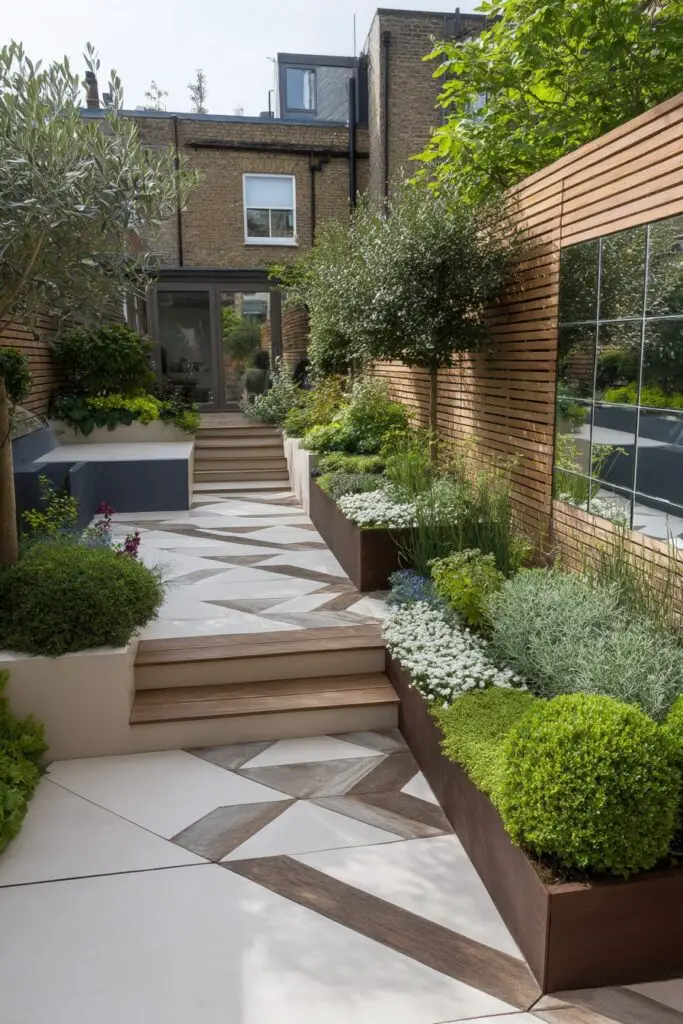
One of the most effective garden ideas for small spaces involves using design tricks to make the area feel larger than it is. Strategic placement of elements, layering, and light can all contribute to a sense of depth and openness.
Use mirrors discreetly to reflect light and greenery—this can double the perceived size of a narrow space. Lay paving on the diagonal or use alternating materials to draw the eye along different lines and add dimension. Low walls, raised beds, or tiered planting also help define levels and create visual interest.
Choosing a consistent color palette for planters, cushions, and hardscaping materials ensures the space feels unified, not busy. The goal is to guide the eye smoothly through the garden, creating flow and a sense of spaciousness—even within tight boundaries.
5. Keep It Bright
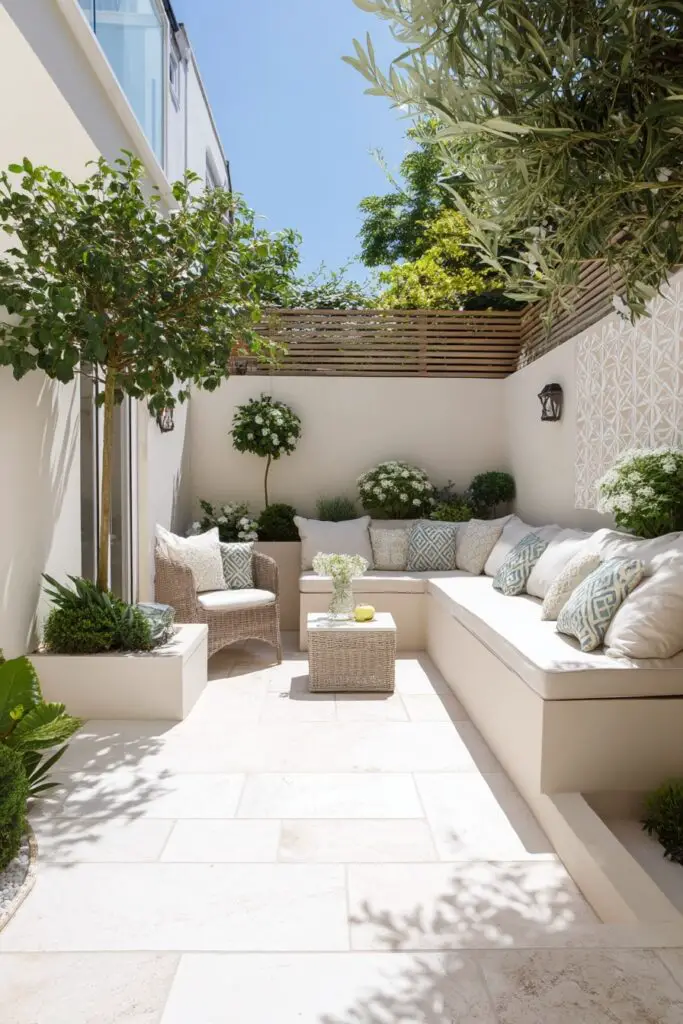
Lighting and color play a huge role in successful garden ideas for compact spaces. Brightness enhances the feeling of openness and invites people to use the garden from day to night.
Use light-colored surfaces such as pale gravel, limestone pavers, or whitewashed walls to reflect natural light. These materials keep the space feeling airy during the day. For furnishings, neutrals paired with soft greens or terracotta tones blend well with nature while maintaining a fresh, uncluttered look.
Incorporate outdoor lighting to make the space functional after dark. Consider low-voltage LED path lights, wall sconces, or string lights for ambience. Uplighting around trees or plants adds drama and creates the illusion of height, making your small garden feel more dynamic at night.
6. Maintain a Functional Layout
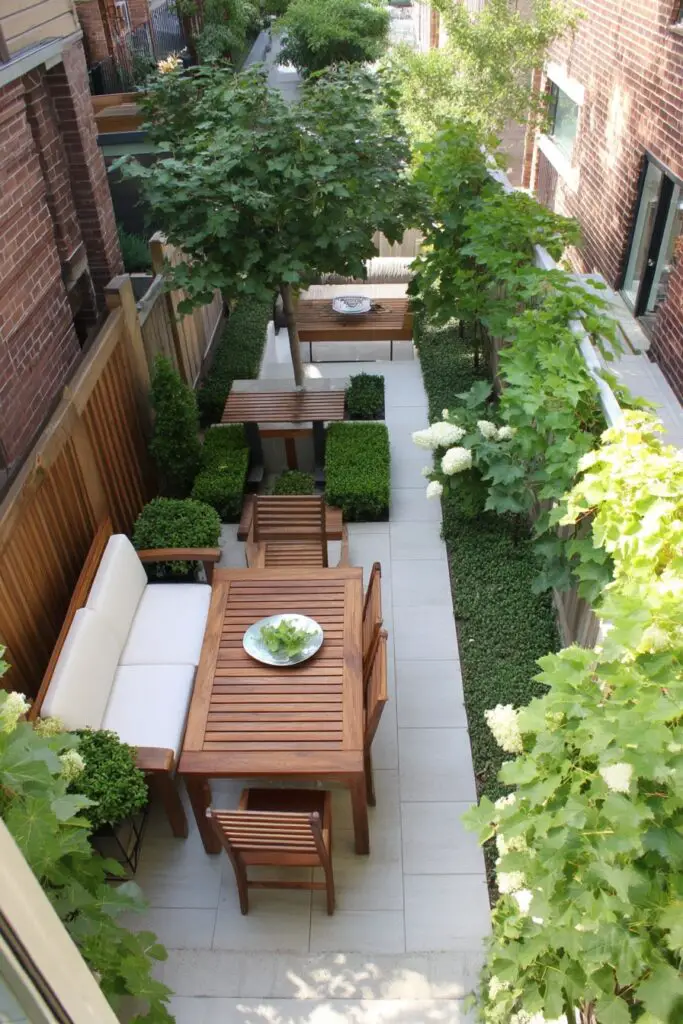
An efficient layout is key to making the most of limited garden space. Among the most practical garden ideas is to treat your small garden like an outdoor room—one that is zoned, organized, and flows naturally.
Begin with clear pathways that guide movement and define spaces. Use low hedges, planters, or flooring changes to separate areas for dining, lounging, or gardening. Even a small bench tucked into a corner can create a welcoming nook.
Keep furniture scaled to the garden’s size—foldable or built-in seating helps save space. Allow for negative space too; leaving some open ground keeps the design from feeling overfilled and gives the eye room to rest.
When every inch matters, planning layout around how the space will be used ensures both beauty and practicality work in harmony.
Conclusion
Even the smallest outdoor spaces can be transformed with the right garden ideas. By focusing on purposeful design, vertical planting, strategic lighting, and a thoughtful layout, your garden can become a space that feels open, functional, and beautifully personal. These expert-backed tips show that limitations in size don’t mean limits in creativity—only smarter, more intentional choices.