
Garden fence ideas can completely transform the look, feel, and function of your outdoor space. The right fence does more than mark boundaries—it adds privacy, supports plants, improves security, and strengthens your overall landscape design. Whether you prefer a modern, rustic, or traditional look, choosing the right garden fence style can elevate your yard from simple to striking.
When considering garden fence ideas, it’s important to think about purpose first. Do you need privacy? Decorative charm? Protection from pets or wildlife? Or a combination of all three? Once your goals are clear, selecting materials, height, and style becomes much easier.
Below are six practical and attractive garden fence ideas that can enhance your landscaping while adding lasting value to your home.
Table of Contents
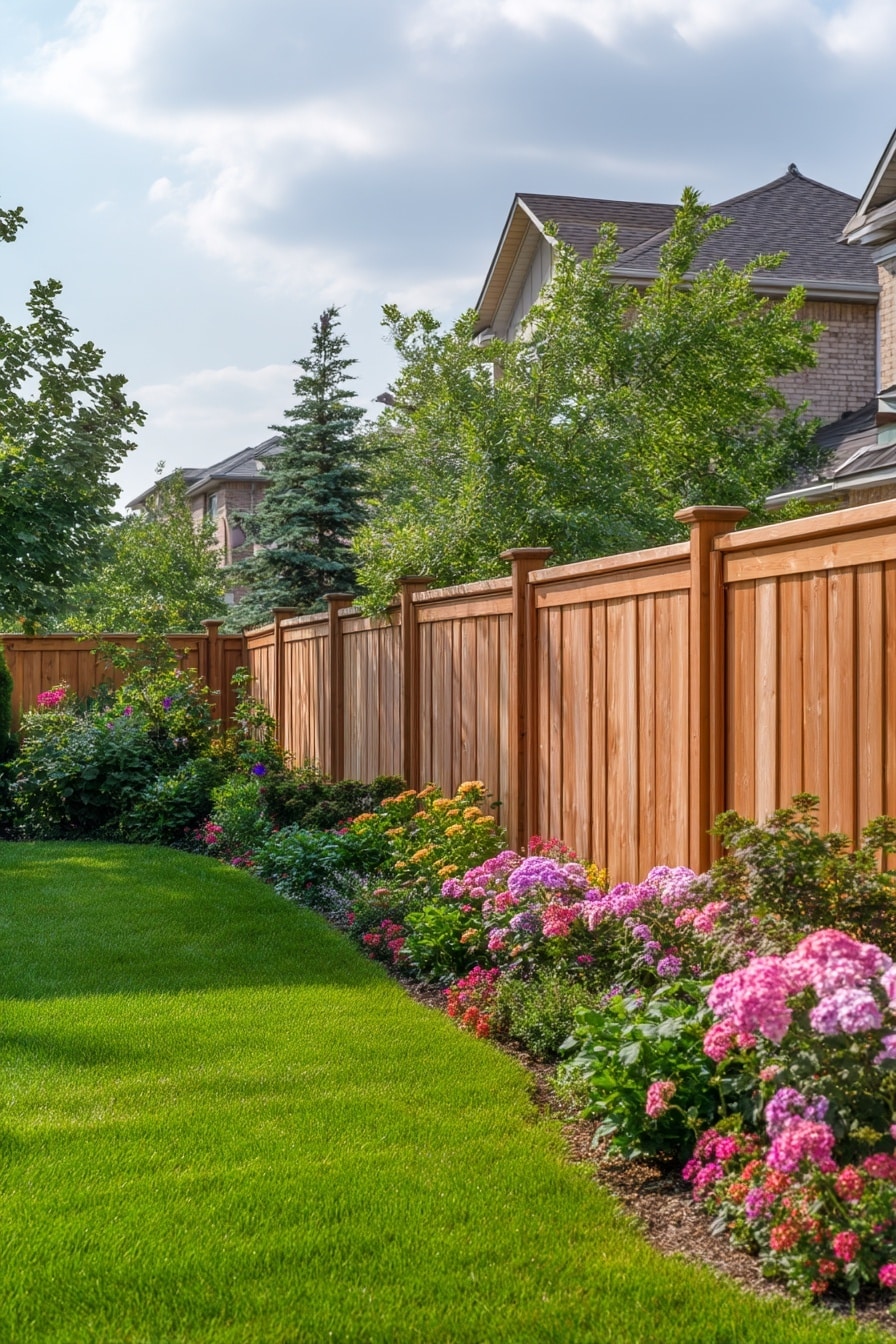
1. Classic Wooden Privacy Fence

A wooden privacy fence remains one of the most popular garden fence ideas for homeowners who want both beauty and seclusion.
Why Choose a Wooden Fence?
Wood fences offer:
- Strong privacy from neighbors
- Noise reduction
- A natural, warm appearance
- Easy customization with paint or stain
Cedar and pressure-treated pine are common choices because they resist decay and insect damage. With proper sealing and maintenance, a wooden fence can last for many years.
Design Options to Consider
There are several ways to adapt this garden fence idea to your landscaping style:
- Board-on-board panels for complete privacy
- Shadowbox designs for airflow with partial screening
- Lattice tops to soften the look and allow climbing plants
- Horizontal slats for a modern touch
Adding climbing roses, clematis, or ivy can soften the structure and integrate the fence into your garden beds. This approach blends structure with natural beauty.
2. Decorative Metal Garden Fencing
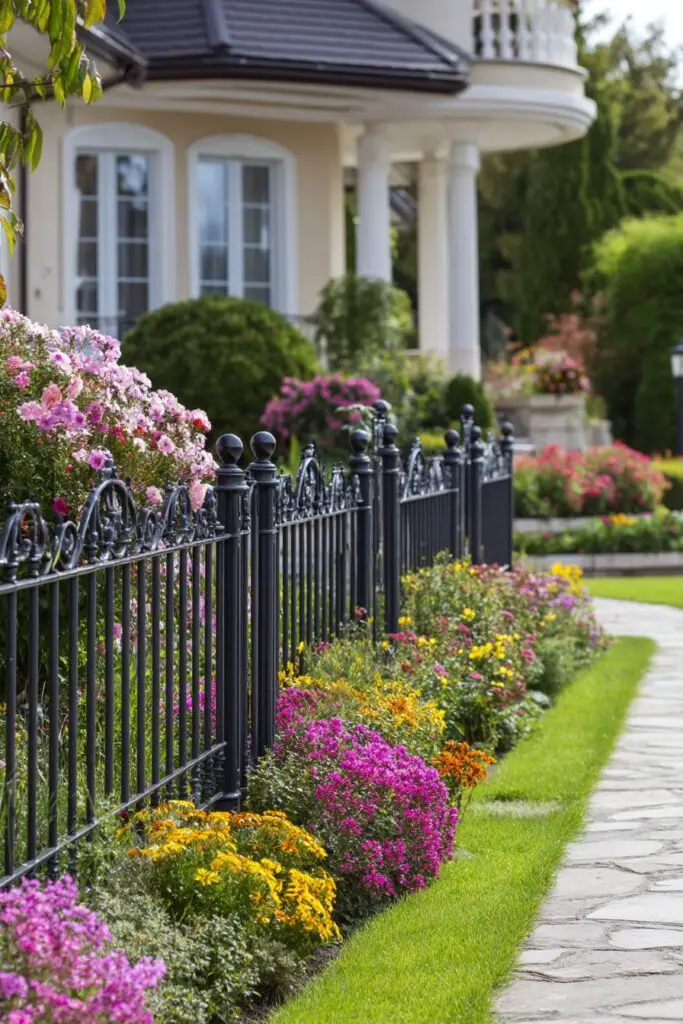
For homeowners who want elegance without blocking views, decorative metal is one of the most refined garden fence ideas available.
Unlike solid wood panels, metal fencing defines boundaries while maintaining openness. This makes it ideal for showcasing flower beds, ornamental shrubs, or manicured lawns.
Benefits of Metal Fencing
Decorative metal fences offer several advantages:
- Long-lasting durability
- Minimal maintenance
- Resistance to rot and pests
- Enhanced curb appeal
Wrought iron and aluminum are popular choices. Aluminum provides a lighter, rust-resistant alternative, while wrought iron delivers a more traditional, ornamental appearance.
Best Uses in Landscaping
This type of garden fence idea works especially well for:
- Front yard gardens
- Perimeter fencing around flower beds
- Framing pathways
- Securing pool areas
Because the design is open, climbing plants such as jasmine or climbing roses can weave naturally through the structure, softening the lines while preserving the elegant framework.
If your landscaping already features stone walkways or brick accents, decorative metal fencing pairs beautifully with those materials and adds architectural balance.
3. Modern Horizontal Slat Fence
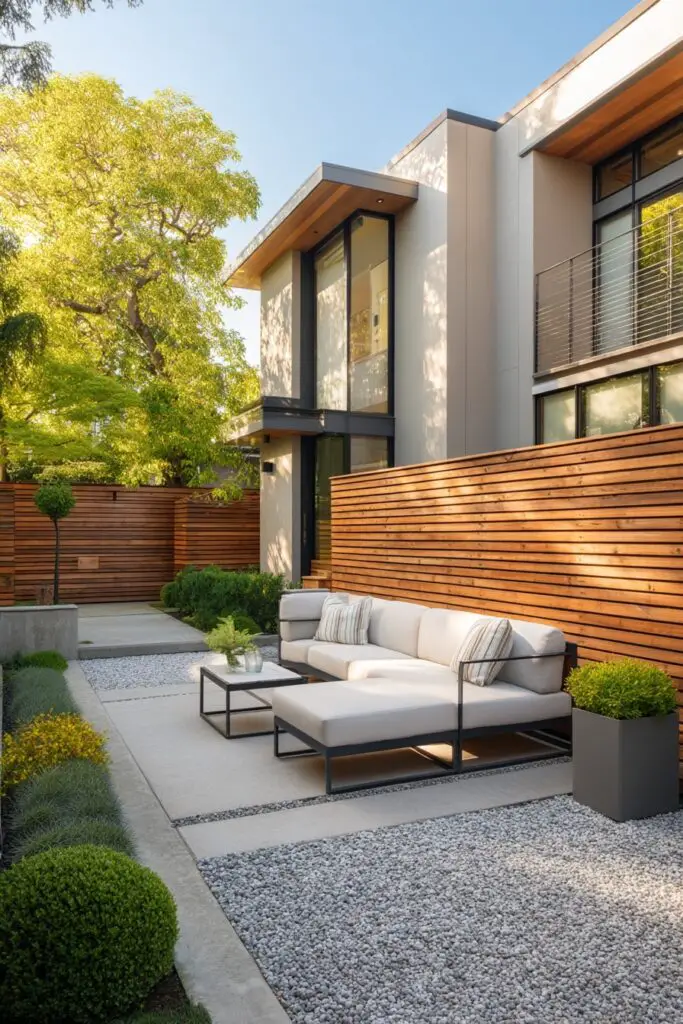
Clean lines and contemporary appeal make horizontal slat fencing one of today’s most requested garden fence ideas.
This style shifts away from traditional vertical boards and instead uses evenly spaced horizontal panels to create a sleek profile. The result feels modern, structured, and visually wider—perfect for smaller yards.
Why Homeowners Love This Style
Horizontal fencing offers:
- A modern architectural look
- Adjustable spacing for privacy control
- Excellent wind resistance
- Compatibility with mixed materials
Spacing between boards can be customized. Tight spacing increases privacy, while wider gaps allow airflow and filtered light.
Material Options
Common materials include:
- Cedar for a warm, natural finish
- Composite for low maintenance
- Stained hardwood for a bold statement
- Wood-and-metal combinations for contrast
This garden fence idea works particularly well with minimalist landscaping, gravel beds, geometric planters, and outdoor living spaces like patios and decks.
If your goal is to create a backyard retreat with defined entertaining zones, horizontal fencing provides both structure and style.
4. Rustic Split Rail Fence
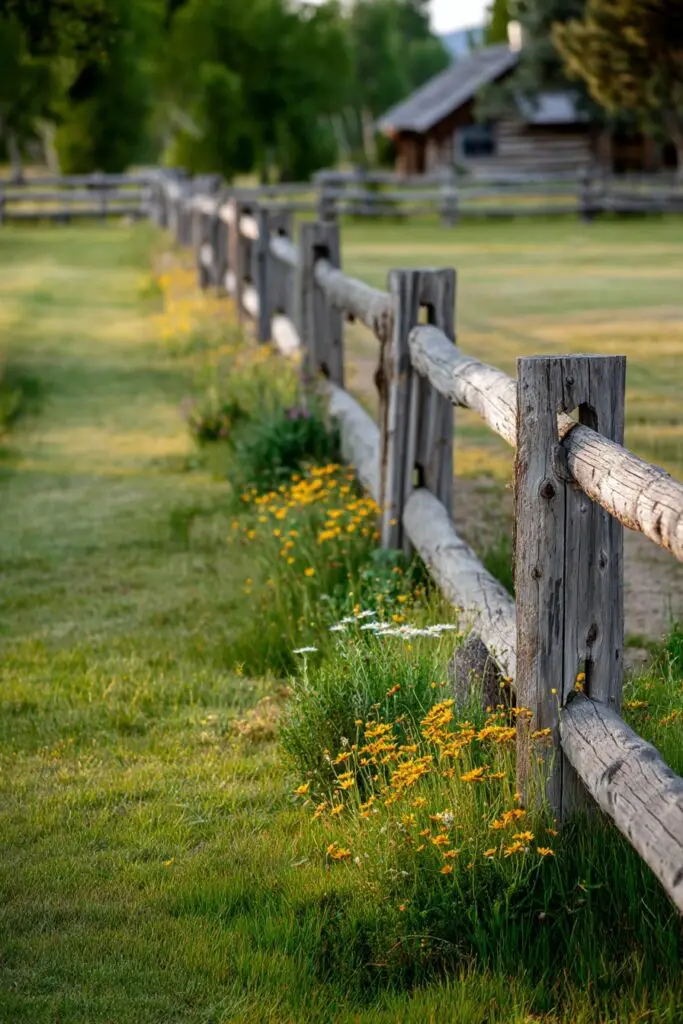
If you prefer a more natural and open look, a split rail design is one of the most charming garden fence ideas for larger properties or cottage-style landscapes.
Unlike solid fencing, split rail structures use spaced horizontal rails supported by posts. This creates a relaxed, countryside appearance that blends seamlessly with natural surroundings.
Why Choose a Split Rail Fence?
This garden fence idea is ideal for homeowners who want:
- A boundary marker without blocking views
- A rustic, farmhouse aesthetic
- An affordable fencing option
- A structure that complements wide lawns or meadows
Cedar and locust wood are common materials due to their natural durability and weather resistance.
How to Make It More Functional
Because split rail fencing is open, it doesn’t provide privacy or security on its own. However, you can enhance it by:
- Adding wire mesh to contain pets
- Growing climbing vines along the rails
- Pairing it with hedges for a layered boundary
This style works especially well around vegetable gardens, orchards, or naturalized planting areas. If you’re designing a pollinator-friendly garden or a country-inspired landscape, this fence type keeps the aesthetic cohesive.
5. Living Fence with Hedges or Plants
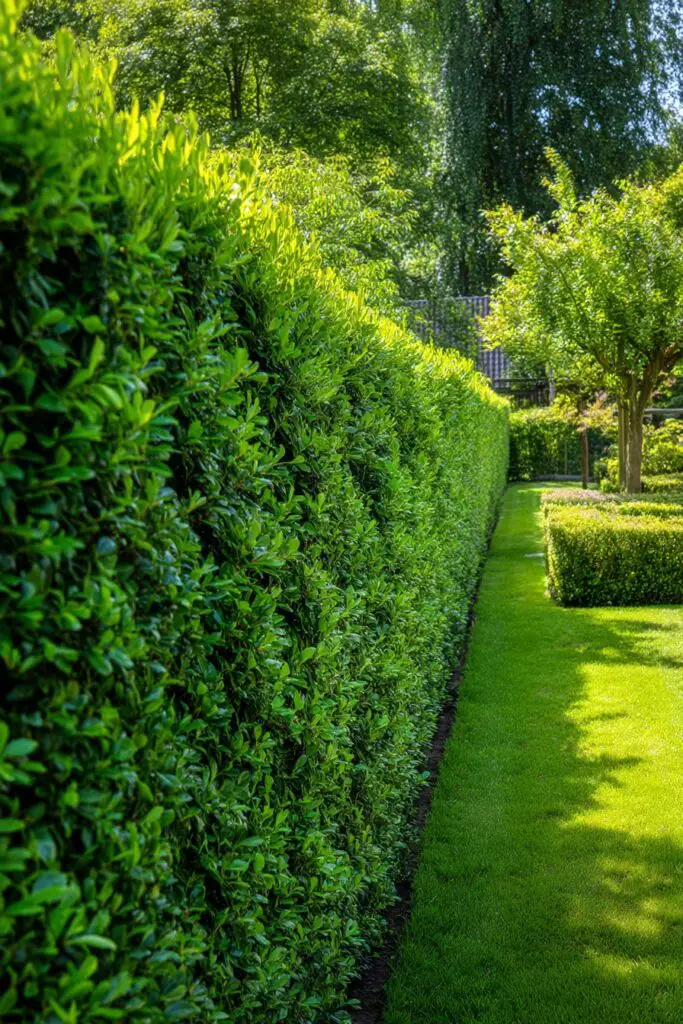
For a softer and more organic approach, living boundaries are among the most sustainable garden fence ideas you can choose.
Instead of wood or metal, this option uses dense plantings to form a natural barrier. Hedges, shrubs, or tightly spaced ornamental grasses create privacy while enhancing biodiversity.
Advantages of a Living Fence
A planted boundary offers:
- Natural privacy screening
- Noise reduction
- Improved air quality
- Seasonal color and texture
Boxwood, arborvitae, privet, and holly are popular hedge choices. For a flowering alternative, consider hydrangea or lilac shrubs.
Maintenance Considerations
While beautiful, this garden fence idea requires regular care:
- Seasonal pruning
- Consistent watering
- Monitoring for pests and disease
If you’re already maintaining garden beds and landscape borders, incorporating a living fence can feel like a natural extension of your existing garden routine.
This approach works particularly well when you want privacy without a hard visual barrier.
6. Vinyl Garden Fence for Low Maintenance
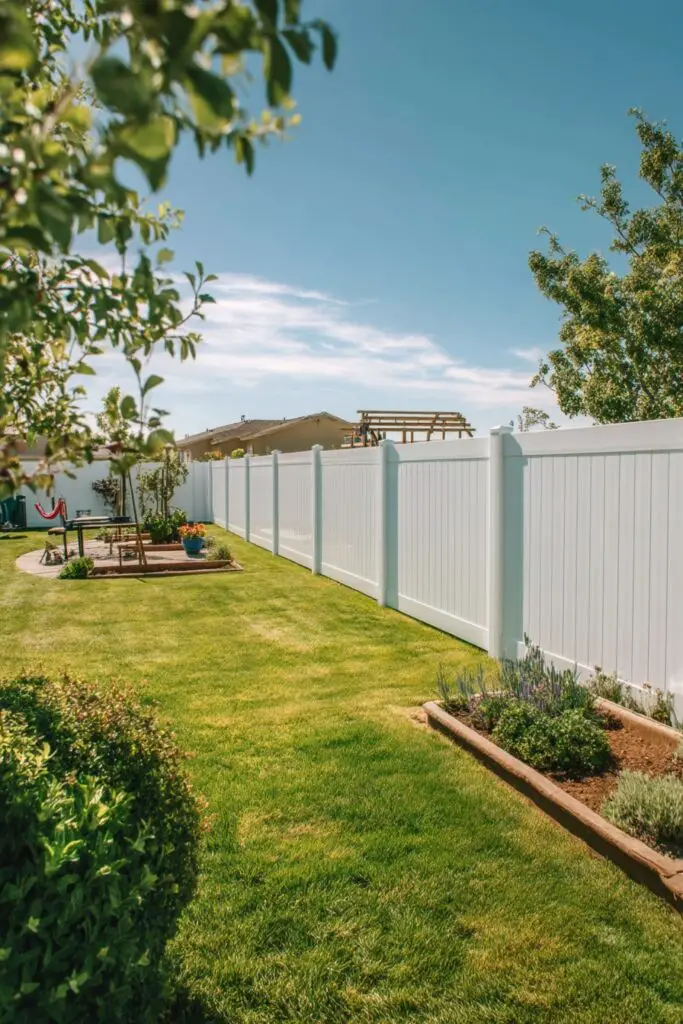
If durability and minimal upkeep are priorities, vinyl options remain one of the most practical garden fence ideas for busy homeowners.
Vinyl fencing has grown in popularity because it mimics the look of painted wood without requiring sanding, staining, or sealing. It resists moisture, insects, and fading, making it a reliable long-term investment.
Why Consider Vinyl?
This garden fence idea offers:
- Strong privacy panels
- Resistance to rot and warping
- Easy cleaning with soap and water
- Long lifespan with little maintenance
Vinyl fencing is available in full-privacy panels, semi-private designs, and decorative picket styles. White is the most common color, but modern manufacturers also offer neutral tones that blend better with natural landscapes.
Best Landscaping Pairings
Vinyl fences work well with:
- Structured flower beds
- Raised garden boxes
- Suburban backyard layouts
- Family-friendly outdoor spaces
Conclusion
Choosing the right garden fence ideas can dramatically improve both the appearance and functionality of your outdoor space. From classic wooden privacy panels to decorative metal designs and natural living fences, each option serves a different purpose.
Before making a final decision, consider your goals for privacy, security, style, and maintenance. The best garden fence ideas balance aesthetics with practicality while complementing your overall landscaping design.
If you’re also planning updates to planting beds or outdoor living areas, consider linking your fence project with other improvements such as:
- Backyard landscaping upgrades
- Raised garden bed installation
- Outdoor patio design ideas
- Native plant garden planning
Coordinating these elements ensures your fencing feels intentional rather than added as an afterthought.