
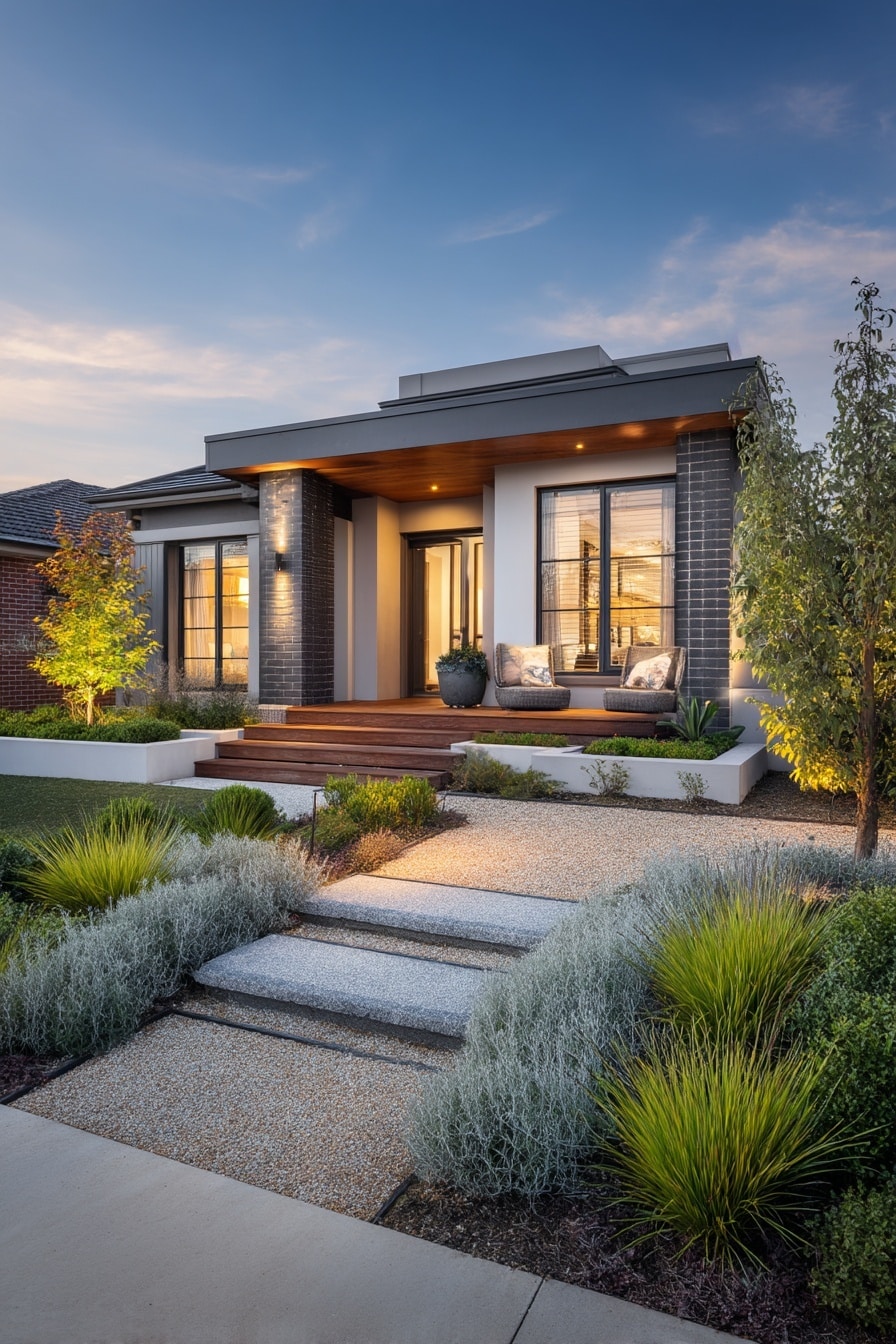
Front yard design plays a major role in how your home looks and functions. A well-planned front yard design not only boosts curb appeal but also turns unused space into something practical and enjoyable. Whether you have a small patch of grass or a wide-open lawn, the right front yard design can help you create a welcoming and functional outdoor area.
Many homeowners overlook the potential of their front yard, focusing more on the backyard. However, with thoughtful front yard design, you can create spaces for relaxation, socializing, and even gardening. This guide will walk you through practical ideas to help you make the most of every inch of your outdoor space.
Table of Contents
1. Define Functional Zones in Your Front Yard Design

A smart front yard design starts with dividing the space into clear zones. Instead of treating your yard as one open area, think of it as multiple sections with different purposes.
You might include:
- A seating or lounging area
- A pathway leading to your entrance
- A planting or garden bed zone
By assigning a function to each section, your front yard design becomes more organized and visually appealing. Even smaller yards benefit from this approach, as it prevents the space from feeling cluttered.
2. Create a Welcoming Pathway
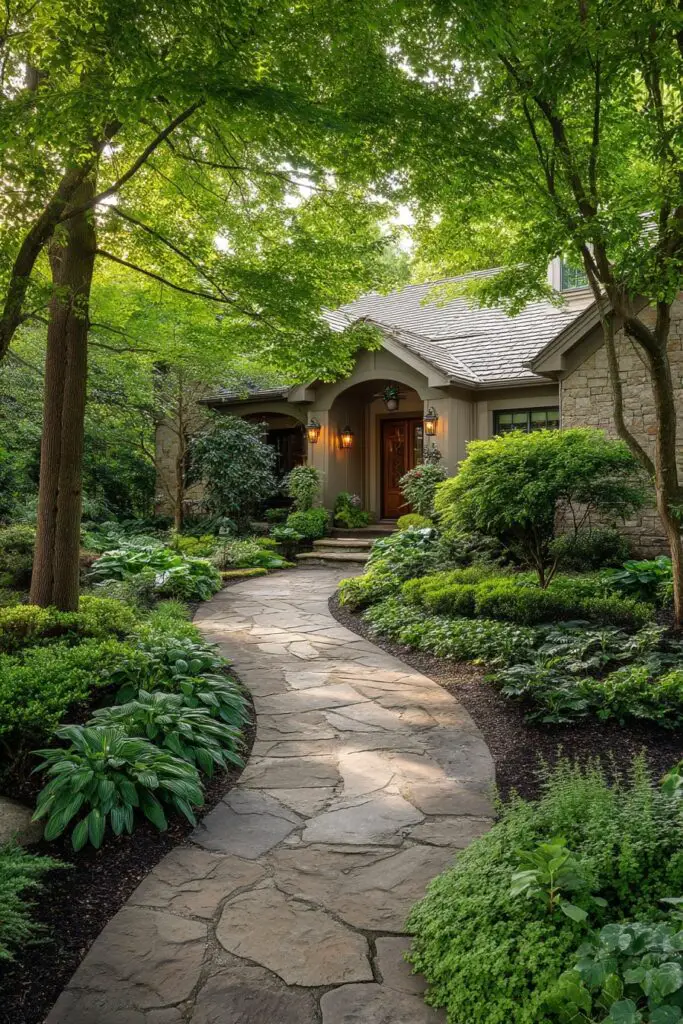
Pathways are essential in any front yard design because they guide visitors and connect different areas. A well-designed path can instantly improve the flow and structure of your yard.
Consider using materials such as:
- Natural stone
- Gravel
- Brick or pavers
Curved pathways often feel more inviting than straight lines, especially in larger spaces. Your front yard design should make movement feel natural while enhancing the overall look.
3. Add Comfortable Seating Areas
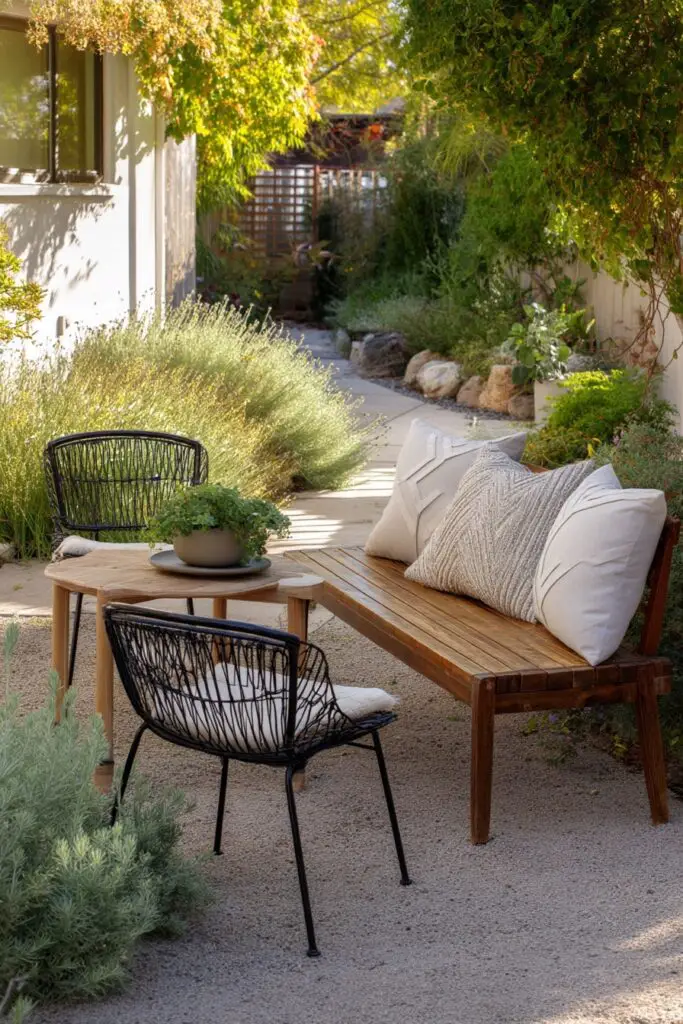
Including seating is one of the easiest ways to upgrade your front yard design. It transforms your outdoor space into a place where you can relax, read, or chat with neighbors.
Some seating ideas include:
- A small bench near the entrance
- A pair of chairs with a side table
- A porch swing or built-in seating
Make sure your seating area blends with the rest of your front yard design by choosing materials and colors that match your home’s style.
4. Use Plants to Frame and Enhance the Space
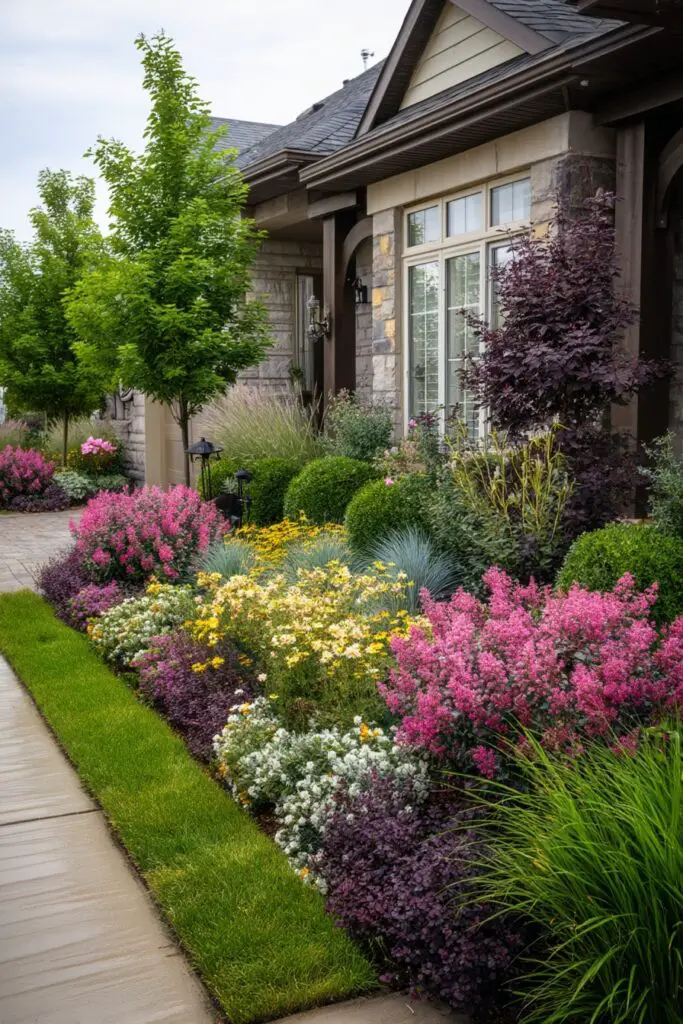
Plants are at the heart of any effective front yard design. They add color, texture, and life to your outdoor area while helping define different zones.
Focus on layering plants:
- Taller shrubs or small trees in the back
- Medium plants in the middle
- Low-growing flowers in the front
This layered approach gives your front yard design depth and makes the space look fuller without feeling overcrowded.
5. Incorporate Lighting for Safety and Ambiance
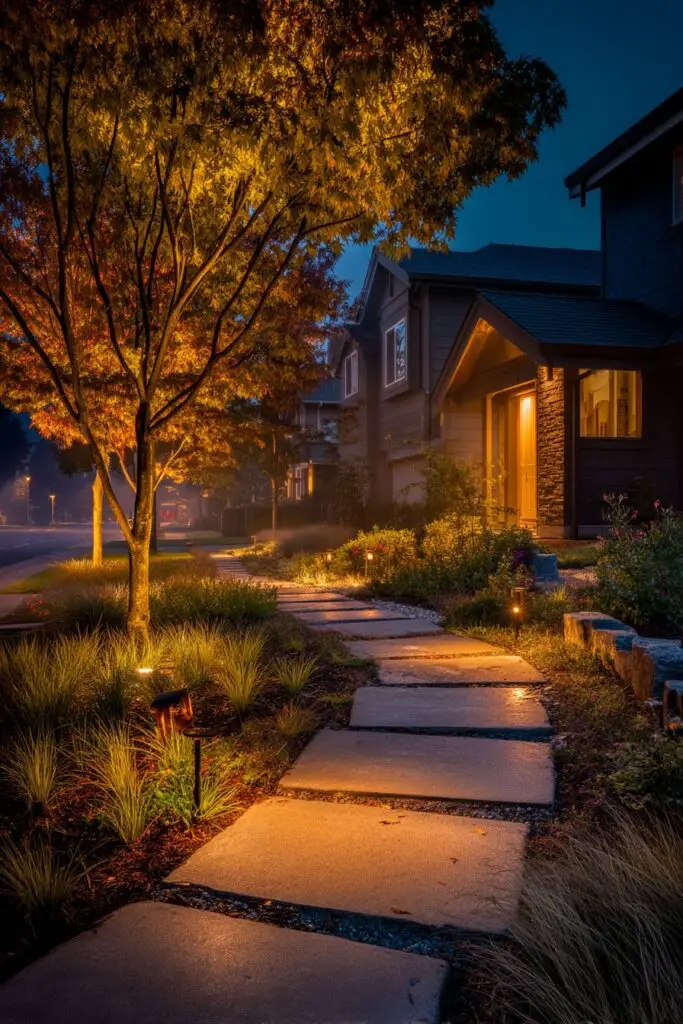
Lighting is often overlooked, but it plays a big role in front yard design. Proper lighting improves safety and highlights key features at night.
You can add:
- Pathway lights
- Uplighting for trees
- Accent lights near seating areas
A well-lit front yard design ensures your outdoor space remains functional even after sunset while creating a warm, inviting atmosphere.
6. Maximize Small Spaces with Smart Design Choices
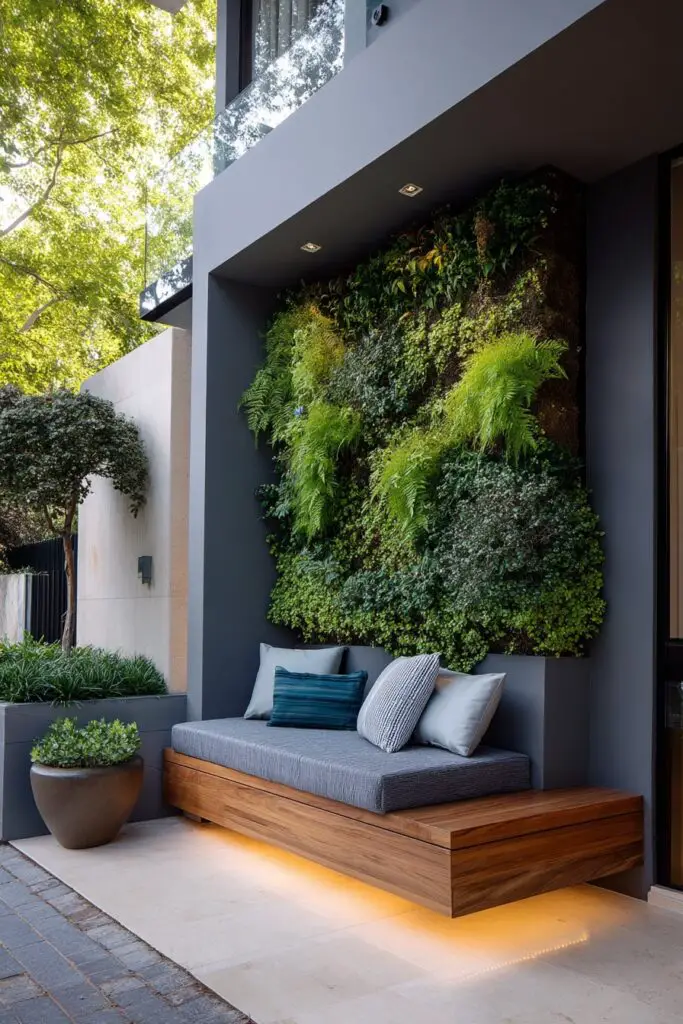
If your yard is limited in size, your front yard design should focus on efficiency. Every element should serve a purpose without overwhelming the space.
Try these tips:
- Use vertical gardening for plants
- Choose compact furniture
- Keep pathways narrow but functional
A thoughtful front yard design can make even the smallest yard feel open and usable.
7. Maintain Balance and Simplicity
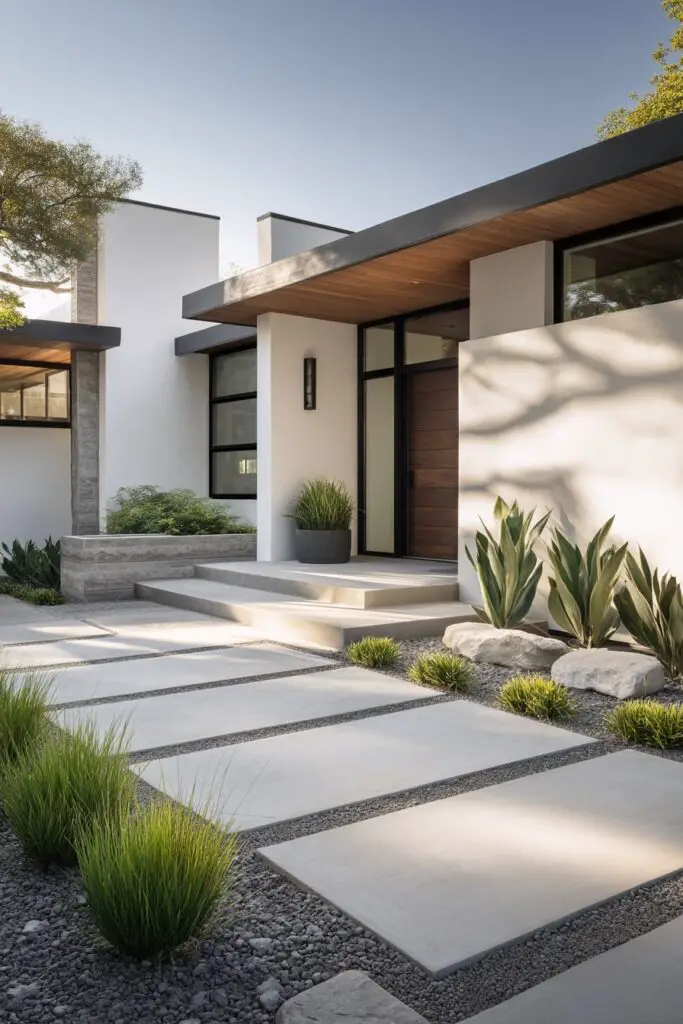
One of the most important principles of front yard design is balance. Avoid overcrowding your space with too many features.
Stick to:
- A consistent color palette
- A few focal points
- Simple, clean lines
Keeping your front yard design simple ensures it remains easy to maintain while still looking polished and attractive.
Conclusion
A well-planned front yard design can completely change how you use and enjoy your outdoor space. By creating functional zones, adding pathways, incorporating seating, and using plants effectively, you can turn your front yard into a beautiful and practical extension of your home.
With the right approach, your front yard design doesn’t have to be complicated. Focus on simplicity, balance, and purpose, and you’ll create a space that looks great and works for your lifestyle.