
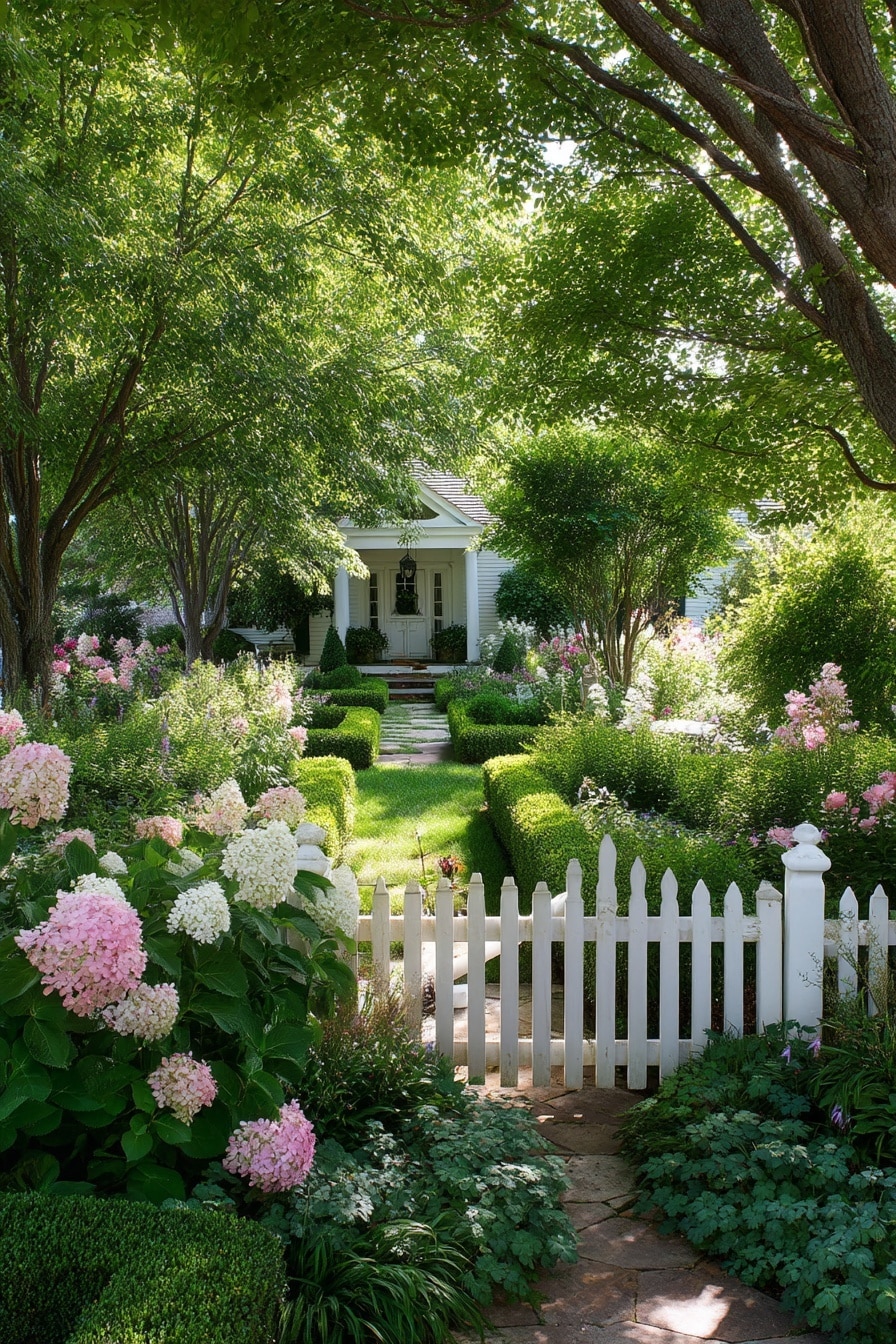
Creating a vibrant and welcoming outdoor space starts with thoughtful flower garden ideas that blend beauty, function, and personality. Whether you’re working with a sprawling backyard or a modest front yard, incorporating colorful blooms, creative layouts, and strategic plant pairings can instantly transform your landscape into a living work of art. From early spring tulips to summer perennials, each season offers new opportunities to bring your garden to life with style and purpose. In this guide, you’ll find practical, inspiring suggestions to help shape your flower garden into a space that’s both stunning and easy to maintain.
Table of Contents
🌸 Spring Flower Garden Ideas: A Colorful Start to the Season

One of the easiest ways to breathe life into your yard after a long winter is to plan for a spring flower garden that bursts with color and freshness. Start by selecting early bloomers like tulips, daffodils, and hyacinths—these hardy flowers thrive in cooler temperatures and provide that much-needed splash of color in March and April.
To create a dynamic display, arrange flowers in waves of color rather than scattered plantings. This approach gives your flower garden a natural rhythm and avoids a cluttered look. Soft pastel shades like pinks, yellows, and pale blues tend to blend harmoniously in spring designs.
Don’t limit yourself to planting only in the ground. Use containers to showcase spring favorites like pansies and hydrangeas. These portable pots allow you to move color throughout your garden wherever it’s needed most. Place them on patios, porches, or near entryways to extend your flower garden beyond the traditional bed.
If your garden is large, include a few narrow paths—gravel or stepping stones work well—to provide access for maintenance while encouraging guests to stroll and enjoy the blooms. For added interest, intersperse small evergreen shrubs like boxwoods to break up floral textures and provide year-round structure.
🌿 Embrace Charming Curves in Your Flower Garden Layout
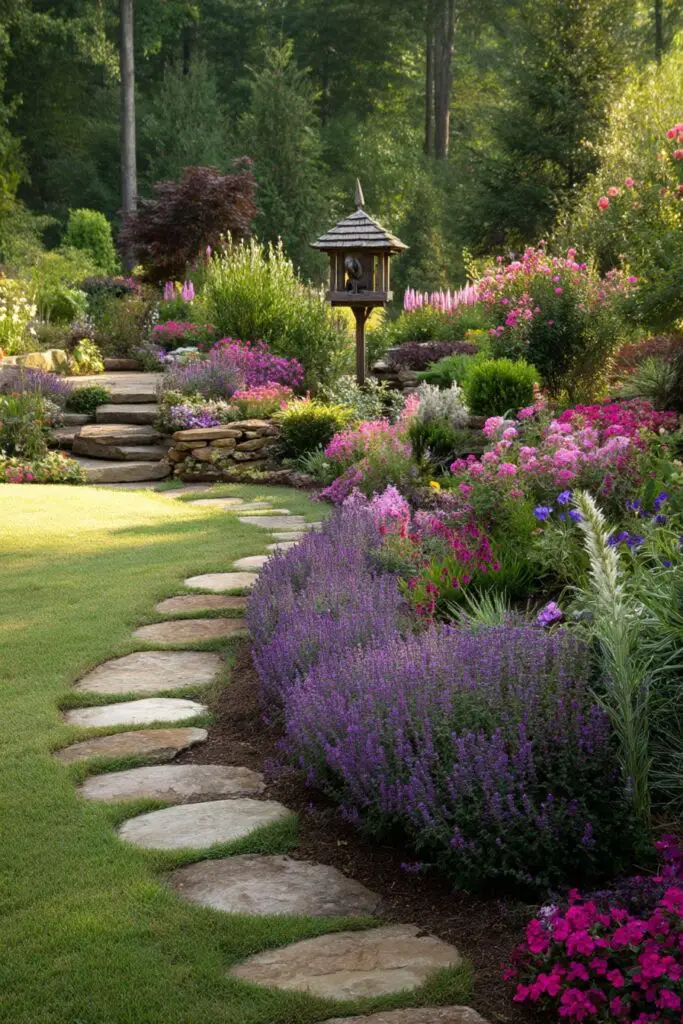
When planning your layout, one of the most overlooked yet effective flower garden ideas is to ditch the straight lines and embrace natural curves. Curved flowerbeds create a softer, more organic look that mirrors nature. These sweeping shapes help guide the eye through your garden and create a sense of flow and movement.
Try outlining your garden beds with gentle arcs that follow the contours of your lawn or walkway. This subtle design tweak instantly adds visual interest without requiring a major overhaul. Choose flower varieties in similar color families—such as lavender, fuchsia, and soft purples—for a calming and cohesive palette.
Incorporate round paving stones or gravel paths to enhance access while maintaining the curved aesthetic. These pathways also help define garden borders and reduce soil compaction around plants.
Hardscape features, like a tall birdhouse or decorative trellis, can serve as charming focal points while supporting local wildlife. Adding mulch around flowerbeds not only tidies up the look but also helps retain moisture and suppress weeds—key for healthy, low-maintenance gardens.
By balancing curves, color harmony, and functional elements, you’ll create a garden that feels both artful and accessible.
🌼 Use the Rule of Three for Cohesive Flower Garden Design
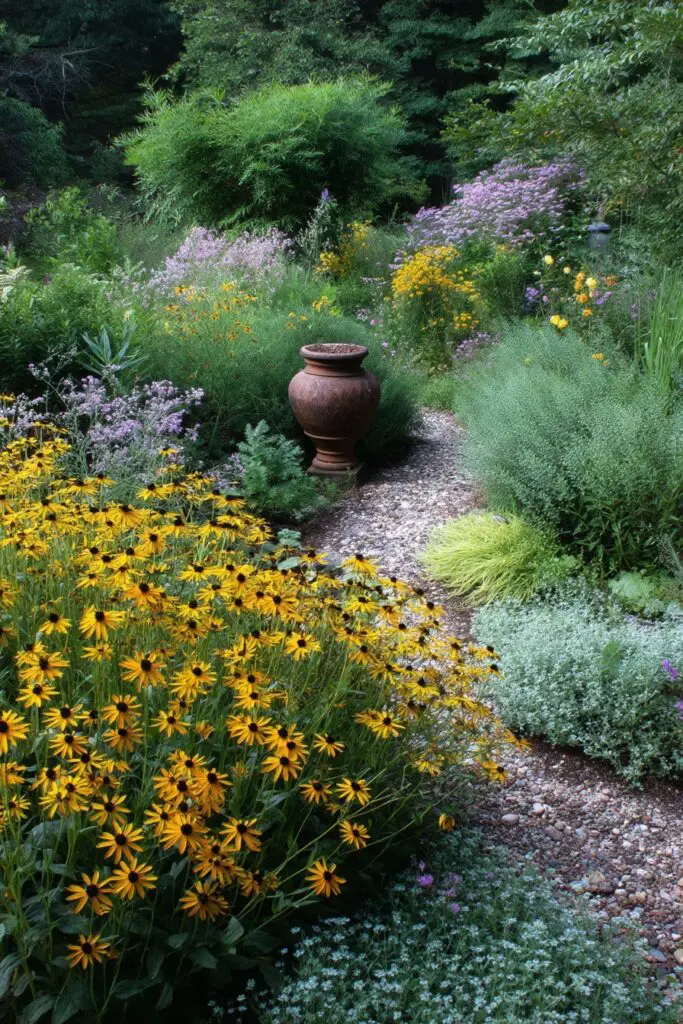
One of the smartest flower garden ideas for creating visual harmony is following the “Rule of Three.” This simple design principle involves planting in groups of three—whether it’s three of the same flower type, three colors within a palette, or three structural elements—to achieve balance and flow.
For example, placing three clumps of black-eyed Susans at staggered intervals creates a sense of rhythm that leads the eye naturally through the space. This approach feels intentional, yet still organic and relaxed. It’s especially helpful in informal garden styles where strict symmetry isn’t the goal.
Incorporate a mix of heights and textures as you group plants. Tall perennials like meadow rue or ornamental grasses offer vertical interest at the back of the bed, while medium and low growers like catmint or coreopsis can fill in the middle and front layers. This layered structure adds depth and helps prevent a flat or monotonous appearance.
Decorative accents like a weathered urn or a repurposed watering can add personality and act as focal points that tie different areas together. Gravel paths meandering through your flower beds not only improve access but also break up large planting areas, making them feel more intimate and manageable.
By using the Rule of Three throughout your garden design, you’ll achieve a look that’s both stylish and thoughtfully arranged.
🪴 Room to Relax: Blending Beauty and Comfort
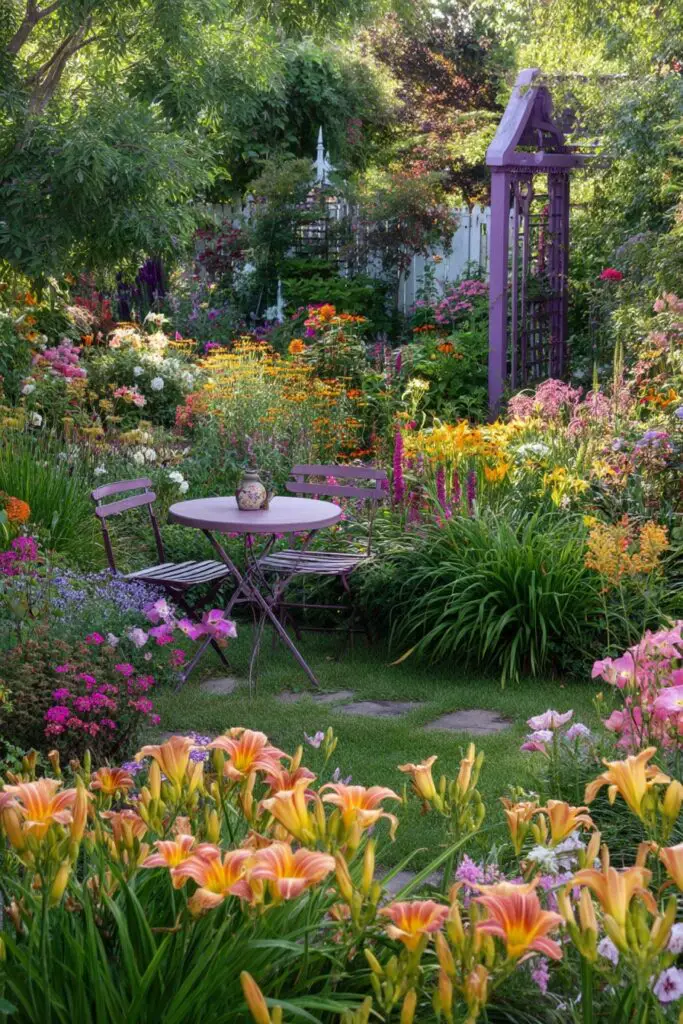
One of the most rewarding flower garden ideas is designing a space that invites you to slow down and enjoy your surroundings. A flower garden doesn’t have to be all about the plants—it can also be a peaceful place to sit, read, or sip a cold drink on a sunny afternoon.
Start by incorporating seating directly into your garden beds. Nestle a small bistro set or a wooden bench among flowering perennials like daylilies, coneflowers, or salvias. Choose furniture in neutral tones or natural materials so it blends into the landscape rather than standing out.
For a high-impact but low-effort design tip, consider planting one flower variety in multiple colors. Masses of daylilies in yellow, peach, and pink, for instance, can create a unified look that still feels vibrant and lively. The repetition brings cohesion, while the color variations add visual excitement.
Densely planted beds not only make a bold statement, they also serve a practical purpose—fewer empty spaces mean fewer weeds. To encourage fast, full growth, reduce plant spacing slightly (but not excessively) to help your garden fill in quickly and suppress unwanted invaders.
If your space lacks a natural backdrop like trees or shrubs, use vertical hardscape elements such as a trellis, arbor, or privacy screen to frame the area and add definition. This helps turn even a small corner of your yard into a true outdoor room.
🌺 Pergolas and Perennials: Creating Lasting Structure
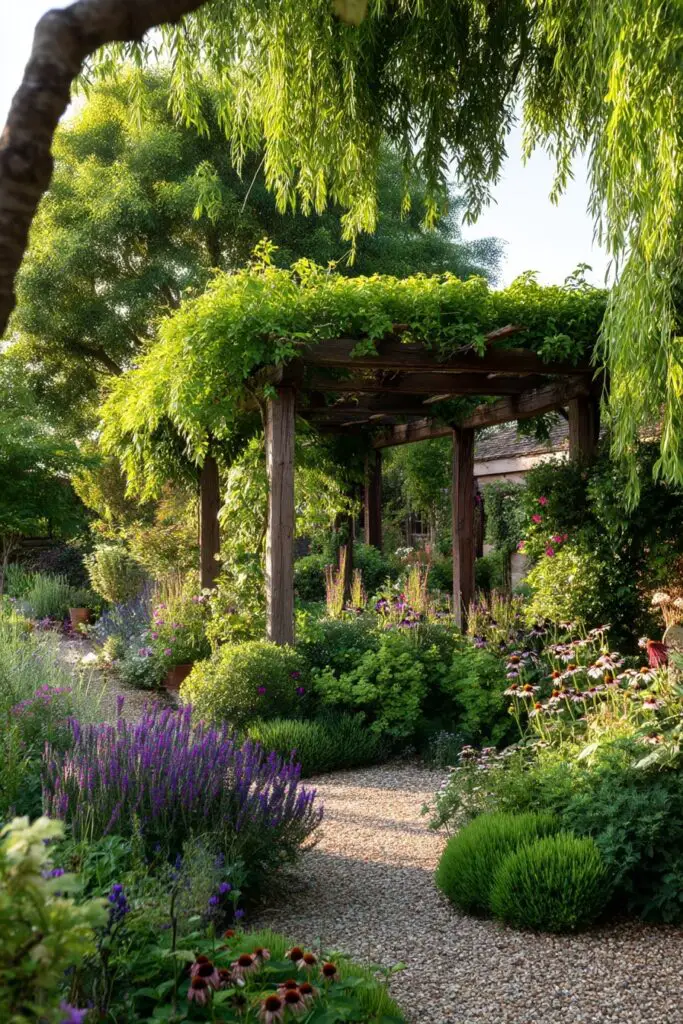
If you’re looking for long-term flower garden ideas that offer beauty through the seasons, consider combining structural elements like pergolas with reliable perennials. This pairing not only adds height and interest but also provides a solid framework around which your garden can evolve year after year.
Pergolas serve as a natural focal point in any landscape. Whether freestanding or attached to your home, they provide vertical space for climbing plants like clematis, honeysuckle, or even roses. These vertical accents draw the eye upward and create a cozy, enclosed feeling—ideal for relaxing or dining al fresco.
Beneath and around the pergola, layer perennials that bloom at different times for continuous color. Early spring pansies can fill in gaps while later bloomers like echinacea or salvia mature. By mixing bloom times, you ensure your garden never looks bare.
Use low hedges—like boxwood—as natural dividers between flowerbeds and hardscape features such as gravel paths or stone patios. Not only do they provide a crisp edge, but they also maintain structure through winter when flowers may be dormant.
Play with contrasting foliage textures and colors to keep things visually engaging. A dappled willow, with its variegated leaves, can balance out richer hues like deep purple salvia or bright yellow coreopsis.
When planned thoughtfully, pergolas and perennials work together to bring depth, longevity, and elegance to your landscape
🌻 Side Spaces and Vertical Touches: Making the Most of Narrow Areas
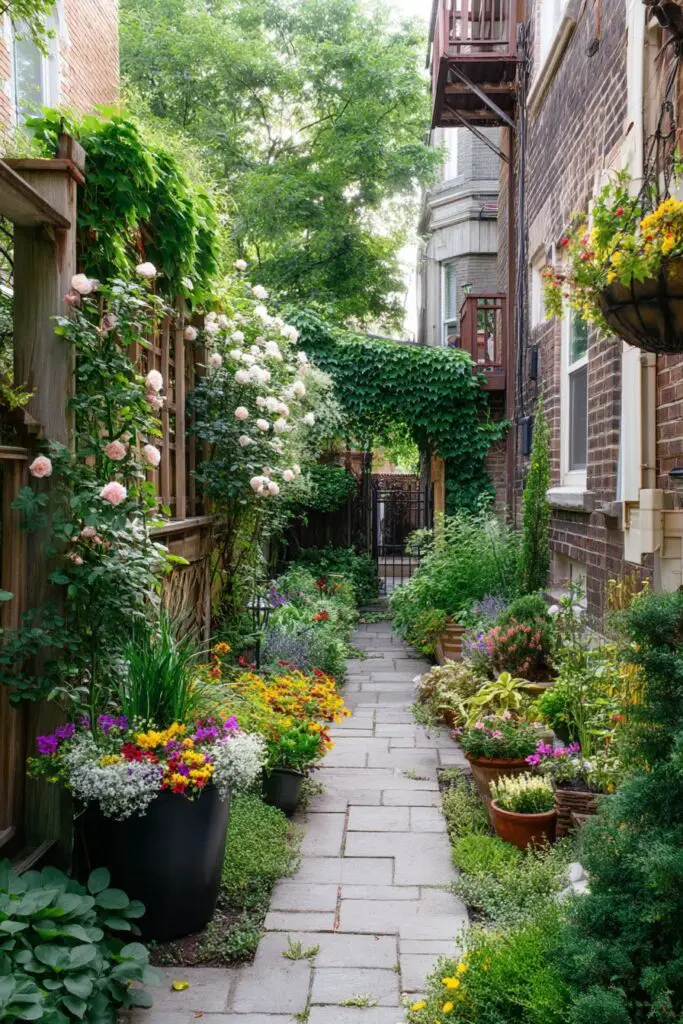
Don’t overlook the potential of side yards, narrow walkways, or small garden strips along fences or buildings. These slim spaces offer prime opportunities for smart, stylish flower garden ideas—especially when you think vertically.
Begin by choosing compact plants that won’t overcrowd the area. Blooms like zinnias, begonias, or compact dahlias can thrive in tighter spots and still provide bursts of color. Complement these with movable containers filled with trailing vines or succulents. Containers are ideal in narrow spaces where in-ground planting might be limited.
Add height and drama by training climbing plants—like roses, jasmine, or morning glories—on trellises or obelisks. This draws the eye upward and adds lush vertical growth without taking up precious ground space. If your wall gets enough sun, you can even install a living wall or vertical planter for a modern twist.
Hardscape touches such as a stone or brick path create structure and balance in narrow areas. Consider softening the look with low-growing edging plants like thyme or creeping phlox, which spill gently over borders and enhance the garden’s charm.
Even small gardens benefit from focal points. A climbing rose over a doorway, a tuteur with flowering vines, or a decorative birdbath can anchor the space and make it feel complete.
With a little creativity, even the slimmest space can become a show-stopping flower garden feature.
🌲 Sculptural Plants and Statement Pieces for Visual Impact
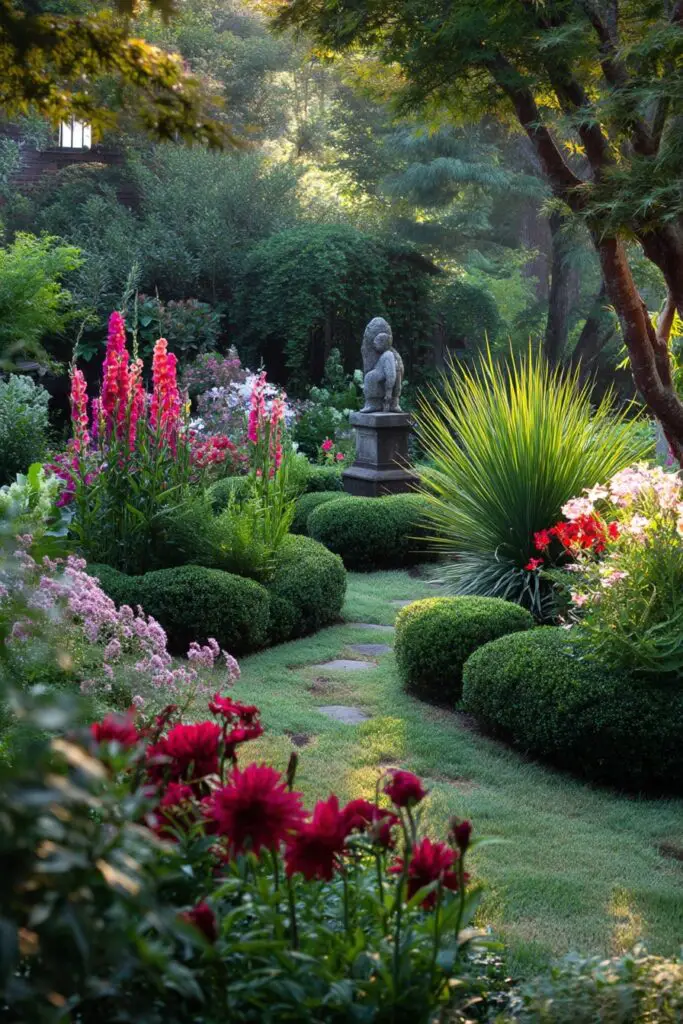
For flower gardens that truly stand out, consider integrating sculptural plants and bold focal elements. These are not just decorative touches—they bring structure, contrast, and a sense of permanence to your landscape. Among the most underrated flower garden ideas is using form as much as color.
Start by incorporating evergreen shrubs like clipped boxwoods, yews, or dwarf pines. These can be pruned into geometric or freeform shapes that add visual interest even when flowering plants are out of season. Their steady green presence helps anchor the garden throughout the year.
In flowerbeds, balance looser, cottage-style blooms with more architectural varieties. Tall flowers such as gladiolus, delphinium, or foxglove bring height and elegance, while structured perennials like ornamental alliums or yucca provide strong lines and textures.
Don’t shy away from adding one or two bold, non-plant elements. A stone statue, wrought-iron sculpture, or modern planter can serve as a centerpiece that ties your garden design together. These elements should be used sparingly for maximum impact.
Group flowers by color in large swaths to create a cohesive, serene look. While mixing colors can be exciting, sometimes the most powerful designs come from restraint—white gladiolus against dark green foliage or a bed of crimson dahlias beneath a simple metal trellis.
When thoughtfully combined, sculptural plants and statement pieces give your garden a gallery-like elegance without sacrificing warmth or charm.
🌼 Flower Garden Flourish: Borders, Repetition, and Flow
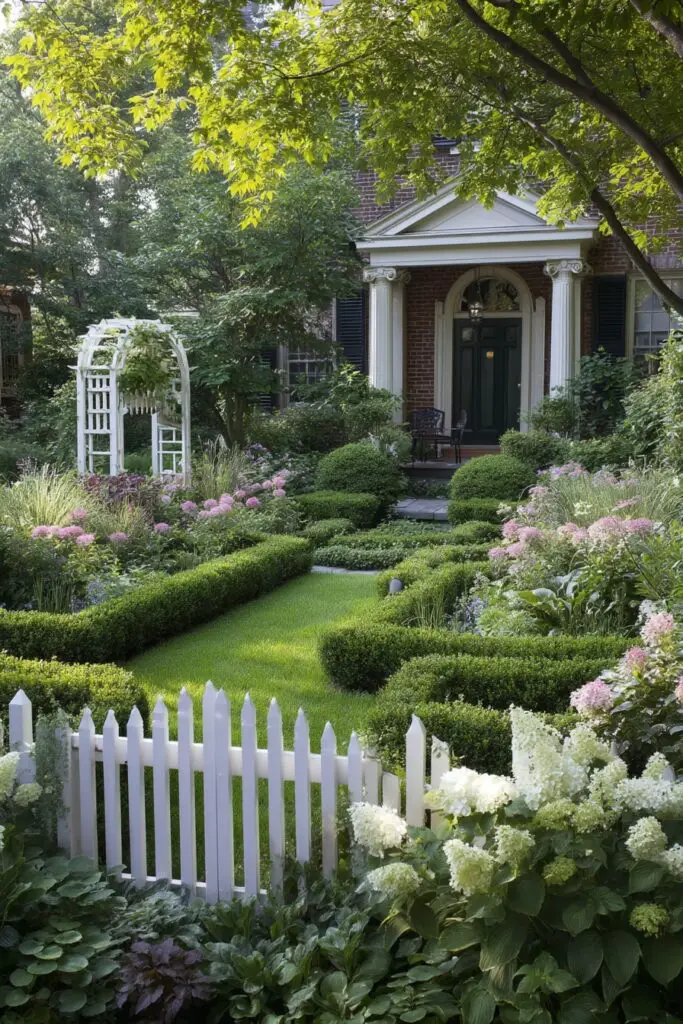
One of the most effective flower garden ideas for creating a polished, cohesive look is to focus on clean borders and repetition. These subtle design strategies help define your space, guide the eye, and make even informal gardens feel intentional.
Start by establishing a clear edge where your lawn meets your garden bed. Low hedges like miniature boxwood or a neatly clipped row of lavender can serve as soft dividers that create structure without feeling rigid. If you prefer a more rustic look, use short sections of picket fencing or natural stone to mark garden boundaries.
Repetition is key to achieving visual flow. Repeating a few select plant varieties and colors throughout the garden helps tie everything together. For instance, alternating patches of daylilies, astilbe, and hydrangeas in soft blues and pinks can create rhythm while still allowing for variety.
Break up large flowerbeds by inserting hardscape elements—think decorative trellises, small gates, or arbors—that provide vertical interest and offer support for climbing plants like clematis or sweet pea. These features draw the eye and prevent the garden from feeling flat or overgrown.
Use taller shrubs or loosely shaped bushes at the back of the bed to create a layered look and give the garden a sense of depth. This backdrop also makes colorful flowers in the foreground pop more vividly.
With careful repetition and well-defined borders, your flower garden becomes not just a collection of plants, but a flowing, harmonious part of your landscape.
🏡 Winsome Garden Appeal: Inviting Paths and Natural Charm
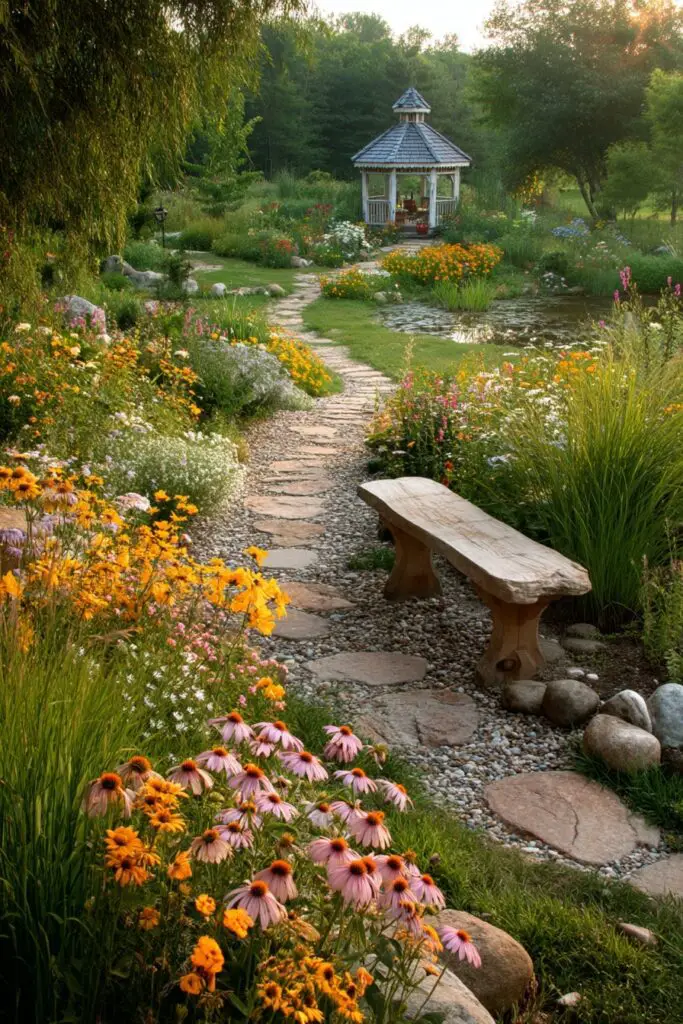
A truly memorable garden doesn’t just look beautiful—it feels inviting. One of the most timeless flower garden ideas is to design with charm and comfort in mind, using natural elements and simple paths to encourage exploration and relaxation.
If you have space, create gentle pathways using crushed stone, bark mulch, or flat stepping stones edged with flowers. Let these paths curve or diverge organically through your garden beds to add a sense of discovery. Edging the walkway with flowering plants like phlox, coneflowers, or feather reed grass adds softness and movement while attracting pollinators.
Incorporate seating along the way—whether it’s a stone bench tucked beneath a tree, or a small gazebo nestled behind flowering shrubs. These cozy resting points invite visitors to pause and take in the garden from different angles.
Water features, even small ones like a tabletop fountain or a shallow pond, add sound and tranquility to your space. The combination of gentle movement and floral color can transform your garden into a retreat that feels far from ordinary.
Don’t forget natural materials: rocks, driftwood, or even logs can be used to edge beds, support climbing vines, or define planting zones. These elements blend beautifully with flowers and make your landscape feel like an extension of nature, not just a curated display.
By combining softness, structure, and a few personal touches, your flower garden will not only please the eye but also welcome the soul.
🌼 Final Thoughts on Flower Garden Ideas
With the right combination of thoughtful design, seasonal planning, and personal touches, your garden can become a vibrant, functional space that brings joy year-round. These flower garden ideas offer a variety of ways to shape your landscape—whether you’re working with a narrow path, a sprawling backyard, or a cozy corner near your patio.
By incorporating curves, repetition, vertical elements, and restful nooks, you create not just a place to grow flowers, but a space to live in. Don’t be afraid to experiment. Start small if needed, and let your garden evolve with your experience and style.
Remember, a well-loved flower garden is never finished—it’s always growing.