
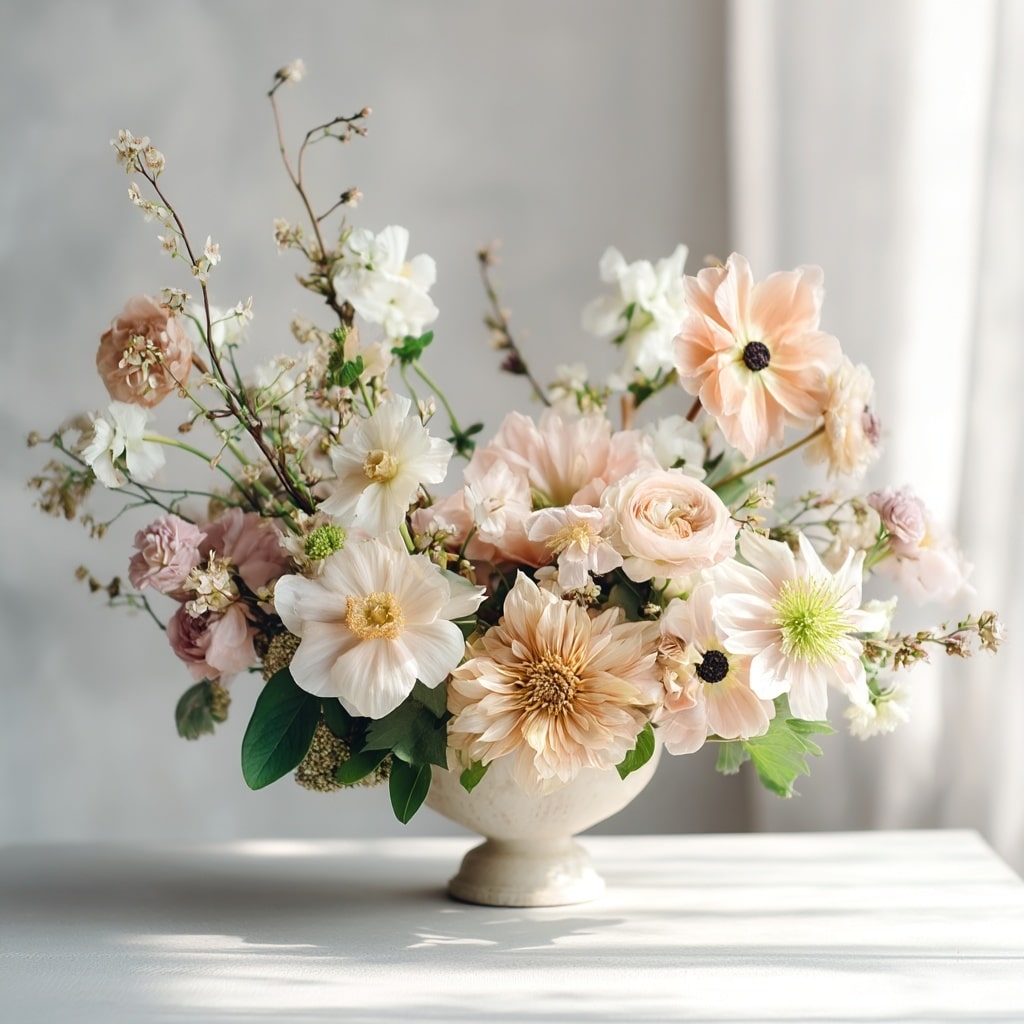
Floral design is a rewarding blend of creativity, technique, and personal expression. For beginners, arranging flowers can feel like a mix of excitement and uncertainty—especially when you’re unsure how to bring your vision to life. Whether you’re working on a simple bouquet or your first centerpiece, understanding a few foundational principles can turn hesitation into confidence. In this guide, we’ll walk through essential floral design techniques for beginners, from choosing ingredients to arranging with intention, so your flowers don’t just look pretty—they feel purposeful.
Table of Contents
Conceptualizing the Design

Before touching a single stem, it’s important to have a clear vision for your floral design. This initial step helps guide every decision—from the types of flowers you select to the shape and style of your arrangement.
Start by asking yourself:
- What mood or feeling do I want to create?
- Is the arrangement meant to be romantic, playful, minimalist, or lush?
- Will it be viewed from all sides or just the front?
These questions shape the design direction. A loose, whimsical bouquet might call for airy blooms and asymmetrical flow, while a formal centerpiece may need more structure and symmetry. Whether you’re designing a small bud vase for a coffee table or a large arrangement for an entryway, having a mental picture of the final look ensures that your flower choices and placements serve a cohesive purpose.
💡 Tip: Sketch your idea or gather photo references before you begin. This helps you translate inspiration into intentional design as you work.
Choosing Ingredients for a Flower Arrangement

Once you’ve set the vision for your floral design, the next step is selecting the right flowers and greenery to bring it to life. Each element plays a specific role, and knowing how to combine them will help your arrangement feel balanced, full, and professional—even as a beginner.
Focal Flowers
These are the stars of your design—larger, eye-catching blooms that immediately draw attention. Use them to create visual rest points and to anchor the entire arrangement. Think garden roses, dahlias, or peonies. These should be placed with care and intention.
Line Flowers
Tall, slender blooms like snapdragons, delphinium, or foxglove help define the structure and height of your arrangement. They’re great for guiding the shape and flow of your floral design, especially when you want to create movement.
Filler Flowers
Filler blooms provide support for your focal flowers and add texture and depth. Spray roses, carnations, or small clusters like waxflower or rice flower work well here. They help bridge gaps between larger elements without competing for attention.
Detail Flowers
Delicate and airy, detail flowers bring elegance and lightness. Butterfly ranunculus, cosmos, or sweet peas are perfect for this role. They’re usually added last and placed carefully to give a natural, effortless feel.
Greenery
Greenery is more than just filler—it creates the base shape, supports the design structure, and adds richness. Eucalyptus, ruscus, ferns, or ivy each bring their own texture and shade. Choose greenery that complements the overall vibe of your piece.
💡 Beginner Tip:
Mix different bloom sizes and textures, but stay true to your initial design goal. If you want a wild, natural look, lean into detail flowers and light greenery. For something fuller and more romantic, layer in large focal flowers and lush greens.
Determining Your Color Palette
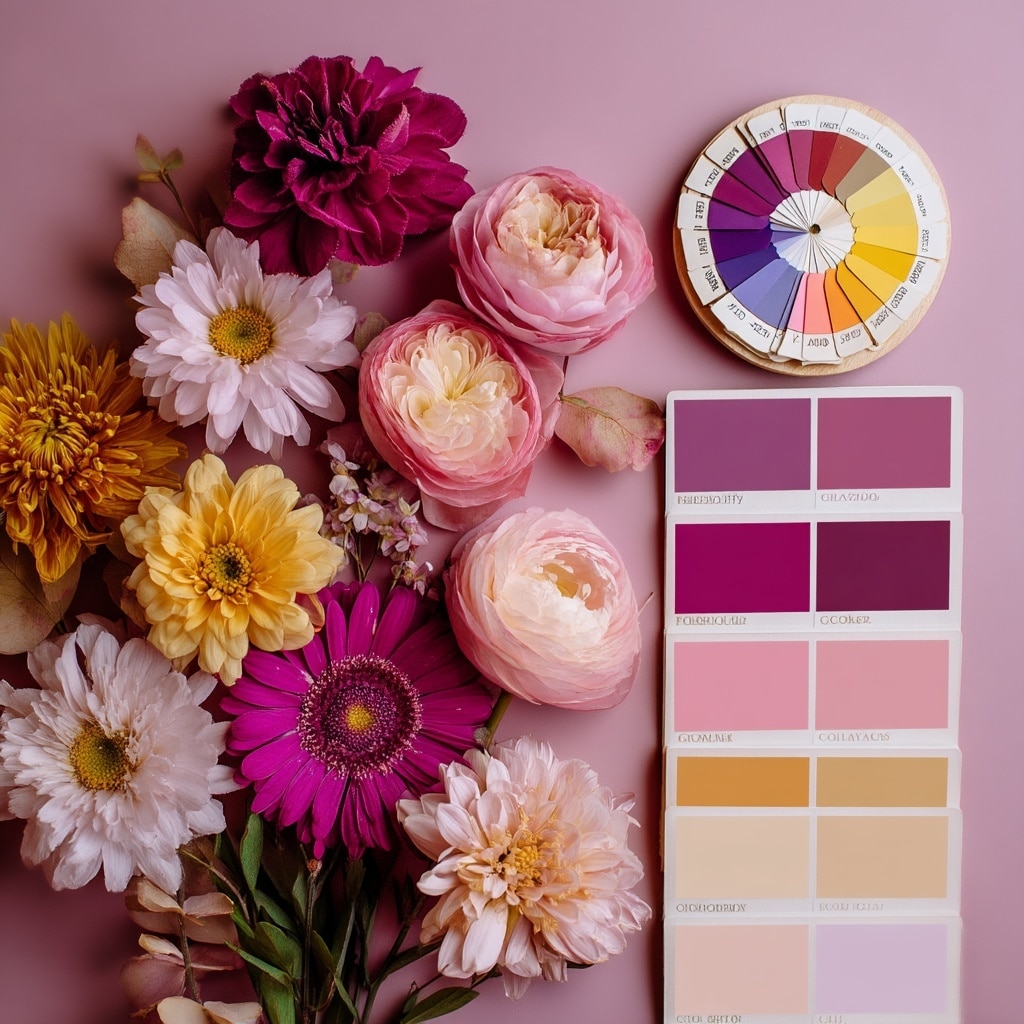
Color is one of the most powerful tools in floral design. Choosing the right palette can completely change the mood of your arrangement—whether you’re aiming for something soft and romantic or bold and vibrant.
A thoughtful color palette brings harmony, guides the viewer’s eye, and ensures your arrangement feels cohesive rather than chaotic. Here are a few color approaches that work well for beginners:
Monochromatic Colors
Stick to one hue and use variations in shade, tone, and texture. An all-white bouquet, for example, becomes interesting when you mix creamy garden roses with crisp white tulips and ruffled carnations. The simplicity of monochrome keeps things elegant while allowing for depth and dimension.
Analogous Colors
These are colors that sit next to each other on the color wheel—like pink, peach, and coral. Analogous palettes create a natural harmony that’s easy on the eyes. For beginners, this is one of the easiest ways to achieve a balanced floral design without overthinking combinations.
Complementary and Near-Complementary Colors
Complementary colors are opposite each other on the color wheel (think purple and yellow). Used together, they add contrast and energy. For a more subtle touch, near-complementary colors (like peach and blue-lavender) can provide balance without clashing.
Color Saturation
Working within a consistent saturation level—such as all pastels or all jewel tones—helps unify a wide range of flower types. Mixing saturation levels can work too, but it takes more experience to balance properly.
💡 Design Tip:
Use one flower variety to act as a “bridge” between colors that might not seem to go together at first glance. A coral ranunculus, for instance, can tie together orange and pink blooms effortlessly.
Placement of Blooms

With your flowers selected and your color palette set, it’s time to bring your floral design to life through thoughtful placement. Arranging blooms isn’t just about putting pretty flowers together—it’s about creating balance, movement, and visual interest.
Here’s a simple step-by-step approach beginners can follow:
1. Start with Greenery
Begin your arrangement by establishing its shape using greenery. This sets the dimensions, helps you hide any mechanics (like floral foam or tape), and gives you a structure to build on. Don’t rush this part—your greens are the foundation of your design.
2. Add Line Flowers
Next, place your line flowers. These blooms help emphasize the shape you started with and pull the eye outward, guiding the overall flow of your arrangement. Let the stems lead the way—don’t force them into a direction they don’t want to go.
3. Build from Big to Small
Now bring in your focal flowers—the stars of your floral design. Give them space to shine and arrange them where you want the eye to naturally rest. Then layer in your filler flowers, working outward and around the focal points. Finish with your most delicate blooms—the detail flowers—which add a final touch of softness and movement.
🌼 Additional Flower Placement Tips
- Layer at Different Depths
Place some flowers deeper in the arrangement and others higher or closer to the edges. This creates depth and mimics the natural way flowers grow. - Use Color to Guide the Eye
Gradual shifts in hue or clustering colors can create rhythm. Ombré effects and color blocking can both be useful tools in guiding the viewer’s attention. - Follow the Natural Curve of Stems
Every stem has a personality. Instead of forcing a straight line, let the natural bend of the flower inform where it belongs in your arrangement. - Step Back and Assess
Use a mirror or take a photo of your design. Looking at your work from a different angle helps you spot areas that need adjustment—something you may not see up close. - Keep Practicing
Like any art form, floral design improves with repetition. Don’t worry if your first few arrangements feel off. With time, you’ll start to trust your eye and develop your own unique style.
Conclusion
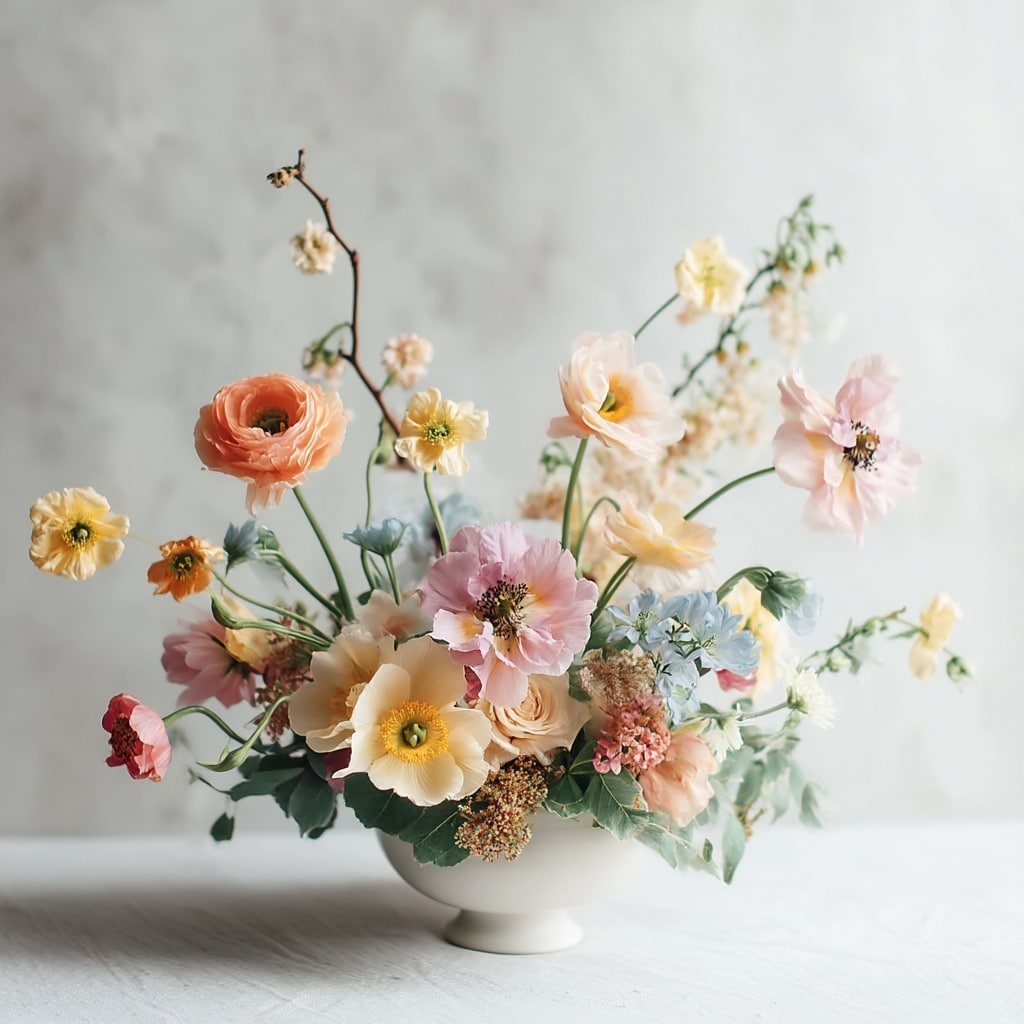
Getting started with floral design doesn’t have to be intimidating. With a clear vision, thoughtful flower selection, and attention to shape and color, anyone can create stunning arrangements—even as a beginner. As you practice, you’ll discover what styles resonate most with you and how to express your creativity through flowers. Remember: every beautiful design begins with one stem and the willingness to try.