
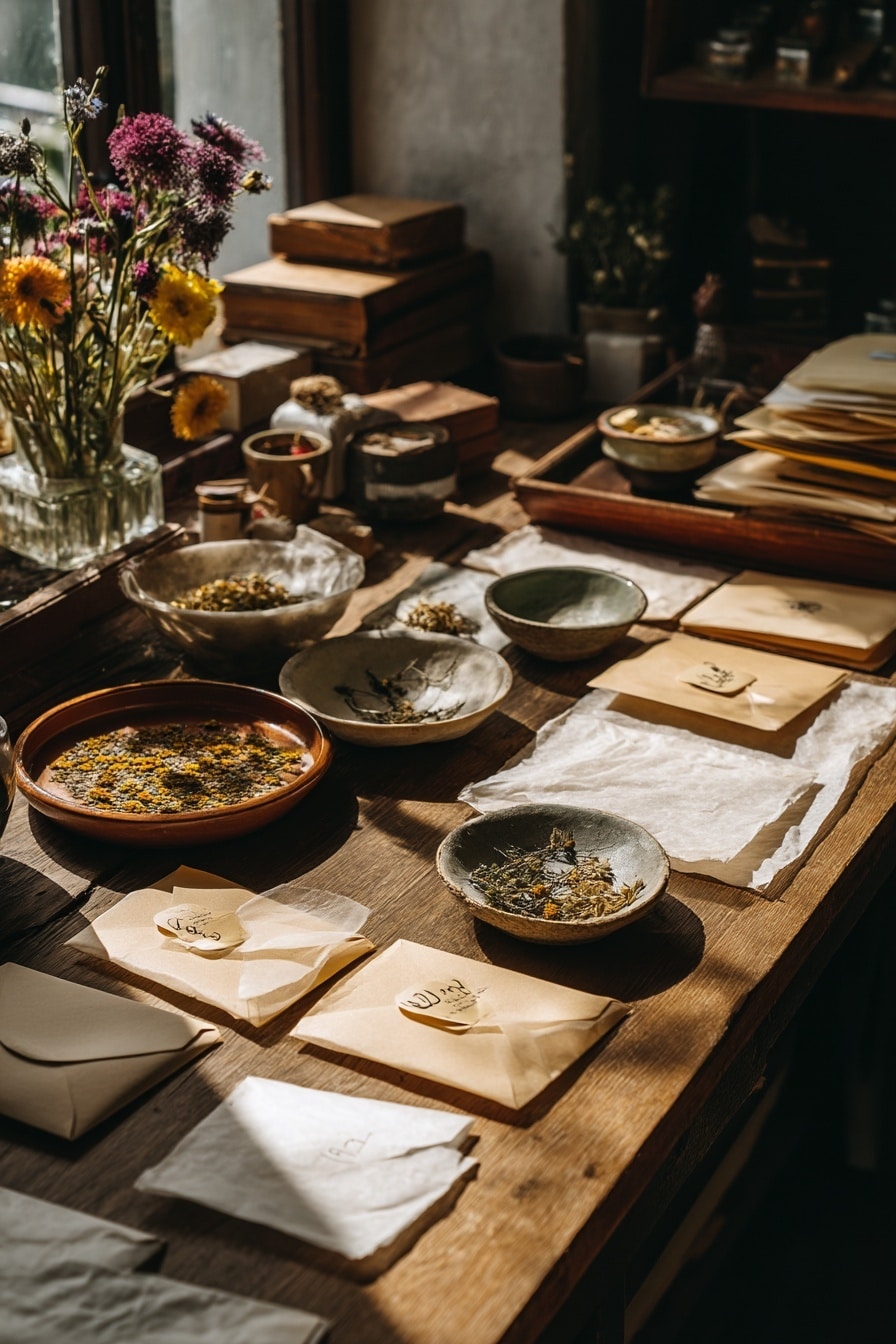
Seeds are nature’s promise of next season’s garden—and autumn is the perfect time to gather them. As flowers fade and vegetables finish their cycle, many plants are quietly producing seeds, ready to be collected, saved, and replanted.
Harvesting seeds in the fall is not only cost-effective, it’s deeply satisfying. With just a few tools and a little planning, you can preserve your favorite blooms and crops for another year. Whether you’re collecting from heirloom tomatoes or letting zinnias go to seed, fall offers ideal conditions for seed saving that benefits both your garden and your budget.
Table of Contents
Collecting Seeds from Fall Plants

As the growing season winds down, many plants shift their energy into producing seeds. Instead of deadheading all your flowers, let some go to seed naturally. Once the petals drop, look for seed pods, capsules, or husks forming at the tips of stems.
You’ll know it’s time to harvest when the seed structures turn brown, dry, and brittle to the touch. Mature seeds are usually dark, firm, and hard. If they’re pale or soft, they need more time to ripen.
When collecting from vegetables and fruits, choose heirloom varieties whenever possible—these produce true-to-type plants. Great options for fall seed saving include:
- Tomatoes (heirloom varieties)
- Peas and beans (once pods are fully dry)
- Peppers and melons (when fully ripe)
Note: Avoid saving seeds from grafted trees or hybrids if you want predictable results. These plants often don’t pass on the same traits to their offspring.
Best Flowers for Fall Seed Harvest
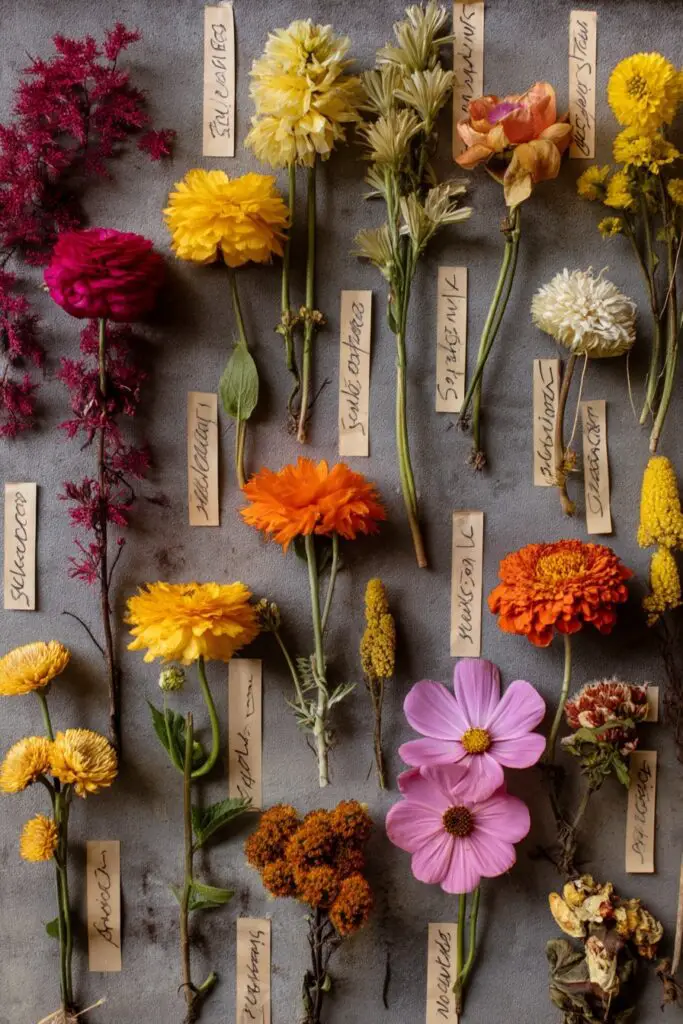
Many garden favorites are ideal for seed collecting once their blooms have faded. These flowers reliably produce mature seeds in late summer through early fall, making them perfect candidates for saving and replanting next season.
Here’s a list of popular, easy-to-harvest flowers that produce viable seeds in autumn:
- Zinnias
- Marigolds
- Cosmos
- Sunflowers
- Echinacea (Coneflower)
- Black-Eyed Susan
- California Poppy
- Sweet Pea
- Nasturtium
- Strawflower
- Cleome
- Coreopsis
- Daisy
- Hollyhock
- Four-O-Clocks
Look for dry, intact seed heads that easily crumble or shake loose when touched. Use scissors or garden pruners to clip flower heads, and bring along small paper bags, envelopes, or containers to keep seeds organized and labeled.
Tip: Label your containers as you collect. It’s easy to forget which seeds came from which plants once you’re home.
How to Dry and Store Seeds Properly
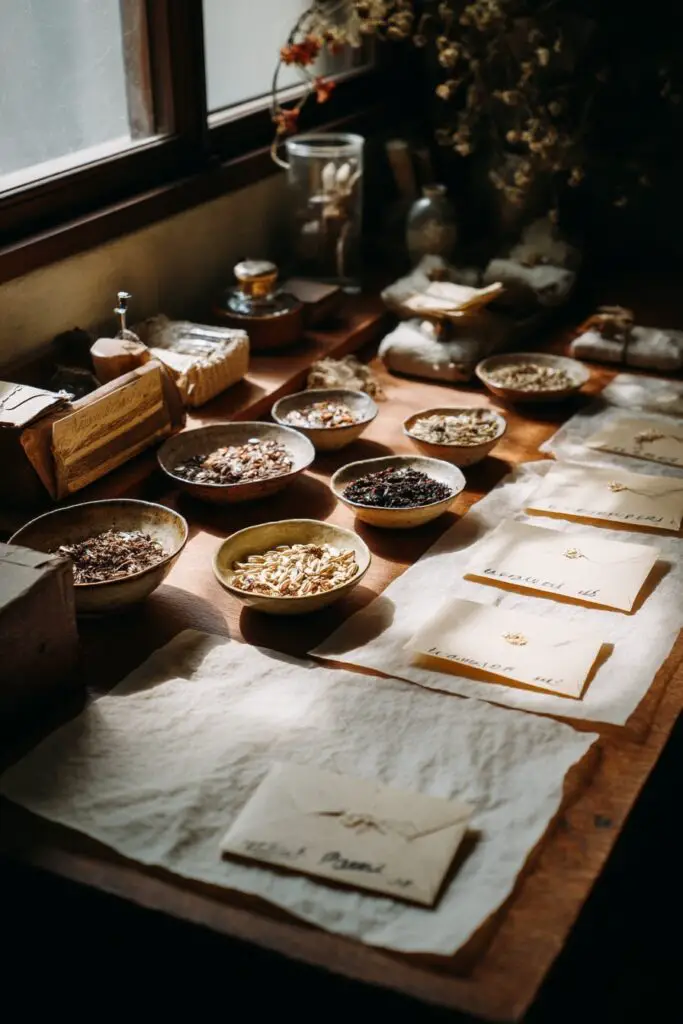
Proper drying and storage are essential to keep your seeds viable through winter and ready for planting next season. After collecting your seeds, give them time to air-dry thoroughly to prevent mold and rot during storage.
🛠️ Tools You’ll Need:
- Scissors or pruners
- Paper bags, envelopes, or small containers
- Wax paper
- Permanent marker for labeling
🧼 Step-by-Step Drying Process:
- Remove excess plant material: Gently strip away husks, seed pods, silk, or pulp.
- Spread seeds on wax paper: Arrange them in a single layer on a dry surface.
- Air dry: Let them sit in a cool, dry spot for about 5–7 days. Stir occasionally to prevent clumping.
- For fleshy fruits: Scoop out the seeds with a spoon, rinse thoroughly, and dry as above.
🧊 Storage Tips:
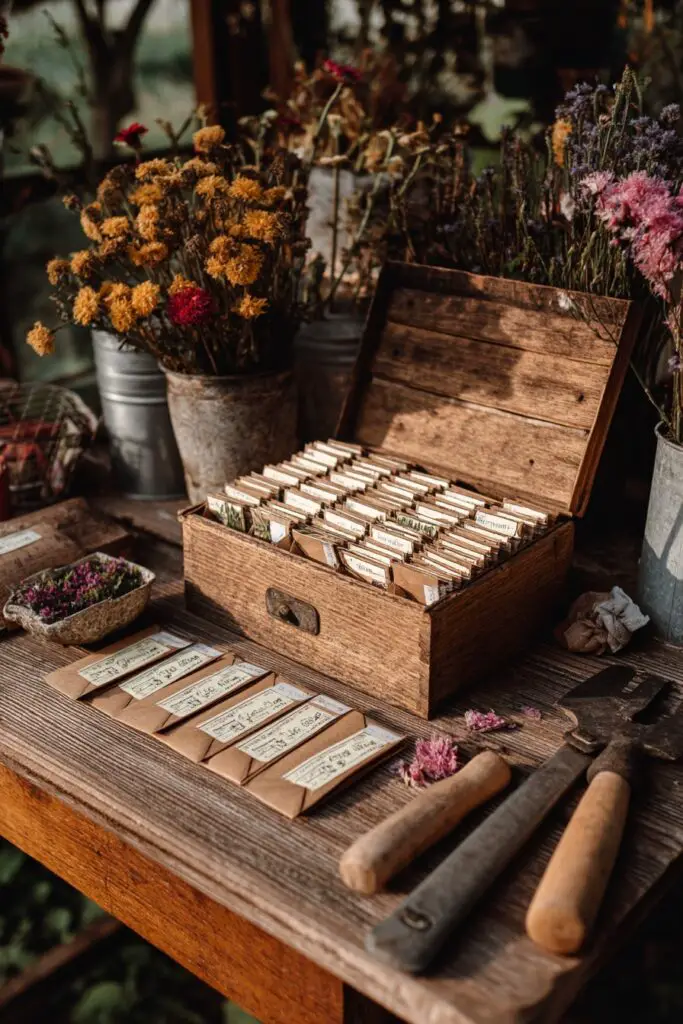
- Place completely dried seeds in labeled paper envelopes with the plant name and collection date.
- Store envelopes in an airtight container or jar.
- Keep your seed stash in a cool, dark place—ideally around 40°F (5°C)—like a fridge or basement.
Avoid using plastic bags unless you’re sure the seeds are fully dry. Moisture can destroy a season’s worth of effort.
Conclusion: Harvesting Seeds in Fall is Worth the Effort
Saving seeds from your fall garden is a simple, rewarding tradition that connects you to your plants and helps you prepare for the seasons ahead. With just a little effort, you can gather a wide variety of flower, fruit, and vegetable seeds—reducing costs, preserving your favorite varieties, and even sharing extras with fellow gardeners.
By harvesting, drying, and storing your seeds properly, you’re not only practicing sustainable gardening but also ensuring a strong, vibrant start when spring planting rolls around.