
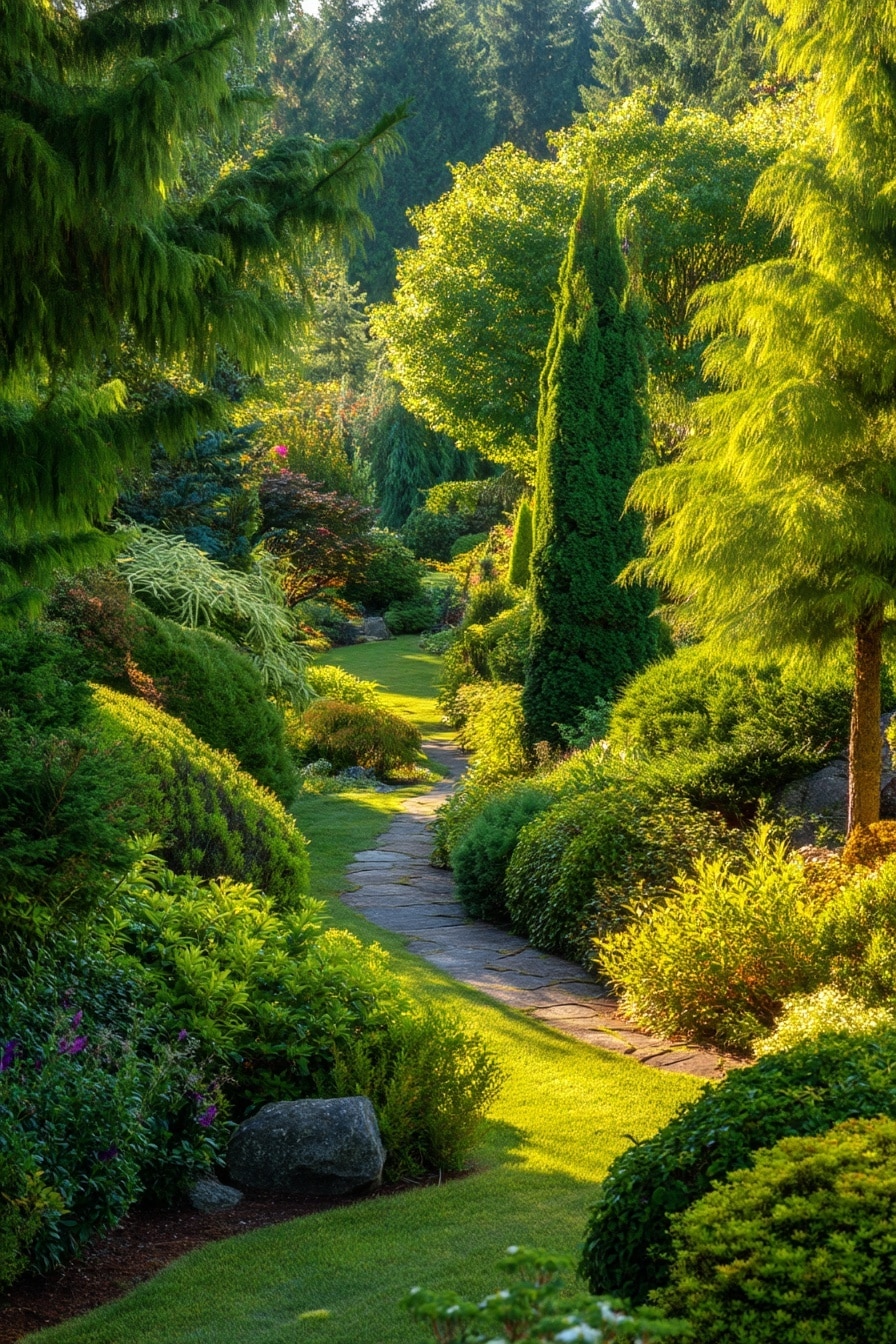
Evergreen plants are known for their year-round beauty, adding structure, color, and texture to the landscape even in the coldest months. But when it comes to pruning, not all evergreens benefit from a trim. In fact, cutting back the wrong ones can lead to poor growth or even lasting damage. To help your garden stay healthy and vibrant, it’s important to know which evergreen plants should be left untouched.
Table of Contents
Why You Shouldn’t Prune Certain Evergreens

While regular pruning helps shape many plants, some evergreen species don’t recover well from heavy cutting. These plants often grow from a central leader or produce new growth only at the tips. If you remove too much or cut into old wood, they may not sprout back at all.
Unlike deciduous shrubs that bounce back with fresh shoots, certain evergreens can become bare and unsightly after aggressive pruning. Others rely on their natural form to thrive and don’t need shaping at all.
Knowing which evergreens to leave alone ensures long-term health and helps preserve their dense, green appearance throughout the year.
Evergreen Plants You Shouldn’t Cut Back
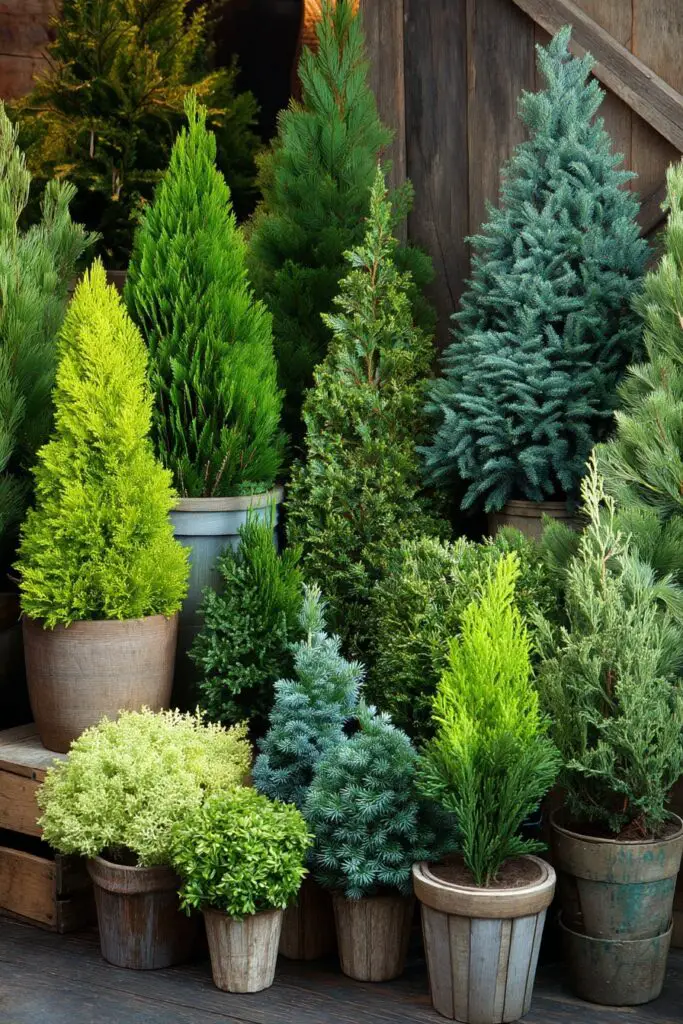
Here are seven popular evergreen plants that gardening experts recommend leaving unpruned, except for the occasional dead or damaged branch.
1. Boxwood (Buxus)
Boxwoods are slow-growing and naturally compact. Over-pruning can create unsightly gaps and encourage disease. Light shaping is fine, but avoid deep cuts into old wood.
2. Arborvitae (Thuja)
This common hedge plant doesn’t regenerate from old wood. Cutting beyond the green outer layer can leave permanent bare spots. Stick to tip-trimming for shape and health.
3. Eastern Hemlock (Tsuga canadensis)
These soft-needled trees grow densely and beautifully on their own. Severe pruning weakens their form and increases susceptibility to pests like woolly adelgids.
4. Mugo Pine (Pinus mugo)
Mugo pines don’t reshoot from old wood. If cut too far back, they won’t fill in again. Only pinch new growth (“candles”) to control size.
5. Japanese Yew (Taxus cuspidata)
Yews tolerate light pruning but can suffer from dieback if cut too hard. Avoid cutting into woody interior branches and focus on shaping only the tips.
6. Hinoki Cypress (Chamaecyparis obtusa)
This elegant evergreen doesn’t respond well to harsh pruning. Its layered structure can be ruined by deep cuts. Remove only dead or awkward limbs.
7. Blue Spruce (Picea pungens)
Known for its silvery-blue needles, blue spruce should not be pruned beyond its outermost tips. Cutting into older growth can halt new growth entirely.
Tips for Caring for These Evergreens Without Pruning
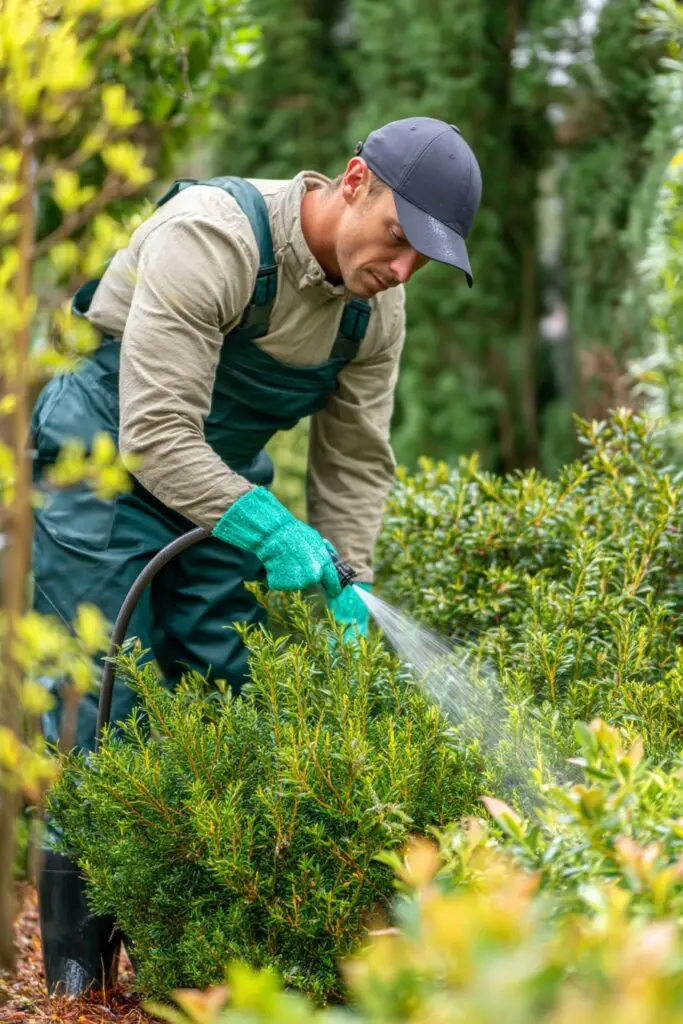
Maintaining healthy evergreen plants doesn’t require constant pruning. In fact, many thrive with minimal interference when given the right conditions.
Provide Proper Spacing
Avoid crowding plants. Giving your evergreens room to grow reduces the need for shaping and prevents competition for light and nutrients.
Water Wisely
Evergreens need consistent moisture, especially in their first few years. Deep watering encourages strong root development and overall resilience.
Mulch to Protect Roots
Apply a 2–3 inch layer of mulch around the base to conserve moisture, suppress weeds, and insulate roots from extreme temperatures.
Feed with Balanced Fertilizer
Use a slow-release fertilizer formulated for evergreen shrubs in early spring to support healthy, even growth.
Monitor for Pests and Disease
Check foliage regularly for signs of insects, browning, or fungal spots. Early intervention can prevent lasting damage, especially when pruning isn’t an option.
Remove Only Dead or Damaged Branches
If necessary, carefully snip out dead or broken limbs. Make clean cuts close to the branch collar without leaving stubs.
Conclusion
Evergreen plants bring lasting beauty to gardens, but not all benefit from a trim. Knowing which species to leave untouched can prevent long-term damage and ensure they stay healthy and full year-round. From boxwoods to blue spruce, these evergreens maintain their natural shape best when left to grow with minimal interference. Careful spacing, watering, and seasonal attention go a long way in keeping them thriving—no heavy pruning required.
For more on year-round greenery, consider linking to related topics like winter garden care, low-maintenance shrubs, or native evergreen landscaping.