
Fruit trees are a rewarding addition to any yard, offering beauty, shade, and delicious harvests. But in regions where water is limited, keeping traditional varieties alive can be a challenge. That’s where drought-tolerant options come in. By choosing fruit trees that are naturally adapted to dry conditions, you can enjoy homegrown produce without stressing your irrigation system—or your wallet.
In this guide, we’ll introduce five resilient, water-wise fruit trees that not only survive but thrive in arid environments. Whether you’re in a hot-summer zone or want to reduce your garden’s water needs, these low-maintenance picks are perfect for sustainable, productive landscapes.
Table of Contents
Stella Fig Tree: Sweet Harvests With Minimal Water

If you’re looking for fruit trees that thrive on neglect, the Stella fig is a top performer. Known for its deep root system and adaptability, this variety of Ficus carica handles dry spells with ease—making it ideal for water-wise gardens.
Once established, the Stella fig tree rarely needs supplemental watering, relying mostly on natural rainfall. It prefers full sun and tolerates a range of soils, including loamy and slightly sandy types. Its lush green leaves add visual appeal, while the large, sweet figs ripen from late summer into fall, offering both beauty and bounty.
This compact tree fits well in small spaces and is an excellent choice for xeriscaping or Mediterranean-style gardens.
Quick Facts:
- Hardiness Zones: 7 to 11
- Size at Maturity: 8–10 feet tall, 5–6 feet wide
- Best Conditions: Full sun to partial shade, well-drained soil
Tip: Fig trees attract pollinators, making them a great companion for other drought-tolerant plants in your yard.
Eversweet Pomegranate: Vibrant Fruit on Hardy Roots
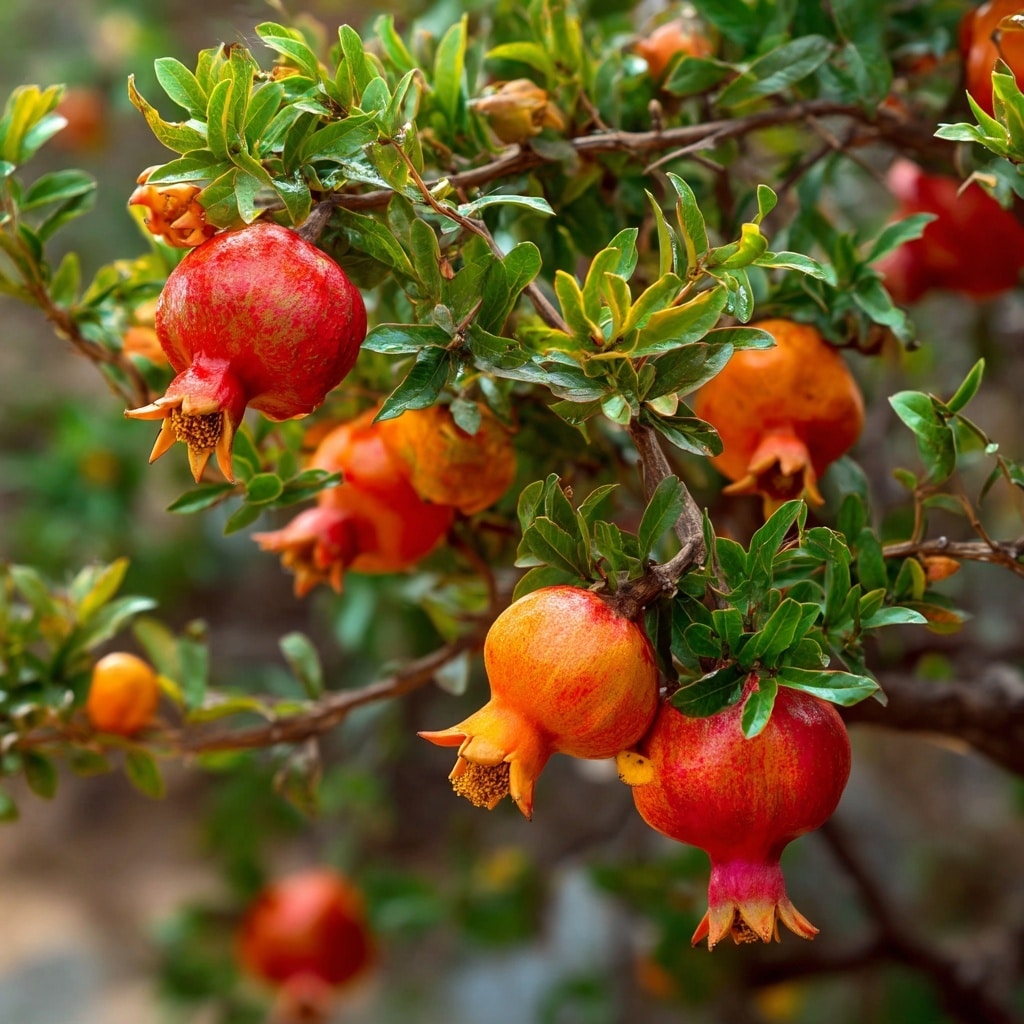
Not all fruit trees need pampering—and the Eversweet pomegranate proves it. This heat-loving variety is prized not only for its showy orange-red flowers and glossy foliage, but also for its incredible drought tolerance. Once its deep roots are established, it needs very little additional watering, even during hot, dry summers.
Unlike many pomegranates, the Eversweet produces nearly seedless, non-staining arils that are sweet even when slightly underripe. It’s perfect for snacking, juicing, or adding a pop of flavor to salads and desserts. Whether planted in the ground or grown in a container, it brings reliable harvests and ornamental beauty to water-conscious gardens.
Quick Facts:
- Hardiness Zones: 9 to 11
- Size at Maturity: 8–12 feet tall, 8–10 feet wide
- Best Conditions: Full sun, well-draining soil
Bonus: Pomegranate fruit trees are also deer-resistant and attract hummingbirds and bees during bloom season.
Arbequina Olive Tree: Mediterranean Flair With Low Water Needs
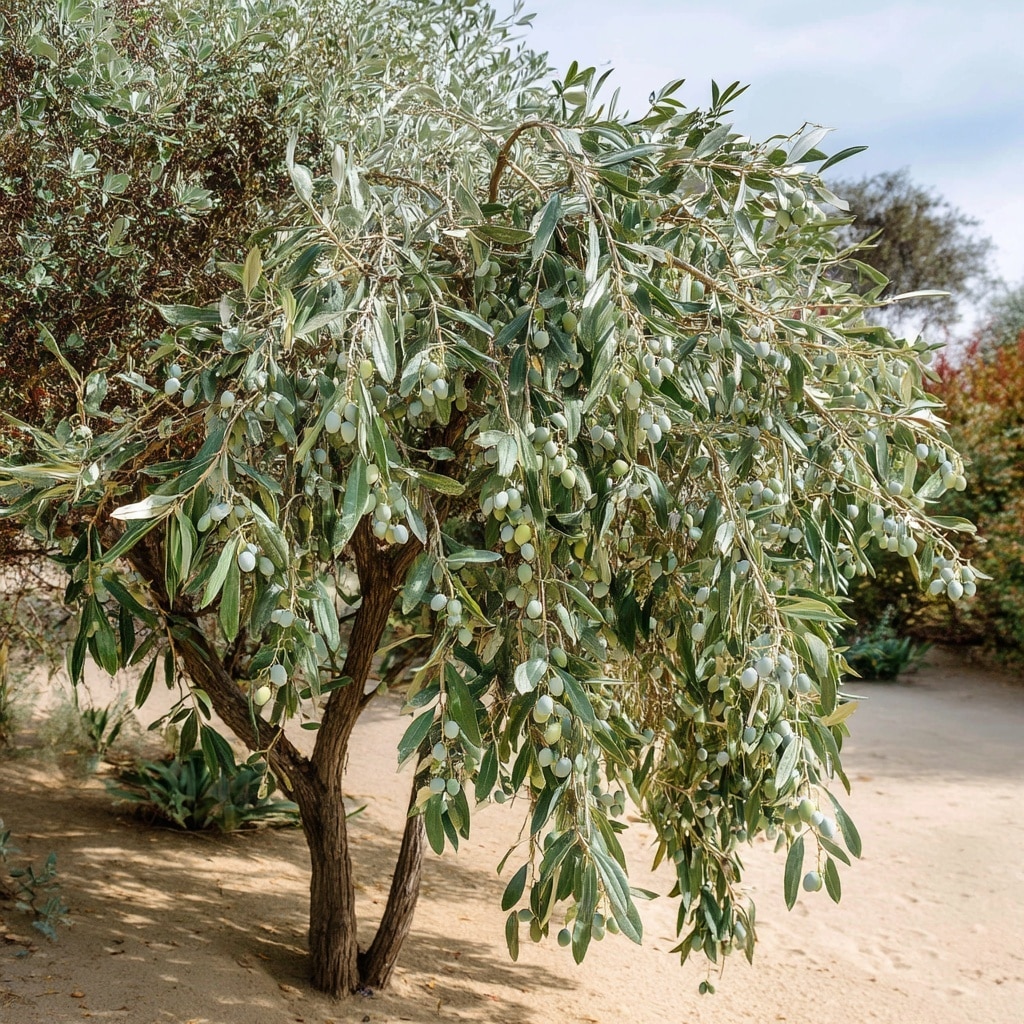
Few fruit trees match the elegance and durability of the Arbequina olive. With its soft gray-green foliage, delicate spring blooms, and compact form, this self-pollinating tree brings Mediterranean charm to modern landscapes—and it does so with minimal water.
Once established, the Arbequina thrives in hot, dry environments and tolerates a wide range of soil types, including sandy and even slightly salty conditions. Its small, flavorful olives are ideal for home oil production or curing, and the tree’s graceful, weeping habit makes it a standout in both garden beds and large containers.
For gardeners in coastal regions or dry inland zones, it’s an excellent low-maintenance option.
Quick Facts:
- Hardiness Zones: 8 to 9
- Size at Maturity: 20 feet tall, 12 feet wide
- Best Conditions: Full sun, dry and well-draining soil
Tip: Unlike some fruit trees, the Arbequina olive handles wind and heat well, making it perfect for exposed areas.
American Plum: Native Beauty With Edible Rewards
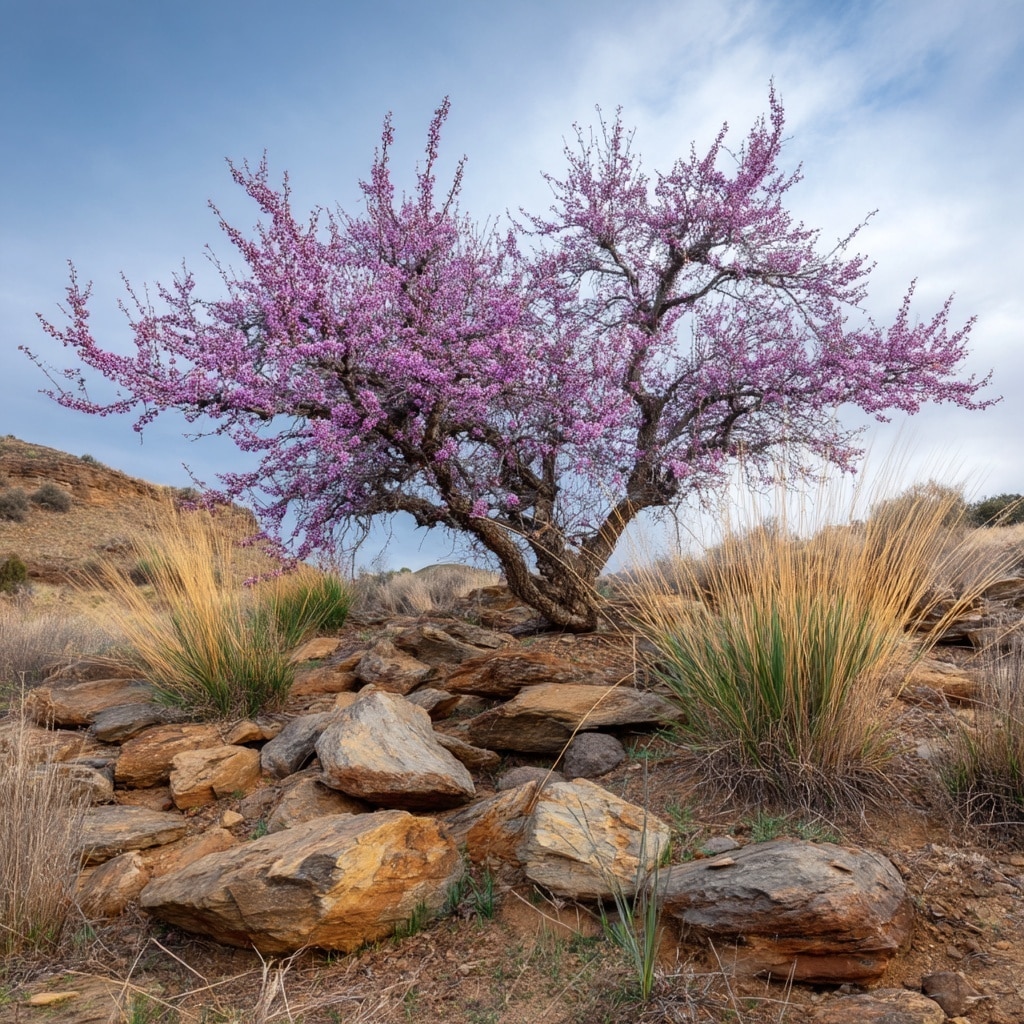
For gardeners seeking hardy fruit trees that are both productive and low-maintenance, the American plum is a smart pick. Native to North America, this tree is well adapted to dry climates, rocky soils, and erratic rainfall. Its deep, widespread roots help it withstand drought conditions while continuing to deliver juicy, purple fruit.
The American plum begins producing in as little as three years, offering early spring blossoms, vibrant fall foliage, and delicious harvests perfect for jams, sauces, or fresh eating. Its adaptability to tough conditions makes it a great choice for homesteaders, wildlife gardens, and permaculture landscapes.
Quick Facts:
- Hardiness Zones: 3 to 8
- Size at Maturity: 20 feet tall, 15 feet wide
- Best Conditions: Full to part sun; dry, well-draining loamy soil
Bonus: These fruit trees also provide essential food and shelter for native birds, bees, and butterflies.
Red Mulberry: Abundant Shade and Sweet Berries
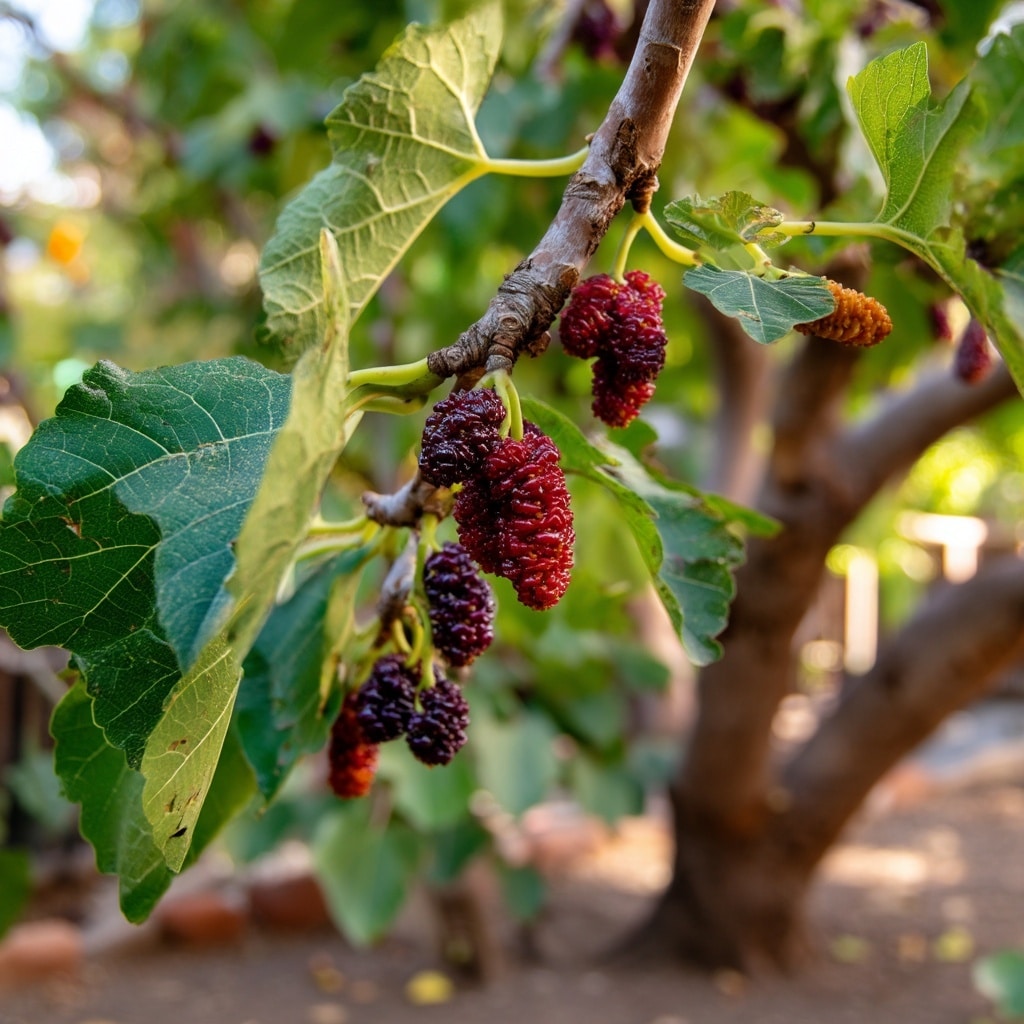
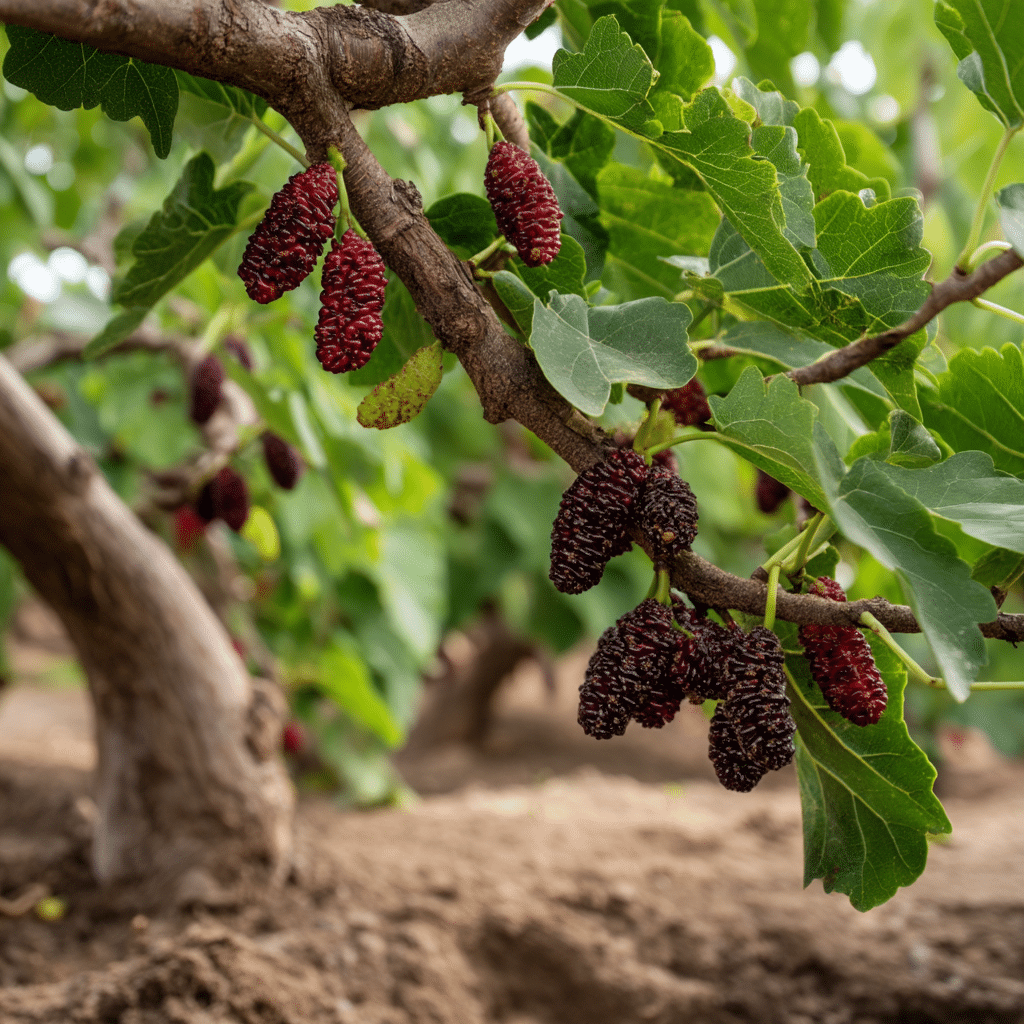
Red mulberries are one of the most generous fruit trees you can plant, offering delicious berries, deep shade, and reliable drought resistance. Native to the eastern and central U.S., these trees are well suited to climates with dry summers and variable rainfall. Their strong root systems allow them to flourish in a range of soils—including clay, loam, and sandy blends.
The tree produces sweet-tart berries that resemble elongated blackberries and ripen in late spring to early summer. They’re perfect for eating fresh, baking, or turning into preserves. The large canopy also provides shelter and nesting sites for birds and pollinators, making it a valuable addition to wildlife-friendly gardens.
Quick Facts:
- Hardiness Zones: 4 to 8
- Size at Maturity: 30–60 feet tall, 30–60 feet wide
- Best Conditions: Full sun to part shade; well-draining soil
Tip: These large fruit trees are ideal for homesteads, large yards, or food forests where you want both productivity and habitat.
🌿 Conclusion
Growing fruit trees in drought-prone areas doesn’t mean sacrificing flavor, beauty, or productivity. With options like the Stella fig, Eversweet pomegranate, Arbequina olive, American plum, and red mulberry, you can create a thriving, low-water orchard that supports pollinators, adds shade, and fills your kitchen with fresh produce.
These drought-tolerant varieties prove that with the right selection, even the driest climates can support a fruitful, sustainable garden. Whether you’re planting in containers or planning a full backyard grove, these resilient trees make it easier than ever to enjoy homegrown harvests year after year.