
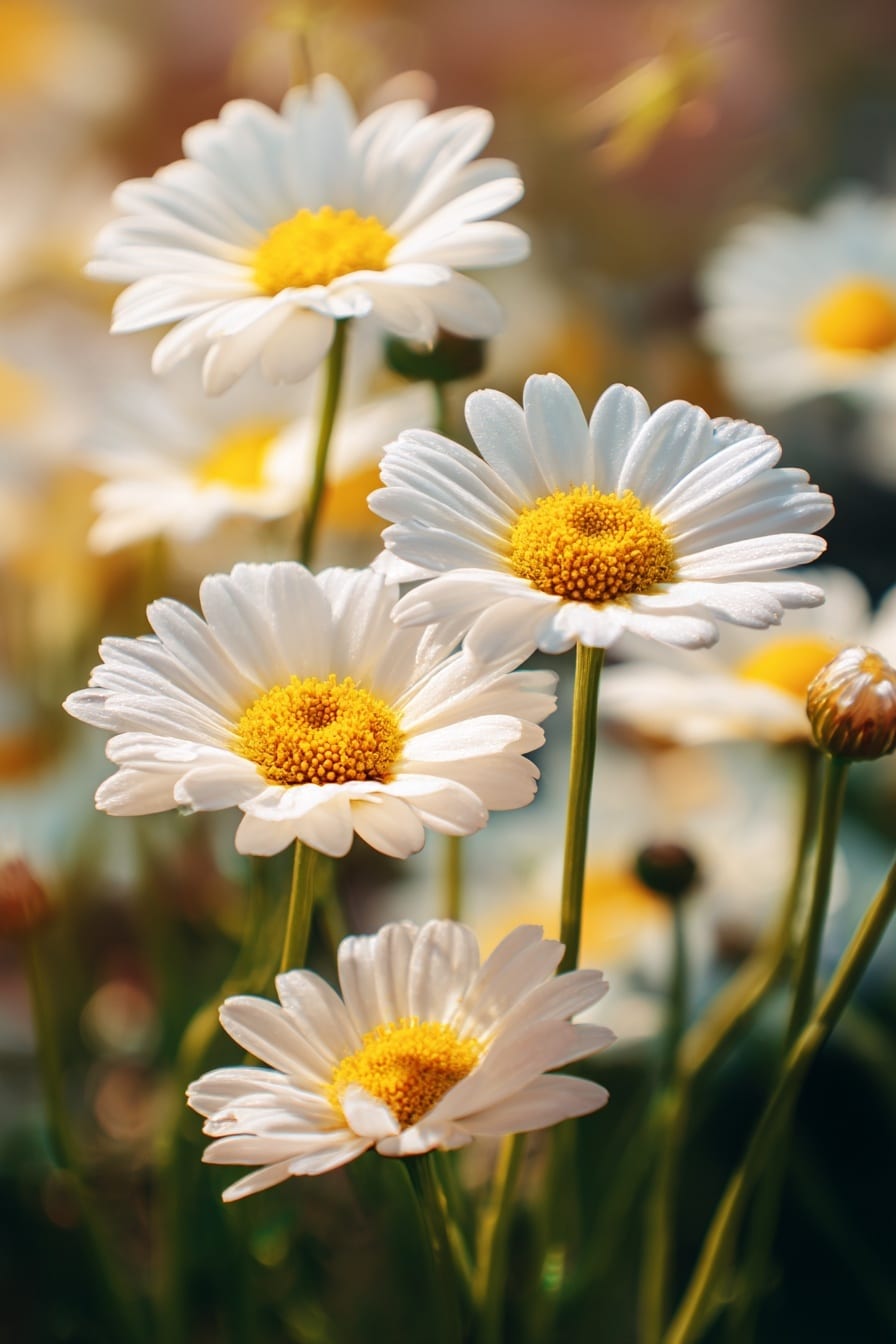
Daisy flowers are more than just cheerful blooms you see in garden beds and bouquets—they carry deep symbolic meaning across cultures, mythologies, and religions. While they’re often admired for their simplicity and charm, the meaning of daisy flowers in cultures and religions reveals just how powerful these petals can be.
From representing innocence and first love to symbolizing strength, purity, and even rebirth, daisies have a surprisingly rich history. Whether you’re gifting them or growing them in your yard, knowing what they stand for can make every bloom feel more meaningful.
Table of Contents
What Daisy Flowers Represent

At their core, daisy flowers symbolize innocence, purity, and joy. Their bright centers and delicate petals make them a favorite in arrangements meant to express lighthearted emotions or fresh beginnings. But their meaning goes far beyond looks.
Traditionally, daisies are seen as a symbol of youth and first love, often gifted to represent the excitement of new romantic beginnings. Their cheerful appearance also makes them popular in homes and offices, where they bring a sense of optimism and peace.
Because they’re short-lived but beautiful, daisy flowers are often associated with resilience—blooming brightly despite their delicate nature. You’ll also find them symbolizing freedom, nature, and positivity, especially in settings meant to inspire hope or growth.
💡 Did you know? A daisy growing in a sidewalk crack is considered a sign that good things are on the way.
The Meaning of Daisy Flowers in Mythology

The rich history of daisy flowers extends into mythology, where they’ve been woven into stories of love, purity, and even the afterlife.
In Greek mythology, daisies are closely tied to innocence and purity. Legends often associate them with gentle farewells, making them a symbol of peace in times of loss. Their soft, understated appearance made them a fitting flower to mark transitions or tender emotions.
In Roman mythology, daisies were paired with violets in ceremonial garlands, symbolizing eternal life. This pairing reflected a belief in continuity beyond death and celebrated the beauty of simplicity in nature.
The meaning of daisy flowers in cultures and religions has shifted over time. In modern interpretations, symbolism varies by region:
- United States: Simplicity, purity, and innocence
- Scotland & England: Associated with the sun and its uplifting energy
- Thailand: Seen as symbols of humility, friendliness, and sweet nature
💡 Cultural Tip: When gifting flowers across cultures, knowing the local meaning of daisies can make your gesture far more personal.
Religious Symbolism of Daisy Flowers
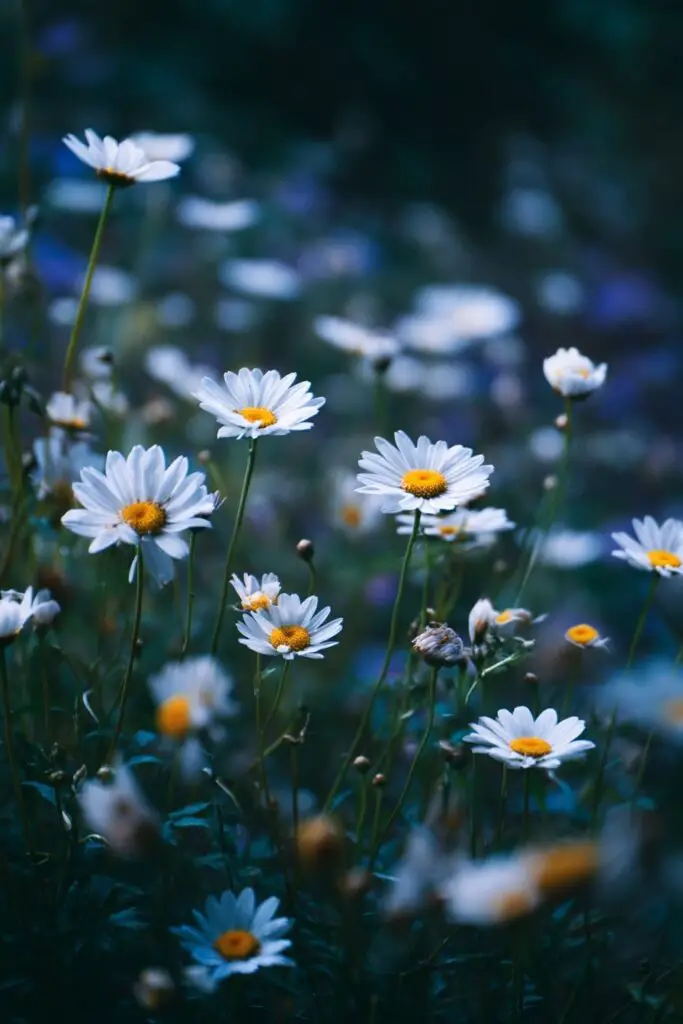
In many faith traditions, daisy flowers carry deep spiritual meaning. Their simple beauty makes them a fitting symbol in religious contexts, where purity, innocence, and humility are often celebrated.
In Christianity, daisies are closely linked to the Virgin Mary, often appearing in religious artwork and iconography. They represent purity, modesty, and childlike innocence, making them a common floral choice for baptisms, Easter celebrations, and memorials. Some interpretations also connect daisies to renewal and resurrection, as their brief life mirrors the cycles of life and rebirth.
Buddhism views daisy flowers as a sign of strength and endurance, symbolizing the ability to thrive in difficult conditions. Their presence in Buddhist gardens or offerings reflects inner peace and resilience.
In Islamic tradition, daisies represent chastity, innocence, and honor. They’re also used to symbolize the purity of women and children, and are sometimes included in floral arrangements during rites of passage or celebrations of new beginnings.
Across these religions, the meaning of daisy flowers in cultures and religions overlaps in themes of purity, renewal, and the enduring beauty of simplicity.
💡 Spiritual Note: Daisies are often chosen for ceremonies where new life or transitions are being honored, from births to farewells.
Conclusion
Whether you’re giving them as a gift or planting them in your garden, daisy flowers are far more than a pretty bloom. They carry a timeless message—one of innocence, strength, and hope. From their symbolic roots in mythology to their spiritual significance in religion, these flowers have touched cultures around the world in deeply meaningful ways.
Understanding the meaning of daisy flowers in cultures and religions adds a thoughtful layer to how we use them in our lives. And in a world where symbolism still matters, daisies remind us that beauty can be both simple and profound.