
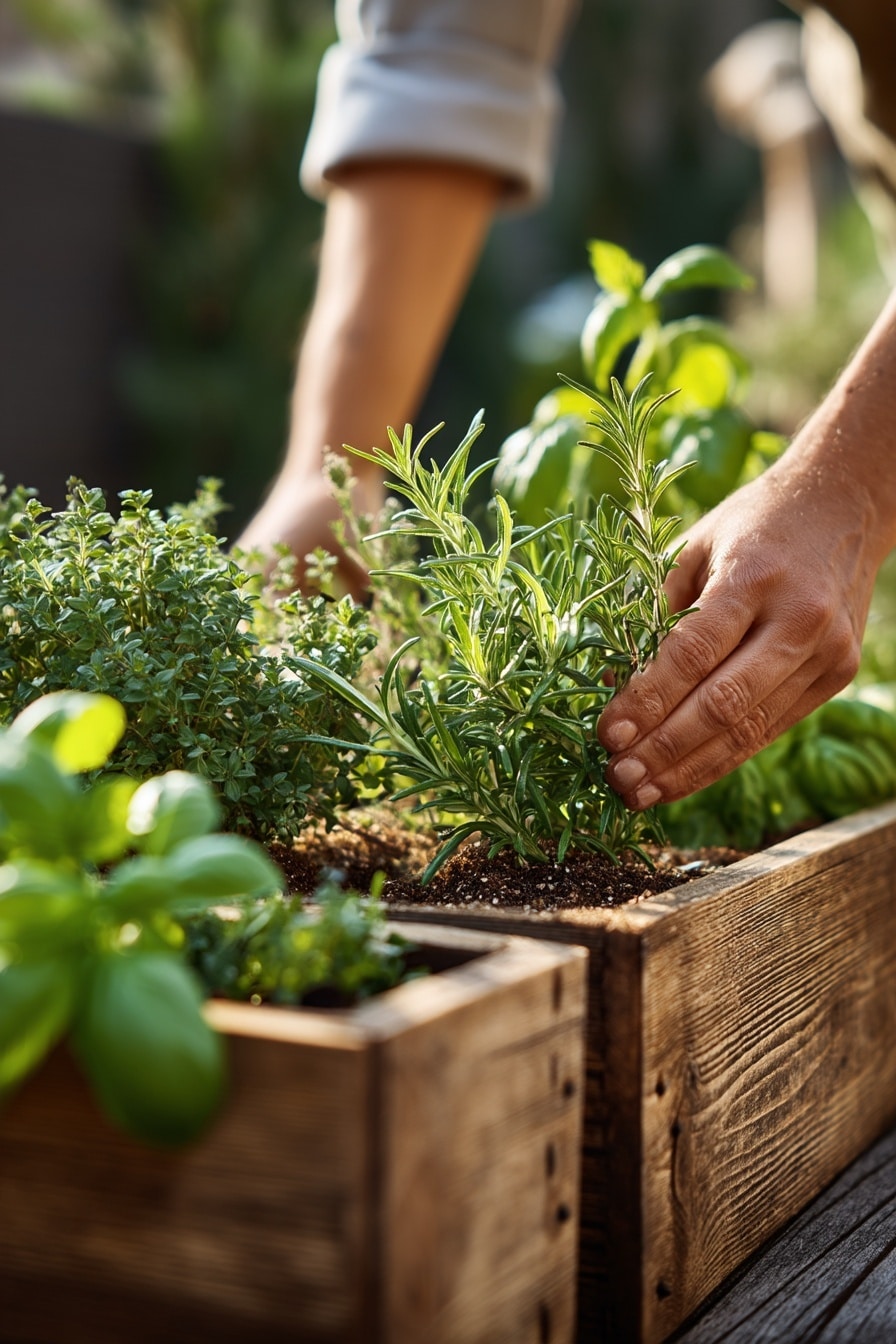
Herb garden projects are one of the most rewarding ways to bring fresh flavor and fragrance into your home. Whether you have a spacious backyard or a small balcony, starting a herb garden is simple, practical, and surprisingly affordable.
A well-planned herb garden gives you instant access to fresh ingredients for cooking, natural remedies, and even homemade teas. Beyond the kitchen, herbs add texture, scent, and greenery to any outdoor or indoor space.
The best part? A herb garden doesn’t require complicated tools or years of experience. With the right planning, suitable soil, and proper care, your herb garden can thrive all year long.
In this guide, you’ll learn how to plan, plant, and maintain a healthy herb garden that suits your space and lifestyle.
Table of Contents
How to Plan Your Herb Garden

Planning your herb garden properly makes the difference between a thriving, productive space and a patch of struggling plants. A little preparation ensures your herb garden suits your cooking habits, climate, and available space.
Let’s break it down step by step.
Decide the Purpose of Your Herb Garden
Start by asking yourself how you’ll use your herb garden.
Are you growing herbs mainly for cooking? Herbal teas? Medicinal uses? Decorative value?
If you cook often, focus on everyday kitchen herbs. If you enjoy homemade remedies, include soothing varieties known for their natural properties. A clear purpose helps you avoid overcrowding your herb garden with plants you rarely use.
Choose the Right Herbs
Select herbs that match both your needs and your local growing conditions. Beginners often succeed with:
- Basil
- Parsley
- Thyme
- Mint
- Rosemary
- Chives
When choosing plants for your herb garden, consider whether they prefer full sun or partial shade. Mixing herbs with similar light and water requirements makes maintenance much easier.
You can also group herbs by growth habit:
- Spreading herbs like mint need containers to prevent takeover.
- Woody herbs like rosemary prefer well-drained soil.
- Soft leafy herbs like basil need regular watering.
Pick the Perfect Location
Location plays a major role in the success of your herb garden.
Most herbs thrive in:
- 6–8 hours of sunlight daily
- Well-draining soil
- Good air circulation
If outdoor space is limited, a herb garden grows beautifully in pots, window boxes, or raised beds. Balconies, patios, and sunny kitchen windows are all suitable spots.
Raised beds improve drainage and soil control, while containers allow flexibility if weather conditions change.
Best Conditions for a Herb Garden
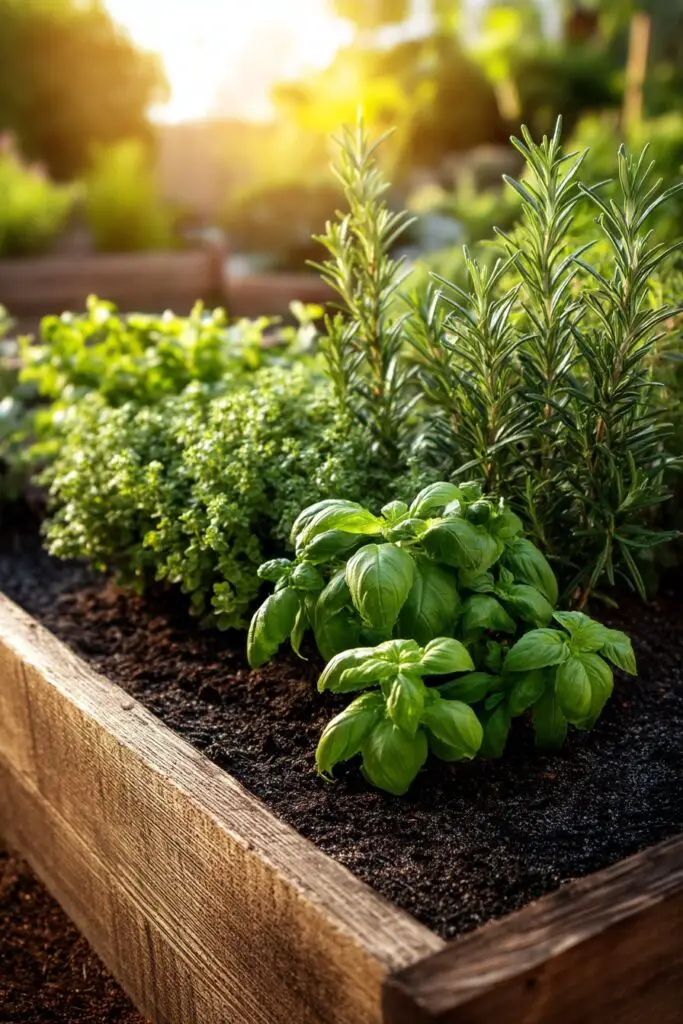
Creating the right environment is essential if you want your herb garden to stay productive and healthy. Most herbs are resilient, but they still need proper sunlight, soil, and airflow to perform at their best.
When the growing conditions are right, your herb garden will produce stronger flavors, healthier leaves, and steady growth throughout the season.
Sunlight Requirements
Sunlight is one of the most important factors in a successful herb garden.
Most culinary herbs thrive in:
- 6 to 8 hours of direct sunlight daily
- Bright morning sun with light afternoon shade in hot climates
- A south- or west-facing position for maximum exposure
Herbs like basil and rosemary love full sun, while parsley and mint tolerate partial shade. If your herb garden is indoors, place containers near a sunny window where light is consistent.
In low-light homes, grow lights can help maintain steady growth.
Soil and Drainage
Good drainage prevents root rot and keeps your herb garden thriving.
Herbs prefer:
- Loose, well-draining soil
- Slightly sandy or loamy texture
- Moderate fertility (not overly rich soil)
Avoid heavy clay soil unless you amend it with compost and coarse sand. In containers, use a high-quality potting mix designed for vegetables or herbs.
Proper drainage holes in pots are essential. Without them, water collects at the roots and weakens your herb garden over time.
Air Circulation Matters
Airflow reduces fungal problems and strengthens stems.
When planting your herb garden:
- Avoid overcrowding
- Space plants according to their mature size
- Keep indoor herbs away from damp, stagnant corners
Healthy air circulation supports vigorous growth and keeps your herb garden productive throughout the growing season.
Caring for Your Herb Garden
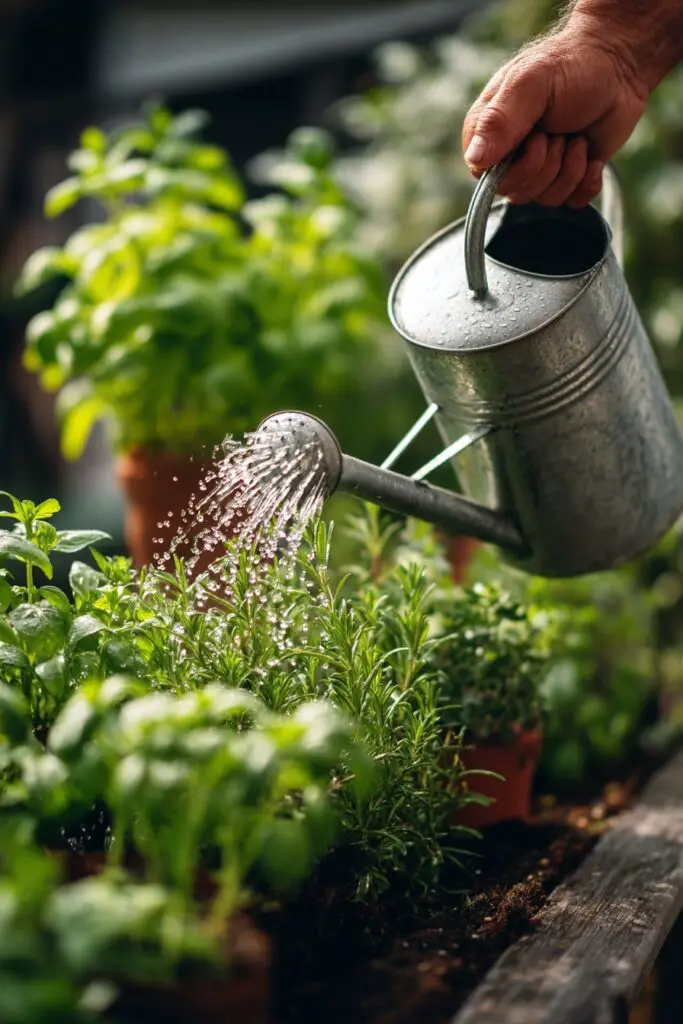
Once established, a herb garden is relatively low maintenance. However, consistent care keeps plants productive, flavorful, and healthy throughout the growing season.
Small adjustments in watering, feeding, and pruning can significantly improve the performance of your herb garden.
Watering Your Herb Garden Correctly
Overwatering is one of the most common mistakes in a herb garden.
Most herbs prefer soil that is:
- Slightly moist but never soggy
- Allowed to dry slightly between watering
- Well-drained to prevent root rot
Check the top inch of soil before watering. If it feels dry, it’s time to water your herb garden. Container herbs dry out faster than those planted in the ground, especially during warm weather.
Early morning watering helps plants absorb moisture before heat increases evaporation.
Feeding and Fertilizing
Herbs generally do not need heavy feeding. In fact, too much fertilizer can reduce flavor intensity in your herb garden.
For best results:
- Add compost at planting time
- Use a diluted organic liquid feed once a month
- Avoid high-nitrogen fertilizers
Slow, steady nutrition keeps your herb garden productive without encouraging weak, leafy growth.
Pruning and Harvesting
Regular harvesting actually improves the health of your herb garden.
When pruning:
- Cut just above a leaf node
- Avoid removing more than one-third of the plant at once
- Pinch back flowering buds on leafy herbs
Frequent trimming encourages bushier growth and prevents herbs from becoming leggy. A well-maintained herb garden will continue producing fresh leaves for months.
If you’ve written a guide on pruning edible plants, this would be an excellent internal link opportunity to support readers.
Growing Herbs Year-Round
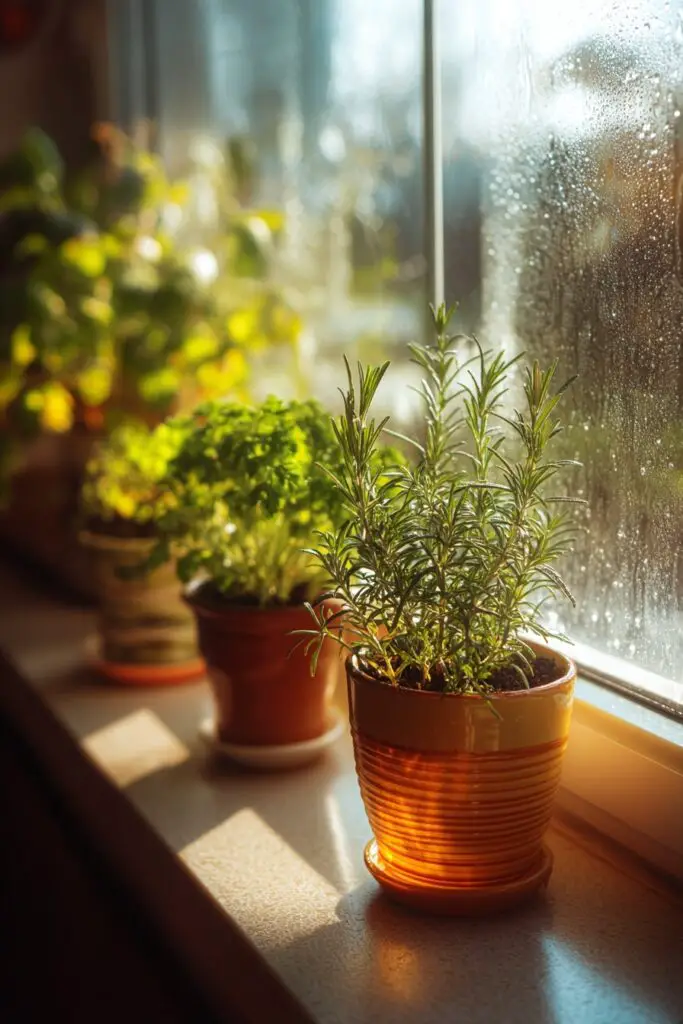
A well-managed herb garden doesn’t have to stop producing when the seasons change. With a few adjustments, your herb garden can remain productive through cooler months and even indoors during winter.
Understanding seasonal care helps protect your herb garden and extend harvest time.
Protecting Your Herb Garden in Winter
Some herbs tolerate cold better than others. Woody herbs such as rosemary and thyme are more resilient, while tender herbs like basil struggle in low temperatures.
To protect your herb garden during winter:
- Move container herbs indoors before frost
- Use frost cloths or row covers outdoors
- Reduce watering frequency in colder weather
- Mulch around outdoor herbs to insulate roots
Placing potted herbs near a bright window keeps your herb garden active even when outdoor growth slows down.
Indoor Herb Garden Tips
An indoor herb garden requires light and airflow to prevent weak growth.
For best results:
- Position plants in the sunniest room available
- Rotate pots weekly for even growth
- Avoid placing herbs near heaters or cold drafts
- Use well-draining containers
If natural light is limited, supplemental grow lights can maintain steady development. A compact herb garden on a kitchen windowsill makes harvesting convenient year-round.
Choosing Herbs for All Seasons
Some herbs naturally perform better throughout the year.
Reliable choices for a year-round herb garden include:
- Thyme
- Rosemary
- Chives
- Oregano
- Parsley
These varieties adapt well to changing conditions and continue producing with minimal care.
Favourite Herbs to Grow
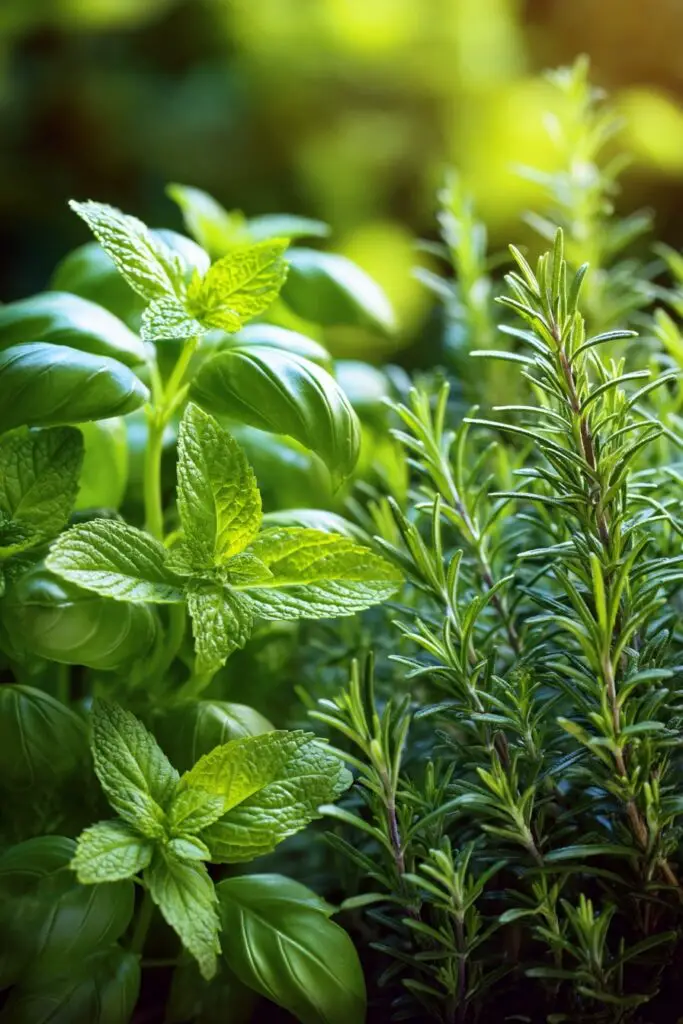
Choosing the right plants makes your herb garden both practical and enjoyable. While there are dozens of herbs available, a few reliable varieties consistently perform well in most home gardens.
Here are some popular options that suit beginners and experienced gardeners alike.
Basil
Basil is a warm-season favorite in any herb garden. It thrives in full sun and needs consistent watering.
Harvest leaves regularly to prevent flowering and encourage bushy growth. Basil is ideal for sauces, salads, and fresh garnishes.
Rosemary
Rosemary is a hardy, woody herb that adds structure to a herb garden. It prefers well-drained soil and plenty of sunlight.
Because rosemary tolerates mild cold, it often remains productive longer than softer herbs. Its needle-like leaves are excellent for roasting and seasoning.
Mint
Mint grows vigorously and spreads quickly, making it perfect for containers within your herb garden.
It tolerates partial shade and moist soil. Use mint in teas, desserts, and refreshing drinks. Keep it contained to prevent it from overtaking other plants.
Parsley
Parsley is a versatile herb that performs well in both full sun and partial shade.
Regular harvesting keeps parsley productive in your herb garden. It pairs well with a wide range of dishes and grows comfortably in containers.
Thyme
Thyme is low maintenance and thrives in dry, well-drained soil.
This compact herb fits neatly into small spaces, making it ideal for compact herb garden layouts. Its subtle flavor enhances soups, meats, and vegetables.
Useful Everyday Tips for a Thriving Herb Garden
A productive herb garden depends on small, consistent habits. These simple practices will keep your herb garden healthy and flavorful throughout the year.
- Harvest in the morning for the strongest flavor.
- Trim regularly to encourage fuller growth.
- Remove yellowing leaves promptly.
- Rotate containers weekly for balanced sunlight exposure.
- Label herbs clearly, especially in a mixed herb garden.
You can also stagger planting times to maintain a steady supply. Replacing older plants keeps your herb garden looking fresh and productive.
If you have a guide on composting or organic soil improvement, linking it here would help readers improve the long-term health of their herb garden naturally.
Conclusion
A well-planned herb garden brings fresh flavor, fragrance, and greenery into your daily life. With proper sunlight, well-draining soil, and consistent care, your herb garden can thrive in almost any space—from balconies to backyard beds.
By choosing suitable herbs, watering carefully, and harvesting regularly, you ensure your herb garden remains productive season after season. Start small, stay consistent, and enjoy the satisfaction of growing your own fresh ingredients at home.