
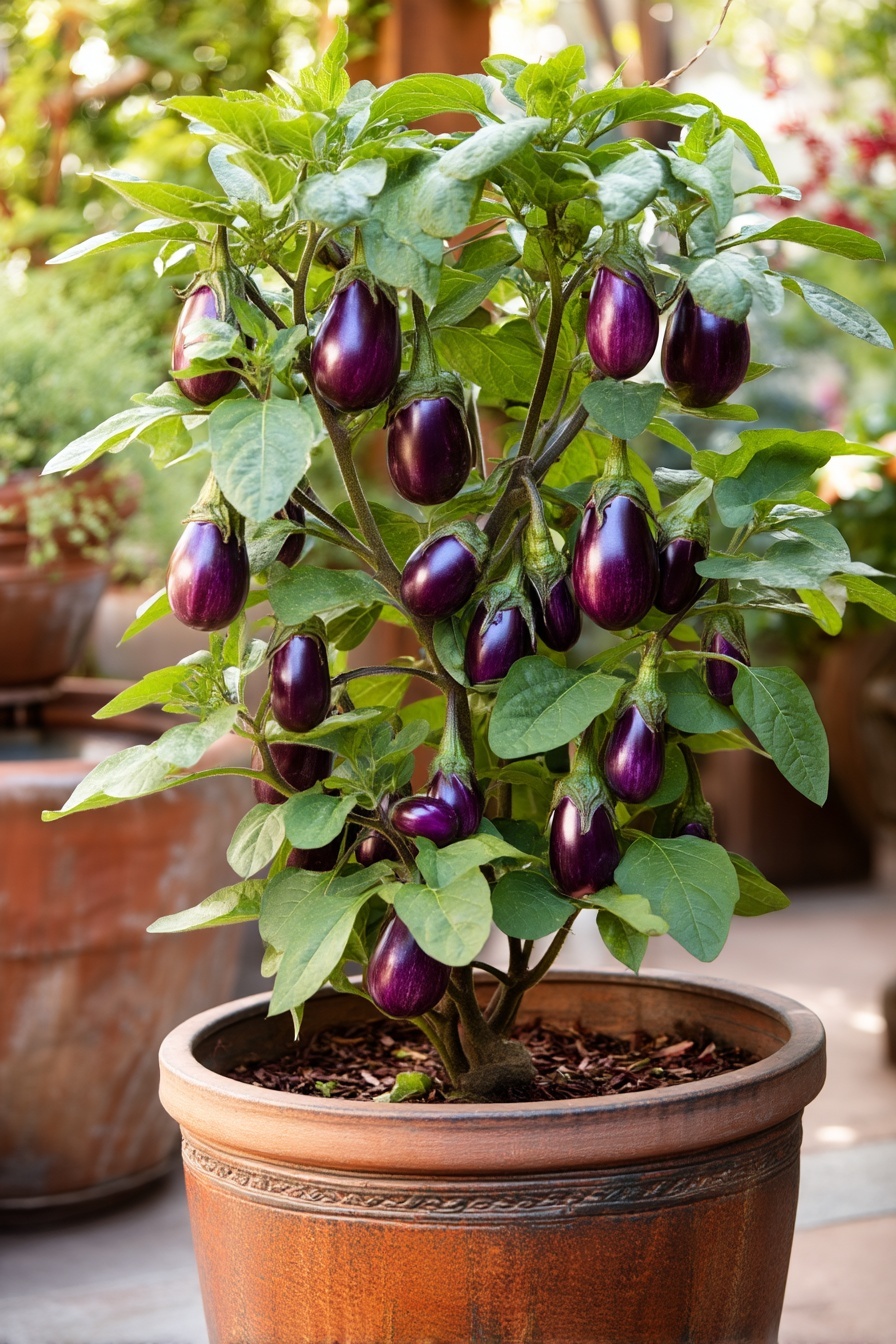
Container gardening vegetables is a practical and rewarding way to grow fresh produce—even if you don’t have access to a large backyard or garden plot. Whether you’re working with a small balcony, patio, or sunny windowsill, many vegetables thrive in pots and planters with just a little care and the right setup.
One of the biggest perks of container gardening is control. You can adjust soil quality, light exposure, and watering routines more precisely than in traditional garden beds. Plus, container setups reduce issues with pests, soil-borne diseases, and overcrowding.
If you’re unsure where to start, don’t worry. The ten vegetables in this guide are all container-friendly, relatively easy to grow, and perfect for both beginners and seasoned gardeners looking to maximize small spaces. With the right container size, quality potting mix, and regular care, you can enjoy a thriving harvest right from your porch or patio.
Table of Contents
1. Tomatoes

Tomatoes are among the most popular container gardening vegetables, and for good reason. They’re productive, versatile in the kitchen, and well-suited to pot life—provided they have enough room to grow. Most tomato varieties thrive in large containers that are at least 18 inches wide and deep, giving the roots room to develop and support abundant fruiting.
Opt for compact or determinate tomato varieties such as ‘Bush Early Girl’, ‘Patio Princess’, or ‘Tiny Tim’ if you’re short on space. Indeterminate types like cherry or grape tomatoes can also do well in containers, but they’ll need a sturdy trellis or tomato cage for support.
Tomatoes love warmth and full sunlight—at least 6 to 8 hours a day—so place your pots in the sunniest spot available. Use a rich potting mix with excellent drainage, and water consistently to prevent issues like blossom end rot or cracked fruit. It’s also a good idea to feed them every couple of weeks with a balanced, organic fertilizer.
Quick Tips for Growing Tomatoes in Containers:
- Choose a pot at least 5 gallons in size
- Provide support early with cages or stakes
- Keep soil moist but not soggy
- Pick off suckers to encourage fruit production
- Rotate the container to ensure even sun exposure
2. Peas
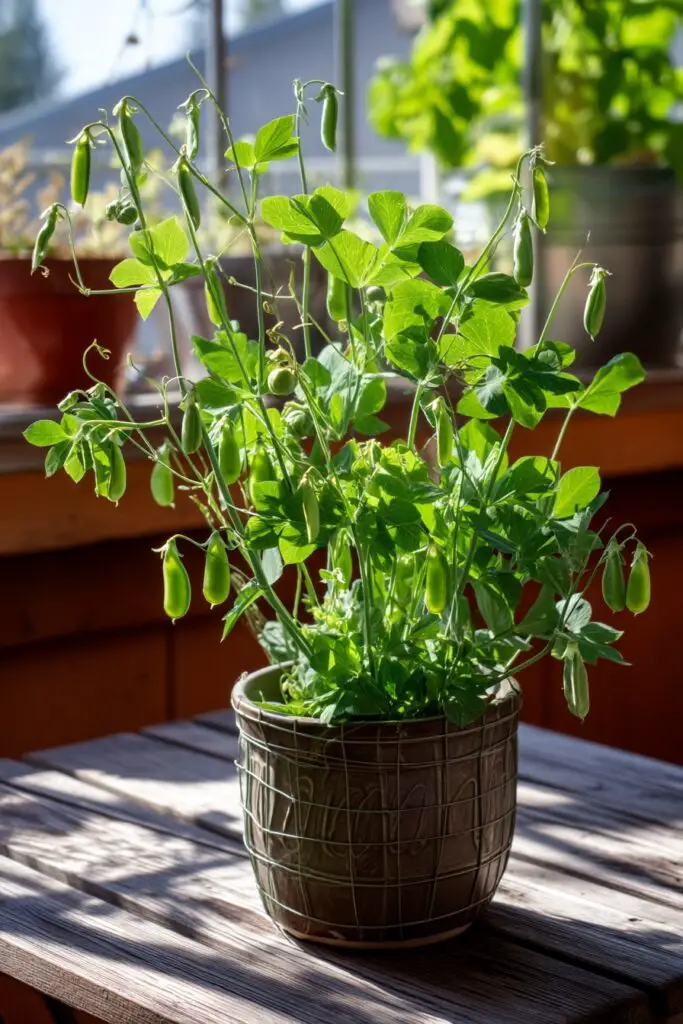
Peas are cool-season container gardening vegetables that make a delicious and easy addition to any small-space garden. They grow quickly, enrich your soil with nitrogen, and don’t require deep pots—making them ideal for early-season planting.
You can grow three main types of peas in containers: English peas, sugar snap peas, and snow peas. All three thrive in containers that are at least 8 to 12 inches deep and wide, with a support structure like a trellis or bamboo stakes to help them climb. Even a simple string tied vertically to a railing works well.
Start sowing peas directly into your containers as soon as the danger of frost has passed. Because they prefer cooler temperatures, you can also plant a second crop in late summer for a fall harvest. Be sure to keep the soil consistently moist but not waterlogged, and provide plenty of sunlight—at least 6 hours daily.
Quick Tips for Growing Peas in Containers:
- Use a pot that’s at least 8 inches deep
- Provide a small trellis or support structure
- Sow seeds directly rather than transplanting
- Water consistently, especially during flowering
- Harvest frequently to encourage more pods
3. Potatoes
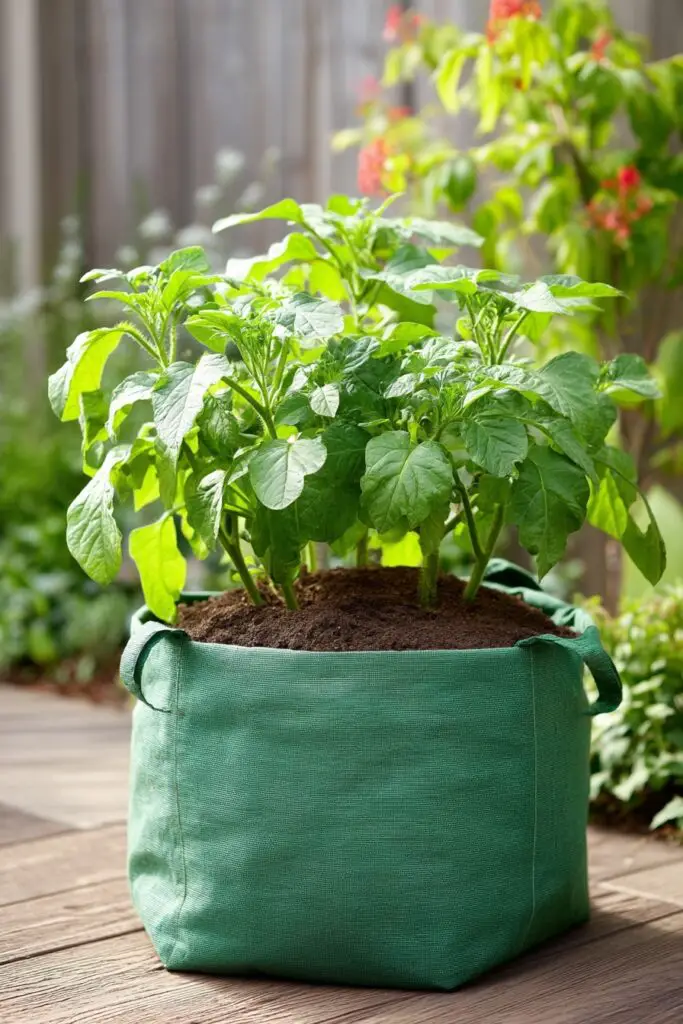
Potatoes might not be the first choice that comes to mind for container gardening vegetables, but they’re actually one of the most rewarding to grow in pots. With the right setup, you can harvest a surprisingly large yield—even from a small space.
To grow potatoes in containers, choose a deep pot at least 16 inches tall and wide—fabric grow bags, plastic tubs, or even repurposed buckets work great. The key is depth. Potatoes need room to develop tubers underground, so fill the container with about 4 inches of potting mix, plant seed potatoes, and cover lightly. As the plants grow, continue to add soil (“hill up”) until the container is nearly full.
Potatoes prefer full sun, loose, well-draining soil, and consistent moisture. Avoid soggy conditions, as too much water can lead to rot. To improve airflow and reduce disease risk, ensure your container has proper drainage holes.
Quick Tips for Growing Potatoes in Containers:
- Use a container at least 16 inches deep
- Start with certified seed potatoes (not grocery store spuds)
- Hill up soil as the plant grows to increase yield
- Water consistently—don’t let soil dry out
- Harvest once the foliage turns yellow and begins to die back
4. Squash
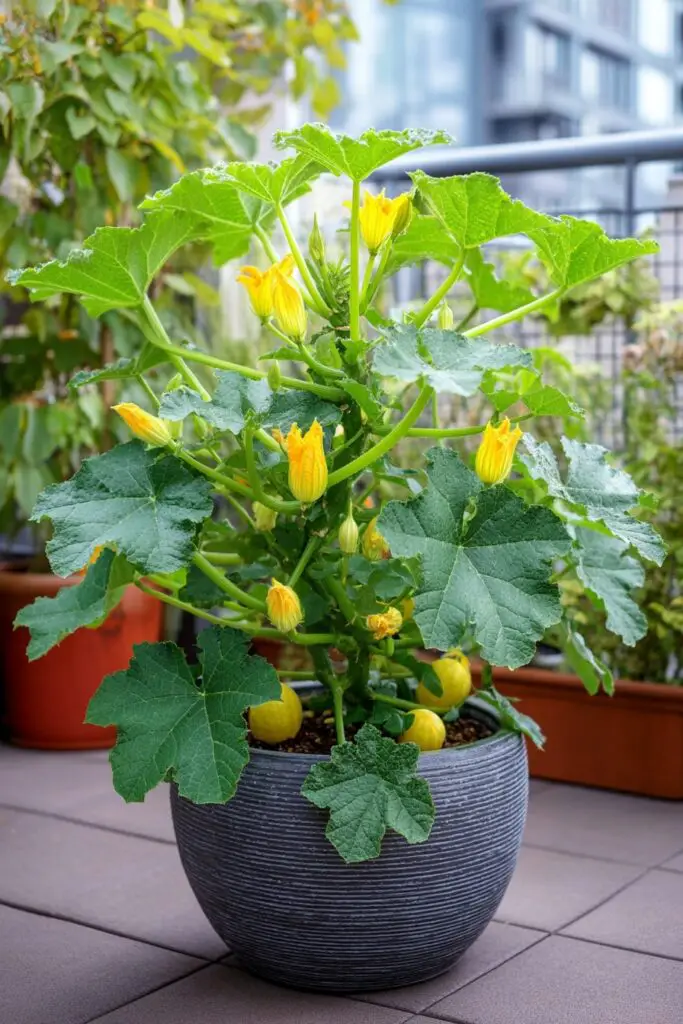
Squash is a standout among container gardening vegetables thanks to its lush growth, edible flowers, and flavorful harvests. While many squash varieties can sprawl across garden beds, there are compact types that adapt beautifully to container life.
To grow squash in containers, choose a pot that holds at least 5 gallons of soil and has excellent drainage. Bush varieties like ‘Honeybear’ acorn squash or ‘Bush Baby’ zucchini are ideal because they stay more compact than their vining counterparts. If you do grow a vining type, be sure to provide strong vertical support.
Squash plants love sunlight—aim for at least 6 to 8 hours a day—and require consistently moist, nutrient-rich soil. Mulching the surface of the container can help retain moisture and prevent soil splash that could spread disease.
Quick Tips for Growing Squash in Containers:
- Choose compact or bush squash varieties
- Use a 5-gallon or larger container
- Water deeply and regularly, especially when flowering
- Fertilize with a balanced or low-nitrogen fertilizer
- Watch for squash bugs and powdery mildew
5. Lettuce and Salad Greens
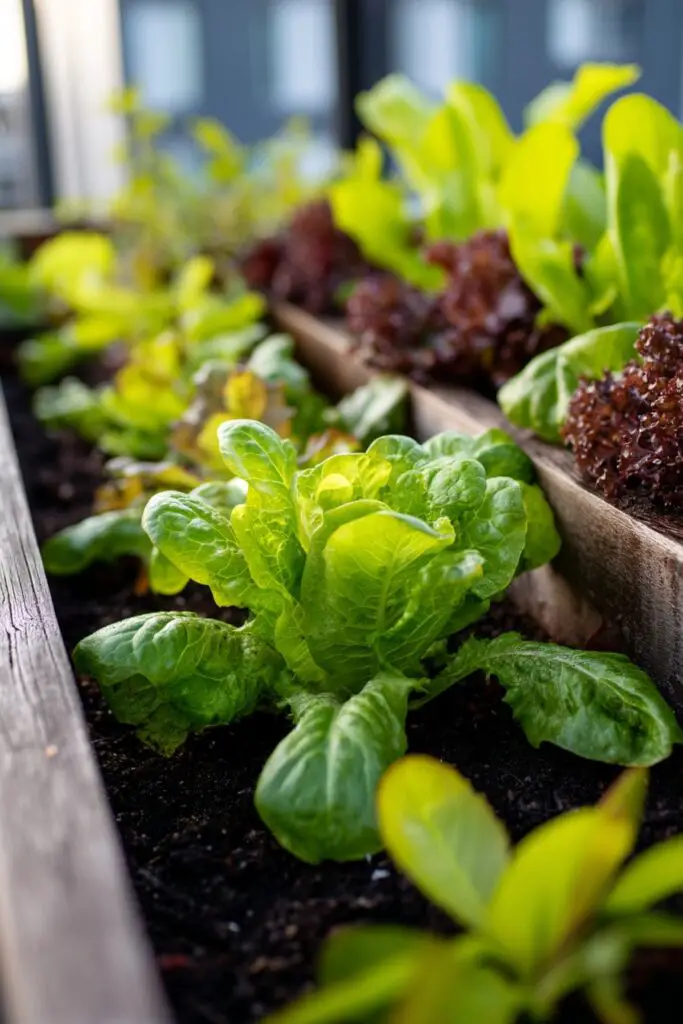
Lettuce and salad greens are among the easiest container gardening vegetables to grow, especially for beginners looking for quick results. These leafy crops don’t require deep soil or intense sun, and they mature fast—often in as little as 30 days.
Use a wide, shallow container that’s at least 6 inches deep. Loose-leaf lettuce varieties like ‘Black Seeded Simpson’, mesclun mixes, or butterhead types grow well in containers and allow for cut-and-come-again harvesting. These greens prefer cooler weather, so spring and fall are ideal seasons for planting. If you’re growing in summer, move your container to a partly shaded spot to prevent bolting.
Make sure the soil stays consistently moist, but not soggy. Because greens are fast growers, they also benefit from light, regular feeding with a diluted organic fertilizer.
Quick Tips for Growing Lettuce in Containers:
- Choose a shallow container at least 6 inches deep
- Grow loose-leaf types for continuous harvest
- Water frequently, especially in warm weather
- Provide partial shade to prevent bolting
- Harvest early and often for best flavor
6. Peppers
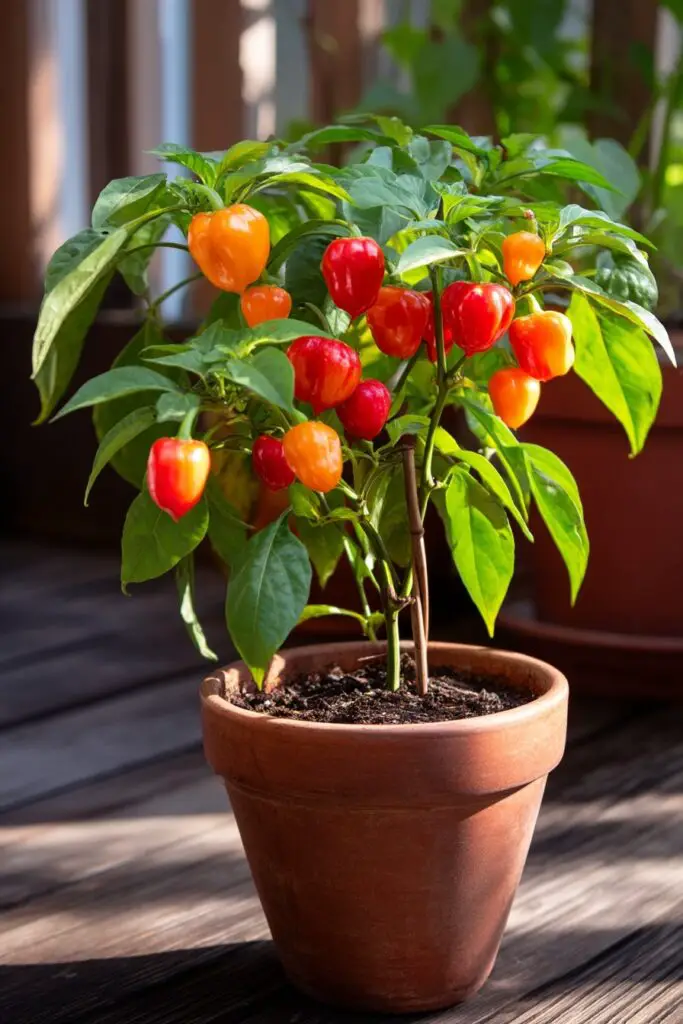
Peppers are colorful, compact, and heat-loving—making them one of the best container gardening vegetables for patios and balconies. Whether you prefer sweet bell peppers or spicy chili varieties, both thrive in containers as long as they have enough sun and consistent care.
Use a container that’s at least 12 to 14 inches deep and wide, ideally one plant per pot. Choose a light-colored pot to keep roots cooler in hot climates. Peppers do best in full sun—aim for 6 to 8 hours daily—and need well-draining soil that’s rich in organic matter.
One major benefit of growing peppers in pots is mobility. If a heatwave or storm rolls in, you can simply move your container to a more sheltered spot. Just be sure not to overwater—peppers dislike soggy roots, and poor drainage can lead to root rot or blossom drop.
Quick Tips for Growing Peppers in Containers:
- Use a 12-inch or larger pot for each plant
- Provide consistent watering—avoid dry-outs and overwatering
- Fertilize every 2–3 weeks with a balanced or slightly phosphorus-rich fertilizer
- Stake larger pepper varieties to prevent tipping
- Harvest regularly to encourage new fruit
7. Cucumbers
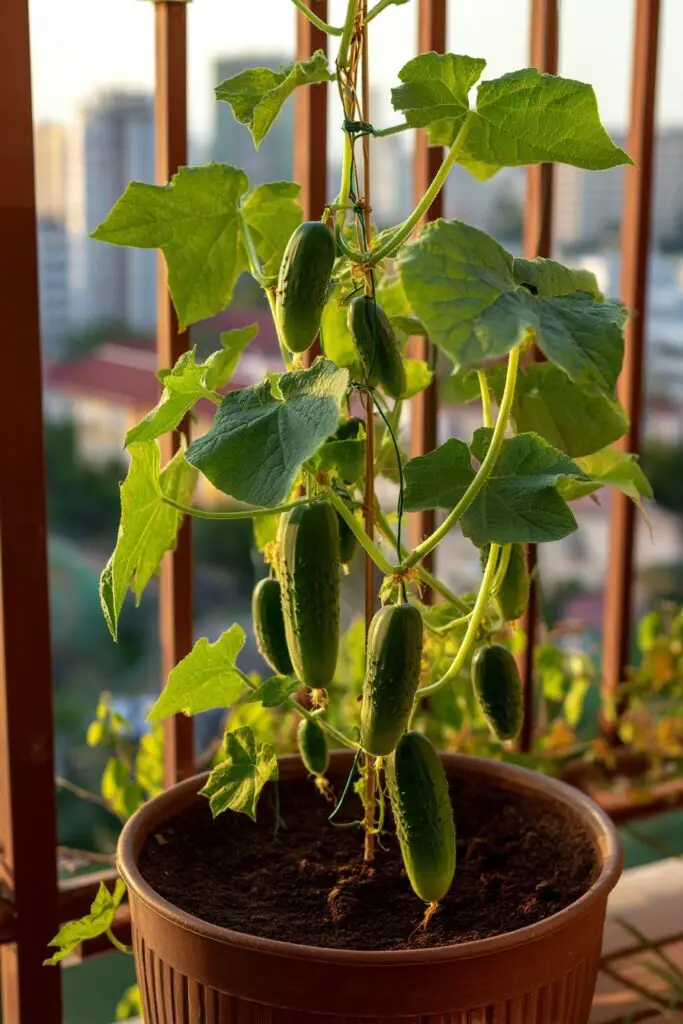
Cucumbers are vigorous growers and a top pick among container gardening vegetables for anyone looking to maximize vertical space. They love warmth, grow fast, and produce heavily—making them a smart choice for summer container gardens.
For best results, use a container that’s at least 12 inches deep and wide. Plastic or ceramic pots are ideal for cucumbers since they retain moisture better than terra cotta. Choose between bush varieties like ‘Spacemaster’ (great for tight areas) or vining types, which will need a sturdy trellis or cage for support.
Cucumbers require regular watering—uneven moisture can lead to bitter-tasting fruit. They also benefit from rich, well-drained soil and full sunlight. Adding compost or a slow-release fertilizer can help boost fruit production throughout the season.
Quick Tips for Growing Cucumbers in Containers:
- Use a container with good depth and moisture retention
- Provide a trellis for vining types
- Water consistently to prevent bitter fruit
- Feed every 2 weeks once fruiting begins
- Harvest young for the best flavor and texture
8. Radishes
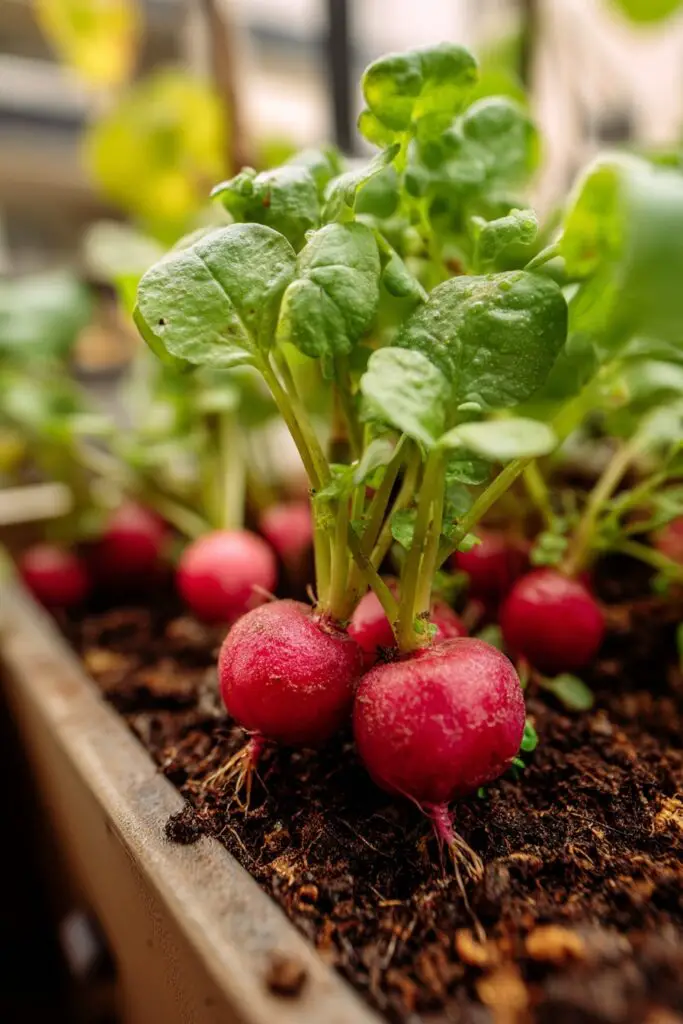
Radishes are quick to grow, easy to care for, and perfect for impatient gardeners looking to enjoy fast results from their container gardening vegetables. Many varieties go from seed to harvest in just 25 to 30 days, making them ideal for filling gaps between other crops.
They don’t need much space either. A shallow container—just 6 inches deep—is enough for most types. Be sure to give each plant a bit of room to avoid overcrowding, which can lead to small or misshapen roots. Use a well-draining, loose potting mix, and sow seeds directly into the container for best results.
Radishes prefer cooler weather and can bolt quickly in high heat. To avoid this, grow them in spring or fall, or move the container into partial shade during hotter periods. Keep the soil evenly moist to encourage rapid, healthy growth.
Quick Tips for Growing Radishes in Containers:
- Choose a shallow container with good drainage
- Sow seeds directly and thin seedlings as needed
- Water consistently to avoid woody roots
- Grow in cooler seasons for best flavor
- Harvest promptly to prevent bitterness
9. Arugula
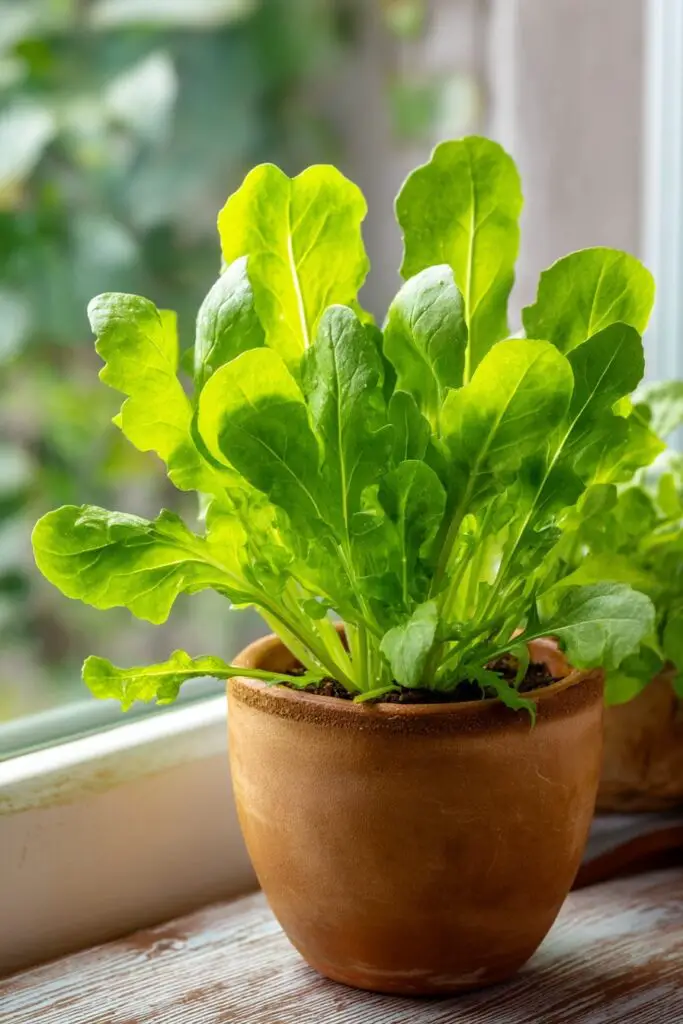
Arugula brings a peppery punch to salads and is one of the easiest container gardening vegetables to grow in tight spaces. It matures quickly—often in just 30 to 40 days—and thrives in small containers, making it ideal for urban gardeners or anyone short on space.
A pot as small as 8 inches deep and 6–8 inches across is enough to grow a nice patch of arugula. It prefers cooler temperatures and partial sun, so morning sunlight with some afternoon shade is best—especially during warmer months, when arugula is prone to bolting.
Keep the soil moist, but avoid overwatering. You can sow arugula densely and thin the seedlings early on, or harvest baby leaves as needed. For continuous harvests, plant new seeds every couple of weeks.
Quick Tips for Growing Arugula in Containers:
- Use a small pot with good drainage
- Provide morning sun and afternoon shade in hot weather
- Harvest young leaves for the best flavor
- Sow successively every 2–3 weeks for a steady supply
- Avoid letting plants flower unless you want spicy seeds or edible blooms
10. Eggplant
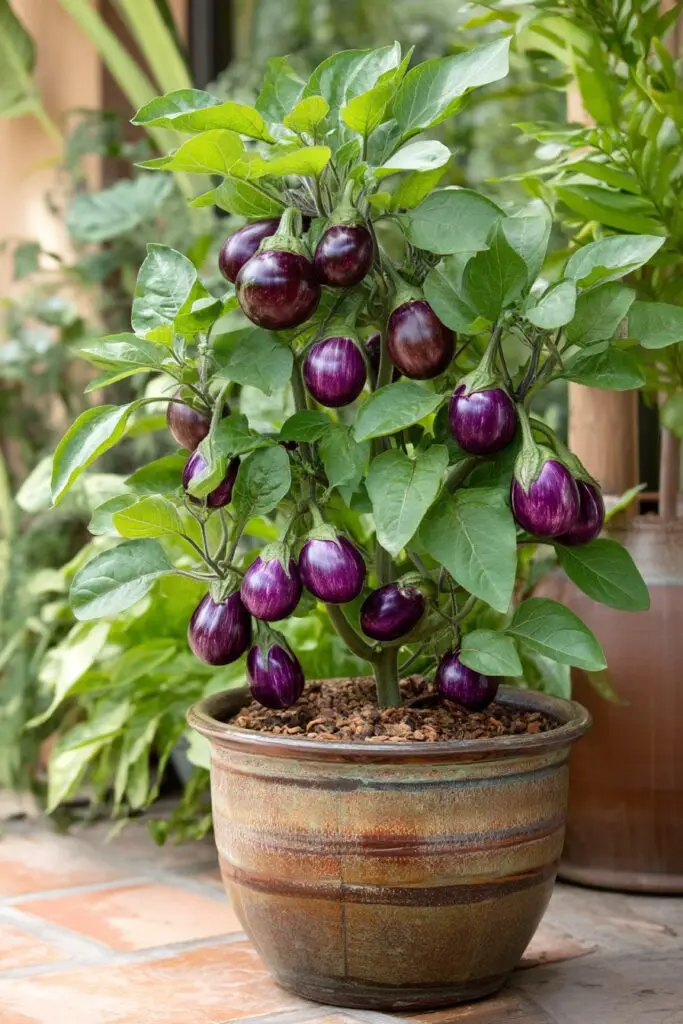
Eggplant is both productive and ornamental, earning its place among top container gardening vegetables. With glossy fruit and striking foliage, it adds color and interest to patios while delivering a hearty harvest throughout the summer.
For container growing, choose compact varieties such as ‘Fairy Tale’, ‘Hansel’, or ‘Patio Baby’—these smaller types are well-suited to pots and produce tender, flavorful fruits. Eggplants need a large container, ideally 5 gallons or more, to support their root systems and bushy growth.
Place the container in a sunny, sheltered spot where the plant can get at least 6 to 8 hours of direct sunlight per day. Use a rich, well-draining potting mix and keep the soil evenly moist. Supporting the stems with a stake or small cage can help prevent tipping once the fruit sets.
Quick Tips for Growing Eggplant in Containers:
- Choose dwarf or patio varieties for best results
- Use a large, sturdy container (5 gallons or more)
- Provide full sun and consistent moisture
- Fertilize regularly during fruiting with a potassium-rich blend
- Support with a stake if plants become top-heavy
Conclusion
Growing your own food doesn’t require a yard or even much space. With the right setup and plant choices, you can enjoy a productive harvest of container gardening vegetables from a balcony, patio, or even a sunny windowsill. Whether you’re picking tomatoes fresh off the vine or snipping lettuce for a quick salad, container gardening makes homegrown food accessible, rewarding, and surprisingly simple.
By choosing the right containers, using high-quality potting mix, and selecting compact or fast-growing varieties, your small-space garden can thrive season after season. Happy planting!