
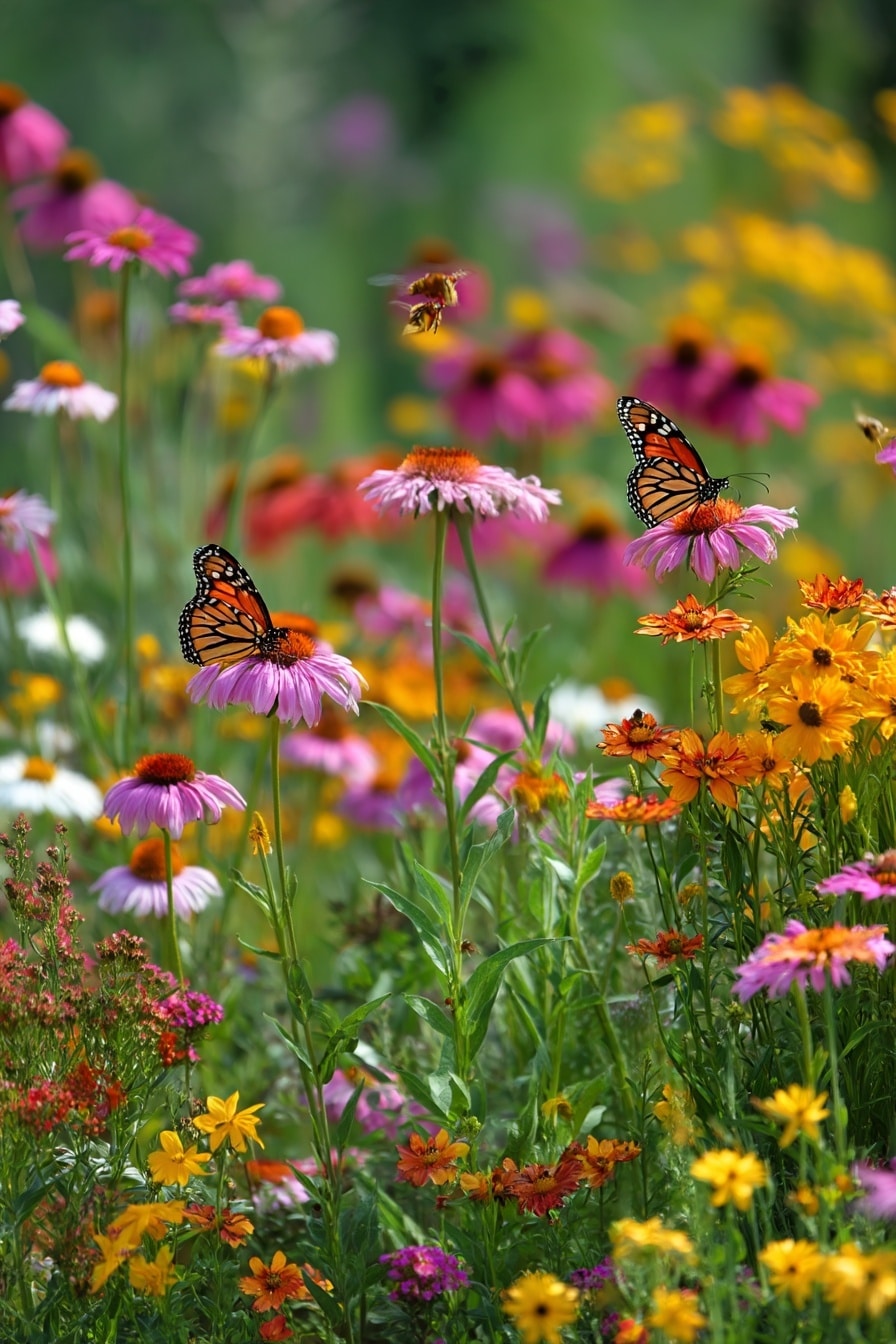
butterfly garden is a vibrant outdoor space planted to attract and support butterflies throughout their life cycle. By using strategic butterfly garden planting combinations, you can create pretty pots and borders that not only nurture wildlife but also add rich color and movement to your landscape.
In a butterfly garden, nectar‑rich flowers and host plants work together to feed adult butterflies and provide places for caterpillars to grow. Thoughtful plant groupings help pollinators thrive, turning your outdoor space into a lively habitat full of fluttering visitors from spring through fall.
Table of Contents
Table of Contents
1. Annuals Butterflies Adore

Annual flowers are a reliable way to add bursts of color and consistent nectar to your butterfly garden. These fast-growing bloomers are perfect for pots, window boxes, or sunny borders—and butterflies can’t resist them.
Some of the most butterfly-friendly annuals include:
- Zinnias – bright and long-lasting, ideal for continuous nectar
- Cosmos – airy structure makes landing easy for pollinators
- Marigolds – warm tones and strong scent attract both butterflies and beneficial insects
- Verbena – spreads easily and provides steady blooms throughout the season
These annuals thrive in sunny spots and require little maintenance. Group several types together for a mixed container display or tuck them into empty spaces between perennials to keep the nectar flowing all summer.
2. Perennial Powerhouses for Pollinators
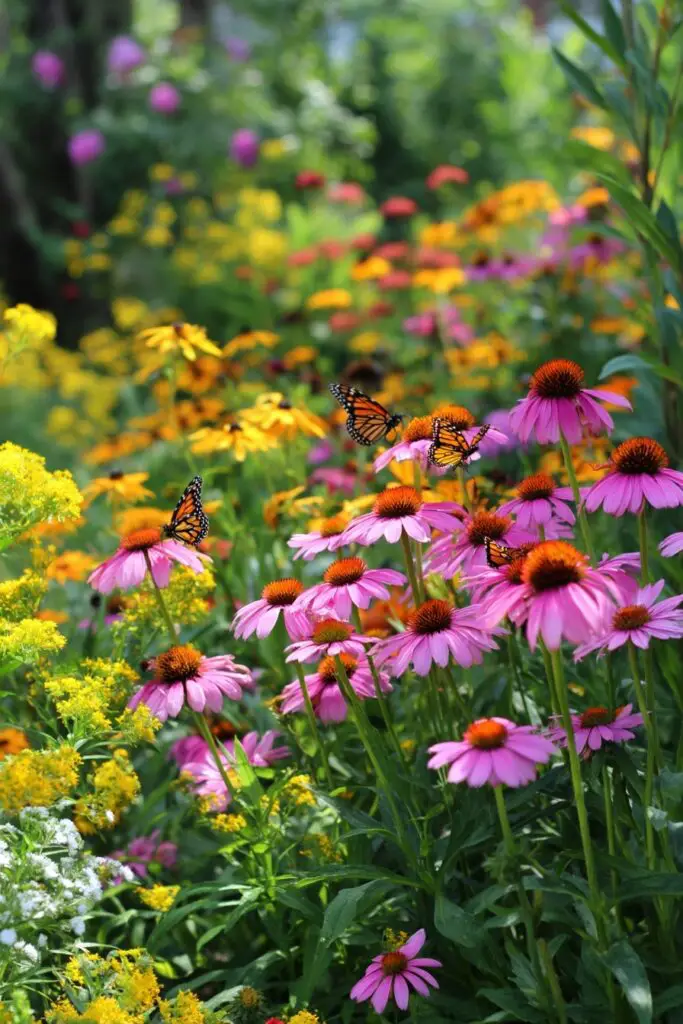
Perennials form the foundation of a long-lasting butterfly garden. These hardy plants return year after year, offering consistent food sources for both butterflies and caterpillars, with minimal upkeep once established.
Excellent perennial choices for butterfly gardens include:
- Echinacea (coneflower) – sturdy stems and wide petals make perfect landing pads
- Milkweed (Asclepias) – the essential host plant for monarch caterpillars
- Black-eyed Susan (Rudbeckia) – bright blooms loved by butterflies and bees alike
- Yarrow – flat flower heads provide easy access to nectar and attract multiple pollinators
These plants not only support adult butterflies with nectar but also serve as critical larval food sources. By mixing textures and bloom times, you can ensure that butterflies have something to enjoy from spring through fall.
3. Shrubs That Support Butterflies
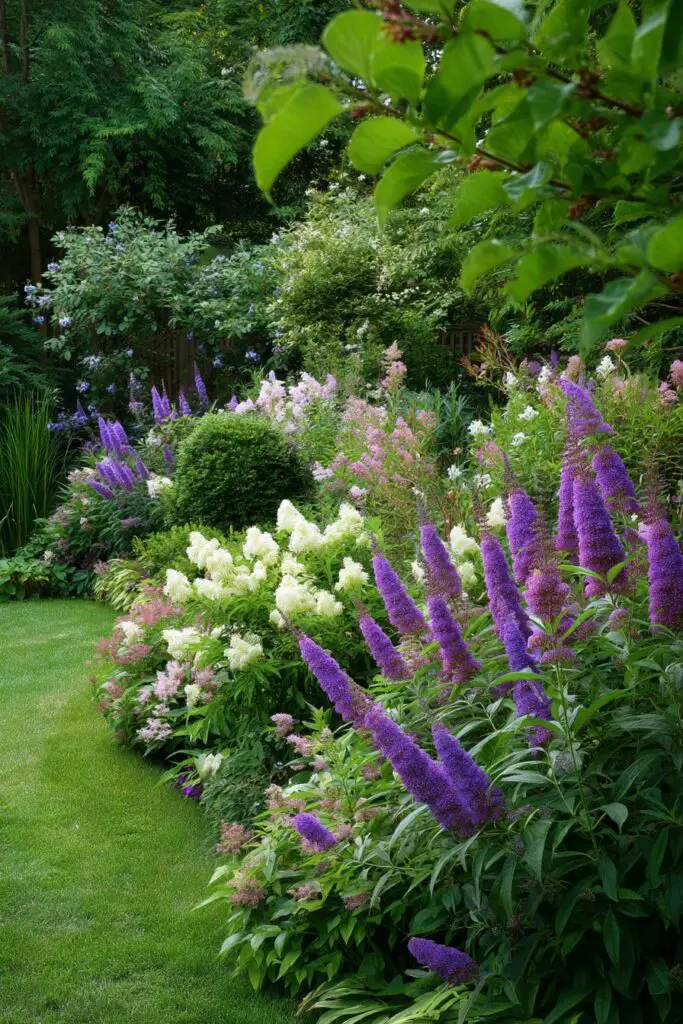
Adding shrubs to your butterfly garden introduces structure, shelter, and long-term nectar support. These woody plants offer feeding and resting spots while serving as host plants for certain butterfly species.
Top butterfly-friendly shrubs include:
- Buddleia (Butterfly bush) – known for long, nectar-rich spikes that attract dozens of species
- Spiraea – compact shrubs with clusters of small blooms butterflies love
- Bluebeard (Caryopteris) – late-summer bloomer that extends nectar availability
- Viburnum – many varieties offer spring blossoms and dense foliage for cover
Place these shrubs along borders or use them as backdrops to smaller flowering plants. Their larger size creates microclimates that benefit both butterflies and beneficial insects, while adding height and seasonal variety to your garden layout.
4. Native Plant Mixes for Caterpillars and Adults
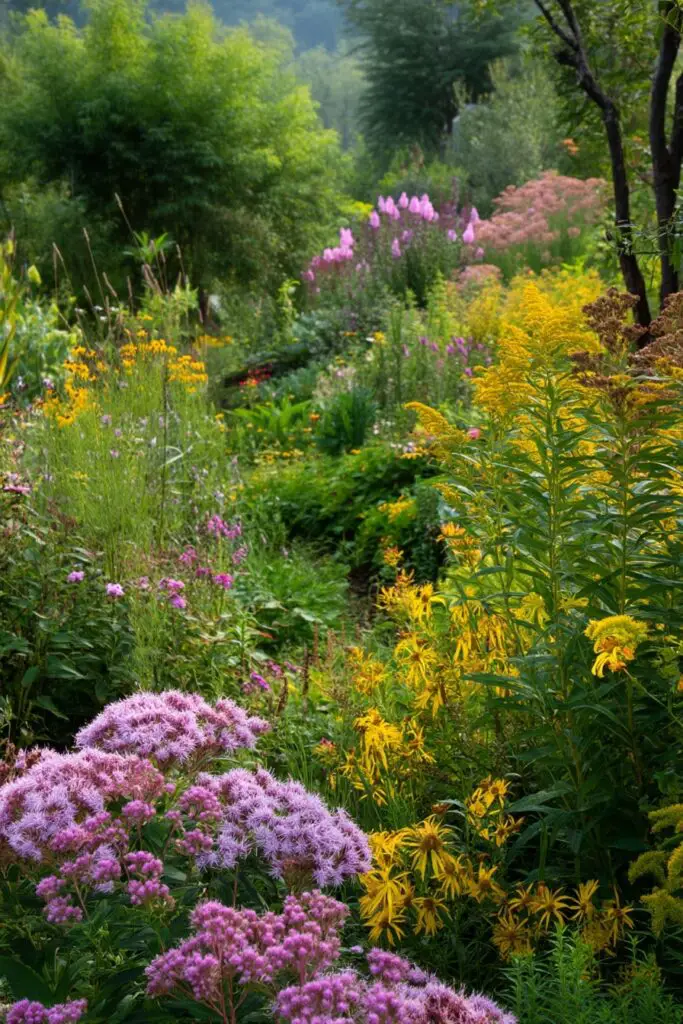
Using native plants in your butterfly garden is one of the most effective ways to support both butterflies and their larvae. Native species have co-evolved with local butterfly populations, making them ideal for food, reproduction, and shelter.
Great native plant options include:
- Asters – provide late-season nectar and host multiple butterfly species
- Goldenrod (Solidago) – misunderstood but vital; attracts butterflies and supports many larvae
- Joe-Pye weed – towering stems with pink blooms that draw in monarchs and swallowtails
- Wild bergamot (Monarda fistulosa) – a pollinator magnet with lavender blooms
Design your planting with layers—groundcover, mid-height, and tall species—to mimic natural habitats. Native plant mixes not only enhance biodiversity but also require less water and care once established, making them ideal for eco-conscious gardening.
5. Compact Butterfly Combos for Containers
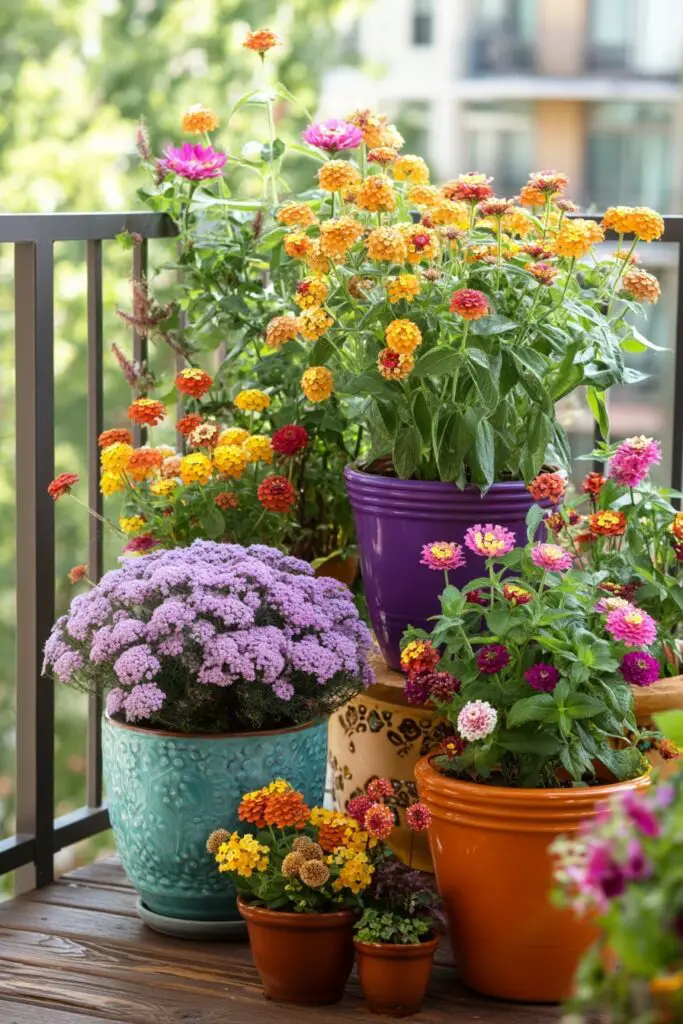
Not all butterfly gardens need vast space—container gardening makes it easy to create pollinator-friendly oases on balconies, patios, or small yards. With the right mix of compact plants, your pots can be just as inviting to butterflies as any border bed.
Try these container-friendly combinations:
- Verbena + Zinnias + Lantana – nonstop color and nectar all summer
- Dwarf milkweed + Salvia + Alyssum – a compact blend for monarchs and bees
- Cosmos + Coreopsis + Sweet alyssum – soft textures and sunny tones in a single pot
- Nasturtium + Lobelia + Compact marigolds – trailing and upright forms for visual variety
Use well-draining potting mix, group containers together for greater visual impact, and place them in full sun. Refresh soil and deadhead blooms regularly to keep plants thriving—and butterflies returning.
Conclusion
butterfly garden planting doesn’t just beautify your yard—it helps support declining pollinator populations and brings life, movement, and color to your space. Whether you’re working with pots, borders, or a full backyard plan, mixing annuals, perennials, shrubs, and native plants ensures a year-round supply of nectar and shelter for butterflies and caterpillars alike.
By choosing the right combinations, even the smallest corner can become a haven for wildlife—and a delight for anyone who stops to watch the fluttering visitors it attracts.