
Garden projects don’t have to wait for sunny skies and warm afternoons. In fact, winter’s end is the ideal time to roll up your sleeves and prepare your outdoor space for the season ahead. Whether you’re working with a big backyard or a modest balcony, spring garden projects on a budget can transform your space without draining your wallet.
Getting started now not only gives your plants a head start—it also makes gardening more enjoyable and cost-effective. From repurposing everyday items to adding creative touches, there are countless ways to make your garden grow beautifully on a dime. These ten ideas are perfect for gardeners of all levels looking to save money while creating a vibrant, productive outdoor space.
Table of Contents
1. Create a Container Herb Garden

One of the easiest garden projects to kick off before spring is starting your own container herb garden. It’s affordable, low-maintenance, and perfect for beginners. You don’t need fancy planters—recycled cans, old mugs, or even yogurt containers work just fine. As long as they have drainage holes, they’ll do the job.
Herbs like basil, parsley, mint, thyme, and rosemary thrive in containers and don’t need a lot of space. Place your pots on a sunny windowsill, patio, or porch, and they’ll start producing fresh leaves in just a few weeks. Use a mix of potting soil and compost for a nutrient-rich base that supports healthy growth.
Not only does this project save money on store-bought herbs, but it also adds greenery to your home—even before the last frost melts. Plus, having fresh herbs within reach makes everyday cooking more flavorful and sustainable.
💡 Tip: Repurpose a wooden crate or an old toolbox into a mini herb garden for a rustic touch.
2. Build Raised Beds With Reclaimed Materials
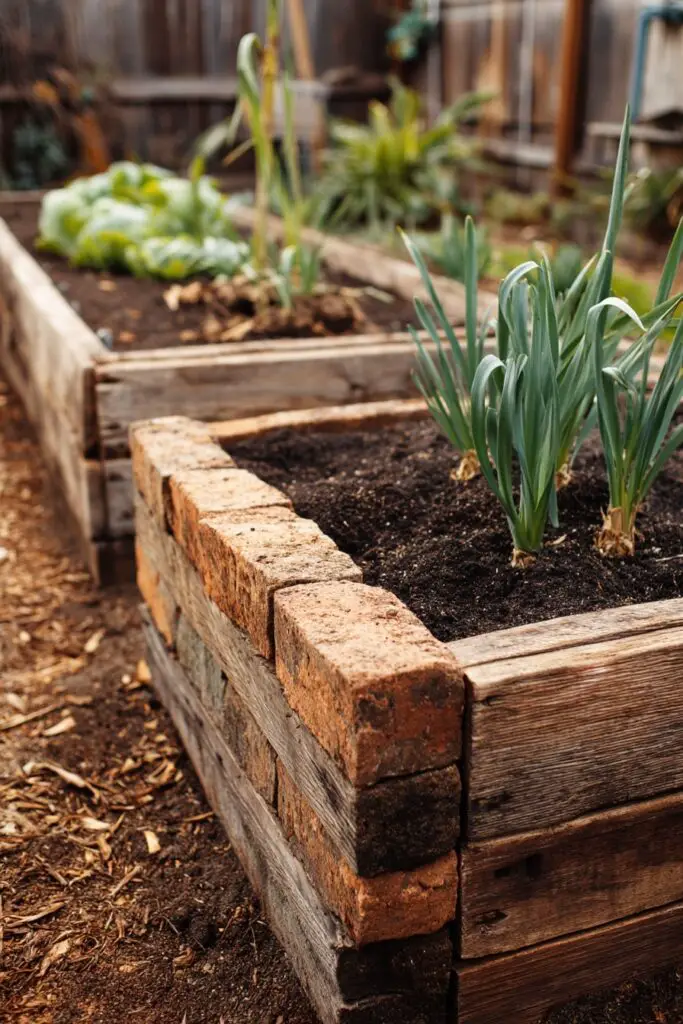
If you’re looking for garden projects that boost your harvest and keep costs down, building raised beds from reclaimed materials is a smart choice. Instead of buying new lumber, get creative with what you already have—old wooden pallets, leftover bricks, or even cinder blocks can be transformed into sturdy garden beds.
Raised beds improve drainage, warm the soil faster in early spring, and reduce weed growth. They’re also easier on your back, making planting and maintenance more comfortable. Place your beds in a sunny spot, and fill them with a rich mix of compost and topsoil to give your plants a strong start.
This project can easily be completed over a weekend, and it’s perfect for organizing your growing space. Not only do raised beds look tidy, but they also give you more control over soil quality—especially important if you’re gardening in areas with poor native soil.
💡 Pro Tip: Line the bottom with cardboard or newspaper before adding soil to help suppress weeds naturally.
3. Start a Seed-Starting Station
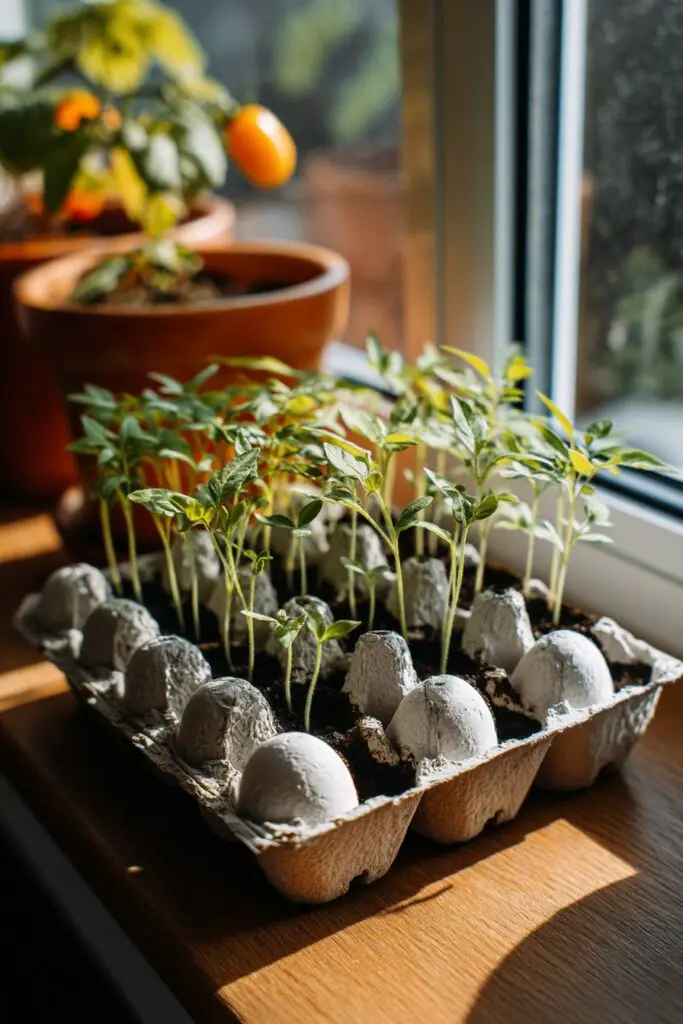
One of the most rewarding early garden projects is setting up a simple seed-starting station indoors. It’s a low-cost way to jumpstart your garden before the last frost, and it saves you money compared to buying mature plants from the nursery later on.
You don’t need special equipment to get started—egg cartons, yogurt cups, or recycled food containers work perfectly as seed trays. Place them on a sunny windowsill or under a basic grow light, and keep the soil moist but not soggy. In just a few days, you’ll see tiny sprouts poking through the soil, ready to grow strong indoors before being transplanted outside.
Starting from seed also gives you a wider variety of plant options, including heirloom and organic varieties that may not be available in stores. Plus, nurturing seedlings from day one connects you more deeply to your garden and gives you a greater sense of satisfaction come harvest time.
💡 Tip: Label your seed containers clearly to keep track of what’s growing where—it’s easy to forget once those sprouts start popping up!
4. Make DIY Bird Feeders

Looking for garden projects that add charm while helping with pest control? DIY bird feeders check both boxes. Inviting birds into your garden supports a natural balance by reducing unwanted insects—and it brings life, color, and cheerful chirping to your yard.
This project is fun, especially if you have kids at home. You can make simple feeders using materials you likely already have: pinecones, peanut butter, and birdseed; empty milk cartons; or even plastic bottles. Hang them from tree branches, fences, or porch hooks and watch your garden come alive with feathered visitors.
Birds also help pollinate flowers and can contribute to a more vibrant ecosystem. Best of all, making feeders is inexpensive, easy, and allows you to reuse materials instead of throwing them away.
💡 Family Fun: Let kids decorate the feeders with natural twine or paint (non-toxic, of course) to personalize them and make the activity more engaging.
5. Refresh Pathways With Gravel or Mulch
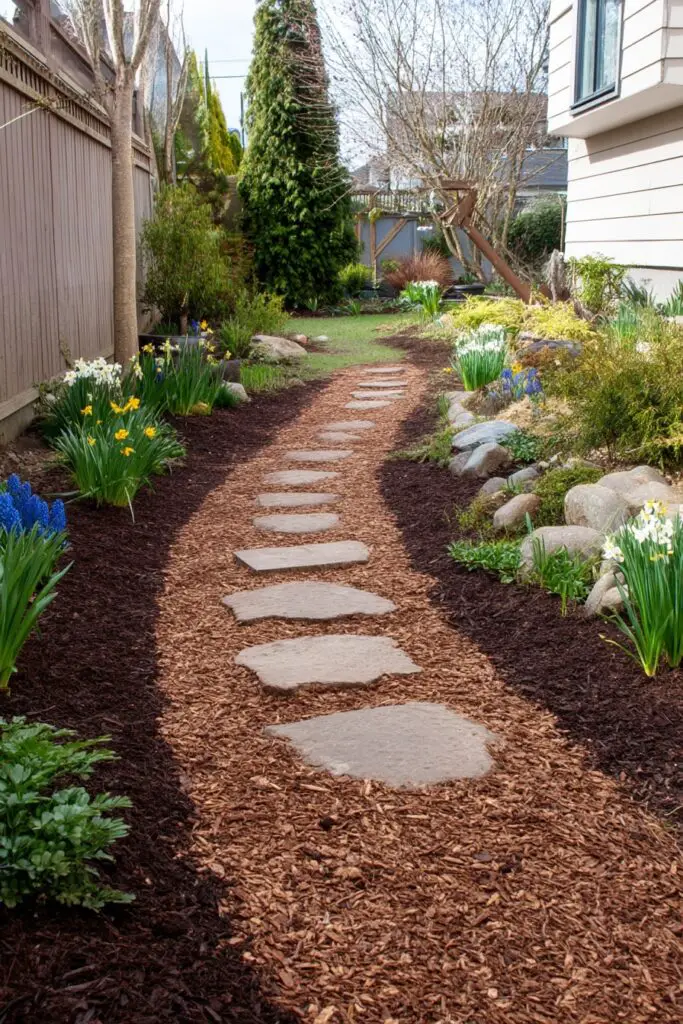
Not all garden projects have to involve planting—sometimes, it’s about improving the flow and appearance of your space. Refreshing old garden pathways with gravel or mulch is a fast, affordable upgrade that makes a big visual impact.
Start by clearing away weeds and debris from your existing paths. Then lay down a fresh layer of wood mulch, bark chips, or pea gravel. These materials are inexpensive and widely available in bulk from garden centers or landscaping suppliers. They not only define walkways but also help with drainage and weed suppression.
A clean, well-defined path makes your garden feel more intentional and polished. It also makes moving around the space easier, especially after rain when mud can become an issue.
💡 Budget Tip: Check with local tree trimming services or city yard waste programs—many offer free or low-cost mulch.
6. Install Vertical Planters
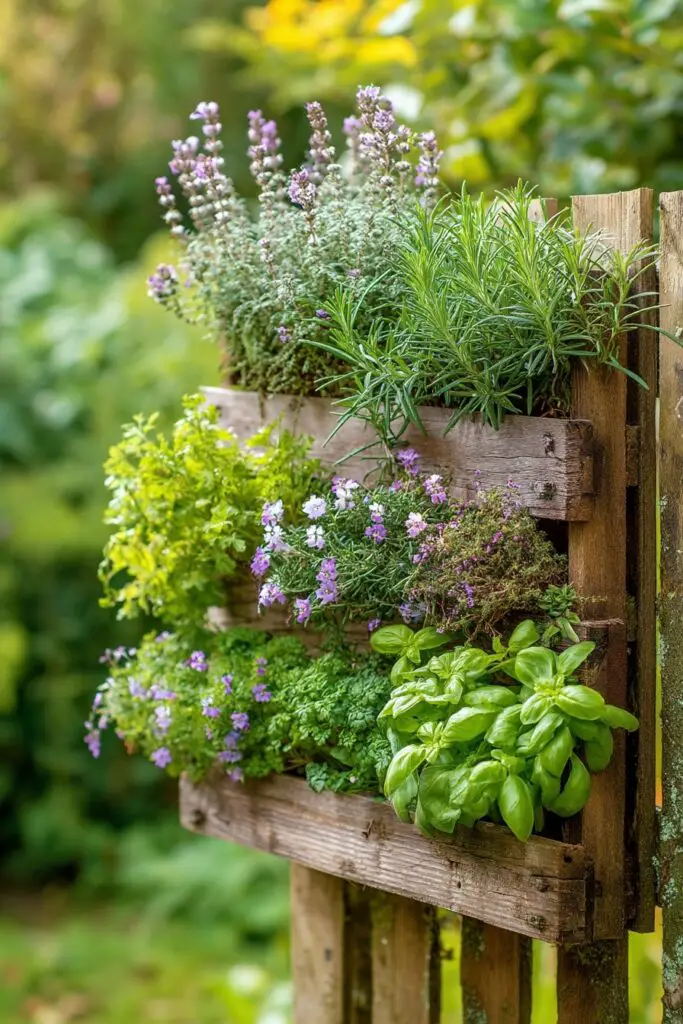
If you’re short on space or want to add visual interest, vertical planters are one of the most practical garden projects you can start before spring. They allow you to grow upward instead of outward—ideal for balconies, patios, or small yards.
You can repurpose everyday items like hanging shoe organizers, wooden pallets, or wall-mounted boxes to build your vertical garden. These setups are perfect for herbs, succulents, strawberries, and compact greens. Hanging planters also make it easier to control soil conditions and sunlight exposure, especially for delicate plants.
Vertical gardening doesn’t just save space—it adds depth and beauty to plain fences or walls. Plus, lifting plants off the ground can help protect them from pets and pests.
💡 Design Tip: Mix textures and plant sizes to create a living wall that’s both functional and stunning.
7. Compost Kitchen Scraps
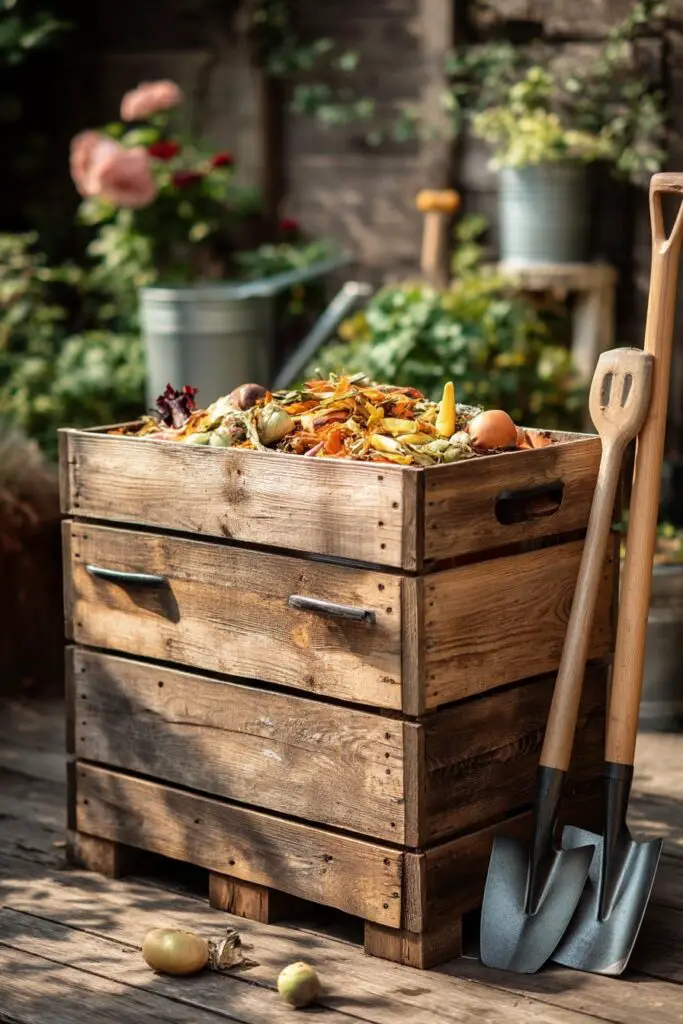
Among the most impactful garden projects you can begin today is composting. Turning your kitchen scraps into nutrient-rich soil not only cuts down on waste—it also gives your garden a natural, cost-free boost.
Composting doesn’t require a fancy setup. A simple plastic bin with holes for ventilation works great, or you can build a wooden compost box using leftover materials. Toss in vegetable peels, coffee grounds, eggshells, and other organic matter. Avoid meat, dairy, or oily foods, which can attract pests.
Over time, these scraps break down into dark, crumbly compost that improves soil structure, boosts fertility, and helps your garden thrive. It’s a long-term investment that pays off season after season—and it’s completely free.
💡 Beginner Tip: Balance “greens” (like food scraps) with “browns” (like dry leaves or cardboard) for faster decomposition and fewer odors.
8. Add Decorative Stones or Garden Art
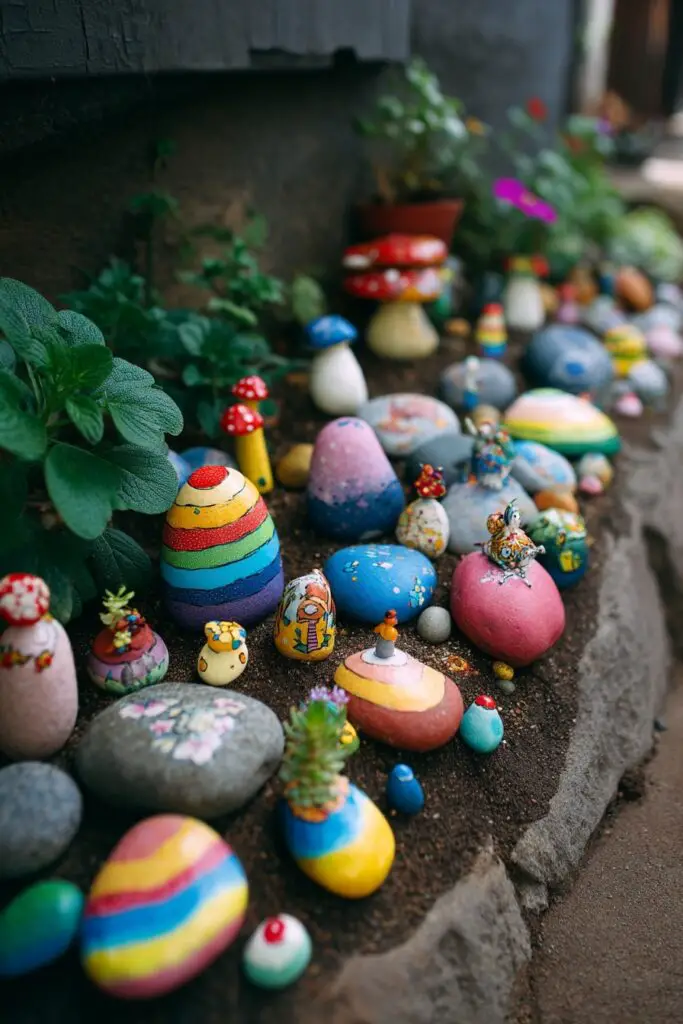
Sometimes the smallest garden projects make the biggest difference. Adding a few decorative touches—like painted rocks, mosaic stepping stones, or handmade garden signs—can instantly liven up your outdoor space without spending much.
You don’t need to buy expensive décor. Collect smooth stones from a nature walk, visit a thrift store for quirky finds, or repurpose old items like teacups or broken pots into charming focal points. A little creativity can transform ordinary objects into eye-catching garden art.
These decorative additions not only personalize your space, but they also help define garden beds, draw the eye, and make your garden feel more complete. It’s a great way to involve kids or friends in your spring preparations, too.
💡 Creative Idea: Use weatherproof paint to write the names of herbs or vegetables on rocks and place them as labels in your garden beds.
9. Create a Pollinator-Friendly Corner
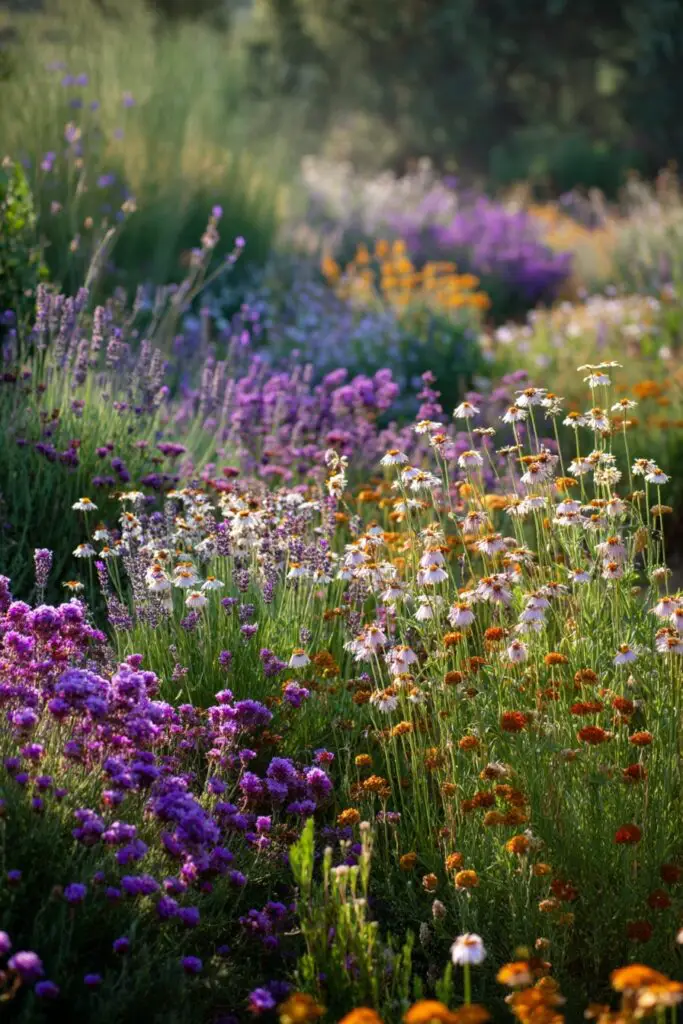
Supporting pollinators is not only good for the environment—it’s one of the smartest garden projects you can start before spring. Bees, butterflies, and other beneficial insects are essential for healthy plant growth and bigger harvests.
Set aside a sunny corner of your garden to plant flowers that attract pollinators. Think early bloomers like lavender, bee balm, calendula, or native wildflowers. If it’s still too cold to plant outside, start seeds indoors in small pots and transplant them once the weather warms up.
Avoid using chemical pesticides, which can harm pollinators. Instead, let nature do the work. Adding a shallow dish of water with small rocks also provides pollinators with a place to hydrate—an often-overlooked detail that helps them thrive.
💡 Sustainability Tip: Choose native flowering plants for your region to attract local pollinators and reduce water needs.
10. Prepare Cold Frames for Early Planting
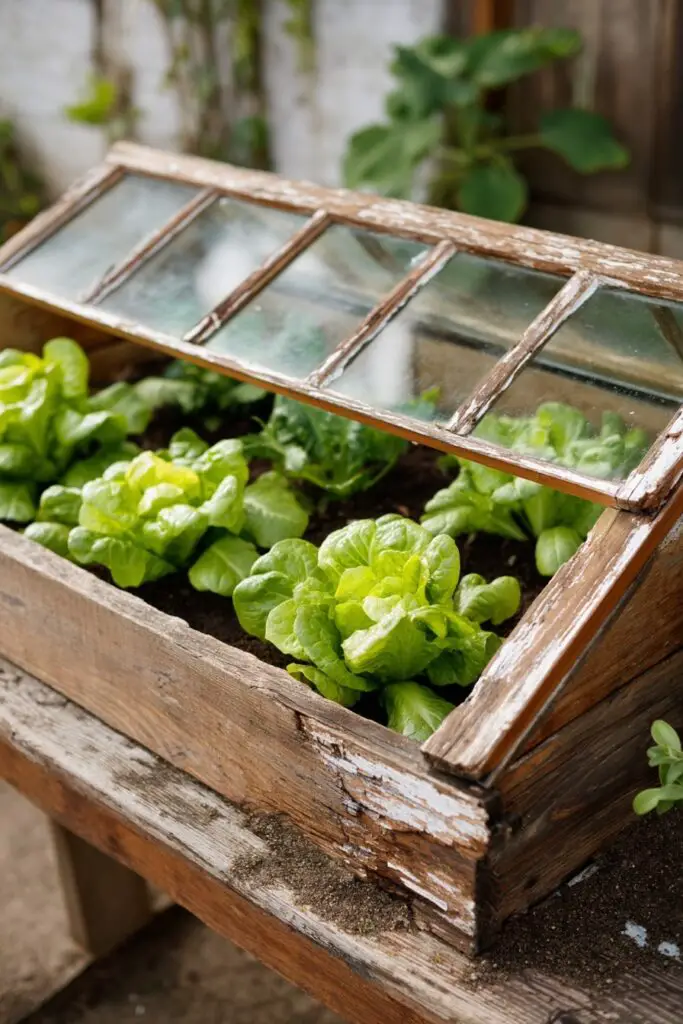
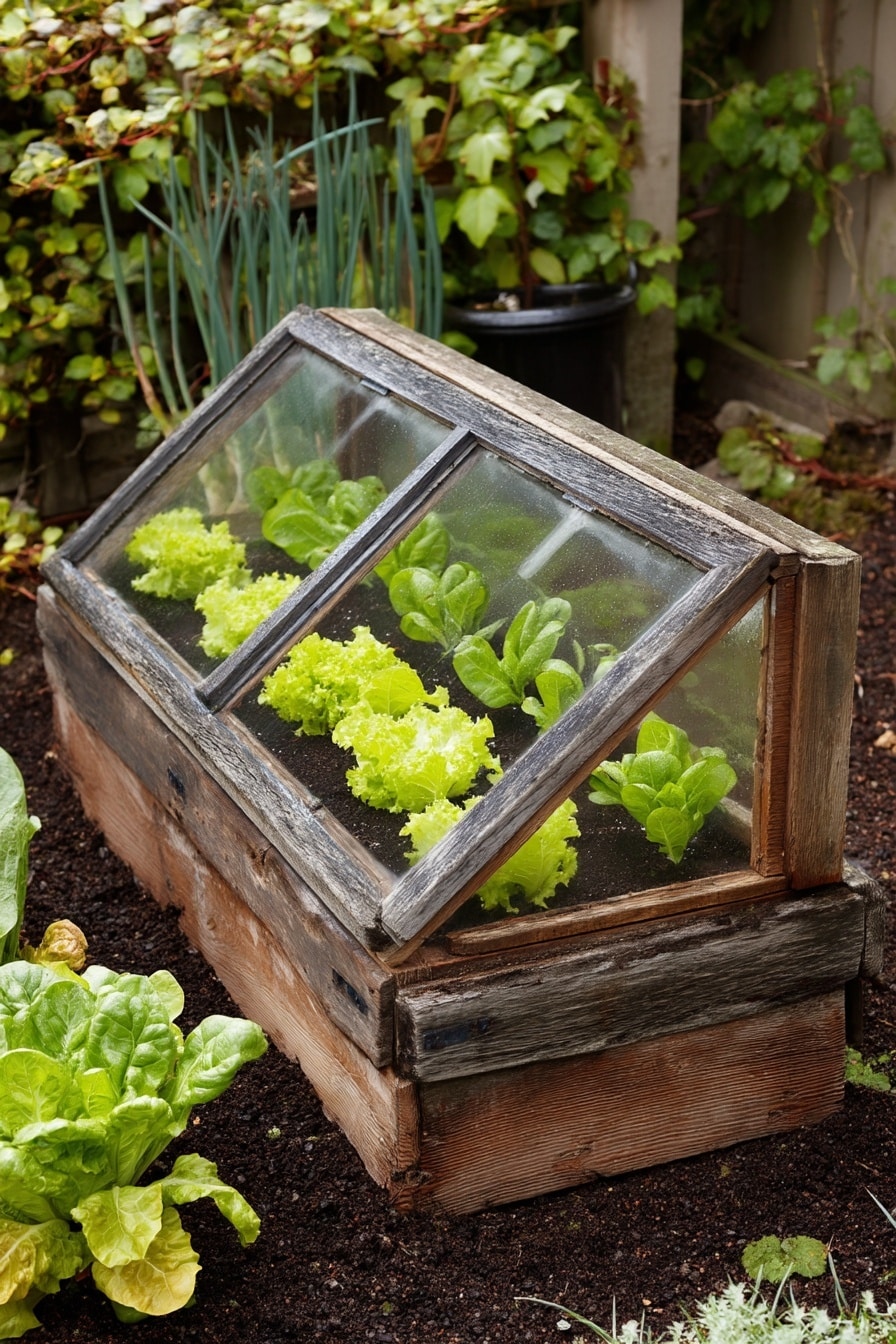
For those eager to get planting before the last frost, cold frames are one of the most effective garden projects you can tackle now. These mini-greenhouses trap warmth and protect young plants from chilly nights, giving you a jumpstart on the growing season.
You can build a cold frame using scrap wood and an old window or clear plastic lid. Position it in a sunny spot, ideally facing south, to maximize heat and light. Inside, you can grow early crops like lettuce, spinach, radishes, and other cool-season vegetables weeks ahead of schedule.
Cold frames are simple, low-tech, and perfect for gardeners who want to extend their harvests without investing in a full greenhouse. They’re especially helpful if you’re starting seeds indoors and need a transition zone before moving plants to open beds.
💡 Build Tip: Add a hinge to the lid so you can open it for ventilation on warmer days and prevent overheating.
Conclusion
These ten budget-friendly garden projects are the perfect way to shake off winter and breathe new life into your outdoor space. Whether you’re planting herbs in recycled containers or building cold frames from scrap wood, each idea is designed to save money, stretch your creativity, and prepare your garden for a productive spring.
Starting now gives you a head start—not just on planting, but on building a space that reflects your personality and supports a healthy, sustainable lifestyle. Pick one project or try them all. Either way, your garden will thank you come spring.