
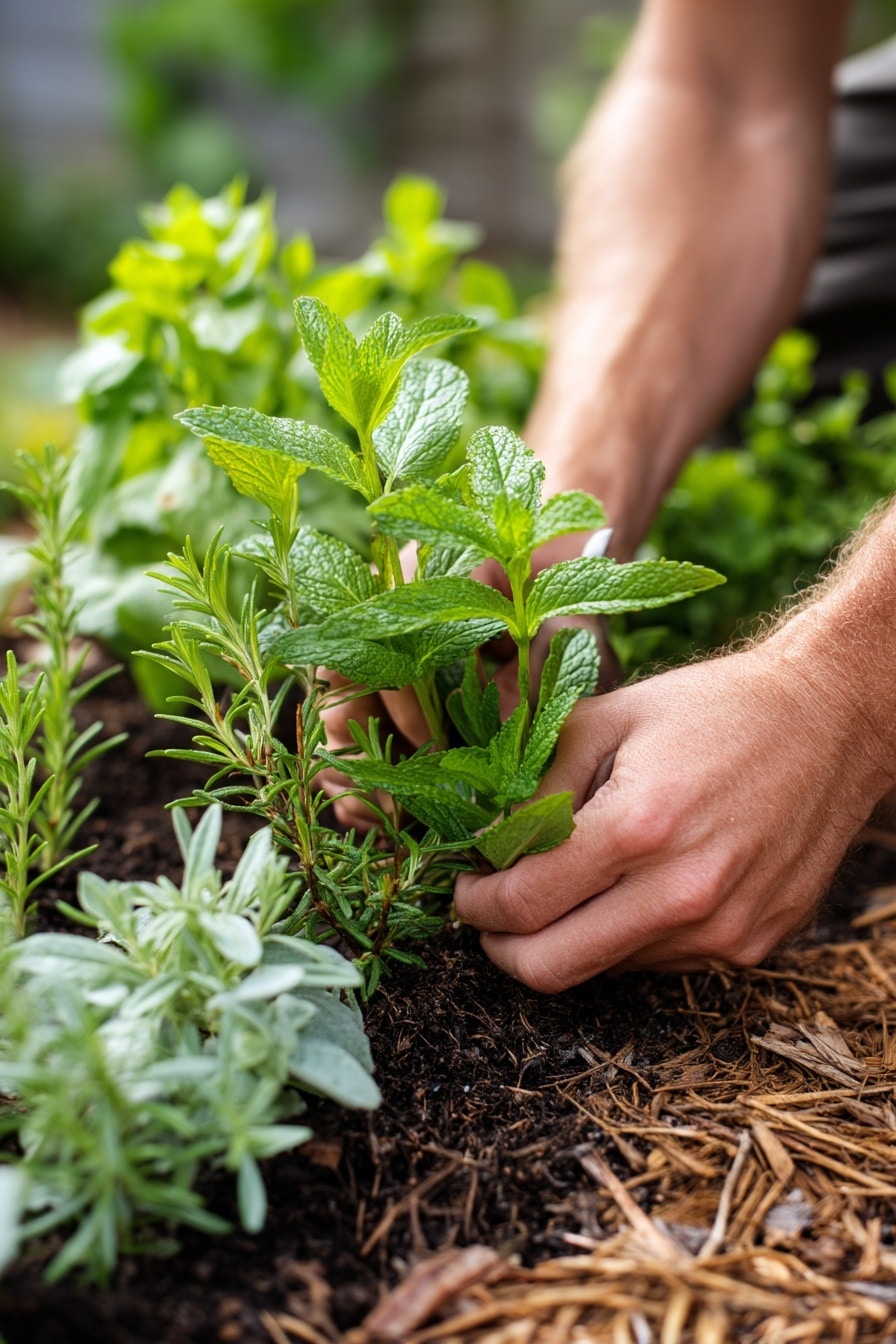
Herbs to plant together can thrive when they share similar growing conditions and complementary habits. Choosing the right herbs to plant together improves growth, reduces maintenance, and creates a healthier garden overall.
When herbs are grouped properly, they benefit from similar sunlight, watering, and soil needs. Planting compatible varieties together also helps prevent overcrowding and root competition.
Whether you are growing in containers, raised beds, or garden borders, understanding which herbs to plant together will help you build a productive and balanced herb space.
Table of Contents
1. Mediterranean Herbs to Plant Together

One of the easiest ways to choose herbs to plant together is by grouping varieties that naturally grow in similar climates. Mediterranean herbs prefer full sun, dry conditions, and well-drained soil.
Because they share the same care requirements, these herbs to plant together thrive when grown side by side.
Ideal Mediterranean Combinations
The following herbs grow well in the same bed or container:
- Rosemary
- Thyme
- Oregano
- Sage
- Lavender
These herbs prefer:
- At least 6–8 hours of sunlight
- Sandy or well-draining soil
- Moderate to low watering
When planted together, they require minimal adjustment to watering schedules. Overwatering is often the biggest mistake with Mediterranean herbs.
Planting Tips
Space plants properly to allow airflow. Most Mediterranean herbs become woody as they mature, so avoid crowding.
Raised beds and containers work especially well for these herbs to plant together because they improve drainage. If you have a guide on raised herb beds or soil preparation, this is a strong opportunity for internal linking.
Grouping Mediterranean herbs simplifies care and creates a fragrant, low-maintenance planting area.
2. Moisture-Loving Herbs to Plant Together
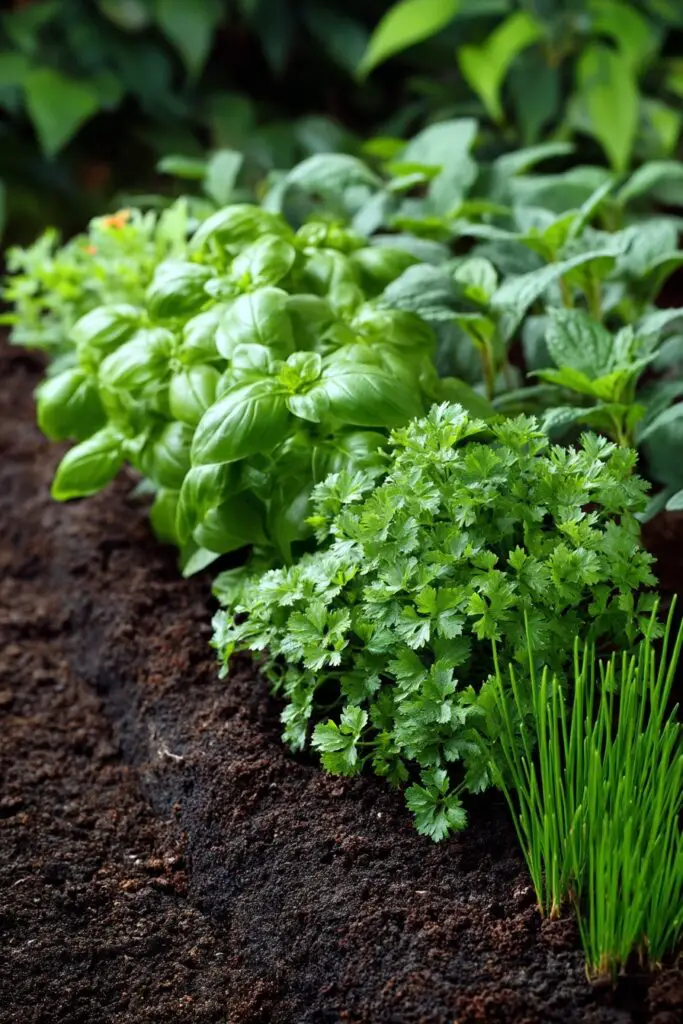
Not all herbs to plant together prefer dry soil. Some varieties thrive in consistently moist conditions and benefit from richer soil and regular watering.
Grouping moisture-loving herbs to plant together prevents problems caused by uneven watering needs.
Ideal Moisture-Loving Combinations
These herbs grow well when planted side by side:
- Basil
- Parsley
- Cilantro
- Chives
- Dill
These varieties prefer:
- Steady moisture without waterlogging
- Fertile, well-draining soil
- Full sun to partial shade
Because these herbs grow quickly, they respond well to frequent harvesting.
Planting Tips
Keep soil consistently moist but not soggy. Mulching around moisture-loving herbs to plant together helps retain water and suppress weeds.
Unlike Mediterranean varieties, these herbs benefit from occasional feeding during the growing season.
Container planting also works well, as long as pots have good drainage and regular watering.
3. Herbs to Plant Together in Containers
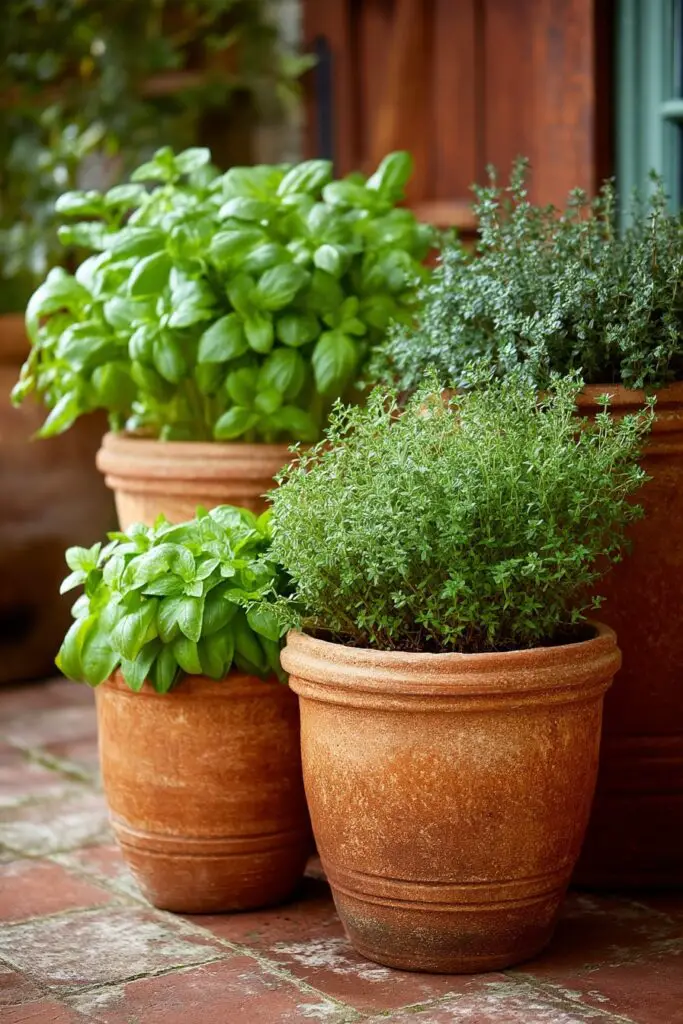
Growing herbs to plant together in containers is a practical solution for patios, balconies, and small gardens. The key is combining herbs with similar light and water needs while giving each plant enough root space.
Containers allow you to control soil quality and drainage, which makes it easier to manage compatible herbs to plant together.
Best Container Combinations
Try pairing herbs such as:
- Thyme and oregano
- Basil and parsley
- Chives and cilantro
Avoid mixing drought-tolerant herbs with moisture-loving ones in the same pot. This prevents uneven watering and root stress.
Container Planning Tips
When planting herbs to plant together in containers:
- Use a pot at least 8–12 inches deep
- Ensure drainage holes are present
- Avoid overcrowding
- Rotate pots for even sunlight exposure
Select lightweight, well-draining potting mix to keep roots healthy. Regular trimming keeps container-grown herbs compact and productive.
4. Herbs You Should Not Plant Together
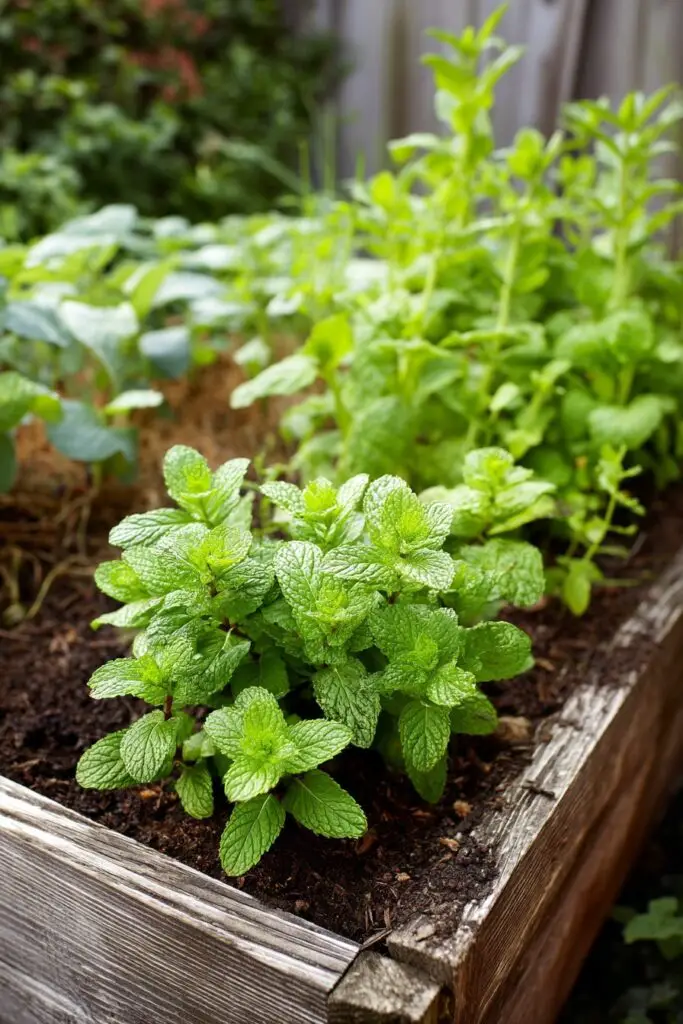
Knowing which herbs to plant together is important, but understanding which combinations to avoid is equally essential. Some herbs compete aggressively or require very different growing conditions.
Mixing incompatible herbs can lead to poor growth and uneven watering.
Herbs With Conflicting Needs
Avoid planting these herbs together:
- Rosemary with basil (different water requirements)
- Mint with most other herbs (spreads aggressively)
- Fennel near other herbs (can inhibit growth)
Mint should always be grown in its own container. Its roots spread quickly and overpower neighboring plants.
Fennel releases compounds into the soil that can interfere with nearby herbs. For best results, grow fennel separately.
Watch for Growth Habits
When choosing herbs to plant together, consider root spread and mature size. Fast-growing herbs can crowd out slower varieties.
Grouping herbs by similar care needs is the simplest way to avoid compatibility issues.
5. Tips for Successfully Planting Herbs Together
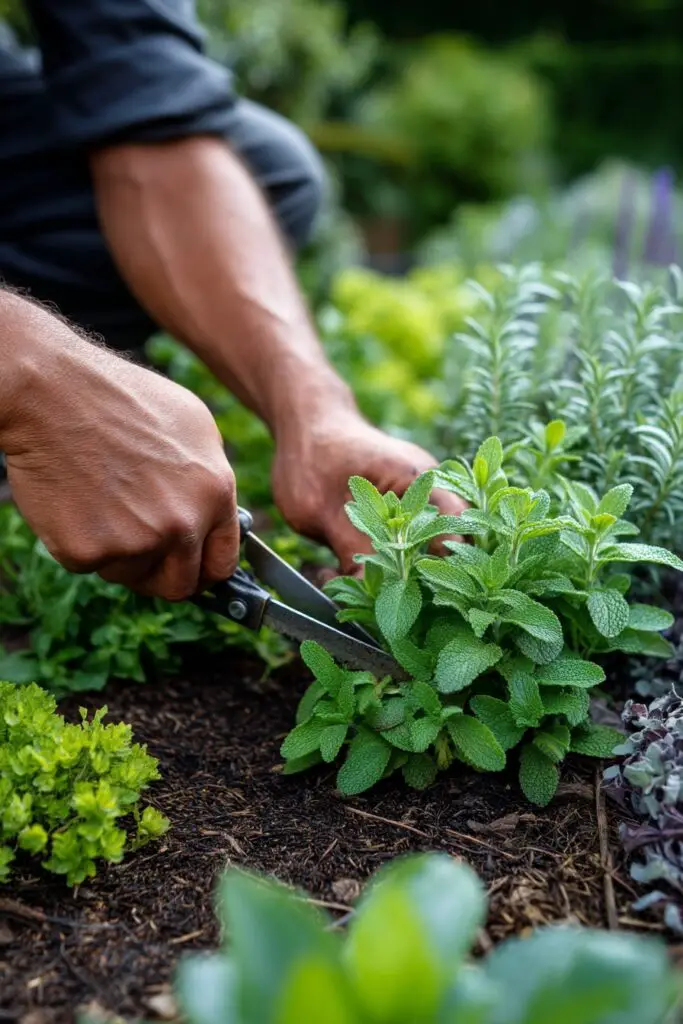
Choosing the right herbs to plant together improves growth, but long-term success depends on proper maintenance. Once planted, regular care keeps grouped herbs healthy and productive.
Start with soil preparation. Even compatible herbs to plant together perform best in loose, well-draining soil enriched with compost.
Maintain Proper Spacing
Avoid overcrowding. When herbs to plant together are planted too closely, airflow decreases and disease risk increases.
Follow spacing recommendations based on mature plant size.
Water According to Group Needs
Water deeply but consistently. Herbs to plant together should share similar moisture preferences to avoid stress.
- Mediterranean groups require less frequent watering
- Moisture-loving groups need steady soil moisture
Harvest Regularly
Frequent trimming encourages bushier growth. Removing flowers on leafy herbs prolongs harvest time.
By organizing herbs to plant together thoughtfully and maintaining consistent care, you create a balanced and productive herb garden.
Conclusion
Selecting the right herbs to plant together simplifies garden maintenance and promotes healthier growth. By grouping herbs according to sunlight, soil, and watering needs, you reduce stress on plants and improve overall productivity.
With thoughtful planning and regular care, your herbs to plant together will thrive in beds or containers, creating a fragrant and practical garden space.