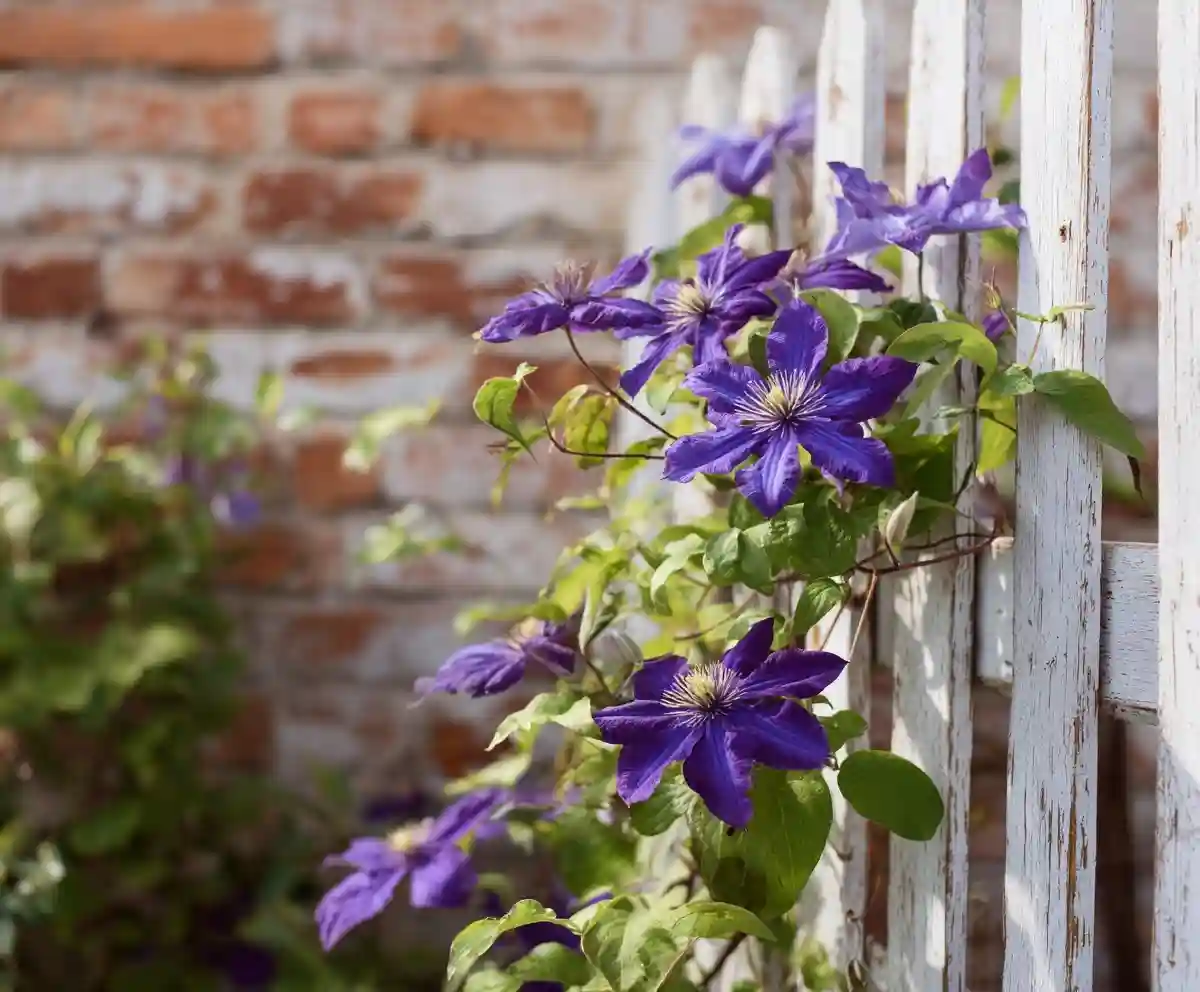
Growing clematis is one of the most rewarding choices for gardeners looking to add vertical interest, long-lasting blooms, and vibrant color to their outdoor spaces. Known as the “queen of climbers,” clematis vines can turn a plain fence or arbor into a living wall of flowers with just a bit of thoughtful care. Whether you’re planting a single showstopper or combining varieties for continuous blooms, success starts with understanding the needs of this elegant perennial. From choosing the right variety to pruning properly, each step plays a role in helping your clematis thrive and bloom for years to come.
Table of Contents
1. Do Some Research Before Choosing a Clematis

Before you start growing clematis, it’s worth spending time on the right variety. Not all clematis are the same—there’s an impressive range of heights, bloom times, flower shapes, and colors to choose from.
Some varieties stay compact, reaching just 3 to 5 feet tall—ideal for containers or small trellises. Others can stretch more than 20 feet, perfect for covering arbors or climbing trees. Flowering times vary widely too: certain types bloom in late spring, others in summer or fall. Some even rebloom, giving you multiple waves of color throughout the season.
Flower forms are just as diverse. From large star-like singles to fluffy doubles and delicate bell shapes, there’s a clematis to match every garden style. Colors range from white and soft pinks to rich burgundies, purples, blues, and even creamy yellows.
If space allows, consider planting two or more varieties side by side. This trick, often used by experienced gardeners, creates a dynamic mix of colors and bloom times that lasts from spring into fall.
2. Understand How Clematis Vines Climb
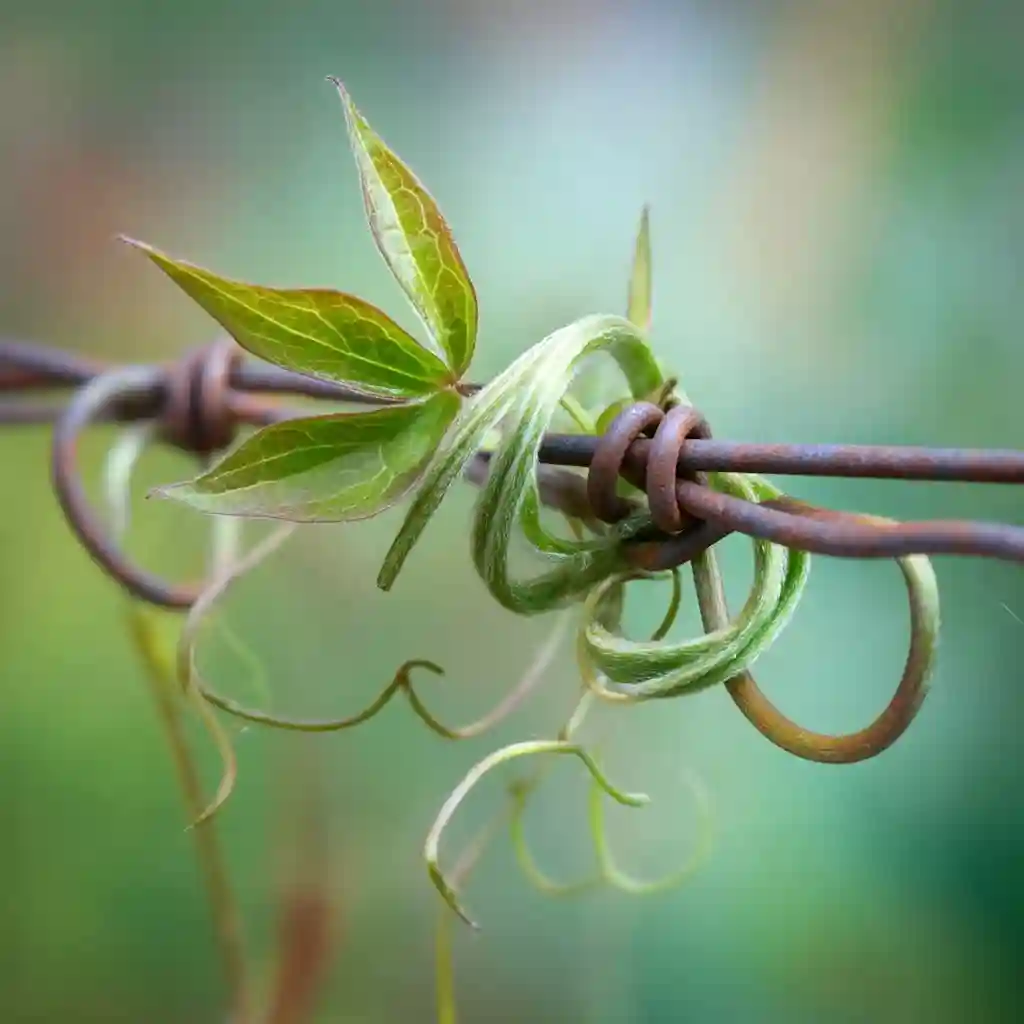
One of the key things to know about growing clematis is how these vines actually climb. Unlike some plants that use tendrils, suction pads, or twining stems, clematis climbs by wrapping its leaf stems—called petioles—around nearby supports.
But there’s a catch: these coiling leaf stems can only wrap around supports that are less than ¼ inch thick. That means wide wooden trellises, large posts, or smooth walls won’t work on their own. Without something to grab onto, the vines will flop or stop growing entirely.
To support your clematis properly, use materials like:
- Wire mesh or chicken wire
- Twine or fishing line stretched across a frame
- Slim bamboo stakes
- Nylon netting
Getting the right structure in place from the beginning is essential. It helps guide young vines upward and prevents breakage, which clematis is sadly prone to if left unsupported.
3. Choose a Good Planting Location
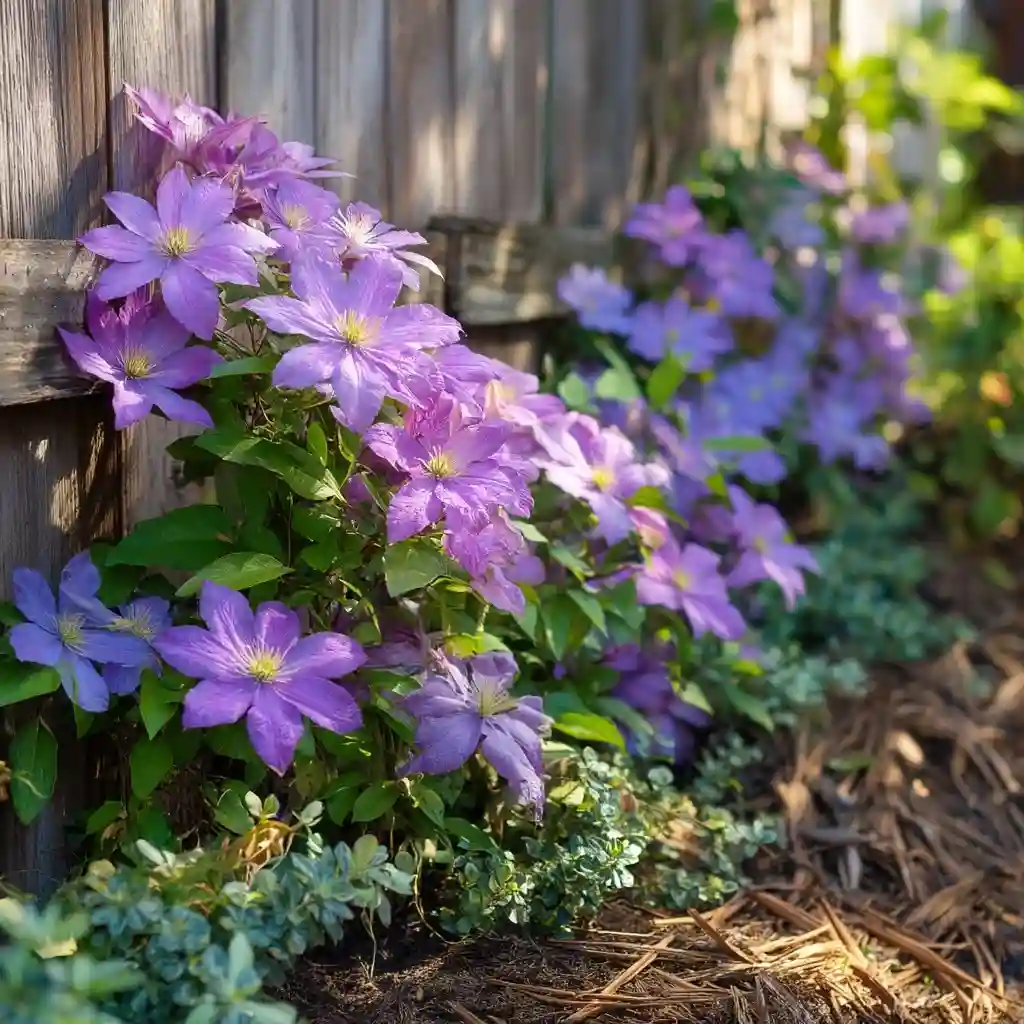
When growing clematis, location matters more than you might think. These long-lived perennials dislike being moved, so selecting the right spot from the start is key to long-term success.
Clematis prefers rich, well-draining soil. Work in compost or aged manure before planting to give the roots a good foundation. A loamy, slightly neutral to alkaline soil (pH 6.5–7.0) is ideal.
Most varieties thrive in full sun, which means at least 6 hours of direct sunlight per day. While some types will tolerate part shade—like ‘Nelly Moser’ or ‘Henryi’—more sunlight usually equals more blooms.
But here’s a classic clematis tip: “head in the sun, roots in the shade.” The vines love warmth, but their roots prefer to stay cool. To protect the root zone:
- Mulch with shredded leaves or compost (keep it a few inches from the stem)
- Plant low-growing perennials around the base
- Use a decorative rock or stone to shade the soil
Great Spots to Plant Clematis:
- Against a sunny fence (with added wire mesh)
- On an arbor, pergola, or trellis
- Near a shrub or small tree for natural support
- Around a mailbox or lamp post
- In large containers with proper support
Getting the location right from the start sets your clematis up for years of lush, healthy growth.
4. Take Care When Planting Your Clematis
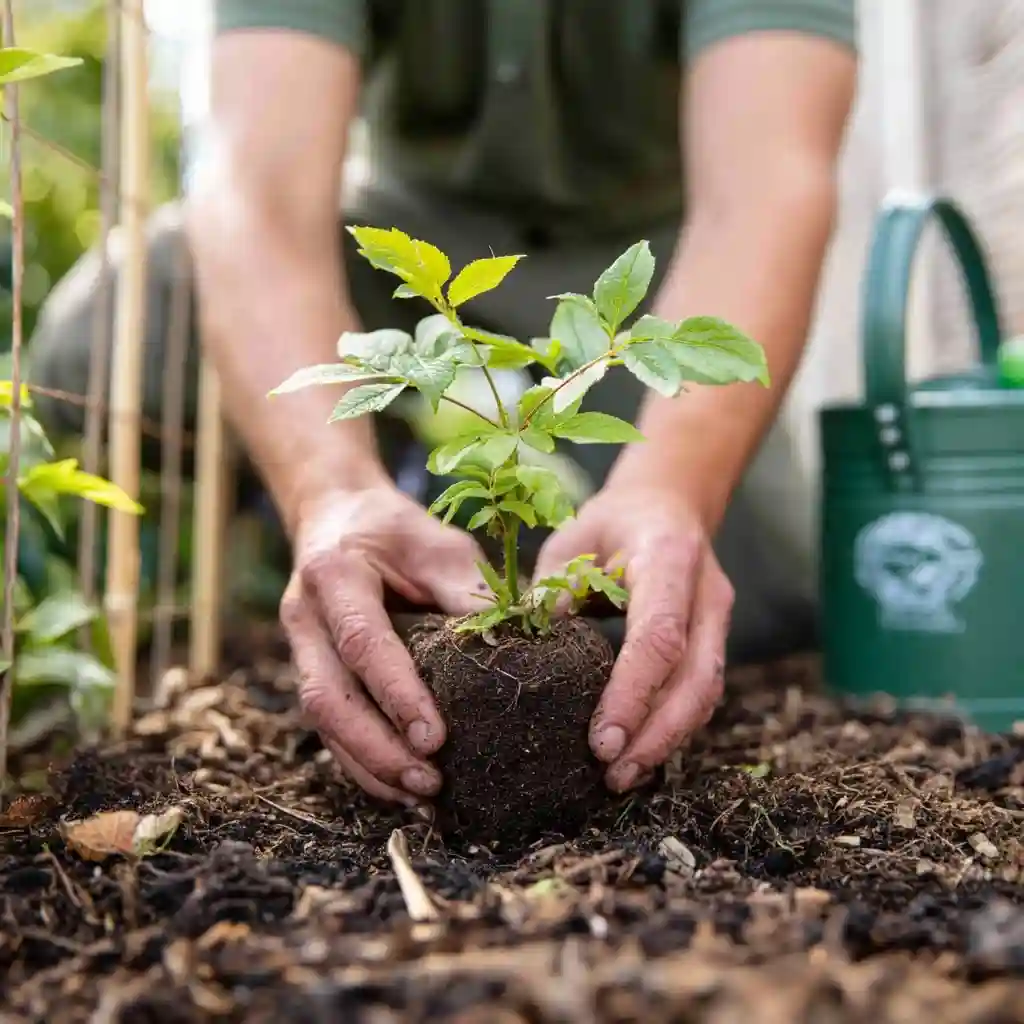
Proper technique is essential when growing clematis, especially at planting time. These vines may look delicate—and they are—but with a little care, they’ll establish strong roots that support years of beautiful blooms.
Clematis has brittle stems and a wiry root system, so always handle the plant gently. If the vine snaps while planting, it can delay growth significantly.
Start by digging a wide hole, about twice the width of the root ball. Mix compost into the soil to improve drainage and fertility. Set the plant so that the crown (where the stems meet the roots) sits 1 to 2 inches below the soil surface—this encourages strong shoots and protects the base from cold.
Backfill gently, water deeply, and mulch to help retain moisture. For the first year, water regularly to support root development. Blooms may not appear in the first season, but behind the scenes, the plant is busy getting established.
To prevent damage from pests like rabbits or voles, surround the young plant with a small wire mesh cylinder. Also, install the trellis or support system right away—even if the plant is small. Early training helps prevent flopping and breakage later on.
5. Provide Proper Support from the Start
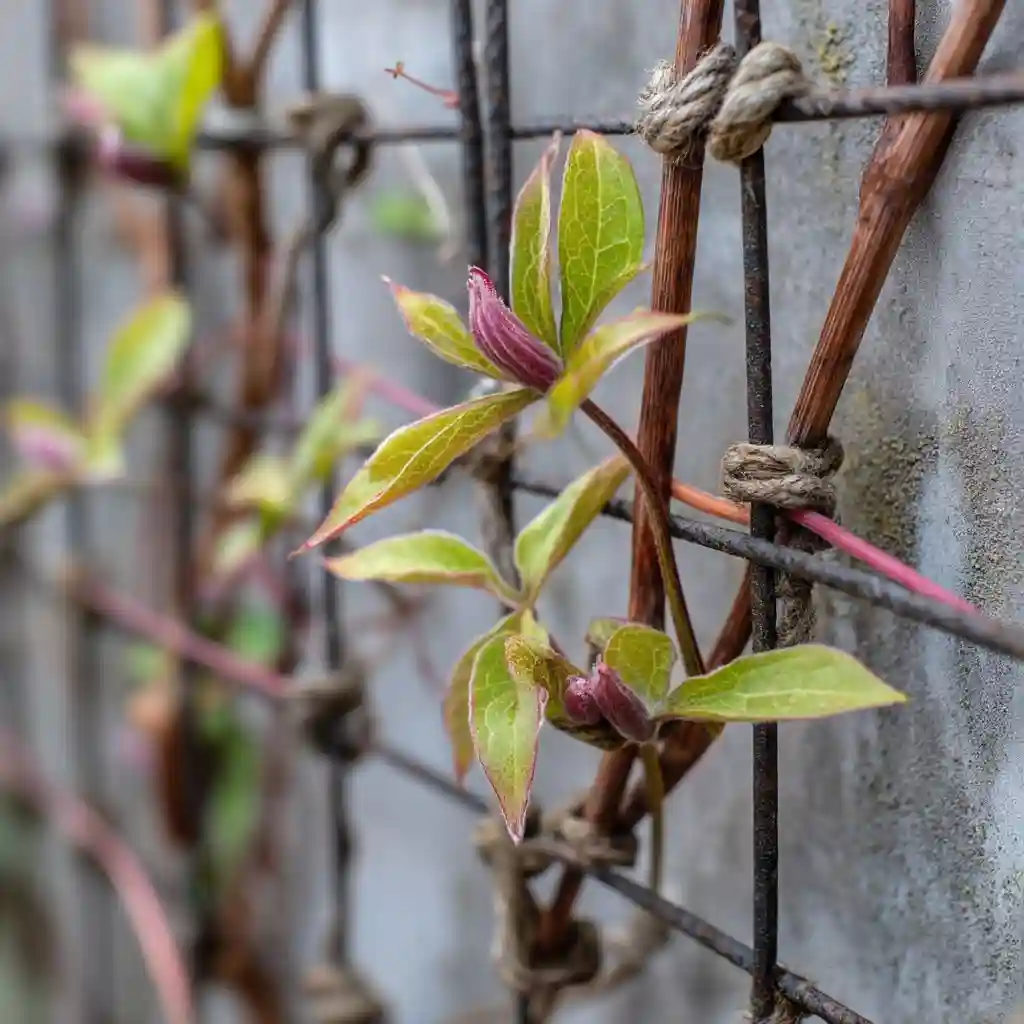
A crucial part of growing clematis is making sure your vines have the right kind of support—right from the beginning. Unlike tougher vines, clematis stems are surprisingly fragile. Both young and mature stems can snap if they’re left to flop or twist in the wind.
While some types grow in a more shrubby form, most are natural climbers. But remember: they can only latch onto materials thinner than ¼ inch. If the vine can’t find anything suitable to climb, the tip will stop growing and die back.
Best Support Options for Clematis:
- Wire grids or mesh (1″ to 4″ openings)
- Poly-coated animal fencing (strong and weather-resistant)
- Concrete reinforcing mesh (very durable for long-term use)
- Chicken wire (great for flexible, first-year training)
For young plants, start with a training trellis—something small and easy for the vines to grab onto. Anchor it in the ground behind the plant and attach it to your permanent structure. As the vine grows, gently guide or tie the stems with soft garden twine to prevent flopping.
A little early effort ensures your clematis climbs beautifully and safely as it matures.
6. Keep Pruning Simple and Stress-Free
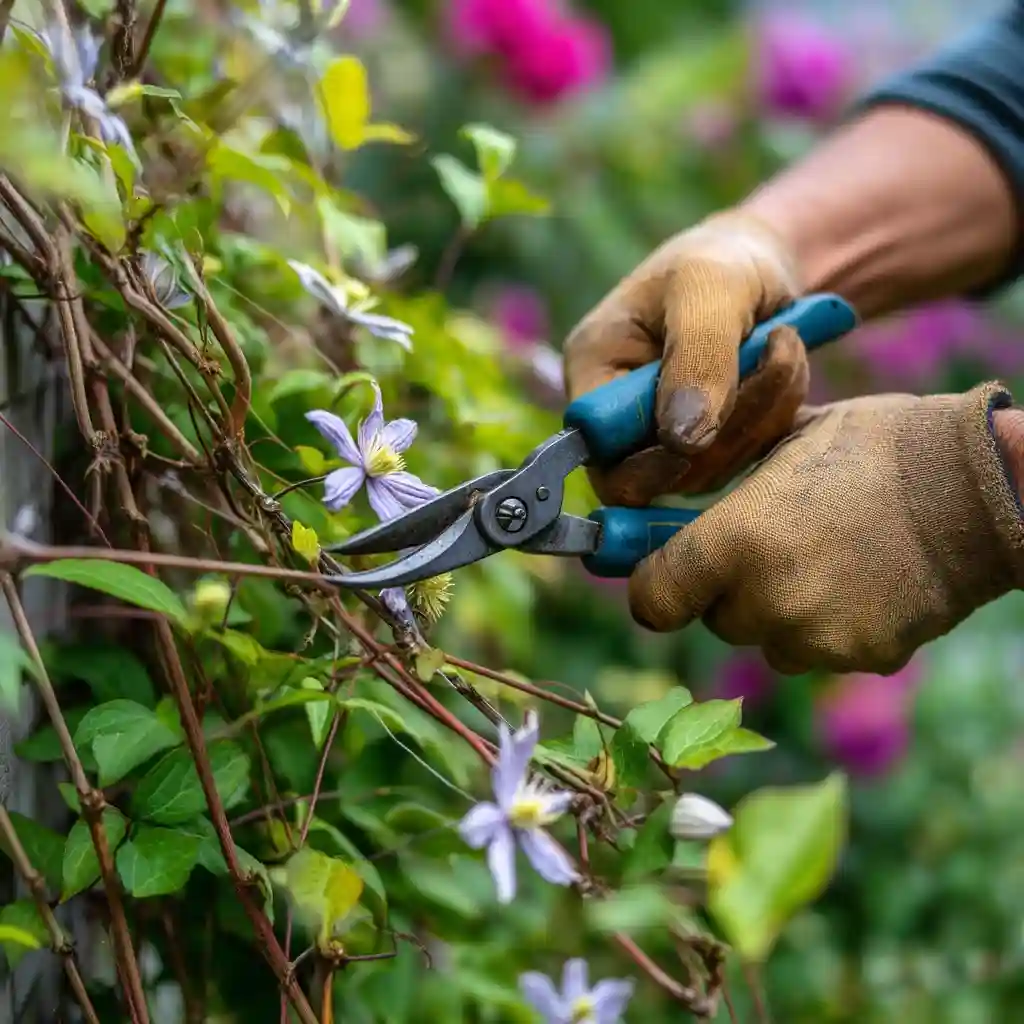
One of the biggest worries when growing clematis is pruning—but it doesn’t need to be complicated. While there are official pruning groups based on bloom time, most gardeners can follow a simple rule of thumb and still have great results.
For Clematis That Bloom on Last Year’s Growth:
If your plant flowers in early summer and has woody stems from the previous year, prune lightly after it finishes blooming. Just trim back weak, dead, or tangled vines to keep the plant tidy and healthy.
For Clematis That Bloom on New Growth:
If your clematis flowers later in the summer—on the current year’s stems—give it a hard prune in early spring. Cut all stems back to about 12 to 18 inches above the ground. This encourages fresh, vigorous shoots that produce more blooms.
A Few More Tips:
- Skip heavy pruning during the first year
- If needed, clematis can be cut back entirely to 5″ in early spring or fall
- Stray or damaged vines can be trimmed at any time during the season
Keeping pruning simple makes it easier to enjoy healthy growth and abundant blooms without overthinking.
Written by Molly 🌿
Founder of Grow Greenery Now, Molly’s gardening journey began in her grandmother’s sunlit vegetable patch. Every bloom she plants honors that legacy of patience, love, and quiet miracles. Through heartfelt stories and practical tips, she shares how gardening can be both soulful and sustainable.
Read more about Molly →Conclusion
Growing clematis doesn’t have to be difficult—it just requires the right start and a little seasonal care. With thoughtful planting, proper support, and gentle pruning, this beloved climber will reward you with years of vibrant blooms and graceful growth. Whether you’re lining a fence, dressing up a pergola, or training vines up a lamppost, clematis adds beauty and charm to any garden.
FAQ
Can clematis grow in shade?
Most clematis prefer full sun, but some varieties like ‘Nelly Moser’ and ‘Henryi’ can handle part shade. Aim for at least 6 hours of sunlight for best flowering.
How long does clematis take to bloom after planting?
Typically, you’ll see the first strong blooms in the second year. The first year is mainly for root establishment.
Do clematis vines die back in winter?
Some do. Many clematis varieties die back to the ground in winter and regrow in spring, especially those that bloom on new wood.
Can I grow clematis in a pot?
Yes! Choose a compact variety, use a large container, and make sure it has proper drainage and a support structure.
Should I fertilize clematis?
Yes, especially during the growing season. Use a balanced, slow-release fertilizer in spring and again in midsummer.
🌿 Love gardening inspiration? Follow me on Pinterest for bold plant ideas, tips, and seasonal color!
More Posts