
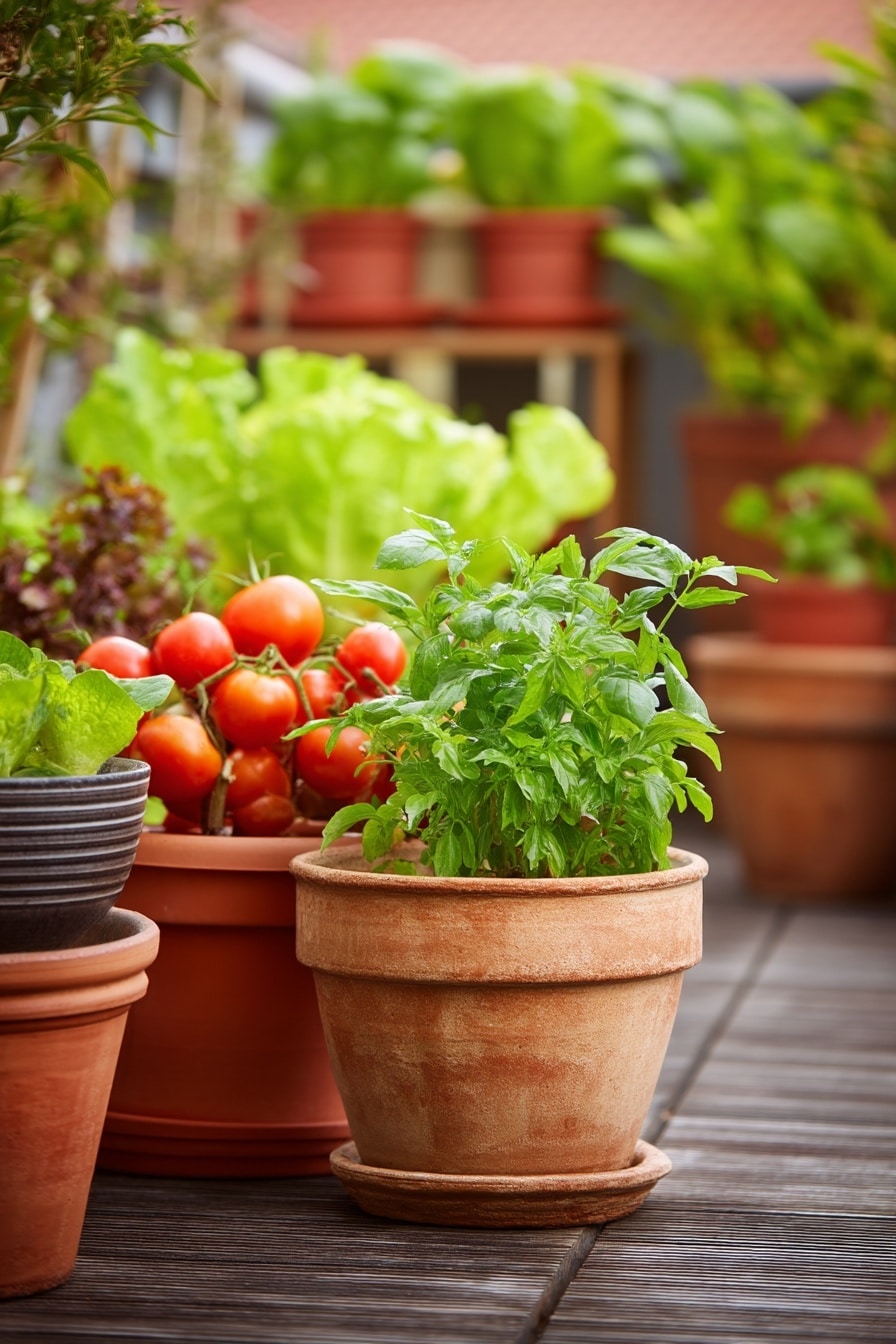
Small vegetable gardens are a practical way to grow fresh food even when space is limited. Many homeowners, apartment dwellers, and beginner gardeners assume they need a large backyard to grow vegetables. In reality, small vegetable gardens can produce an impressive harvest when designed carefully and planted wisely.
A well-planned small vegetable garden focuses on efficient use of space, good soil, and the right mix of crops. With thoughtful layouts, vertical growing methods, and smart planting choices, even a compact area can become a productive source of fresh vegetables throughout the season.
Whether you have a small backyard, patio, or balcony, the following small vegetable gardens ideas will help you turn limited space into a thriving growing area.
Table of Contents
1. Raised Bed Small Vegetable Gardens

Raised beds are one of the most effective layouts for small vegetable gardens. They create defined planting spaces while improving soil quality and drainage.
In compact areas, raised beds make it easier to manage crops and prevent soil from becoming compacted from foot traffic. Gardeners can reach plants easily from the sides without stepping into the growing area.
Benefits of raised bed gardens
- Better soil structure and drainage
- Easier weed control
- Improved plant spacing
- Convenient harvesting and maintenance
A raised bed layout allows you to organize small vegetable gardens into neat rows or square sections. Popular vegetables for this setup include lettuce, carrots, spinach, tomatoes, and peppers.
2. Container Small Vegetable Gardens
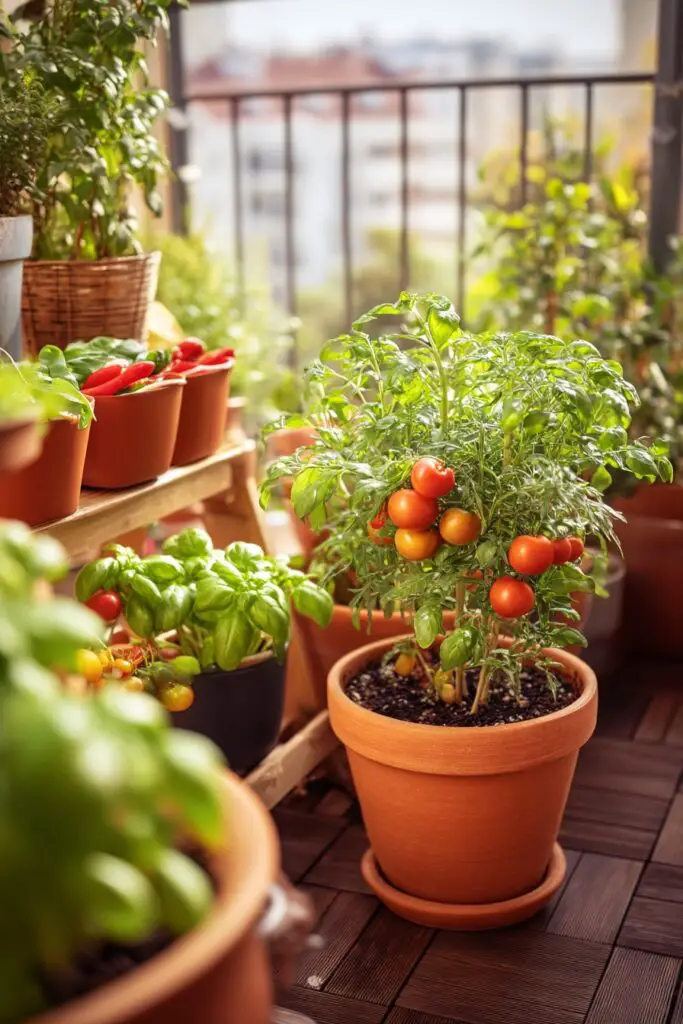
Containers make small vegetable gardens possible almost anywhere. Balconies, patios, and small yards can all support container-grown vegetables.
Many vegetables grow well in pots as long as they receive enough sunlight and consistent watering. Choosing the right container size is important because deeper pots allow stronger root development.
Vegetables that grow well in containers
- Cherry tomatoes
- Lettuce and leafy greens
- Radishes
- Herbs like basil and parsley
- Peppers
Container small vegetable gardens also allow you to move plants around to capture the best sunlight throughout the day.
3. Vertical Small Vegetable Gardens

When horizontal space is limited, vertical small vegetable gardens offer a smart solution. Growing upward allows you to produce more vegetables without expanding the garden footprint.
Vertical gardening uses trellises, frames, and supports to guide plants upward.
Plants that thrive in vertical gardens
- Cucumbers
- Beans
- Peas
- Tomatoes
- Climbing squash
Vertical structures not only increase yield but also improve airflow around plants. This helps reduce disease problems and makes harvesting easier.
4. Square Foot Small Vegetable Gardens

Square foot gardening is a popular layout for small vegetable gardens because it maximizes productivity in a limited area.
Instead of planting long rows, the bed is divided into small square sections. Each square is used to grow a specific crop.
Typical planting examples
- 1 tomato plant per square
- 4 lettuce plants per square
- 9 spinach plants per square
- 16 radishes per square
This method makes small vegetable gardens highly organized and efficient. It also helps reduce wasted space between plants.
Gardeners appreciate square foot systems because they simplify planning and crop rotation.
5. Kitchen Garden Small Vegetable Gardens

A kitchen garden is a practical design for small vegetable gardens placed close to the house. The goal is convenience and quick access to fresh ingredients while cooking.
These gardens often combine vegetables, herbs, and edible flowers in a compact layout.
Features of a kitchen garden
- Located near the back door or patio
- Mixed planting of herbs and vegetables
- Easy access for daily harvesting
- Simple pathways between beds
Kitchen-style small vegetable gardens make it easy to harvest fresh produce whenever needed. They are ideal for growing everyday ingredients like lettuce, tomatoes, basil, and chives.
Conclusion
Small vegetable gardens prove that productive gardening does not require a large space. With thoughtful design choices such as raised beds, containers, vertical supports, and square foot layouts, even a compact garden can produce a steady supply of fresh vegetables.
By selecting suitable crops and organizing the space carefully, small vegetable gardens can become both beautiful and productive. Whether placed on a balcony, patio, or backyard corner, these garden ideas make it possible to enjoy homegrown food throughout the growing season.