
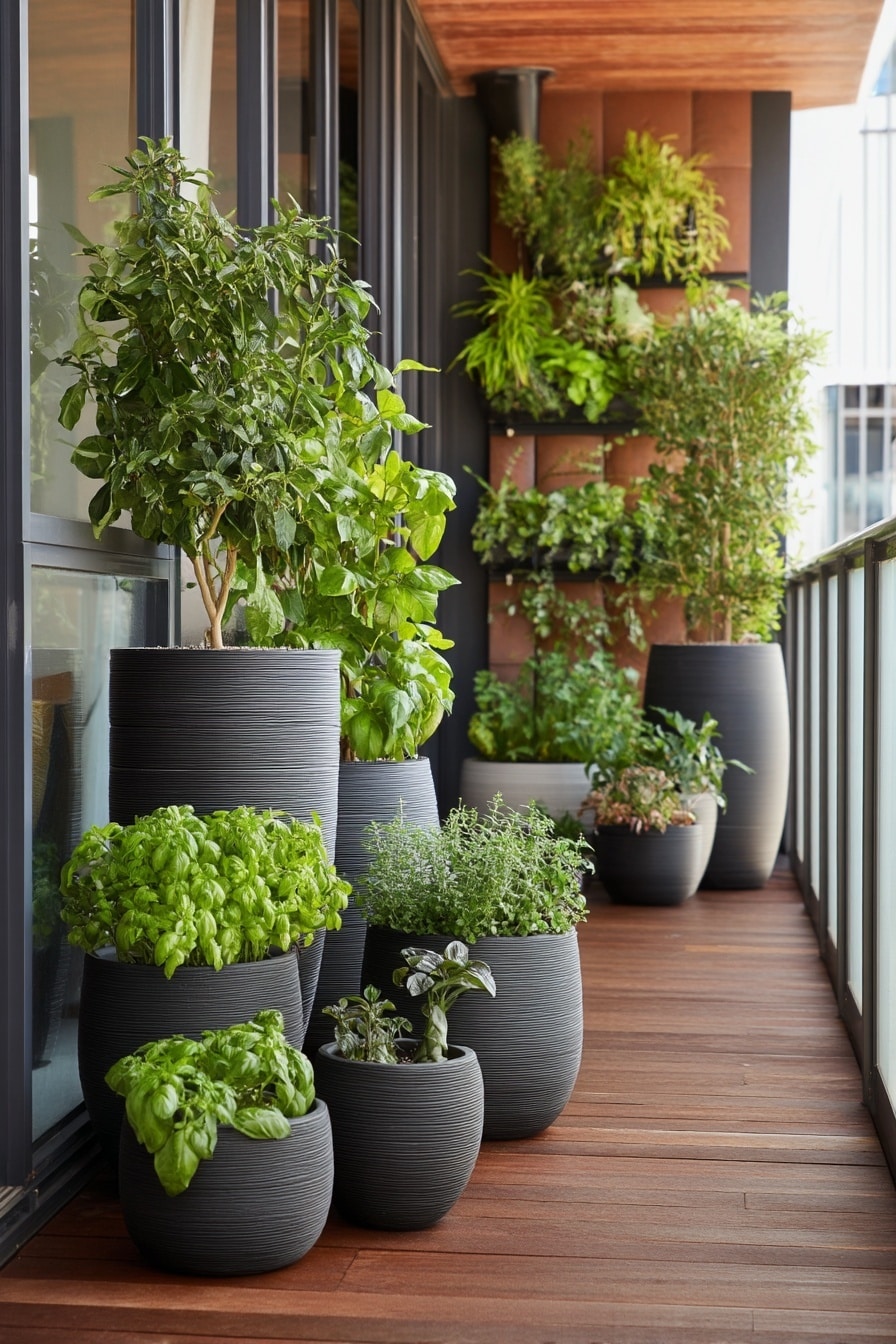
Balcony garden spaces offer a practical way to grow plants, herbs, and flowers even when you don’t have a yard. With the right planning, a balcony garden can turn a small outdoor area into a productive and relaxing green retreat.
Many people assume limited square footage restricts their options. In reality, a well-designed balcony garden can thrive in urban apartments, condos, or compact homes. The key is choosing suitable plants, proper containers, and smart placement.
This guide outlines six proven strategies to help your balcony garden succeed, no matter your climate.
Table of Contents
1. Choose Plants That Thrive in Containers

Not every plant adapts well to life in pots. A successful balcony garden begins with varieties that handle limited root space and fluctuating moisture levels.
Best Plant Types for Balcony Growing
Look for:
- Compact vegetables like cherry tomatoes and peppers
- Dwarf fruit varieties
- Herbs such as basil, mint, and rosemary
- Flowering annuals and perennials
- Climbing plants for vertical interest
When selecting plants for your balcony garden, check their mature size and sunlight needs. Overcrowding quickly becomes a problem in small spaces.
2. Select the Right Containers for Healthy Roots
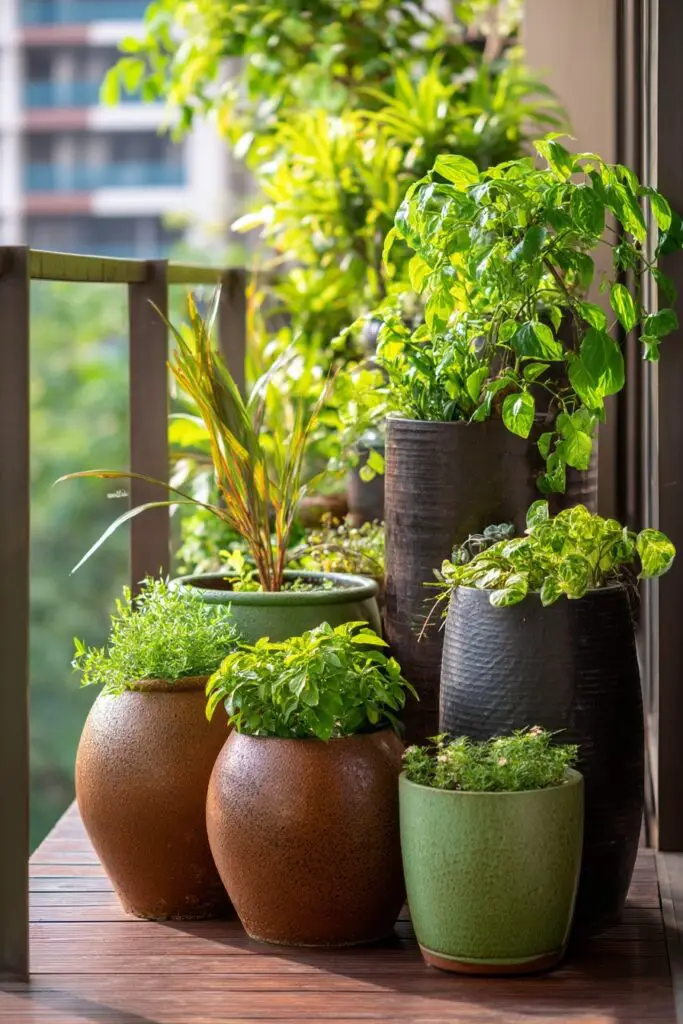
Container choice plays a major role in the success of your balcony garden. Small pots restrict growth, while oversized ones may retain too much moisture.
What to Consider When Choosing Pots
- Adequate drainage holes
- Lightweight materials for safety
- Depth appropriate for plant roots
- Weather-resistant construction
For vegetables and fruiting plants, deeper containers encourage stronger root systems. In a compact balcony garden, vertical planters can maximize planting space without cluttering the floor.
3. Understand Sunlight and Positioning
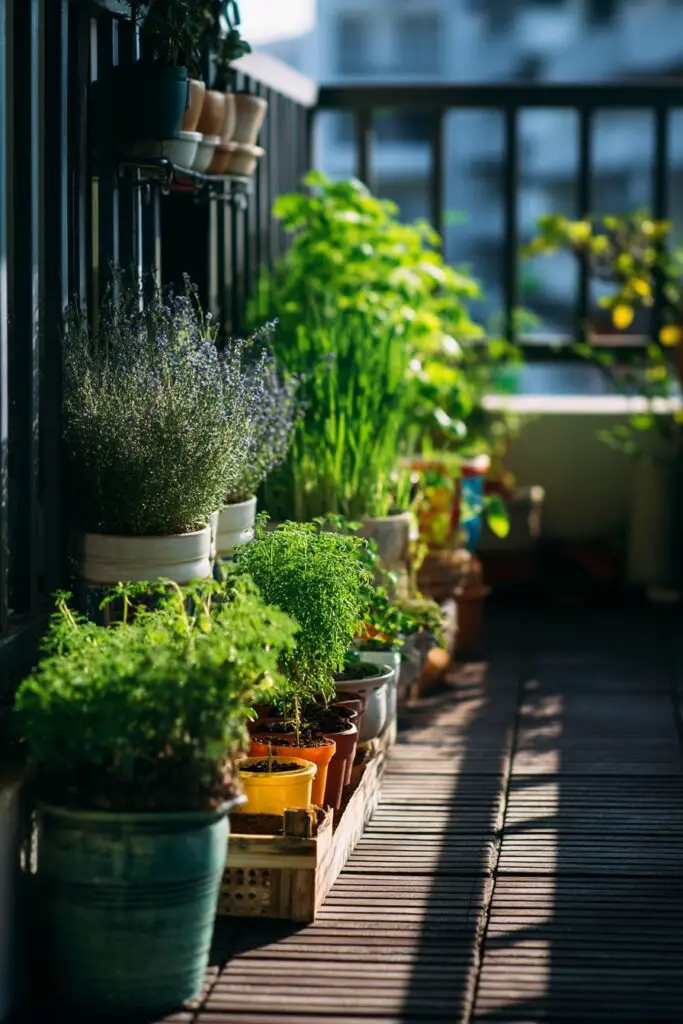
Light exposure determines what your balcony garden can grow successfully.
Assess Your Balcony’s Sun Pattern
Observe how many hours of sunlight your balcony receives daily:
- 6+ hours: Suitable for most vegetables and flowering plants
- 3–5 hours: Ideal for leafy greens and many herbs
- Less than 3 hours: Best for shade-tolerant plants
Arranging plants based on their light needs ensures your balcony garden remains productive and healthy throughout the season.
Avoid placing tall plants where they block light from smaller ones.
4. Use Companion Planting to Maximize Space
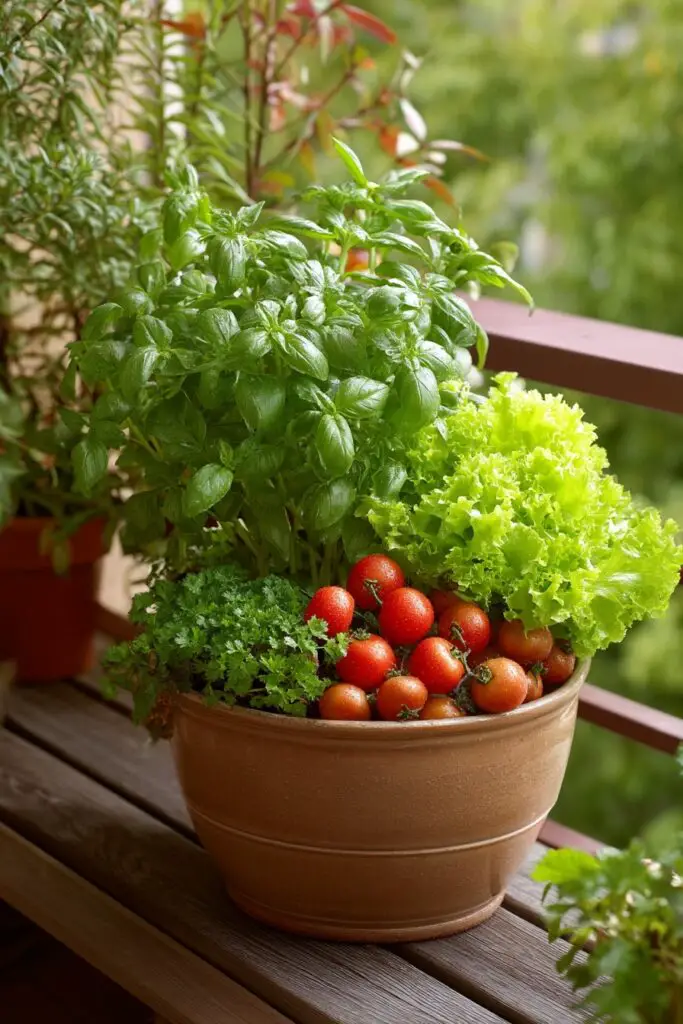
Companion planting is a practical way to make the most of a compact balcony garden. By pairing compatible plants in the same container or nearby pots, you improve growth while saving space.
Benefits of Companion Planting
Smart combinations can:
- Deter pests naturally
- Improve pollination
- Enhance flavor in certain herbs and vegetables
- Reduce wasted container space
For example, basil grows well alongside tomatoes, while lettuce can thrive beneath taller plants that provide light shade. In a small balcony garden, thoughtful pairing prevents overcrowding while maintaining productivity.
When planning combinations, ensure plants share similar watering and sunlight needs.
5. Water Properly and Use Mulch for Stability
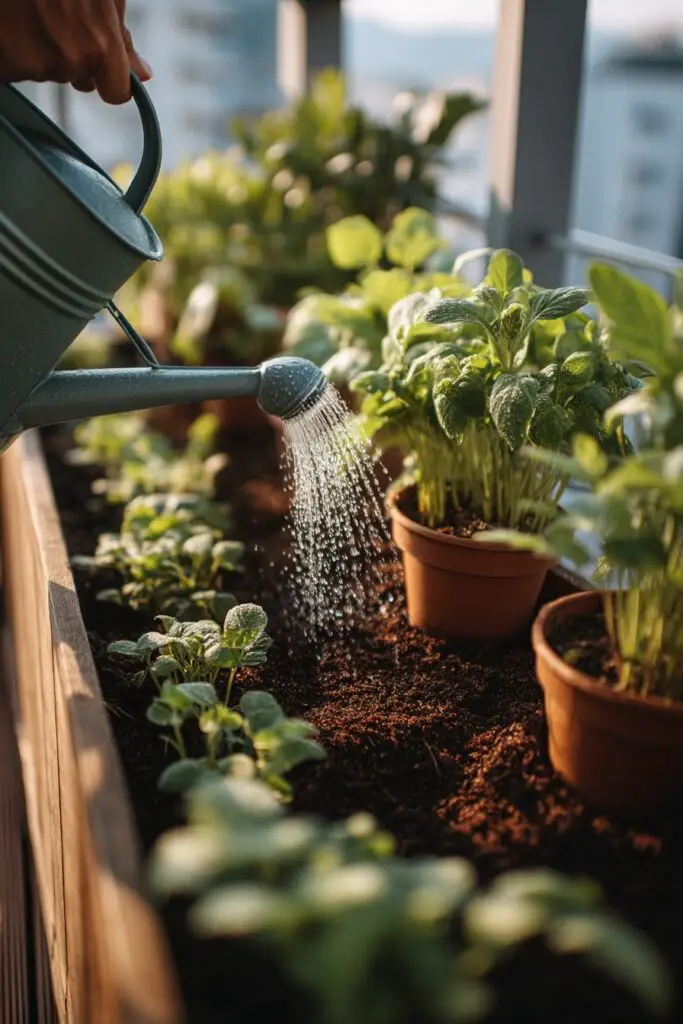
Water management is one of the biggest challenges in a balcony garden. Containers dry out faster than in-ground beds, especially during warm weather.
Smart Watering Practices
- Check soil moisture daily in summer
- Water deeply until excess drains out
- Avoid letting pots sit in standing water
Consistency is essential. Irregular watering stresses plants and reduces yields in a balcony garden.
Why Mulch Helps
A thin layer of mulch:
- Slows evaporation
- Keeps roots cooler
- Reduces soil splash
Even a small amount of mulch can stabilize moisture levels and improve the overall health of your balcony garden.
6. Maintain and Refresh Throughout the Season
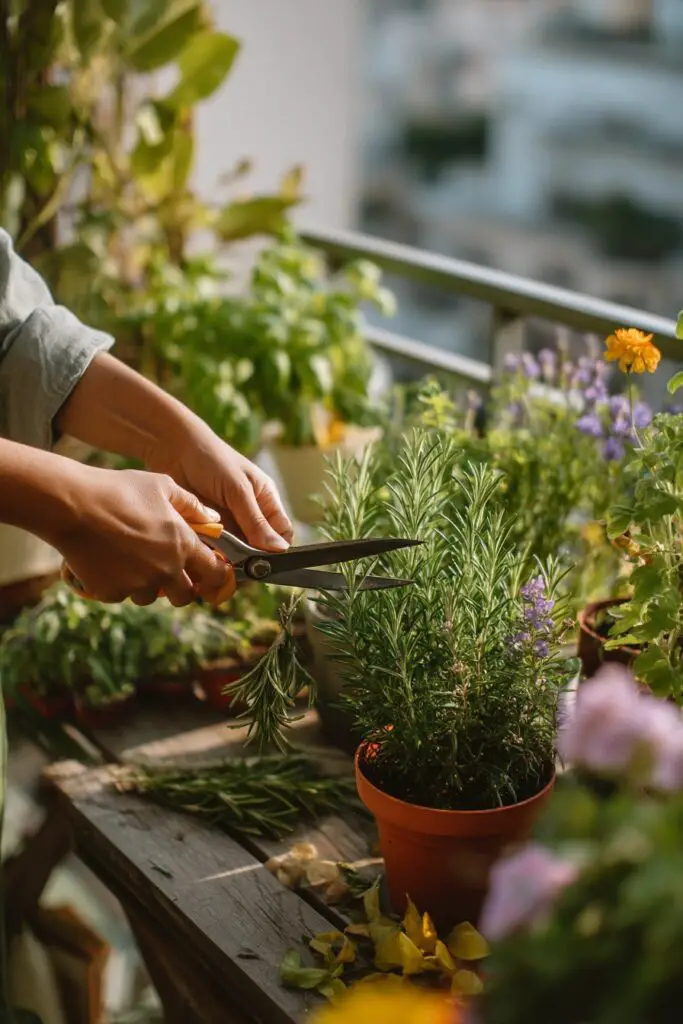
Ongoing care keeps a balcony garden productive and attractive.
Simple Maintenance Tasks
- Prune leggy growth
- Remove dead leaves
- Fertilize every 2–4 weeks
- Rotate pots for even sun exposure
Regular attention prevents minor problems from becoming major setbacks. A tidy balcony garden also reduces pests and fungal issues.
As seasons change, replace finished crops or fading flowers with new varieties suited to current conditions. This keeps your balcony garden lively year-round.
Conclusion
A thriving balcony garden is achievable with careful plant selection, proper containers, balanced sunlight, and consistent care. By using companion planting, managing watering, and maintaining plants throughout the season, you can transform even a small balcony into a productive and inviting space.
With thoughtful planning, your balcony garden can provide fresh herbs, colorful blooms, and a relaxing outdoor retreat no matter where you live.