
full sun landscaping brings both opportunity and challenge to your outdoor design plans. Yards that receive six or more hours of direct sunlight each day offer ideal conditions for a wide variety of plants—but without the right strategy, intense sun and heat can leave soil dry, foliage scorched, and your garden struggling to thrive.
Fortunately, with a thoughtful approach to full sun landscaping, you can create a resilient, vibrant yard that stays attractive throughout the seasons. By selecting hardy sun-loving plants, incorporating functional design elements, and managing water efficiently, it’s possible to transform even the hottest areas of your yard into flourishing, low-maintenance landscapes.
Table of Contents
Designing for a Full Sun Yard

Successful full sun landscaping starts with planning your layout to make the most of sunlight while protecting plants and conserving water. A well-designed sunny yard balances function, visual appeal, and long-term sustainability.
Group Plants by Water Needs
- Arrange plants with similar water requirements together to simplify irrigation.
- Use drought-tolerant plants in the hottest, driest areas to reduce stress and maintenance.
Incorporate Hardscaping for Contrast and Shade
- Use elements like gravel paths, stone borders, or pavers to break up planting areas.
- Add pergolas, trellises, or tall shrubs to create partial shade and reduce reflected heat.
Choose Mulch That Reflects Heat
- Organic mulch like bark or straw helps cool soil and retain moisture.
- Lighter-colored mulch can reduce surface temperature in extreme heat.
Plan for Seasonal Interest
- Mix perennials, shrubs, and ornamental grasses that bloom or change color in different seasons.
- Use plants with interesting textures or forms to keep the landscape attractive year-round.
By designing with sun exposure in mind, you’ll set a strong foundation for a full sun landscape that thrives without constant care.
Best Plants for Full Sun Landscaping
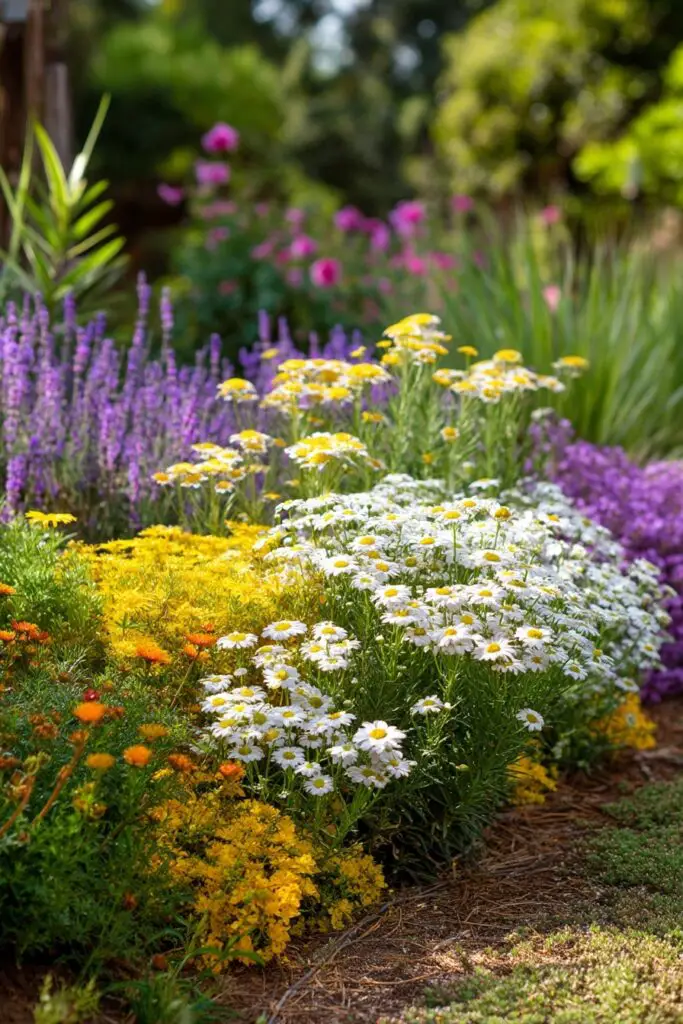
Choosing the right plants is key to creating a thriving full sun landscaping design. The following selections not only tolerate intense sunlight—they actually perform best in it, adding color, texture, and resilience to your yard.
Snow-in-Summer (Cerastium tomentosum)
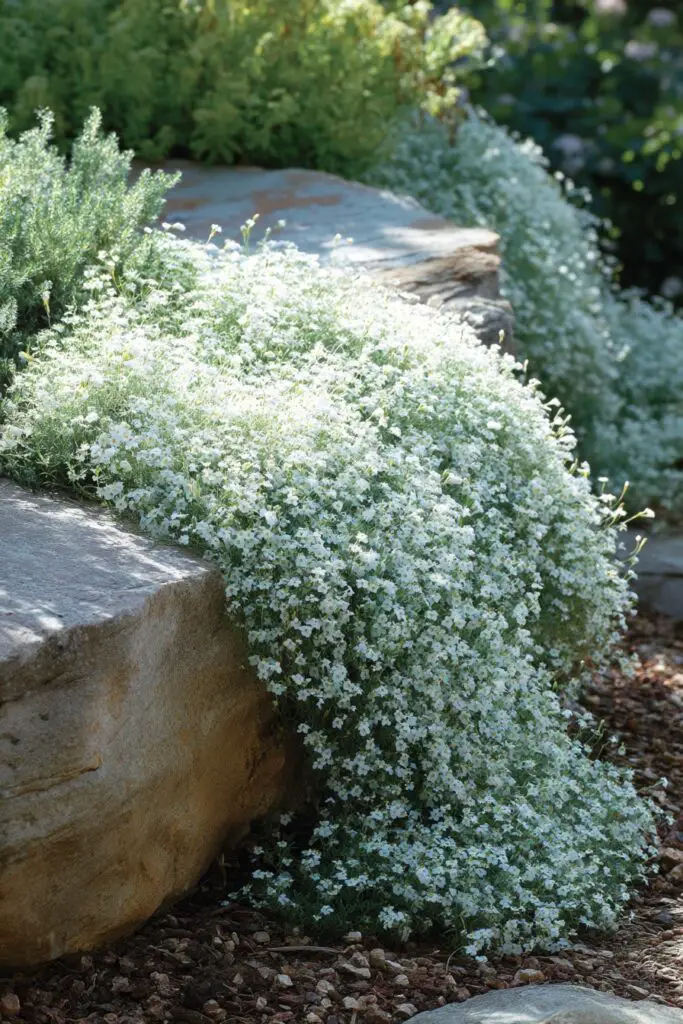
- Low-growing ground cover with silvery foliage and bright white blooms in late spring.
- Thrives in hot, dry spots and helps suppress weeds.
- Great for edging pathways or cascading over rock walls.
Yellow Alyssum (Aurinia saxatilis)
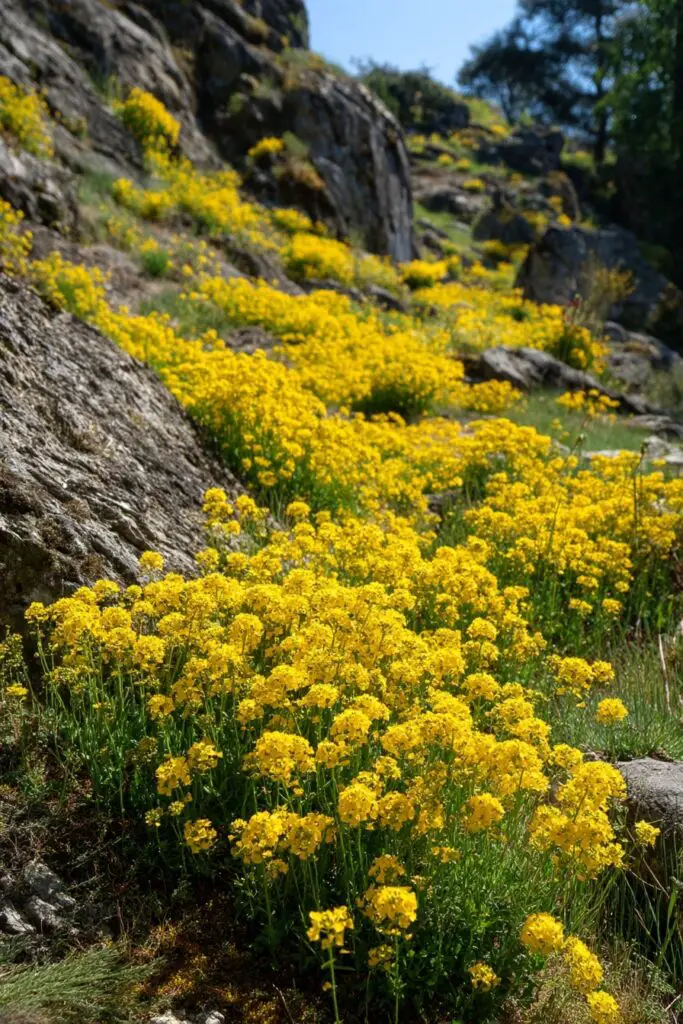
- Early spring bloomer with clusters of golden-yellow flowers.
- Attracts pollinators and handles drought well once established.
- Works well in borders, rock gardens, or as a cheerful accent plant.
Pineapple Guava (Feijoa sellowiana)
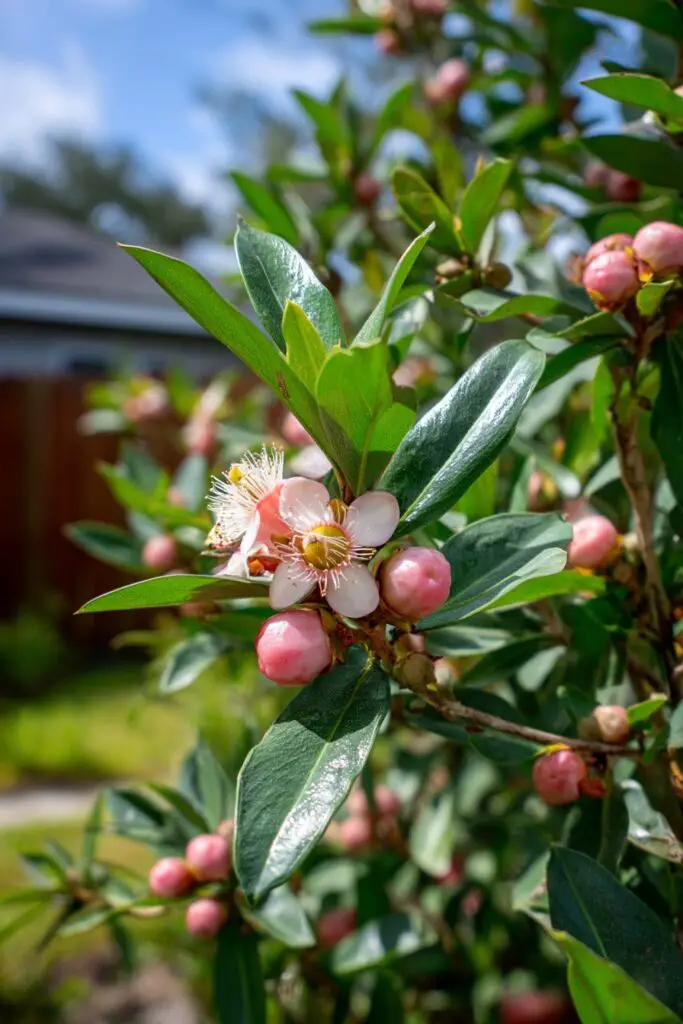
- Evergreen shrub with thick, gray-green leaves and edible fruits.
- Delivers ornamental value through showy pink flowers in late spring.
- Makes a great privacy hedge or focal point in sunny yards.
Sweet Lavender (Lavandula spp.)
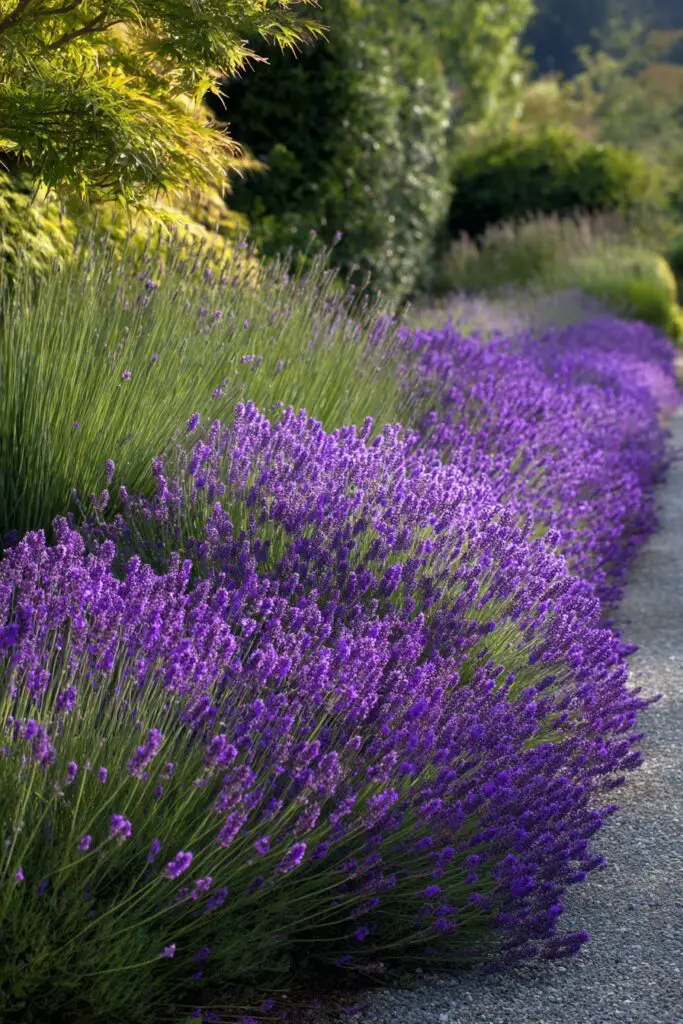
- Classic Mediterranean herb with fragrant purple blooms and silvery leaves.
- Resists pests and thrives in poor, sandy soil with full sun.
- Ideal for lining walkways or creating low-maintenance borders.
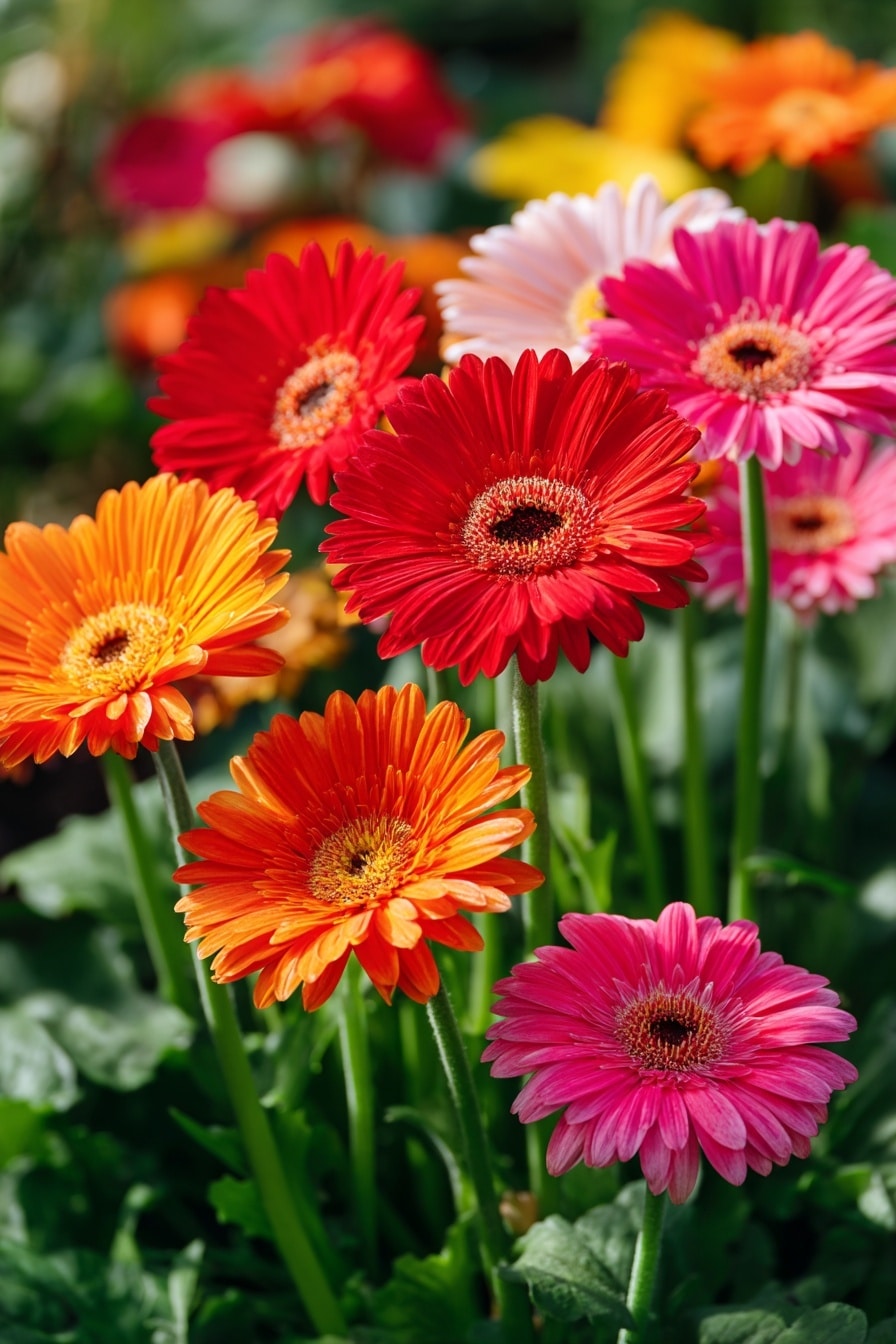
Gerbera Daisy (Gerbera jamesonii or Geravinea)
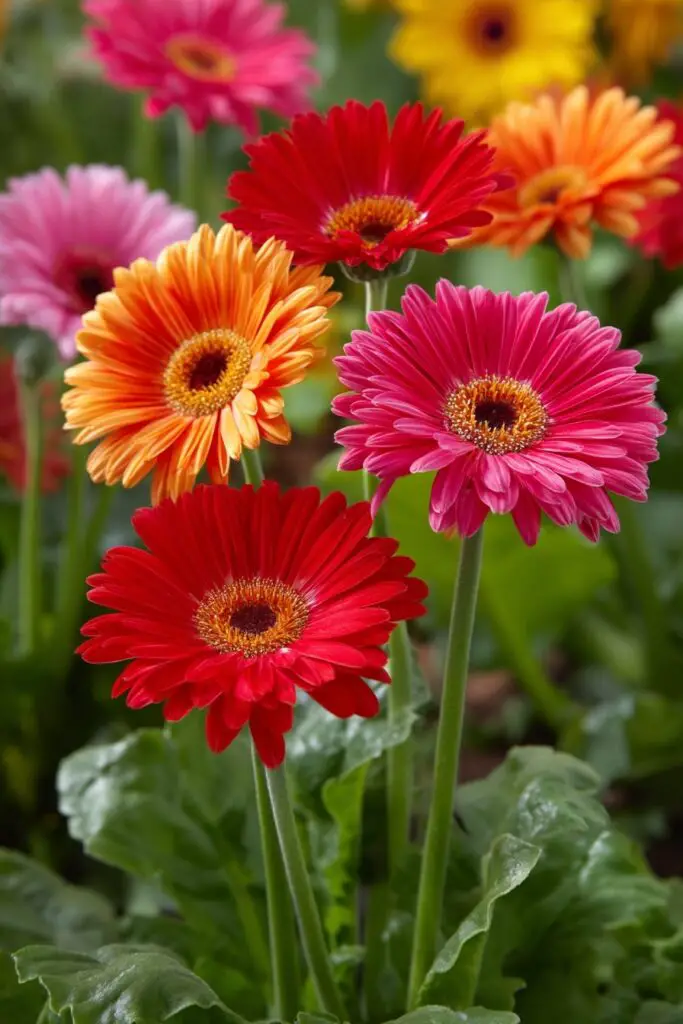
- Produces bold, colorful flowers that brighten up sunny spots.
- Newer cultivars like Geravinea are more heat-tolerant and longer blooming.
- Perfect for containers, flower beds, or cutting gardens.
These sun-loving plants are the backbone of a vibrant full sun landscaping plan, offering lasting beauty with minimal upkeep.
Conclusion
Creating a thriving outdoor space with full sun landscaping is entirely achievable with the right plant choices and thoughtful design. By selecting hardy, sun-tolerant varieties and organizing your layout to support both beauty and sustainability, your yard can become a vibrant, low-maintenance haven—even during the hottest months of the year.
Whether you’re enhancing curb appeal, building a pollinator-friendly garden, or crafting a private backyard retreat, full sun areas offer immense potential. Embrace the light, work with nature, and enjoy the color and texture that these sun-loving plants bring to your landscape.