
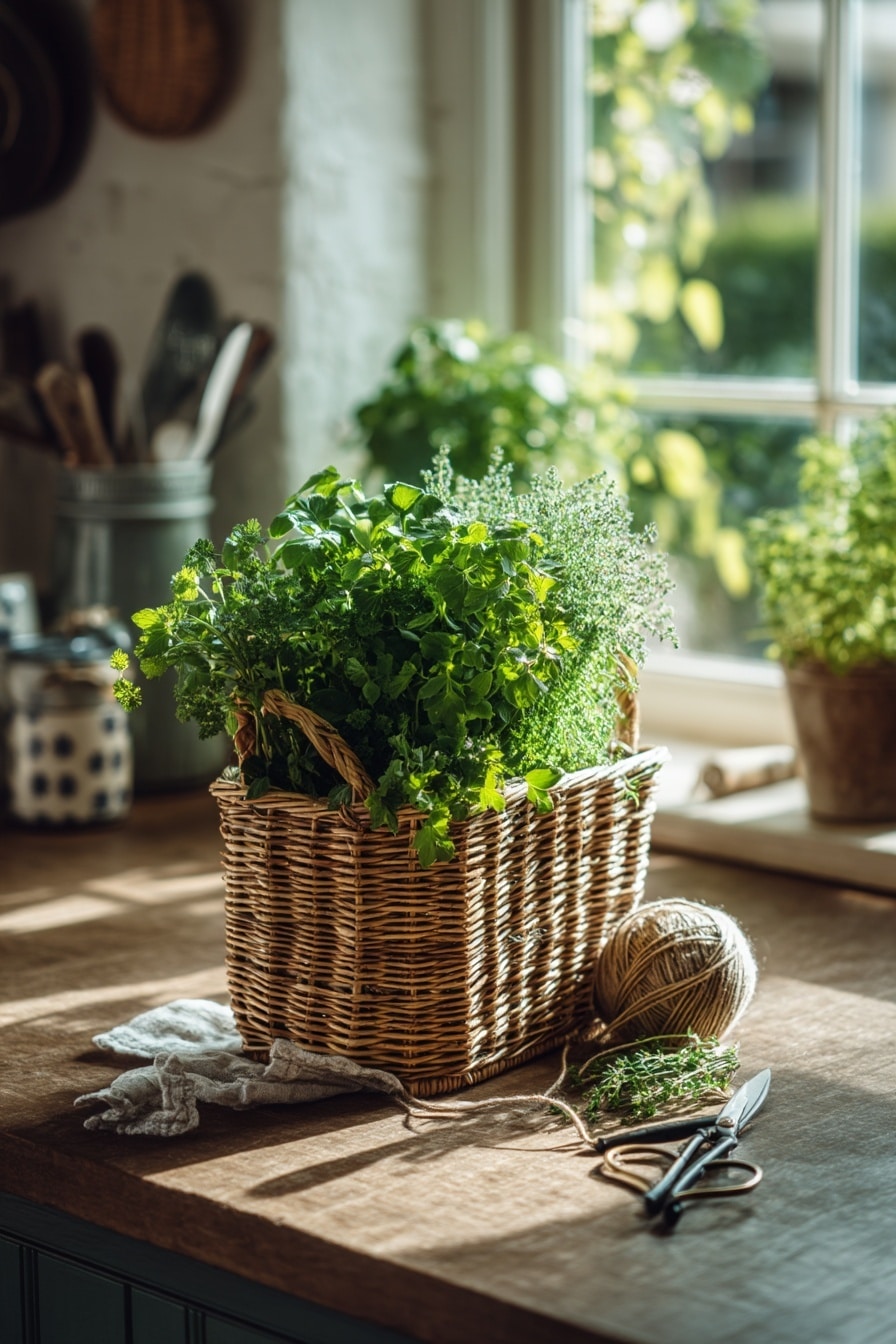
Herb garden projects are among the most rewarding ways to add flavor, fragrance, and function to your outdoor or indoor space. Whether you have a sprawling backyard or a modest balcony, cultivating herbs is both satisfying and surprisingly simple. Starting your own herb garden not only provides you with fresh ingredients at your fingertips but also introduces an element of green beauty to your environment. By understanding the right herbs to grow, where to plant them, and how to care for them, you’ll be well on yo
Table of Contents
Research Your Herbs

Before you put your hands in the soil, take time to understand which herbs will thrive best in your space and suit your lifestyle. A successful herb garden begins with selecting plants that align with your climate, cooking habits, and available space.
Start with the Basics
If you’re new to gardening, begin with low-maintenance, high-yield herbs. Popular choices include:
- Basil – great for warm seasons and pairs well with tomatoes.
- Mint – thrives in pots (to prevent spreading) and works in drinks and desserts.
- Parsley – versatile and easy to grow in partial sun.
- Thyme, oregano, and rosemary – ideal for Mediterranean dishes and drought-tolerant.
Match Herbs with Use and Conditions
- Consider how often you’ll use each herb in your kitchen.
- Group herbs with similar needs: for example, rosemary and thyme prefer drier soil, while basil and parsley do best with consistent moisture.
- Think about annuals (e.g., basil, cilantro) vs. perennials (e.g., chives, oregano) to plan for seasonal or year-round gardening.
Find the Perfect Location
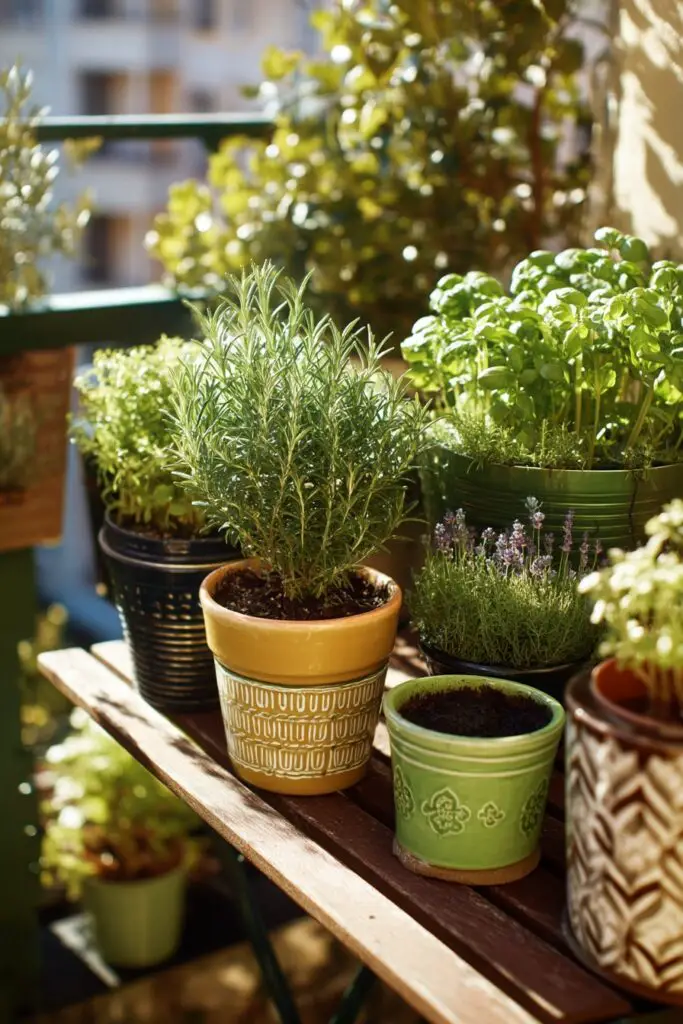
Choosing the right spot is key to a flourishing herb garden. Whether you’re planting in containers or directly in the ground, herbs need the proper conditions to thrive.
Sunlight is Essential
Most herbs require at least 6–8 hours of direct sunlight per day. South-facing areas are ideal if you’re gardening outdoors. If you’re working with limited space indoors, position containers near a sunny window or supplement with grow lights.
Assess Your Space
- Outdoor gardens offer more room but need well-draining soil and protection from harsh wind.
- Containers or raised beds work perfectly on patios and balconies, giving you more control over soil and mobility.
- Vertical gardens or windowsills are excellent for small-space gardeners.
Mind the Microclimates
Pay attention to temperature, moisture, and airflow in different parts of your space. Avoid low spots where water collects or areas shaded most of the day.
Prep the Soil
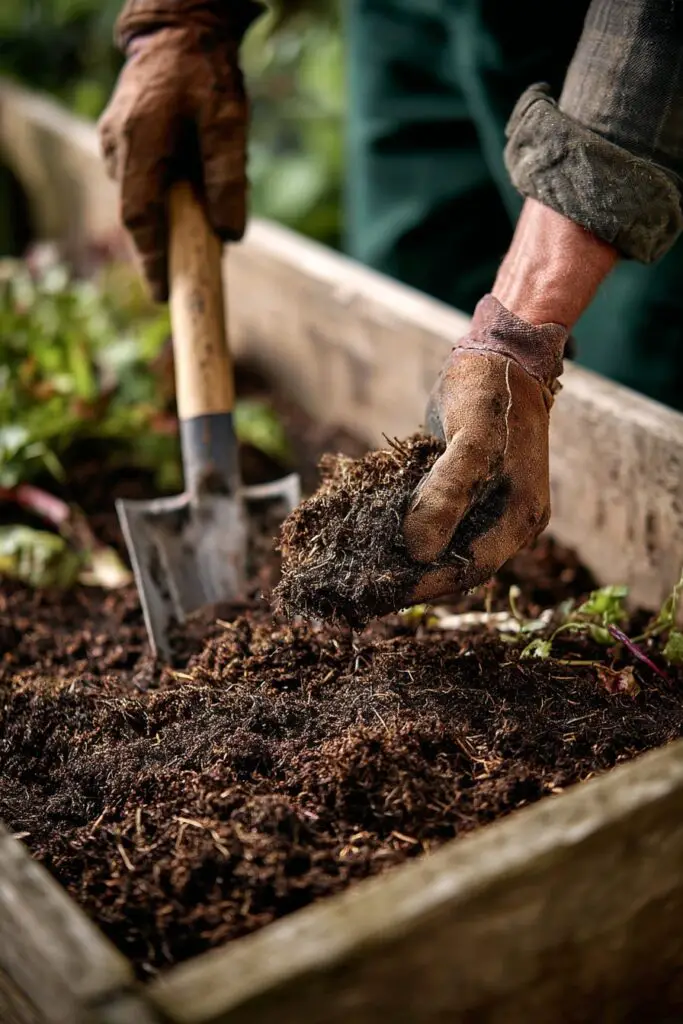
The foundation of any successful herb garden is healthy, well-prepared soil. Herbs aren’t overly demanding, but they do need the right environment to produce flavorful leaves and steady growth.
Use the Right Soil Mix
- Aim for loose, well-draining soil. Most herbs dislike soggy roots.
- Mix in organic compost to enrich the soil with nutrients and improve structure.
- Avoid heavy clay or overly rich garden soil with too much nitrogen, which can promote lush leaves with weak flavor.
Check pH and Drainage
- Most herbs thrive in slightly acidic to neutral soil (pH 6.0–7.0).
- If you’re using containers, ensure pots have ample drainage holes and use a high-quality potting mix.
Optional: Add Mulch
- A light layer of mulch can help retain moisture and suppress weeds, especially for outdoor herb beds.
- Leave a small gap around the base of each herb to avoid stem rot.
Get to Planting
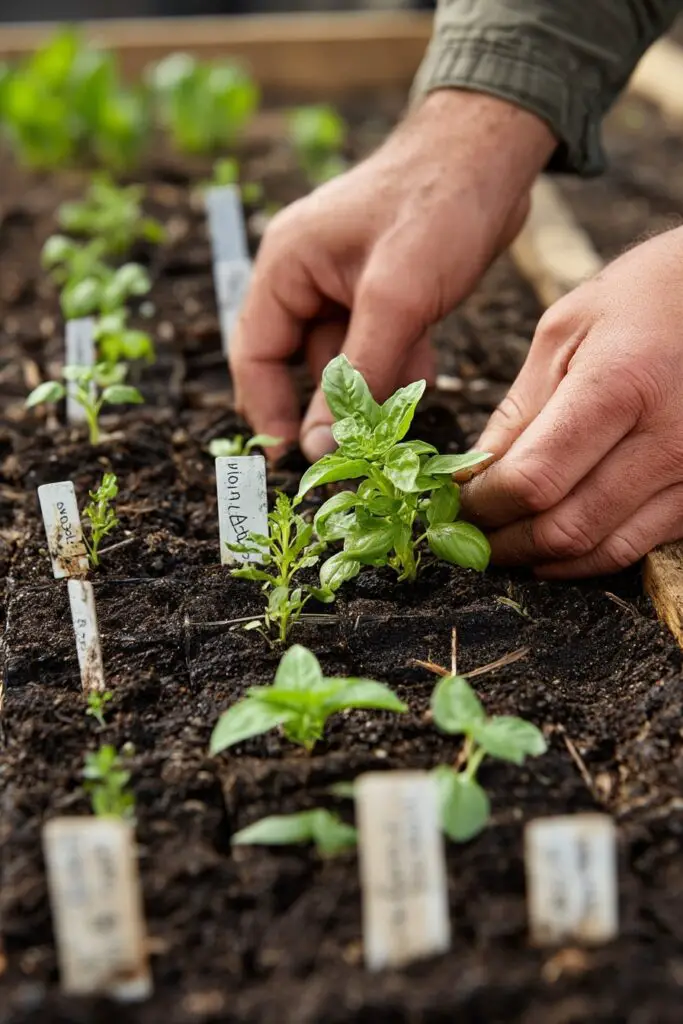
With the groundwork in place, it’s time to bring your herb garden to life. Whether you start from seed or young plants, planting herbs correctly sets them up for a healthy season of growth.
Seeds vs. Starter Plants
- Seeds are cost-effective and offer more variety, but they take longer and require patience.
- Starter plants (also called transplants) give you a head start, especially with herbs like rosemary and thyme that are slow to germinate.
Mind the Spacing
- Give each herb room to breathe. Crowding can lead to poor air circulation, disease, and stunted growth.
- Refer to the plant tag or seed packet for exact spacing, but in general:
- Small herbs like thyme and chives: 6–8 inches apart
- Larger herbs like basil and sage: 12–18 inches apart
Best Time to Plant
- Plant outdoors after the last frost date in your region.
- Indoors, you can grow herbs year-round with proper light and warmth.
Maintain Your Herb Garden
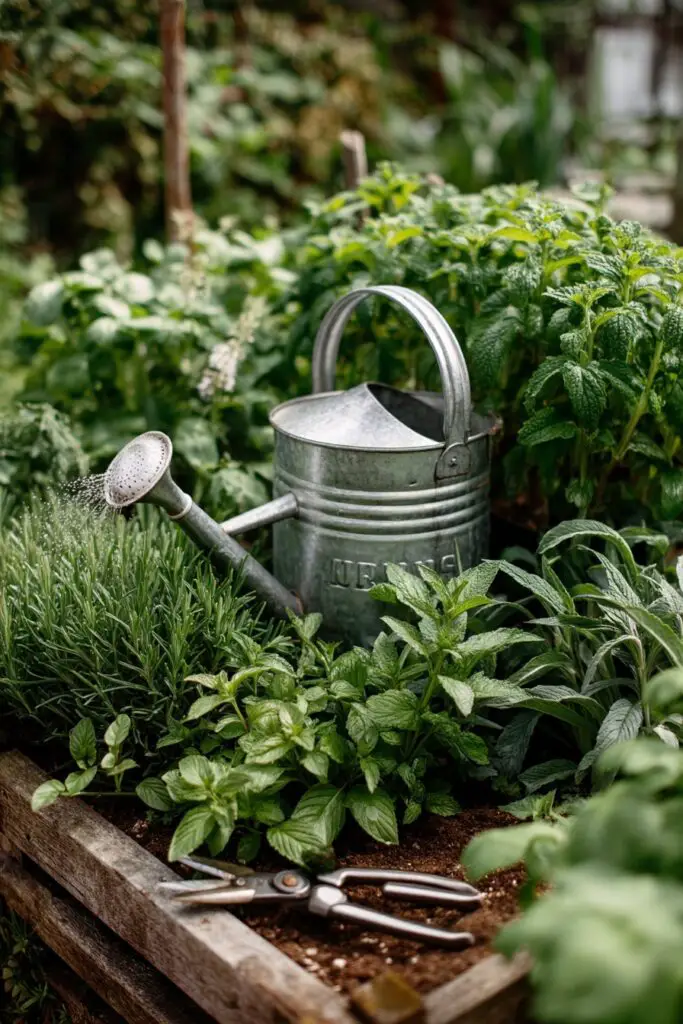
Once your herbs are in the ground or containers, ongoing care is essential to keep your herb garden healthy and productive. A little regular attention will go a long way toward lush, flavorful growth.
Water Wisely
- Most herbs prefer soil that is moist but not soggy.
- Water deeply but less frequently to encourage strong roots.
- Adjust watering based on weather conditions—containers dry out faster than in-ground beds.
Group Herbs by Water Needs
- Mediterranean herbs like rosemary, thyme, and oregano prefer drier conditions.
- Moisture-loving herbs like basil, parsley, and cilantro need more frequent watering.
- Keeping similar herbs together makes it easier to meet their needs.
Prune and Pinch Often
- Pinch back young herbs like basil to encourage bushier growth.
- Remove flowers as they appear (unless you want the seeds) to maintain flavor in the leaves.
- Regular harvesting acts as natural pruning and promotes continuous growth.
Watch for Pests and Disease
- Keep an eye out for aphids, whiteflies, or mildew.
- Neem oil or insecticidal soap can help if problems arise.
Enjoy Your Harvest
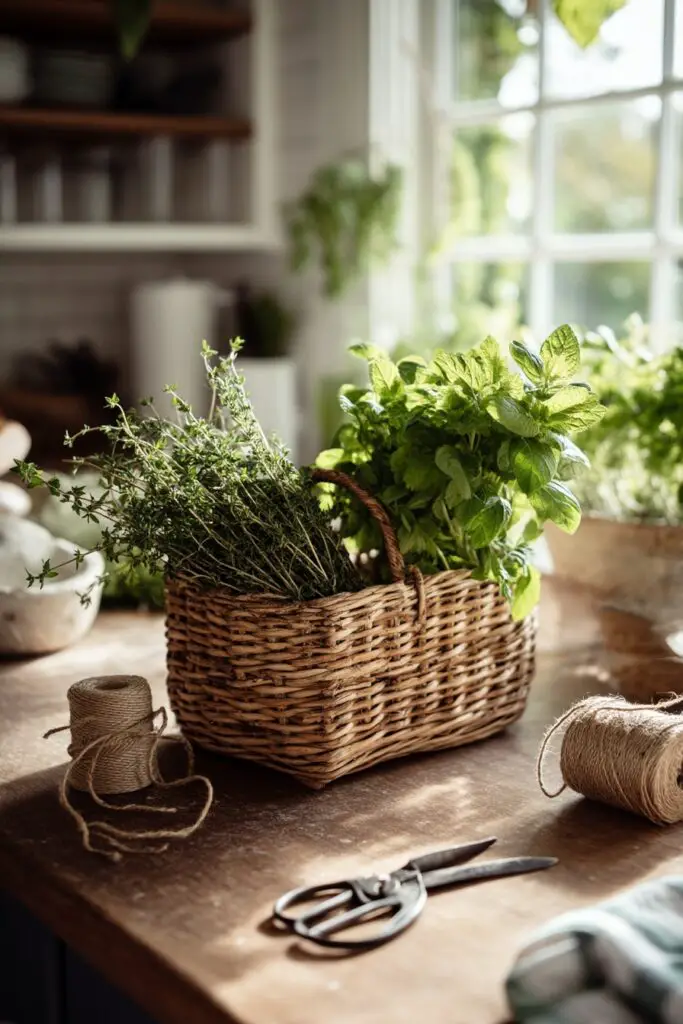
The most rewarding part of maintaining a herb garden is reaping the benefits—literally. Harvesting correctly ensures your herbs remain productive and full of flavor throughout the growing season.
Harvest Smart
- Begin harvesting once plants have reached 6–8 inches tall.
- Use clean, sharp scissors or your fingers to snip just above a leaf node to encourage branching.
- Avoid taking more than one-third of the plant at a time, especially for young herbs.
Best Time to Harvest
- Pick herbs in the morning after the dew has dried, when oils are most concentrated.
- Avoid harvesting during flowering, as leaves may lose flavor.
Maximize Flavor
- Regular, light harvesting encourages fuller plants and better taste.
- Dry or freeze extras to enjoy your herbs well beyond the growing season.
Conclusion
Starting your own herb garden is a simple yet deeply rewarding way to enhance both your cooking and your living space. With just a bit of planning, the right location, and consistent care, you can grow a thriving garden full of fresh, aromatic herbs year-round. Whether you’re snipping basil for pasta or steeping fresh mint for tea, there’s nothing quite like the convenience and satisfaction of harvesting your own herbs.