
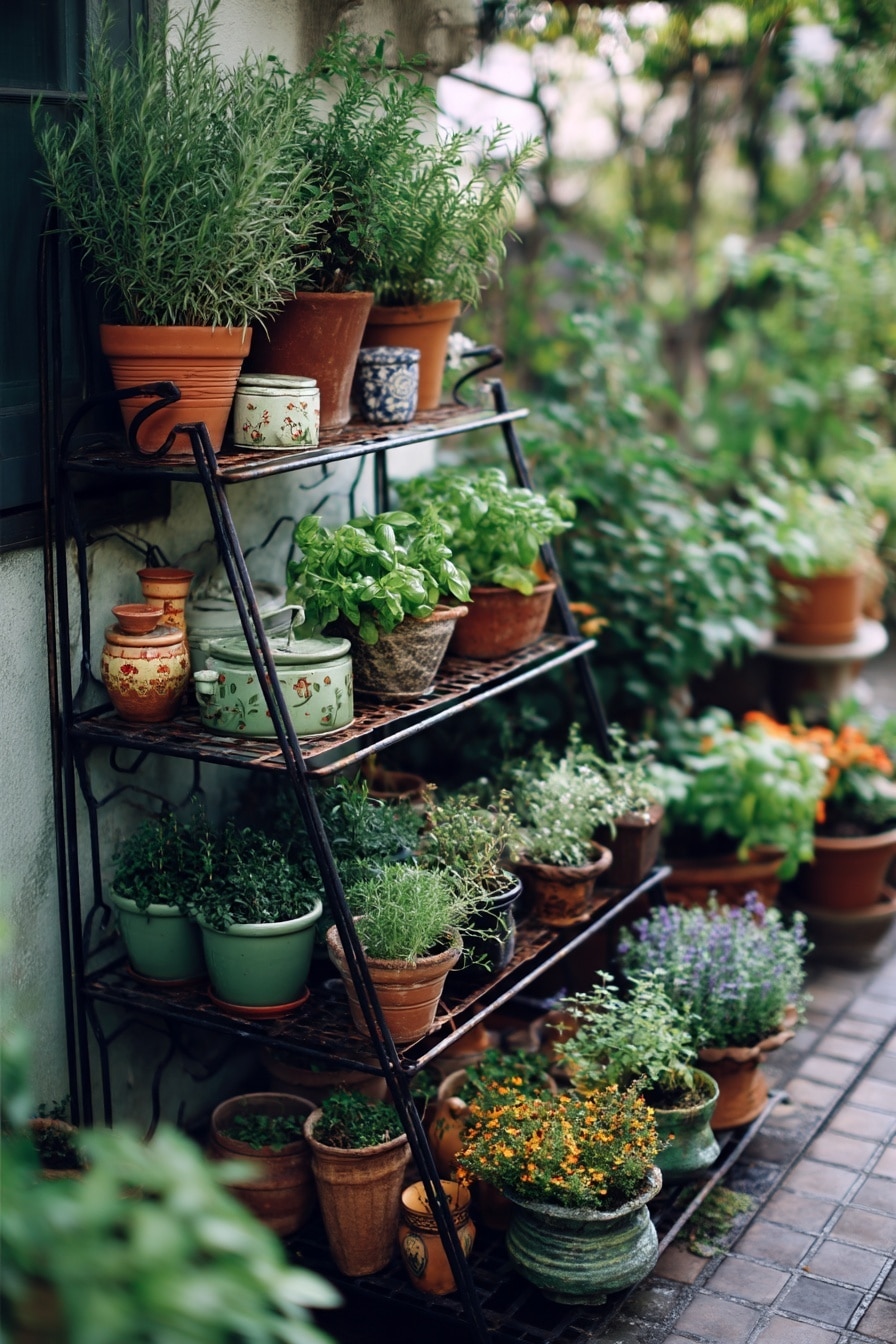
Vertical gardening is one of the smartest ways to grow more plants when you’re limited in horizontal space. Whether you have a tiny balcony, a small backyard, or just a narrow patio, vertical gardens help you make the most of every inch by growing up instead of out. With clever planning and a handful of the right ideas, you can turn even the smallest outdoor area into a lush and productive garden.
Table of Contents
Why Vertical Gardening Works for Small Spaces

Small space gardeners often face a frustrating challenge—how to grow enough without enough room. Vertical gardening solves this issue by utilizing vertical surfaces such as walls, fences, and trellises, making it an efficient method for maximizing space.
Benefits of Vertical Gardening:
- Maximizes limited square footage – Ideal for patios, balconies, or side yards.
- Improves airflow – Keeping plants off the ground helps reduce the risk of fungal diseases.
- Easier maintenance – Less bending, weeding, and pest control.
- Increases sun exposure – Vertical setups can be adjusted to optimize light access.
- Decorative potential – Adds beauty and greenery to blank walls or fences.
By lifting plants up, you not only save space but also create a cleaner, more organized, and productive garden that fits your lifestyle.
6 Vertical Gardening Ideas for Small Spaces
No matter the size of your outdoor area, these clever vertical gardening solutions can transform your space into a thriving green oasis.
1. Hanging Basket Gardens
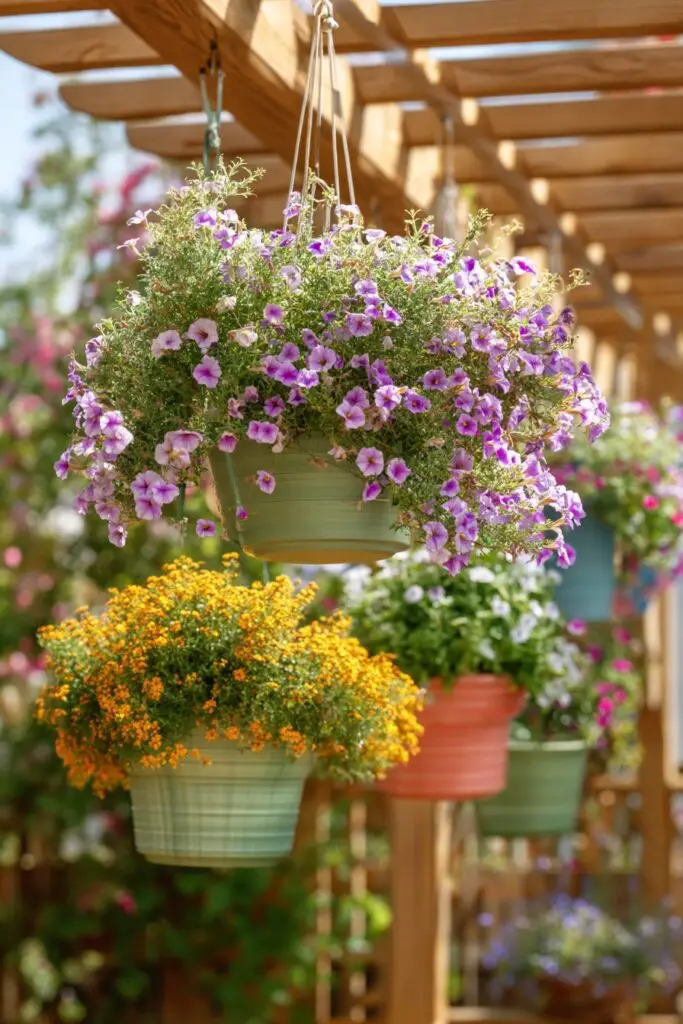
Suspend baskets from sturdy hooks on walls, fences, or railings. They’re perfect for herbs, strawberries, and small flowering plants. Use tiered hangers to add more layers without using extra ground space.
2. Trellises for Climbing Plants
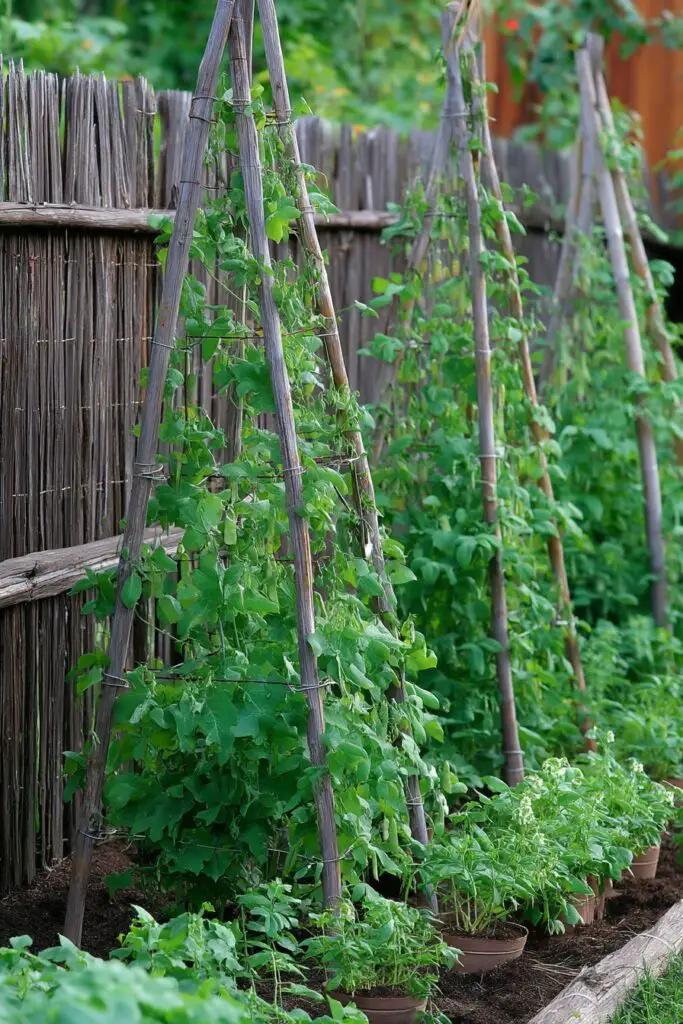
Install a trellis against a wall or freestanding frame to support vining vegetables like cucumbers, peas, and beans. You’ll keep the plants off the ground, reduce disease, and make harvesting easier.
3. Vertical Wall Planters
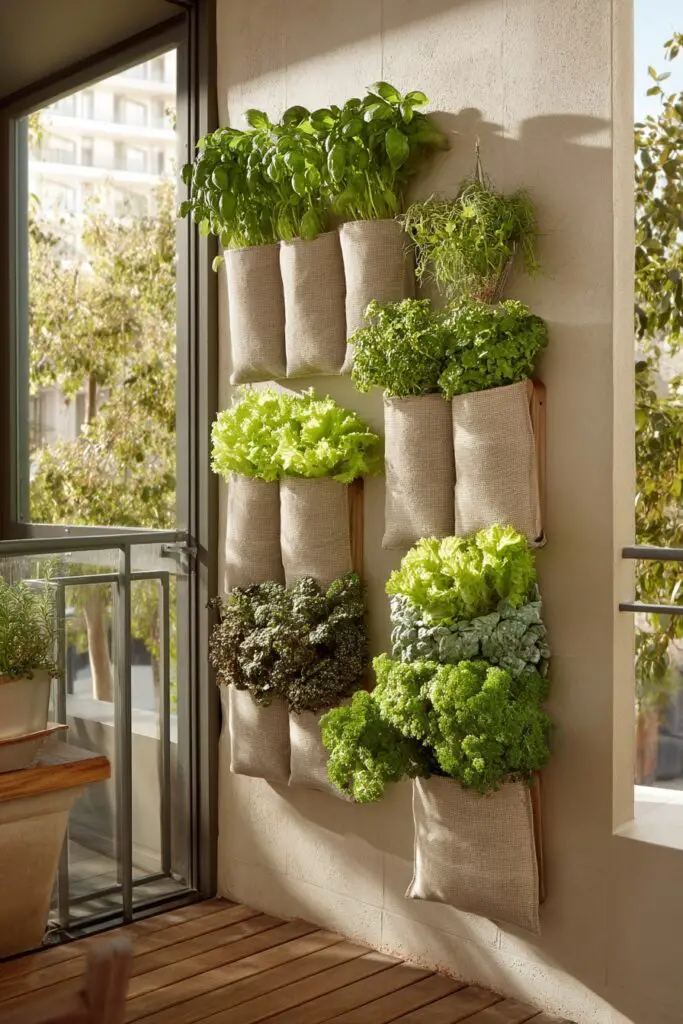
Wall-mounted planters or pocket systems allow you to grow leafy greens, lettuce, and even compact root vegetables. These are excellent for balconies or areas with solid walls that get plenty of sun.
4. Repurposed Pallet Gardens
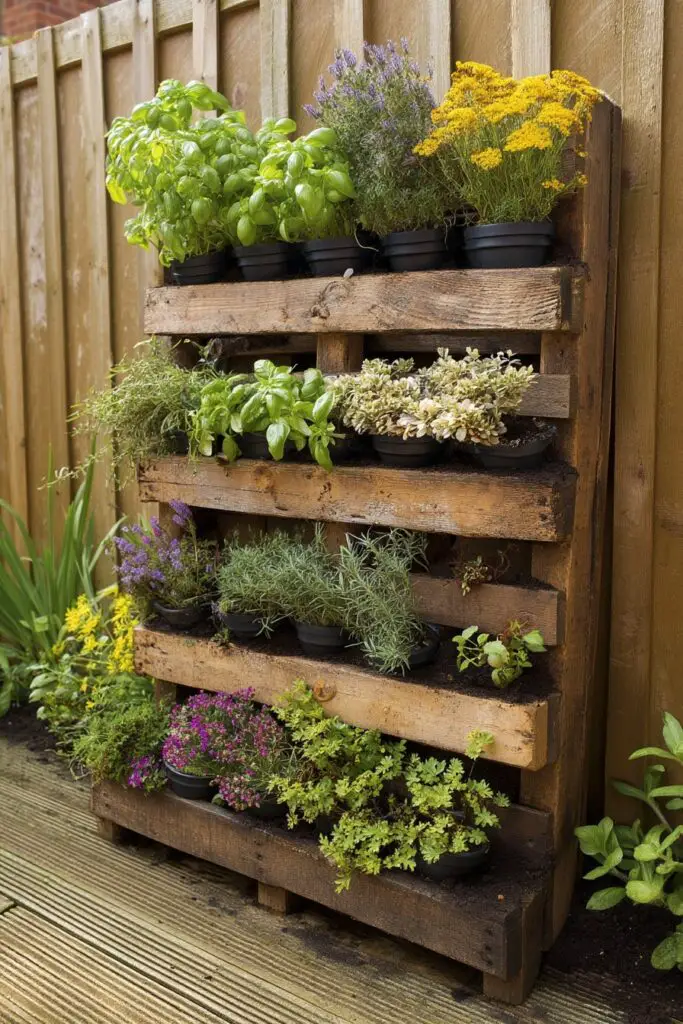
Old wooden pallets can be turned into vertical gardens by adding landscape fabric and soil to the back and filling each slat with herbs or succulents. Lean it against a fence or wall for a rustic, space-saving option.
5. Stackable Garden Towers
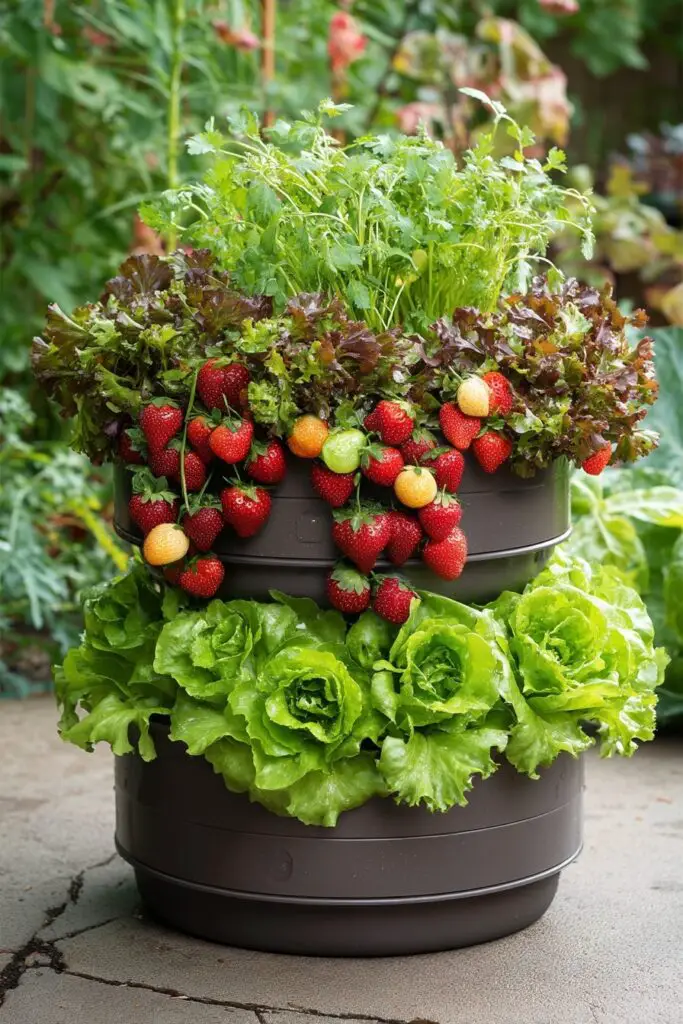
Tower planters come in stackable layers, perfect for small patios. Each layer has pockets for planting, allowing you to grow a mix of vegetables, herbs, or flowers in a small footprint.
6. Shelves or Tiered Plant Stands
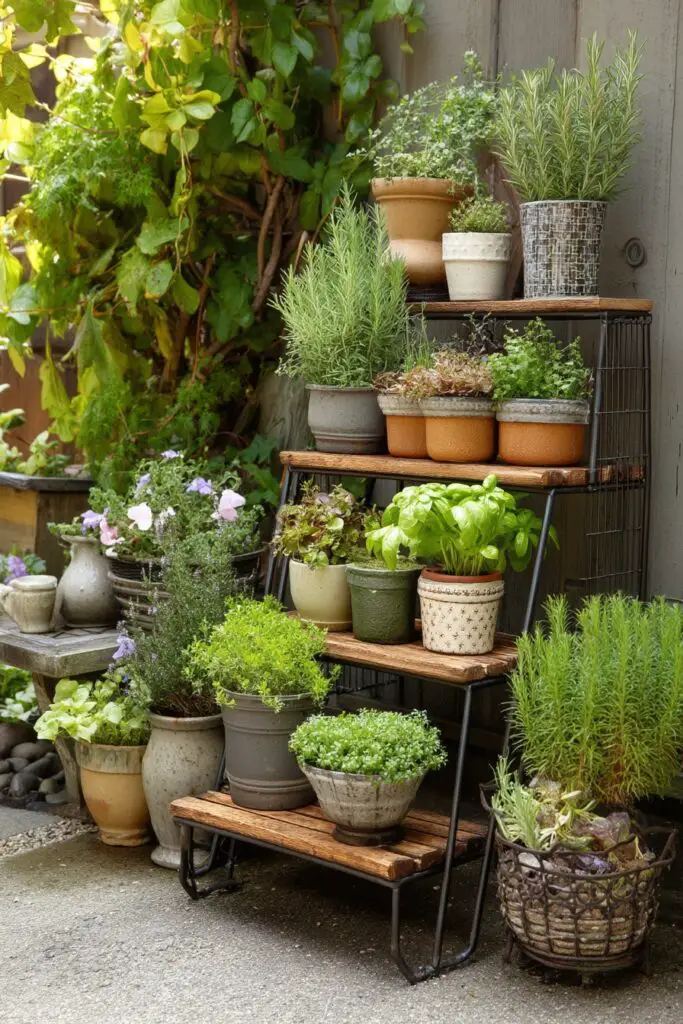
Use metal or wooden plant stands with multiple shelves to house potted plants vertically. These are great for ornamental flowers, culinary herbs, or starting seedlings.
Each of these options uses height to your advantage, offering beauty, function, and productivity without overcrowding your limited space.
Tips for Successful Vertical Gardening
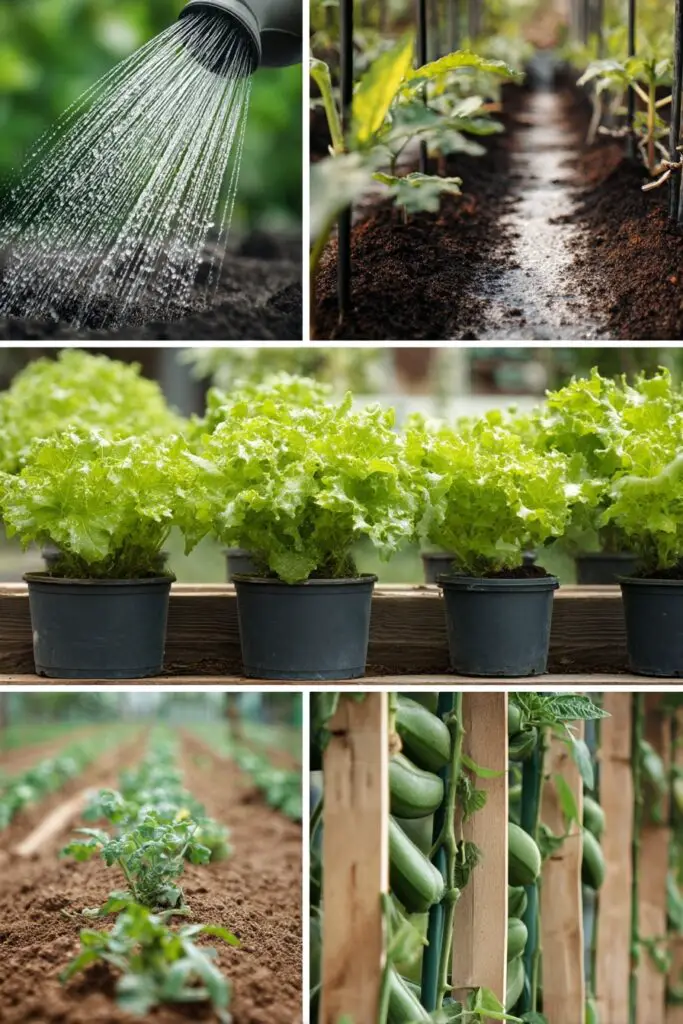
Creating a productive vertical gardening setup goes beyond choosing the right structure—it’s also about understanding plant needs and garden care.
1. Choose the Right Plants
- Opt for compact, climbing, or trailing varieties.
- Herbs, strawberries, lettuces, beans, peas, and cucumbers are great choices.
- Avoid heavy fruiting plants unless your structure can support them.
2. Match Sunlight with Plant Requirements
- Most vegetables need 6–8 hours of sun daily.
- Place sun-loving plants at the top and shade-tolerant ones lower.
3. Use Lightweight Potting Mix
- A high-quality, well-draining potting mix keeps your containers light and roots healthy.
- Avoid heavy garden soil, which can compact and retain too much water.
4. Water Frequently but Wisely
- Vertical planters dry out faster, especially in summer.
- Drip irrigation or self-watering systems can help maintain consistent moisture.
5. Provide Support
- Ensure your trellises or hanging structures are securely anchored.
- Heavy crops like tomatoes or squash may need additional staking.
6. Feed Regularly
- Container plants need regular feeding since nutrients are washed away with watering.
- Use an organic, slow-release fertilizer for sustained growth.
By tailoring your care techniques to a vertical setup, you’ll ensure healthier plants and a more fruitful garden.
Conclusion
Vertical gardening offers a smart, space-efficient way to grow more in less room. With just a few creative adjustments, even the smallest outdoor area can become a lush and productive space. From hanging baskets to pallet gardens and trellises, you have countless ways to make vertical gardening work for your lifestyle. Remember to match the right plants with the right setups, water carefully, and feed your garden well—your small space can thrive with the right approach.