
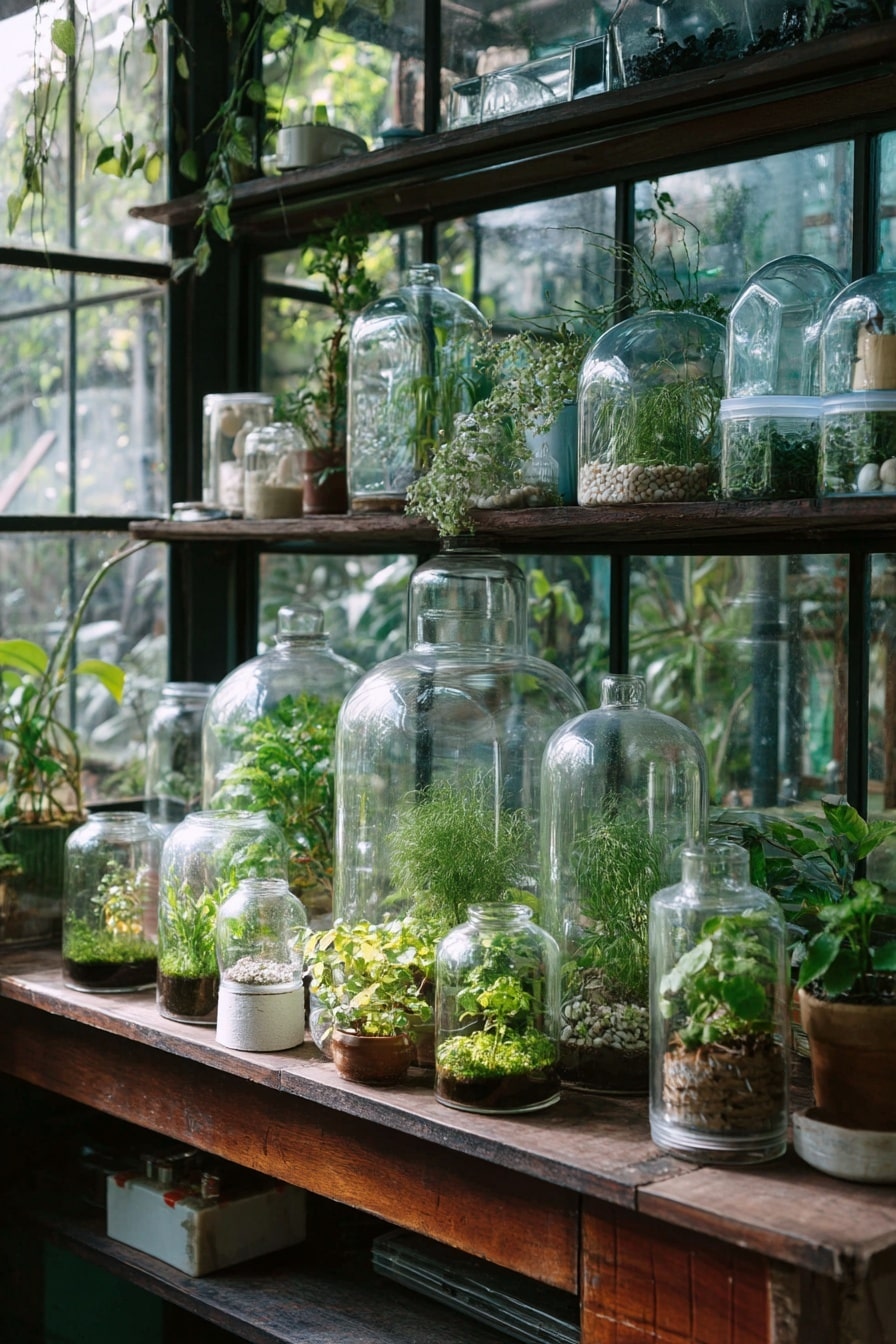
An indoor greenhouse offers a controlled environment for plants to thrive inside your home—especially during the colder months or in climates where outdoor gardening isn’t always possible. While your living room might feel cozy to you, it often presents unexpected challenges for plants: dry air, inconsistent lighting, and fluctuating temperatures can quickly take a toll.
That’s where an indoor greenhouse comes in. Whether you’re starting seeds, overwintering herbs, or growing food indoors year-round, creating a dedicated space with the right humidity, warmth, and airflow can make all the difference. From simple DIY setups to more advanced systems, indoor greenhouses bring nature inside—safely and effectively.
Table of Contents
Why Plants Struggle Indoors

Creating a healthy environment for plants indoors is more complicated than it seems. Even though your home protects plants from frost, wind, and heavy rain, it introduces a different set of challenges—especially during fall and winter.
Low Humidity Levels
Most houseplants, especially tropical ones and young seedlings, need high humidity to grow well. Indoor heating systems dry out the air, often reducing humidity to levels that stress plants. This leads to issues like brown leaf tips, stunted growth, and pest infestations from spider mites or fungus gnats that thrive in dry conditions.
Inconsistent Temperatures
While humans can throw on a sweater or adjust a thermostat, plants can’t adapt as easily. Cold drafts from windows or doors and blasts of hot air from heating vents cause temperature swings that can shock delicate plants or seedlings.
Poor Lighting Conditions
Even a south-facing window rarely provides enough light for fruiting vegetables or sun-loving herbs. Obstructions like roof overhangs or cloudy weather reduce light intensity, and plants may stretch or lean awkwardly as they try to reach for the sun.
What an Indoor Greenhouse Does
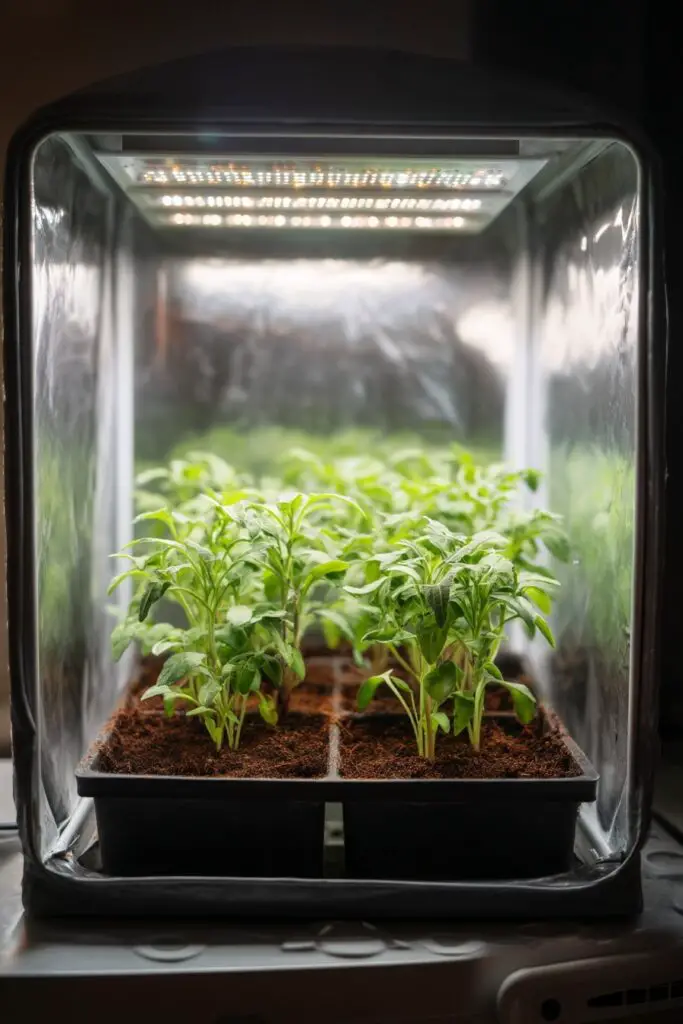
An indoor greenhouse creates a controlled space where plants can thrive—no matter what’s happening in the rest of your home. It’s more than just a place to keep plants warm; it’s a protective environment that gives your seedlings, herbs, or tropical plants everything they need to grow strong and healthy.
Maintains Humidity
By enclosing plants in a dedicated space, an indoor greenhouse traps moisture around the leaves and soil. This is especially helpful during winter when dry indoor air can cause leaf damage, failed germination, or pest problems. With the right setup, you can maintain ideal humidity levels without affecting your entire room.
Reduces Temperature Fluctuations
A greenhouse setup helps buffer plants from sudden cold drafts or dry heat from vents. Whether it’s a plastic dome over a seed tray or a larger grow tent, the enclosure keeps temperatures more stable—preventing shock and promoting steady growth.
Supports Light and Airflow Control
When paired with grow lights and a small fan, an indoor greenhouse can replicate outdoor growing conditions. Plants get the light they need, airflow helps strengthen stems, and excess moisture is regulated—all essential for healthy development.
Simple Indoor Greenhouse Ideas
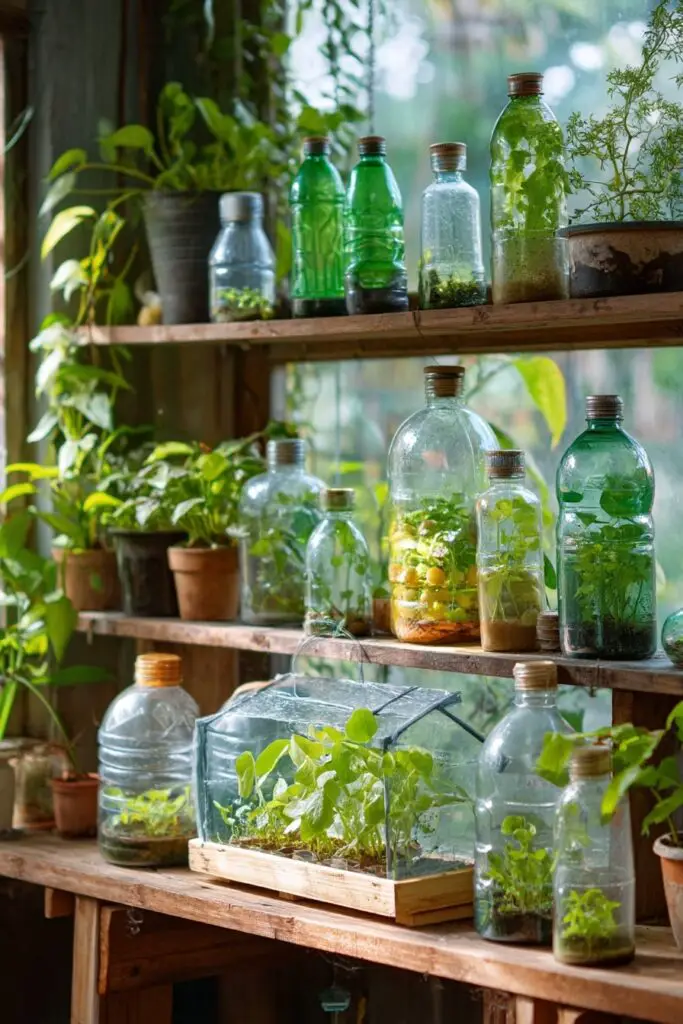
You don’t need a big budget or fancy equipment to set up an effective indoor greenhouse. With a little creativity, you can build a growing space that keeps your plants healthy and productive—all using items you may already have at home.
1. Plastic Bottle Domes
Cut the tops off clear plastic soda bottles and place them over small pots or seed trays. This creates a mini greenhouse effect, locking in humidity and warmth. Just remember to remove the cap once seedlings emerge to allow airflow and prevent mold.
2. Clamshell Food Containers
Repurpose those clear plastic containers used for baked goods or produce. They’re the perfect size for germinating a few seeds. Add a few small holes for ventilation or leave the lid slightly open once the seeds sprout.
3. Humidity Domes for Seed Trays
Many seed-starting kits come with shallow humidity domes. These work well for sprouting seeds but should be removed once plants get tall enough to touch the lid. For longer use, invest in taller domes with adjustable vents.
4. DIY Grow Tent
Wrap a metal or plastic shelving rack with clear plastic sheeting or a zippered greenhouse cover. This setup lets you control humidity and temperature for multiple trays of plants at once—and is easy to pair with lights and fans.
5. Decorative Glass Greenhouses
If you’re after something more stylish, look for small indoor greenhouses made of glass and metal. These work well for herbs or decorative plants and can serve as a functional accent in your living space.
6. Grow Tents or Grow Boxes
For serious indoor gardening, grow tents offer full environmental control. They come in a range of sizes and can include lighting, fans, vents, and reflective interiors to optimize plant growth. You don’t need to grow hydroponically to benefit from them.
Tips for Indoor Greenhouse Success
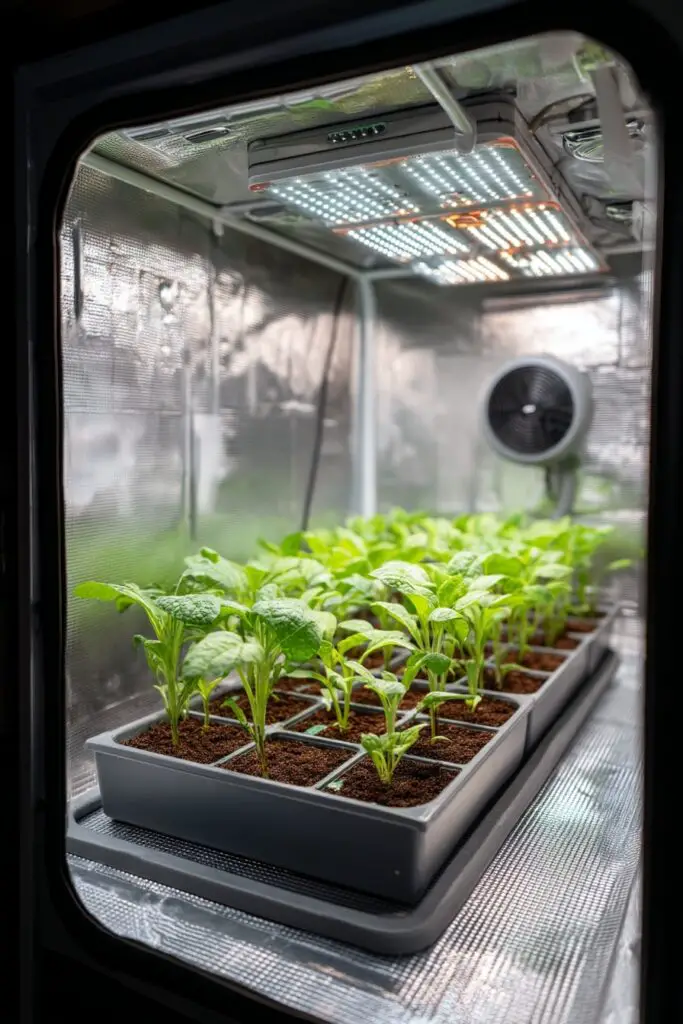
Setting up an indoor greenhouse is a great step, but getting the conditions right will determine how well your plants actually grow. Here are a few essential tips to help you get the most out of your setup:
🌡️ Use a Heat Mat with a Thermostat
Soil temperature plays a key role in seed germination and early root development. A horticultural heat mat placed under your trays or containers can gently warm the soil, especially in cooler indoor spaces. Always use a thermostat to avoid overheating your plants.
💨 Ensure Good Airflow
Stagnant air leads to mold, weak stems, and pest issues. Even a small fan—like a USB desk fan—can improve air circulation and mimic outdoor breezes. Strong airflow also helps prevent damping off disease in seedlings and builds stronger plant structure.
💧 Don’t Overdo the Humidity
While moisture is essential, too much can encourage fungal growth and root rot. Use vents or open your greenhouse periodically to let excess humidity escape. This is especially important in small domes or bottle setups.
💡 Add Supplemental Lighting
If your indoor greenhouse doesn’t get consistent sunlight, install grow lights. LED grow lights are energy-efficient and provide the right spectrum for seed starting, leafy greens, and even fruiting plants. Place them close to your plants, but not so close that they cause heat stress.
🐛 Monitor for Pests
Enclosed spaces can trap unwanted visitors like fungus gnats or spider mites. Check regularly for signs of pests, and adjust airflow or watering habits to discourage infestations before they spread.
Final Thoughts
An indoor greenhouse is more than a seasonal tool—it’s a year-round solution for growing healthy, vibrant plants in any climate. Whether you’re starting seeds for your spring garden, keeping herbs alive through winter, or growing greens indoors full time, the right setup can dramatically improve your results.
From plastic bottle cloches to full-size grow tents, there’s an option for every space, skill level, and budget. With the right balance of light, airflow, temperature, and humidity, your indoor plants will thrive—no matter what’s happening outside.