
Indoor plants do more than brighten your space—they can also fill your home with beautiful, natural scents that rival any candle or diffuser. Whether you’re drawn to sweet floral notes, herbal tones, or citrusy freshness, certain houseplants bring fragrance and greenery together in the most delightful way.
Growing fragrant plants indoors adds life and personality to your home year-round. From flowering varieties like jasmine and gardenia to the crisp aroma of eucalyptus, these plants not only look stunning but also offer soothing, aromatic benefits that elevate your mood and environment.
Table of Contents
1. Calamondin Orange

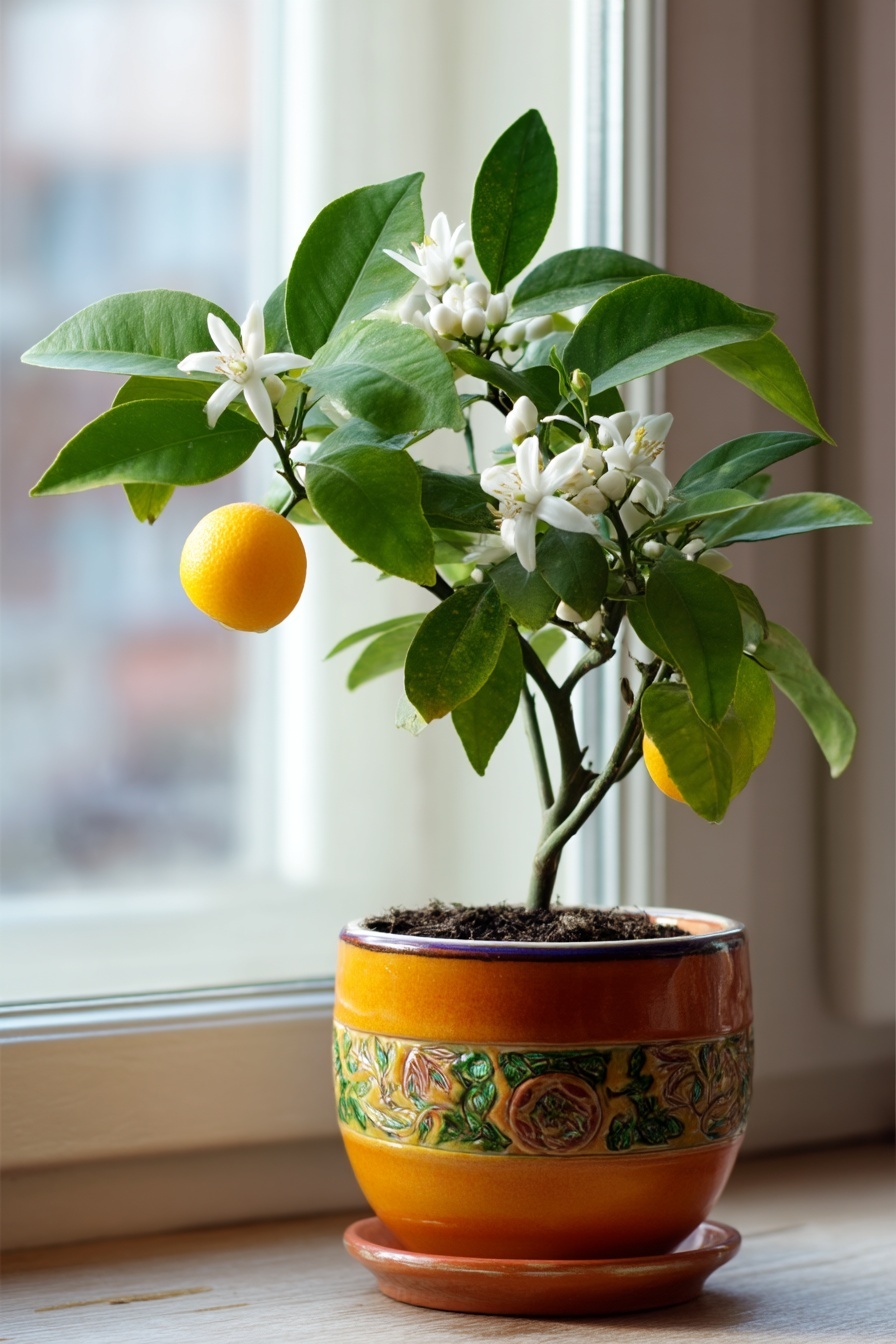
If you love a fresh citrus scent, the Calamondin orange tree is one of the most vibrant and fragrant indoor plants you can grow. While it rarely bears edible fruit indoors without hand pollination, it more than makes up for it with clusters of small, white, star-shaped blossoms that release a sweet orange blossom fragrance.
This compact citrus tree thrives in sunny indoor spaces—think a bright windowsill or a spot with at least 6 hours of direct light daily. During the warmer months, you can even move it outside to soak up extra sun. Just be sure to bring it back in before the first chill.
Calamondin orange trees enjoy slightly acidic, well-draining soil and prefer to dry out a bit between waterings. With the right care, you’ll be rewarded with year-round greenery and bursts of bloom that make your home smell like a Mediterranean garden.
Quick Tips:
- Light: Full sun (6–8 hours daily)
- Water: Allow top inch of soil to dry between waterings
- Size: 6 to 10 feet indoors
- Bonus: Place near entryways or living areas for maximum scent impact
2. Gardenia

Gardenias are iconic indoor plants beloved for their creamy white blossoms and rich, intoxicating fragrance that fills the room. Their scent is often described as sultry, floral, and slightly sweet—so it’s no surprise that gardenia has inspired countless perfumes and scented products.
But growing gardenia indoors does take a bit of care. These plants can be temperamental, especially when it comes to humidity and temperature. Gardenias need bright light—ideally morning sun with some afternoon shade—and a warm, humid environment to thrive. Placing them near a bright window and using a humidity tray or humidifier can help meet their needs.
Soil should be acidic, well-drained, and consistently moist—but never soggy. With proper attention, a healthy gardenia can reward you with multiple blooming cycles throughout the year, turning any indoor space into a luxurious, spa-like sanctuary.
Quick Tips:
- Light: Bright, indirect light with some direct morning sun
- Water: Keep soil moist but well-drained; avoid waterlogging
- Humidity: High (use a humidifier or pebble tray)
- Size: Up to 4 feet tall indoors
- Care Tip: Avoid cold drafts and sudden temperature changes
3. Tea Rose Begonia
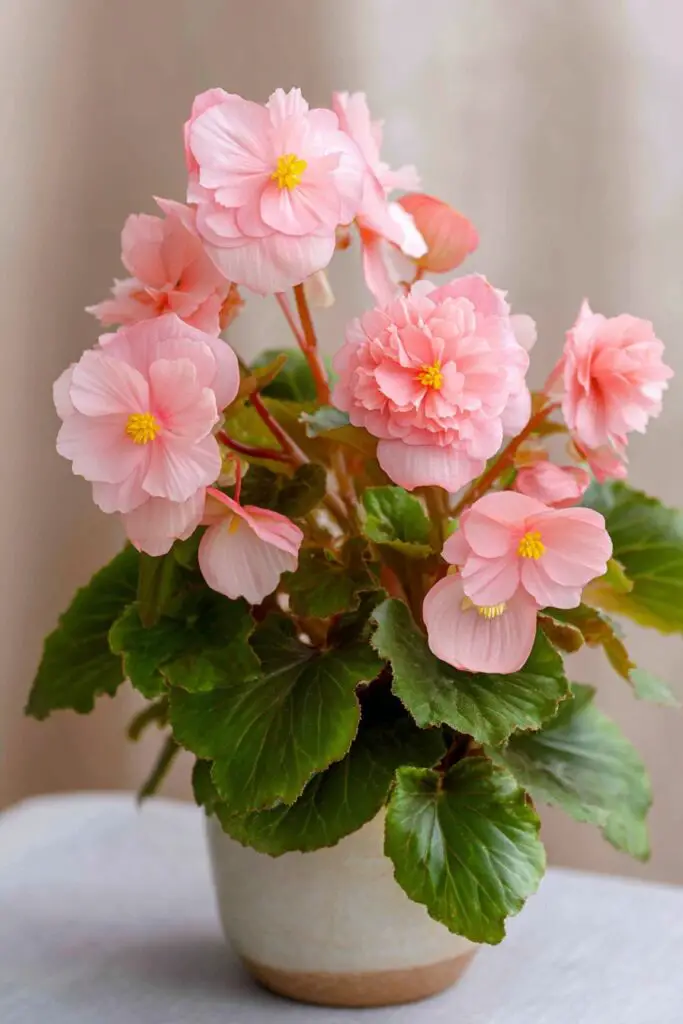
While most begonias are admired for their bold foliage, the tea rose begonia stands out for its delicate, sweet scent—making it a rare gem among indoor plants. With soft pink, rose-like blooms and lush greenery, this variety brings both beauty and subtle fragrance to your home year-round.
Tea rose begonias grow well in containers and are relatively compact, reaching about 12 inches tall when mature. They thrive in bright, indirect light and need well-draining, rich soil that stays lightly moist. High humidity encourages frequent blooming, so these plants do particularly well in bathrooms or kitchens with steady moisture in the air.
This begonia doesn’t overpower with its scent, but its floral notes are noticeable when you’re nearby—perfect for desks, bedside tables, or cozy reading corners where its presence feels personal and peaceful.
Quick Tips:
- Light: Bright, indirect light
- Water: Keep soil evenly moist but not soggy
- Humidity: Moderate to high
- Size: Around 12 inches tall
- Best Placement: Small decorative pots on tables or windowsills
4. Bay Laurel
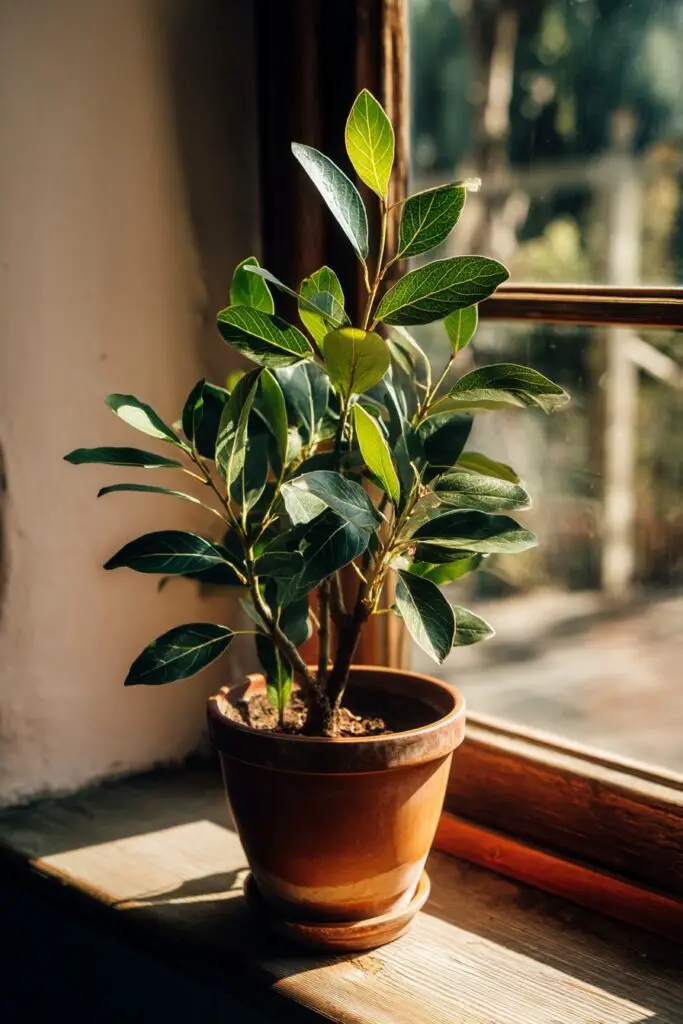
If floral scents aren’t your thing, Bay Laurel offers a bold, herbal aroma that adds freshness and complexity to indoor spaces. Known for its culinary uses, this evergreen shrub emits a warm, balsamic scent when the leaves are gently rubbed, releasing notes of citrus, herbs, and spice.
As an indoor plant, bay laurel grows slowly but steadily, reaching 4 to 8 feet if given the space and care. It thrives in a sunny window with good airflow and appreciates a few hours of direct sunlight each day. Soil should be kept moist but not overly wet, and regular pruning helps maintain a compact shape.
Beyond its fragrance, bay laurel is a practical plant. You can harvest leaves for cooking once the plant matures—just dry them before using for best flavor. This combination of form, function, and fragrance makes it a smart choice for kitchen windows or indoor herb gardens.
Quick Tips:
- Light: Full sun to partial shade
- Water: Allow the top inch of soil to dry between waterings
- Size: 4 to 8 feet tall indoors
- Fragrance: Herbal, savory, with hints of citrus
- Bonus: Leaves can be used fresh or dried for cooking
5. Hoya

Hoyas are beloved for their thick, waxy leaves and long-lasting blooms—but what really makes them shine among indoor plants is their fragrance. Depending on the variety, Hoya flowers can smell like chocolate, citrus, or even vanilla, often with a sweet, slightly spicy undertone.
One of the most popular and fragrant varieties is Hoya carnosa Rubra, which produces clusters of star-shaped pink and white flowers. These blooms emerge in warm, bright conditions and can appear multiple times a year with the right care. Hoyas are vining plants, making them perfect for hanging baskets or trailing over shelves.
They thrive in bright, indirect light and prefer to dry out a bit between waterings. Once established, they’re relatively low-maintenance—and if you’re patient, the floral payoff is well worth the wait.
Quick Tips:
- Light: Bright, indirect light (can tolerate some direct morning sun)
- Water: Let soil dry slightly between waterings
- Humidity: Moderate to high for best flowering
- Size: 4 to 6 feet long when trailing or climbing
- Fragrance: Varies by variety — sweet, vanilla, citrus, or chocolate
6. Passionflower
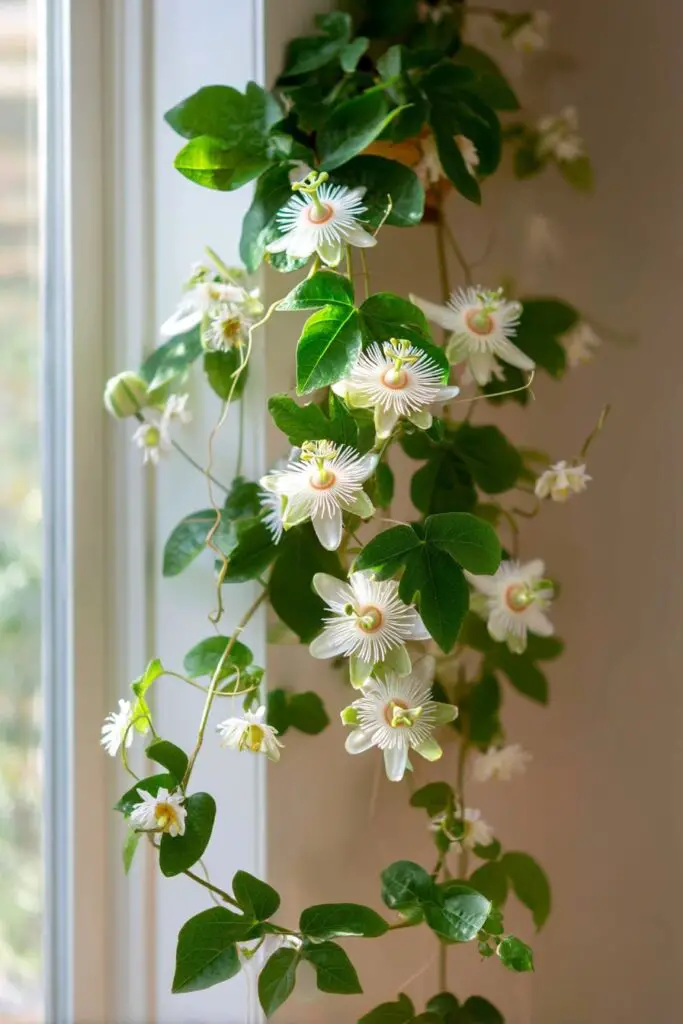
Known for its exotic blooms and calming presence, Passionflower brings more than just visual appeal to your collection of fragrant indoor plants. While most passionflower varieties aren’t strongly scented, the ‘Vanilla Cream’ cultivar is an exception—its delicate white flowers give off a light honey-like aroma that gently fills the room.
Passionflower vines can be grown indoors with the right support and sunlight. They thrive in bright, direct light and prefer well-draining soil that stays consistently moist. While the vines can get large, the ‘Vanilla Cream’ variety stays relatively compact, making it manageable for indoor spaces without constant pruning.
One unique feature of this plant is its blooming pattern: the flowers often open in the morning and close by midday. Place it in a spot where you’ll be nearby during its active hours to truly enjoy its subtle scent and stunning floral display.
Quick Tips:
- Light: Full sun is ideal
- Water: Keep soil consistently moist, not soggy
- Size: 2 to 15 feet, depending on variety and pruning
- Fragrance: Mildly sweet, honey-like (especially ‘Vanilla Cream’)
- Best Placement: Near a bright window or trellis with morning exposure
7. Arabian Jasmine
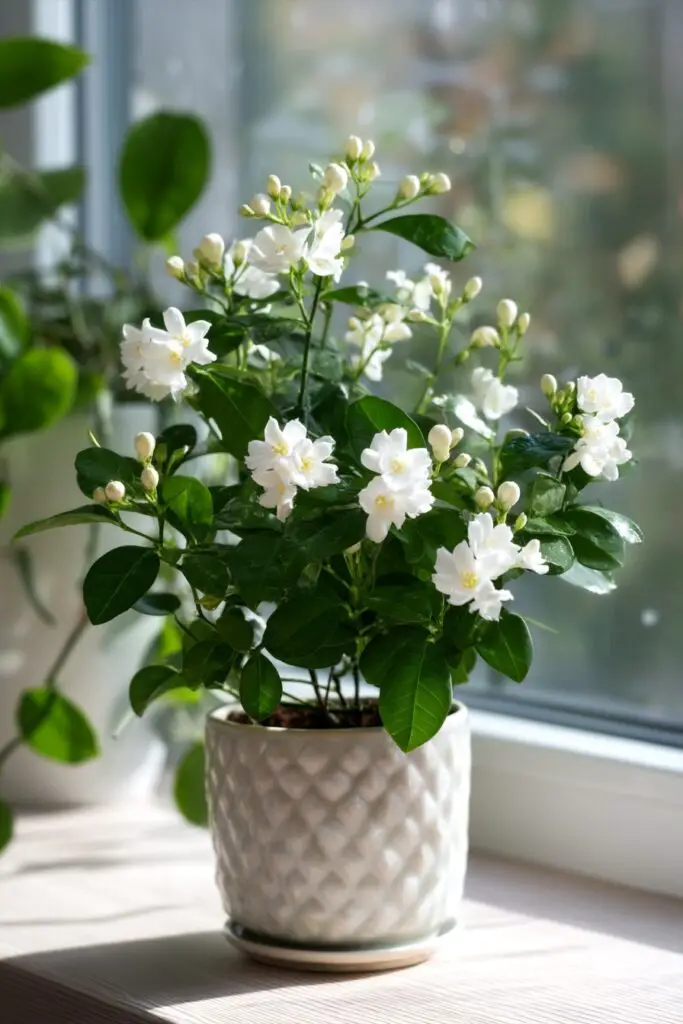
Arabian Jasmine is a showstopper when it comes to fragrance. With pearl-like buds that open into delicate white flowers, this plant releases a sweet, intoxicating aroma that can instantly transform the feel of your home. It’s the same jasmine used to scent green tea, and its perfume is rich, floral, and deeply soothing.
Though typically grown outdoors, Arabian Jasmine adapts well to life indoors—especially if placed in a bright, sunny window. It thrives with at least 6 hours of sunlight each day and benefits from regular pruning to keep its somewhat sprawling growth habit in check. Whether trained as a small shrub or supported on a trellis, it can bloom multiple times a year with the right care.
For best results, use well-draining soil and water when the top layer dries out. Its beauty and scent make it a favorite for living rooms, sunrooms, or anywhere you want a natural air freshener.
Quick Tips:
- Light: Full sun (at least 6 hours per day)
- Water: Allow the top inch of soil to dry before watering again
- Size: 6 to 10 feet tall indoors with support
- Fragrance: Rich, sweet jasmine scent
- Maintenance: Prune regularly for shape and better blooming
8. Scented Geranium
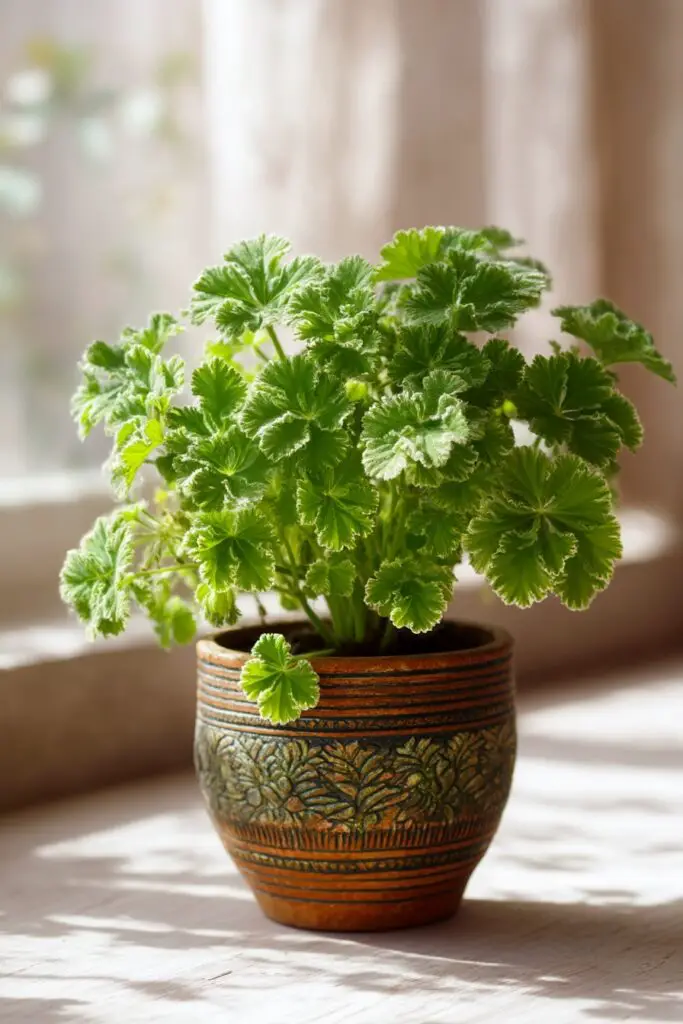
Scented geraniums are one of the most versatile and delightfully fragrant indoor plants you can grow. While their flowers are modest, their true charm lies in their leaves, which release a burst of fragrance when touched. Depending on the variety, the scent can resemble citrus, mint, rose, or even chocolate.
Popular cultivars include:
- ‘Atomic Snowflake’ – citrusy with creamy variegated foliage
- ‘Chocolate Mint’ – rich minty scent with dark leaf markings
- ‘Orange Fizz’ – bright orange soda aroma
These geraniums prefer sunny windowsills and need well-drained soil. They’re relatively drought-tolerant and don’t like soggy roots, so let the soil dry out between waterings. While not heavy bloomers indoors, their textured leaves, soft fuzz, and continuous scent make them a sensory favorite.
Quick Tips:
- Light: Full sun for best growth and fragrance
- Water: Allow soil to dry slightly between waterings
- Size: 12 to 18 inches tall
- Fragrance: Varies by cultivar—mint, citrus, floral, or spice
- Bonus: Gently rub the leaves to refresh the room with scent
9. Stephanotis
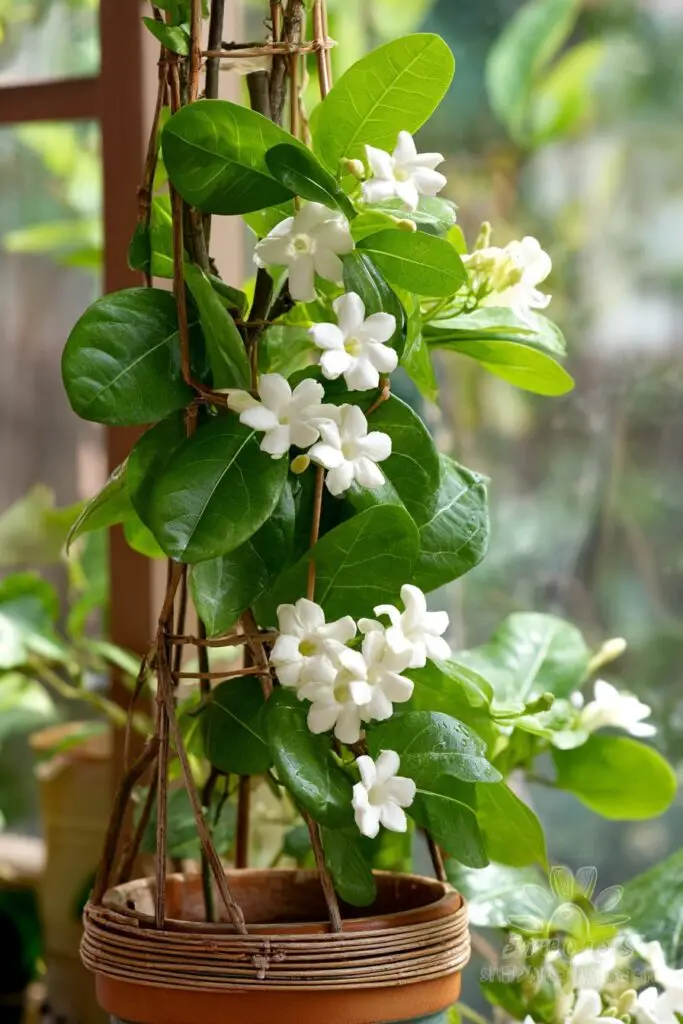
With its glossy leaves and clusters of pure white, waxy flowers, Stephanotis brings both beauty and fragrance into the home. These tropical vines give off a sweet, floral scent that’s subtle yet unmistakable, especially when the blooms are fresh. It’s no wonder they’re often featured in wedding bouquets.
As an indoor plant, Stephanotis thrives when trained to grow around a trellis or hoop. It needs bright, indirect light and does best in a warm, stable environment. Too little light can reduce blooming, so place it near a sunny window, but shield it from harsh midday rays.
Stephanotis prefers evenly moist, well-drained soil and appreciates a little extra humidity. With the right care, it can bloom from spring through fall, rewarding you with multiple waves of elegant, fragrant flowers.
Quick Tips:
- Light: Bright, indirect light (morning sun is ideal)
- Water: Keep soil lightly moist; do not overwater
- Size: 3 to 4 feet tall indoors with support
- Fragrance: Light, sweet, floral scent
- Care Tip: Rotate the plant occasionally for even growth
10. Eucalyptus
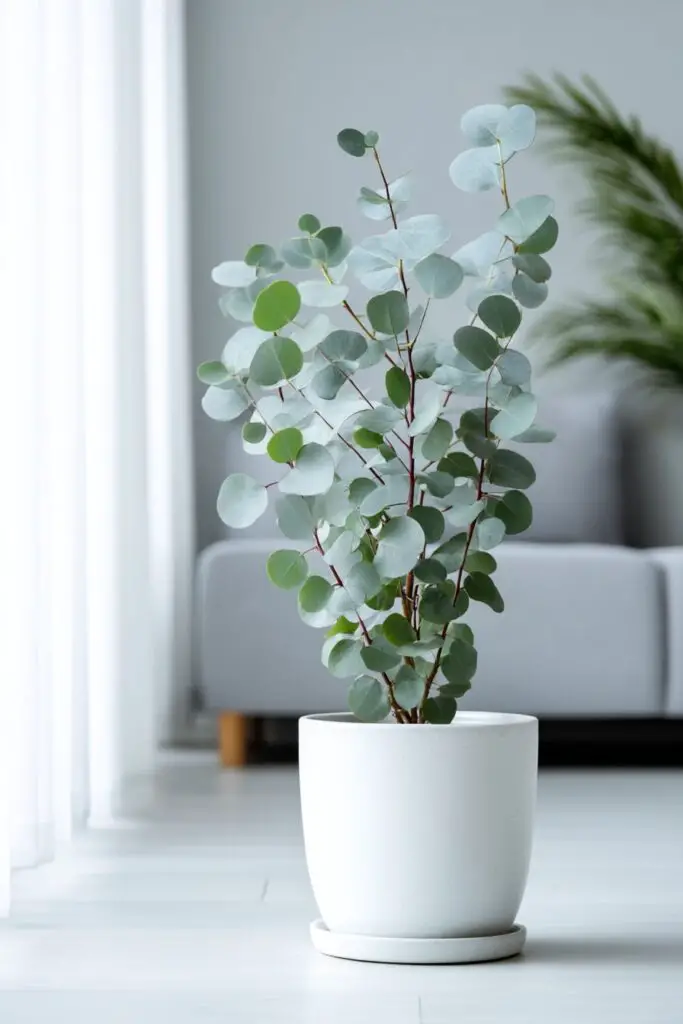
If you’re drawn to clean, refreshing scents, Eucalyptus is a must-have among fragrant indoor plants. Its silvery-blue leaves release a cool, minty aroma that’s both calming and invigorating—perfect for enhancing the atmosphere in bathrooms, bedrooms, or home offices.
Unlike other fragrant plants that rely on flowers, eucalyptus offers year-round fragrance through its foliage. The scent becomes stronger when the leaves are brushed or crushed slightly, making it a passive but effective natural air freshener.
Eucalyptus needs plenty of light—at least 6 hours of direct sunlight per day—and benefits from good airflow. Choose a fast-draining potting mix and water when the top inch of soil feels dry. While it can grow into a small tree over time, pruning keeps it manageable indoors and encourages fuller growth.
Quick Tips:
- Light: Full sun (6+ hours per day)
- Water: Let the top inch of soil dry out between waterings
- Size: Up to 3 feet tall indoors with regular pruning
- Fragrance: Fresh, clean, minty aroma
- Best Use: Bathrooms, entryways, or anywhere needing a crisp scent
11. Lady of the Night Orchid
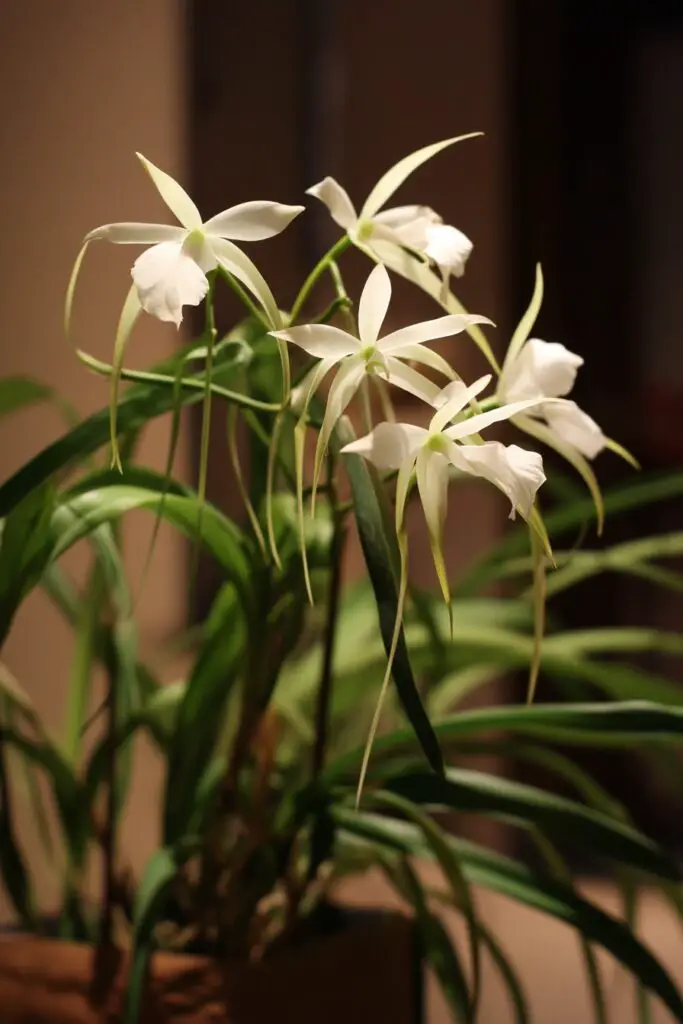
For those who love a dramatic bloom and a fragrance that fills the room after dark, the Lady of the Night Orchid is a showstopper. Known botanically as Brassavola nodosa, this orchid produces slender, star-shaped white flowers that release a powerful, sweet scent in the evening—often compared to lily of the valley or jasmine.
Unlike many orchids, Brassavola is relatively low-maintenance and blooms multiple times a year when kept happy. It prefers bright, indirect light and good air circulation. Use a well-draining orchid mix and allow the roots to dry slightly between waterings. The plant stays compact, making it an ideal fit for windowsills, orchid baskets, or hanging pots.
What sets it apart is its timed fragrance—you may not notice much during the day, but come evening, it becomes one of the most aromatic indoor plants in your home.
Quick Tips:
- Light: Bright, indirect light
- Water: Water when the roots begin to dry (but don’t let them stay dry too long)
- Size: Around 6 inches tall
- Fragrance: Strong, sweet, floral scent released at night
- Best Placement: Near bedroom or nighttime living areas for evening enjoyment
Conclusion
Bringing fragrance into your home doesn’t have to rely on artificial sprays or candles. With the right indoor plants, you can enjoy natural, soothing aromas every day—from the citrusy sweetness of Calamondin orange to the nighttime perfume of Lady of the Night orchids.
Whether you prefer floral, herbal, or refreshing scents, there’s a fragrant plant suited for your space, lighting conditions, and lifestyle. As a bonus, many of these plants offer not just scent, but visual beauty, improved air quality, and a calming presence.
Start with one or two from this list and build your way up—your home will soon smell like a garden, year-round.