
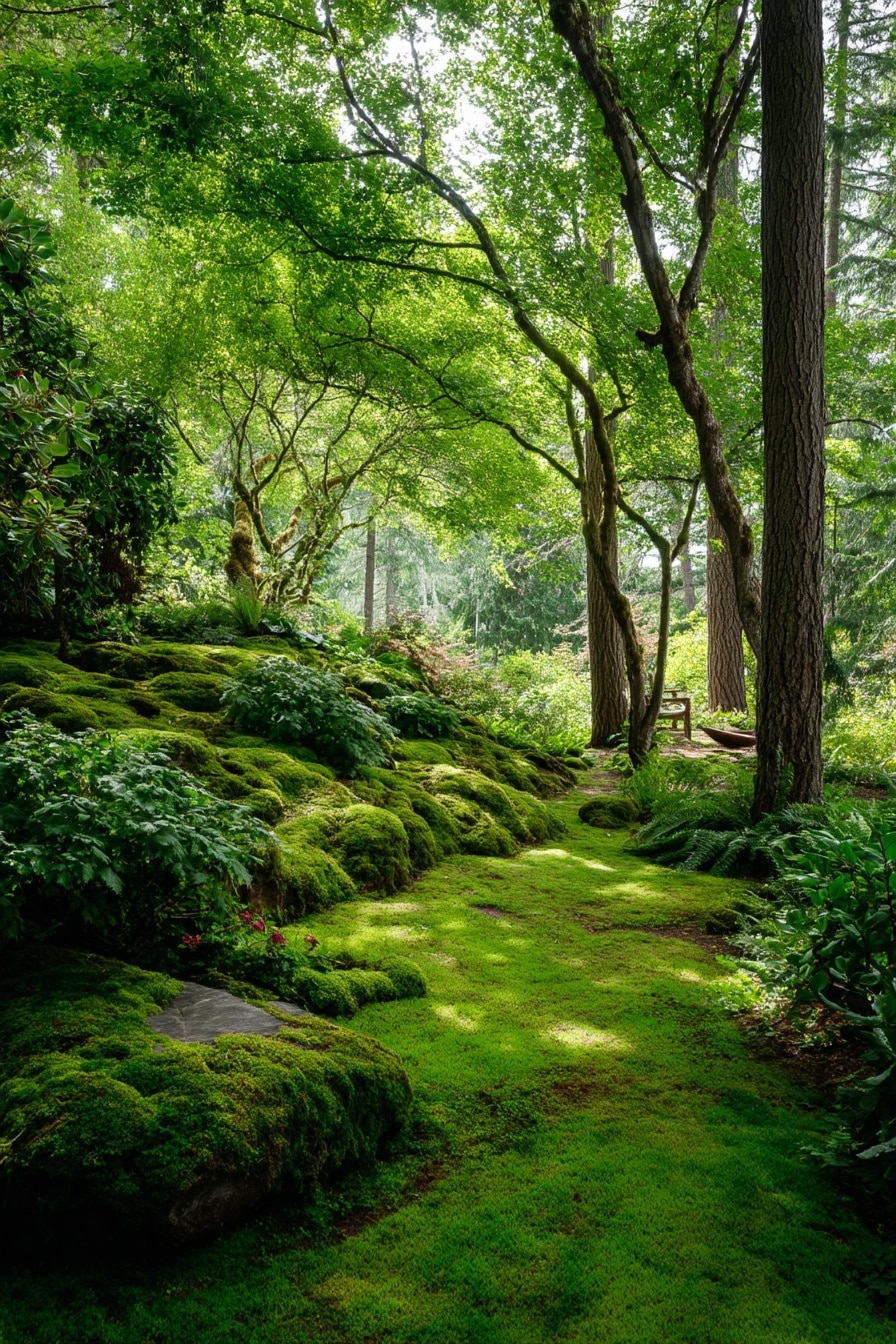
Moss garden designs are quickly becoming a favorite for gardeners who are tired of mowing, watering, and patching up uneven grass lawns. With their rich green texture and soft, sponge-like feel, moss gardens offer a serene, low-maintenance alternative that’s both beautiful and environmentally conscious. Inspired by traditional Japanese landscapes, this lush ground cover thrives where grass struggles—especially in shaded or damp areas.
Whether you’re creating a small backyard escape or converting your whole lawn, a moss garden requires less upkeep, fewer chemicals, and delivers year-round greenery without the hassle.
Table of Contents
What Is a Moss Garden?

A moss garden is a landscape design that replaces traditional grass with thriving mats of moss. Unlike standard lawns, moss doesn’t have true roots or require rich soil—it absorbs moisture and nutrients directly from the air, making it ideal for damp, shady areas where grass often fails.
You’ve probably seen moss growing naturally on rocks, rooftops, or forest floors. When cultivated intentionally, it creates a calming, carpet-like ground cover that feels soft underfoot and looks lush all year round.
More than just a lawn replacement, a moss garden adds texture, tranquility, and a timeless feel to any outdoor space.
Is Moss Better Than Grass?
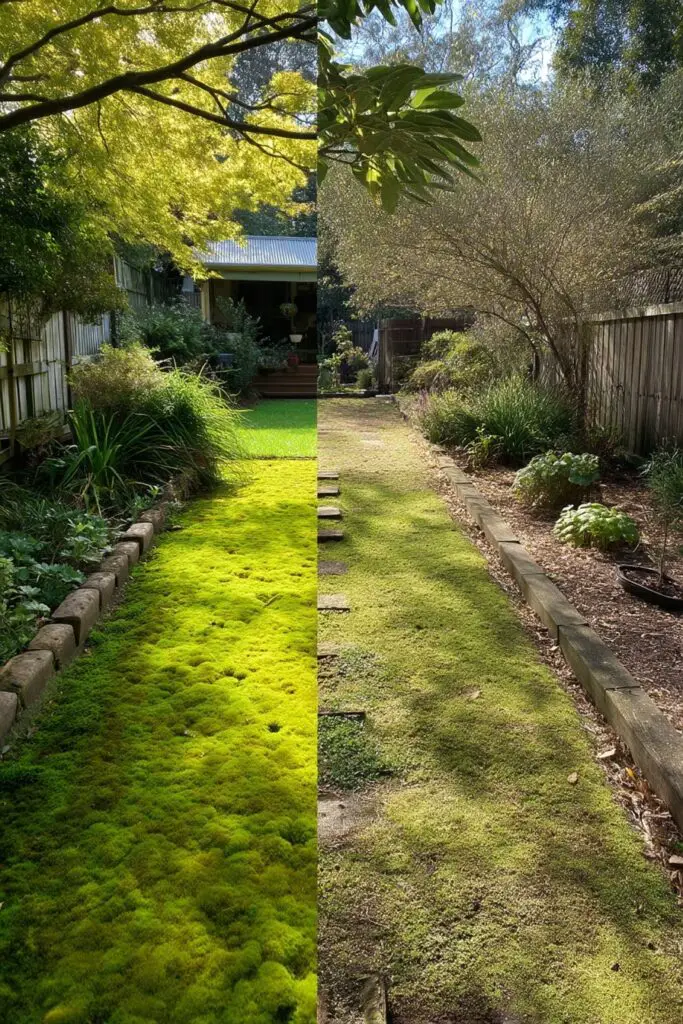
For many homeowners, a moss garden is not just a stylish alternative—it’s a smarter one. Moss requires no mowing, fertilizing, or chemical treatments. Unlike grass, which needs sunlight, water, and nutrient-rich soil, moss thrives in areas where grass typically fails—such as shady, damp, or compacted ground.
From an environmental standpoint, moss is a clear winner. It absorbs carbon, filters air pollutants, and supports biodiversity by providing a habitat for small insects and microorganisms. And while grass lawns often struggle with patchiness or weed invasion, moss creates an even, green carpet that looks effortlessly beautiful.
If you’re ready to retire your mower and reduce your ecological footprint, replacing turf with a moss garden may be your ideal next step.
Is Moss Good for a Garden?
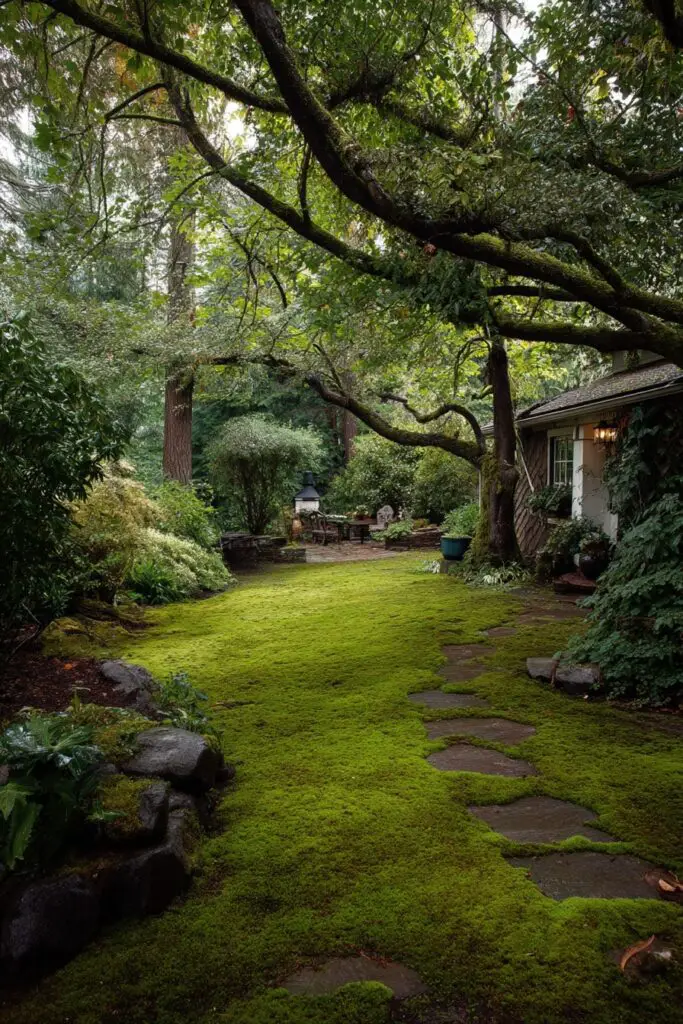
Absolutely. A moss garden doesn’t just look good—it contributes to a healthier, more sustainable outdoor environment. Unlike grass, moss pulls nutrients directly from the air, which means it plays a surprising role in purifying the atmosphere. That’s especially beneficial in urban or suburban areas with higher pollution levels.
Moss also helps retain soil moisture and prevent erosion, making it a smart option for sloped or rocky areas. And because it thrives without synthetic fertilizers or pesticides, a moss garden naturally supports wildlife, including beneficial insects and microorganisms.
If your goal is to create a green space that’s both beautiful and beneficial, moss is a simple yet powerful solution.
How Do You Start a Moss Garden?
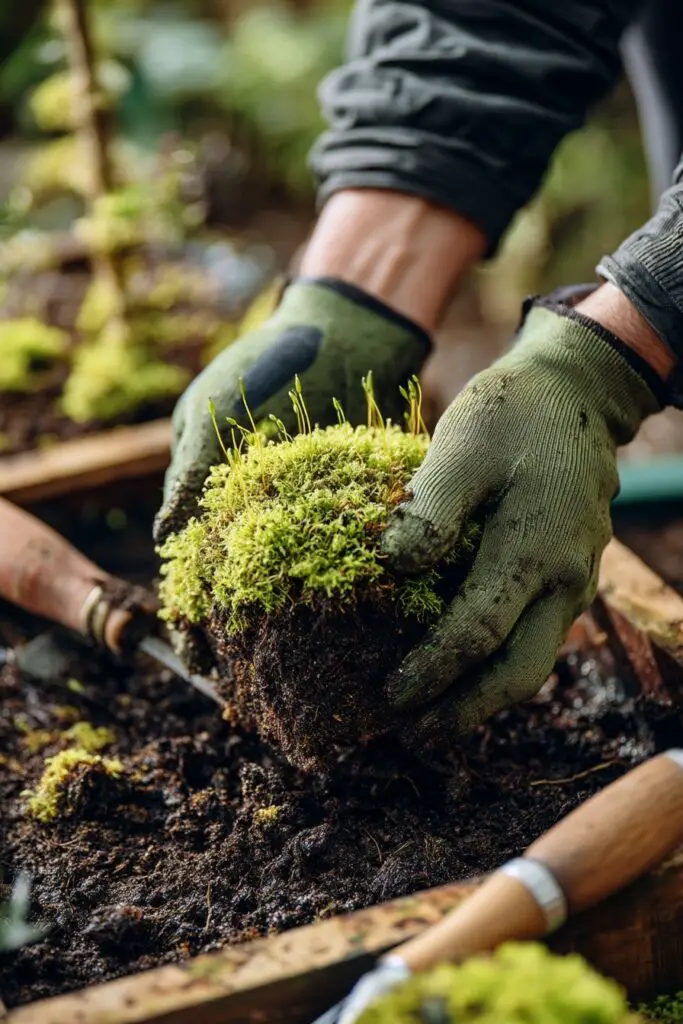
Starting a moss garden is surprisingly simple—and it doesn’t require perfect soil or expensive materials. All you need is the right environment, a little patience, and a few easy steps.
Here’s how to get started:
- Clear the Area
Remove weeds, debris, grass, and leaves until you’re left with bare soil or a firm, compacted surface. - Prepare the Surface
Lightly scratch or roughen the soil to help the moss grip and spread. - Position the Moss
If using dried moss, soak it briefly in water. Then press it firmly into place. If using live moss, skip soaking and just lay it flat on the prepared surface. - Water Thoroughly
Give the entire area a good soaking to help the moss bond with the soil. - Keep It Moist
Water lightly and frequently for the first 4 to 6 weeks while the moss establishes itself.
With minimal tools and time, you can start building a lush, low-maintenance moss garden in almost any outdoor space.
Maintaining a Moss Garden
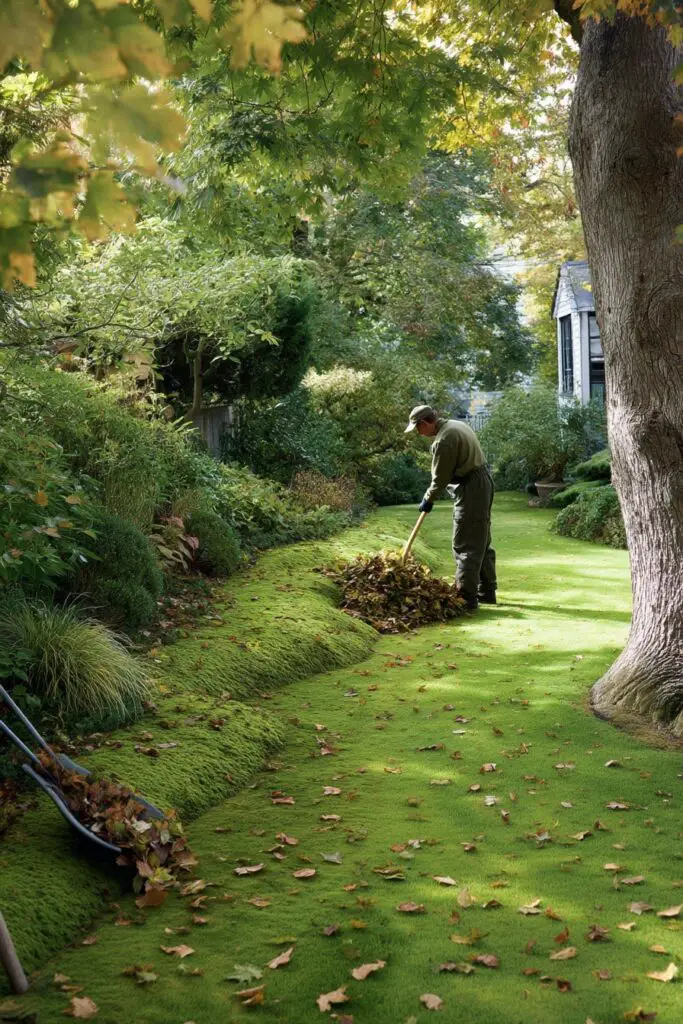
One of the biggest advantages of a moss garden is how little effort it takes to maintain. Once established, moss requires far less attention than grass—and no noisy equipment or chemical treatments.
Here’s what ongoing care looks like:
- No Mowing
Moss grows slowly and naturally low to the ground—usually no more than 4 inches—so there’s no need for trimming. - No Fertilizers or Pesticides
Moss doesn’t need added nutrients or chemicals to stay green and healthy. - Minimal Watering
After the initial setup, moss only needs occasional watering during dry spells. - Seasonal Cleanup
In fall, gently remove fallen leaves to prevent mold. Occasional weeding helps keep unwanted plants from settling in.
Over time, your moss garden will form a dense mat that resists weeds and thrives with almost no input, making it one of the most sustainable choices for your yard.
Does Moss Grow Better Than Grass?
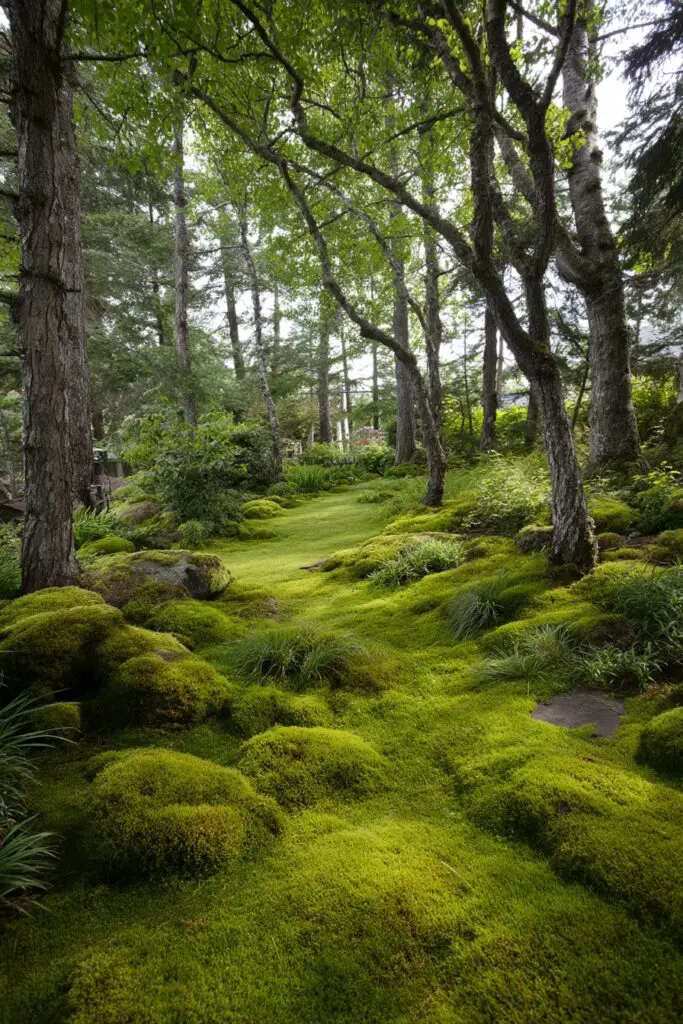
In many environments, a moss garden outperforms grass—especially in areas where turf struggles. Moss is naturally adapted to grow in poor soil, shaded locations, and places with heavy foot traffic or compacted ground. It doesn’t need fertilizers, rich soil, or full sun to thrive.
Grass, on the other hand, demands constant attention—regular mowing, fertilizing, watering, and weed control. It’s also highly sensitive to environmental stress. If your lawn looks patchy or lifeless, it’s likely grass is failing where moss would flourish.
Moss grows where grass can’t. So if you’re dealing with tricky terrain or simply want a lawn alternative that thrives with less effort, moss might be your best solution.
Can You Walk on a Moss Garden?
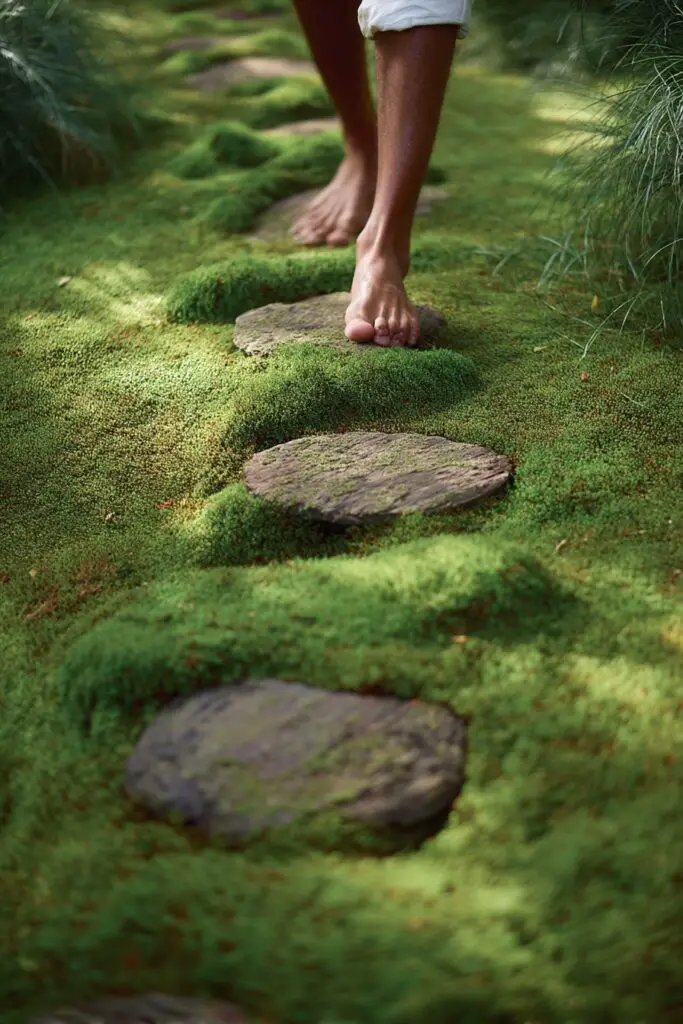
Yes, you can walk on a moss garden—and in fact, light foot traffic can help newly planted moss establish itself. Moss is surprisingly resilient, especially once it’s rooted and spread into a dense mat.
That said, moss does feel different underfoot compared to a typical grass lawn. It’s soft, springy, and slightly uneven, which adds to its natural charm but might take some getting used to.
For higher-traffic areas, consider adding stepping stones or pathways. This reduces wear and keeps your moss looking lush while guiding movement through your garden in a way that’s both functional and visually appealing.
Do Moss Gardens Need Watering?
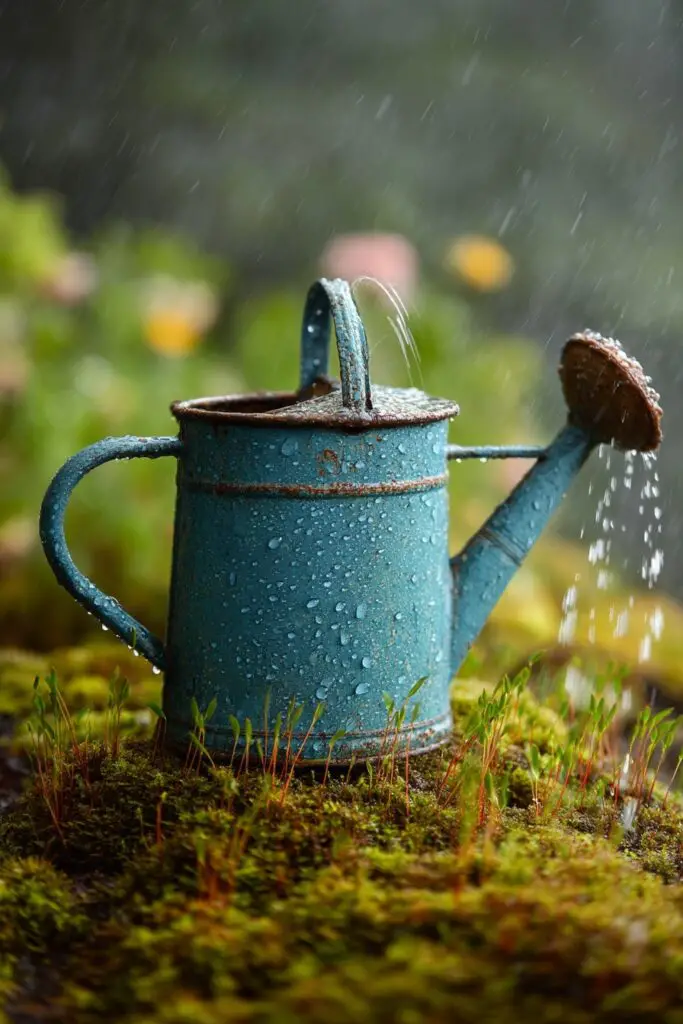
A well-established moss garden needs very little watering, making it an excellent choice for drought-prone areas or eco-conscious gardeners. Moss holds moisture naturally and requires far less water than grass—especially once it’s fully rooted.
During the first 4 to 6 weeks after planting, moss does need to be kept consistently moist to help it attach and spread. After that, watering is only necessary during extended dry periods or extreme heat.
A helpful tip: moss often turns a lighter shade when it’s dry. If your moss garden looks pale or faded, a gentle watering will quickly restore its vibrant green color.
Are Moss Lawns Expensive?
At first glance, starting a moss garden can seem costly. Depending on the variety and source, live moss can range from $4 to $10 per square foot—significantly more than grass seed. However, the long-term savings make it a smart investment.
With moss, you eliminate the need for:
- Lawn mowers and fuel
- Fertilizers and pesticides
- Frequent watering
- Ongoing maintenance
Over time, those savings add up—not just in money, but in time, effort, and environmental impact. So while the initial cost may be higher, a moss garden offers excellent value in the long run, especially for homeowners seeking a low-maintenance, sustainable landscape.
Final Thoughts on Moss Gardens
If you’re looking for a beautiful, sustainable alternative to traditional turf, a moss garden may be the solution. With minimal maintenance, no mowing, and year-round greenery, moss offers both visual appeal and environmental benefits. It thrives where grass fails, helps purify the air, and supports natural biodiversity—all while reducing your garden’s water and chemical usage.
Whether you’re converting a shady corner or your entire lawn, a moss garden turns your outdoor space into a serene, eco-friendly retreat with less effort and greater impact.