
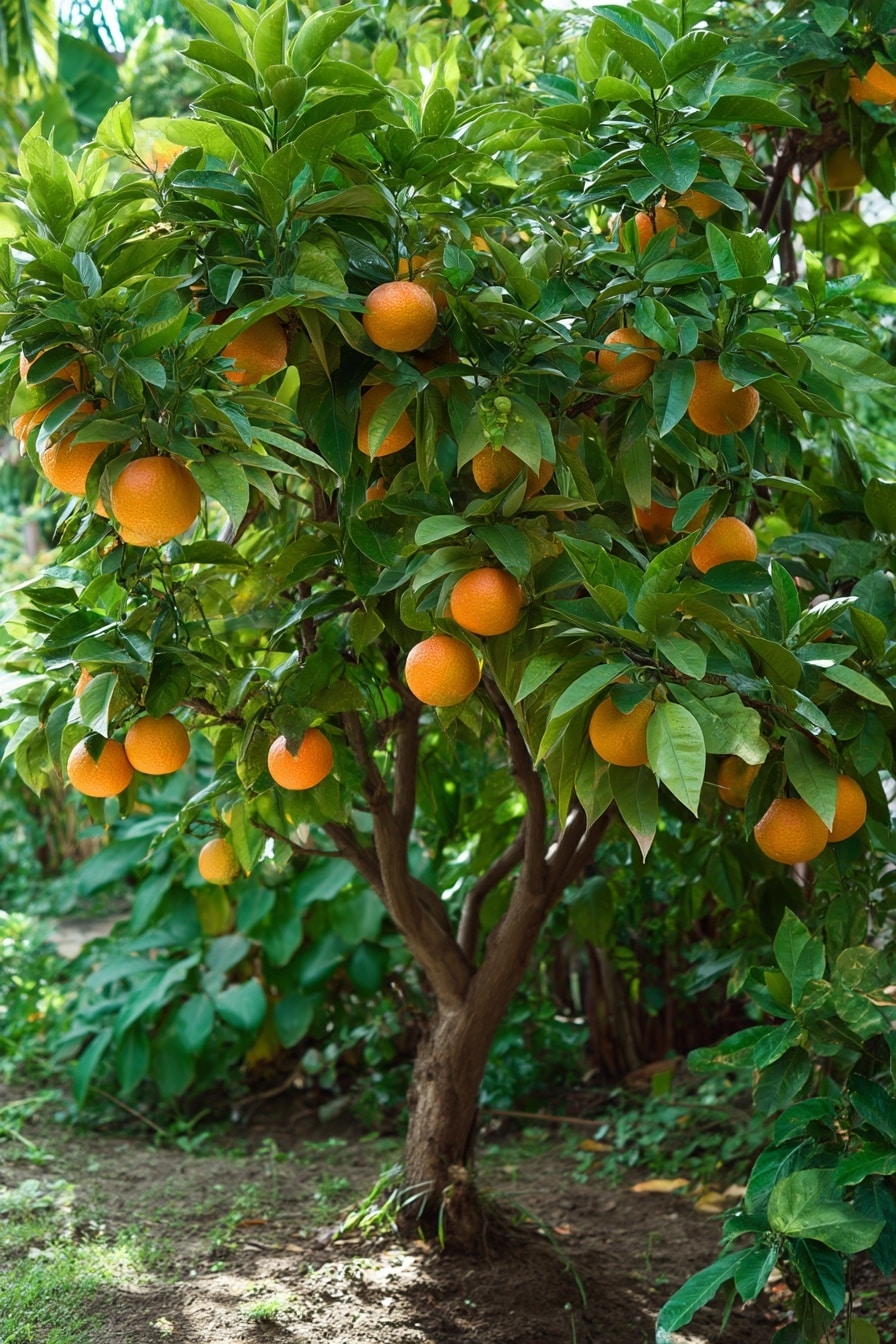
Orange trees are one of the most rewarding fruit trees you can grow, offering fragrant blossoms, lush green foliage, and sweet, juicy fruit year after year. But if you want your tree to thrive—not just survive—it’s important to get the basics right from the very beginning. Many first-time growers unknowingly make simple mistakes that can lead to poor fruit production, disease, or even a dead tree within a few seasons.
The good news? Orange trees are surprisingly resilient when given the right foundation. From choosing the best time to plant to understanding proper watering and soil needs, setting your tree up for long-term success doesn’t have to be complicated.
In this guide, we’ll walk through five essential things you should know before planting orange trees, so your investment grows into a healthy, productive tree for decades to come.
Table of Contents
When Should You Plant Orange Trees?

Timing is everything when it comes to planting orange trees. For the best results, plant them in early spring, typically between March and May, depending on your local climate. This gives the roots several months to settle in before the intense summer heat arrives.
When planted at the right time, orange trees can develop a strong root system that supports healthy growth, better fruit production, and improved resistance to pests and disease. On the other hand, trees planted too late in the season often struggle to establish themselves and may suffer from heat stress.
Zone-Based Timing Tips:
- USDA Zones 9–11: You can plant as early as late February, as long as the risk of frost has passed.
- Cooler Zones or Container Growing: Wait until nighttime temperatures remain above 50°F, especially if you’re planning to move containers outdoors.
Sunlight Requirements:
Orange trees thrive with 6 to 8 hours of direct sunlight each day. Choose a location with full sun exposure—ideally one that gets morning sun and is protected from strong afternoon winds. South-facing spots are usually ideal in most regions.
Giving your tree the right start begins with planting at the right time in the right place.
What Soil Conditions Do Orange Trees Need?
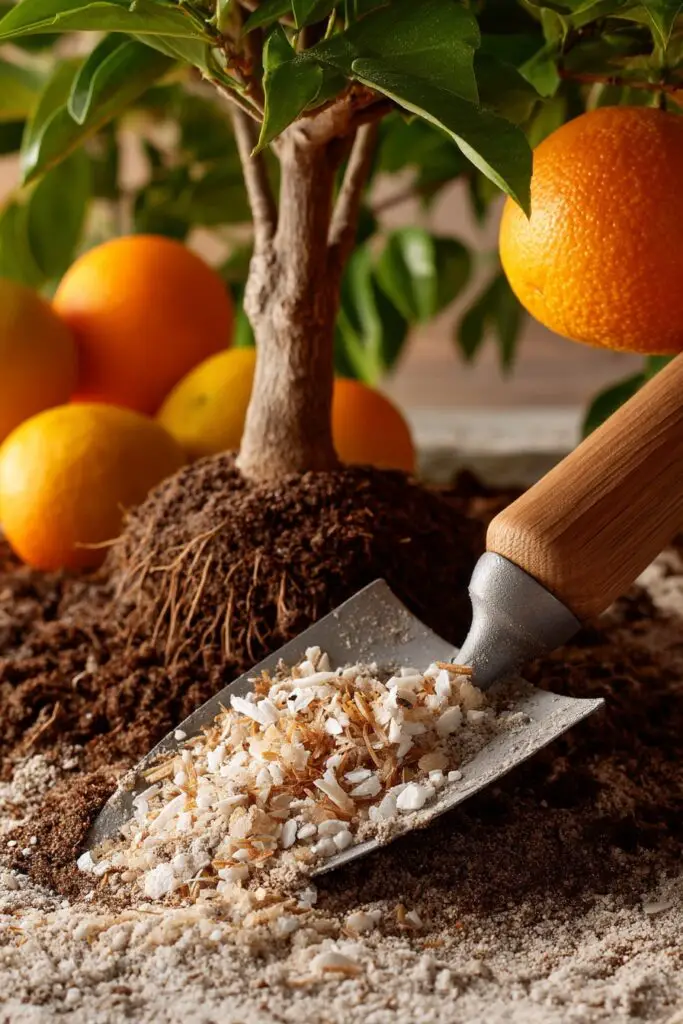
Healthy orange trees start with healthy soil. One of the most common reasons orange trees struggle is poor drainage. These trees do not tolerate soggy soil—even a few days of standing water around the roots can lead to rot and long-term damage.
Choose the Right Soil Type
Avoid traditional organic potting mixes or heavy clay soil. Instead, go for a well-draining, mineral-based mix. In containers, a blend of coarse sand, perlite, and coconut coir works well. For in-ground planting, sandy loam or amended native soil with improved drainage is ideal.
If your native soil drains slowly, consider creating a raised bed or digging in coarse sand to improve the texture.
Test Drainage Before Planting
Try the “one-inch rule”:
- Dig a hole where you plan to plant.
- Fill it with water.
- If the water doesn’t drain within one hour, you need to improve the drainage.
pH Level Matters
Orange trees prefer slightly acidic soil, with a pH around 6.0 to 6.5. This range allows the roots to absorb nutrients efficiently, especially key micronutrients like iron, which help prevent yellowing leaves.
A basic soil pH test kit from your garden center can help you determine if adjustments are needed before planting.
How Do You Plant Orange Trees Properly?
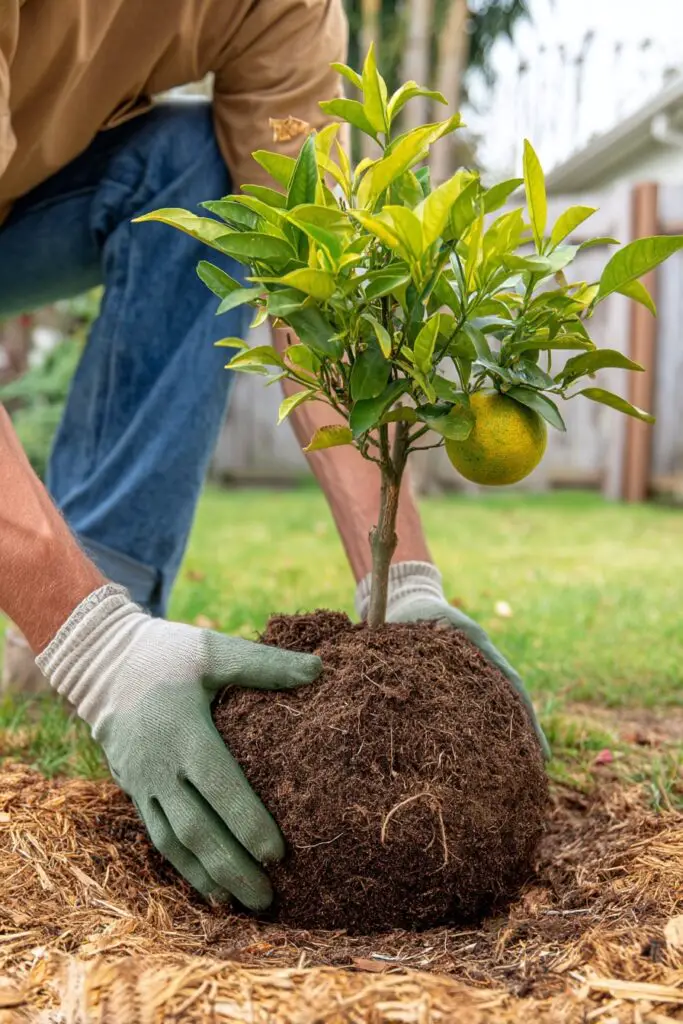
Getting your orange trees in the ground (or container) the right way is just as important as when and where you plant them. A few simple steps at planting time can prevent common issues like crown rot, poor root development, or weak structural growth down the line.
Step-by-Step Planting Guide
- Dig the hole twice as wide as the root ball, but only as deep as the root ball’s height.
- Keep the root ball intact when removing the tree from its container.
- Place the tree so the top of the root ball sits 1–2 inches above ground level—this prevents water from pooling around the trunk.
- Backfill with the same type of soil you dug out. Avoid mixing drastically different soil types, which can trap water around the roots.
- Water deeply after planting to eliminate air pockets and settle the soil.
- Apply mulch 2–3 inches thick around the base, but keep it at least 6 inches away from the trunk to avoid rot.
Spacing Recommendations
Spacing depends on the type of orange tree you’re planting:
| Tree Type | Spacing Distance | Mature Height |
|---|---|---|
| Standard Orange Tree | 12–25 feet apart | 20–30 feet tall |
| Dwarf Orange Tree | 6–10 feet apart | 8–12 feet tall |
| Container Tree | 8–10 feet apart | Varies by container |
Proper spacing ensures each tree receives enough sunlight and airflow, reducing the risk of fungal diseases and improving fruit quality.
Whether planting in your backyard or a patio container, setting up your orange trees correctly from day one will lead to years of healthy growth and abundant harvests.
How Often Should You Water Orange Trees?
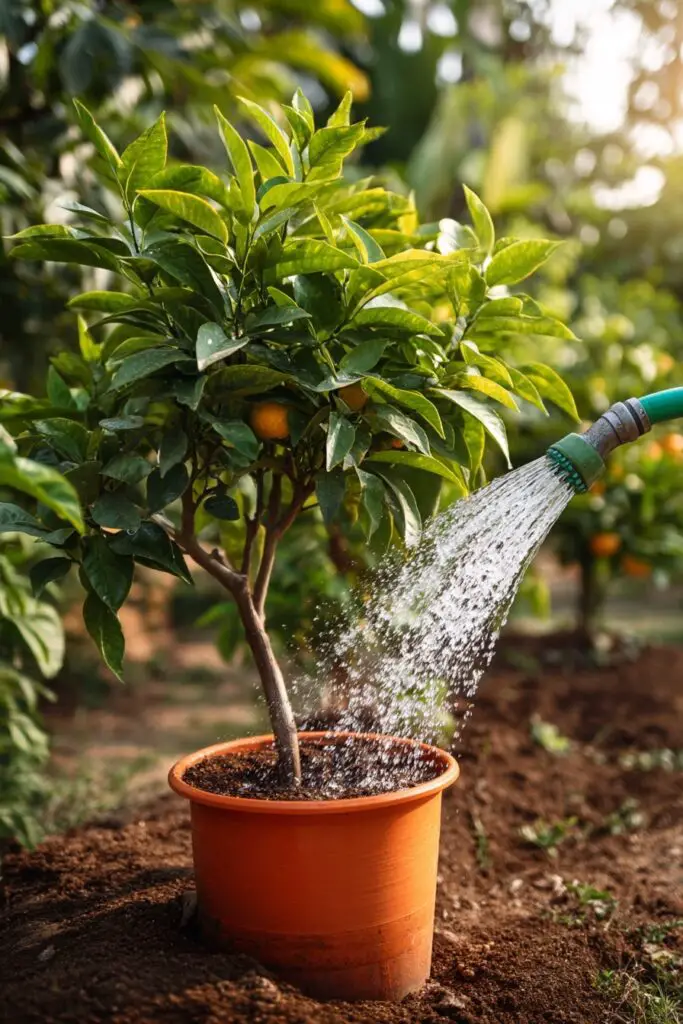
Watering seems simple, but it’s one of the most common mistakes new growers make with orange trees. Too much or too little water can stress your tree, weaken its root system, and impact fruit production.
The good news? It’s easy to get watering right once you understand your tree’s needs at different stages of growth.
Use the Touch Test
Check soil moisture by feeling the top 2 inches of soil. If it’s dry, it’s time to water. This simple method works far better than guessing or following a rigid schedule.
Try the Drench Method
Instead of shallow watering, apply water slowly and deeply until:
- For containers: Water flows from the bottom drainage holes
- For ground-planted trees: Moisture reaches 12–18 inches deep
This encourages deep root growth, making your tree more drought-tolerant and resilient.
Seasonal Watering Guidelines
| Season | Frequency |
|---|---|
| Spring | Every 2–3 days for the first month after planting |
| Summer | Daily in temps above 95°F; every other day in moderate heat |
| Fall | 2–3 times per week as temperatures cool |
| Winter | Once per week, only when soil is dry to the touch |
Signs of Overwatering or Underwatering
- Overwatered trees may have yellowing leaves, leaf drop, or soft, mushy roots.
- Underwatered trees show crispy leaf edges, dropped fruit, and stunted growth.
Consistent, responsive watering is one of the best ways to ensure your orange trees stay healthy and productive.
When Can You Harvest Oranges from Your Tree?
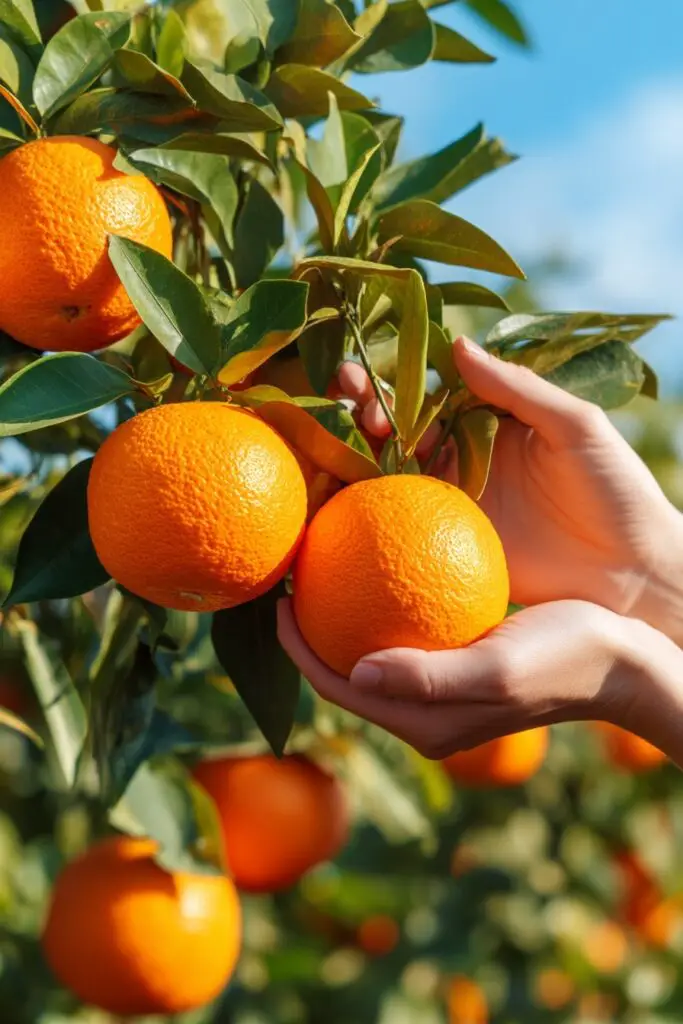
After months of care, nothing beats the moment you pick your first ripe fruit from your orange trees. But knowing exactly when to harvest is key—unlike some fruits, oranges do not continue to ripen after picking.
Most orange varieties are ready to harvest 6 to 8 months after flowering, typically between December and March, depending on your local climate and tree variety.
How to Tell If Oranges Are Ripe
Don’t rely on color alone—some oranges turn orange before they’re sweet inside. Instead, use a combination of these signs:
- Fruit has a deep color (variety-specific)
- Feels slightly soft when gently squeezed
- Easily comes off the tree with a light twist
- Has a sweet, citrusy aroma near the stem
Do a Taste Test First
Pick just one orange and give it a try. If it’s juicy and sweet, it’s time to harvest. If it tastes bland or tart, wait another 2–4 weeks and test again.
Harvesting Tips
- Use clean pruning shears for thicker stems
- Pick during dry weather to reduce the risk of fruit rot
- Twist and pull gently for fruit that separates easily
- Store at room temperature for 1 week, or refrigerate for up to 3–4 weeks
Remember: it’s better to be patient. Picking too early means missing out on the full flavor your tree worked so hard to produce.
The Secret to Long-Term Orange Tree Success
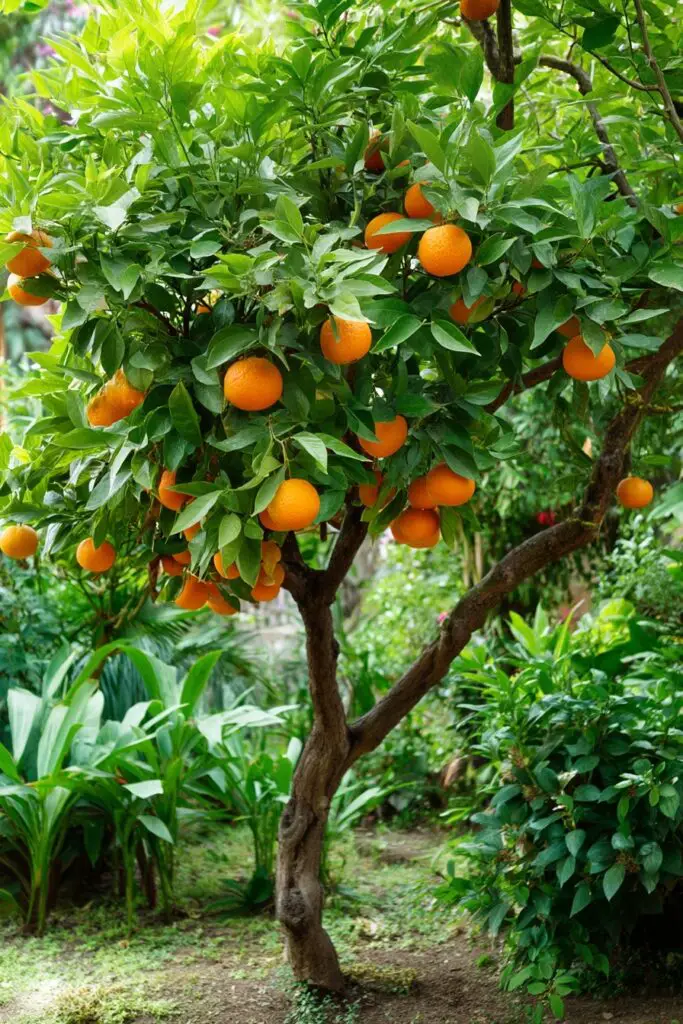
Many gardeners focus on the basics—sunlight, water, and fertilizer—but long-term success with orange trees comes from building a solid foundation right from the start. Once your tree is established, keeping it healthy becomes far easier.
Here are three essential elements that can make your orange tree nearly bulletproof:
1. Well-Draining, Mineral-Based Soil
Permanent drainage prevents root rot and promotes strong, oxygen-rich root systems.
2. Living Microorganisms in the Soil
Healthy soil biology protects your tree from disease, improves nutrient uptake, and supports resilience during stress.
3. Balanced, Organic Fertilizer
Use a complete citrus fertilizer that contains all 12 essential nutrients, including micronutrients like zinc, iron, and magnesium—without adding harsh salts that damage roots over time.
These three pillars create the ideal environment for your tree to grow strong, fruitful, and disease-resistant for years to come. Some well-maintained orange trees can live and produce fruit for 50 years or more.
If you’ve made it this far, you already know more than most about how to plant and care for orange trees. Now it’s time to put that knowledge to work in your garden or patio space.
Conclusion
Planting and growing orange trees isn’t complicated—but it does require the right approach. By planting at the right time, using well-draining soil, spacing trees properly, watering deeply, and harvesting with care, you give your orange tree the foundation it needs to thrive.
Whether you’re growing in the ground or in a container, sticking to these five fundamentals sets you up for a healthy tree that rewards you with fresh, sweet oranges for decades.
Happy planting—and here’s to years of citrus success!