
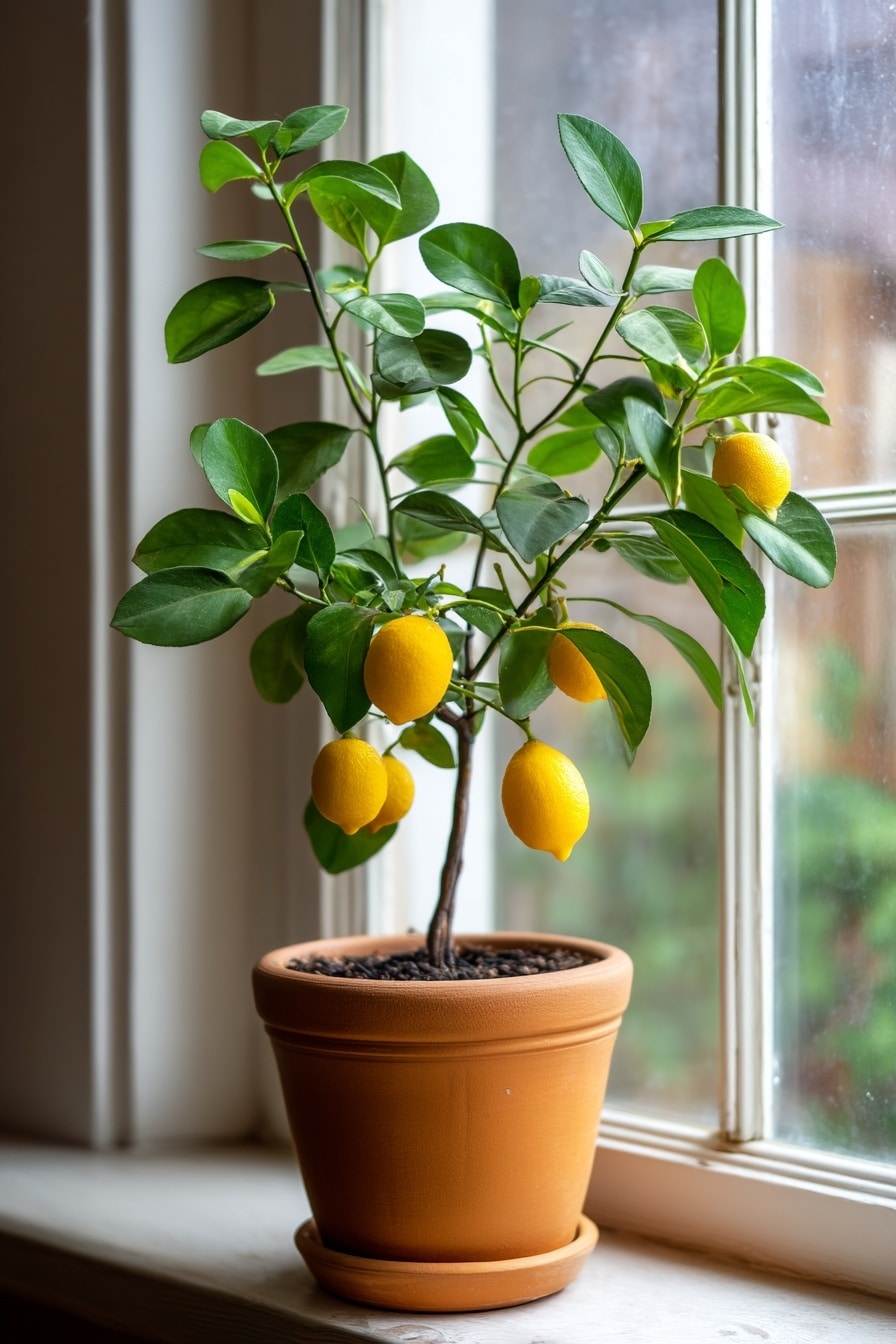
Lemon tree care begins with the right knowledge and a little patience. These bright, cheerful fruit trees are not only beautiful but also highly rewarding, offering fragrant blooms and zesty lemons year-round in the right conditions.
Whether you’re growing your lemon tree in a backyard orchard or keeping it in a sunny pot indoors, the basics of planting, care, and harvesting are straightforward once you understand the essentials. In this guide, we’ll walk through everything you need to know to grow a healthy, productive lemon tree, from climate needs to container gardening tips.
Table of Contents
🌱 1. How to Plant a Lemon Tree

Planting a lemon tree successfully starts with choosing the right location. These citrus trees thrive in warm, frost-free climates, ideally in USDA zones 9 through 11. If you live in a cooler region, you can still grow a lemon tree in a container and bring it indoors during cold months.
Choose a spot with full sun exposure—at least 6 to 8 hours of direct sunlight daily. Shelter from cold winds and frost pockets is also important. For in-ground planting, make sure the site has well-draining soil and is not prone to waterlogging.
Dig a hole slightly larger than the root ball, gently tease out the roots, and plant the tree at the same depth it was in the pot. Water thoroughly after planting, and mulch lightly to retain moisture.
🌿 2. Basic Lemon Tree Care
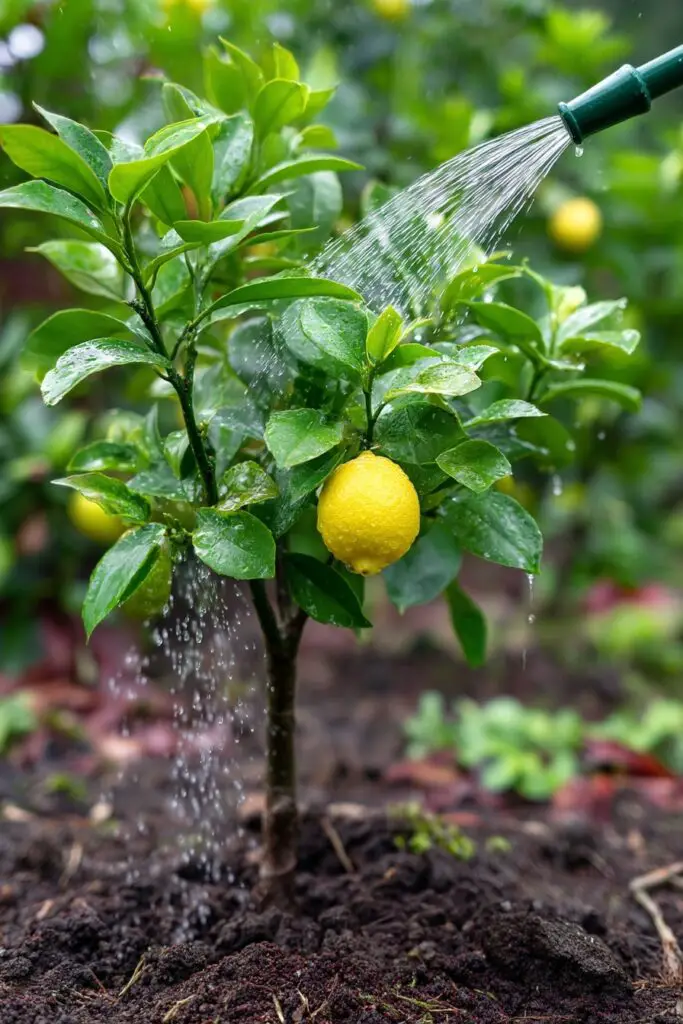
Once your lemon tree is planted, ongoing care is key to strong growth and consistent fruiting. The good news? Lemon trees are relatively low-maintenance compared to other fruit trees.
💧 Watering
During the growing season, water your tree deeply and regularly, especially in hot weather. Young trees need more frequent watering until their root systems are established. Avoid overwatering, as soggy soil can lead to root rot.
🌾 Fertilizing
Lemon trees are heavy feeders, particularly for nitrogen. Use a citrus-specific fertilizer or one labeled high in nitrogen (look for NPK ratios like 6-3-3). Fertilize every 4 to 6 weeks during spring and summer. Reduce feeding in fall, and avoid fertilizing in winter.
✂️ Pruning
Pruning is minimal—mainly for shape, airflow, and removing dead or crossing branches. We’ll dive deeper into pruning techniques later in the article.
When cared for properly, a lemon tree will reward you with lush foliage, fragrant blooms, and juicy fruit.
☀️ 3. Water & Light Requirements
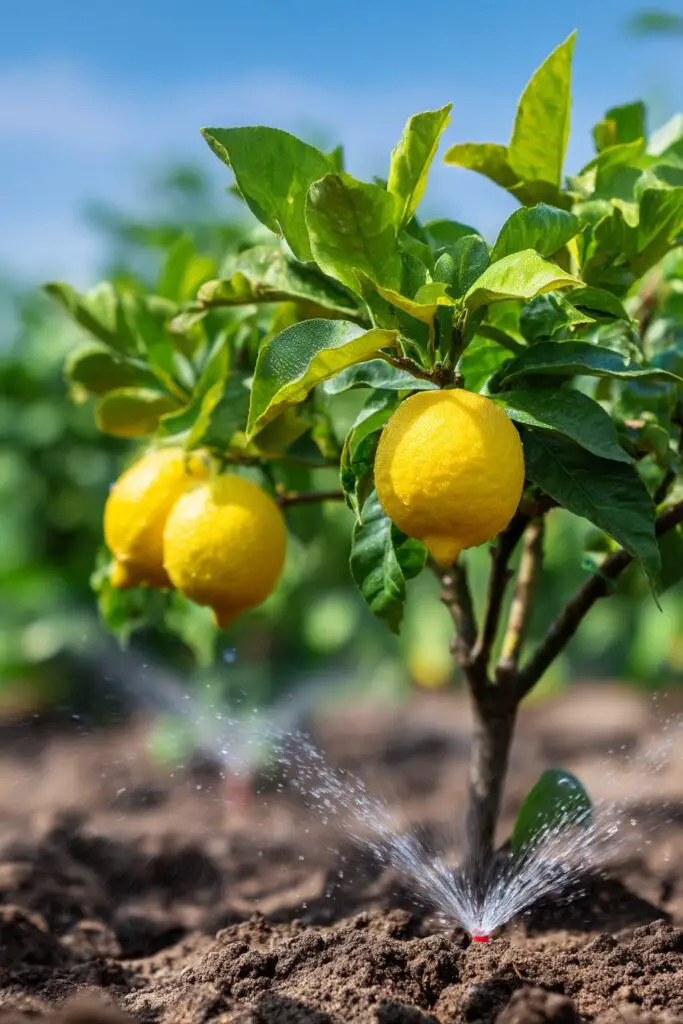
Proper sunlight and watering routines are essential for a healthy lemon tree. These two factors have a direct impact on how well your tree grows, flowers, and fruits.
☀️ Sunlight Needs
Lemon trees are sun lovers. For optimal fruit production, they need at least 6–8 hours of direct sunlight daily. If you’re growing your tree indoors or in a container, place it near a south-facing window, or use a grow light to supplement during darker months.
Without adequate light, lemon trees may grow leggy, bloom less, or drop their leaves.
💧 Watering Tips
Lemon trees prefer consistent moisture but dislike soggy conditions. Water when the top 1–2 inches of soil feel dry. Deep watering is best—allow the moisture to soak down to the roots.
In containers, make sure your pot has excellent drainage. Never let the tree sit in standing water, as this invites disease and root problems.
Getting these basics right ensures your lemon tree stays vibrant and productive year-round.
🌱 4. Soil & Fertilizer Needs

The right soil and nutrition are crucial for a thriving lemon tree. Citrus trees are particular about their growing medium, and giving them what they need early on will pay off in healthy growth and juicy fruit.
🌍 Ideal Soil Conditions
Lemon trees grow best in fertile, well-draining soil with a slightly acidic pH between 5.5 and 6.5. If your soil is heavy clay or prone to holding water, amend it with compost, sand, or perlite to improve drainage. Raised beds or containers are a great option in poor-soil areas.
For potted lemon trees, use a citrus-specific potting mix or a blend of peat, bark, and perlite to create a loose, breathable growing environment.
🌾 Fertilizer Schedule
Lemon trees are nutrient-hungry, especially during their active growing season. Apply a nitrogen-rich fertilizer every 4–6 weeks from early spring through late summer. Look for citrus formulas with added micronutrients like magnesium and iron.
Avoid over-fertilizing in the fall and never fertilize in winter, as this can encourage weak growth when the plant should be resting.
✂️ 5. Pruning Lemon Trees
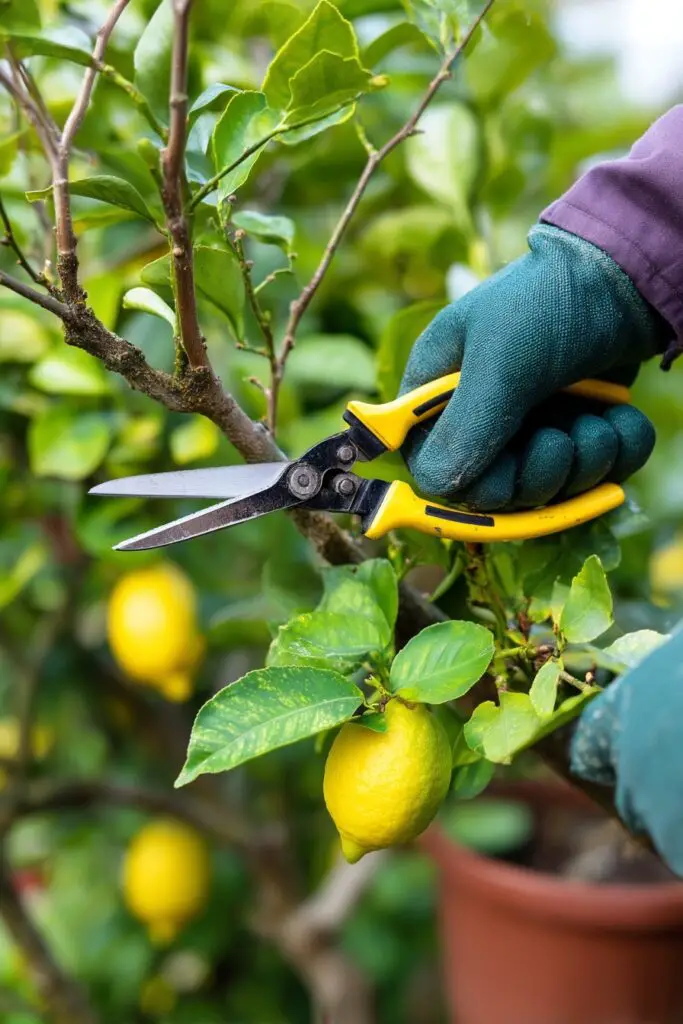
Pruning your lemon tree helps maintain its shape, encourages airflow, and supports healthy fruit development. While lemon trees don’t need heavy pruning, a little regular maintenance goes a long way.
🌿 When to Prune
The best time to prune is late winter to early spring, just before new growth begins. Avoid pruning in fall or during extreme heat or cold, as it can stress the tree.
✂️ What to Remove
- Suckers: Remove any shoots growing below the graft union at the base of the tree.
- Water sprouts: These fast-growing vertical shoots compete with fruiting branches.
- Crossing or crowded branches: Improve airflow by thinning areas that look cluttered.
- Dead, damaged, or diseased wood: Always cut back to healthy tissue.
You can also remove branches touching the ground or any that prevent sunlight from reaching the inner canopy.
Regular, light pruning helps your lemon tree stay balanced, productive, and easy to manage.
🌱 6. Propagating Lemon Trees
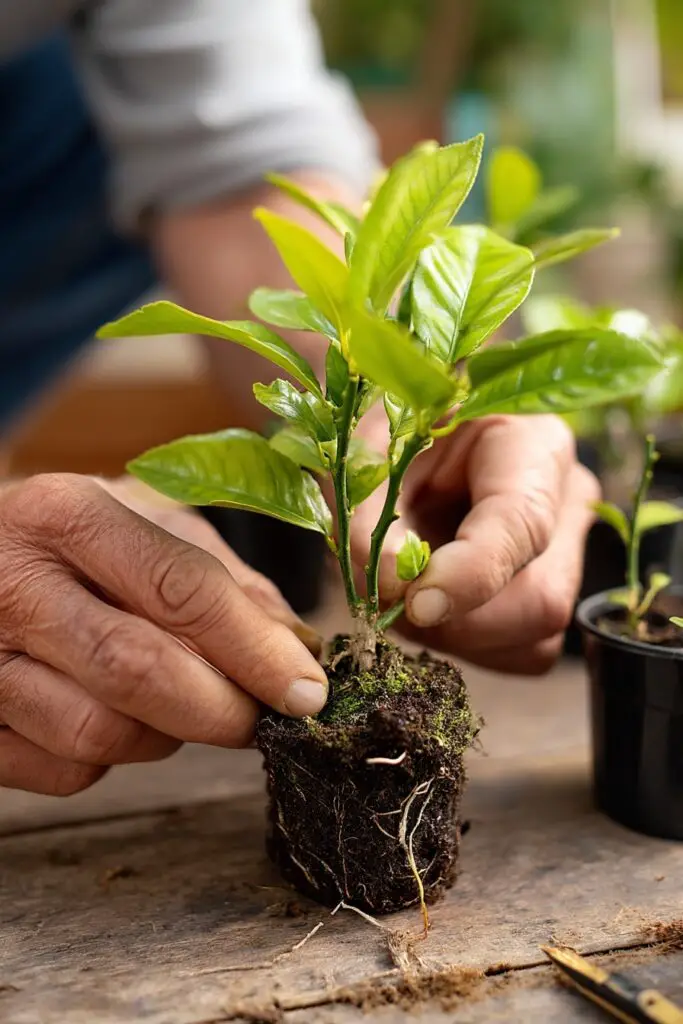
If you love your current lemon tree, you might be tempted to grow another just like it. Fortunately, there are a few ways to propagate lemon trees—though not all methods yield identical results.
🌳 Grafting and Budding
The most reliable method is grafting or budding onto a hardy citrus rootstock. This ensures a tree that’s true to type, meaning it will produce the same quality fruit as the parent tree. Most nursery-bought lemon trees are propagated this way to ensure uniformity and vigor.
🌱 Growing from Seed
You can also grow lemon trees from seeds, but there’s a catch: the resulting tree won’t be identical to the parent, and it may take 5–10 years to produce fruit—if at all. Still, it’s a fun project, especially for indoor growers or hobbyists.
If you try seed propagation:
- Use fresh seeds from an organic lemon
- Rinse and dry them before planting
- Be patient—germination can take weeks
🐛 7. Common Pests & Diseases
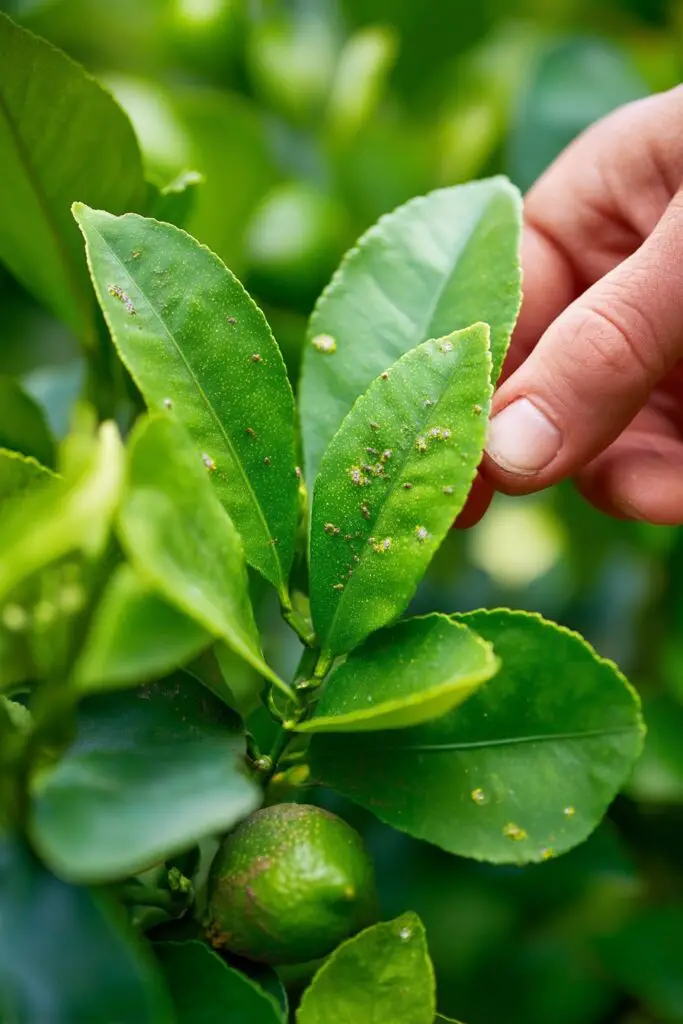
Like many fruit trees, the lemon tree can be vulnerable to a variety of pests and diseases. Early detection and prevention are key to keeping your tree healthy and productive.
🐞 Common Pests
Watch for these frequent intruders:
- Mealybugs – White, cottony pests that cluster on leaves and stems
- Citrus leafminers – Larvae that tunnel through young leaves, causing curling
- Aphids – Tiny insects that suck sap and attract ants
- Scale insects – Hard or soft bumps that weaken the tree over time
- Spider mites – Microscopic pests that cause stippling and webbing
Use neem oil, insecticidal soap, or a strong stream of water to remove most infestations naturally. Always inspect new plants before introducing them near your lemon tree.
🍂 Common Diseases
Be aware of these common issues:
- Citrus canker – Bacterial infection causing raised, corky lesions
- Sooty mold – A black fungus that grows on honeydew left by pests
- Anthracnose – Fungal disease that causes leaf and fruit drop
- Lemon scab – Produces raised, wart-like spots on fruit and stems
Good air circulation, clean pruning practices, and avoiding overhead watering can help prevent most disease issues.
🍋 8. Harvesting Lemons
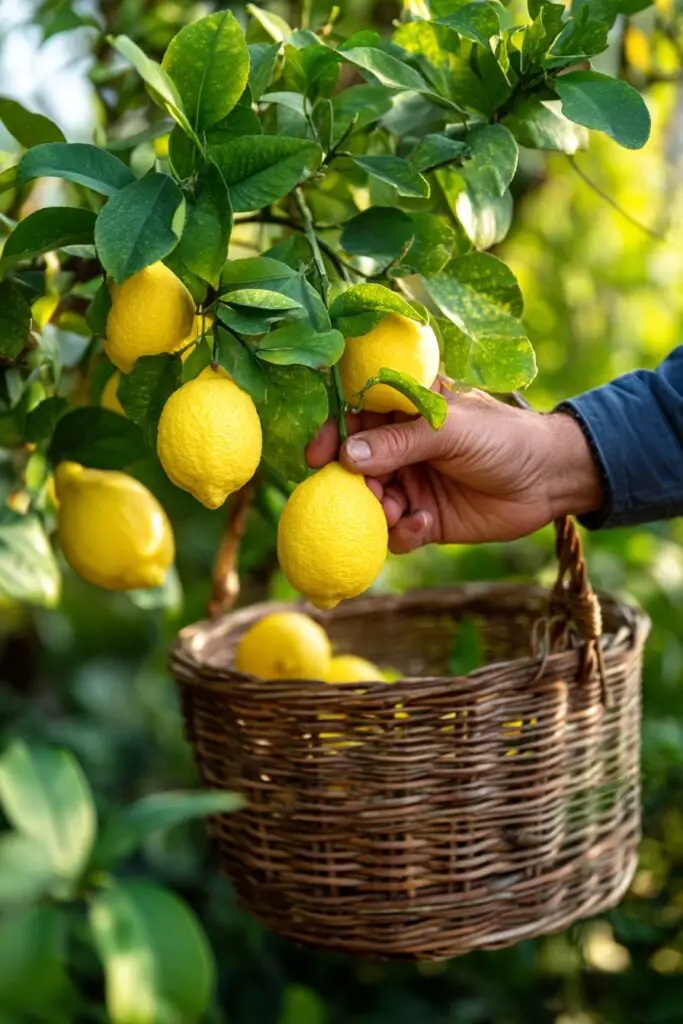
Knowing when and how to harvest your lemon tree‘s fruit is just as important as growing it. Picking lemons at the right time ensures the best flavor, texture, and juiciness.
🟡 When Are Lemons Ready?
Lemons don’t ripen once picked, so it’s essential to wait until they’re fully mature on the tree. Look for:
- Full yellow color (some varieties may still show slight green near the stem)
- Firmness with a slight give
- Size of 2–3 inches in diameter, depending on the variety
If the fruit is still hard or overly green, leave it on the tree a bit longer. In warmer climates, lemons may be harvested several times a year.
✂️ How to Harvest
Use garden shears or hand-prune to cut the fruit off, leaving a short stem. This prevents tearing the branch or damaging nearby fruit.
Handle harvested lemons gently, and store them at cool room temperature or in the fridge for longer freshness.
🏡 9. Growing a Lemon Tree Indoors

If you live in a region colder than USDA Zone 9, you can still enjoy fresh lemons by growing a lemon tree indoors. With the right setup, container-grown citrus can thrive and even produce fruit year-round.
🪴 Container Setup
Choose a large pot with good drainage holes. Use a slightly acidic, well-draining potting mix—preferably one made for citrus or cacti. A container that’s too small can stunt growth, so repot as needed every 2–3 years.
Place your lemon tree in a south-facing window where it gets at least 6–8 hours of sunlight daily. If natural light is limited, supplement with full-spectrum grow lights.
🌡️ Indoor Climate
Lemon trees prefer indoor temperatures of 65–75°F during the day and no lower than 50–55°F at night. Avoid placing your tree near drafts, radiators, or heat vents.
💦 Water & Humidity
Water when the top inch of soil is dry, and keep humidity moderate to high. Indoor air can be dry—use a humidifier or place a water tray near the plant to increase moisture.
🌳 10. Popular Lemon Tree Varieties
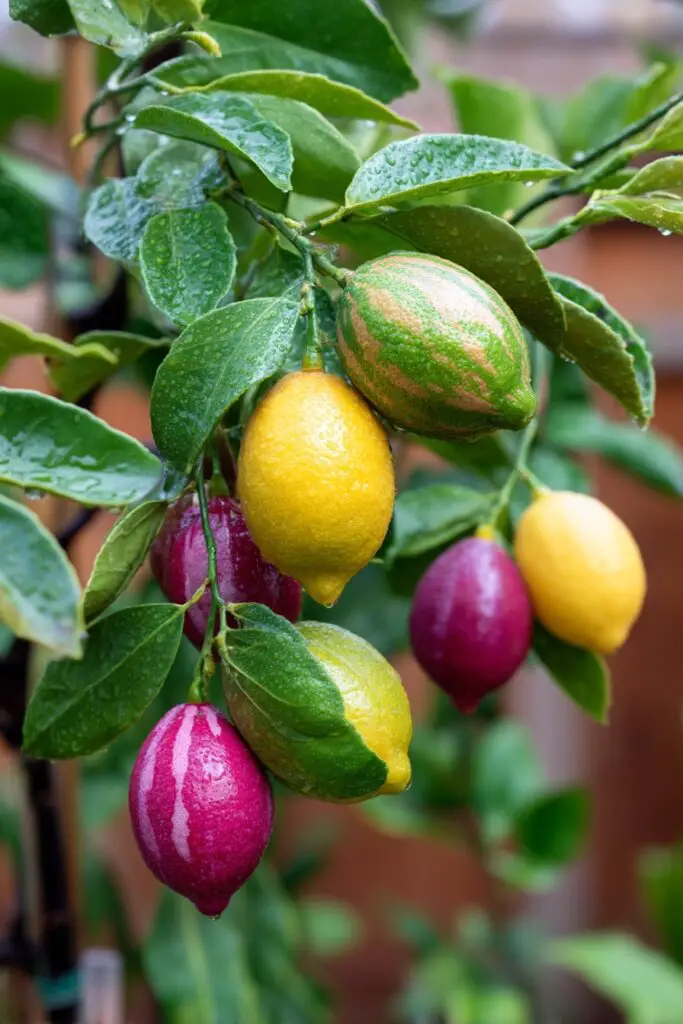
Choosing the right variety is an important part of successful lemon tree care. Different types offer different fruit flavors, growth habits, and cold tolerances—so it’s worth selecting one that fits your needs and climate.
🍋 Eureka Lemon
This is one of the most common varieties found in grocery stores. Eureka trees are vigorous, productive, and typically fruit year-round in warm climates. They’re great for outdoor planting in USDA zones 9–11.
🌿 Pink Variegated Eureka
A stunning twist on the classic Eureka, this variety features striped green-and-cream leaves and lemons with a pink blush. It’s slightly less cold-hardy but offers striking visual appeal in the garden or on the patio.
🌞 Improved Meyer Lemon
This popular favorite is actually a hybrid between a lemon and a mandarin. Meyer lemons are sweeter and less acidic, making them ideal for culinary use. They’re also more cold-tolerant, surviving down to the low 20s (°F), and they grow beautifully in containers.
Whichever variety you choose, be sure it fits your space, climate, and taste preferences for the best results.
✅ Conclusion
Caring for a lemon tree is one of the most rewarding gardening experiences, whether you’re growing it in a sun-soaked backyard or a bright indoor space. With proper planting, regular watering, the right soil, and a bit of pruning, your lemon tree will reward you with fragrant blossoms and tangy fruit for years to come.
From choosing the right variety to understanding indoor care, each step plays a part in your tree’s long-term success. Stay consistent, stay patient—and enjoy the fruits of your labor.