
Companion planting is one of the simplest and most effective ways to create a healthy, productive garden. When done alongside crop rotation, it can dramatically improve soil health, reduce pests naturally, and boost your harvest—without relying on chemicals. In 2024, with more gardeners turning to sustainable practices, understanding how plants support one another is more important than ever.
These two time-tested methods work together to create a balanced garden ecosystem. By rotating crops and pairing them with the right plant neighbors, you’ll keep your soil rich, attract beneficial insects, and help prevent disease outbreaks before they start.
In this guide, we’ll show you how to combine companion planting and crop rotation with clear steps, proven plant pairings, and beginner-friendly tips for long-term success.
Table of Contents
Creating a Rotation Plan

Building a crop rotation plan doesn’t have to be complicated—even in a small garden. The key is to think in plant families and keep each one moving to a new spot every year. Pair that with companion planting, and you’ll have a garden that’s both productive and resilient.
Step-by-Step Crop Rotation
- Divide your garden into zones
Whether you have raised beds or pots, break your growing space into 3–4 areas or groups. - Group plants by family
For example:- Zone 1: Tomatoes, peppers (Nightshades)
- Zone 2: Beans, peas (Legumes)
- Zone 3: Cabbage, kale (Brassicas)
- Zone 4: Carrots, onions (Root crops/Alliums)
- Rotate each group yearly
Shift each plant family to a new zone the next season. Avoid repeating the same family in one spot for at least three years. - Use legumes to reset your soil
Plant legumes before heavy feeders. They enrich the soil with nitrogen, setting the stage for nutrient-hungry crops like tomatoes or broccoli.
Example 3-Year Rotation Plan with Companion Plants
- Year 1: Tomatoes + basil
- Year 2: Beans + dill
- Year 3: Carrots + chives
This rotation helps manage soil nutrients while companion plants improve flavor, repel pests, and attract pollinators.
Companion Planting Basics
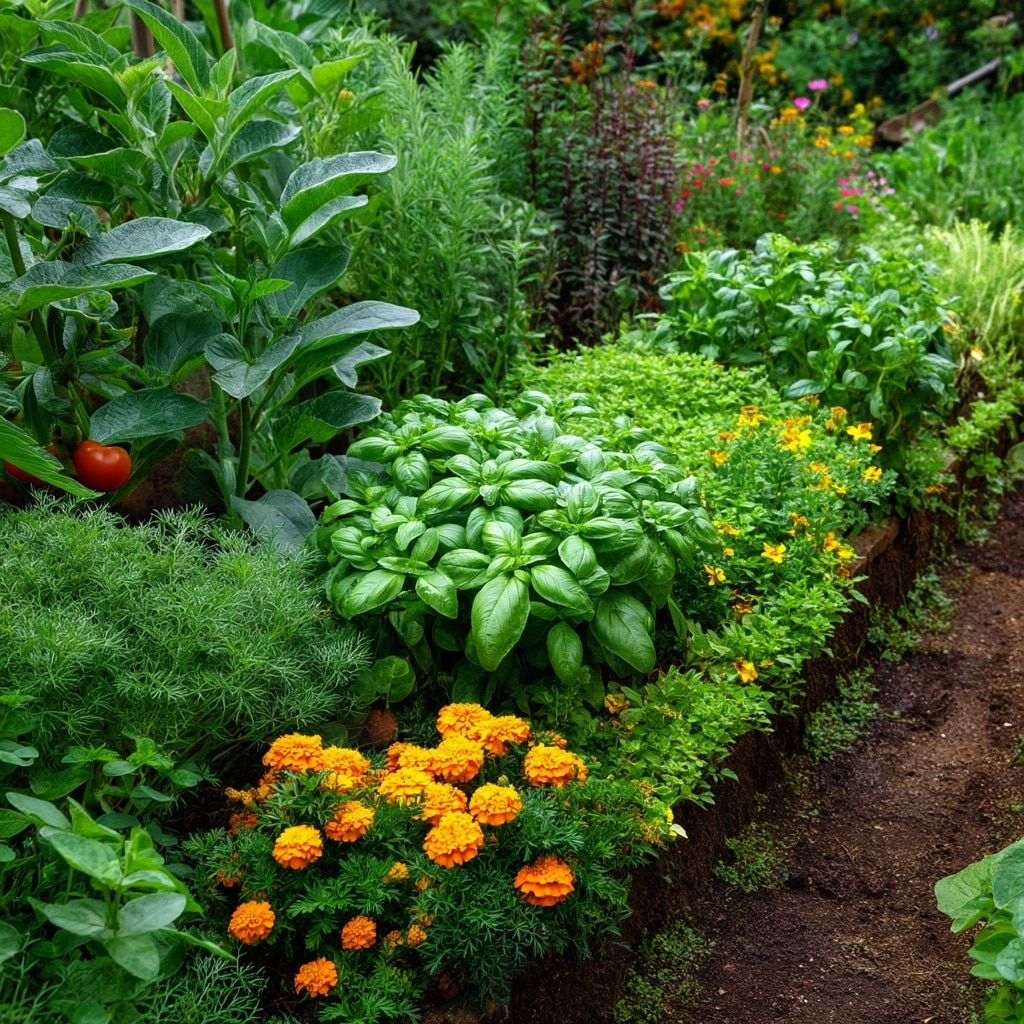
Companion planting is about creating plant partnerships that benefit each other. Some plants repel pests, others improve flavor, and many attract pollinators or beneficial insects. When combined with crop rotation, companion planting turns your garden into a living system where plants support and protect one another.
This method doesn’t require fancy tools or expert knowledge—it’s all about observation, planning, and working with nature instead of against it.
How Companion Planting Works
- Pest Control: Certain plants give off scents or compounds that repel harmful insects. For example, basil wards off whiteflies and aphids.
- Pollination Support: Flowers like borage and nasturtium attract bees and butterflies that increase fruit production.
- Space Efficiency: Pairing tall and low-growing plants allows you to fit more in less space.
- Flavor Boosting: Some herbs like basil and dill enhance the taste of nearby vegetables.
Bad Plant Pairings to Avoid
Just like good neighbors, some plants don’t get along. Here are a few combinations to skip:
- Fennel: Avoid planting it near almost anything—it tends to stunt growth.
- Onions and beans: These don’t thrive together and can compete for nutrients.
When you plan your garden with these dynamics in mind, you create a natural balance that reduces the need for pesticides and boosts plant health overall.
Top Companion Plant Pairings
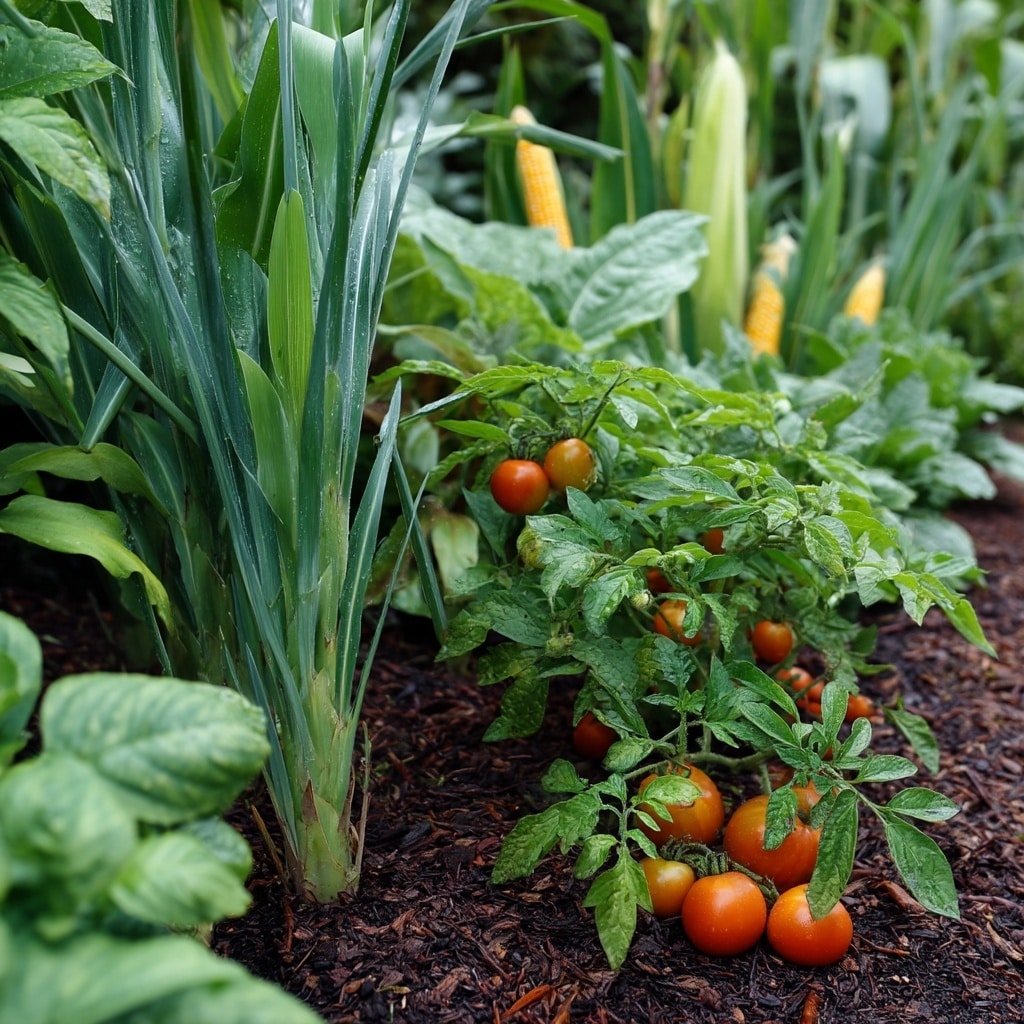
To make the most of companion planting, it helps to know which pairings consistently deliver better growth, fewer pests, and tastier harvests. These classic combinations have stood the test of time—and they’re easy to apply in any garden, from backyard beds to balcony containers.
🌿 Tomatoes + Basil
This duo is more than just a kitchen classic. Basil helps repel whiteflies, aphids, and hornworms, while enhancing the flavor of ripe tomatoes. Planting them together also improves tomato yield and health.
🌽 Corn + Beans + Squash (The “Three Sisters”)
A traditional Native American method, this trio thrives on teamwork:
- Corn provides a natural trellis for climbing beans.
- Beans fix nitrogen into the soil, feeding both partners.
- Squash spreads along the ground, acting as a living mulch to suppress weeds and retain moisture.
🥕 Carrots + Leeks
These root crops are the perfect pest-fighting pair. Leeks deter carrot flies, while carrots help repel leek moths and onion flies. They also don’t compete for space, making them easy to grow side by side.
🥒 Cucumbers + Radishes
Planting radishes near cucumbers helps reduce cucumber beetle damage. Radishes act as a natural trap crop, luring pests away from your cukes.
🍓 Strawberries + Borage
Borage attracts pollinators and improves the flavor and health of strawberries. Its bright blue flowers also make the garden look beautiful while deterring harmful insects.
These combinations not only reduce the need for synthetic sprays—they also encourage more resilient plant growth and a more productive garden season after season.
Garden Setup & Maintenance
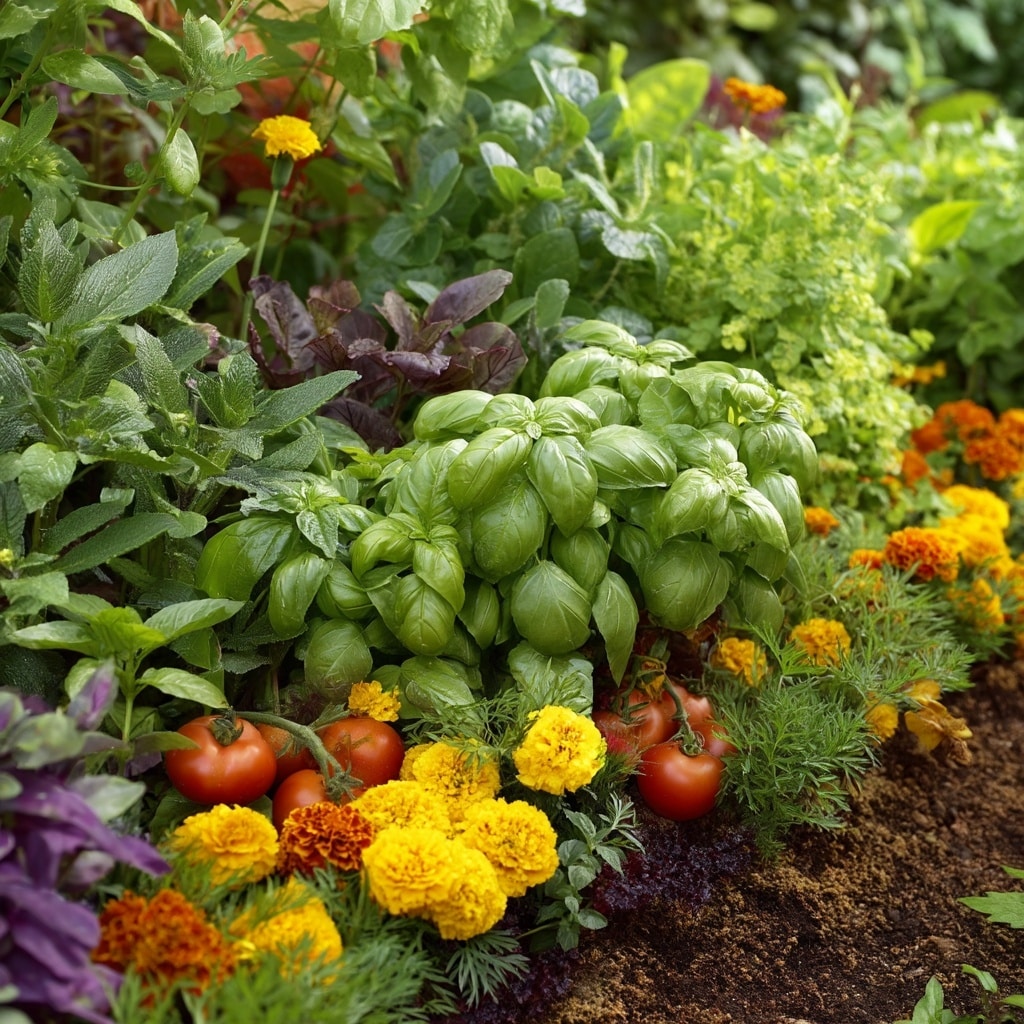
Successful companion planting begins with thoughtful planning and healthy soil. By preparing your garden with care and maintaining it properly, you’ll create a space where plant partnerships thrive—and pests and diseases have a harder time gaining ground.
Preparing Your Garden Beds
- Start with rich soil: Add 2–3 inches of compost before planting to boost nutrients and improve structure.
- Group by plant families: Keep similar crops together to make crop rotation easier year to year.
- Design for rotation: Avoid planting the same family in the same spot for at least three seasons to reduce soil fatigue and pest buildup.
Watering Wisely
- Water early in the morning to reduce disease risk and give plants time to absorb moisture before heat kicks in.
- Avoid overhead watering; use drip irrigation or water directly at the base to minimize fungal problems like mildew.
- Consistent moisture is key—many plant pairings thrive when soil conditions stay stable.
Example 3-Year Garden Plan
Here’s a simple crop and companion planting cycle:
- Year 1: Tomatoes + basil
- Year 2: Beans + dill
- Year 3: Carrots + chives
Rotate these pairings across zones to maintain soil health while optimizing plant support and pest control.
Common Mistakes to Avoid
- Bad pairings: Keep incompatible plants (like beans and onions) apart.
- Skipping rotation: Repeating crops in the same spot leads to soil depletion and pest problems.
- Ignoring soil condition: Don’t guess—test your soil if growth seems poor or inconsistent.
When you combine careful setup with smart companion choices, your garden becomes easier to manage and much more productive.
Advanced Tips & Environmental Benefits

Once you’ve mastered the basics of companion planting and crop rotation, there are even more ways to get the most out of your garden. These methods not only increase productivity, but also help build a more sustainable and resilient growing system.
Succession Planting: Double Your Harvest
Succession planting allows you to grow multiple crops in the same space throughout the season.
- Spring: Start with fast-growing cool-weather crops like spinach, radishes, or peas.
- Summer: Replace with heat-loving vegetables like tomatoes, cucumbers, or peppers.
Pairing compatible plants in succession keeps the soil active, reduces weed pressure, and discourages pests from settling in one spot long-term.
💡 Tip: Combine this with companion plants like marigolds or nasturtiums to save space and boost natural pest control.
Companion Planting Supports the Ecosystem
Smart planting choices do more than help your crops—they create a healthier environment, too.
- Natural Pest Control: Flowers like dill and borage attract beneficial insects such as ladybugs, lacewings, and pollinators that help manage pests without chemicals.
- Soil Enrichment: Legumes like beans and peas add nitrogen to the soil naturally, reducing the need for synthetic fertilizers.
- Carbon-Rich Soil: Healthy, diverse gardens help build organic matter in the soil, which improves water retention and supports microbial life—key to fighting climate change on a small scale.
By using companion planting to mimic natural ecosystems, your garden becomes more self-sustaining—and far less dependent on artificial inputs.
Conclusion: A Smarter, Healthier Way to Garden

A thriving garden doesn’t require chemicals or complicated systems—just thoughtful planning and a bit of plant teamwork. With companion planting and crop rotation, you’re creating a garden that feeds your soil, deters pests naturally, and supports long-term plant health.
Start small: learn your plant families, rotate them yearly, and match them with natural allies like herbs and flowers. Whether you’re growing in a large backyard or a few raised beds, these methods scale beautifully and work with nature, not against it.
With a little intention, you’ll enjoy bigger harvests, fewer problems, and a more resilient garden that keeps giving back year after year.