
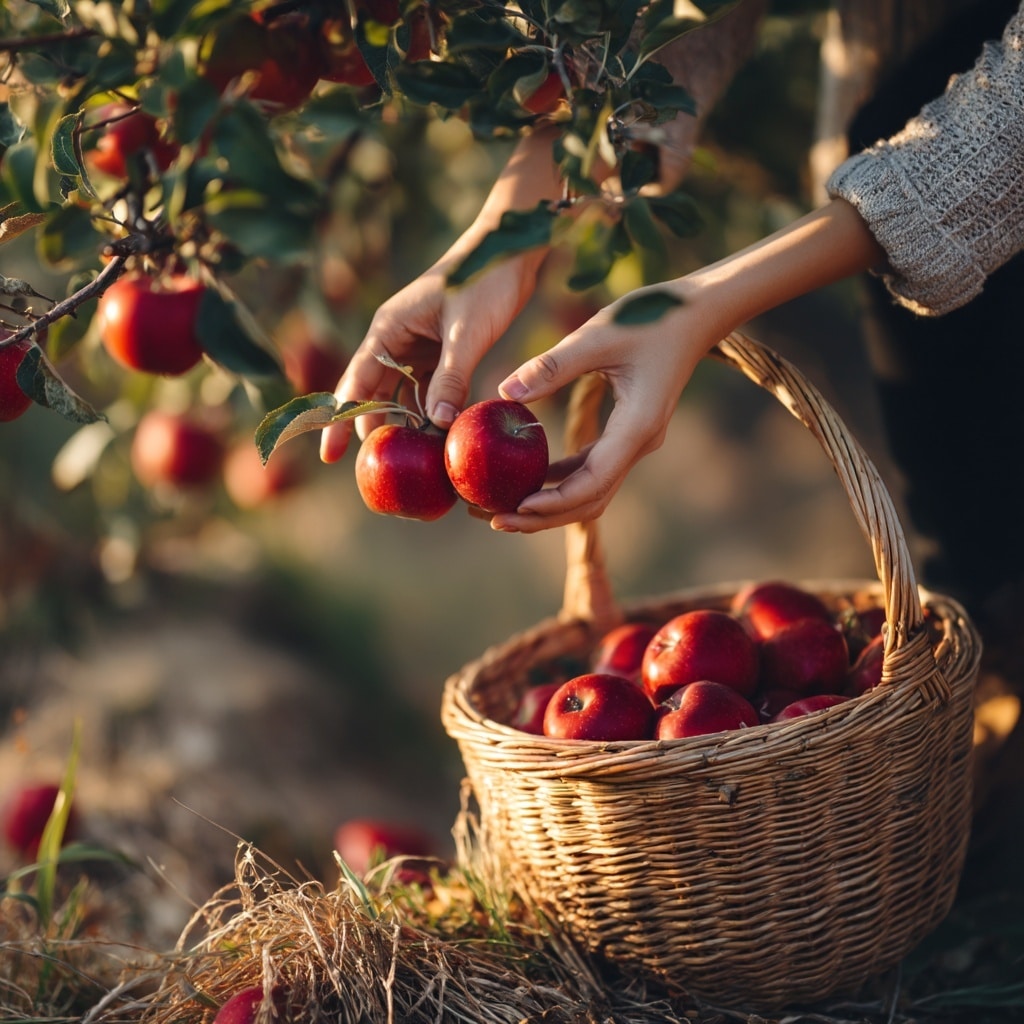
Apple orchard management is a rewarding journey for anyone passionate about fruit cultivation, seasonal harvests, and sustainable farming. Whether you’re planting your first tree or planning to scale an existing setup, running an apple orchard successfully means blending horticultural knowledge with long-term care and strategic decision-making. From selecting the right varieties to understanding soil health, pest control, and marketing, each step plays a vital role in your orchard’s growth and profitability.
In this guide, we’ll walk through the essentials of managing a thriving apple orchard, ensuring that both your apples—and your business—flourish for years to come.
Table of Contents
Understanding Apple Tree Varieties

Choosing the right mix of trees is one of the most important decisions in managing an apple orchard. With hundreds of apple varieties available, selecting cultivars that suit your local climate, soil, and market demand is essential for long-term success.
Classic varieties like Red Delicious and Granny Smith are widely recognized and have consistent demand. But modern favorites like Honeycrisp, Fuji, and Pink Lady often fetch higher prices and attract customers looking for unique flavors and textures.
A healthy orchard usually features a mix of early-, mid-, and late-season apples. This staggered ripening ensures a longer harvest period and keeps fresh apples available throughout the season. Pollination is also a key consideration—many apple trees require cross-pollination, so planting compatible varieties side by side helps boost fruit set and overall yield.
Site Selection and Preparation
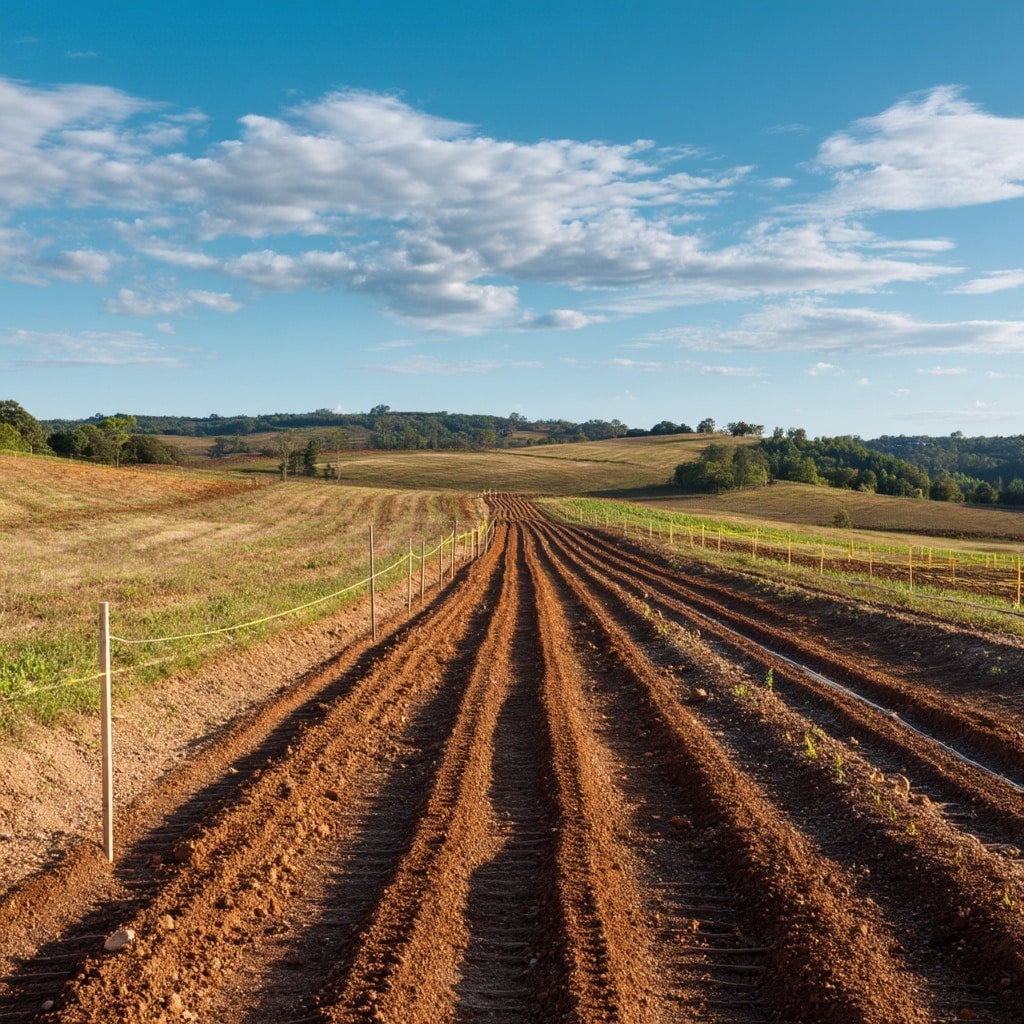
The success of an apple orchard starts with choosing the right location. Ideal orchard sites offer full sun exposure, good air circulation, and soil that drains well while holding adequate moisture. Slightly sloped land is often preferred, as it helps cold air drain away from trees, reducing frost damage during blooming season.
Soil testing is a must before planting. Apple trees thrive in loamy soil with a neutral to slightly acidic pH (around 6.0–6.8). Amending the soil with organic compost and adjusting pH levels before planting ensures young trees have a strong foundation.
Spacing is also crucial. Proper tree spacing allows for airflow, sunlight penetration, and easier access for pruning and harvesting. Whether you’re planting standard or dwarf varieties, planning your orchard layout from the start saves time and headaches later.
Essential Care for Young Apple Trees
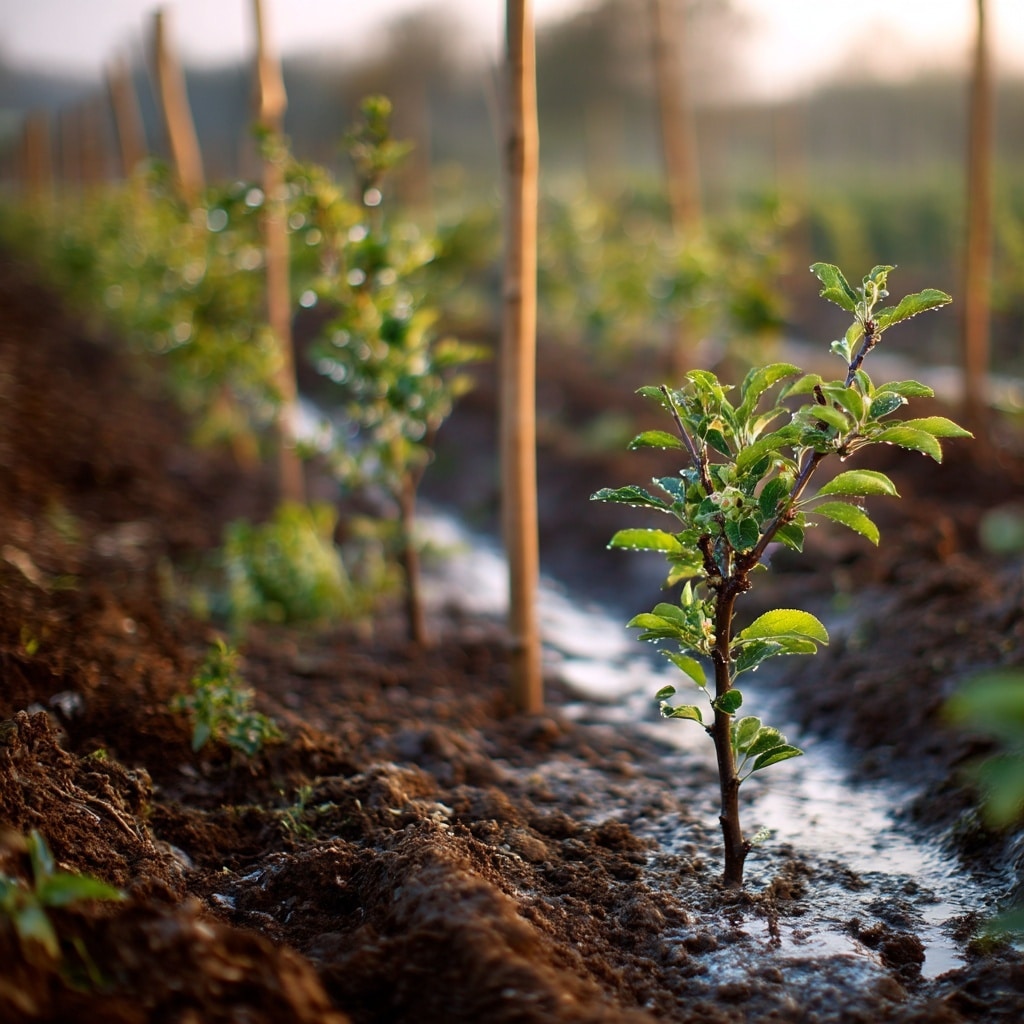
In the early stages of an apple orchard, young trees need close attention to establish strong roots and a healthy structure. Consistent watering is key, especially during dry spells. Newly planted trees should be watered deeply once or twice a week, depending on rainfall and soil type, to encourage root systems to grow downward.
Fertilizing young trees helps them develop faster and more evenly. Use a balanced, slow-release fertilizer designed for fruit trees in the early spring, and avoid overfeeding, which can result in weak growth or poor fruiting later on.
Pruning should begin in the first year. Removing weak or crossing branches shapes the tree for better airflow and sunlight, both of which improve fruit quality in the long term. Early training helps develop a strong central leader and well-spaced lateral branches that can support future harvests.
Fertilization and Soil Management
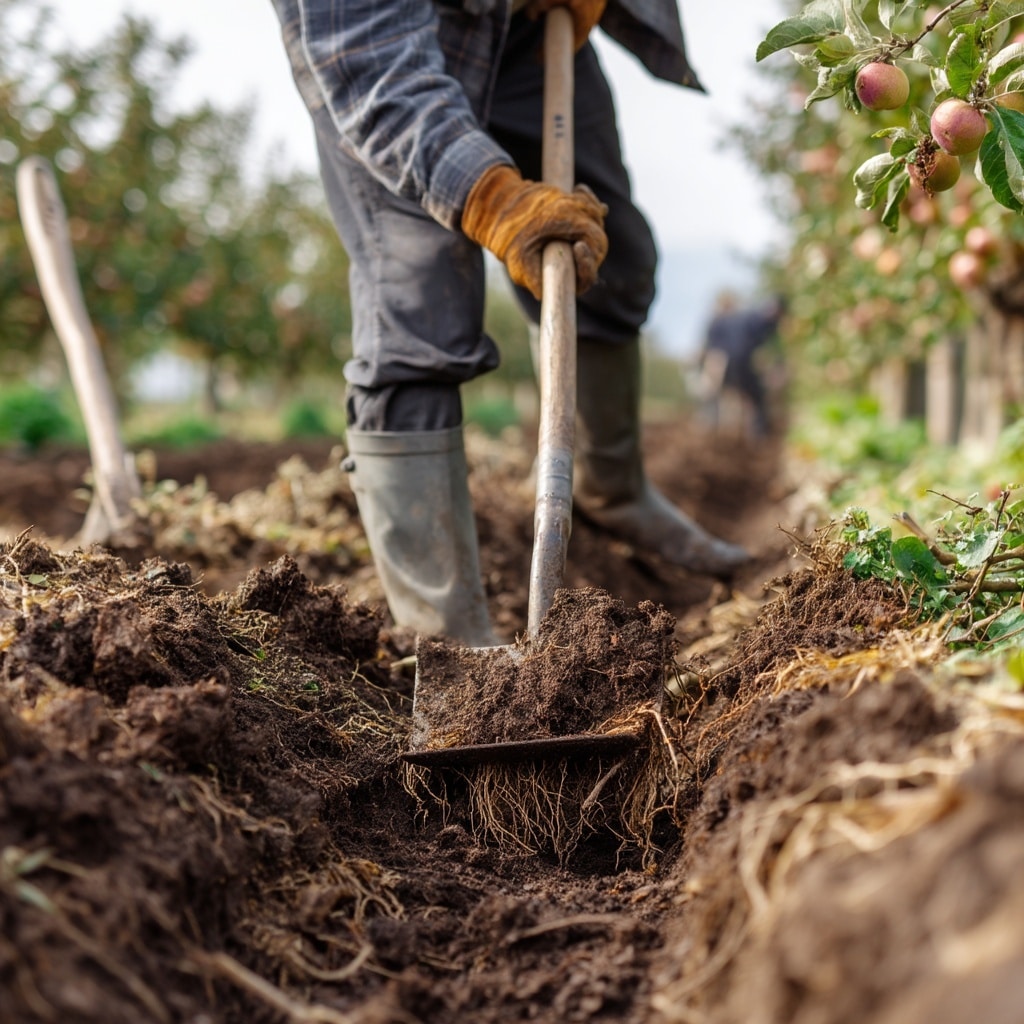
Healthy soil is the backbone of a productive apple orchard. To support vigorous tree growth and high-quality fruit, it’s essential to build a fertilization strategy based on regular soil tests. These tests reveal nutrient levels and guide you in applying the right type and amount of fertilizer at the right time.
Incorporate organic matter like compost, aged manure, or mulch into your soil to improve its structure, boost moisture retention, and increase microbial activity. These natural amendments support long-term fertility and reduce dependence on synthetic inputs.
Nitrogen is especially important during early growth, while potassium and phosphorus help with flowering and fruit development. Apply fertilizers in early spring before new growth begins, and again in early summer if needed. Avoid late-season feeding, which can delay dormancy and expose trees to winter damage.
Good soil management doesn’t just improve yield—it also builds long-term sustainability into your orchard.
Pruning and Training Apple Trees
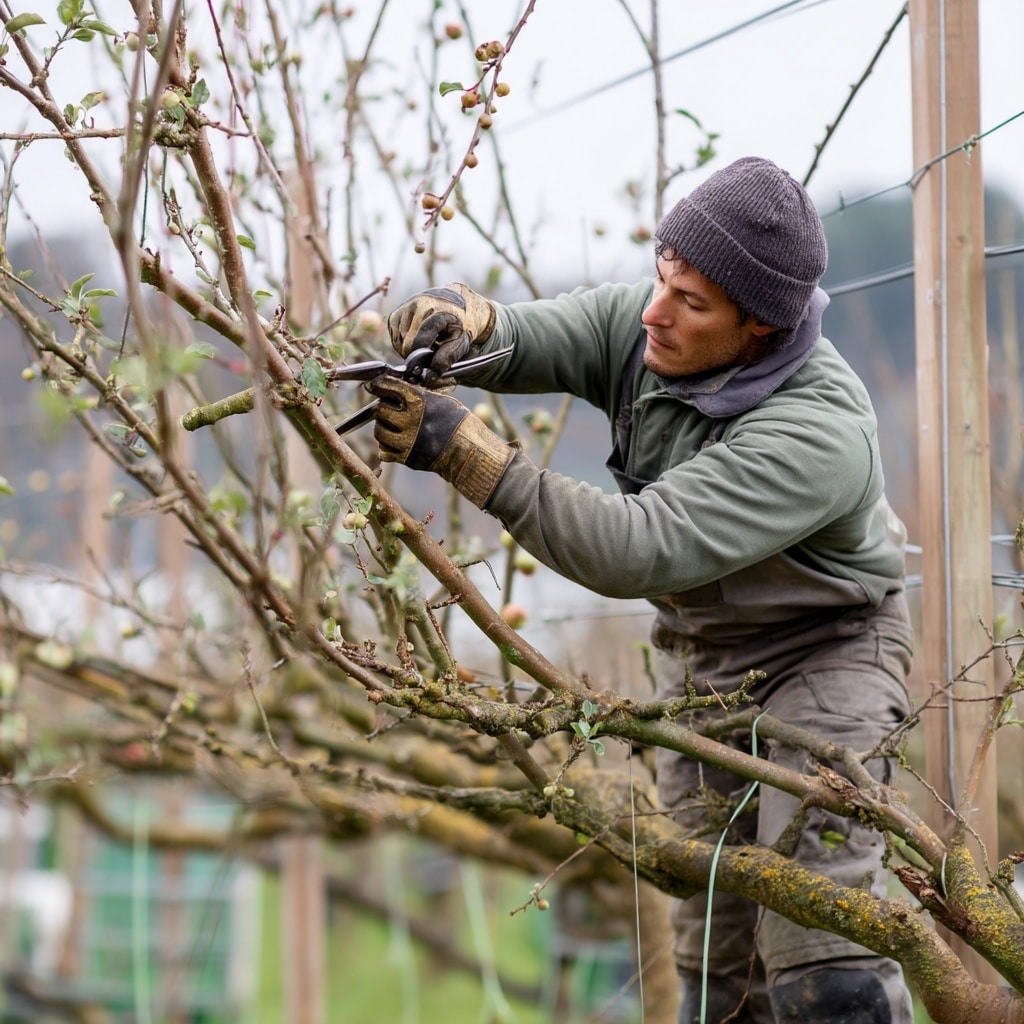
Pruning and training are vital practices for shaping the structure and improving the productivity of your apple orchard. Pruning involves removing dead, diseased, or overcrowded branches to allow sunlight and air to reach the inner canopy. This reduces the risk of fungal infections and promotes even fruit ripening.
Start pruning during the dormant season—typically late winter or early spring—before new growth begins. Use clean, sharp tools and aim to create an open, balanced shape that allows light to penetrate all parts of the tree.
Training, meanwhile, guides the natural growth of young trees. Whether you’re using stakes, trellises, or support wires, the goal is to develop a strong central leader with evenly spaced lateral branches. Properly trained trees are more stable, easier to harvest, and better able to support heavy fruit loads.
Together, pruning and training boost fruit quality, simplify orchard maintenance, and extend tree longevity.
Pest and Disease Management
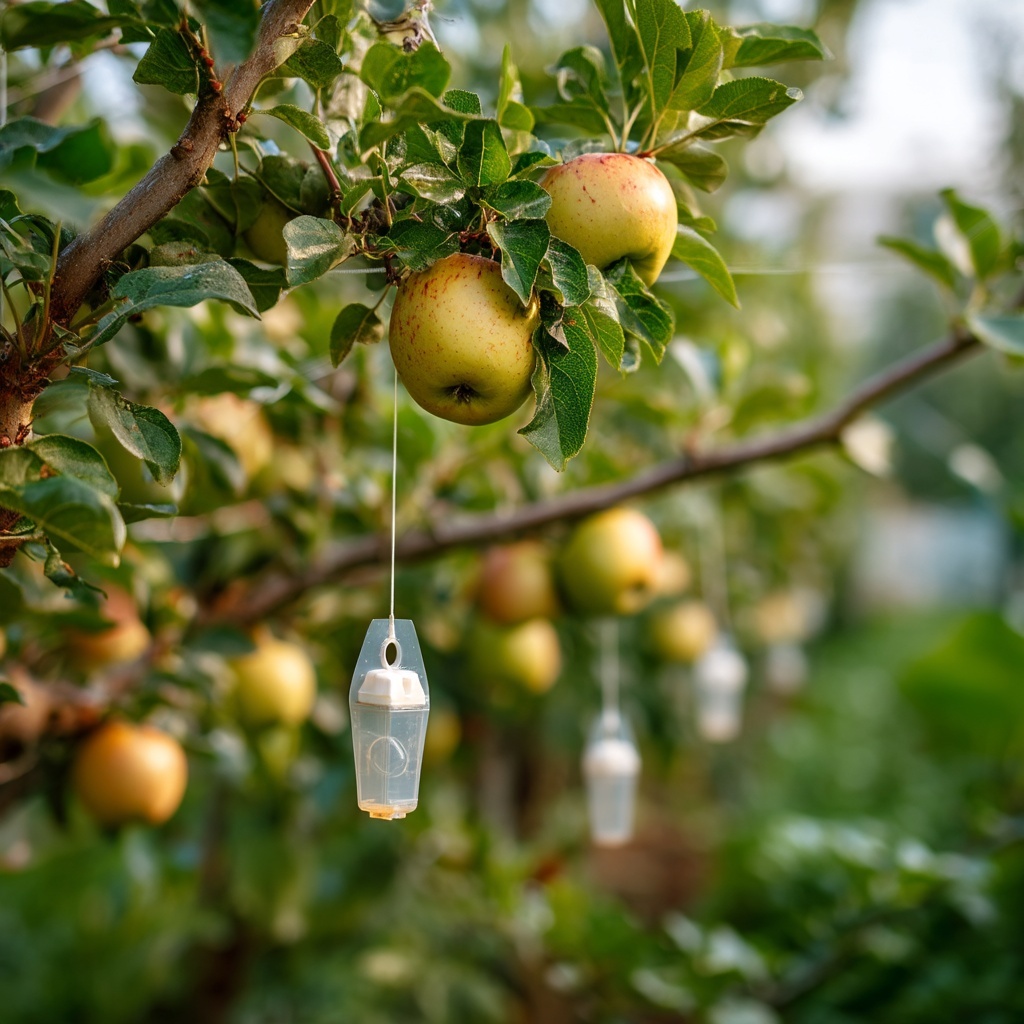
Keeping pests and diseases under control is one of the most ongoing challenges in any apple orchard. Common threats include apple scab, fire blight, codling moths, and apple maggots—all of which can severely impact fruit quality and yield if not managed properly.
An integrated approach works best. Begin with prevention: select disease-resistant apple varieties, maintain good air circulation through pruning, and remove fallen fruit and leaves that may harbor pests. Regular inspections help catch problems early, when they’re easiest to treat.
While chemical sprays may be needed at specific times, many orchardists now rely on eco-friendly methods like pheromone traps, beneficial insects (such as ladybugs and lacewings), and organic fungicides. Always apply treatments during the correct stage of a pest’s life cycle for maximum effectiveness.
Consistency and observation are key. A proactive strategy minimizes damage while preserving the health of your trees and the surrounding environment.
Harvesting Your Apples
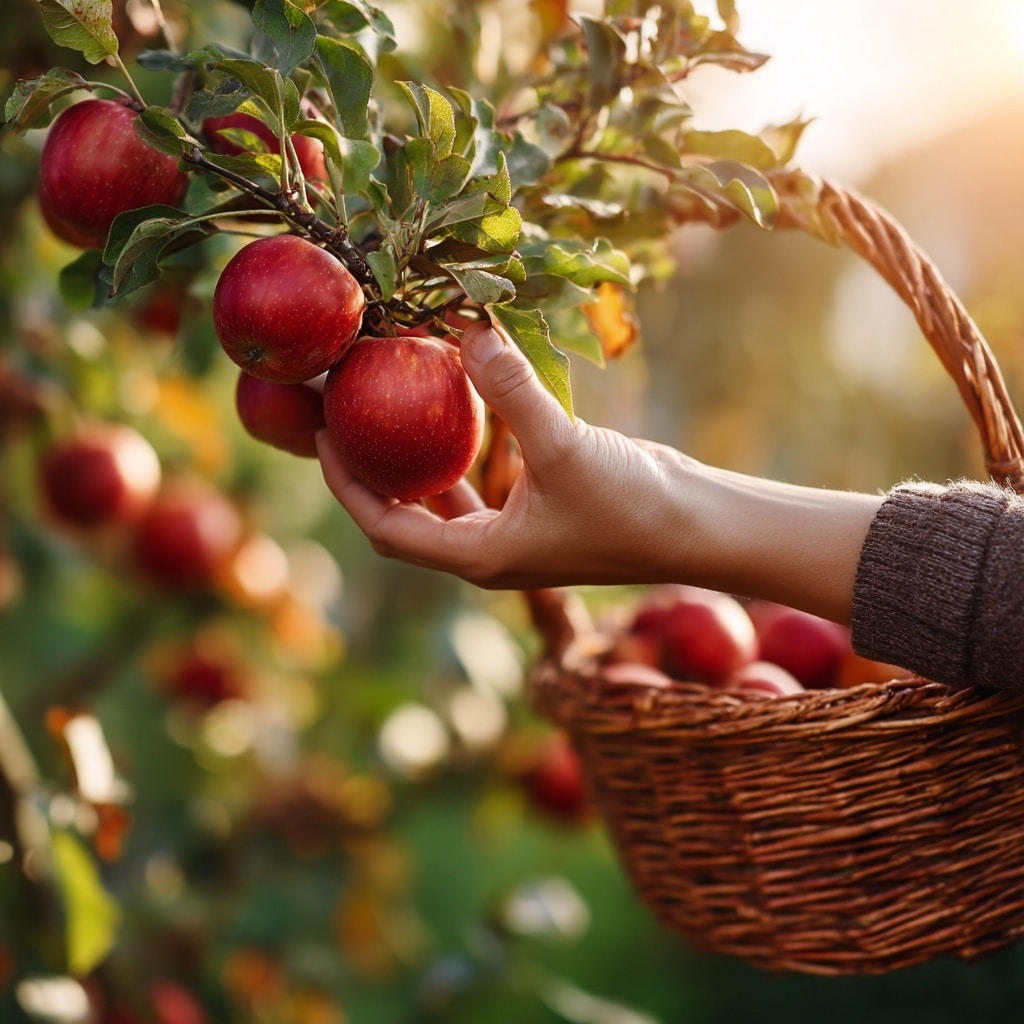
Harvest season is the most anticipated time in any apple orchard, marking the reward for months of care and attention. But timing is everything—picking apples too early can result in bland flavors, while picking too late can lead to overripe, mealy fruit.
Each apple variety has its own ripening window, typically between late summer and late autumn. To determine ripeness, check for changes in skin color, firmness, and seed color (mature seeds are usually dark brown). Taste-testing a few apples is also a reliable way to judge readiness.
Harvest apples by hand, lifting and gently twisting them off the branch to avoid bruising. Use shallow, padded containers to prevent damage during collection. It’s labor-intensive, but hand-picking preserves fruit quality and helps ensure every apple meets your standards.
A successful harvest doesn’t just mean quantity—it’s about delivering apples that are fresh, flavorful, and ready for market or table.
Post-Harvest Handling and Storage
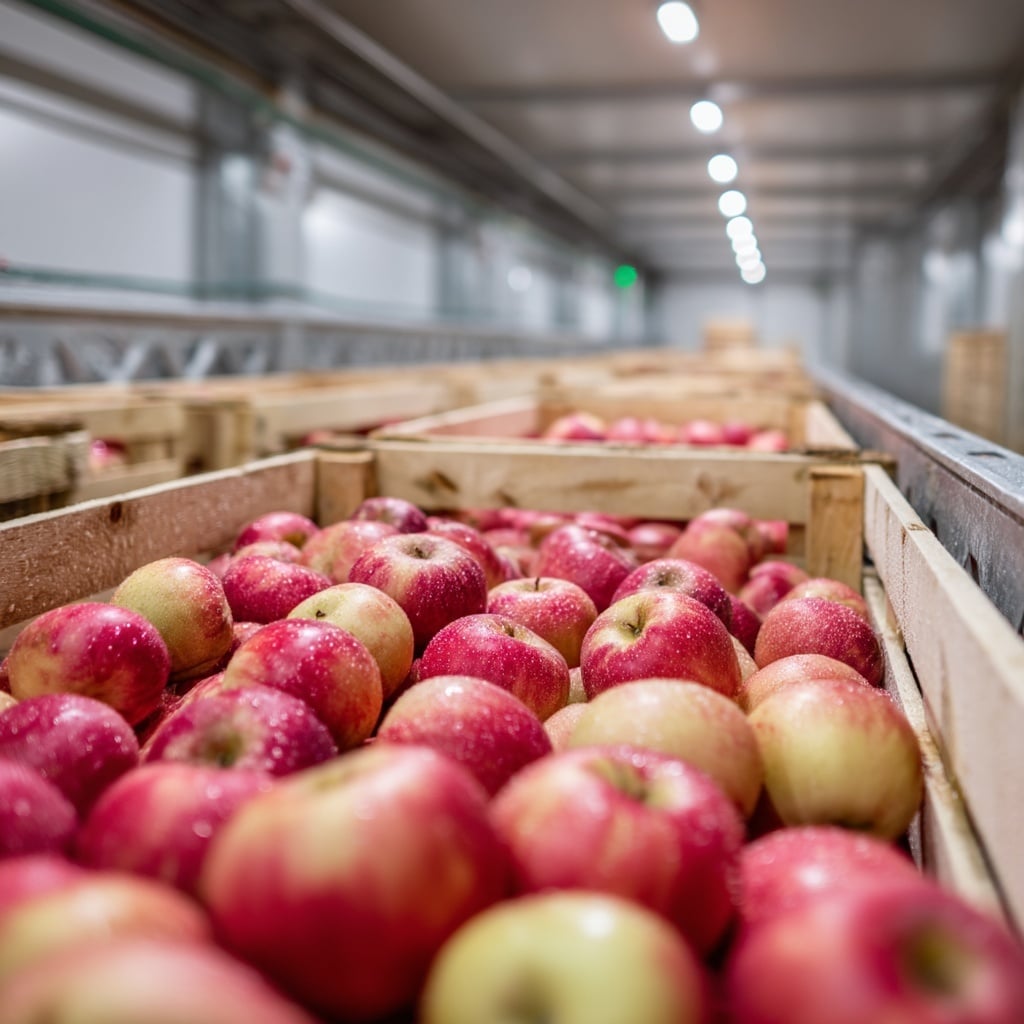
Once apples are harvested, proper handling is crucial to preserve their quality—and profitability. In a well-run apple orchard, post-harvest steps begin immediately after picking. Apples should be sorted to separate premium fruit from those suited for juicing, baking, or composting.
Clean apples gently with cool water if needed, and avoid stacking them too high during storage to prevent bruising. For long-term storage, many orchardists use controlled atmosphere (CA) storage, which slows ripening by reducing oxygen levels and maintaining low temperatures and high humidity.
Even without advanced storage systems, a cool, dark room with good air circulation can keep apples fresh for several weeks or even months, depending on the variety. Keep in mind that different apple types have different storage lifespans—firm varieties like Fuji and Granny Smith often store better than softer ones like McIntosh.
Effective storage keeps your harvest market-ready well beyond the picking season.
Marketing Your Apples
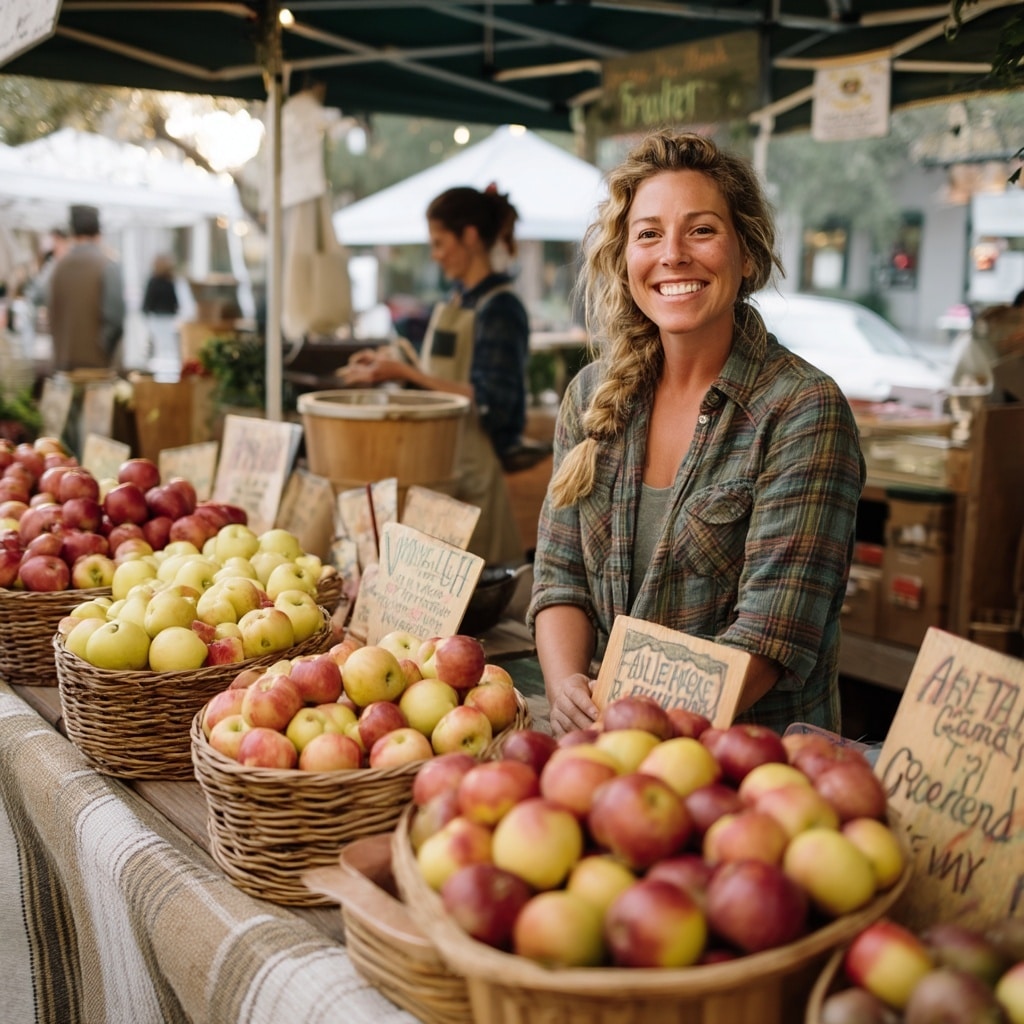
Growing great fruit is only half the job in a successful apple orchard—selling it effectively is just as important. Today’s consumers value freshness, sustainability, and connection to local farms, which gives orchard owners a strong advantage when marketing directly.
Start by identifying your best sales channels:
- Farmers’ markets
- CSA programs (community-supported agriculture)
- Grocery store partnerships
- On-site farm stands or pick-your-own events
- Online direct-to-consumer sales
Diversifying your product line also helps boost revenue. In addition to fresh apples, consider offering apple cider, baked goods, or apple preserves. These not only reduce waste from blemished apples but also create new income streams.
Branding matters too. A clear, authentic story behind your orchard can build loyalty and trust. Use social media and local food events to connect with your community and turn first-time buyers into regular customers.
Maintaining Sustainability in Your Orchard
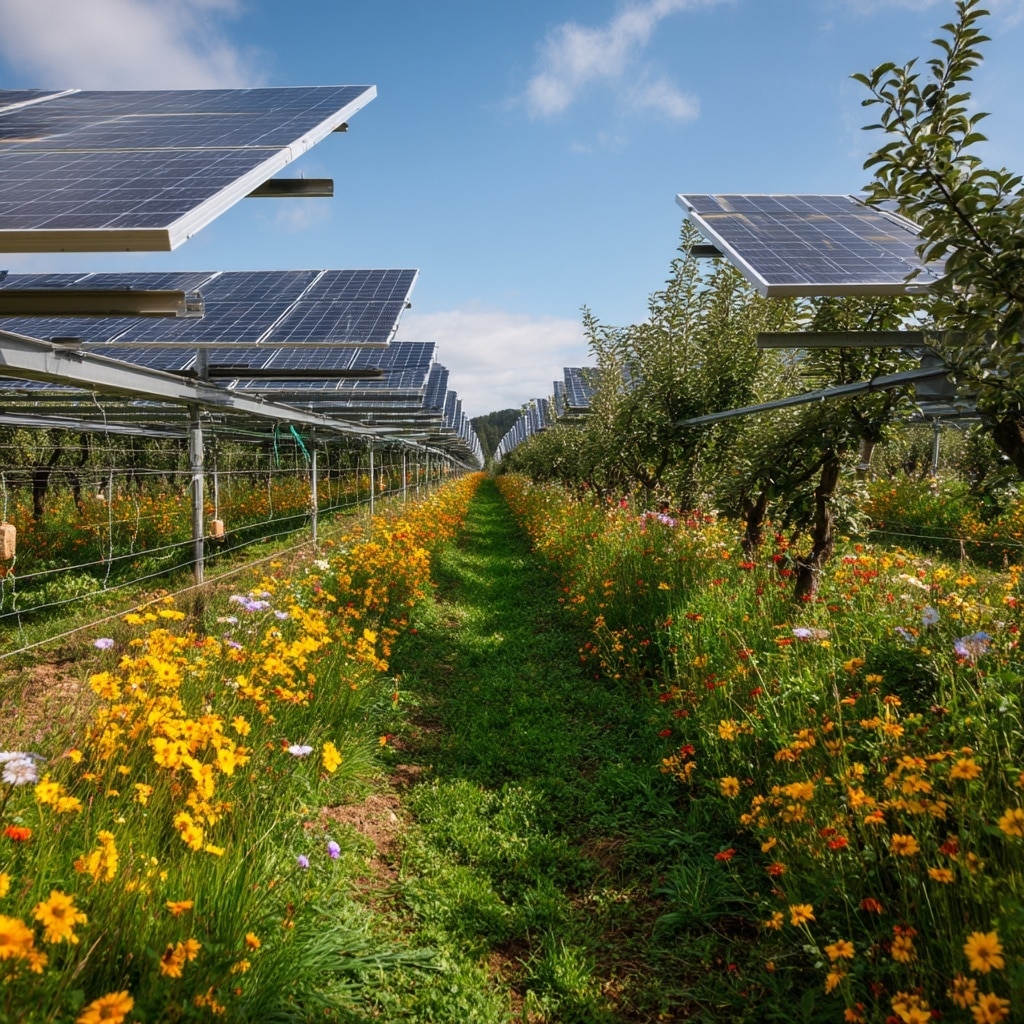
Running a sustainable apple orchard is no longer just a bonus—it’s a priority for both growers and consumers. Sustainability means managing your land and resources in a way that supports long-term productivity without harming the environment.
Start by focusing on soil health through composting, crop rotation, and minimizing chemical inputs. Use drip irrigation systems to conserve water and reduce runoff. Encouraging pollinators by planting wildflower strips or maintaining natural hedgerows can improve yields and support biodiversity.
Pest control can also be sustainable. Integrated pest management (IPM), which combines natural predators, traps, and targeted treatments, helps reduce reliance on broad-spectrum pesticides.
Many orchardists also explore renewable energy options—like solar panels for powering cold storage—or reuse packaging and minimize waste to lower their footprint.
Sustainability not only protects your orchard’s future—it builds trust with eco-conscious buyers and positions your apples as a choice people can feel good about.
Conclusion
Managing an apple orchard takes time, knowledge, and a strong connection to the land—but the rewards are well worth it. From choosing the right varieties and maintaining soil health to handling pests, pruning trees, and selling your harvest, every step contributes to your orchard’s success.
With thoughtful planning and a commitment to sustainability, you can grow apples that not only taste great but also support your community and the environment. Whether you’re just starting or looking to refine your practices, running an apple orchard is both a business and a legacy in the making.